
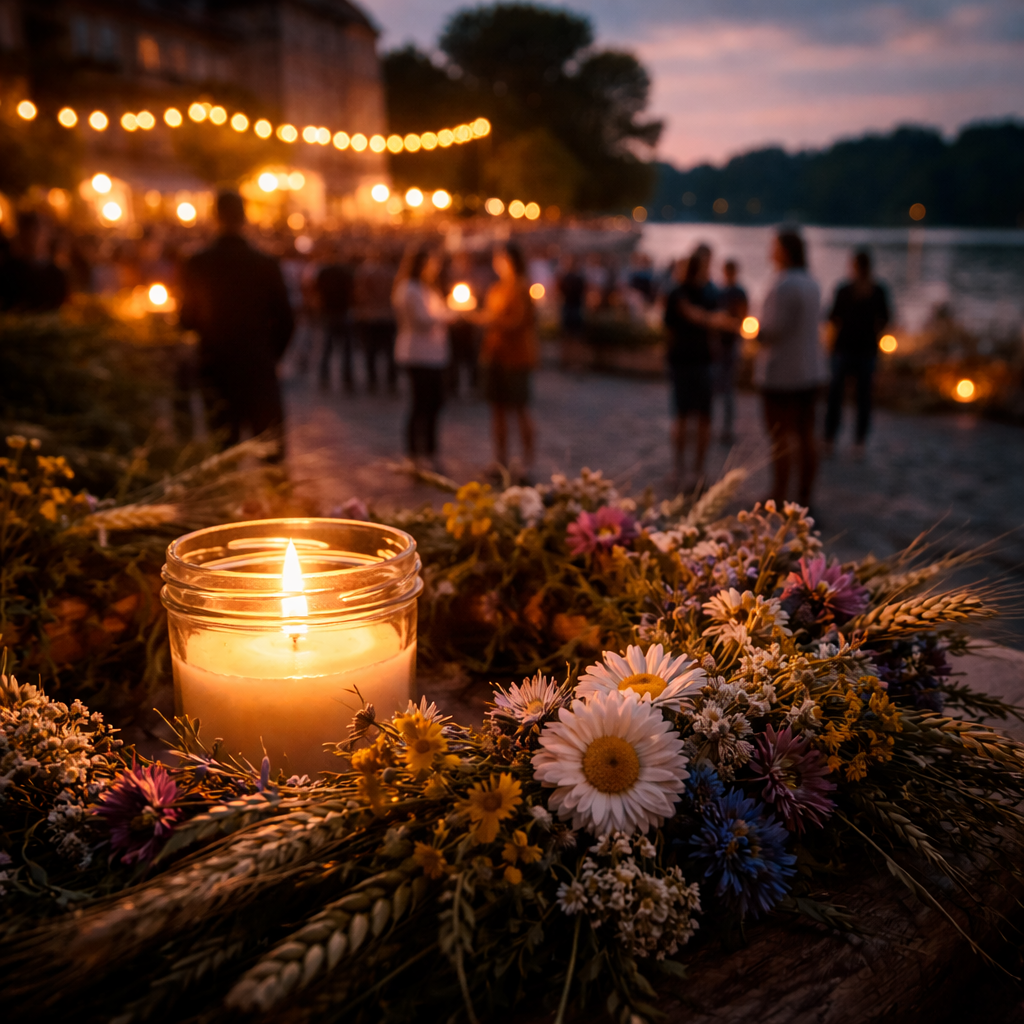
Poland is easy to underestimate if you approach it only through architecture, food, and city breaks. Those things are important, of course, but they do not fully explain the country. To feel Poland properly, you have to catch it at the right moment—when candles fill cemeteries, when Easter baskets appear in churches, when bonfires and flower crowns turn summer nights into something older and more symbolic than a normal festival. That is when Poland stops feeling like a destination and starts feeling like a living cultural rhythm.
That is why this is not just an article about customs in the abstract. A real Poland festivals and traditions guide should help travelers understand when to visit, what kind of atmosphere each celebration creates, and how to choose the experience that actually fits their travel style. Some visitors want solemn beauty and religious depth. Others want folklore, costume, music, and a more joyful public mood. Others simply want one strong cultural chapter inside a wider Poland trip. The country can give all of those experiences, but not at the same time and not in the same emotional register.
This guide is built around those differences. Instead of listing traditions like a textbook, it shows you how to use them to shape a real itinerary. If you plan around the right celebration, Poland becomes warmer, more specific, and far more memorable than a standard city-to-city route.
Why Traditions Matter So Much in Poland
Traditions in Poland still carry real weight because they are not only staged for visitors or kept alive as cultural decoration. They remain tied to family life, local identity, religion, public memory, and seasonal rhythm in a way that many travelers immediately notice. This gives celebrations here a different feeling from countries where traditions survive mainly through festivals for tourists. In Poland, many customs still belong first to the people who live them. That is exactly why they feel meaningful to outsiders too.
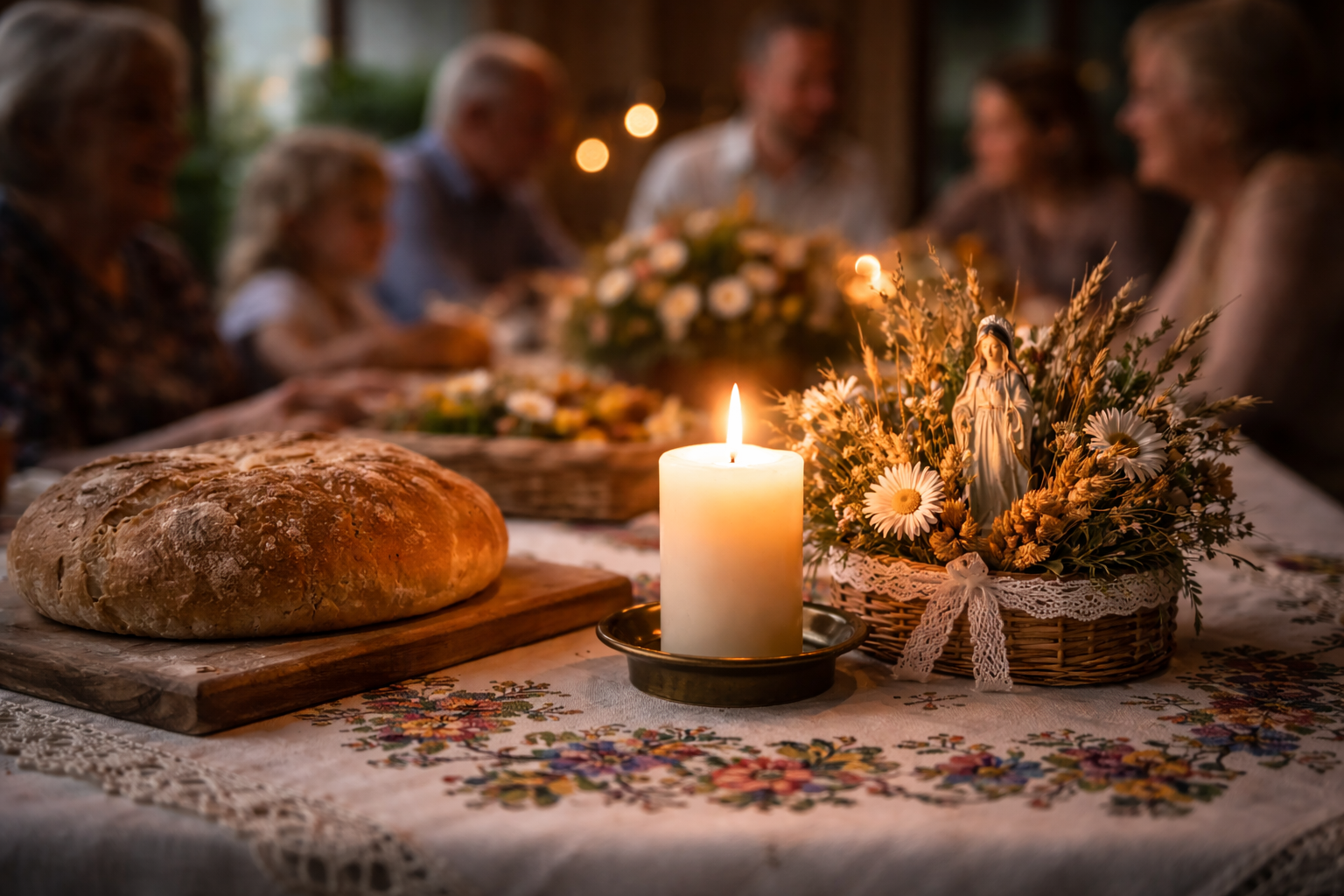
Another reason these traditions matter is that they reveal multiple layers of the country at once. Catholic ritual, village folklore, seasonal symbolism, and national memory often overlap rather than standing apart. A single celebration may contain religion, food, family ritual, public space, and older pre-Christian echoes all at the same time. That layering gives Polish traditions emotional density. They rarely feel one-dimensional, even when the custom itself seems simple on the surface.
For travel writing, this makes traditional culture in Poland much more useful than a generic heritage article. Readers are not only learning facts. They are learning how the country feels when people gather, remember, celebrate, and mark time together. That is one of the strongest ways to make Poland come alive.
Polish Easter: The Most Accessible Deep Cultural Experience
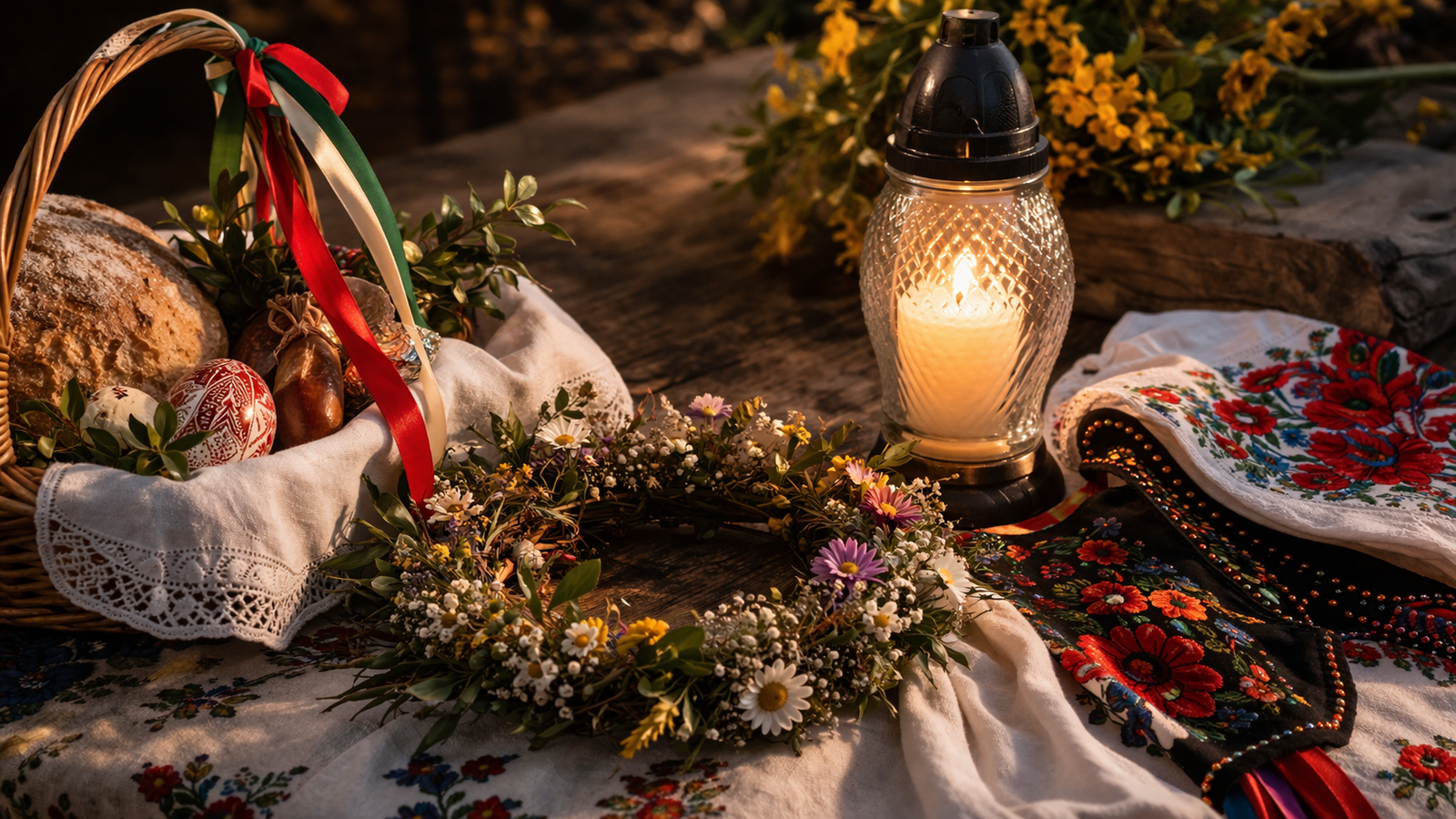
If one period deserves to anchor a whole trip, it is Easter. Polish Easter traditions are visually rich, emotionally layered, and easy for travelers to notice even if they do not understand every religious detail. Decorated eggs, church services, spring symbolism, and the blessing of the Easter basket all create a feeling that the country is moving through one shared ritual season. This gives the trip coherence in a way normal sightseeing often cannot.
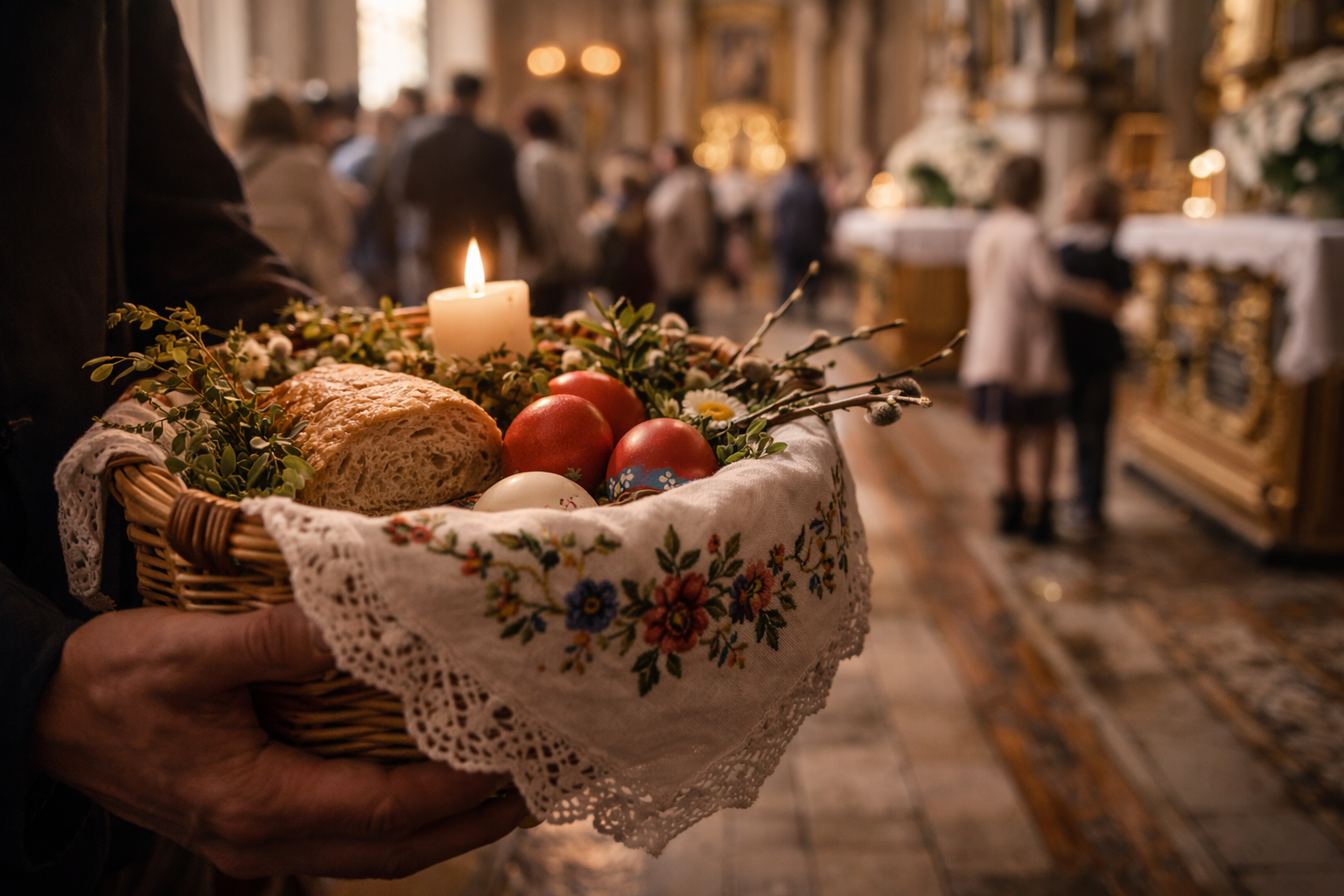
The blessing of the Easter basket is one of the clearest examples. On paper, it sounds simple: food prepared, brought to church, blessed, then taken home as part of the holiday meal. In real life, it becomes a visual and emotional event. Baskets are arranged with care, churches fill with families, and the whole custom expresses something deeply Polish about how food, faith, and household life connect. A traveler does not need to participate directly to feel the significance. Observation alone is often enough to understand that this is not “just tradition.” It is a lived ritual.
Easter also works well for travel because it combines public and private atmosphere. Cities become quieter, churches become more central, and neighborhoods take on a more reflective mood. For readers wondering when traditions in Poland feel strongest and easiest to experience, Easter is one of the clearest answers.
For a useful official overview of Easter customs and seasonal events, see this Poland Travel guide to spring traditions.
Midsummer and St. John’s Eve: The Most Atmospheric Summer Tradition
If Easter shows Poland at its most spiritual and family-centered, Midsummer celebrations show it at its most symbolic and open-air. The Midsummer festival in Poland, often connected with St. John’s Eve and celebrations like Wianki, is one of the most visually appealing traditions in the country. Bonfires, flower wreaths, river rituals, music, and summer-night atmosphere combine into something that feels both festive and slightly mythical. It is the kind of event that travelers remember not only because it is beautiful, but because it feels older than modern tourism.
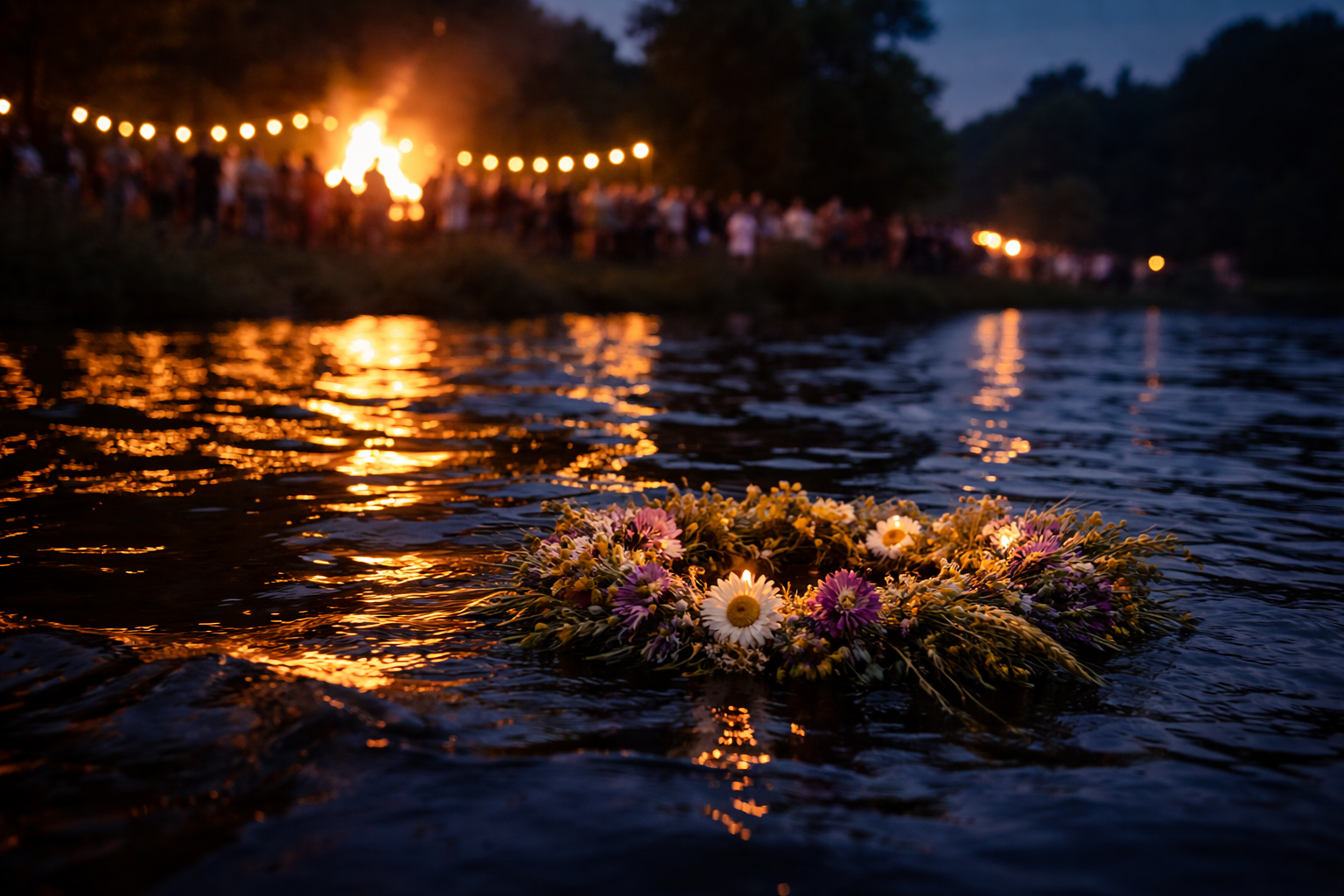
What makes this celebration especially attractive is that it stands at the crossroads of folklore and public joy. You do not need to be religious, and you do not need to know every cultural reference to appreciate it. The combination of water, fire, greenery, and communal gathering is emotionally readable even to first-time visitors. This gives Midsummer an advantage as a travel theme: it feels meaningful without feeling closed off to outsiders.
It also works especially well in cities and towns where rivers, old town spaces, or folk-programming create a stronger setting. A traveler can build a whole evening around it—light walking, local food, a good viewing spot, and enough unstructured time to let the atmosphere land. In a Poland festivals and traditions guide, this is one of the best examples of a tradition that feels cinematic without becoming empty spectacle.
All Saints’ Day: The Most Beautiful Quiet in Poland
Few traditions in Europe create a public atmosphere as distinctive as All Saints’ Day in Poland. On November 1, cemeteries fill with candles, flowers, and families visiting graves, and the country seems to enter a softer, more reflective emotional register. For travelers, this can be one of the most unexpectedly moving experiences in Poland—not because it is dramatic in the usual festival sense, but because it reveals how deeply memory and family continuity are woven into public culture.
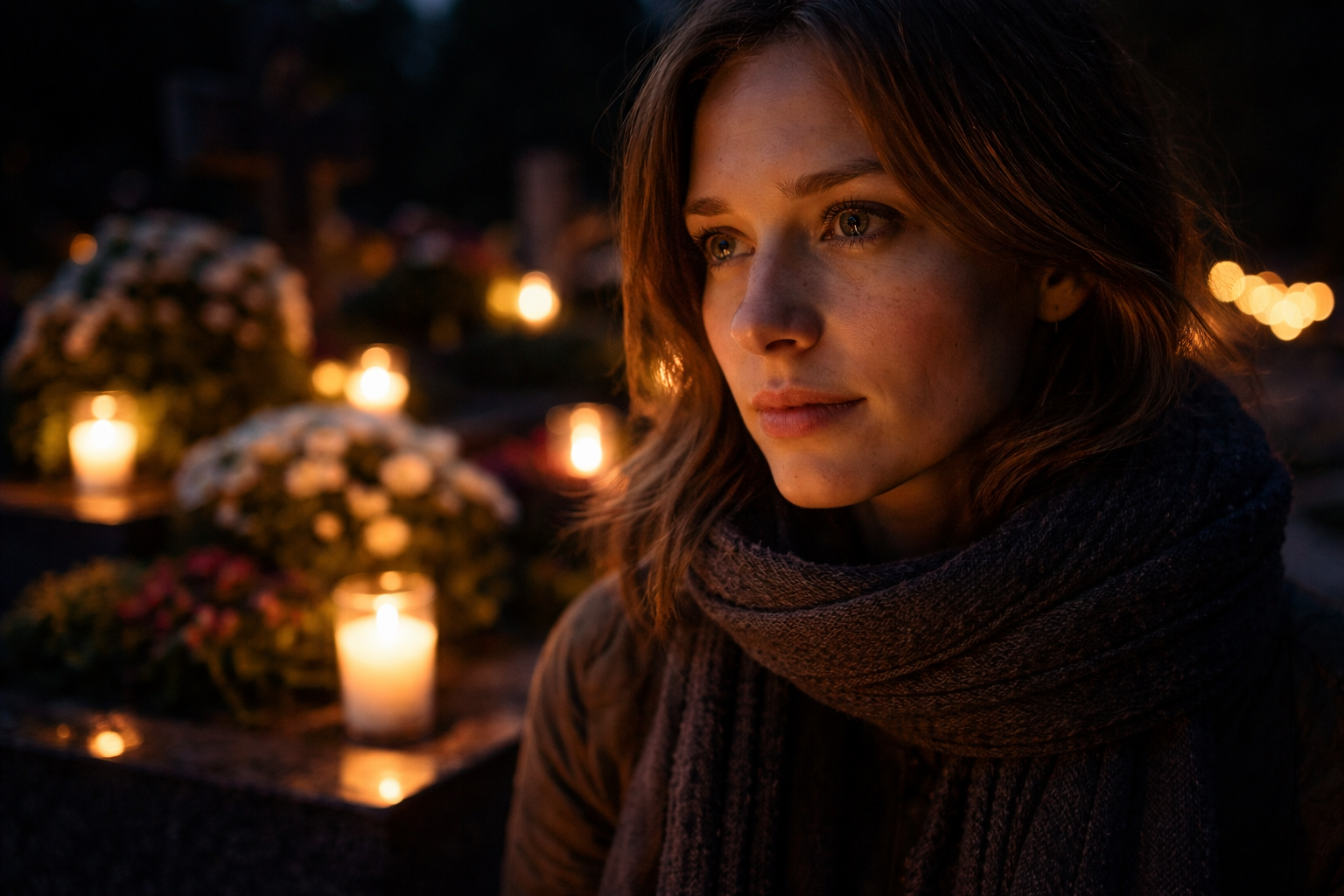
What makes this day so striking is visual scale. One candle is simple. Thousands of candles across a cemetery become something else entirely: not only remembrance, but a kind of collective choreography of care. Even for visitors who come from places with similar memorial customs, Poland’s version often feels more concentrated and visible. Cemeteries become luminous, and ordinary urban life briefly reorganizes itself around memory. That creates an atmosphere far stronger than the phrase “visiting graves” suggests.
This is also an important reminder that the best cultural travel experiences are not always loud. In a world of festival content focused on noise and celebration, All Saints’ Day in Poland offers something more unusual: stillness that is public, shared, and deeply legible. That makes it one of the strongest traditions in the article, because it broadens what “festival travel” can mean.
Polish Folklore: Where Costumes, Dance, and Regional Identity Still Matter
Travelers often expect folklore to feel staged, but in Poland it can still feel rooted and surprisingly specific when encountered in the right context. Traditional costumes, embroidery, regional dance, and music are not all-purpose “national decoration.” They often belong to particular local histories and identities, which is why they feel more convincing when seen in regional festivals, folk events, or community celebrations rather than in generic tourist shows. This matters, because it turns folklore from costume into context.
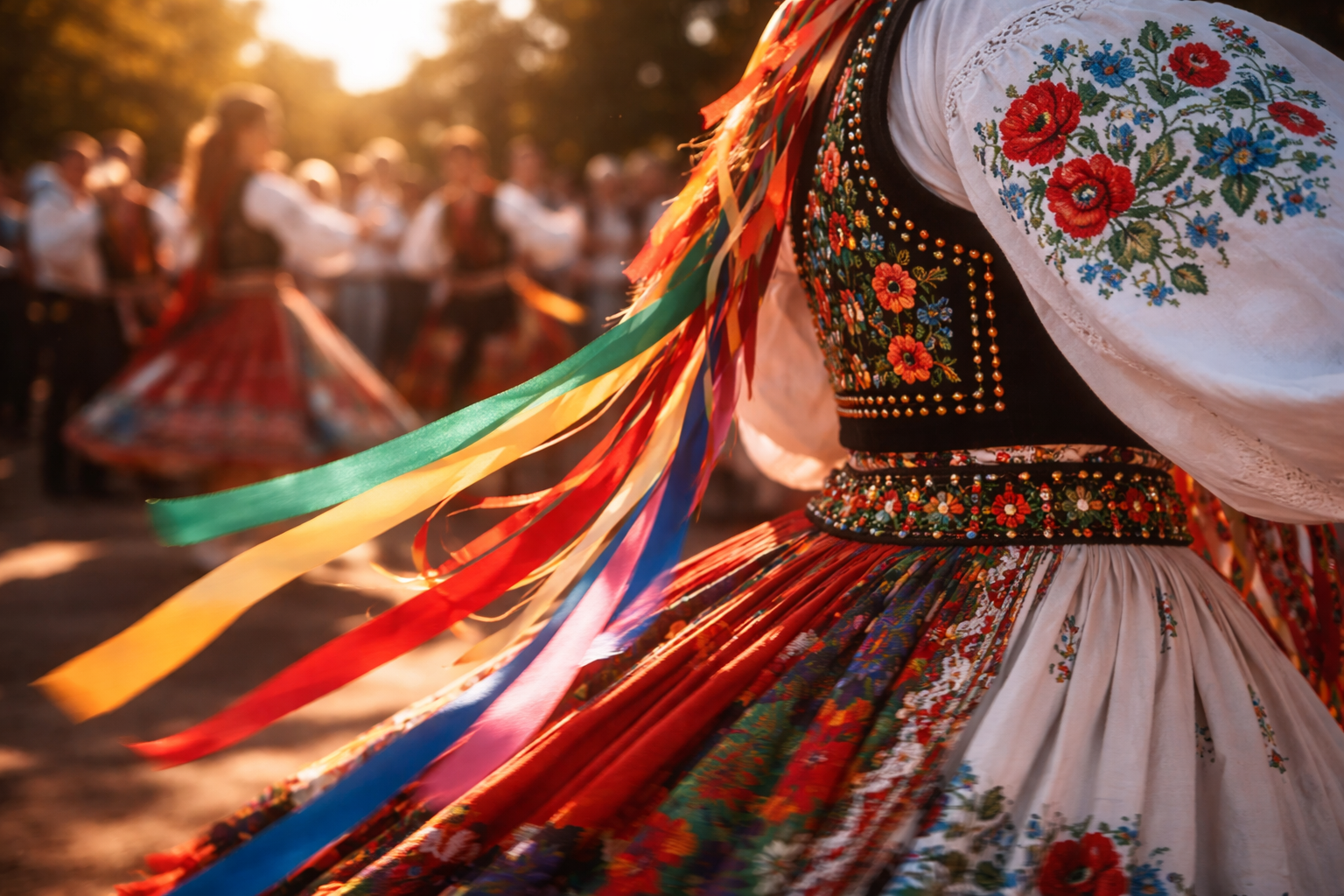
The strongest folklore experiences are often those that reveal movement rather than static display. A dance like the Polonaise or Krakowiak carries different emotional meaning when seen in performance or celebration rather than only read about in a guide. Music, posture, steps, costume, and group interaction all combine to make the tradition more intelligible. Readers who want something joyful rather than solemn will often connect to this side of Poland more easily than to religious observance, and that is worth acknowledging directly.
This is also where traditional culture in Poland becomes regionally rich. The country is not folklorically uniform, and that is part of the appeal. A good trip might include one city chapter and one smaller-town or regional chapter where costume, dance, and local craft have more breathing room. That contrast helps the whole country feel more layered.
Which Tradition Fits Your Travel Style?
One of the best ways to make this article genuinely useful is to help readers choose based on emotional preference, not only on dates. If they want solemn beauty, memory, and a deeply reflective atmosphere, All Saints’ Day is likely the strongest fit. If they want sacred ritual, spring symbolism, and an experience rooted in family and religious life, Easter will be much more rewarding. If they want warmth, open-air festivity, and something more visually playful, Midsummer is the better answer. If they want regional joy and public performance, folklore-based festivals may be the most satisfying.
This matters because disappointment often comes from mismatch, not from the tradition itself. A traveler seeking spiritual depth may find summer folklore too light if it is sold as the “main cultural experience.” A traveler wanting color and celebration may not be emotionally prepared for the quiet intensity of All Saints’ Day. A strong Poland festivals and traditions guide should therefore act like a travel filter. It should help readers choose the atmosphere they want to step into.
It also makes itinerary planning easier. Once someone knows their preferred cultural register, the rest of the trip falls into place more naturally. Easter works well with quieter city breaks and religious heritage routes. Midsummer pairs beautifully with old towns and river cities. All Saints’ Day rewards slower urban stays and thoughtful pacing. Folklore-heavy experiences fit best with regional routes and smaller-town travel.
If you want to pair those traditions with a quieter, more scenic side of the country, see Poland’s natural treasures and scenic landscapes.
How to Build a Trip Around a Polish Celebration Without Stressing Yourself Out
One of the easiest ways to weaken a tradition-focused trip is to treat the celebration as an “extra thing” added on top of a normal high-speed itinerary. This almost always leads to exhaustion or emotional shallowness. A better structure is to let the celebration define the day and soften everything else around it. If an evening ritual matters, keep the morning light. If a church-based Easter experience is central, do not force three museums and a long train transfer into the same day. Traditions need room around them to feel real.
Accommodation choice matters too. Staying close enough to walk, or at least to move easily within the main area of the celebration, improves the trip immensely. Transport stress can flatten even the most beautiful cultural moment. This is particularly true for evening events like Midsummer gatherings or candlelit All Saints’ Day visits, where atmosphere depends on not rushing out the moment it begins to land.
It is also wise to build recovery space into the itinerary. Tradition-focused trips often ask for attention rather than just energy, and that attention gets tired. A calm breakfast, one free afternoon, or a lighter day after a major cultural experience can protect the whole journey. Poland’s traditions are strongest when travelers have enough space to receive them rather than merely photograph them.
Conclusion: Poland Is Most Memorable When You Catch It in Ritual Time
Poland’s traditions and celebrations matter because they reveal the country through rhythm, not only through landmarks. They show how memory, religion, family life, folklore, and season still shape the public mood. Easter brings sacred depth and renewal. Midsummer brings symbolic joy and summer atmosphere. All Saints’ Day brings candlelit reflection and one of the most moving public rituals in Europe. Folk celebrations bring movement, costume, and regional color. Together, they make Poland feel far more emotionally specific than a standard city-break itinerary ever could.
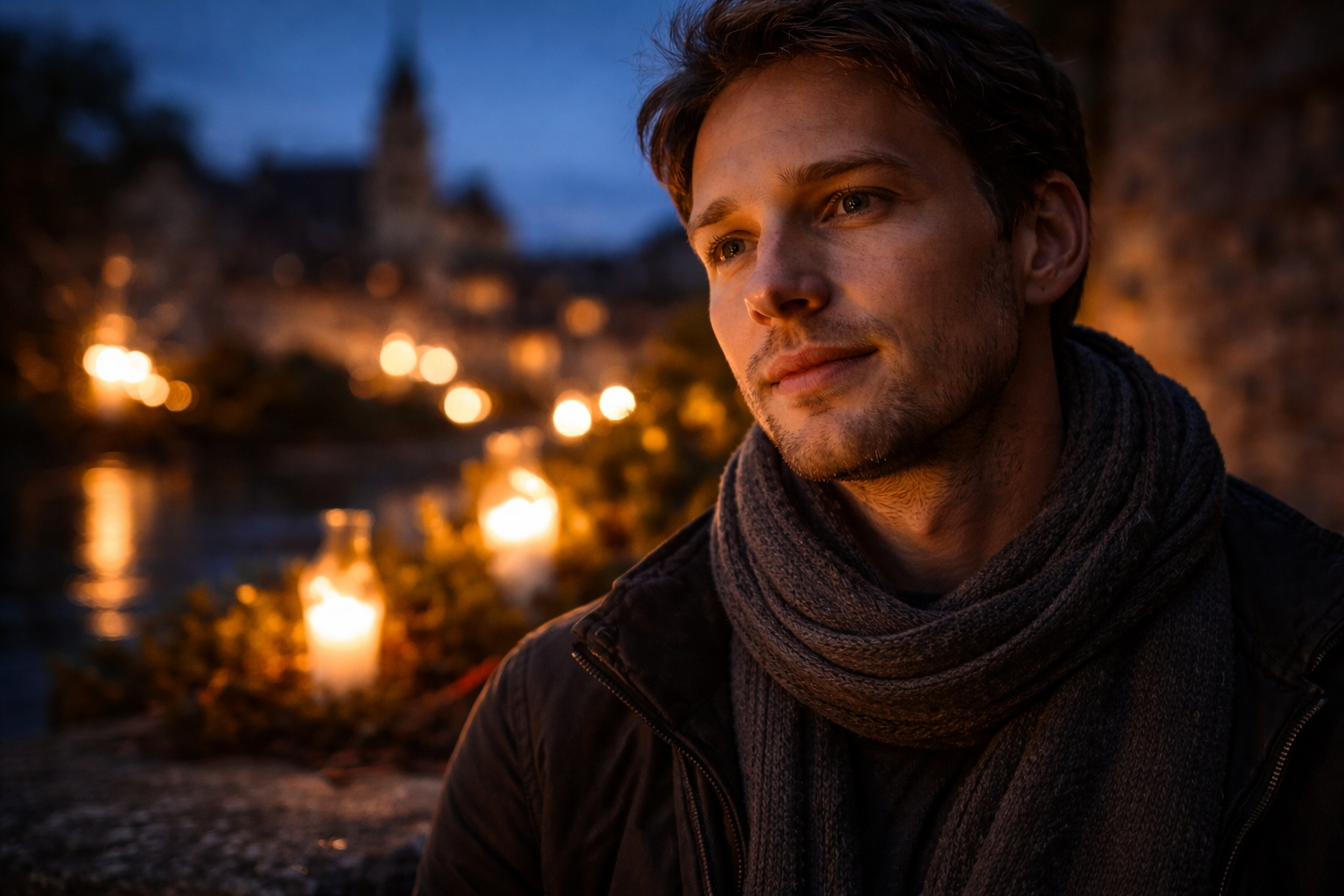
That is why a strong Poland festivals and traditions guide should do more than list customs. It should help travelers decide when to come, what kind of experience they want, and how to make room for it in a real trip. Once they do that, Poland stops feeling like a place they are “visiting” and starts feeling like a country they briefly entered at exactly the right time.