

For many travelers, giant pandas are one of the strongest reasons to visit Sichuan at all. They are not just cute animals attached to China’s image; they are one of the rare wildlife encounters that manage to feel both joyful and emotionally meaningful. The problem is that many articles make the experience sound simpler than it is. They tell you to go to one panda base, take a few photos, and move on. In reality, a good panda experience in Chengdu depends on what kind of encounter you actually want: easy access, conservation context, mountain scenery, or a deeper sense of how panda protection works beyond the tourist path.
That is why this guide is built around choice, not just description. Chengdu gives you the most accessible and famous panda encounter, but it is not the only one, and not always the right one for every traveler. Some people want the easiest, most photogenic morning with pandas munching bamboo. Others want a quieter setting with a stronger feeling of sanctuary and natural environment. Others still want to connect the panda chapter of the trip to a broader Sichuan journey through mountain landscapes and conservation areas. Once you know your priority, planning becomes much easier.
This article focuses on exactly that: what each major panda destination is best for, how they differ emotionally and practically, and how to combine them with a real Chengdu or Sichuan itinerary. Instead of treating pandas like a one-line attraction, we will treat them like they deserve to be treated — as the center of a thoughtful, memorable travel chapter.
Why Chengdu Is the Natural Starting Point
Chengdu works so well as a panda gateway because it combines accessibility with infrastructure. It is a major city with enough transport, food, hotels, and day-trip options to support different travel styles, which means visitors can build a panda-focused plan without turning the whole trip into a logistical headache. That matters more than people expect. Wildlife experiences are often strongest when the surrounding travel is easy, because then you arrive calm, curious, and able to enjoy what you came for. Chengdu gives you that advantage immediately.

The city also helps because pandas are not the only thing worth coming for. Tea houses, Sichuan food, temple spaces, parks, and a slower urban rhythm provide an ideal counterbalance to animal-focused mornings. This makes Chengdu better than a “single-attraction” destination, because the panda experience can sit inside a fuller travel story rather than carrying the entire trip by itself. For readers planning their first Sichuan journey, that makes panda experience in Chengdu a much stronger topic than a generic wildlife overview.
Most importantly, Chengdu teaches the right emotional tone. Pandas are adorable, yes, but they are also fragile symbols of conservation, habitat loss, research, and long-term ecological effort. Starting in Chengdu helps travelers understand that both sides matter. The best panda trip is the one that leaves you delighted and slightly more aware, not just entertained.
Chengdu Panda Base: The Best First-Time Panda Experience
If your goal is the easiest, most accessible, and most widely recommended panda visit, the Chengdu panda base is still the best place to start. It gives first-time visitors exactly what many of them are hoping for: giant pandas at relatively close range, thoughtfully designed environments, and a strong sense that the entire place exists around the care and study of these animals. The base is popular for a reason. It offers a reliable panda encounter without requiring difficult travel or specialist planning, which makes it ideal for most readers.
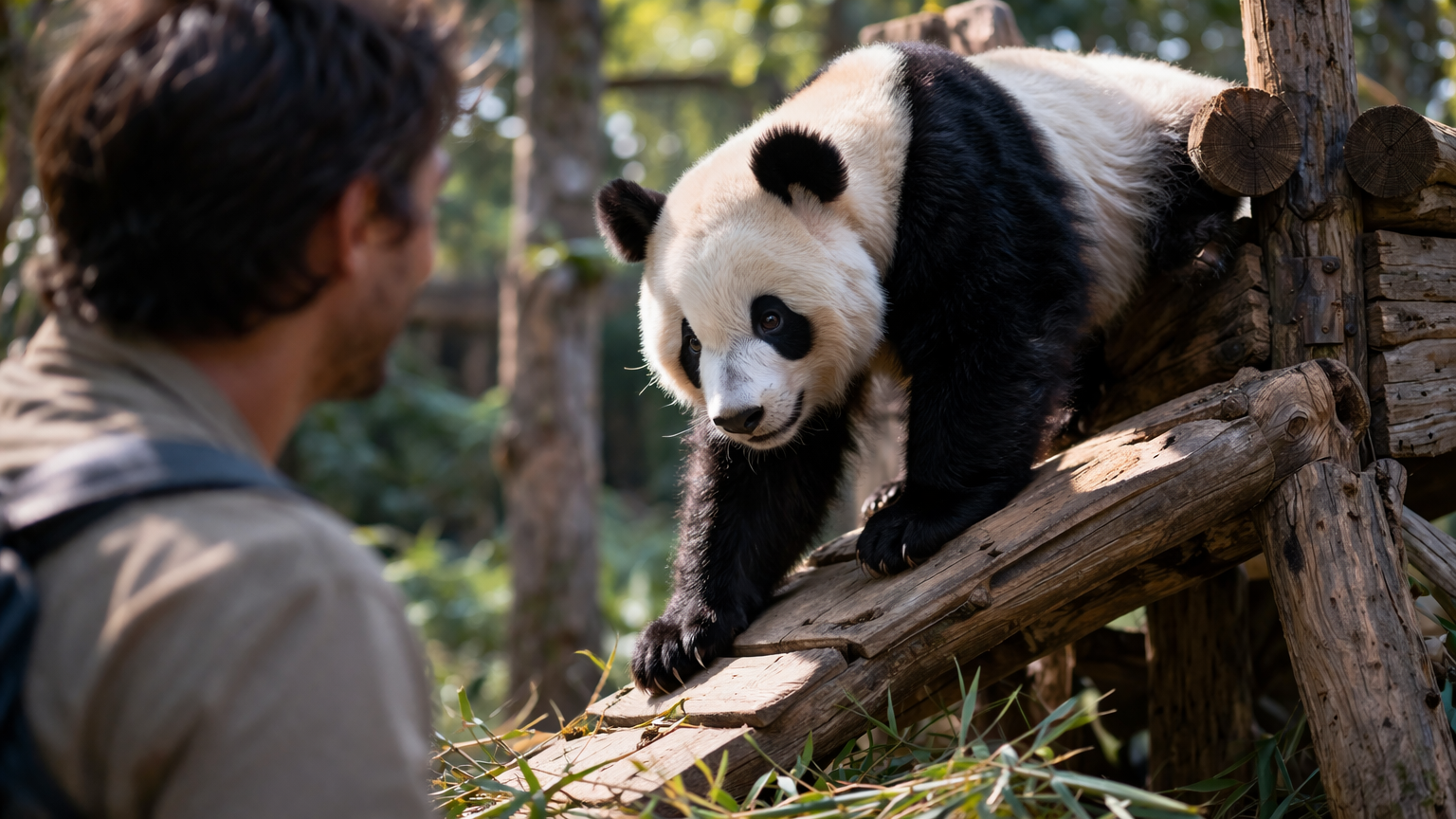
The best part of the Chengdu base is that it works at several levels at once. On the surface, it is visually satisfying: pandas climbing, resting, chewing bamboo, and generally behaving in ways that make everyone around them smile. Underneath that, it also introduces visitors to the broader conservation and breeding effort that supports panda survival. You are not only there to see “cute animals.” You are there inside one of the world’s most important panda-focused institutions, which gives the visit more weight than a simple zoo-style encounter.
That said, timing matters a lot. Pandas are most active earlier in the day, especially when temperatures are cooler, so the base rewards travelers who arrive early and move with some purpose rather than drifting in late. It is also worth treating the base as a morning anchor rather than an all-day theme park. If you plan it that way, the experience stays emotionally bright, and you still have the rest of the day for Chengdu itself.
For official visitor information and ticket details, check the Chengdu Research Base of Giant Panda Breeding website.
Wolong National Nature Reserve: The More Expansive, Landscape-Driven Option
Wolong offers a different emotional register entirely. While Chengdu gives you ease and access, Wolong National Nature Reserve brings in the feeling of mountain wilderness, protected landscapes, and a stronger connection to the wider habitat story surrounding pandas. Even when the experience is still shaped by conservation infrastructure rather than wild-animal certainty, the surrounding environment changes everything. You feel farther from the city, closer to the ecological stakes, and more aware that pandas belong to a larger mountain system rather than a single famous base.
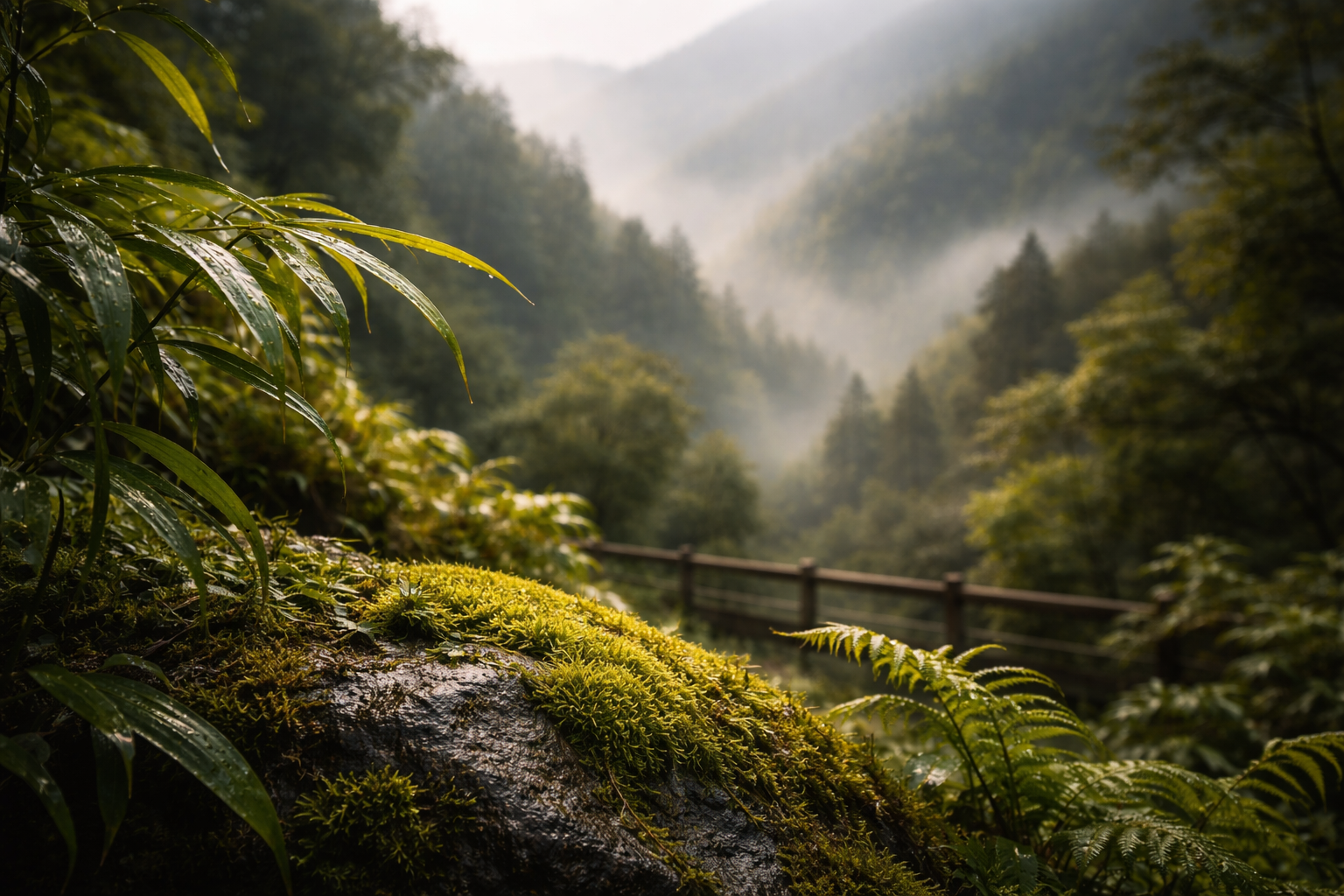
This makes Wolong a strong choice for travelers who want more than a “cute encounter.” It is especially rewarding for people who enjoy nature-based travel anyway, because the landscape becomes part of the emotional value of the trip. The road out, the mountain setting, the forests, and the broader reserve atmosphere all contribute to the sense that you are stepping into panda country rather than visiting a city attraction. That shift is important. It turns the panda experience from a standalone stop into a richer wildlife chapter.
Wolong is not always the simplest choice logistically, and that is exactly why it works best for readers who want a slightly deeper, more immersive version of the story. If someone is only in Chengdu for a quick visit, the city base is the safer option. But if they have time and want to feel the wilderness dimension of where to see pandas in China, Wolong becomes one of the strongest additions they can make.
Bifengxia Panda Base: The Best Balance of Sanctuary Feel and Structured Visit
Bifengxia Panda Base often feels like the middle path between Chengdu’s accessibility and Wolong’s more environmental atmosphere. Located in the greener mountain area near Ya’an, it gives visitors a stronger sense of space and a somewhat softer, more sanctuary-like mood than the busier city base. For many travelers, this is exactly the sweet spot: enough structure to make the visit easy, enough natural backdrop to make it feel more emotionally grounded. If Chengdu is the classic introduction and Wolong is the landscape chapter, Bifengxia is the version that feels gentler and more expansive.

One of the reasons Bifengxia is especially memorable is that it often gives people the feeling of seeing pandas in a more spacious, less compressed environment. The setting matters because it affects the emotional reading of the whole experience. A panda in a greener, more open-feeling habitat simply lands differently than a panda in a more obviously high-volume tourist site, even if both are part of legitimate conservation work. For readers who want a panda day that feels calmer and more restorative, Bifengxia is a very strong option.
It is also especially appealing for travelers who are building a wider Sichuan route rather than a Chengdu-only city break. Bifengxia pairs naturally with the kind of trip that already includes tea culture, mountain scenery, and slower intercity pacing. In that structure, it becomes more than “another panda base.” It becomes the softer, greener chapter that balances urban Chengdu beautifully.
What Kind of Panda Traveler Are You?
One of the most useful ways to plan this topic is to ask what kind of experience you are actually chasing. If you want the easiest, most photogenic, least complicated version, Chengdu is the obvious answer. If you want broader conservation atmosphere and mountain context, Wolong becomes more attractive. If you want a calmer sanctuary mood with strong visual payoff, Bifengxia may be the better emotional fit. These differences matter because not all panda travelers want the same thing, even if they all think they do at first.

This is where the article becomes more valuable than a generic list. Instead of simply naming destinations, it helps readers map desire to place. Families with children often do best with the most accessible and reliable encounter. Wildlife enthusiasts who already care about habitat may lean toward Wolong. Couples or slow-travel readers might find Bifengxia more emotionally satisfying because of its quieter setting. A good guide to where to see pandas in China should always make those differences visible.
It also helps readers avoid disappointment. Many travel frustrations happen because expectations are mismatched with the site rather than because the site itself is poor. Once you know whether you want convenience, wilderness, or atmosphere, the decision becomes much more logical. And logical planning is what makes the trip feel smooth and special.
If you’re building a wider route around Chengdu, this guide to China’s high-speed rail experience can help you connect the panda visit to a smoother multi-city trip.
How to Time the Visit So It Actually Feels Magical
Pandas are not theme-park performers, and that means timing changes the whole experience. They are generally more active in cooler parts of the day, especially mornings, and much less rewarding when the day gets hotter and both animals and humans grow sluggish. This is one of the simplest but most important truths in building a strong panda experience in Chengdu. Early starts are worth it here in a way they may not be for many other travel activities. If you want pandas that are moving, eating, and interacting with their environment, you need to work with their rhythm rather than yours.

This is also why readers should treat a panda visit as the first major event of the day, not the leftover afternoon slot. Once the panda chapter is complete, the rest of the itinerary can soften into lunch, tea houses, parks, or a quieter Chengdu exploration. That sequence works far better than trying to force a museum morning and a panda afternoon into the same schedule. The pandas deserve better timing, and honestly, so do the travelers.
Season and weather matter too, though less in a simplistic “go in month X” way and more in terms of comfort and activity. Cooler conditions generally help, and shoulder seasons can feel especially good because both the travelers and the animals seem less stressed by heat and peak pressure. The real lesson is to plan around life rhythms, not only around ticket availability.
What Else to Do Around the Panda Chapter
A panda trip becomes more memorable when it is not isolated from the rest of Chengdu or Sichuan. Chengdu itself is one of China’s most pleasant cities for slower travel, with a pace that supports recovery and observation. After an early panda morning, a traveler can settle into a tea house, walk through a park, eat a long Sichuan lunch, or explore local temple culture without feeling rushed. This creates a fuller day and prevents the panda visit from carrying the whole emotional burden of the trip.
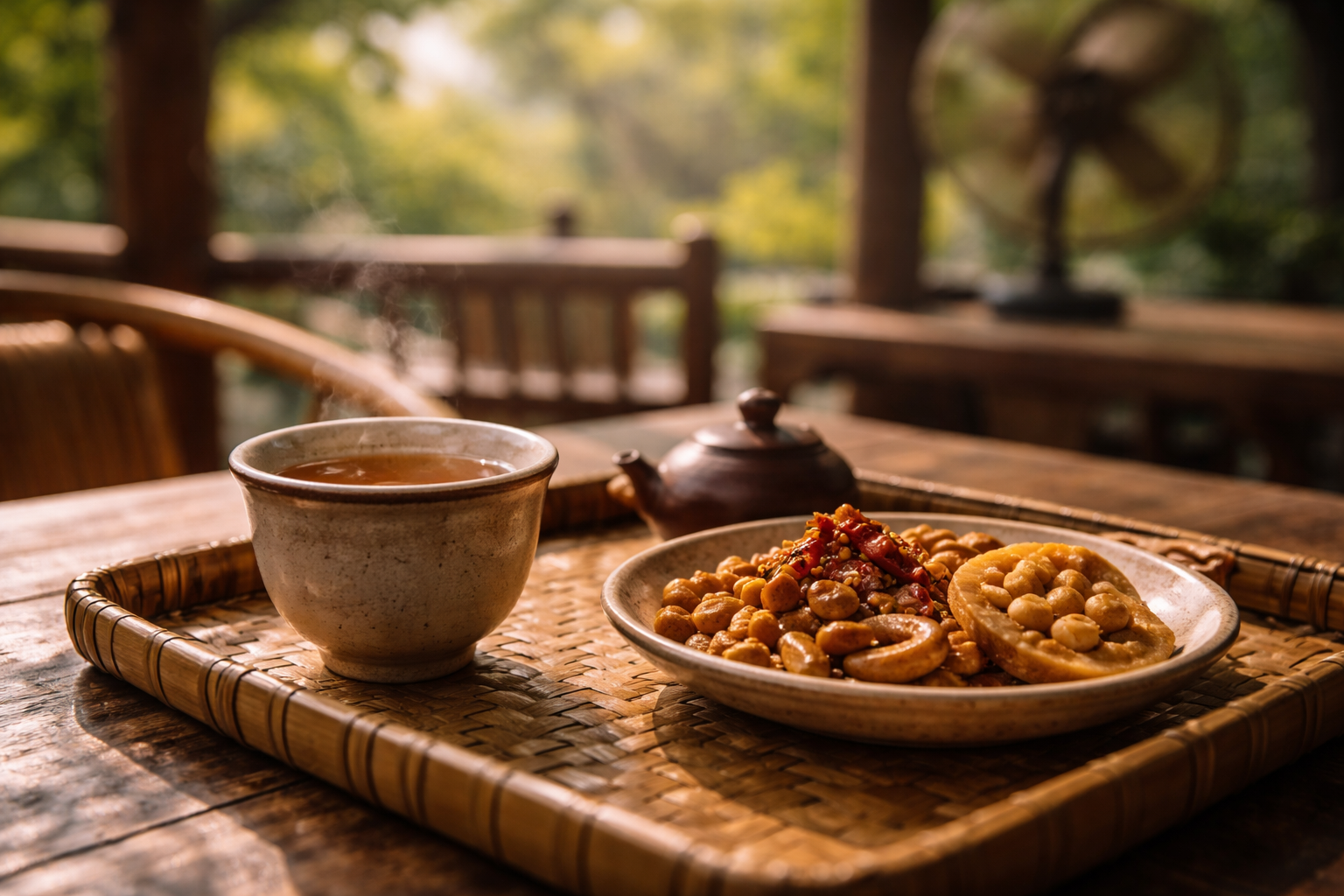
Thematically, this also works well because Chengdu’s softer urban pleasures echo the tone of the panda experience. Pandas are not adrenaline wildlife. They belong to a slower travel mood — tea, shade, bamboo, mountain air, and long pauses. If you follow the panda morning with high-stimulation, high-pressure tourism, the trip can feel emotionally fragmented. If you follow it with something calmer, the day feels whole.
For readers staying longer in Sichuan, the panda chapter can also open naturally into nature travel, mountain scenery, and even food-focused regional exploration. This is one reason the topic performs well as a travel guide rather than a single-attraction article. It is easy to link pandas into a wider and more satisfying regional itinerary. Chengdu becomes not just “the panda city,” but the doorway into a whole softer, richer part of China.
Ethics, Conservation, and How to Travel This Topic Well
Pandas are so photogenic that it is easy for a trip to drift toward pure spectacle, but the most meaningful panda travel keeps conservation in view. These animals have become icons precisely because they were once so vulnerable, and because enormous effort has gone into breeding, habitat work, research, and public education. Visitors do not need to become conservation experts to appreciate this, but they do benefit from remembering that the point is not simply getting cute photos. The point is supporting and understanding one of the world’s most visible wildlife recovery efforts.
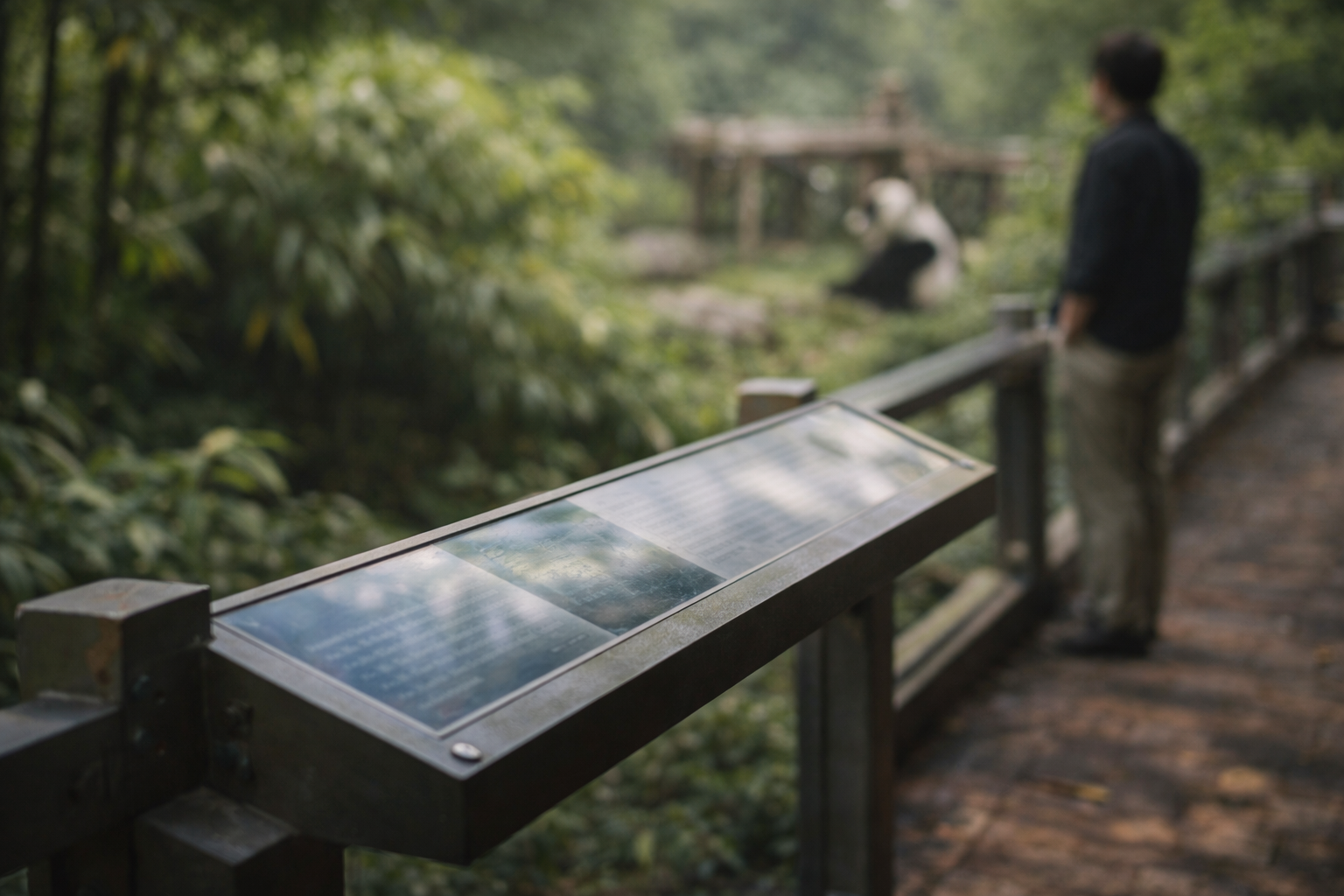
That also means choosing reputable institutions and respecting the tone of the place. A well-run base is not just entertainment infrastructure; it is also a research and care environment. Travelers should treat it accordingly by arriving with patience, respecting instructions, and understanding that the animals’ comfort matters more than the perfect photograph. This kind of framing does not make the trip less joyful. It actually makes it more powerful, because delight becomes tied to respect instead of pure consumption.
For readers, this is a useful emotional shift. It elevates the article from “where to see a panda” to “how to engage this experience well.” That is stronger travel writing, and it makes the topic feel more worthwhile. The cutest animal in the world does not need shallow content to attract clicks. It deserves a little depth.
Conclusion: Chengdu and Beyond Is the Right Panda Story
The best panda trip is not the one with the most stops. It is the one where the setting, the timing, and the emotional tone all line up. Chengdu offers the strongest entry point because it is easy, rewarding, and well connected to the city’s wider pleasures. Wolong adds mountain context and the feeling of protected habitat. Bifengxia offers a greener, calmer sanctuary atmosphere that many travelers find unexpectedly moving. Together, they show that a panda experience in Chengdu can be much more than one quick photo op.

That is why this topic works so well when planned thoughtfully. Pandas draw people in with charm, but the trip becomes memorable through structure: early mornings, slower afternoons, and the realization that conservation, landscape, and travel pleasure can all sit inside the same chapter. If readers approach it that way, they do not just leave with adorable pictures. They leave with one of the warmest and most distinctive wildlife memories China can offer.