
Family travel in France can be magical, but only if you plan it like a parent—not like a solo traveler with a tight bucket list. France has everything: iconic cities, beaches, mountains, theme parks, and food that even picky eaters can learn to love. The problem is that families don’t fail in France because France is hard. They fail because they try to do “France” at adult speed, and the trip turns into a cycle of rushing, hunger, and meltdowns in beautiful places.
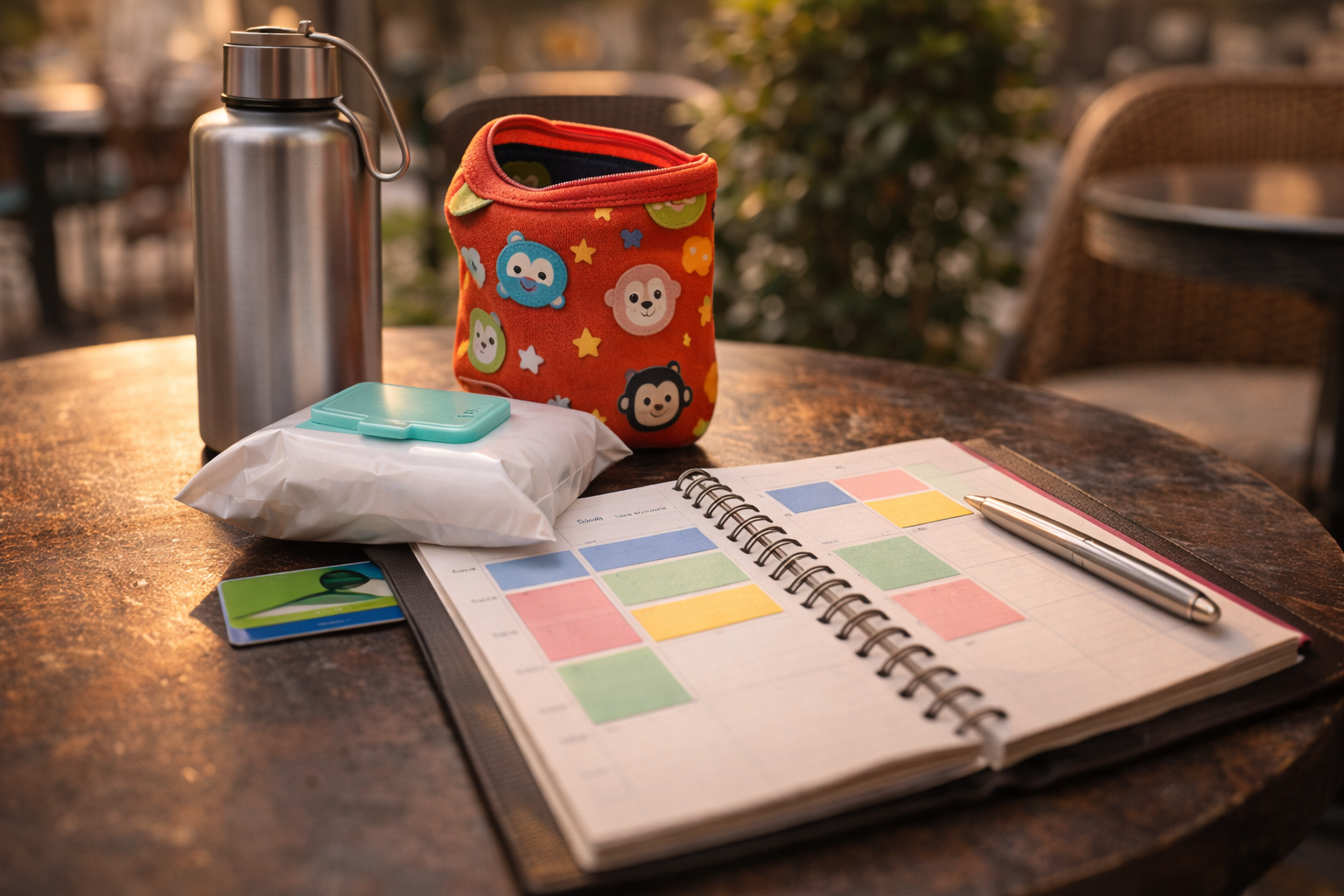
This France family travel guide is designed to make your trip feel calm and fun, not like you’re constantly negotiating with time. You’ll get region ideas, age-friendly choices, realistic day structures, and practical tips that prevent the most common problems: long queues, tired legs, restaurant stress, and “what do we do now?” moments when weather shifts. If your dates are flexible, use this festivals in France guide to align family days with the best seasonal events (and avoid the biggest crowd spikes). France is a dream family destination when you treat it as a rhythm, not a race. And once you have that rhythm, the whole country becomes easier.
The goal isn’t to “see everything.” The goal is to build days that work for real people—kids who get bored, parents who get tired, and families who still want joy. If you plan for energy and pacing, you’ll end the day feeling satisfied instead of depleted. That’s when France stops being a complicated destination and becomes exactly what it should be: a shared memory factory.
Choosing the Right France for Your Family: City, Coast, or Countryside?
France offers very different family experiences depending on where you base yourself. Paris gives you big-ticket excitement—iconic views, major museums, boat rides, parks, and endless pastries—but it also comes with crowds and long walking days. Coastal regions give you natural rhythm: beach time, easier afternoons, and relaxed evenings that feel parent-friendly. Countryside and small towns can be the best option for families who want space, calm, and shorter “activity bursts” instead of constant stimulation.
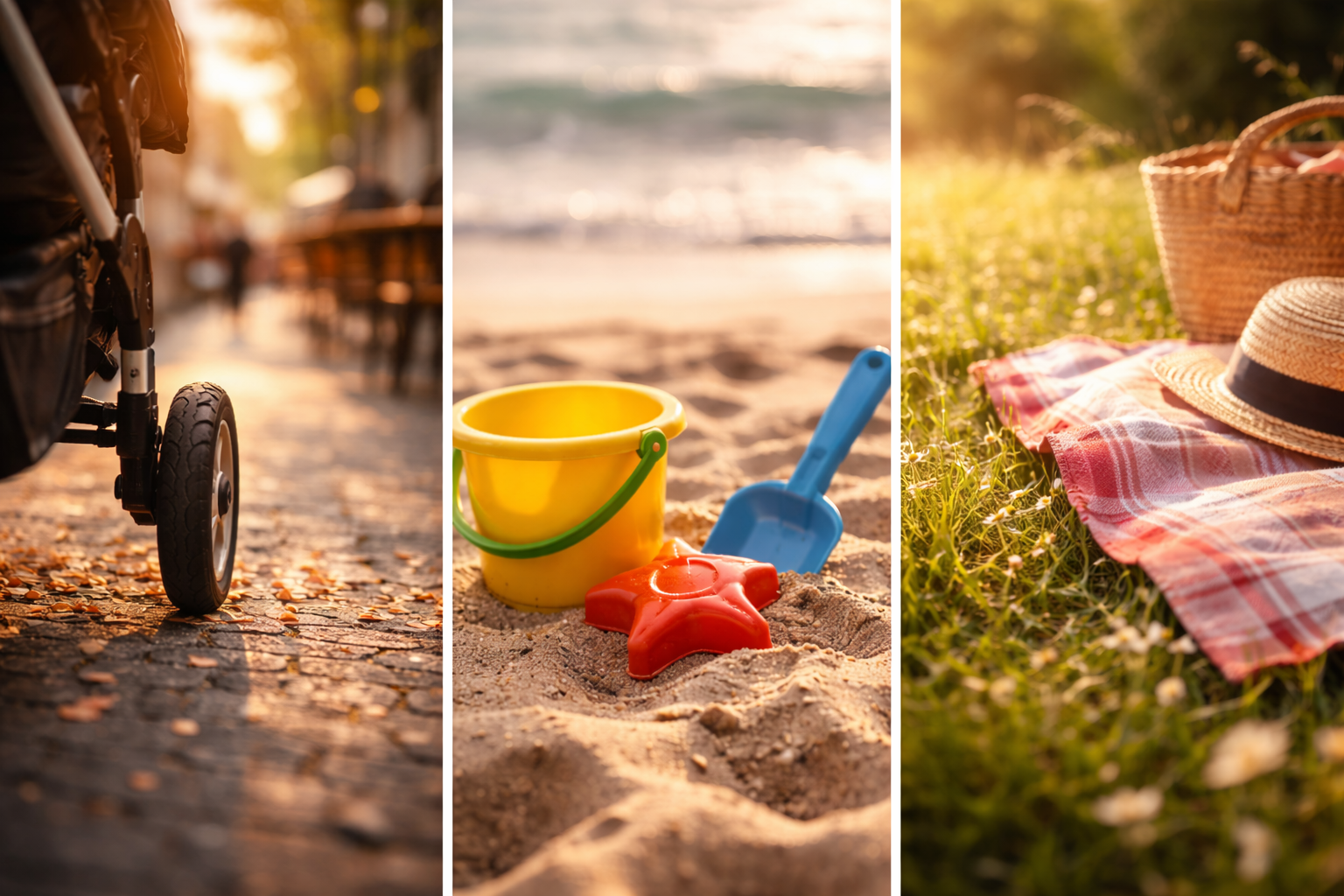
A simple way to choose is to match your destination to your family’s energy type. If your kids love novelty and don’t mind crowds, Paris plus one big day trip can be incredible. If your kids need movement breaks and quiet time, the coast or countryside often creates a smoother trip with fewer conflicts. If you’re traveling with teens, cities can work better because teens enjoy shopping streets, modern culture, and independence in walkable neighborhoods.
Also consider trip length. If you have only a week, choosing one base and doing day trips is often better than moving hotels multiple times. France looks small on a map, but travel days still cost energy, especially with luggage and children. The best family trips in France usually feel “anchored”—one comfortable home base, and then adventures that return you to calm.
Paris With Kids: How to Make the City Feel Easy
Paris can be one of the best family cities in Europe if you plan it as a series of short wins rather than long missions. The biggest parent mistake is building a day around too many “must-sees” spread far apart. Instead, choose one neighborhood per day and let everything happen within that zone: one main attraction, one park break, one simple food stop, and one gentle evening activity. This makes Paris feel like a playground instead of a test.
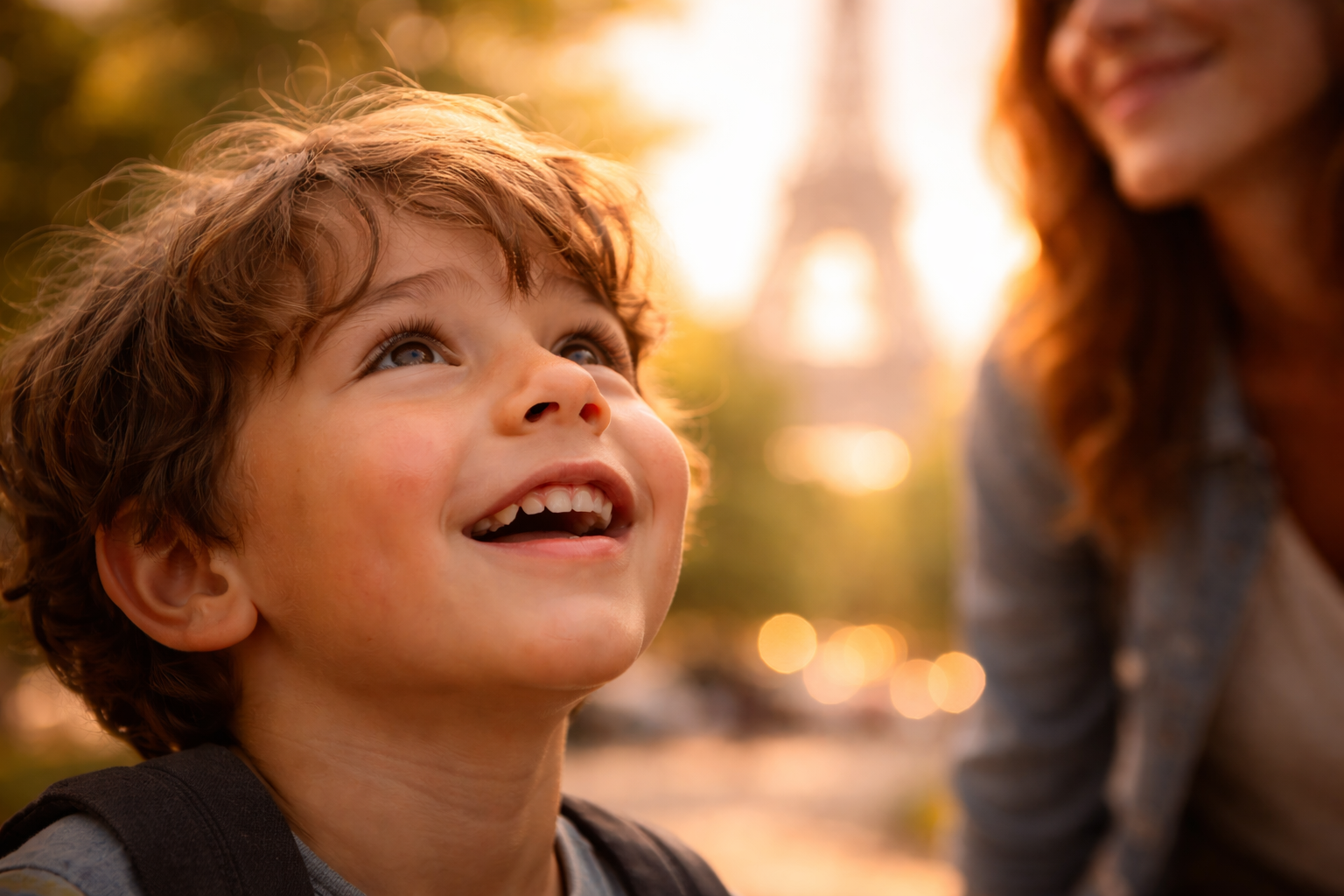
Start with experiences that give kids a sense of scale and excitement. The Eiffel Tower is obvious, but what matters is how you do it: go early, plan a park break nearby, and avoid stacking it with another high-demand queue the same day. A Seine cruise works well for tired legs because it turns sightseeing into rest, and kids often enjoy seeing bridges and buildings pass like a moving story. Paris also has parks that feel essential for families, because a good playground break can save an entire afternoon.
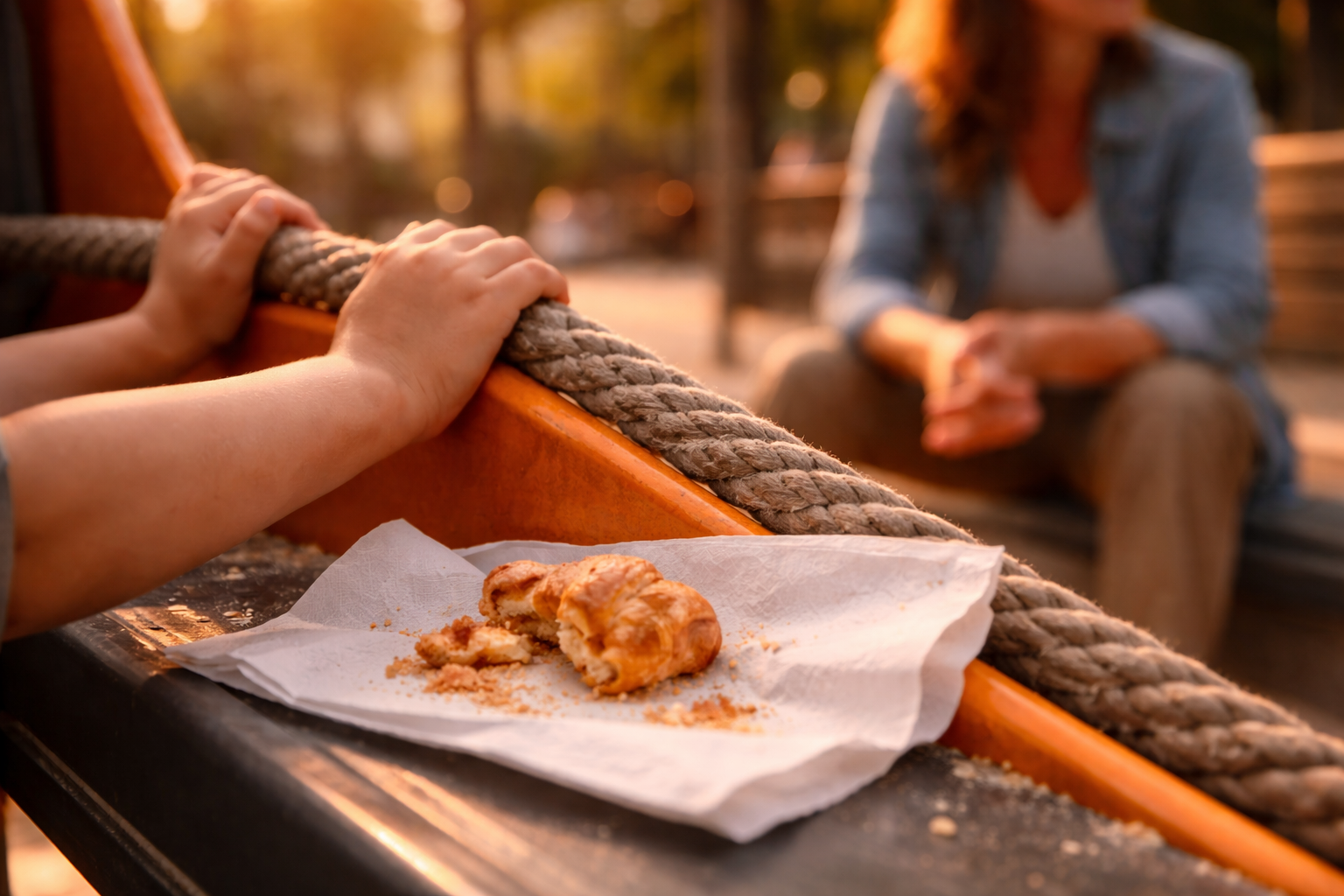
If museums are part of your trip, don’t force them. One strong museum with a clear plan is better than three rushed visits. Make it short, make it specific, and plan a “reward” afterward like crêpes or a fun street market. A France family travel guide that works in real life treats museums like spice, not like the whole meal.
The Best Day Trips From Paris for Families
Day trips are where Paris becomes easier, because they give children variety without changing hotels. Versailles is a classic, but families enjoy it most when they focus on the gardens and outdoor space rather than trying to absorb every interior detail. Think of it like a big open-air adventure: walking routes, fountains, and the sense of being in a storybook landscape. If you keep the day flexible and pack snacks, it can be a highlight.
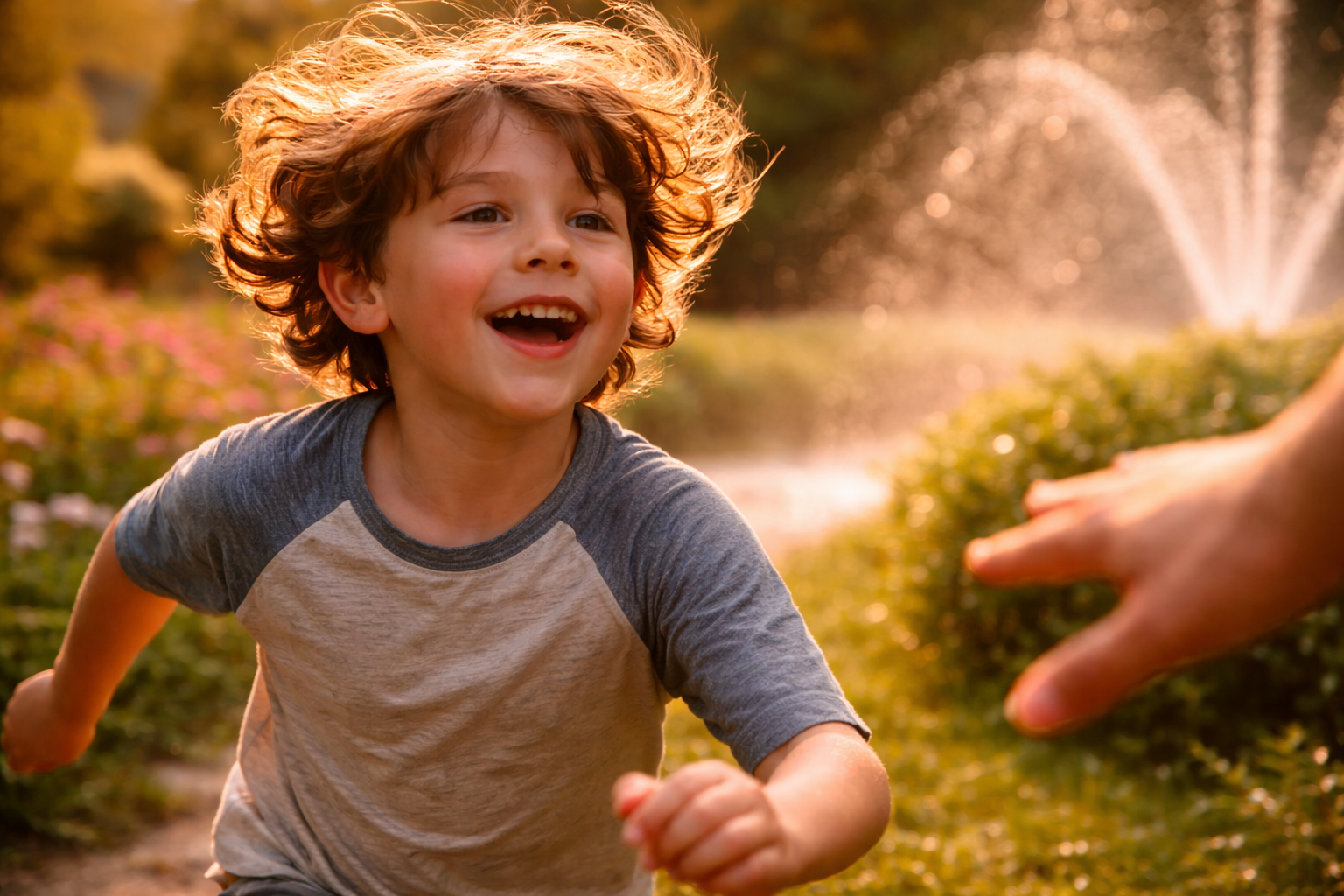
Fontainebleau is another great option because it combines nature with a sense of “France beyond the city.” Forest time is a reset for everyone, and kids usually do better when they have space to move. The key is not to overplan: choose a simple loop walk, do a picnic, and keep expectations realistic. Families often remember the calm day more fondly than the expensive one.
[GetYourGuide Tip]:sailles day with kids (less waiting, clearer timing), browse Versailles tickets & guided tours and choose a morning slot so you can keep the afternoon flexible.
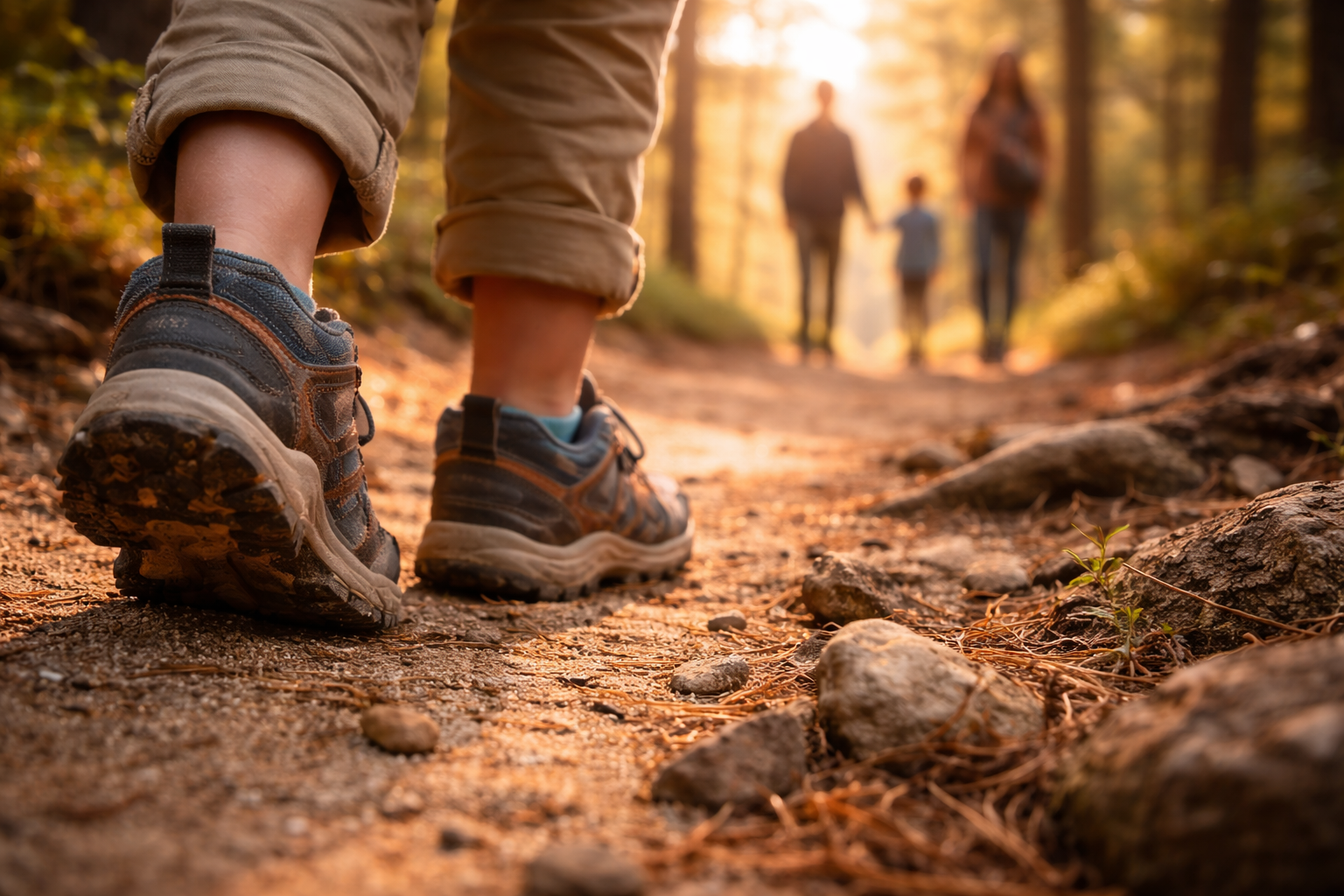
If your family loves animals, a zoo-focused day trip can be a high-value experience, because it keeps kids engaged for hours without constant negotiation. France has several strong zoo options depending on region, and animal days tend to be low-conflict days. They also make great “weather insurance,” because many facilities have indoor sections that help if conditions change.
Theme Parks Done Right: Disneyland Paris Tips Without the Stress
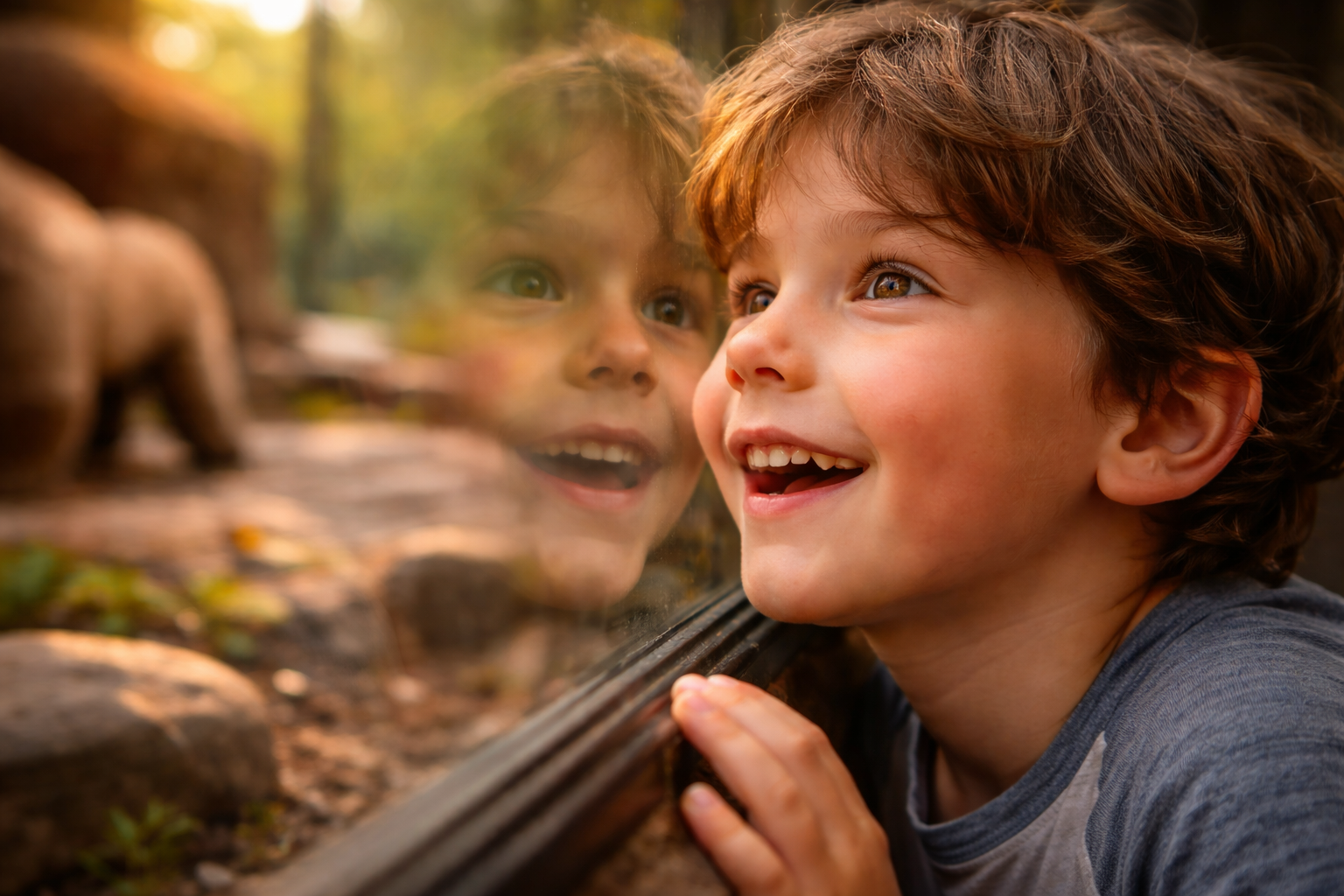
Disneyland Paris can be magical, but it can also become exhausting if you approach it without a strategy. The best way to handle a theme park day is to treat it like an energy budget. You want a strong morning, a controlled midday, and a flexible afternoon, because kids rarely maintain excitement at the same level all day. Plan breaks before anyone thinks they need them, because breaks are what prevent meltdowns.
For opening hours, park rules, and ticket options, check the official Disneyland Paris website before you lock your day plan.

The most useful Disneyland Paris tips are simple: arrive early, choose a few priority rides, and don’t try to “win the park.” If you chase every attraction, you’ll spend the day walking and queueing, and the family mood will collapse by late afternoon. Instead, decide what matters—one or two big rides, one show, and one “magic moment” like a character interaction or parade. Those are the things kids remember.
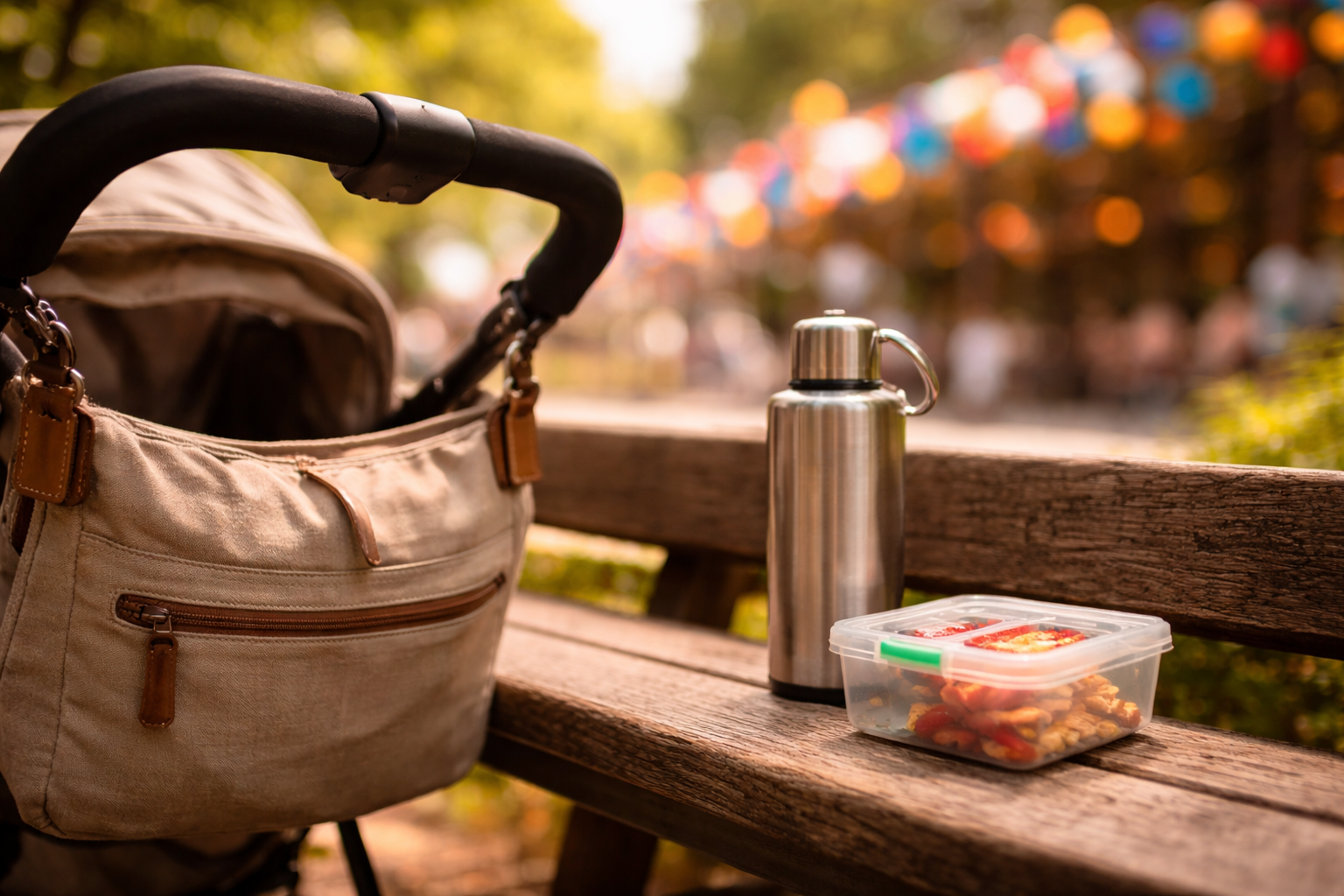
Also think about recovery. Many families make the mistake of scheduling a heavy sightseeing day right after Disneyland. Don’t do that. Plan a softer day afterward: parks, a slow neighborhood walk, easy food, early bedtime. If you respect the recovery day, Disneyland becomes a highlight rather than a trip that drains the rest of France.
France Outdoors: Alps, Gorges, and Nature That Actually Works With Kids
Outdoor France is one of the best ways to keep families happy because it naturally reduces conflict. Children are often easier when they can move, explore, and feel like the day has adventure built into it. The French Alps can be wonderful in summer as well as winter: you don’t have to ski to enjoy mountain scenery, cable cars, easy trails, and lakeside afternoons. For many families, the mountains provide a calmer version of “wow.”
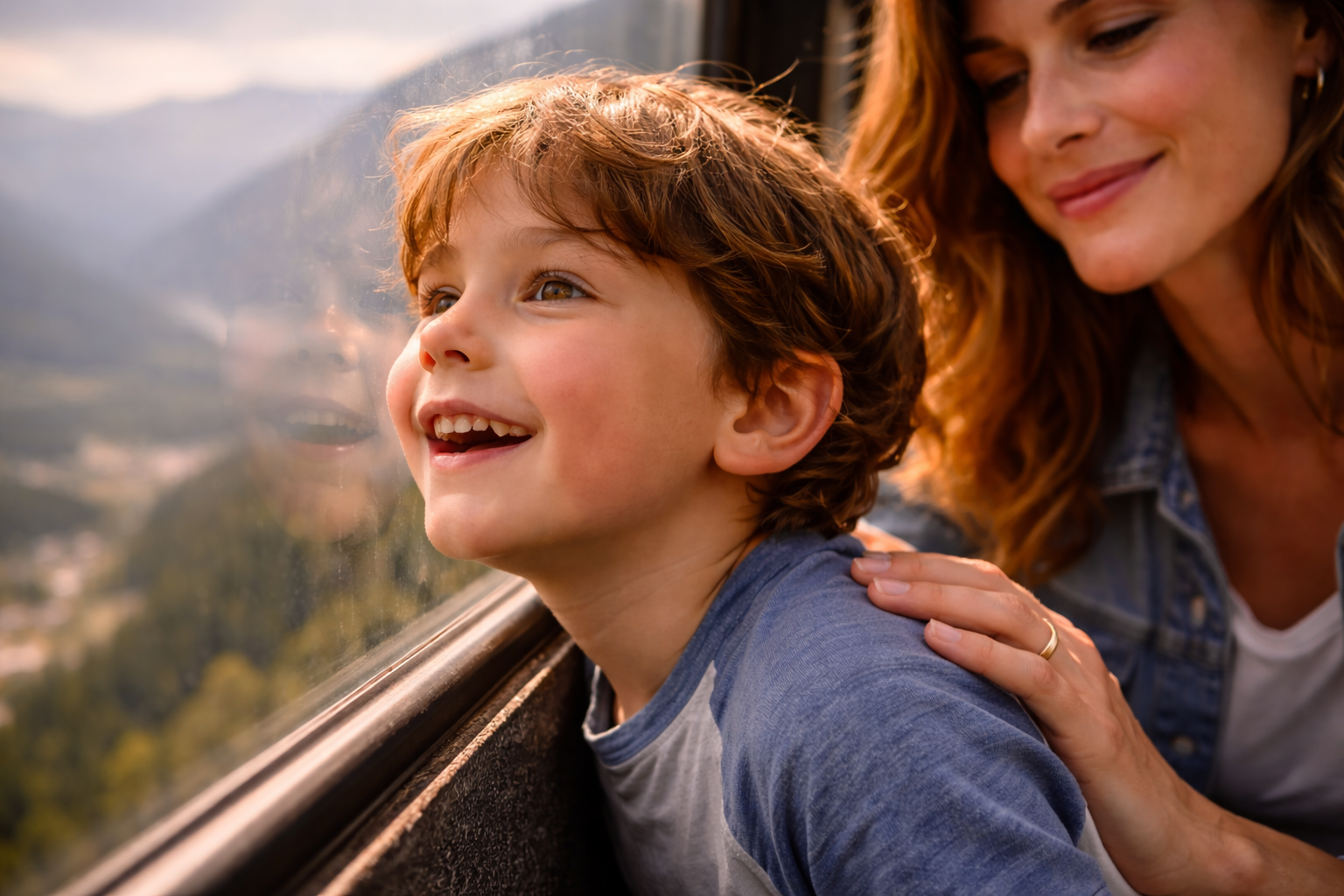
The Gorges du Verdon is a standout for families who want big nature without extreme difficulty. The scenery is dramatic, but you can choose activities that fit your comfort level, from gentle viewpoints to water-based fun. The key is planning the day around safety and pacing: short hikes, lots of water, sun protection, and realistic expectations about how long kids will tolerate a “scenic drive.” When done well, this becomes one of the most shared-memory destinations in France.
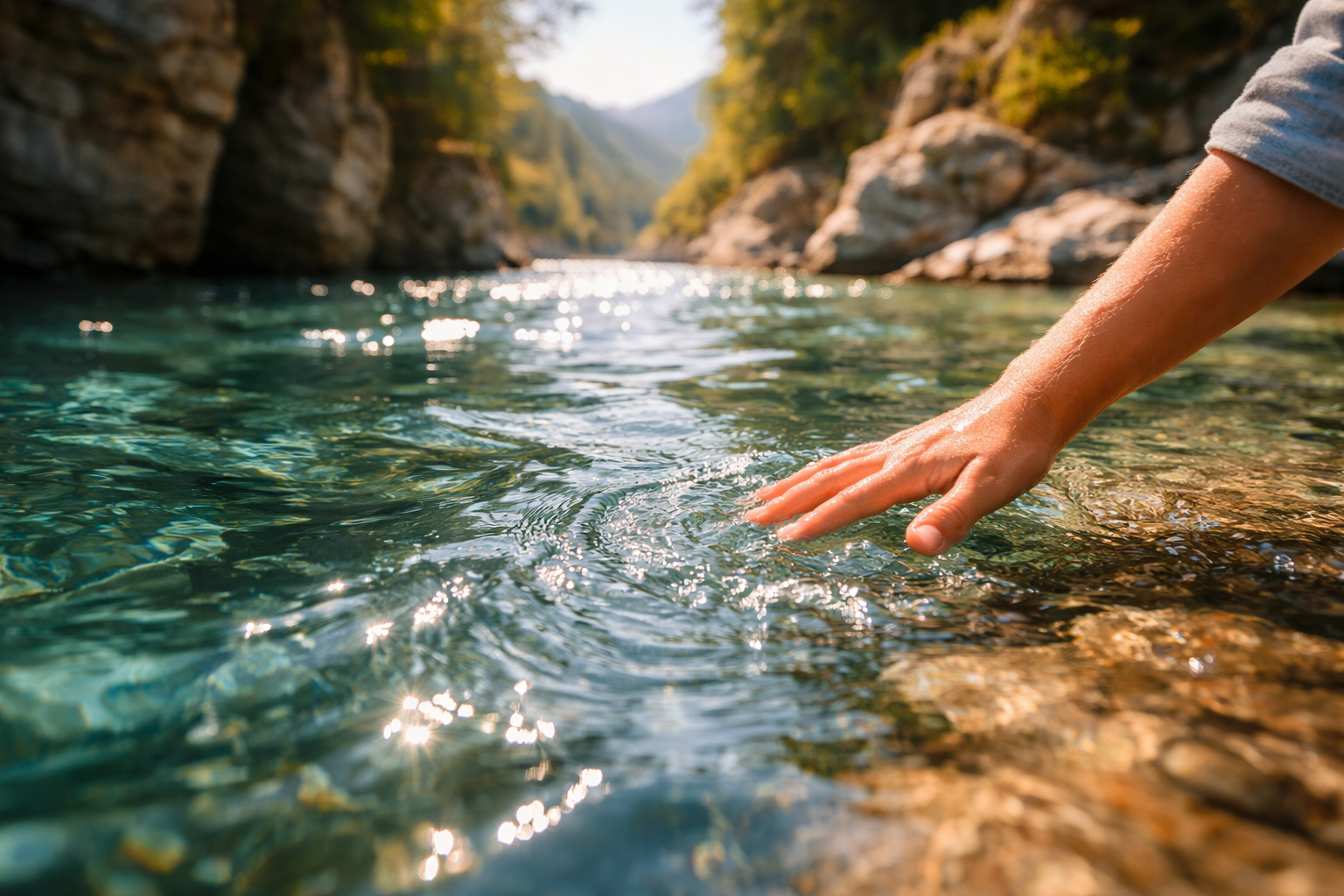
Forests like Fontainebleau also shine because they’re flexible. You can keep it simple: a walk, climbing on safe rocks, a picnic, and a slow exit. Parents often underestimate how powerful “simple nature” is for a family trip. It’s not a downgrade; it’s a stress reducer.
Family Beaches in France: How to Choose the Right Coast
French beaches vary hugely, and the best coast for a family depends on what you want your days to feel like. The Côte d’Azur can be stunning, but in peak season it can also feel crowded and expensive, and some beaches are pebbly rather than sandy. The Atlantic coast often delivers long sandy beaches and surf culture, which can be great for active families. Normandy offers wide beaches and a different, calmer atmosphere that many families love, especially if you want a mix of coast and cultural day trips.
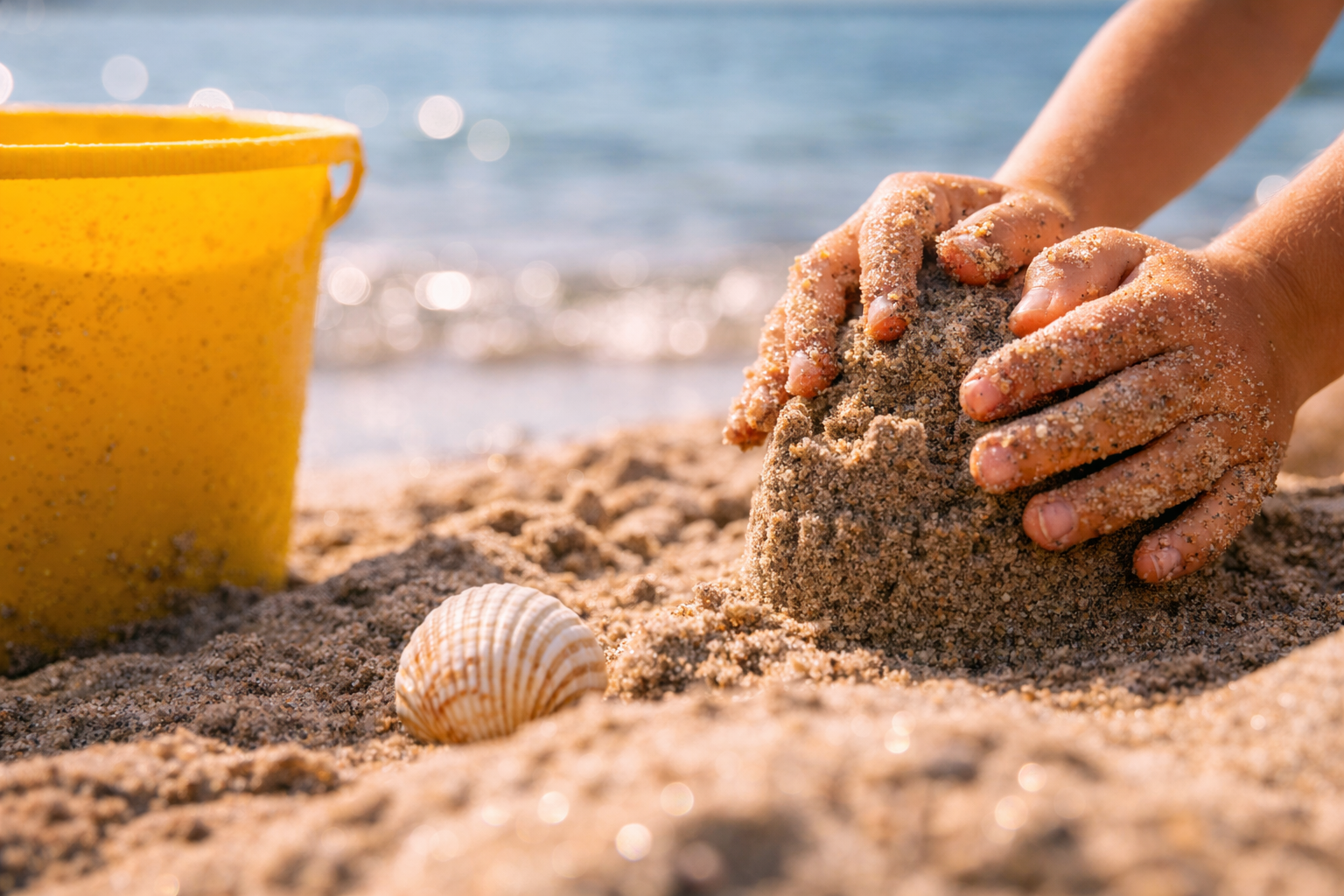
Choosing family beaches in France is about practicality as much as beauty. Sand matters if your kids want to build and play for hours. Calm water matters if you want relaxed swimming days. Walkability matters if you want to avoid constant transport stress. The best family beach base is usually the one where you can walk to the beach, grab simple food nearby, and return easily for naps or breaks.
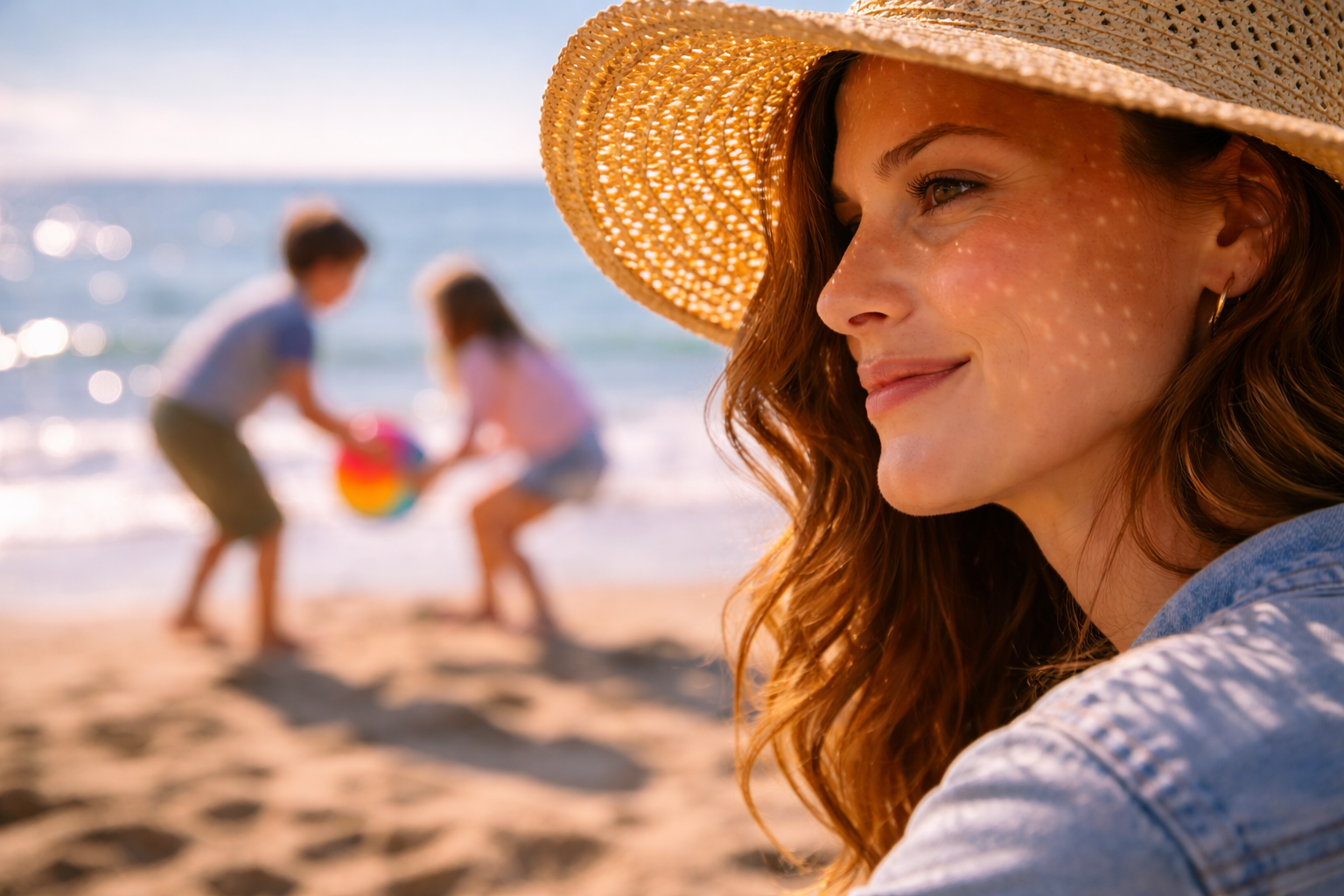
Also plan for weather reality. Not every beach day is hot and perfect, especially outside the Mediterranean peak. Have one indoor backup per coastal region—an aquarium, a museum with interactive sections, or a covered market. A flexible beach plan keeps the family mood stable, and stability is the secret to enjoying France.
Eating in France With Kids: How to Make Meals a Win, Not a Battle
France has great food, but the family trick is to keep meals simple and frequent. Long formal dinners can be hard with children, especially when everyone is tired from walking. Instead, build your day around lighter meals: bakery breakfast, market snacks, one main sit-down meal, and an easy evening option. When you feed kids before they become hungry-angry, the whole trip gets easier.
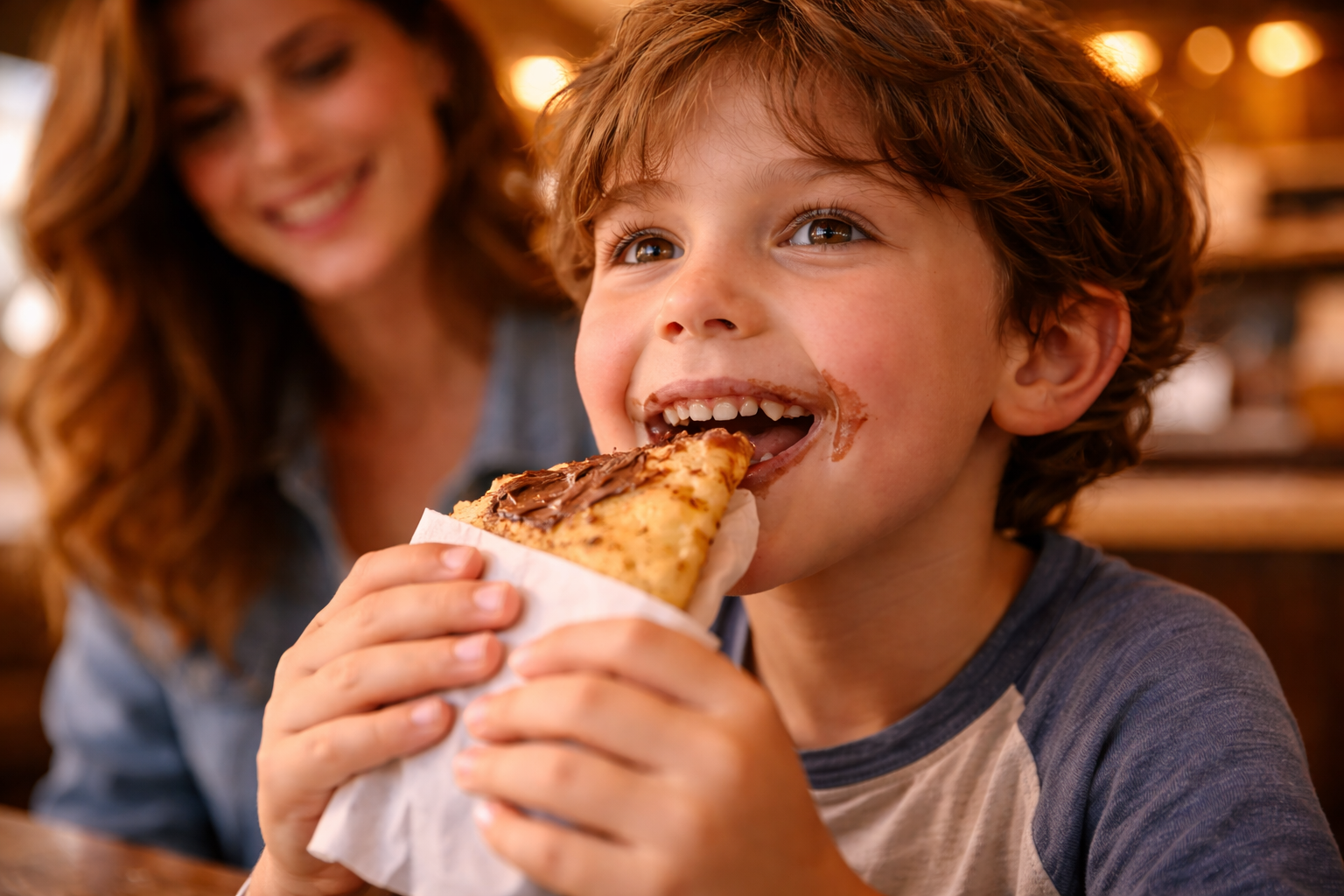
Bakeries are your best friend. Croissants, baguettes, quiche slices, fruit tarts, and simple sandwiches can keep the day moving without drama. Crêpes are the universal peace treaty, and they work as both snack and meal. If you want a “French experience” without restaurant stress, do a picnic in a park—kids can move, parents can relax, and everyone feels less trapped.
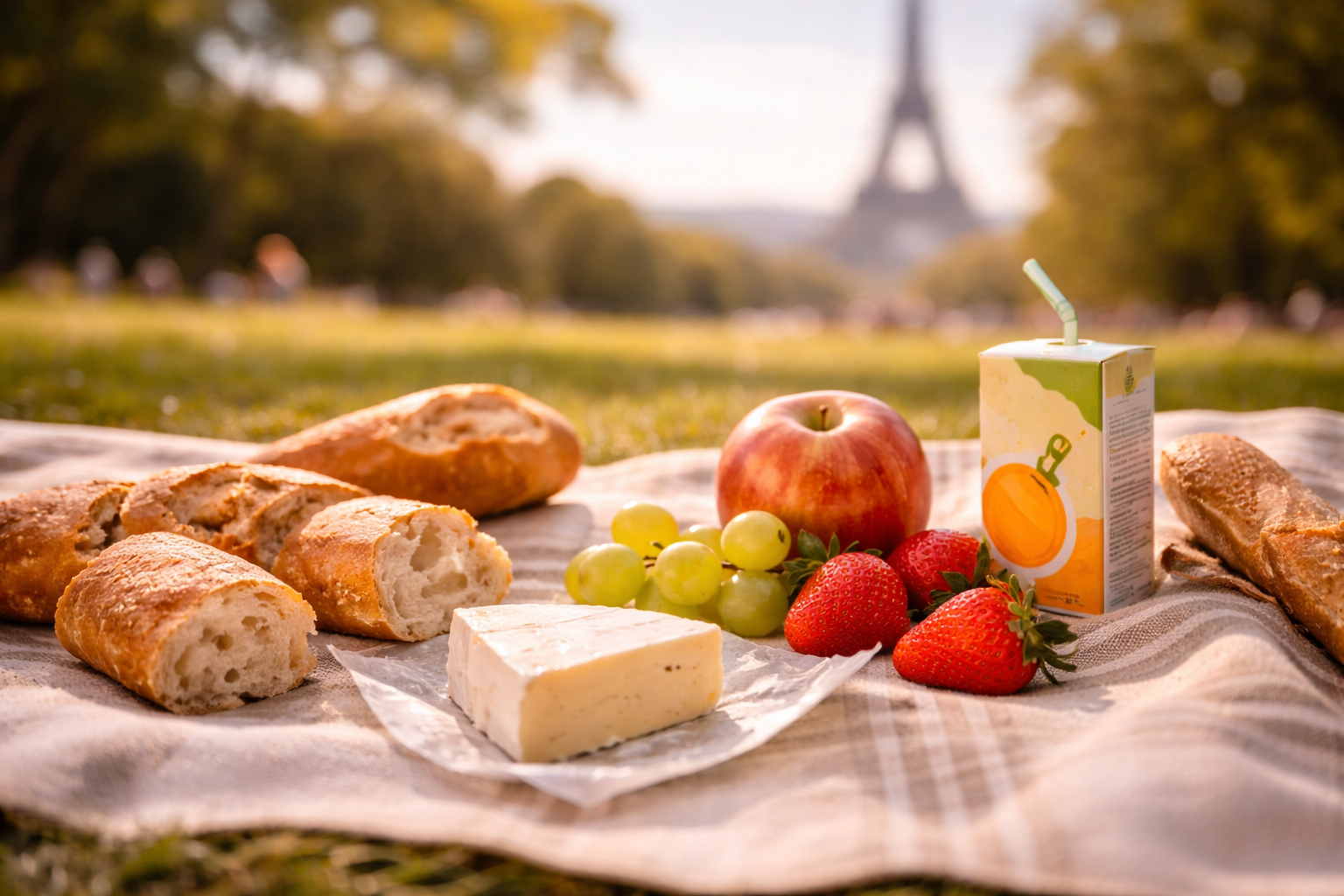
Also, don’t treat “trying new food” as a daily goal. Treat it as a gentle invitation. One new thing per day is enough: a cheese, a pastry, a regional snack. That approach keeps meals positive and prevents the trip from becoming a constant negotiation. France becomes more enjoyable when food is pleasure, not pressure.
A Simple Daily Rhythm That Prevents Burnout
The best family travel days in France usually follow the same shape. Morning is for your main activity, when energy is highest and patience is strongest. Midday is for food and a break—park, playground, hotel rest, or a slow café stop. Afternoon is for something lighter: a short museum visit, a market walk, a boat ride, or a neighborhood stroll. Evening is for a calm meal and an early return, because tomorrow is always better when everyone slept.
This rhythm also helps you handle unpredictable moments. If rain hits in the afternoon, you’re only adjusting a lighter block. If a child gets tired early, you can shorten the day without losing the trip’s “main win.” Families don’t need perfect days; they need days that can bend without breaking. A good France family travel guide is really a guide to flexible structure.
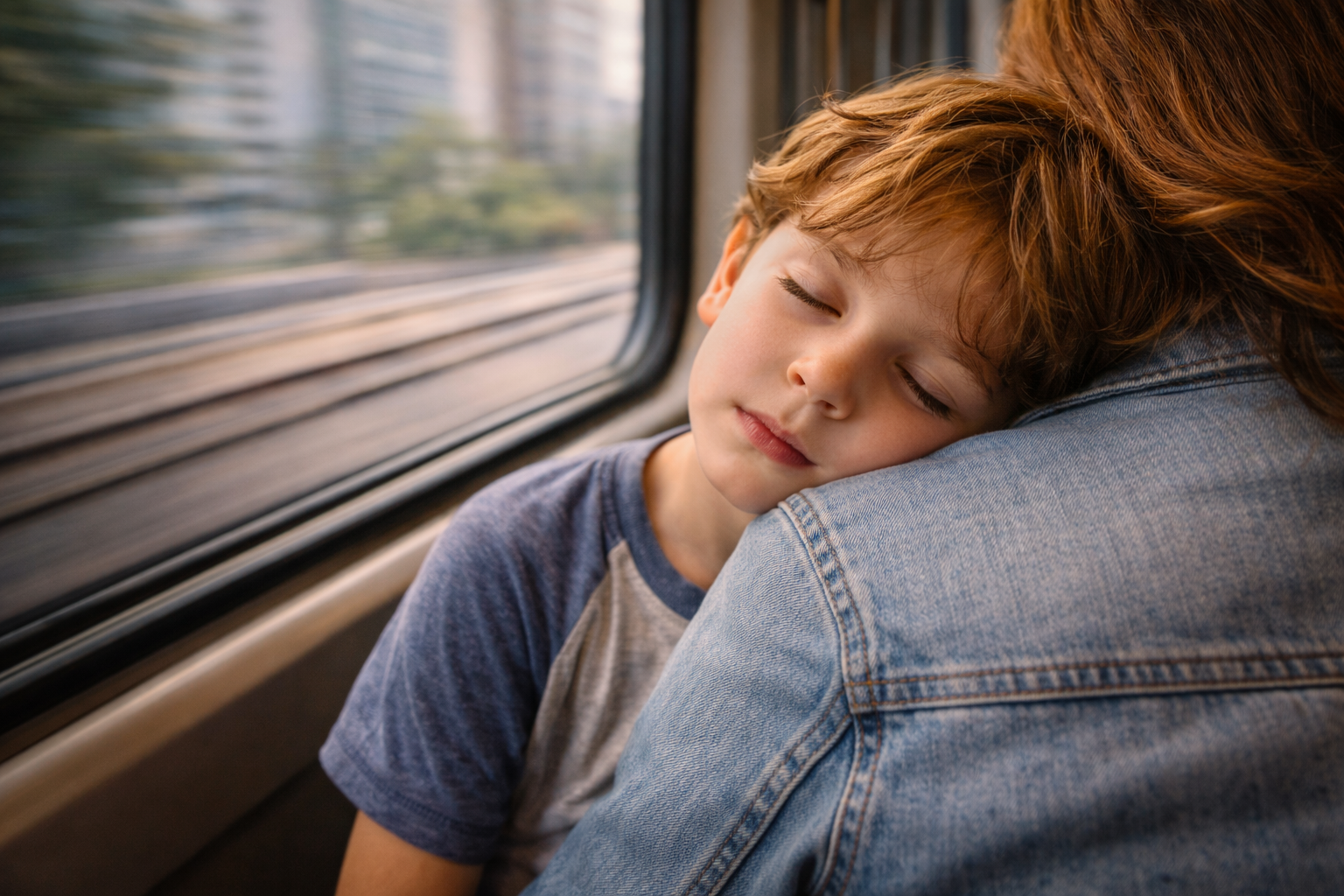
The other secret is spacing. Don’t do two high-intensity days in a row. If you do Disneyland, follow with a park day. If you do Versailles, follow with a neighborhood day. France is not going anywhere, and your trip will feel longer when you stop trying to compress it into the tightest possible schedule.
Conclusion: France Can Be Easy With Kids — If You Plan Like a Family
France offers everything a family trip needs: variety, beauty, culture, outdoor adventure, and food that can be both simple and special. The difference between a stressful trip and a joyful one is not the destination—it’s the pacing. When you choose the right base, plan one main activity per day, build in breaks, and treat meals as part of the rhythm, France becomes genuinely fun for everyone.
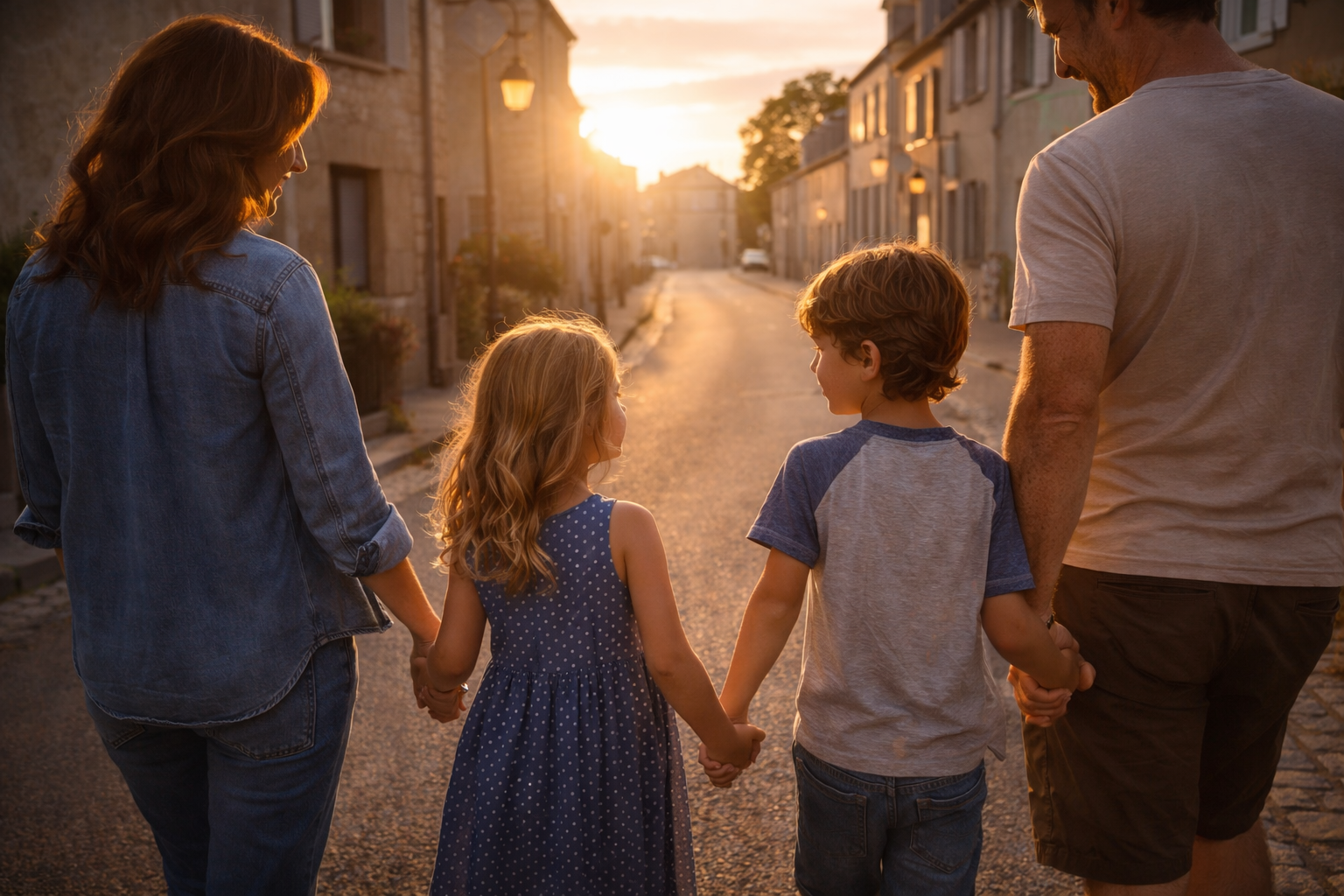
Use this France family travel guide as a framework, then tailor it to your kids’ ages and your family’s energy. You don’t need a perfect itinerary to make perfect memories. You need a trip that feels human. And France, when you meet it at the right speed, is one of the best places in the world to do exactly that.