
A Musical Journey through Italy: More Than Just Opera
For the avid music lover, Italy is not just a destination; it is a pilgrimage. This is the land where opera was invented, where the violin was perfected, and where music spills out of concert halls onto the piazzas. From the golden boxes of La Scala to the street singers of Naples, an Italian music travel guide is essential for understanding the country’s soul.
In this guide, we go beyond the famous names to explore the practical side of Italy’s musical heritage. Whether you want to sit in the seat of a king at the opera or watch a violin being carved by hand, here is your roadmap to the melodies of Italy.
1. The Temples of Sound: Italy’s Legendary Opera Houses
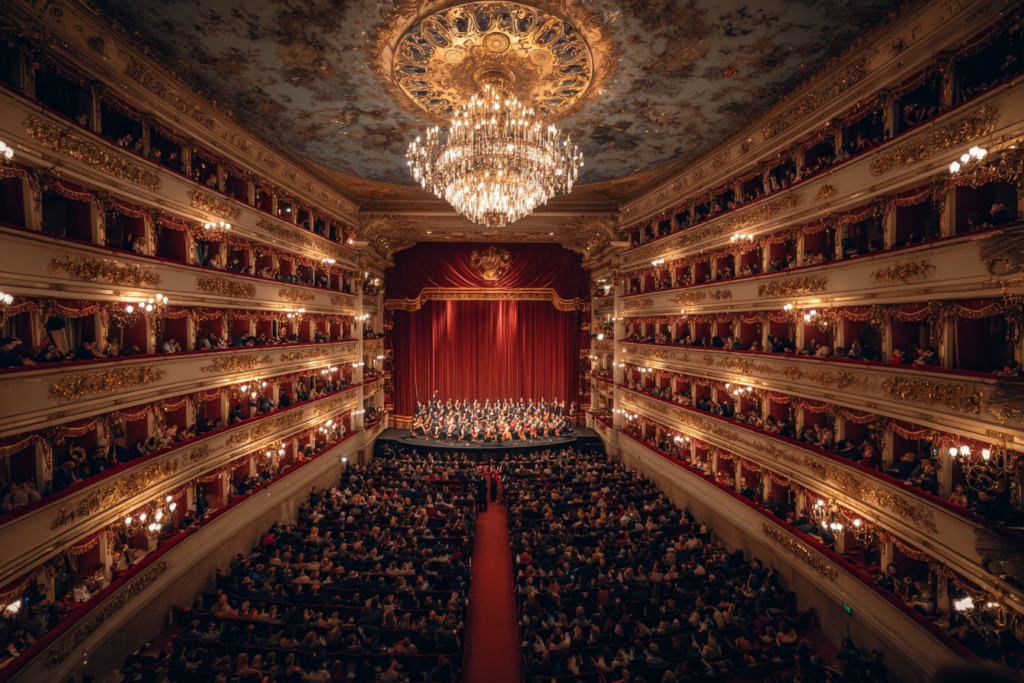
Visiting the best opera houses in Italy is not just a performance; it is a ritual. The venues themselves are architectural marvels, dripping with gold leaf and red velvet.
The “Big Three” You Must Visit:
Teatro alla Scala (Milan): The most famous opera house in the world. Even if you don’t see a show, visit the museum to see Liszt’s piano and Verdi’s death mask.
Pro Tip: Tickets sell out months in advance, but 140 gallery tickets are sold on the day of the performance for around €15. Be ready to queue!
Teatro La Fenice (Venice): Meaning “The Phoenix,” this theater has burned down and risen from the ashes three times. It is the spiritual home of Bel Canto and Rossini.
Teatro di San Carlo (Naples): Older than La Scala and arguably more beautiful. It is a UNESCO masterpiece with perfect acoustics and a royal box that will make your jaw drop.
[GetYourGuide Tip]: Can’t get a ticket? Book a “La Scala Theatre and Museum Guided Tour” to explore the boxes and backstage history without the dress code stress.
2. Opera Under the Stars: The Open-Air Arenas
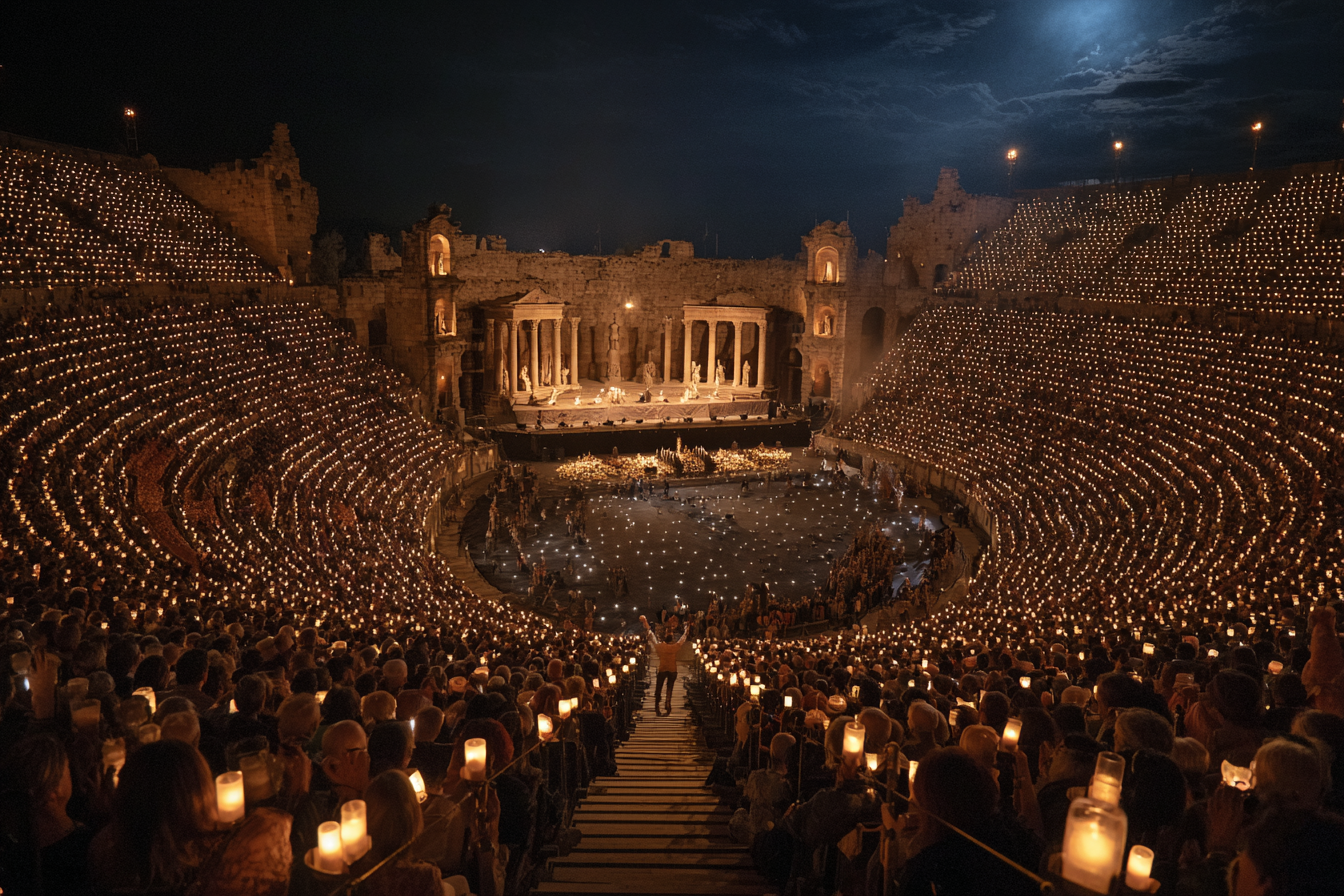
Summer in Italy means music in the open air, and securing Verona Opera Festival tickets is the highlight of the season. The acoustics of ancient stone combined with the warm night air create a magic that indoor theaters cannot match.
Where to Go:
Arena di Verona: A 2,000-year-old Roman amphitheater that hosts the world’s most spectacular opera festival. Imagine 15,000 people lighting candles as the overture to Aida begins.
Note: Stone seats can be hard and hot (they bake in the sun all day). Rent a cushion inside!
Puccini Festival (Torre del Lago): Located in Tuscany on a lake near Puccini’s home. You watch Madame Butterfly reflected in the water of Lake Massaciuccoli.
Combine your opera trip with a visit to the lakes. Check our Italy Outdoor Adventure Guide for more lakeside tips.
3. The Sound of Wood: Cremona and the Violin
An hour south of Milan lies the home of the famous violin museum Cremona, a quiet town that changed music forever. This is the birthplace of the violin and home to the workshops of Stradivari, Amati, and Guarneri.
Why Music Lovers Skip Venice for Cremona:
Violin Museum (Museo del Violino): Home to the “Messiah” Stradivarius (worth over $20 million). You can hear these instruments played in the auditorium on weekends.
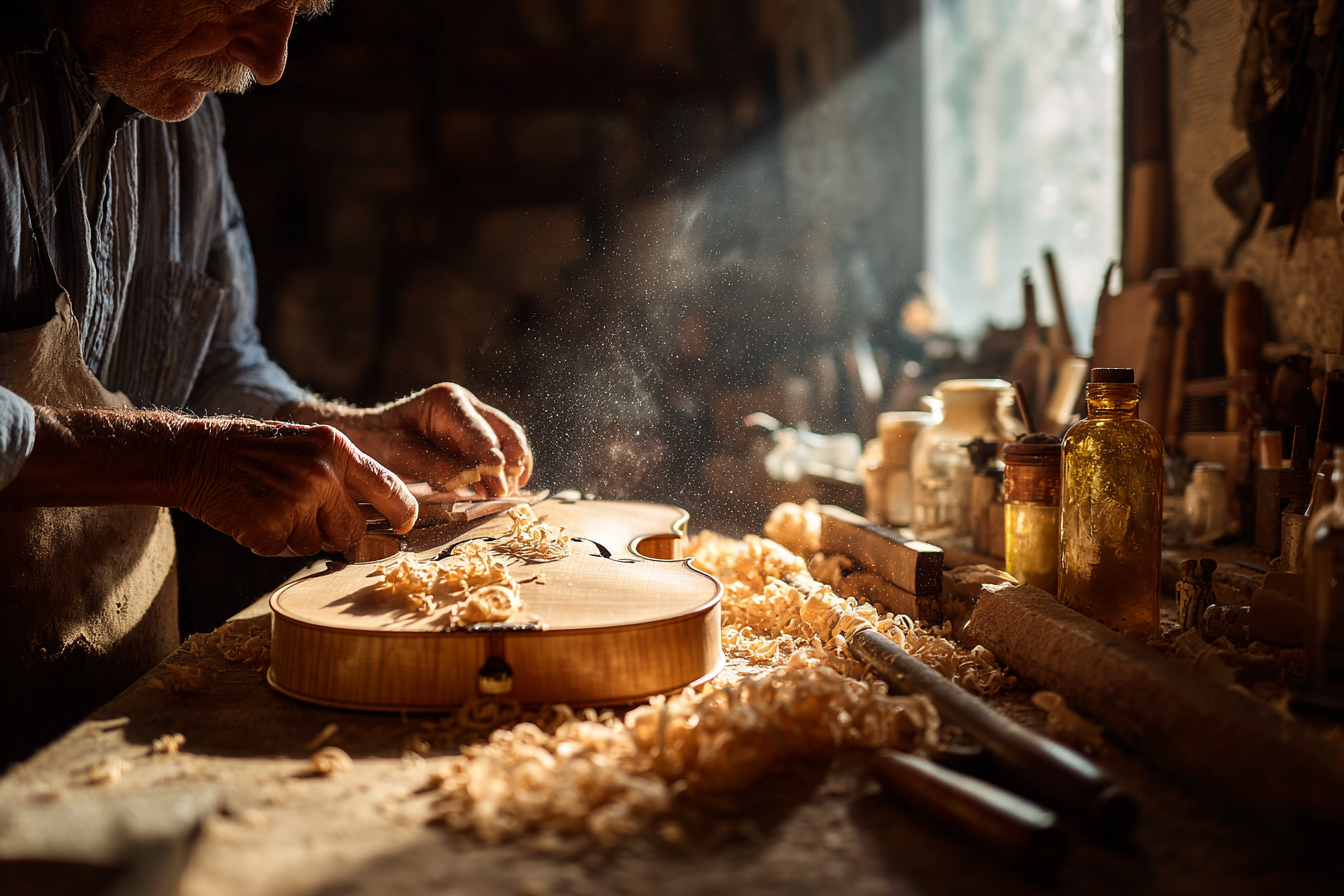
Luthier Workshops: There are still over 150 master violin makers in Cremona. Many workshops allow visitors to watch them carving wood by hand, smelling the varnish and sawdust.
4. The Composers’ Trail: Walking with Giants
Italy allows you to step directly into the private lives of its musical geniuses. Their homes are often preserved exactly as they left them.
Key Stops:
Busseto (Verdi’s Land): Visit Villa Verdi in Sant’Agata. You can see the hat he wore, the piano he composed on, and the bed where he slept. It is an intimate look at a national hero.
Lucca (Puccini’s City): Giacomo Puccini was born here. The town honors him with nightly concerts—365 days a year—in the church of San Giovanni. It is the only place in the world with a permanent Puccini festival.
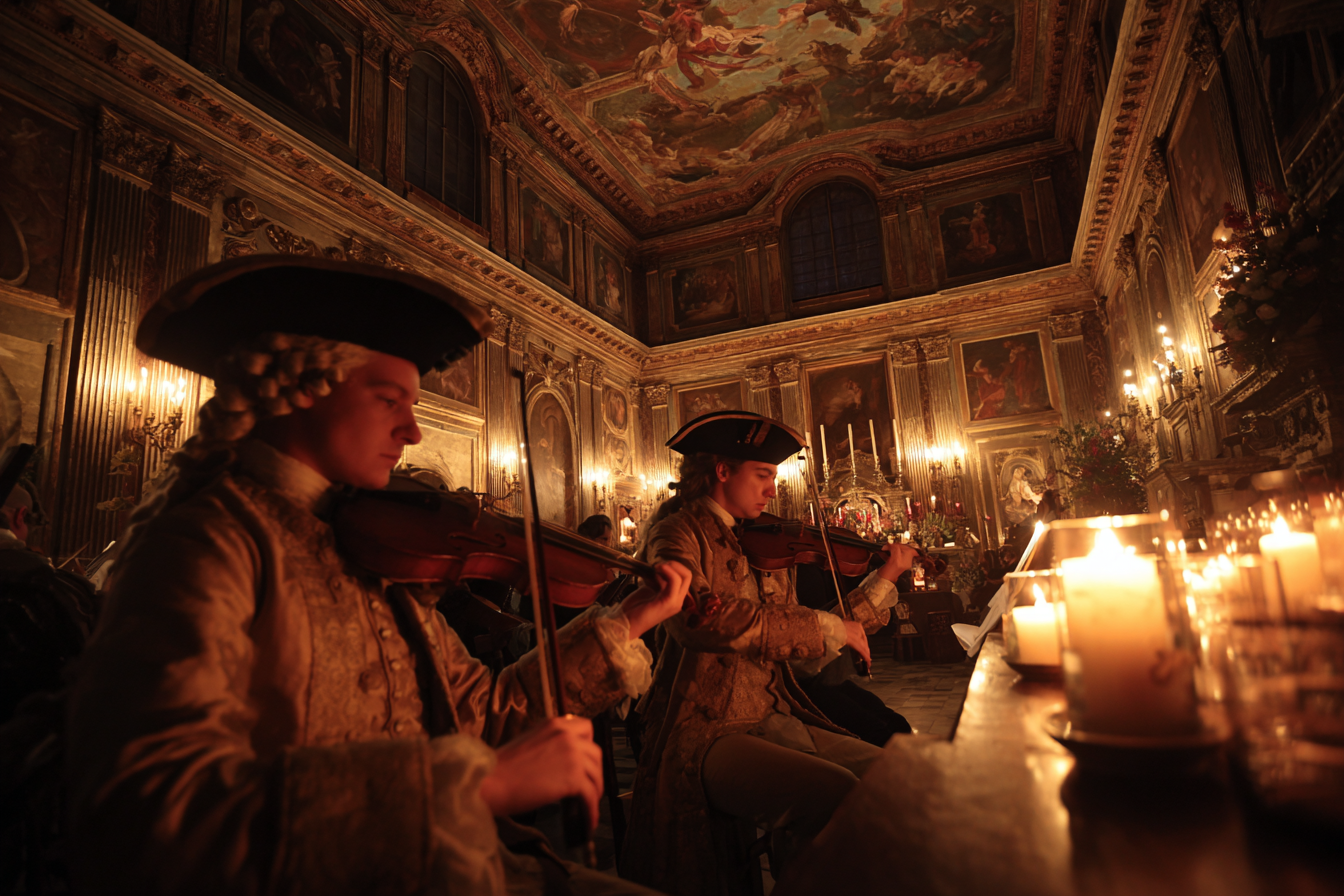
Venice (Vivaldi’s Orphanage): Visit the Chiesa della Pietà, the historic site for the Vivaldi concerts Venice is famous for. This is where the “Red Priest” Vivaldi taught orphaned girls to play the violin, creating the best orchestra in 18th-century Europe.
5. Folk & Street Music: The Rhythm of the South
Classical music is only half the story. Southern Italy vibrates with a different, wilder energy.
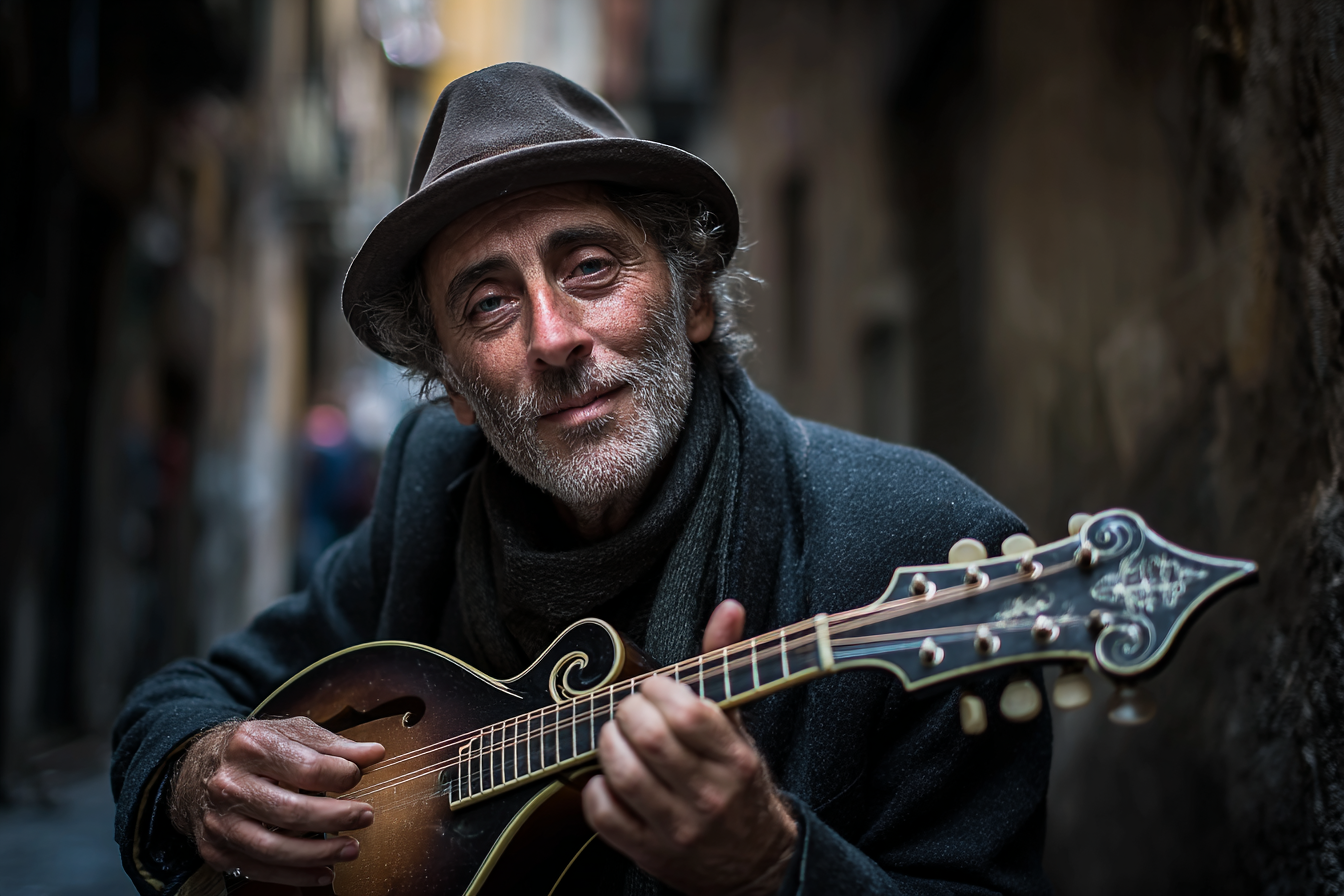
What to Listen For:
Naples (Canzone Napoletana): In the Spanish Quarter, music is everywhere. This is the home of “O Sole Mio.” Street performers here are world-class, mixing guitar with theatrical storytelling.
Puglia (Pizzica & Taranta): This is Italy’s trance music. Originally a musical cure for the bite of a tarantula spider, the Pizzica is a frantic, tambourine-driven dance that takes over town squares in the summer (especially during the Notte della Taranta festival).
Visiting the south? Don’t miss the beaches mentioned in our Best Coastal Towns in Italy guide.
6. Practical Tips for Music Travelers
Navigating the scene requires a good Italian music travel guide to understand the unwritten rules.
Etiquette & Logistics:
Dress Code: For opening nights (Prima) at La Scala or La Fenice, black tie is mandatory. For regular nights, “smart casual” (no shorts, no flip-flops) is the rule. In Verona, anything goes on the stone steps.
Booking: Opera seasons typically run from December to June. Summer festivals run from June to September.
The “Bis”: If an aria is sung perfectly, the audience may shout “Bis!” (Encore!). If it is sung poorly, Italian audiences are famous for booing. It is a bloodsport!
Conclusion
Music in Italy is not a museum exhibit; it is a living language. Whether you are shedding a tear at La Bohème in a velvet box or dancing to a tambourine in a pugliese piazza, you are participating in a tradition that spans centuries.
So book that ticket, dress up for the evening, and let this Italian music travel guide lead the way. As the Italians say: La musica è la vita (Music is life).
What a visually and verbally beautiful post. Now, I want to attend a concert there.