
Italy Outdoor Adventure Guide: Beyond the Museums
While Italy is rightly famous for its Renaissance art and ancient ruins, a completely different world awaits beyond the city walls. Italy is Europe’s playground—a vertical landscape stretching from the granite spires of the Alps to the volcanic fires of Sicily. For the active traveler, “Il Bel Paese” offers some of the most diverse terrain on the planet.
In this Italy outdoor adventure guide, we leave the museums behind to explore the wilder side of the peninsula. Whether you crave the adrenaline of a Via Ferrata, the flow of a Tuscan cycling trail, or the freedom of sailing the Mediterranean, Italy delivers experiences that engage the body as much as the soul.
1. The Vertical World: Hiking & Climbing the Dolomites
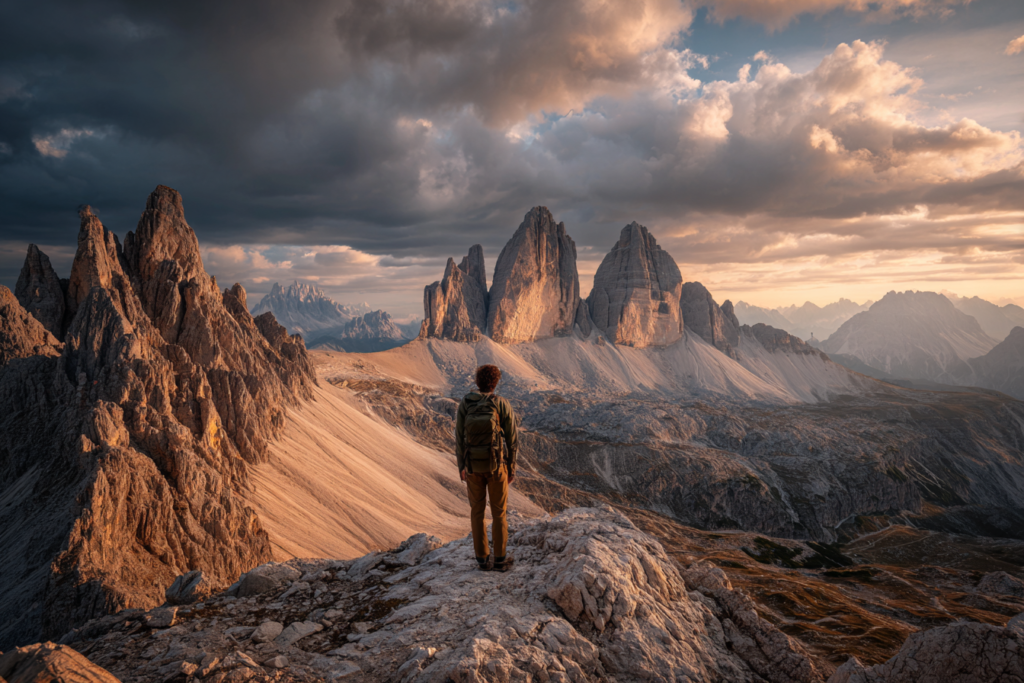
The Dolomites are not just mountains; they are architectural masterpieces made of coral rock. Designated a UNESCO World Heritage site, they offer hiking experiences that range from family-friendly strolls to heart-pounding ascents.
Top Hiking Experiences:
Tre Cime di Lavaredo: The iconic loop trail around the “Three Peaks” offers high-altitude drama with relatively accessible paths. It’s the postcard shot of the Italian Alps.
Alta Via 1: For serious trekkers, this multi-day hut-to-hut route covers 120km of high-altitude terrain without ever dropping into the valleys.
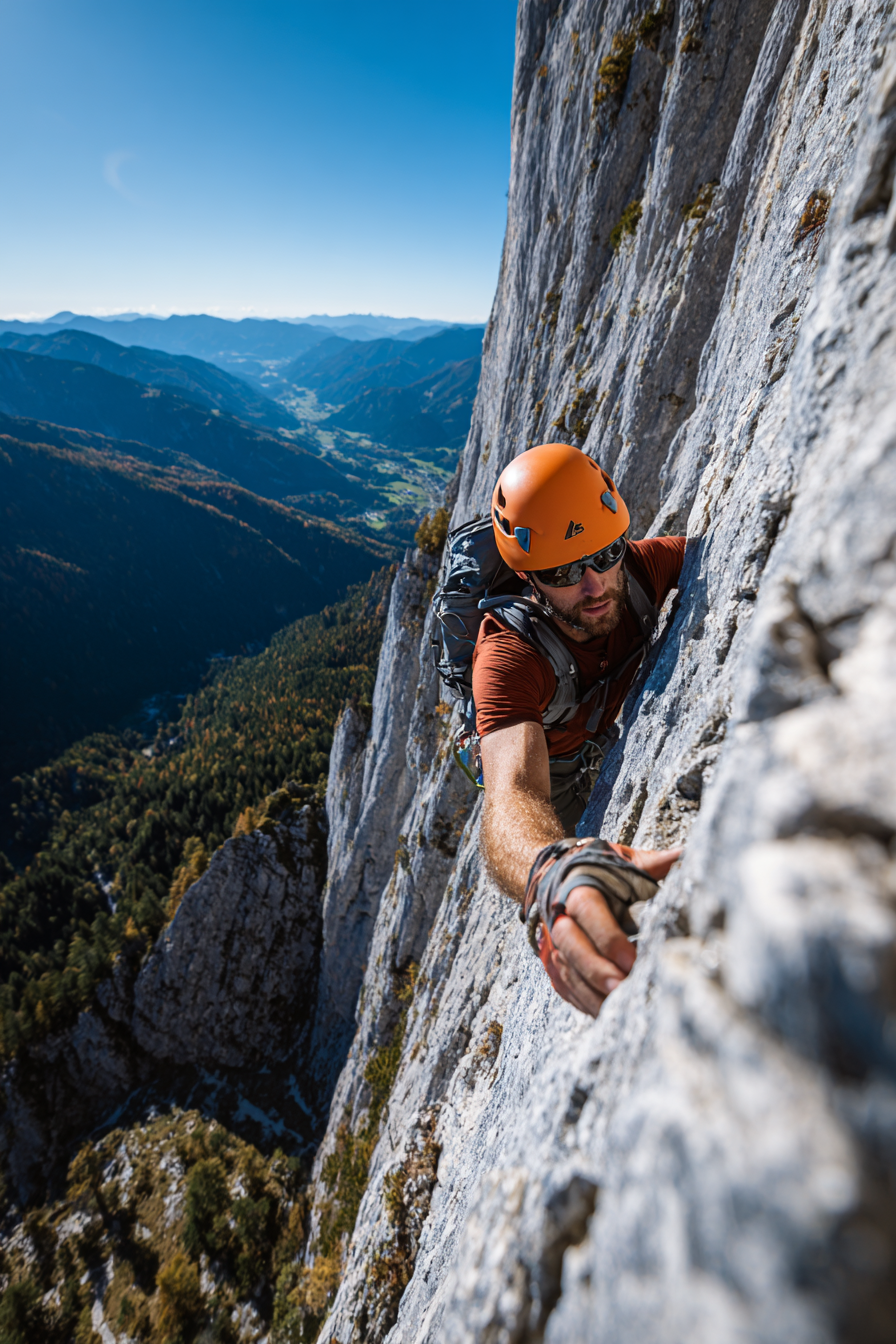
Via Ferrata (Iron Path): Unique to this region, these are protected climbing routes equipped with steel cables and ladders. They allow hikers to safely access vertical peaks previously reserved for expert climbers.
[GetYourGuide Tip]: Look for “Cortina: Private Via Ferrata Tour” to try this safe, adrenaline-pumping activity with a certified guide.
2. Two Wheels & Rolling Hills: Cycling in Tuscany
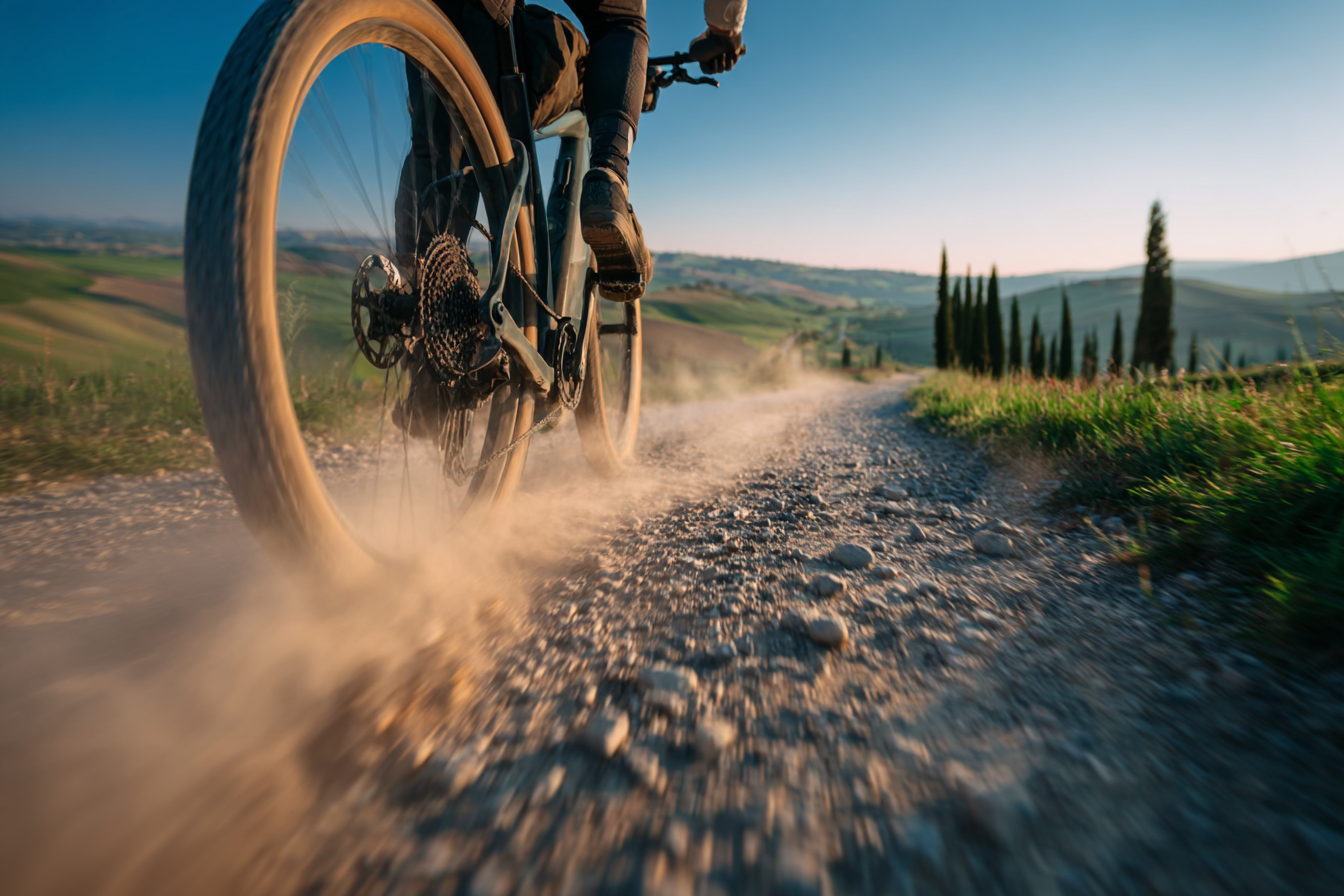
If the Dolomites are about drama, Tuscany is about rhythm. Cycling here is a sensory experience: the scent of heated cypress trees, the crunch of gravel under tires, and the promise of a vineyard lunch.
Why Tuscany is a Cyclist’s Paradise:
The Eroica Routes: Famous for its “white roads” (strade bianche), this network of unpaved gravel paths takes you through the heart of Chianti and Val d’Orcia away from car traffic.
E-Bike Revolution: You don’t need to be a pro athlete to conquer the Tuscan hills. E-bike rentals are now available in almost every town (Siena, Pienza, Montepulciano), making the rolling terrain accessible to everyone.
Slow Travel: Biking allows you to stop at small agriturismos that cars speed past.
For a deeper dive into sustainable stays, check our Sustainable Italy Travel Guide 2025.
3. Winter Wonderland: Skiing the Italian Alps
When winter descends, Northern Italy transforms into a premier ski destination. Unlike the party-heavy scenes in some neighboring countries, Italian skiing focuses on La Dolce Vita on snow—perfectly groomed runs followed by exceptional food.
Best Ski Areas:
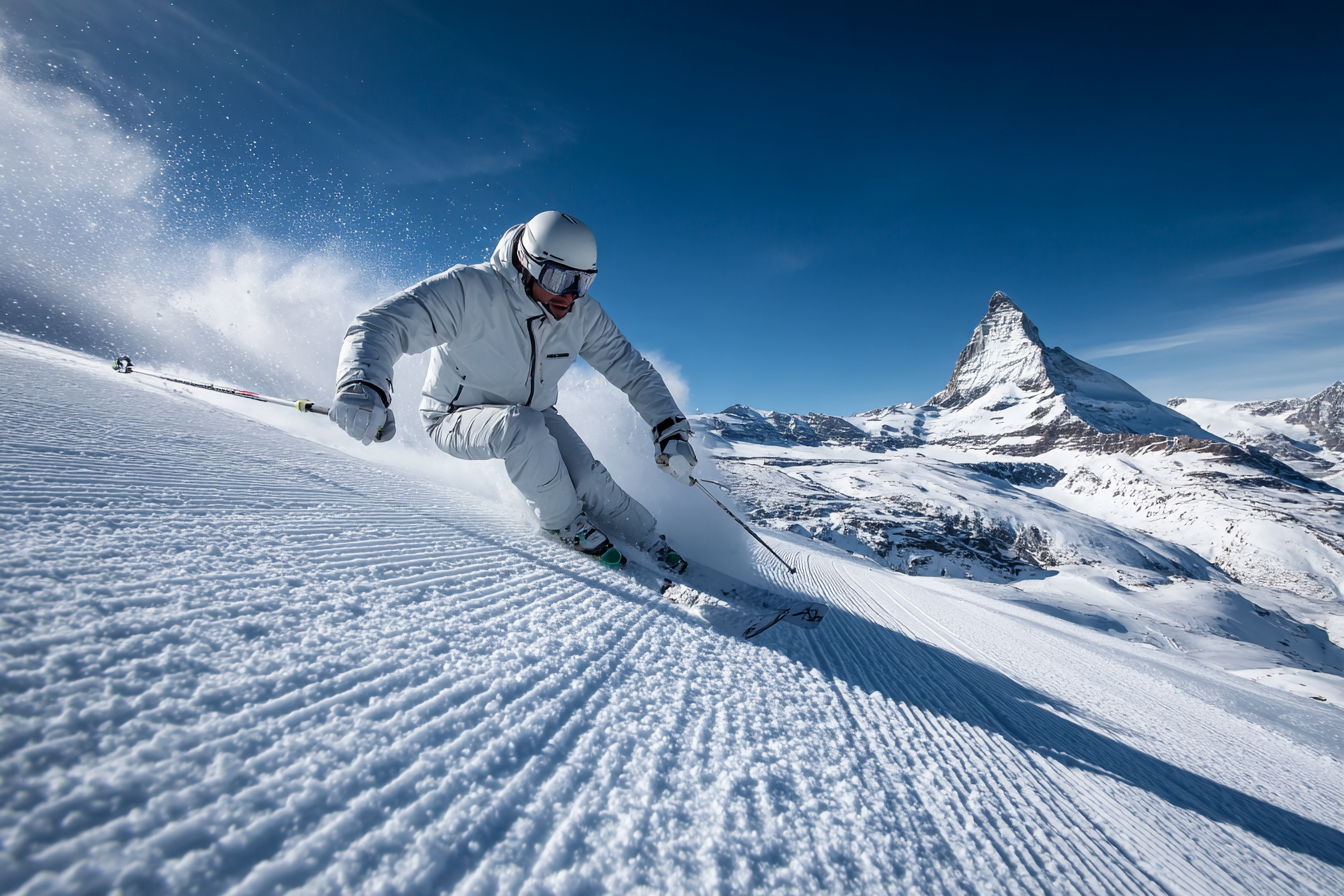
Dolomiti Superski: The world’s largest ski circuit. With one pass, you can access 1,200 km of slopes. The famous Sella Ronda circuit allows you to ski around a massive limestone massif in a single day.
Cervinia (Matterhorn): Located in the Aosta Valley, this high-altitude resort connects directly to Zermatt in Switzerland. You can eat pasta in Italy for lunch and Swiss chocolate for a snack, all without taking off your skis.
Courmayeur: Known for its challenging off-piste terrain (freeride) and glamorous après-ski scene at the foot of Mont Blanc.
4. Fire and Ash: Trekking Italy’s Volcanoes
Italy is geologically alive. Hiking an active volcano is a reminder of nature’s raw power and is a unique feature of Italian outdoor adventure.
The Volcanic Big Three:
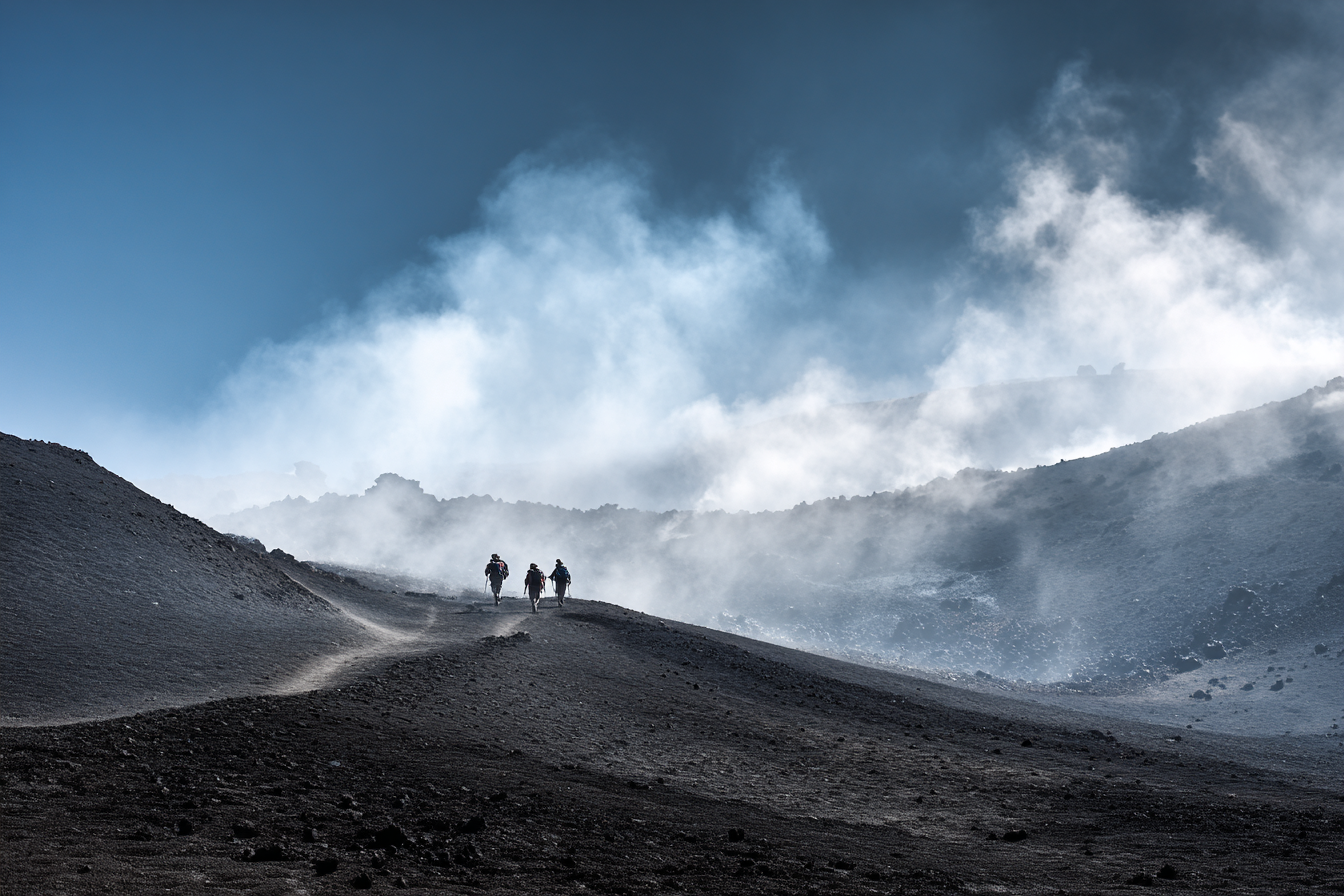
Mount Etna (Sicily): Europe’s highest active volcano. You can hike through lunar landscapes of black lava and smoking craters. In winter, you can even ski down its slopes while looking at the sea.
Stromboli (Aeolian Islands): Known as the “Lighthouse of the Mediterranean,” Stromboli erupts regularly. Guided sunset treks take you to a viewing point to watch lava explosions against the night sky.
Vesuvius (Naples): A steep but short hike leads to the crater rim of the volcano that froze Pompeii in time. The view over the Bay of Naples is unmatched.
5. The Blue Frontier: Sailing & Water Sports
With over 7,500 km of coastline and massive alpine lakes, Italy is defined by water. Seeing the country from the deck of a boat or a board offers a completely new perspective.
Water Adventures:
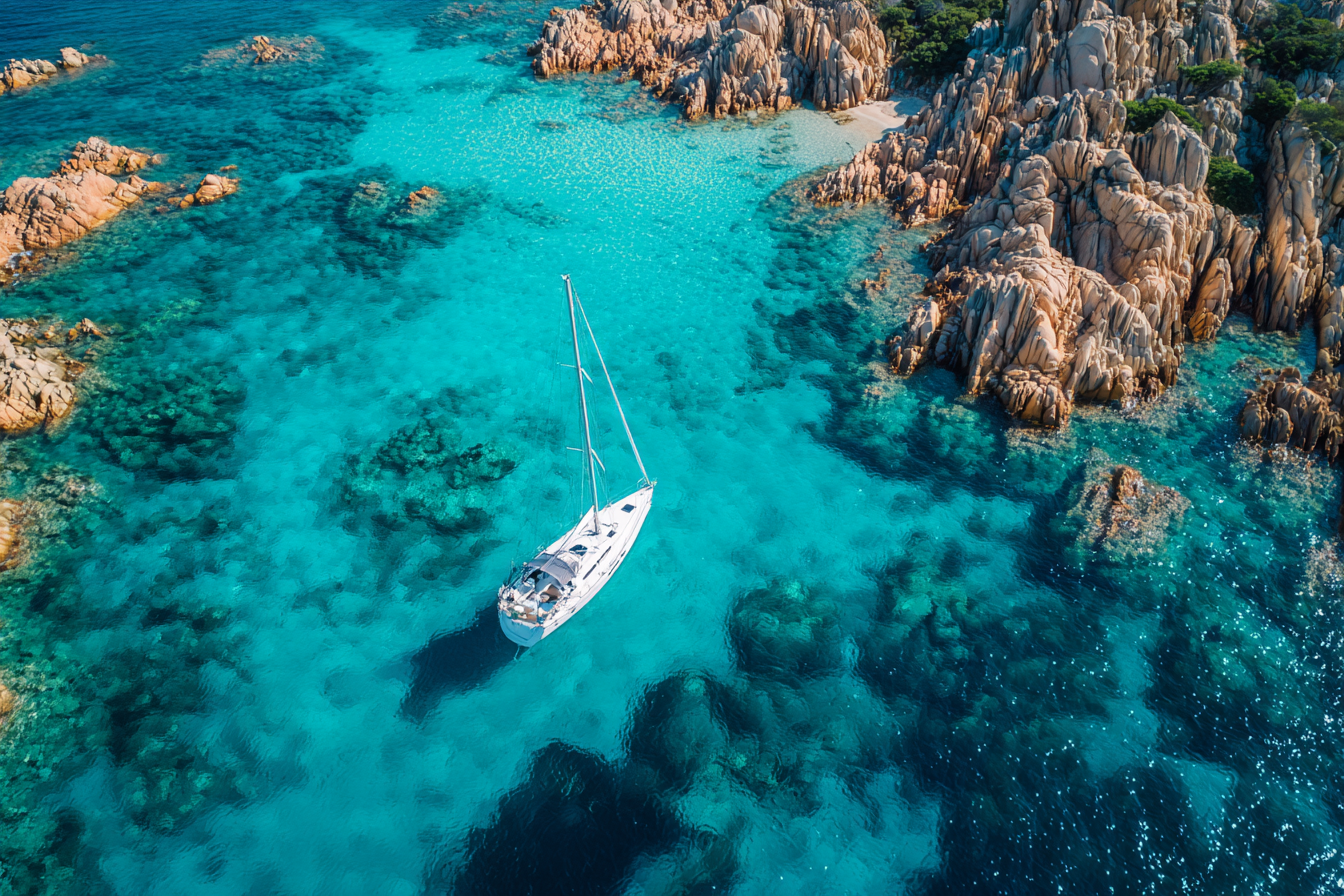
Sailing Sardinia: The Costa Smeralda and the Maddalena Archipelago offer Caribbean-like turquoise waters. Renting a sailboat or catamaran here allows you to find hidden coves inaccessible by land.
Windsurfing Lake Garda: The northern tip of Lake Garda (Riva del Garda) is a world-class wind tunnel. Reliable winds make it a mecca for windsurfers and sailors.
Kayaking the Amalfi Coast: Paddle along the dramatic cliffs of Positano and Amalfi to discover secret sea caves and avoid the crowds on the beaches.
6. Adventure Basecamps: Where to Stay
Choosing the right “basecamp” is crucial for an active trip. You want a town that is close to the trails but also has great food and vibe for the evening.
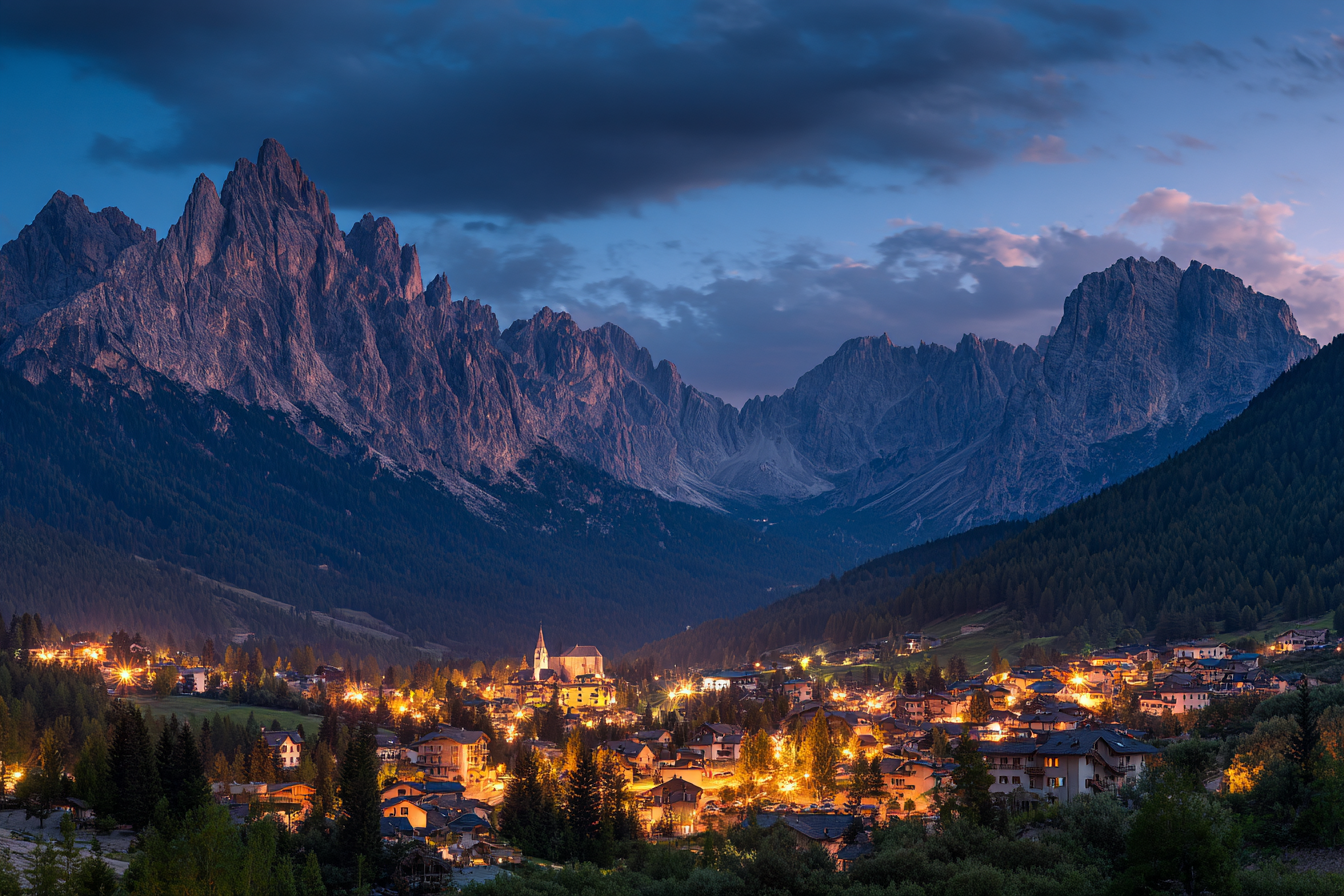
Cortina d’Ampezzo (The Dolomites)
Best for: Hikers, climbers, and luxury seekers.
The Vibe: Known as the “Queen of the Dolomites,” Cortina is chic and historic. It hosted the 1956 Olympics and will again in 2026.
Why stay here: It sits right in the middle of the best trailheads (Tre Cime, Cinque Torri). You can hike all day and return to a Michelin-starred dinner.
Riva del Garda (Lake Garda)
Best for: Windsurfers, mountain bikers, and climbers.
The Vibe: A lively waterfront town squeezed between steep cliffs and the lake. It feels youthful and energetic.
Why stay here: It is the capital of Italian outdoor sports. You can rent high-end mountain bikes on every corner, and the ferry system connects you to other lake towns.
Taormina (Sicily)
Best for: Volcano trekkers (Etna) and divers.
The Vibe: Stunningly beautiful, historical, and perched on a cliff.
Why stay here: It’s a 45-minute drive to Mount Etna’s base. After a dusty hike on the volcano, you can descend to Isola Bella for a swim in the sea.
7. Soft vs. Hard Adventure: Finding Your Level
No Italy outdoor adventure is complete without finding your own pace. Italy caters to every fitness level. You don’t need to be an Ironman to enjoy the outdoors here.
Soft Adventure (Family Friendly & Relaxed)
E-Biking in Tuscany: The hills are gentle, and electric motors make the climbs effortless. Suitable for ages 12 to 80.
Lake Hiking: Walking the “Sentiero degli Dei” (Path of the Gods) on the Amalfi Coast is visually stunning but technically essentially a long walk with some stairs.
Snorkeling in Sardinia: The water is calm and shallow, perfect for children and beginners.
Hard Adventure (Adrenaline & Sweat)
Via Ferrata: Requires a helmet, harness, and a head for heights. You will be clipping onto cables on vertical cliff faces.
Freeride Skiing: Resorts like Alagna Valsesia are legendary for off-piste powder. This is for expert skiers only.
Stromboli Night Trek: Hiking an active volcano in the dark requires stamina and agility on loose ash terrain.
8. Practical Tips: Planning Your Adventure
Timing and budgeting are everything for outdoor activities in Italy.
When to Go:
Hiking & Cycling: May-June and September-October are ideal. July and August can be too hot for strenuous activity in the south and central regions.
Skiing: January to March offers the best snow reliability. December is often crowded with holiday tourists.
Water Sports: June to September offers the warmest water temperatures.
Budgeting for Adventure (2025 Estimates):
Dolomiti Superski Pass: Approx. €75–€85 per day in high season.
E-Bike Rental: €40–€60 per day (often includes helmet and lock).
Via Ferrata Guide: €150–€300 for a private guide (group tours are cheaper).
Hiking: Free! Most trails in Italy do not require an entrance fee, though parking at popular trailheads (like Tre Cime) can cost up to €30.
Safety & Preparation:
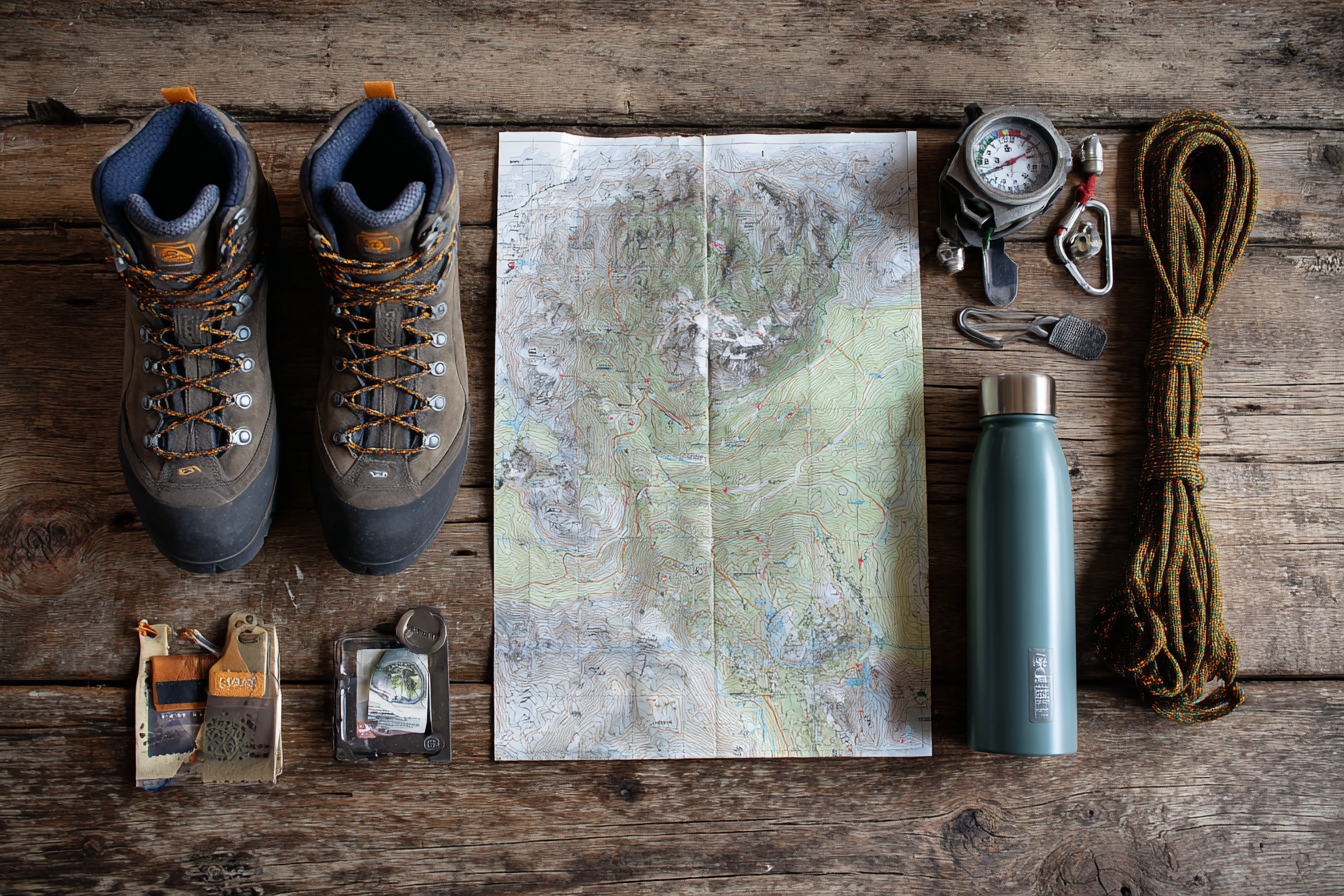
Insurance: Always ensure your travel insurance covers “adventure sports” like skiing or climbing.
Guides: For Via Ferrata or volcano trekking, hiring a certified local guide is mandatory for safety.
Hydration: Italy has many public fountains (nasoni), so bring a reusable bottle.
Conclusion
Italy challenges you to be an active participant, not just a spectator. Whether you are clipping into a snowboard in the shadow of the Matterhorn or pedaling through a sun-drenched vineyard, these experiences connect you to the landscape in a visceral way. An Italy outdoor adventure is about finding your own rhythm in a country that has mastered the art of living.
So pack your boots, rent that bike, and let this Italy outdoor adventure guide be your roadmap to the wilder side of La Dolce Vita.