
Italian Crafts: A Living Heritage Across Regions
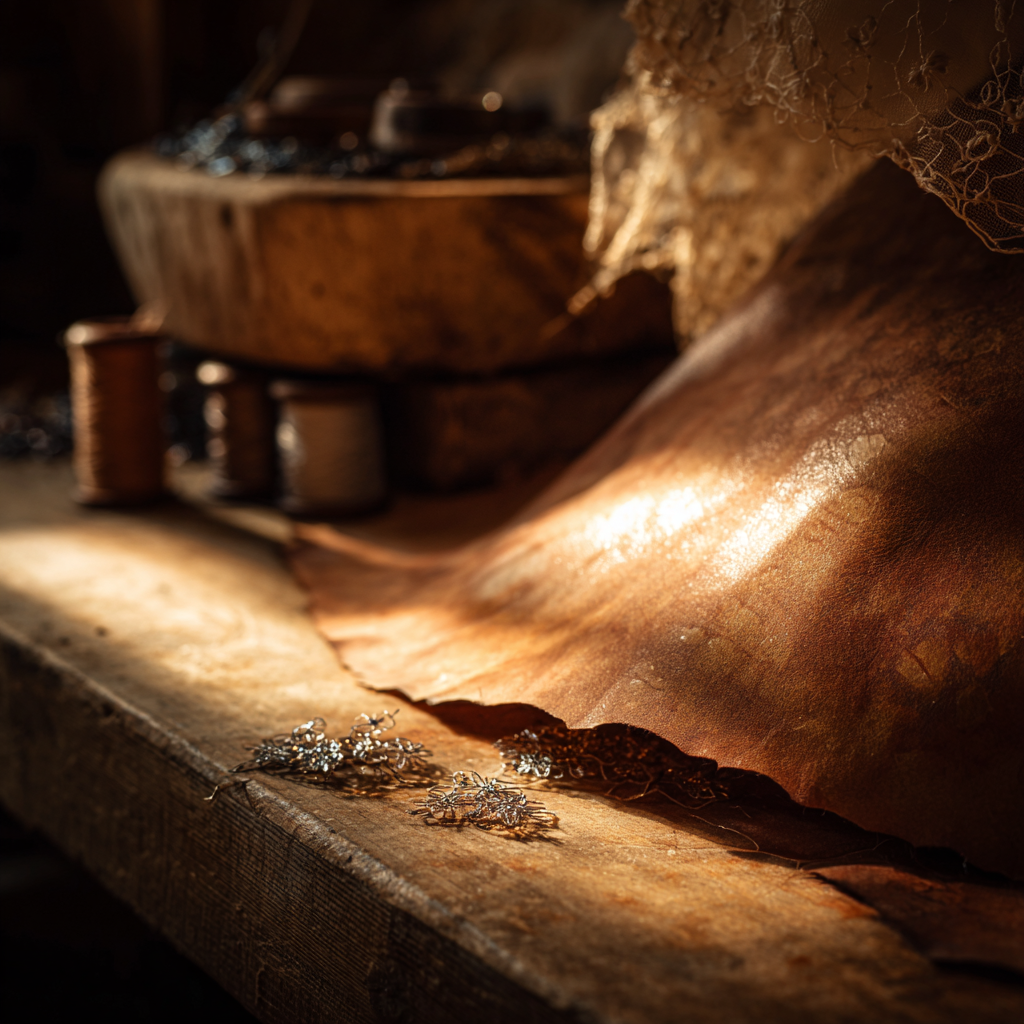
Italian crafts reflect centuries of tradition—Italy’s beauty is often described through its landscapes, food, and architecture, but the true soul of the country lives in its hands. Across cities, villages, and islands, crafts have carried traditions forward for centuries, shaping the cultural identity of entire regions. These crafts are far more than beautiful objects; they are living expressions of memory, community, and the relationship Italians have with materials that come from their land. Every workshop holds a quiet continuity—rituals repeated day after day, gestures passed down through generations, and knowledge that survives not through books but through practice.
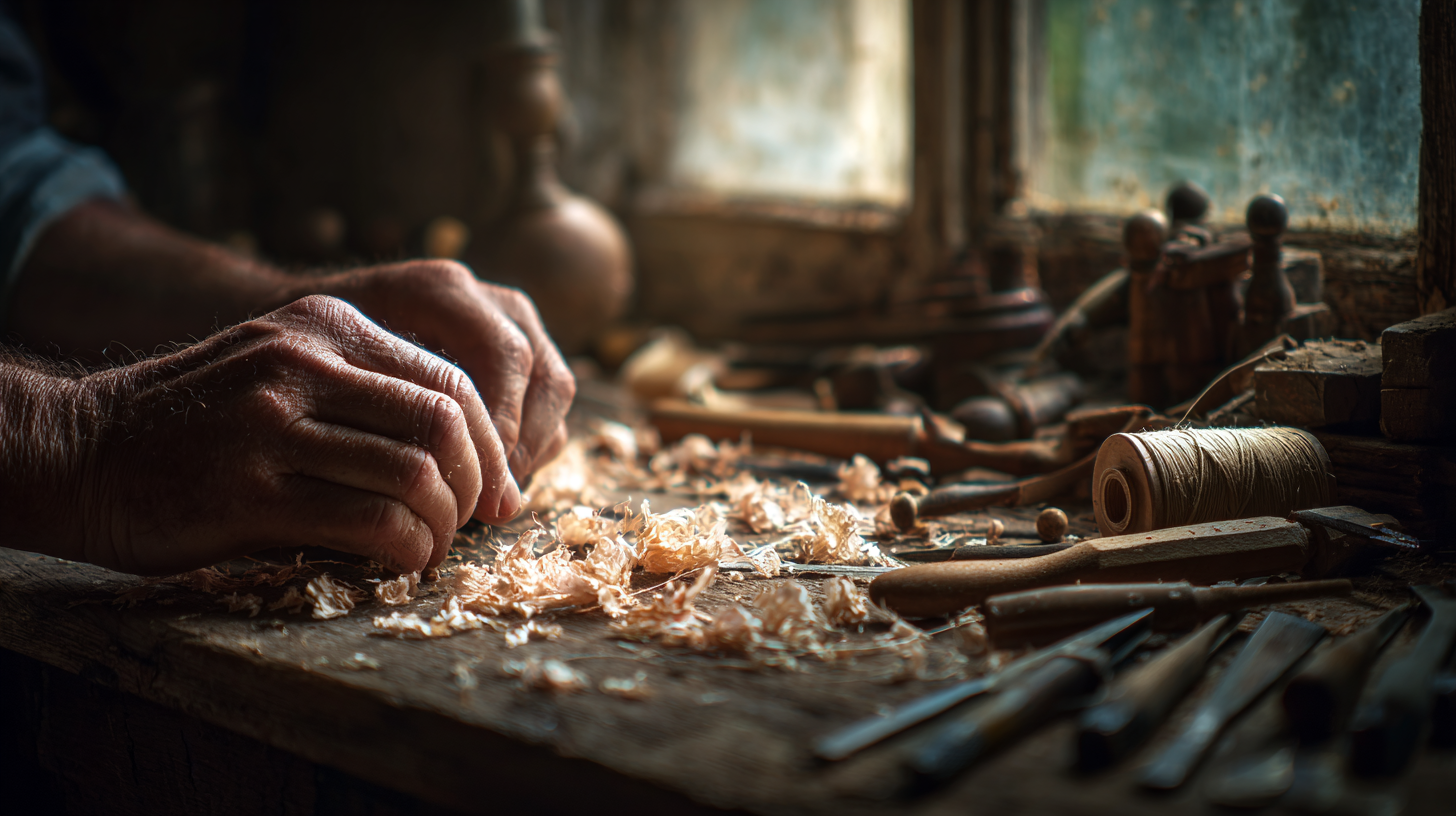
To explore Italy through its crafts is to move through spaces where time feels layered. A glass furnace that glows like it did in the Renaissance. Needles guided by women who learned from their grandmothers. Leather cut with precision in workshops unchanged for centuries. Stones shaped into art that feels suspended between earth and imagination. In these places, the past does not sit behind glass; it breathes, listens, and continues to evolve. Italy preserves its crafts not through nostalgia, but because they remain essential to how communities understand themselves.
Want to explore more of Italy’s cultural soul? Read our guide Experiencing Italy’s Rich Tapestry: A Year of Seasonal Events and Festivals.
Murano Glass: Fire, Breath, and Light in Motion
Murano’s glass tradition begins at dawn, when furnaces ignite and workshops fill with the glow of molten fire. Artisans gather glass on long rods, turning it with practiced rhythm as if guiding a living creature toward its final shape. Every movement must be exact—too slow, and the glass cools; too fast, and the form collapses. This delicate balance gives Murano glass its unmistakable vitality. Each piece carries the imprint of heat, breath, and instinct.

The island’s glassmakers have guarded their secrets for centuries. Venice once confined them to Murano to keep the formulas for colors and techniques from spreading, creating a community that learned not only through training but through proximity. Generations grew up beside the furnaces, absorbing knowledge through sound, smell, and repetition. Even today, master glassblowers read the fire with an intuition impossible to teach. Their work feels both ancient and immediate, shaped by a sensitivity to temperature and timing that defines the island’s artistic identity.
Murano glass is more than an object—it is a moment captured in solid form. When you hold a vase or chandelier crafted on Murano, you feel the tension between fragility and strength, between the softness of molten glass and the permanence of its final shape. It is art shaped by precision, tradition, and the enduring power of fire.
Burano Lace: Threads That Hold Quiet Generations
Burano’s lace tradition could not be more different from Murano’s fiery rhythm. Here, craft unfolds in silence. Women sit close to windows, guiding needles through fine thread to form patterns so delicate they appear almost imaginary. Unlike woven fabric, Burano lace is constructed stitch by stitch, each loop dependent on the one before it. The work demands patience, discipline, and an eye trained to see structure in emptiness.
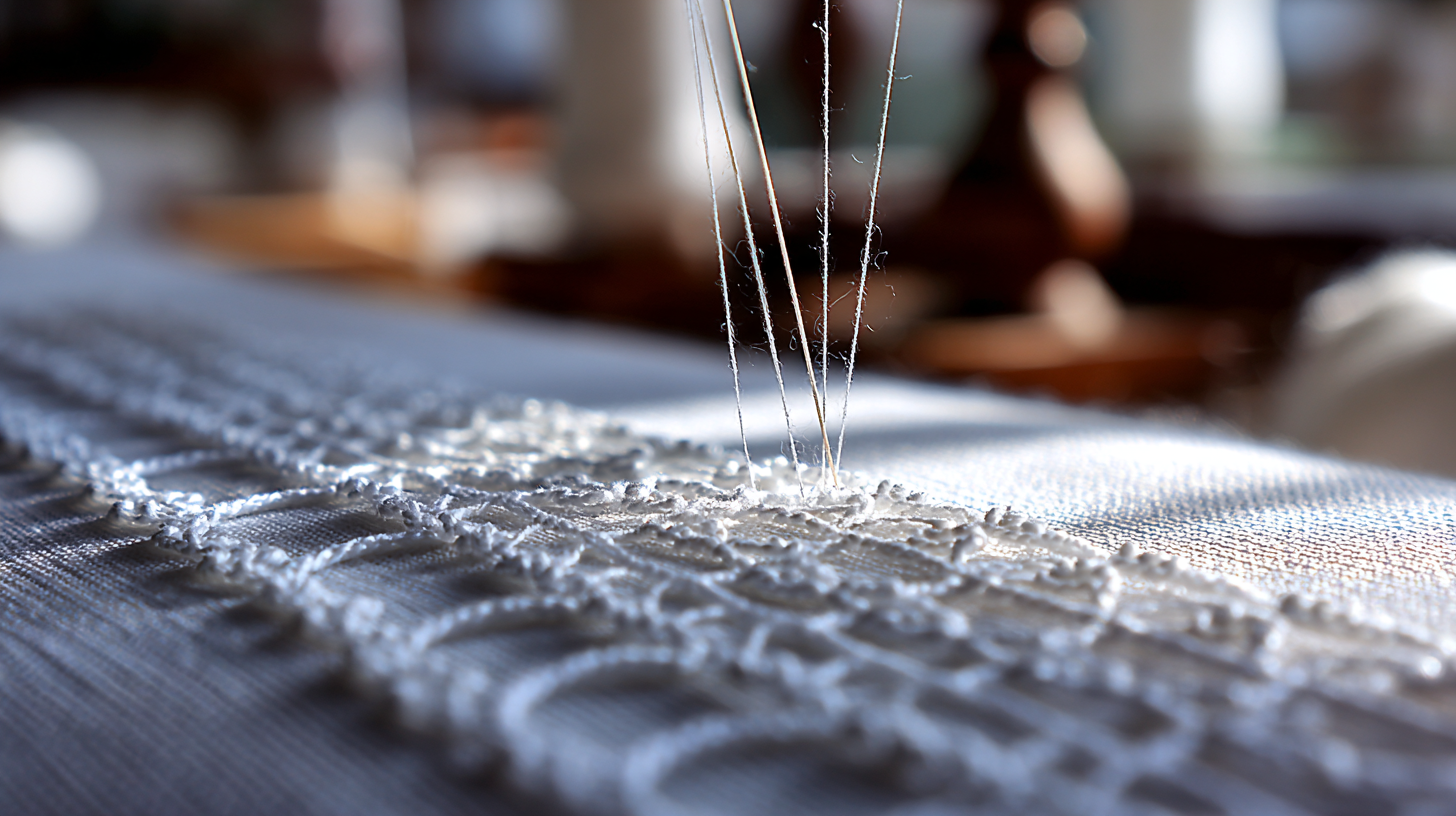
For centuries, Burano lace traveled across Europe, adorning royalty and becoming a symbol of Italian refinement. Yet on the island itself, lace was always rooted in daily life. It sustained families through hardship and connected generations of women who shared both the skill and the responsibility of preserving it. Each finished piece carries not only beauty, but the rhythm of hands that have repeated the same movements for hundreds of years.
Watching a lacemaker work feels like watching time itself. Patterns emerge slowly, almost shyly, from the tension between thread and air. There is no rushing the process. The lace is shaped by hours of quiet focus, by the simple belief that something truly beautiful is worth the time it takes to create. Burano lace endures because it embodies a kind of stillness that modern life rarely allows.
Florentine Leather: A Craft Forged Through Discipline and Touch
In Florence, leatherwork begins with the scent of hides warmed by afternoon sun. Workshops across the city continue traditions established by medieval guilds, where craftsmanship was intertwined with identity. Leatherworkers still cut, burnish, stitch, and dye by hand, using tools that would not look out of place centuries ago. Their craft is defined not by machines but by sensitivity to texture, weight, and the natural grain of each hide.
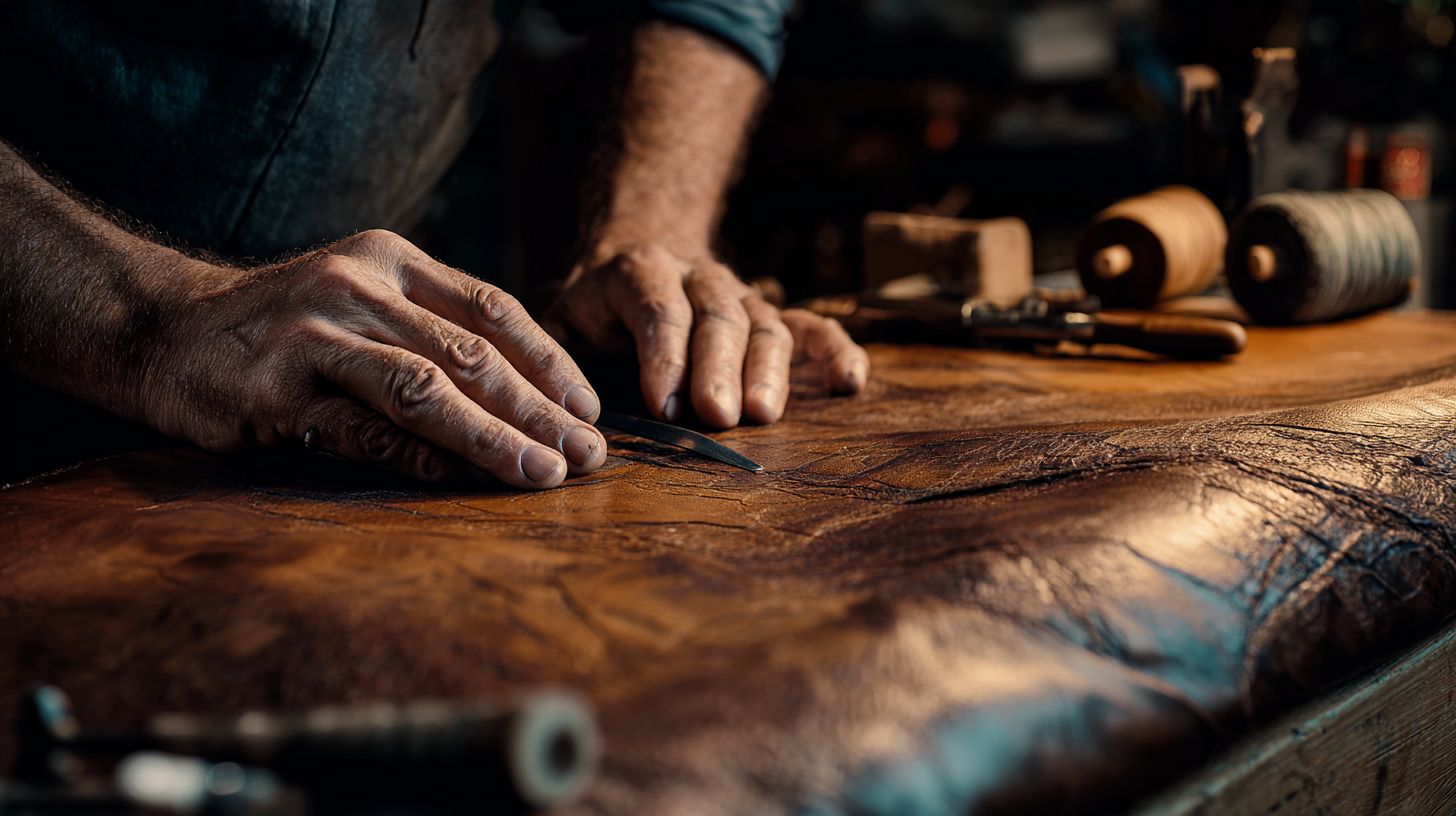
A piece of leather is not treated as a blank material. It is evaluated, studied, and shaped according to its unique characteristics. An artisan may run fingers across its surface dozens of times before cutting, feeling for imperfections or hidden strengths. The process is slow but intentional. Stitching is performed with waxed thread and rhythmic precision. Edges are burnished until smooth. Every detail reflects the maker’s understanding of how the material will age, soften, and respond to use.
Florentine leather goods possess durability that comes from respect for the craft. Bags, journals, belts, and wallets are made to last decades, often becoming more beautiful as their patina deepens. In a world where many objects are disposable, Florentine leather reminds travelers that longevity is its own form of elegance. It carries not just style, but continuity—a physical link to generations of artisans who shaped the city’s reputation for excellence.
Pietra Dura: Stone Imagery Born from Patience
Pietra dura is one of Italy’s most extraordinary art forms, transforming hard stone into images so precise they resemble paintings. Thin slices of marble, jasper, lapis lazuli, agate, and malachite are cut into shapes and fitted together to create scenes of astonishing clarity. Flowers appear with delicate shading, birds with lifelike wings, architectural motifs with perfect symmetry. Yet none of this is painted. Every color and line comes from the stone itself.
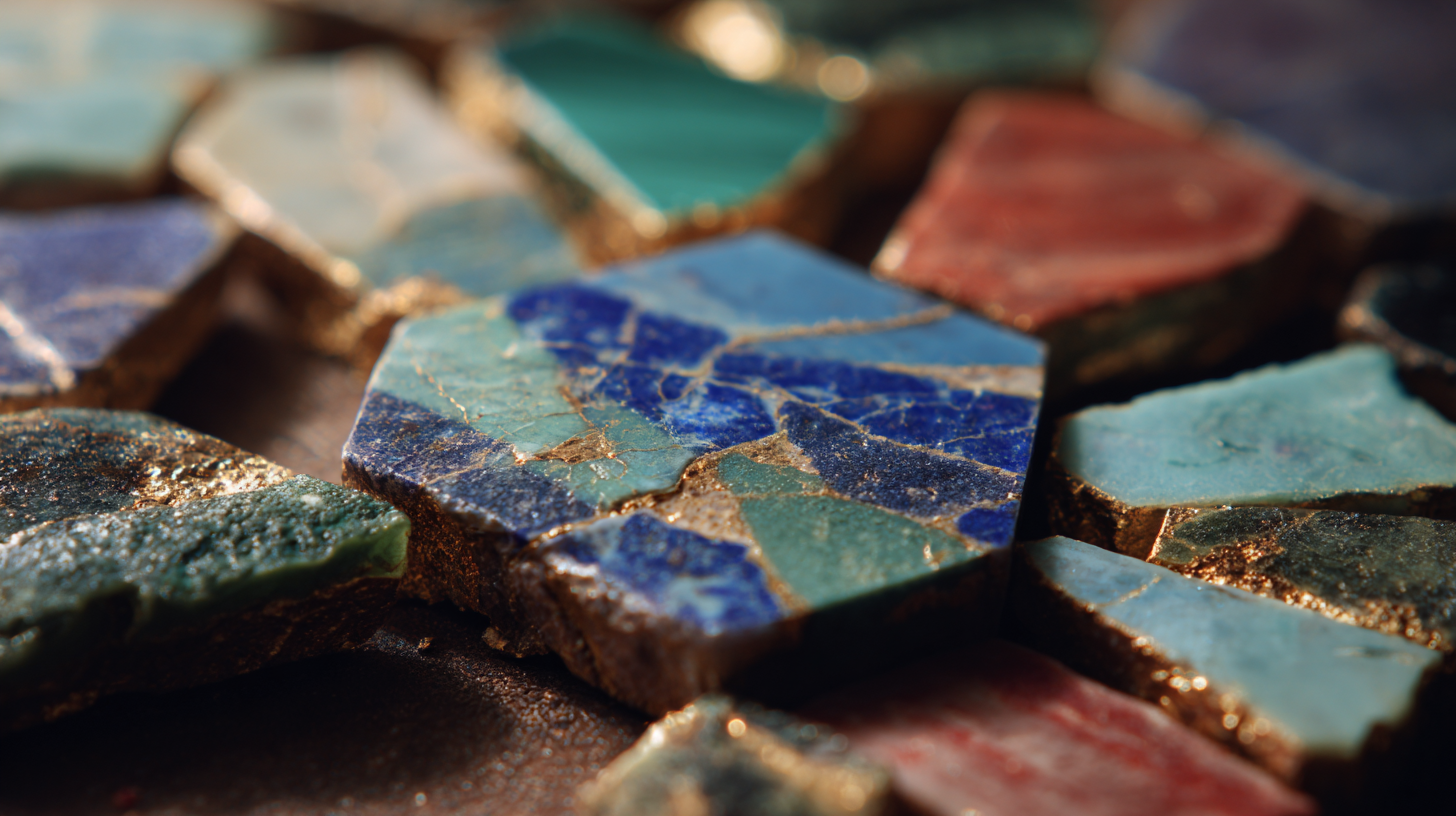
The work requires immense patience. Artisans use hand tools to saw through stone slabs, selecting pieces with natural veins or color gradients that match the intended design. They polish each fragment until it gleams, then assemble them into intricate mosaics that feel impossibly smooth under the fingertips. A single petal or feather may take hours to shape; a full panel may take months. Nothing about the craft invites haste.
Pietra dura bridges geological time and human time. Stones formed millions of years ago are shaped by contemporary hands into images that will outlast both maker and viewer. The craft embodies endurance, precision, and a reverence for natural material. To stand before a pietra dura artwork is to witness a collaboration between earth and artistry—one that transforms stone into narrative.
Venetian Masks: The Art of Identity and Escape
Venetian masks are among Italy’s most recognizable symbols, yet few people understand the depth of tradition behind them. Masks were once tools of social freedom, allowing individuals to move through the city without revealing their identity. They blurred boundaries between classes, encouraged theatricality, and created a culture where mystery was part of daily life. The craft of mask-making preserves this spirit.
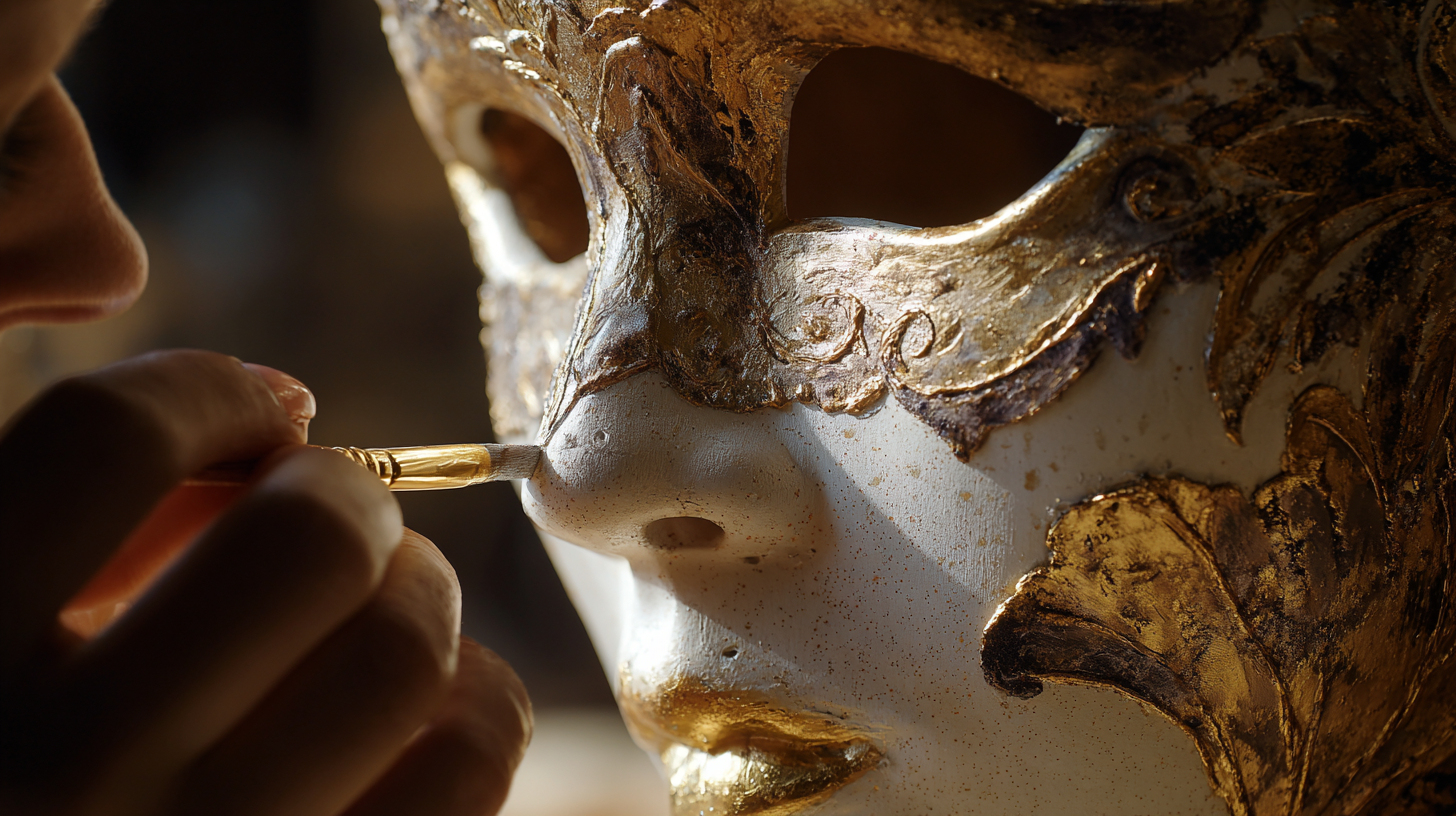
Artisans begin with a simple form made of plaster or papier-mâché, shaping it to match the contours of a human face. They layer it with paint, gold leaf, fabrics, feathers, or sculpted details, giving each mask a personality that is both expressive and symbolic. Some represent historical characters; others embody emotions or ideas. The process is slow and intuitive, guided by the artisan’s understanding of drama and performance.
A Venetian mask is not only an object of beauty; it is a reflection of how identity shifts in different contexts. It invites the wearer to inhabit another self, even if only briefly. When the mask returns to a shelf or wall, it retains that sense of possibility. Mask-making in Venice endures because it speaks to something universal: the human desire to transcend boundaries and explore hidden facets of the self.
Sicilian Ceramics: Earth Colored by History and Sunlight
Sicilian ceramics capture the vibrancy of an island shaped by many cultures. The pieces glow with colors that seem lifted from the island’s natural palette: ocean blues, volcanic blacks, citrus yellows, olive greens. Patterns blend Greek geometry, Arab ornamentation, and Mediterranean color theory. Each design reflects the island’s layered history and its embrace of bold visual storytelling.
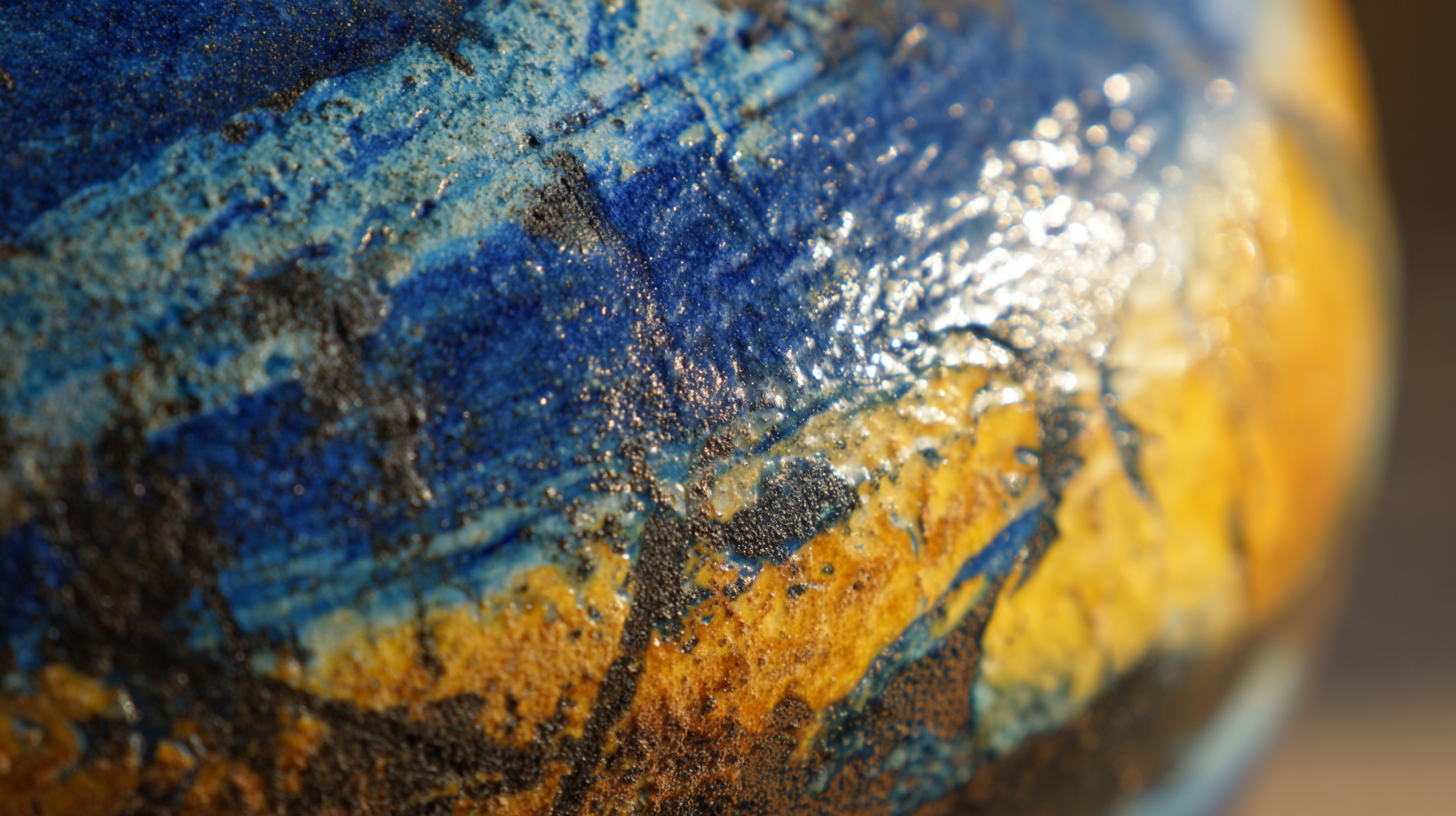
Clay is molded with confident, grounded movements. Bowls and vases rise from spinning wheels, while sculpted figures—especially the famous Moorish heads—emerge with expressive detail. After drying, each piece is glazed and fired in kilns that recreate the island’s ancient relationship with fire. The result is ceramics that feel alive, shaped by both precision and instinct. They are not subtle; they are declarations of identity.
Sicilian ceramics endure because they carry the island’s emotional landscape. They are warm, vibrant, unapologetically open about what they represent. In homes, markets, and studios, these ceramics act as storytellers—reminding viewers of myth, migration, conquest, and resilience. To hold a piece is to feel Sicily’s sun and complexity.
Sardinian Weaving: Wool Bound to Land and Lineage
In Sardinia, weaving is more than a craft—it is a cultural anchor. Villages across the island maintain traditions shaped by pastoral life, where sheep, wind, and stone define the rhythm of existence. Wooden looms stand in homes like silent instruments waiting for movement. When weaving begins, the shuttle passes through the warp with steady intention, creating textiles that reflect the island’s rugged beauty.
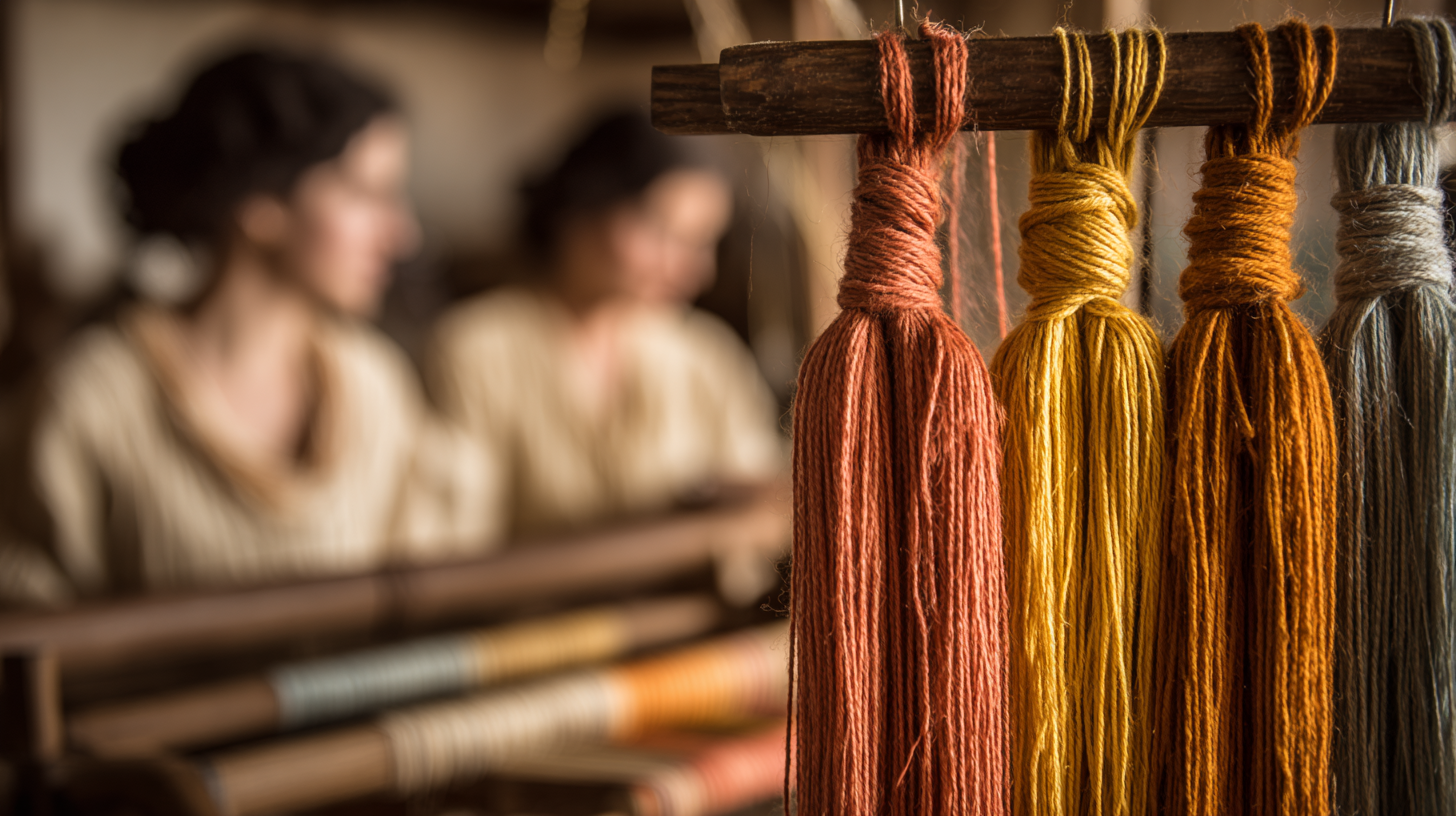
Patterns carry symbolic meaning. Diamonds represent protection; zigzags echo mountains or migration paths; repeating borders mark transitions or family identity. The wool is thick and honest, dyed with pigments drawn from local plants, minerals, and earth. Each textile is a record of place—its colors shaped by climate, its patterns shaped by history, its durability shaped by necessity.
Sardinian weaving continues because it binds generations together. Textiles are gifted during life events—weddings, births, seasonal rituals—connecting people to both family and land. Weaving is not an industry here; it is a way of maintaining continuity. Every finished piece feels like a chapter in the story of an island that refuses to forget its roots.
Sorrento Intarsia: Wood Transformed into Quiet Narratives
Intarsia in Sorrento turns wood into imagery. Artisans select veneers of walnut, olive, ash, maple, and other woods, choosing each for its color, grain, or texture. These thin slices are cut by hand into shapes that will form landscapes, flowers, or architectural scenes. When fitted together, they create images that appear gentle yet precise, glowing softly under natural light.
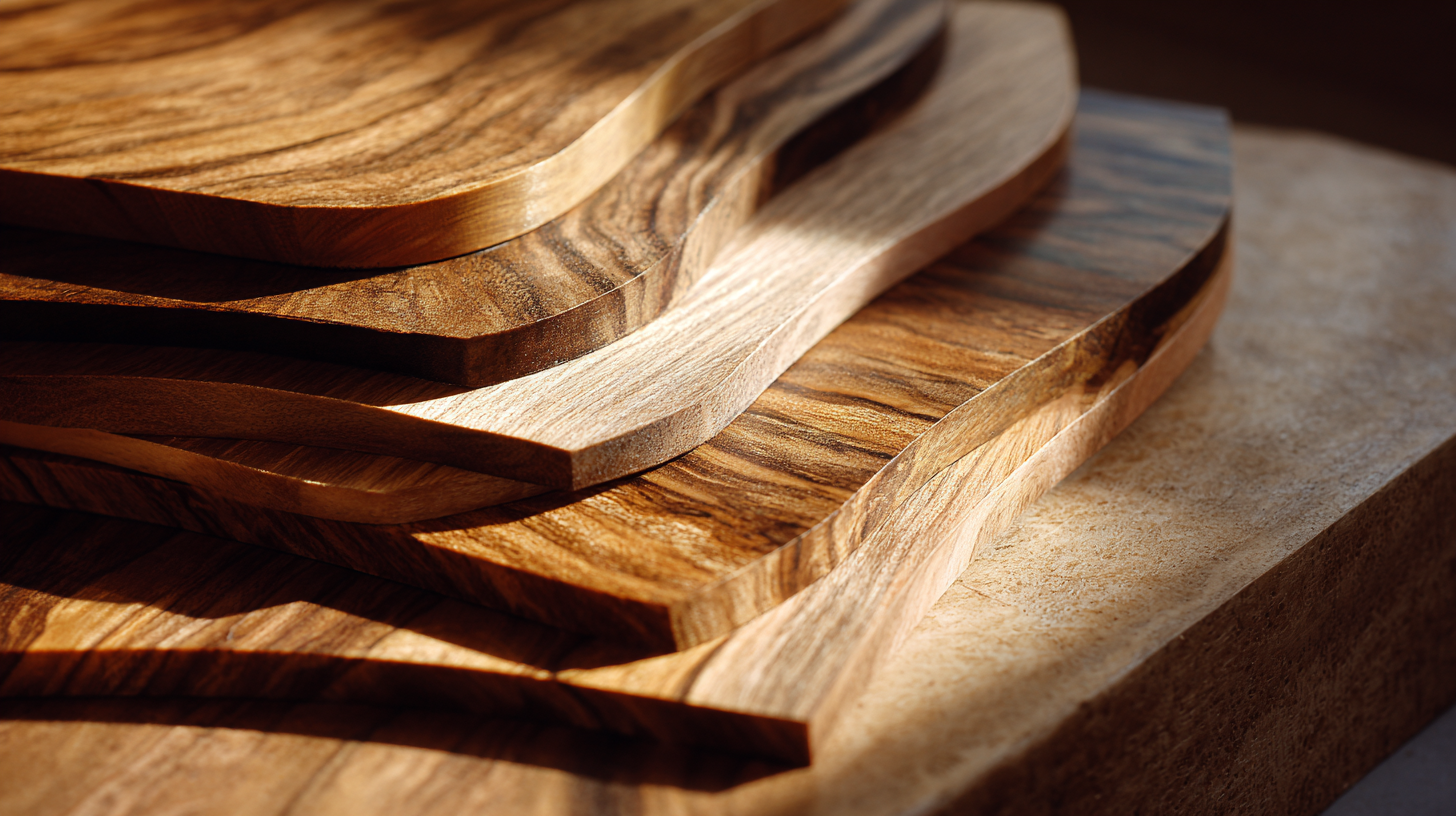
The craft is a dialogue between artisan and material. A darker grain becomes a shadow; a lighter veneer becomes a highlight. Natural imperfections are not hidden—they are used to create depth and expression. Once assembled, the pieces are sanded and polished until the surface feels as smooth as glass. The final artwork is subtle, inviting viewers to linger and notice details they did not see at first glance.
Intarsia remains central to Sorrento’s cultural identity because it embodies a unique blend of discipline and storytelling. Wood carries memory—rings of age, traces of weather, the silent intelligence of trees. Artisans give that memory form, turning everyday material into scenes that feel both intimate and enduring.
Neapolitan Cameos: Portraits Revealed Through Stone and Skill
Cameo carving in Naples is a study in patience and precision. Artisans work with shells or pieces of coral that contain natural layers of contrasting color. By carving into the material, they reveal portraits, mythological figures, or delicate scenes that seem to rise from within the stone. The process demands steady hands and an eye for subtle shading.
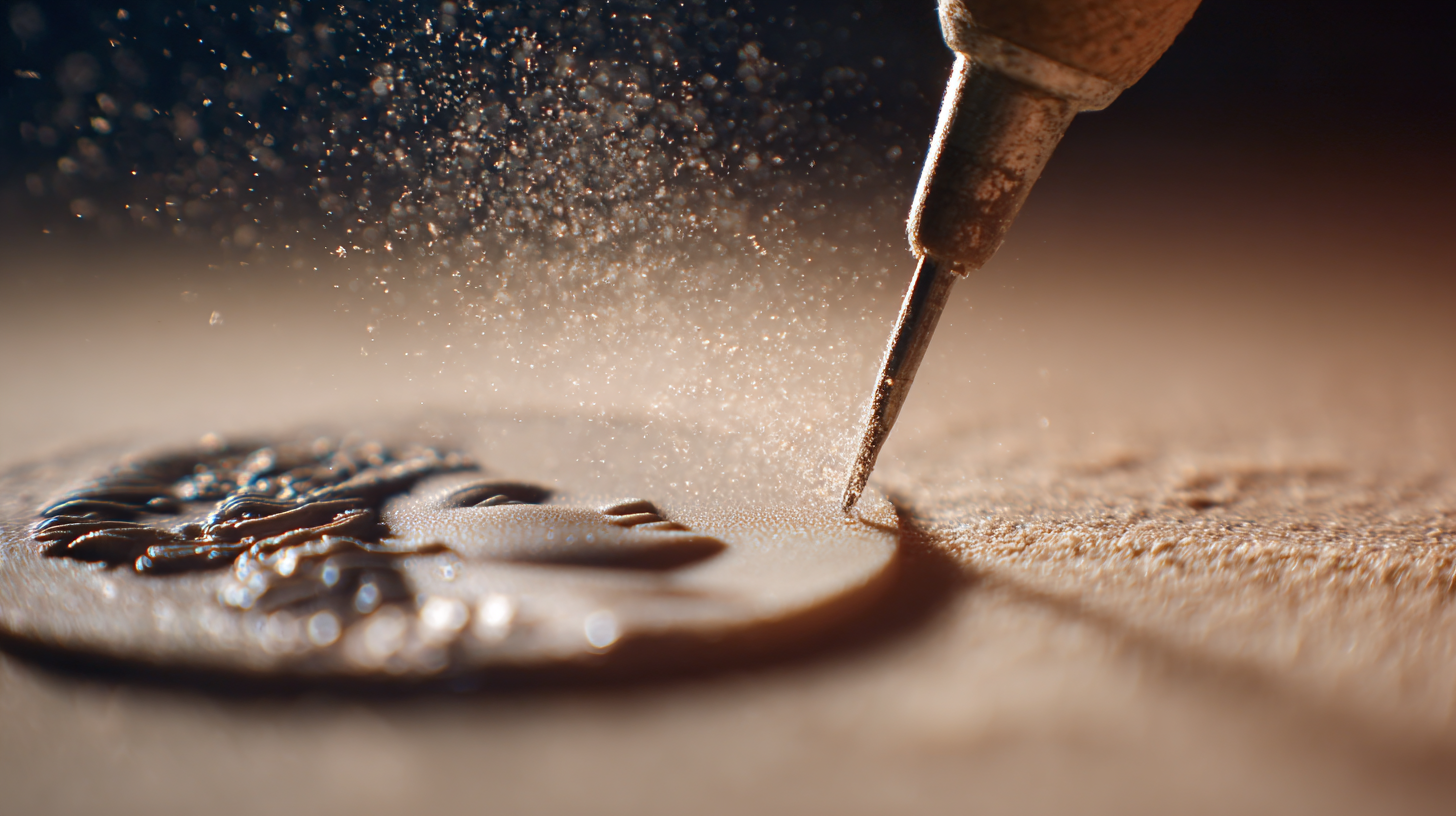
A cameo’s details are carved with tools that remove layers as thin as dust. The artisan must anticipate how the material will respond—where it will chip, how the curve will form, when to stop before losing a crucial highlight. Each cameo is a small universe, containing emotion in miniature. Faces appear soft, expressions calm, drapery flowing as if caught in a quiet breeze.
Neapolitan cameos endure because they embody intimacy. They are not loud or imposing; they draw viewers closer, inviting quiet appreciation. Holding a cameo feels like holding a fragment of memory—one shaped by tradition, refined by time, and preserved through human touch.
Why Italian Crafts Endure: Hands as Memory, Craft as Identity
Italian crafts survive because they offer something the modern world cannot replicate: continuity through touch. In a society driven by speed, these crafts insist on slowness. In a marketplace filled with mass production, they assert the irreplaceable value of human intention. Each tradition binds people to their ancestors, to their land, and to the belief that beauty emerges from patience.
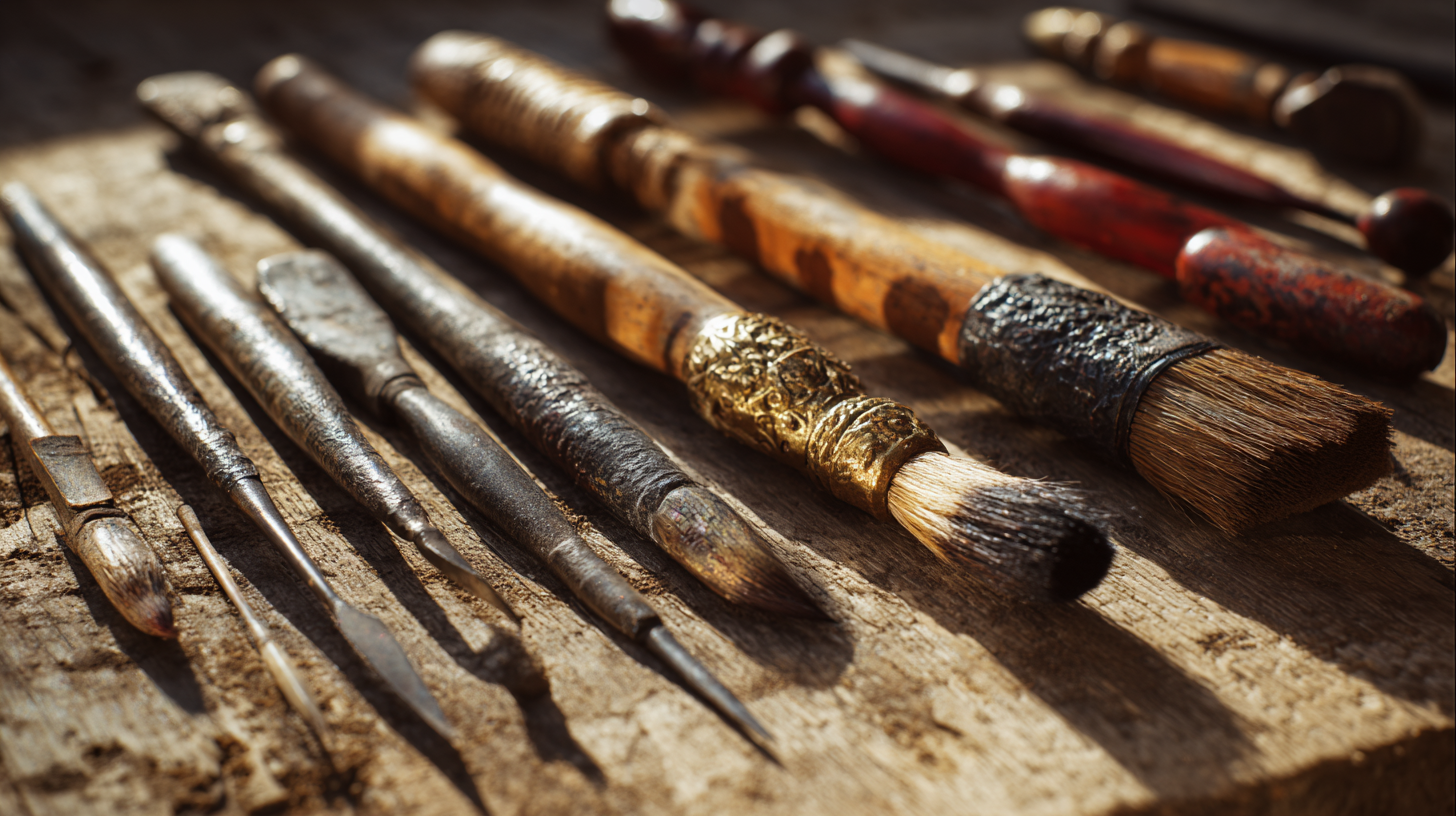
Crafts are not hobbies in Italy; they are cultural pillars. Families inherit not only tools, but ways of thinking. Villages protect their techniques because they protect their identity. Materials—stone, wood, wool, clay, leather, glass—become conduits for memory. When artisans create, they keep history alive not through imitation but through participation.
Italian craftsmanship endures because it acknowledges that the human hand remains one of the most expressive instruments in the world. Through repetition, care, and devotion, hands reveal who a people are and what they value.
Conclusion: A Country Carried Forward by Its Makers
To travel through Italyan crafts is to witness a country carried forward by creation. Murano’s fire, Burano’s silence, Florence’s discipline, Sicily’s color, Sardinia’s patterns, Sorrento’s narratives, and Naples’s delicate carvings each offer a window into Italy’s cultural soul. These Italian crafts endure not because they resist change, but because they hold tightly to meaning.
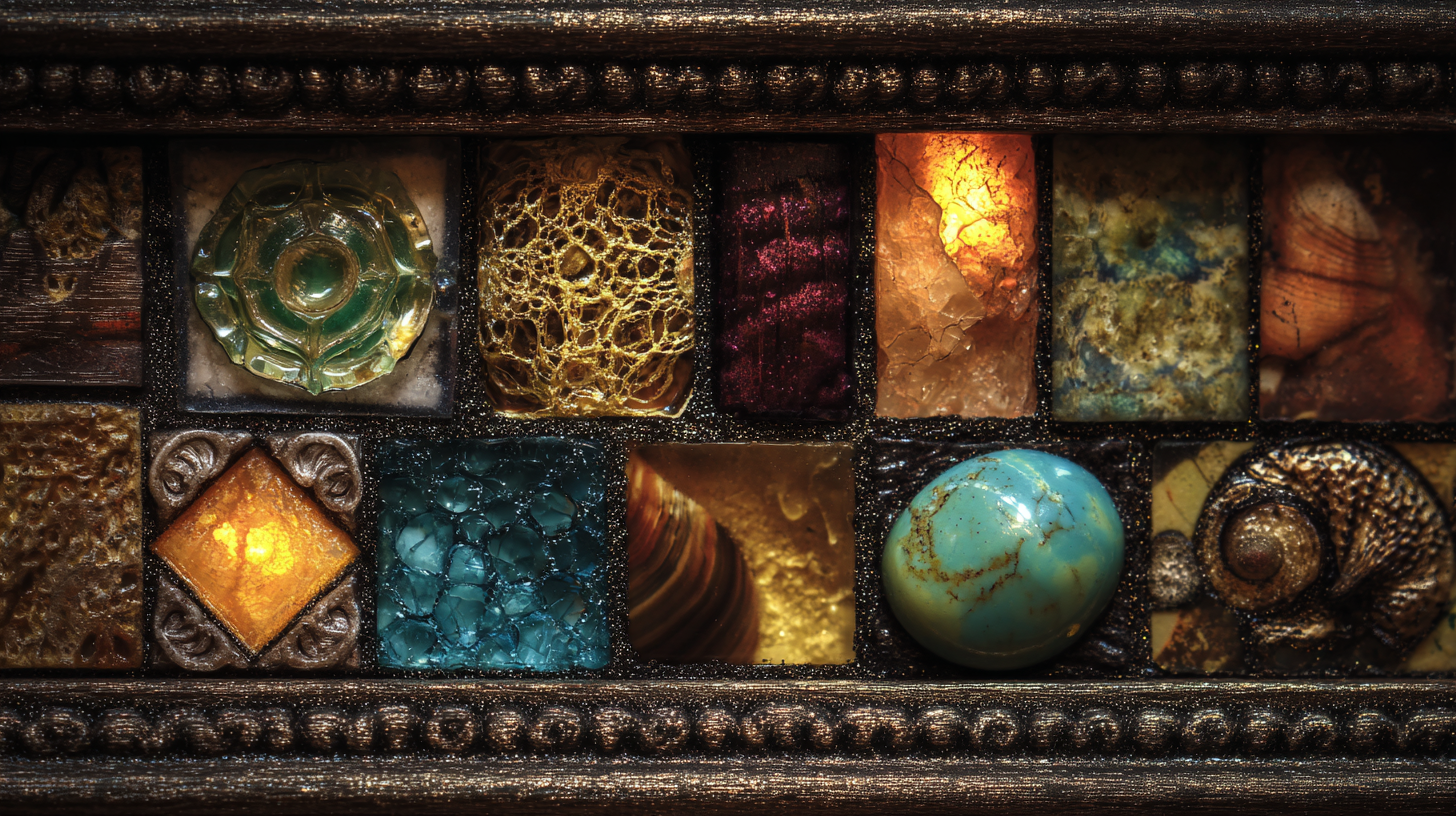
Italy’s beauty is not only seen—it is shaped. It is burnished, stitched, carved, fired, woven, assembled, and revealed. It is made by hands that remember where they come from and believe in what they pass on. In a world where so much changes quickly, Italy remains a place where craftsmanship anchors people to something lasting.
Here, the past is not behind.
It lives in every workshop, every tool, every gesture—
and it continues, one handmade piece at a time.
Source: Official Italy Tourism – Traditions & Craft Heritage