
Thailand is one of those rare places that absorbs you the moment you arrive. Warm air flows over you like a welcome, city lights shimmer with possibility, and landscapes shift from misty mountains to glowing beaches with a quiet confidence that feels ancient and alive at the same time. Thailand lives in contrasts—modern yet traditional, spiritual yet playful, serene yet electric—and somehow all these layers blend seamlessly into one emotional rhythm.
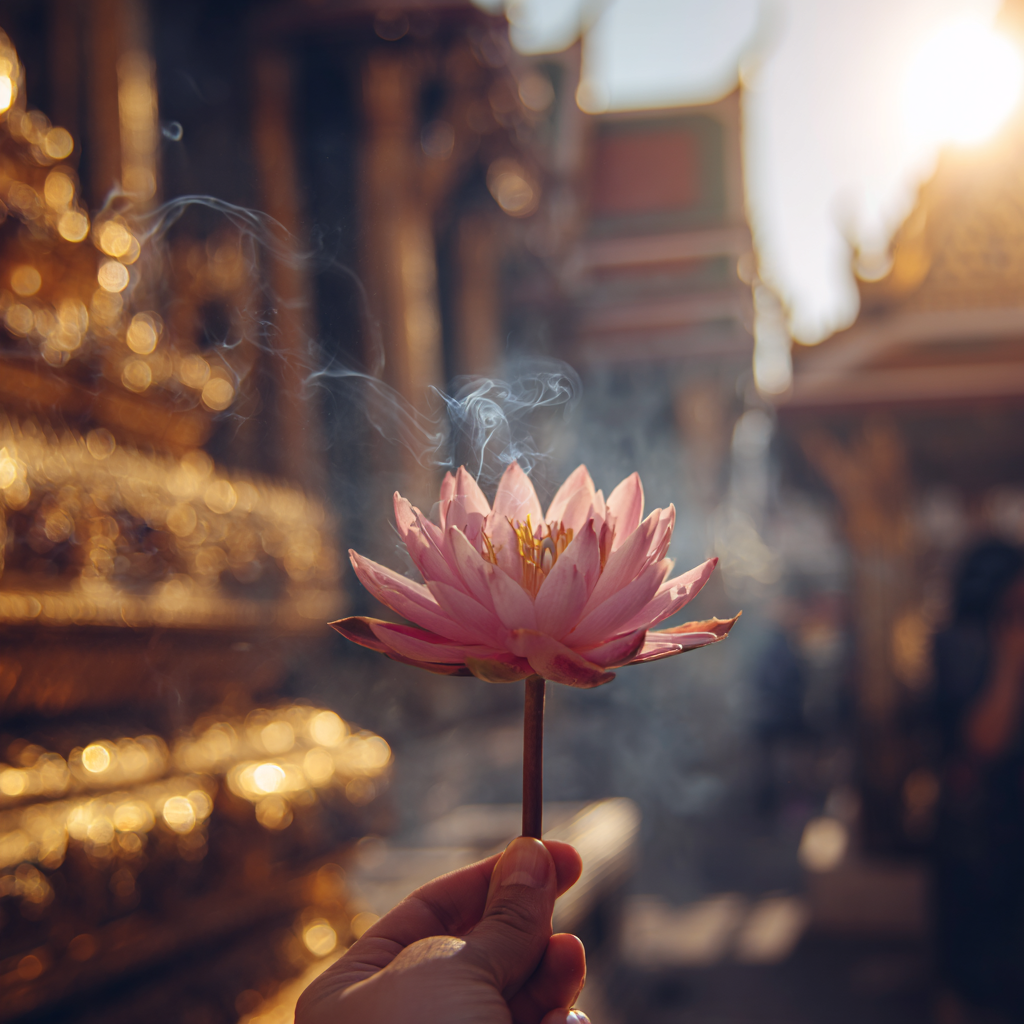
Traveling here isn’t about ticking destinations off a list. It’s about entering a moving world of temples, markets, flavors, festivals, oceans, forests, rituals, and people who radiate warmth in a way that catches you off guard. Thailand is not something you observe. Thailand is something you feel: in the incense drifting from a shrine, in the laughter of a market vendor, in the hum of cicadas at dusk, in the slow arc of lanterns lifting into the sky.
This master guide explores Thailand as a tapestry—woven from history, spirituality, cuisine, architecture, nature, creativity, and the unmistakable generosity of its people.
A Land of Story: Thailand’s History and Identity
Thailand’s history unfolds like a long, continuous poem. Ancient kingdoms rose along riverbanks, carved temples from earth and stone, shaped art that still influences the present, and built trade routes that connected the region long before tourism existed. Because Thailand was never colonized, its cultural evolution feels organic and uninterrupted, rooted in an identity that grew from within rather than reacting to foreign rule.
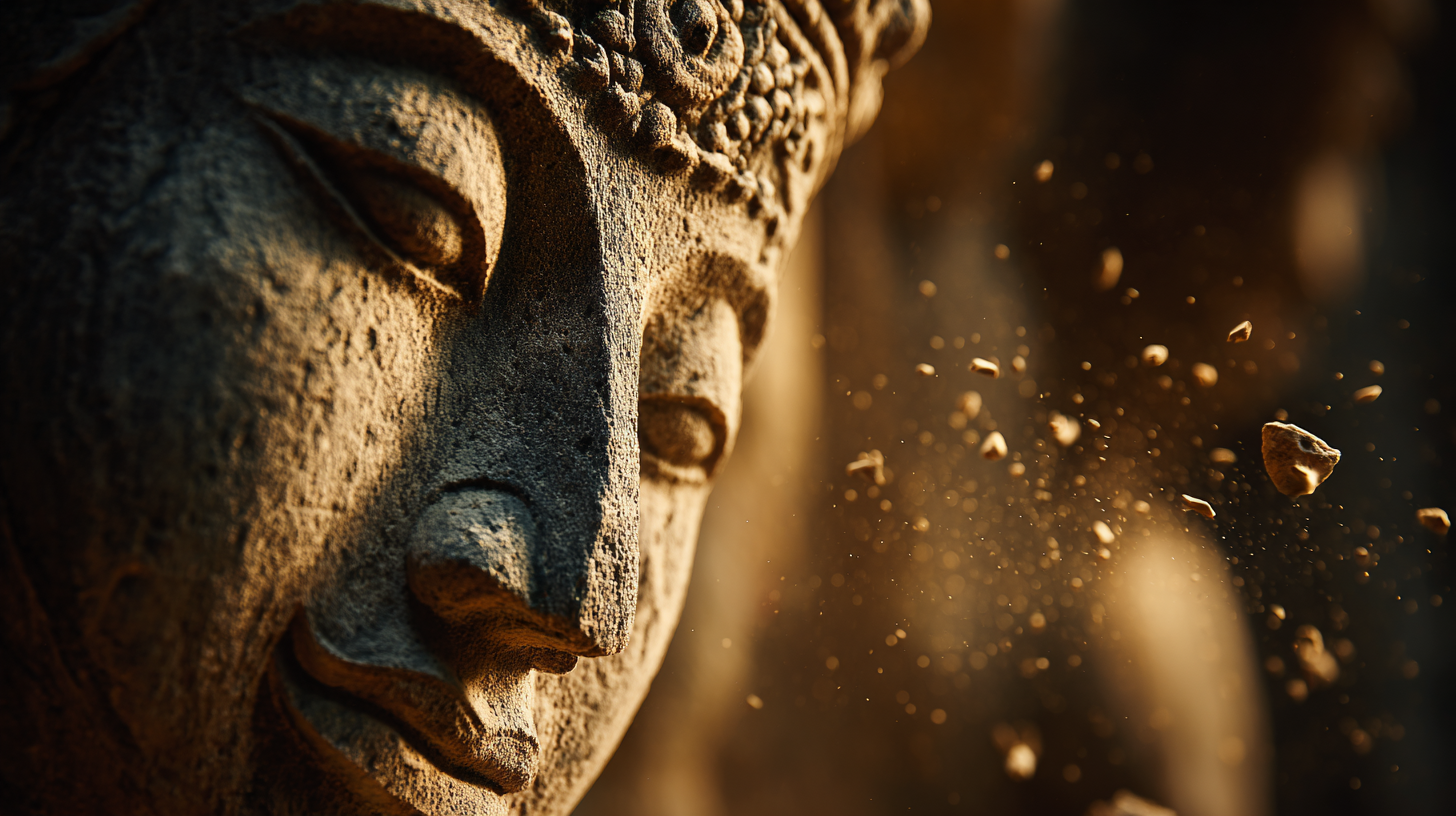
You feel this continuity in places like Ayutthaya, where temple ruins rise from grassy fields like memories etched in stone. You feel it in Sukhothai, where graceful Buddha statues stand in lotus ponds reflecting pink sunrise light. You feel it in Chiang Mai’s old quarter, where moats and walls surround temples that have anchored the city for centuries.
Yet history breathes far beyond heritage sites. It lives in festivals, music, silk weaving, rice farming, storytelling, and rituals carried through generations. Thailand’s identity is a living inheritance, shared subtly in gestures of respect, in the way people greet one another, and in the gentle rhythm that underlies even the busiest urban streets.
Continue your journey into Thailand’s past in our article Thailand’s History & Cultural Identity.
Temples & Spirituality: The Heartbeat of Thai Life
Temples in Thailand are not simply architectural wonders—they are spaces of presence. Step into the courtyard of a temple in Bangkok and the noise of the world seems to soften instantly. Monks sweep fallen leaves with slow, deliberate strokes. Incense burns in thin spirals. A golden Buddha glows beneath sunlight filtering through a carved doorway. There is a quiet gravity to these places, a timelessness that feels less like a destination and more like an atmosphere.
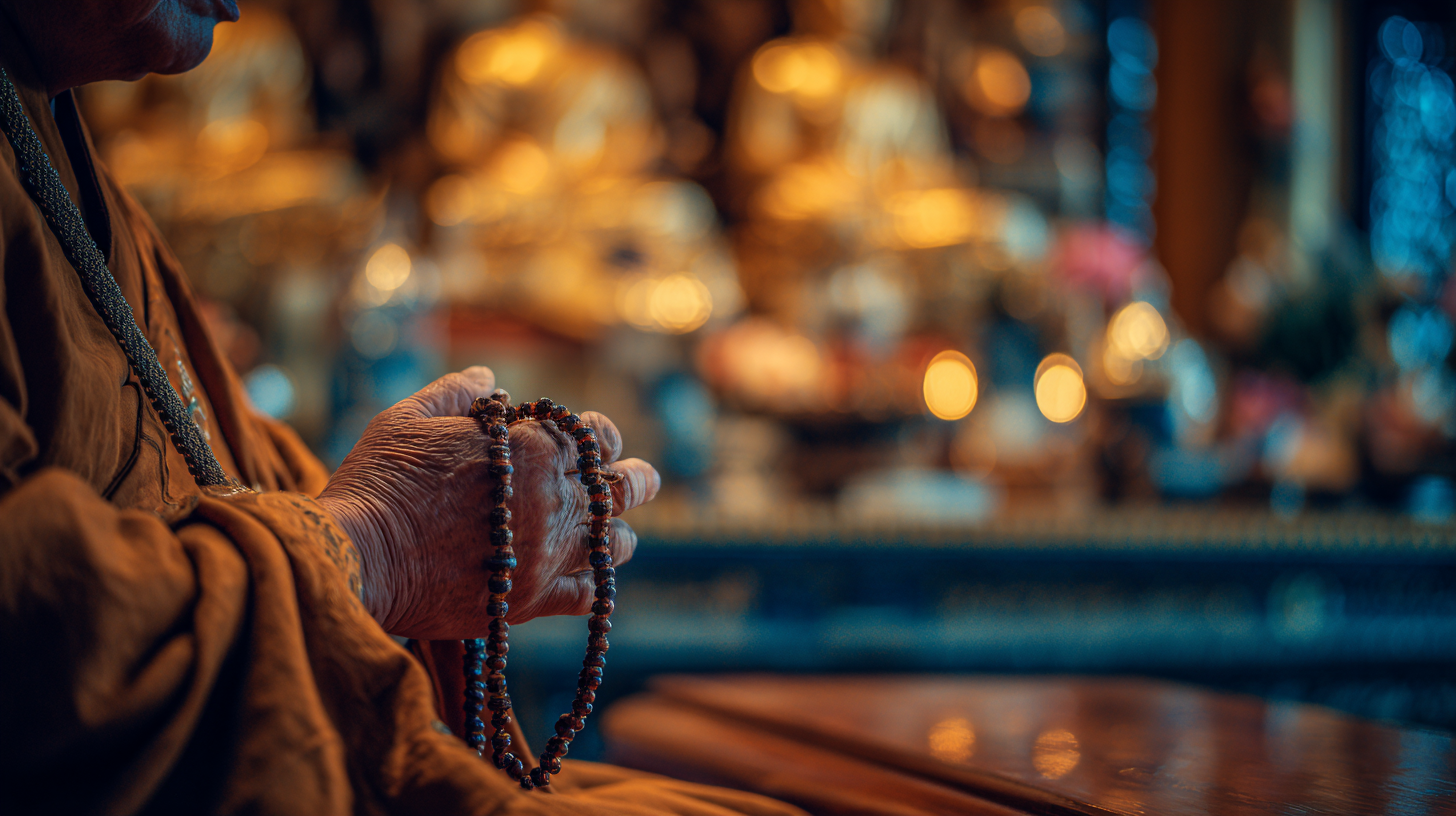
Buddhism in Thailand is woven into everyday life rather than set apart from it. Morning alms offerings unfold in silence as monks walk barefoot along village roads. Families visit small shrines to leave flowers and prayers for luck or protection. Travelers sit cross-legged in cool halls listening to low, resonant chanting that seems to settle somewhere deeper than hearing.
Even if you arrive without spiritual expectations, temples here tend to shift you gently. Something about their balance—golden details paired with plain wooden floors, scented air mingling with stone quiet—invites reflection without demanding it. Thailand’s spirituality is not assertive; it is steady, calm, patient, and ever-present.
Explore Thailand’s sacred world in our feature The Serenity of Saffron: Exploring Thai Buddhism and Meditation.
Thai Architecture: Ancient Craft and Modern Vision
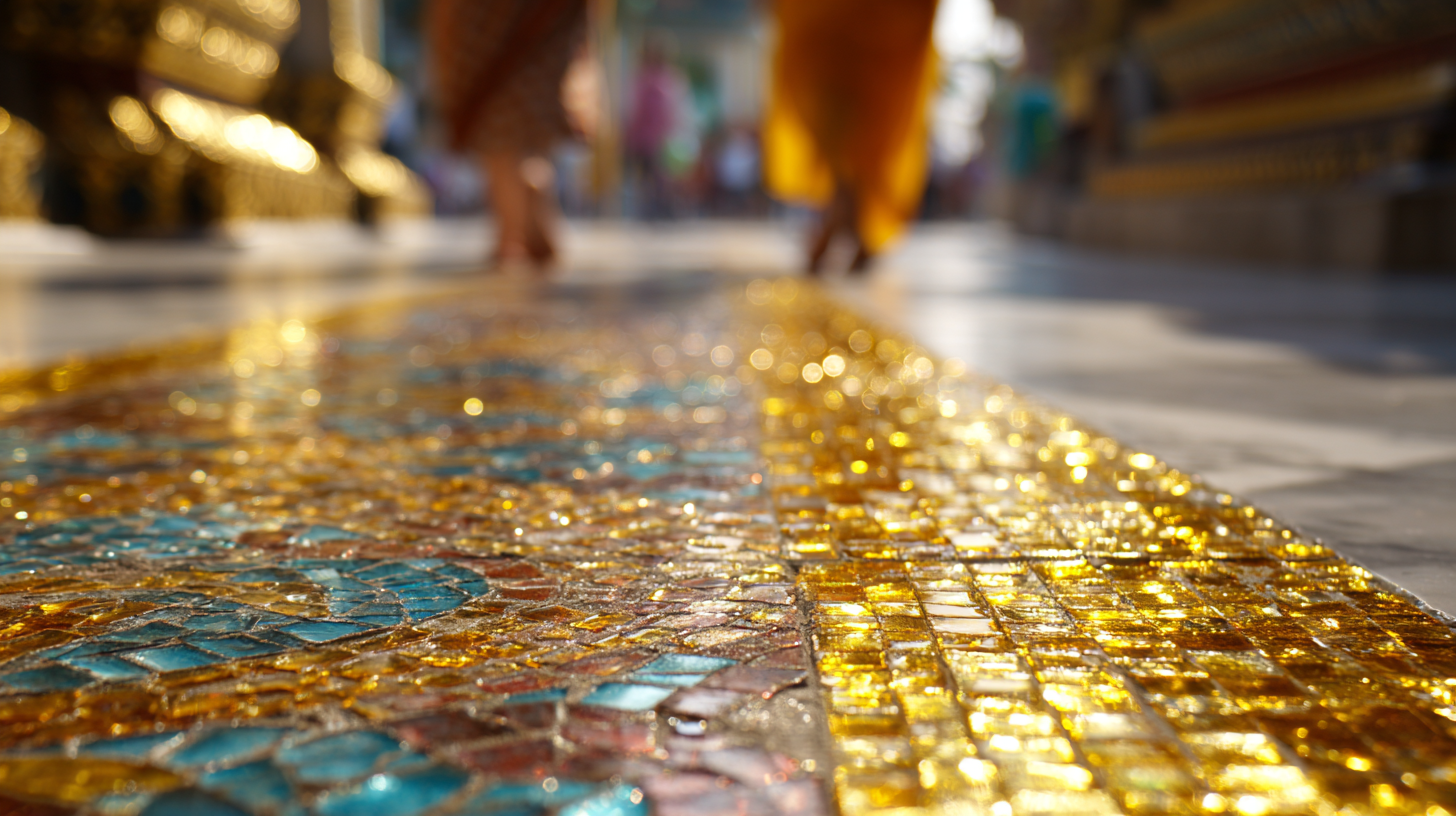
Architecture in Thailand is a vivid blend of eras, ideas, and emotional language. Traditional temples shimmer with mirrored mosaics, sweeping roofs, and guardian statues inspired by ancient mythology. Wooden houses rise on stilts to welcome monsoon winds, their open spaces designed to harmonize with nature. Grand palaces reveal artistry shaped by centuries of craftsmanship and royal influence.
Then you turn a corner in Bangkok and see a glass skyscraper reflecting the golden spire of Wat Arun, or a sleek riverside hotel designed with minimalist lines that still echo the geometry of ancient stupas. In Chiang Mai, Lanna-style teak temples stand beside boutique cafés carved into renovated shophouses. In the southern provinces, pastel Sino-Portuguese facades tell stories of maritime trade and multicultural heritage.
Thailand’s architecture doesn’t force coherence; instead, it embraces diversity. Old and new speak to each other without conflict, creating an urban landscape where every street feels like a conversation between memory and imagination.
Discover the design legacy of the kingdom in Thai Architecture: A Story Shaped by Faith and Craftsmanship.
Thai Cuisine: A Symphony of Heat, Harmony, and Freshness
Thai food is a sensory experience—vibrant, balanced, fragrant, and full of emotion. It is one of the clearest expressions of the country’s cultural depth. When you sit down to your first street-side meal, you understand immediately why Thailand is considered one of the world’s great culinary destinations.
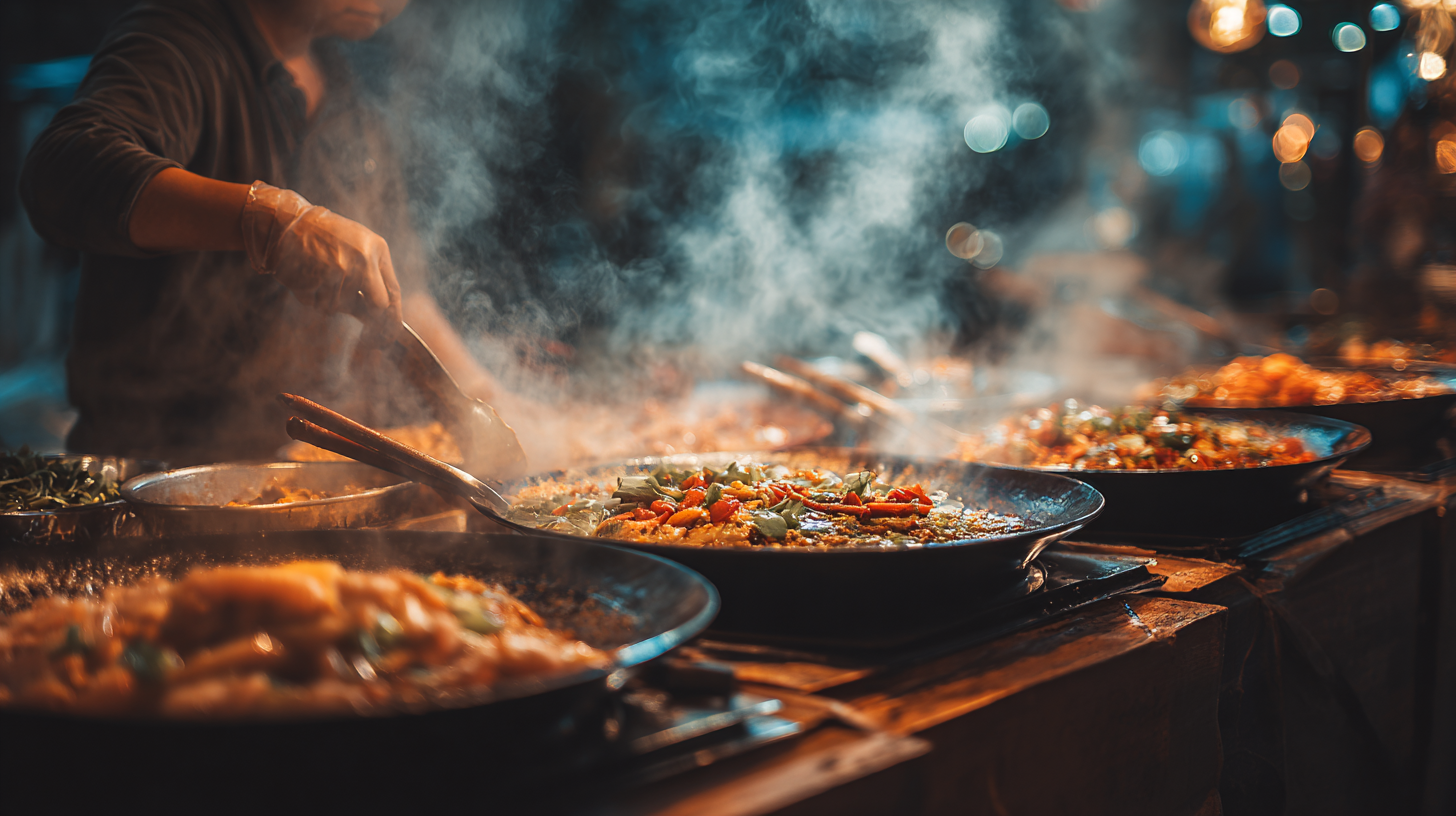
Dishes from the northern provinces carry warmth and complexity: coconut curry noodle soups, herbal broths, grilled meats marinated with mountain spices. The northeast, or Isaan, pulses with bold flavors—fiery papaya salads pounded in clay mortars, minced meat salads bright with lime and mint, sticky rice served in bamboo baskets. Central Thailand brings richness and harmony, from iconic tom yum to fragrant jasmine rice and tender curries. In the south, flavors intensify into deep turmeric, chili, coconut, seafood, and vibrant herbs.
But Thai cuisine lives most vividly in its markets. Morning stalls steam with soups and freshly grilled skewers. Afternoon tables overflow with tropical fruit stacked like edible jewels. Night markets shimmer with lantern light, wok fire, and crowds moving between sizzling pans and sweet coconut desserts. Eating here is participatory—you point, taste, sip, laugh, wander—and with each dish, you enter another layer of Thai culture.
Continue your journey through flavor in our article Thai Cuisine: A Guide to the Country’s Iconic Dishes.
Festivals: Thailand’s Celebrations of Light, Water, and Spirit
Festivals in Thailand are not small events; they are transformations of space, sound, and feeling. During Songkran, the Thai New Year, the entire country becomes a jubilant celebration of water and renewal. Strangers splash each other in the streets, temples overflow with ceremony, and everywhere you turn there is music, laughter, and a sense of collective joy.
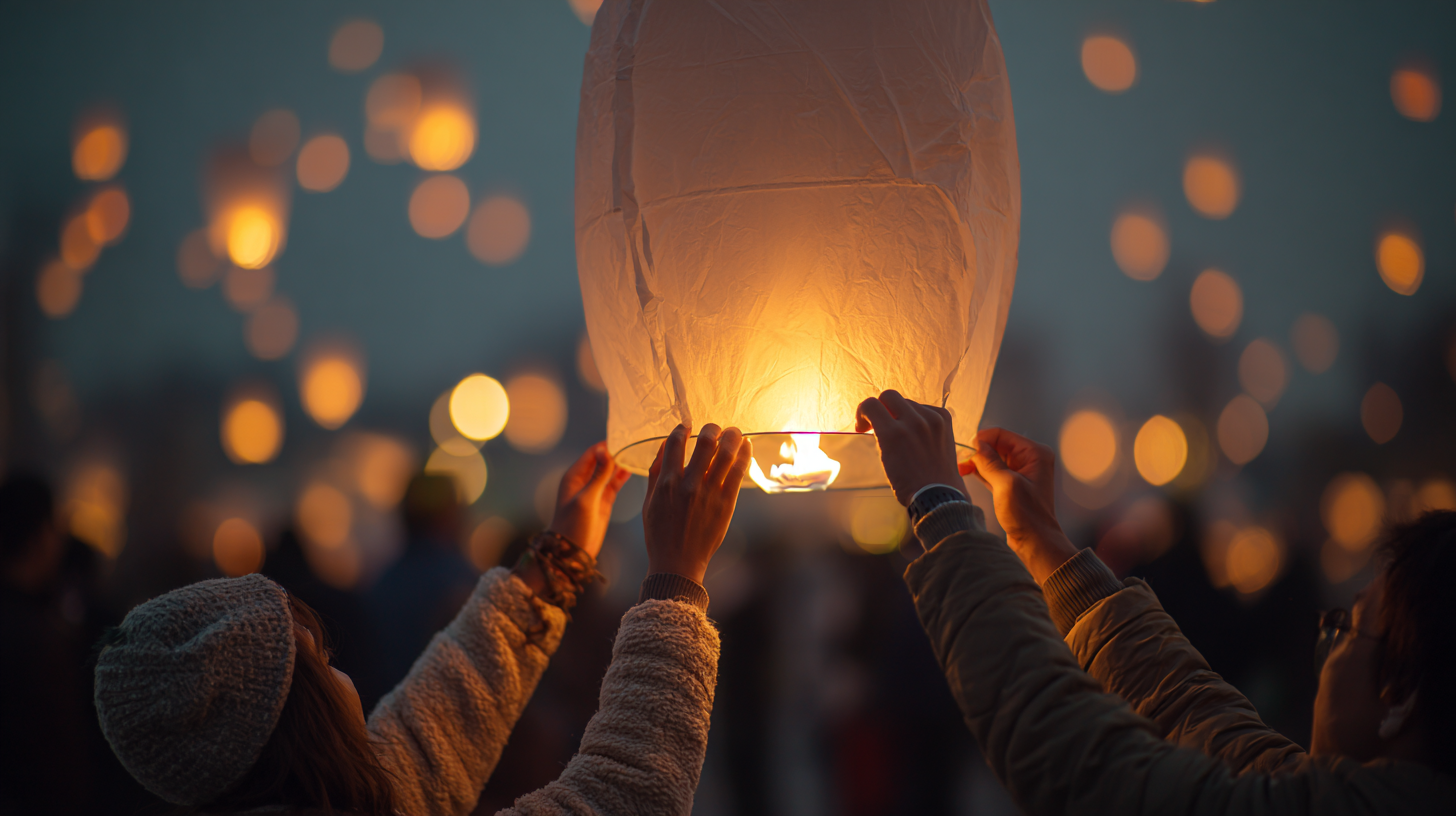
Later in the year, Loy Krathong brings a different kind of magic. Rivers glow with candles floating inside lotus-shaped offerings as people release them with wishes and gratitude. In the northern city of Chiang Mai, Yi Peng fills the sky with thousands of lanterns rising like warm stars, drifting upward into darkness with breathtaking grace.
Beyond the famous festivals, local celebrations reveal even more: tribal dances in the mountains, temple fairs in provincial towns, and cultural parades showcasing Thailand’s rich regional diversity. Festivals here are expressions of gratitude, identity, and community—and each one leaves you with a sense of wonder.
Celebrate deeper by exploring Festivals of Thailand: A Year of Color, Ritual, and Community.
Markets: The Pulse of Thai Life
To understand Thailand, immerse yourself in its markets. They are places where culture breathes openly, where stories unfold in color, aroma, and human interaction.
Morning markets begin quietly. Vendors set out produce still cool from the night. Monks pass by collecting alms, receiving rice, fruit, or simple meals from locals who bow their heads respectfully. Families buy breakfast: soy milk, fried dough, grilled pork, warm rice porridge. The air feels grounded and calm.
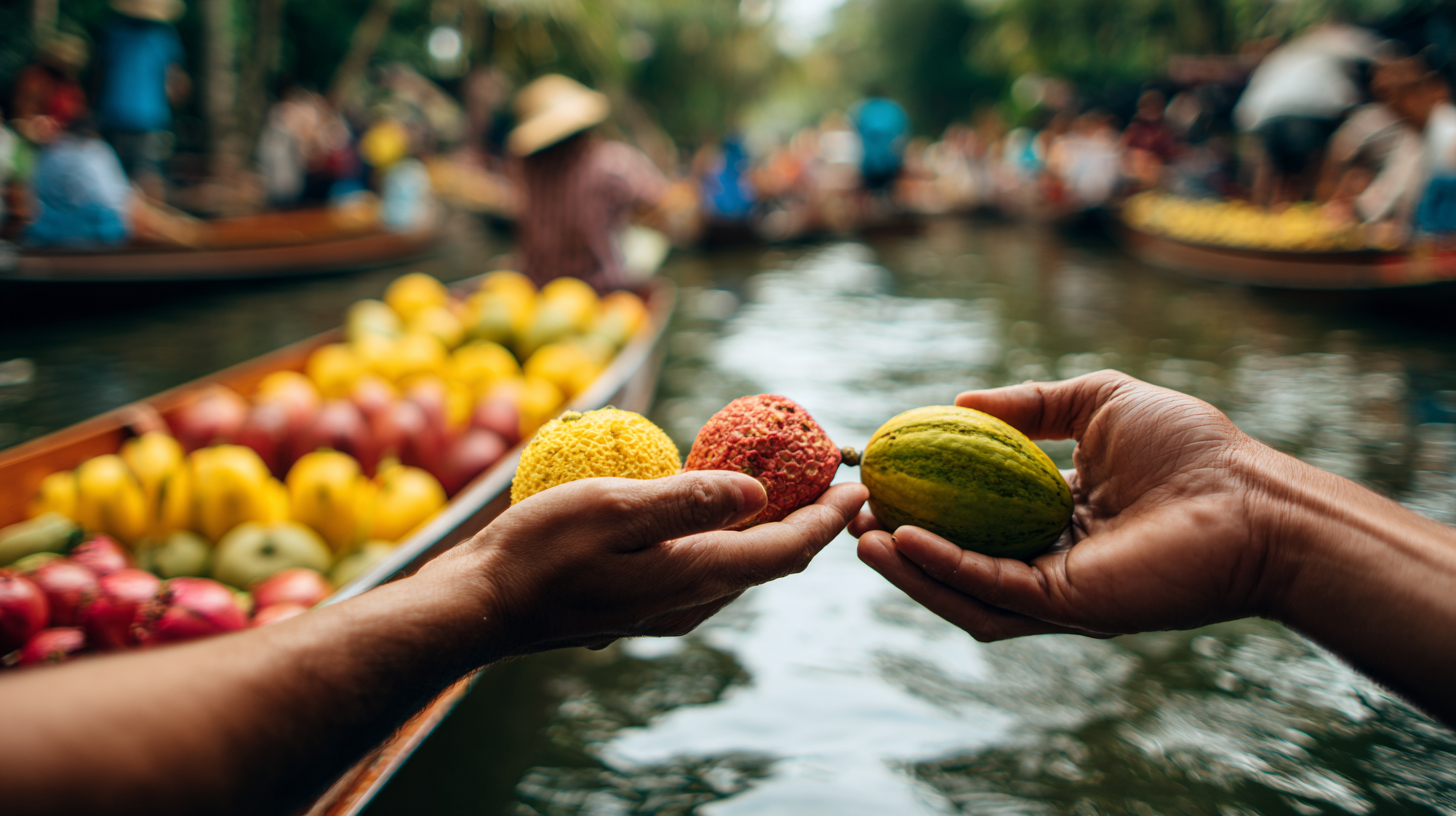
By afternoon, everything brightens. Piles of herbs fill the air with lemongrass and basil. Tropical fruits glow in the sun—dragon fruit, lychee, rambutan, guava. The market becomes a conversation between farmers, vendors, and families sharing their daily rhythms.
And then comes night. Lanterns appear. Music floats through narrow aisles. Skewers sizzle, dumplings steam, noodles fly in hot oil. Tourists mingle with locals while trying desserts wrapped in banana leaves or sipping iced tea dripping with sweetness. Each night market feels like a temporary universe, alive with energy and possibility, disappearing at dawn only to be reborn again the next evening.
Step further into everyday Thai life in Thai Markets: Stories of Food, Craft, and Community.
Royal Legacy: Tradition and National Identity
Thailand’s monarchy occupies a unique cultural place. It is not simply a political structure but a symbolic guardian of tradition, unity, and national identity. Palaces, royal temples, and ceremonial spaces across the country reflect centuries of artistic patronage, architectural refinement, and deep cultural influence.
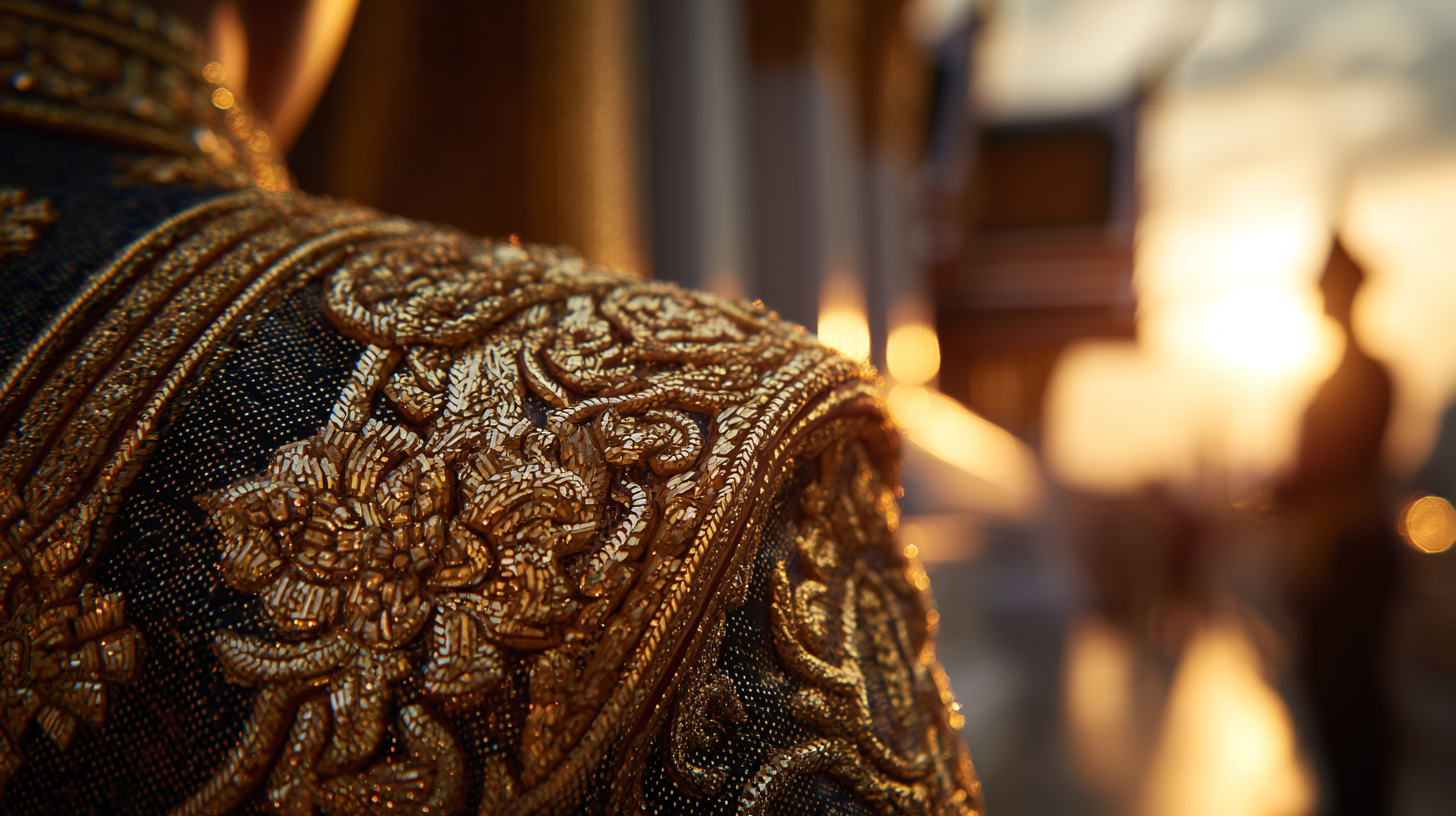
The Grand Palace in Bangkok embodies this heritage with a brilliance that borders on mythical. Other royal sites—from Hua Hin’s summer residences to hilltop temples once supported by kings—show how monarchy has shaped the country’s aesthetics, rituals, conservation efforts, and commitment to cultural continuity.
Whether or not travelers seek out royal history, they encounter its influence everywhere: in public ceremonies, in the respectful gestures of daily life, and in the way Thai people speak about tradition with pride and warmth. Royalty in Thailand isn’t distant. It is intertwined with national identity and shared cultural memory.
Explore Thailand’s royal heritage in our article The Royal Legacy: Symbols, History, and Cultural Influence.
Nature & Wildlife: Jungles, Mountains, Reefs, and Open Sky
Thailand’s landscapes are astonishingly varied. The north rises into green mountains wrapped in morning mist. The central plains stretch into horizons of rice fields shimmering beneath sun and cloud. The east holds dense rainforests where waterfalls crash through deep jungle. The south curves into lagoons, mangroves, and coral reefs alive with tropical fish.

National parks like Khao Sok feel prehistoric, with limestone cliffs rising from emerald lakes. Doi Inthanon offers cool mountain air and sweeping views. Erawan reveals tiered waterfalls you can swim beneath. In the wild, elephants move through forests with ancient authority, gibbons call from treetops, hornbills glide through canopies with powerful wings, and sea turtles drift through warm currents in waters glowing turquoise.
Nature in Thailand doesn’t ask you to chase adventure. It simply opens itself, waiting for you to walk, swim, climb, float, or listen.
Discover more natural wonders in Thailand’s Nature & Wildlife: Jungles, Coasts, and Living Ecosystems.
Eco-Tourism: Traveling With Awareness and Connection
Eco-tourism in Thailand is rooted in respect—for landscapes, wildlife, and communities. Ethical elephant sanctuaries allow visitors to observe these gentle giants without riding or exploitation. Forest trekking with local guides supports hill-tribe communities while teaching travelers about medicinal plants, wildlife behavior, and sustainable living. On the southern islands, marine conservation projects work tirelessly to protect coral reefs, beaches, and endangered species.
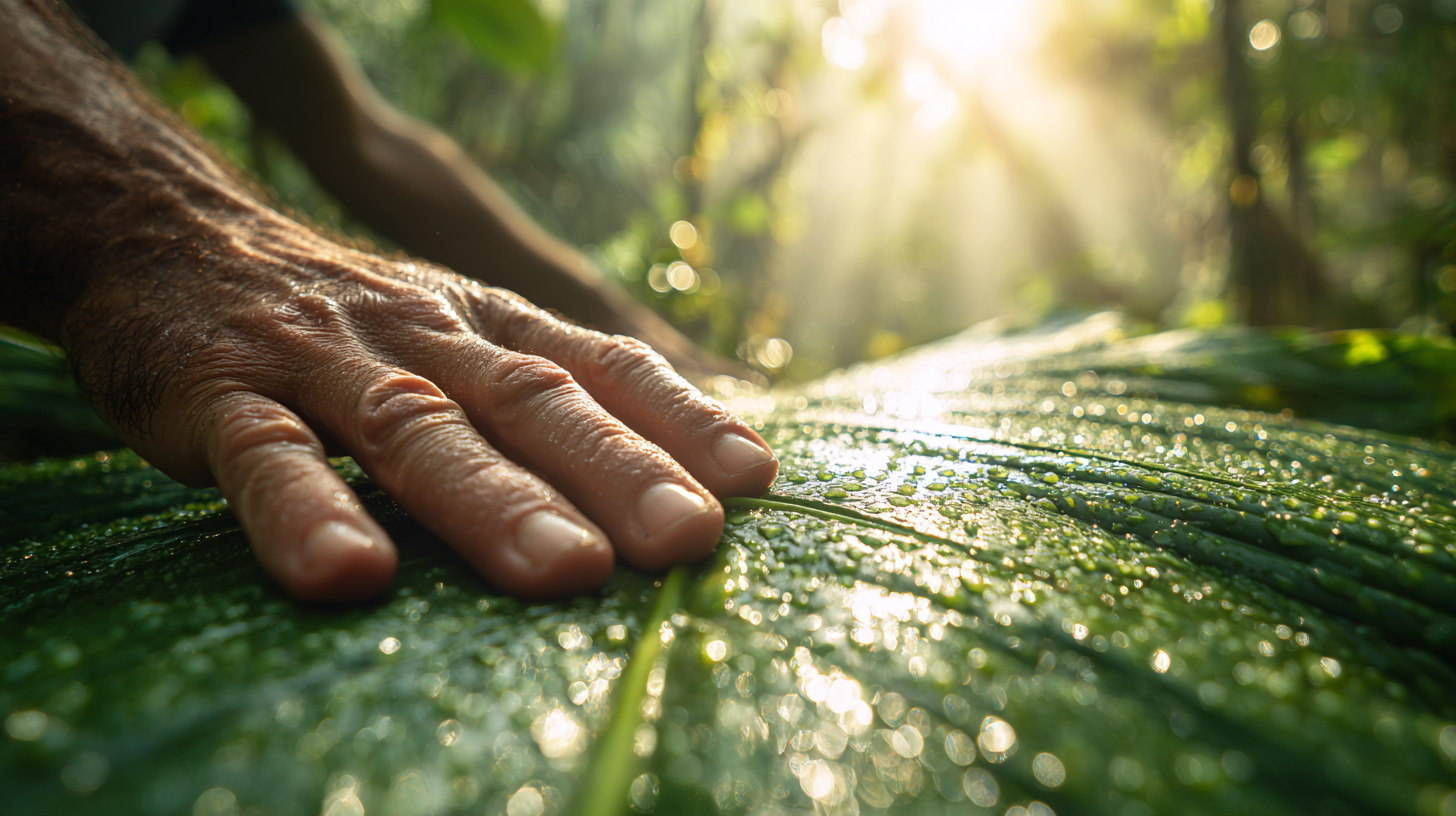
Travelers who choose eco-friendly routes experience Thailand differently. They encounter quieter places, deeper stories, and more sincere human connections. Eco-tourism here encourages you not just to explore, but to care, to understand, and to participate in protecting what makes Thailand extraordinary.
Learn more about ethical travel and conservation in Eco-Tourism in Thailand: Responsible Journeys Into Nature.
Beaches & Islands: The Soul of Thailand’s South
Thailand’s islands are dreams made physical. Turquoise bays stretch between limestone cliffs. Sand glows white under tropical sun. Waves whisper against shorelines framed by palms bending toward light. Each island feels like its own universe, carrying its own pace, personality, and mood.

Phuket and Krabi are shaped by dramatic landscapes—towering cliffs, hidden lagoons, and beaches where longtail boats rock gently in shallow water. Samui blends coconut groves with elegant resorts and soft-sand beaches. Phangan balances meditation retreats with moonlit parties. Koh Tao thrives as a diver’s paradise. Further south, islands like Koh Lipe shimmer with crystal waters so clear you can see fish moving beneath your shadow.
Time behaves differently on the islands. Days start slowly, with warm breezes drifting through open windows, and end with sunsets that fill the sky with colors you didn’t know existed.
Continue exploring Thailand’s coastlines in Beaches & Islands: A Guide to Thailand’s Most Iconic Shores.
Wellness & Healing: Thailand’s Gift of Renewal
Wellness in Thailand is sensory, soulful, and deeply rooted in tradition. Thai massage blends stretching, acupressure, and rhythmic movement into a treatment that feels both grounding and liberating. Herbal compresses warm the body with scents of lemongrass, turmeric, kaffir lime, and ginger. Meditation centers offer spaces for silence and reflection, guided by monks who teach not through theory but through presence.
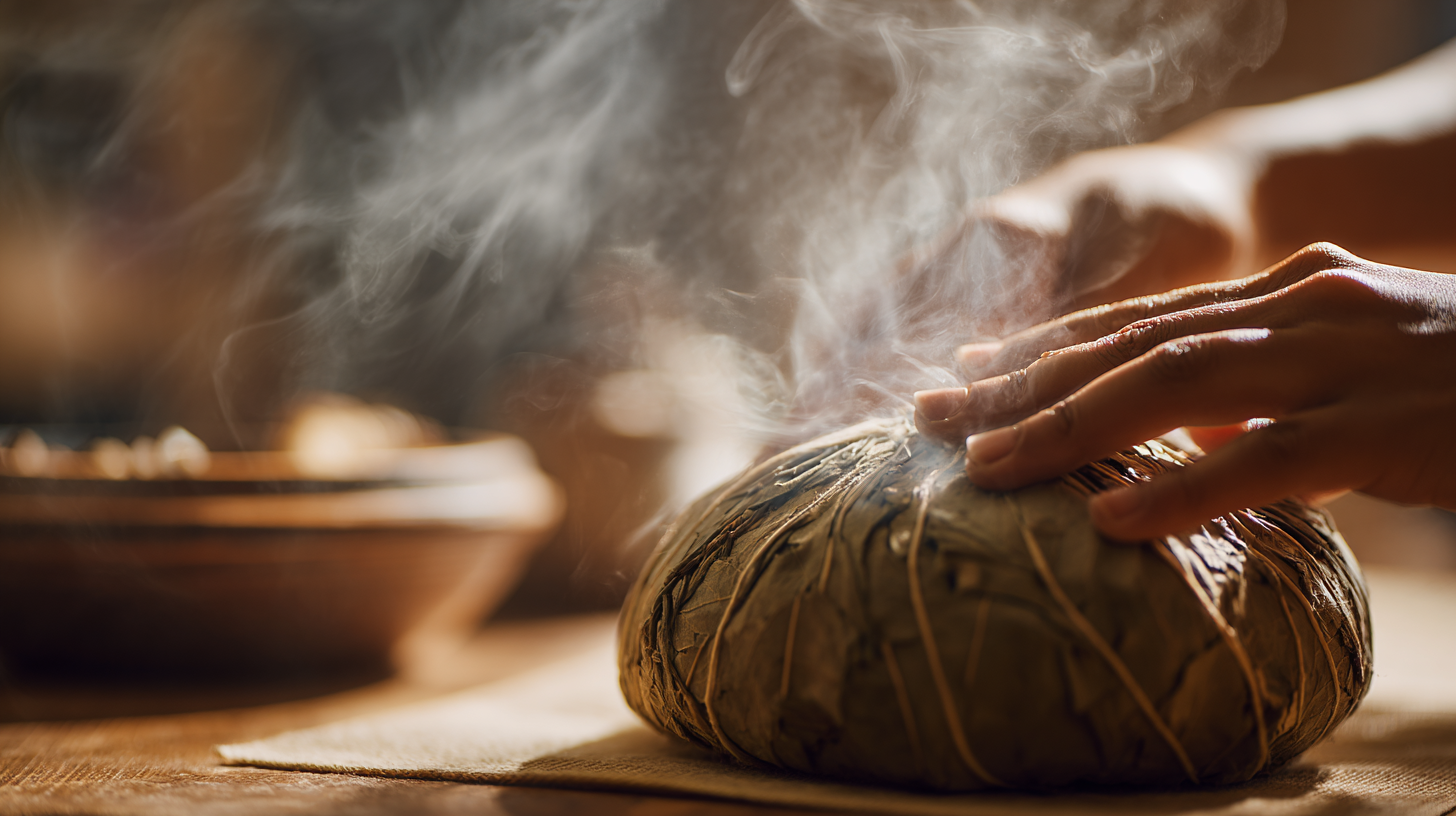
In the north, wellness retreats sit among mountains and forests, offering mornings of yoga, afternoons of Thai massage, and evenings spent listening to cicadas while lanterns swing gently in the breeze. On the islands, oceanfront spas combine waves, wind, and tropical air into healing rituals that calm the nervous system almost instantly.
Thailand understands balance intuitively. Here, healing isn’t a retreat from life—it’s a return to it.
Deepen your understanding of Thai healing in Wellness in Thailand: Massage, Rituals, and Restorative Traditions.
Muay Thai: Strength, Ritual, and the Thai Warrior Spirit
Muay Thai is one of Thailand’s most powerful cultural expressions—a martial art built on strength, discipline, respect, and ceremony. Fighters enter the ring with the wai kru, a ritual dance honoring teachers and ancestors. The music begins: drums, cymbals, flutes. Movements sharpen. The crowd leans forward.

Training camps across the country welcome beginners and professionals alike. Some come for fitness, others for discipline, others out of cultural curiosity. But everyone who trains quickly realizes the depth of Muay Thai. It is not just a sport. It is a philosophy of resilience, humility, and heart—the same qualities that pulse through Thai culture itself.
Explore the cultural and athletic roots of the sport in The Spirit of Muay Thai.
Modern Thailand: Creativity, Nightlife, Energy, and Innovation
Thailand’s modern side is vibrant, youthful, and endlessly creative. Bangkok dazzles with rooftop bars overlooking the Chao Phraya River, Michelin-star restaurants blending Thai and global cuisine, art galleries hidden in warehouse districts, and night markets that feel like festivals of fashion, music, and street photography.

Chiang Mai thrives as a creative capital where indie designers, ceramic artists, tattoo studios, and artisan cafés shape a new urban identity. Phuket reinvents itself through beach clubs, restaurants, and lifestyle hubs. Across the country, murals, pop-up events, craft breweries, and cultural collectives reveal a Thailand eager to express itself in new ways without losing the grounding influence of tradition.
This modern energy doesn’t compete with Thailand’s spiritual side; it complements it. The country carries both with ease—ancient rituals in the morning, neon lights in the evening, and a sense of generosity binding everything together.
See how tradition meets innovation in Modern Thailand: A Look Into the Country’s Contemporary Culture.
Conclusion: Thailand as a Journey Through Spirit, Sense, and Story
Thailand is not a single experience—it is a spectrum of sensations, stories, and emotional textures that follow you long after you leave. It is the glow of a golden stupa at dawn and the crackle of frying garlic at a night market. It is the calm of a forest temple and the pulse of a Bangkok rooftop. It is the sweetness of mango sticky rice and the heat of a southern curry. It is monks’ chants carried on mountain wind, bright lanterns drifting into the sky, laughter echoing across a beach, and quiet kindness in everyday interactions.

To travel through Thailand is to be changed gently, moment by moment. It is to walk through a living story—one written in water, light, spice, spirit, and human warmth. You do not simply visit Thailand. You absorb it. You carry it. And long after your plane leaves the runway, something inside you continues to wander its streets, taste its flavors, hear its music, and feel its steady, bright heartbeat.
Official tourism website: https://www.tourismthailand.org/