
Thailand Crafts: A Journey Through the Country’s Artistic Heritage
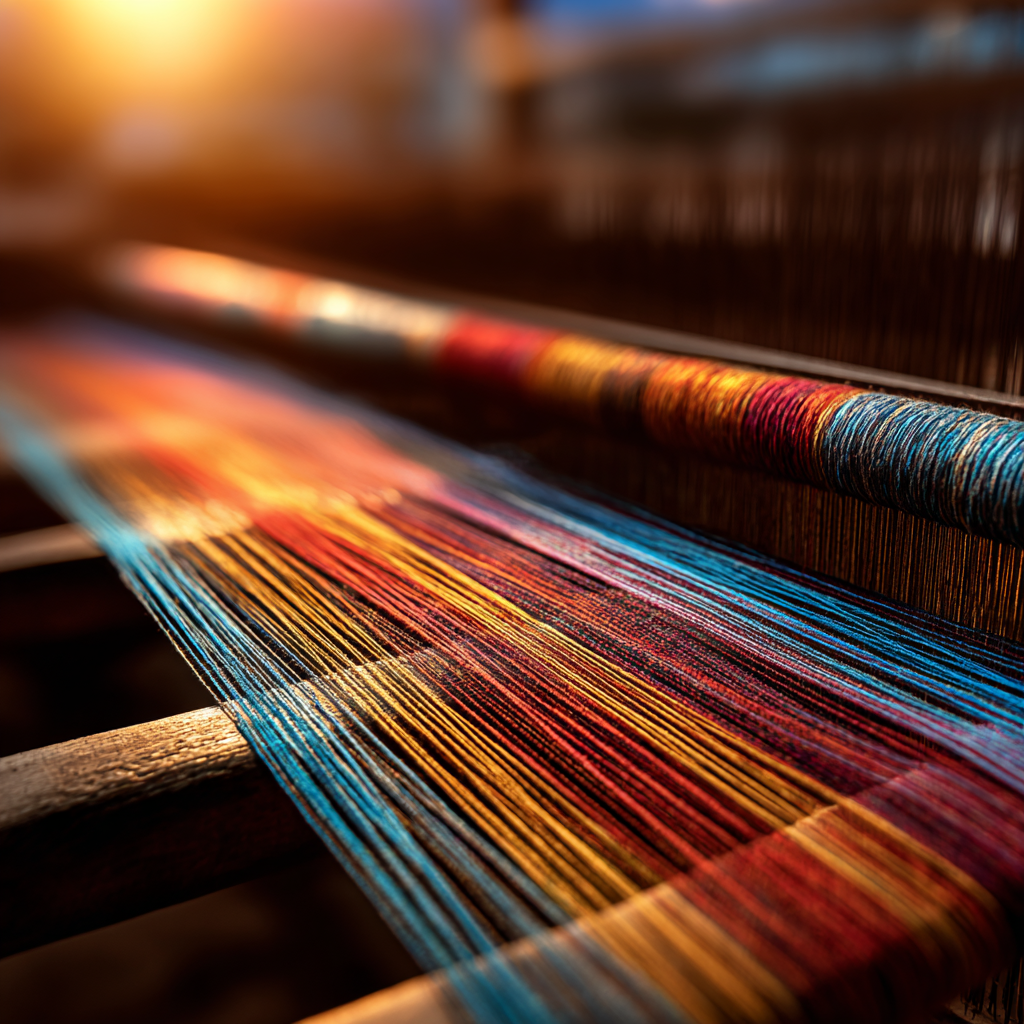
Thailand’s artistic soul is woven not only into temples and festivals, but into the everyday objects shaped carefully by human hands. Across the country, crafts are more than products—they are vessels of memory, beauty, and cultural identity. The sound of a loom clicking in a village home, the scent of lacquer drying in a workshop, the gleam of a newly hammered silver bowl, or the sight of vivid threads stretched under the morning sun reveal a Thailand that exists far beyond tourism. These traditions were shaped long before travelers arrived and will continue to live as long as hands, patience, and imagination come together.
Exploring Thailand through its crafts is to walk through centuries of creativity. Each region carries its own style, shaped by history, climate, beliefs, and local stories. You feel the influence of ancient kingdoms in silk patterns, the echo of trade routes in ceramics, and the wisdom of ethnic hill tribes in textiles dyed with natural pigments. Every craft embodies a philosophy—one that values skill, time, and respect for materials. In Thailand, beauty is rarely rushed. It unfolds with intention, one thread, one carving, one brushstroke at a time.
To see how these crafts fit into the wider story of the country, explore Thailand: A Tapestry of Spirit, Culture, Nature, and Endless Discovery.
Thai Silk: A Fabric of Light, Memory, and Royal Craftsmanship
Thai silk is not just a textile—it is a cultural emblem. When sunlight touches real Thai silk, it glows with a depth and softness impossible to imitate. This unmistakable shimmer comes from the triangular structure of the silk fibers, which refract light in delicate layers. In the hands of master weavers, this natural brilliance transforms into fabric that feels both ancient and luxurious.
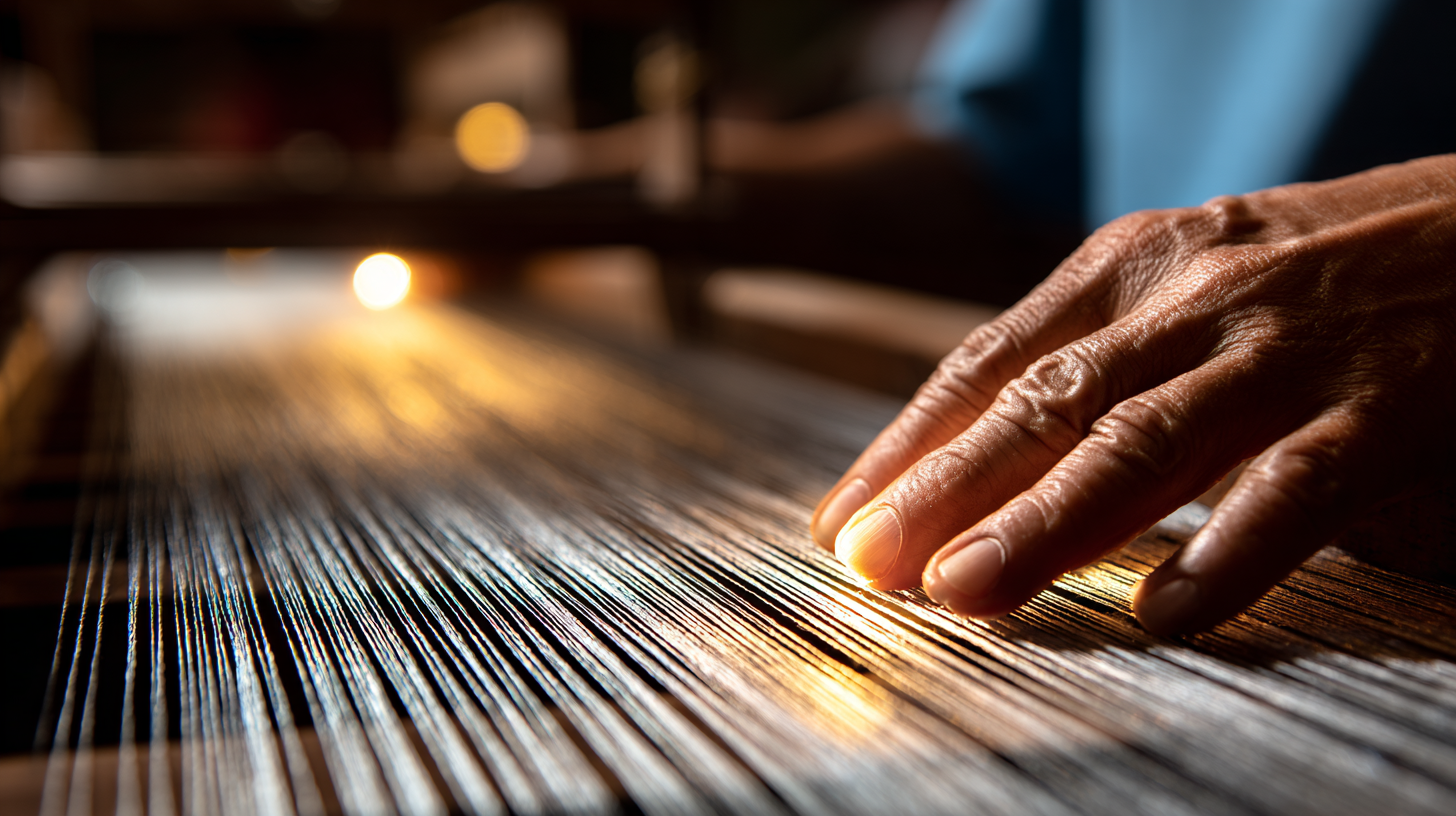
Silk production in Thailand has thrived for centuries, but it gained renewed prominence through artisans who revived traditional methods of sericulture—raising silkworms, spinning threads, dyeing fibers with natural pigments, and weaving on handlooms that echo with rhythmic beauty. In Isaan, the country’s northeastern region, silk weaving remains a cornerstone of community life. Women pass down techniques within families, creating patterns that reflect identity and lineage. Mut Mee silk, Phu Tai textiles, and the iconic Ikat patterns reveal stories of festivals, seasonal cycles, and local myths.
Thai silk is more than craftsmanship; it is continuity. Each skein of thread represents weeks of care, each scarf months of labor, each ceremonial fabric generations of inherited skill. To wear or even touch Thai silk is to feel the weight of history woven into softness.
Pottery: Clay Shaped by Time and the Memory of Ancient Kingdoms
Pottery in Thailand reveals a quieter side of artistic expression. Before empires rose and fell, people shaped clay into vessels for cooking, storage, ceremony, and trade. This ancient intimacy between human hands and earth remains visible today, especially in regions where pottery techniques have survived almost unchanged.
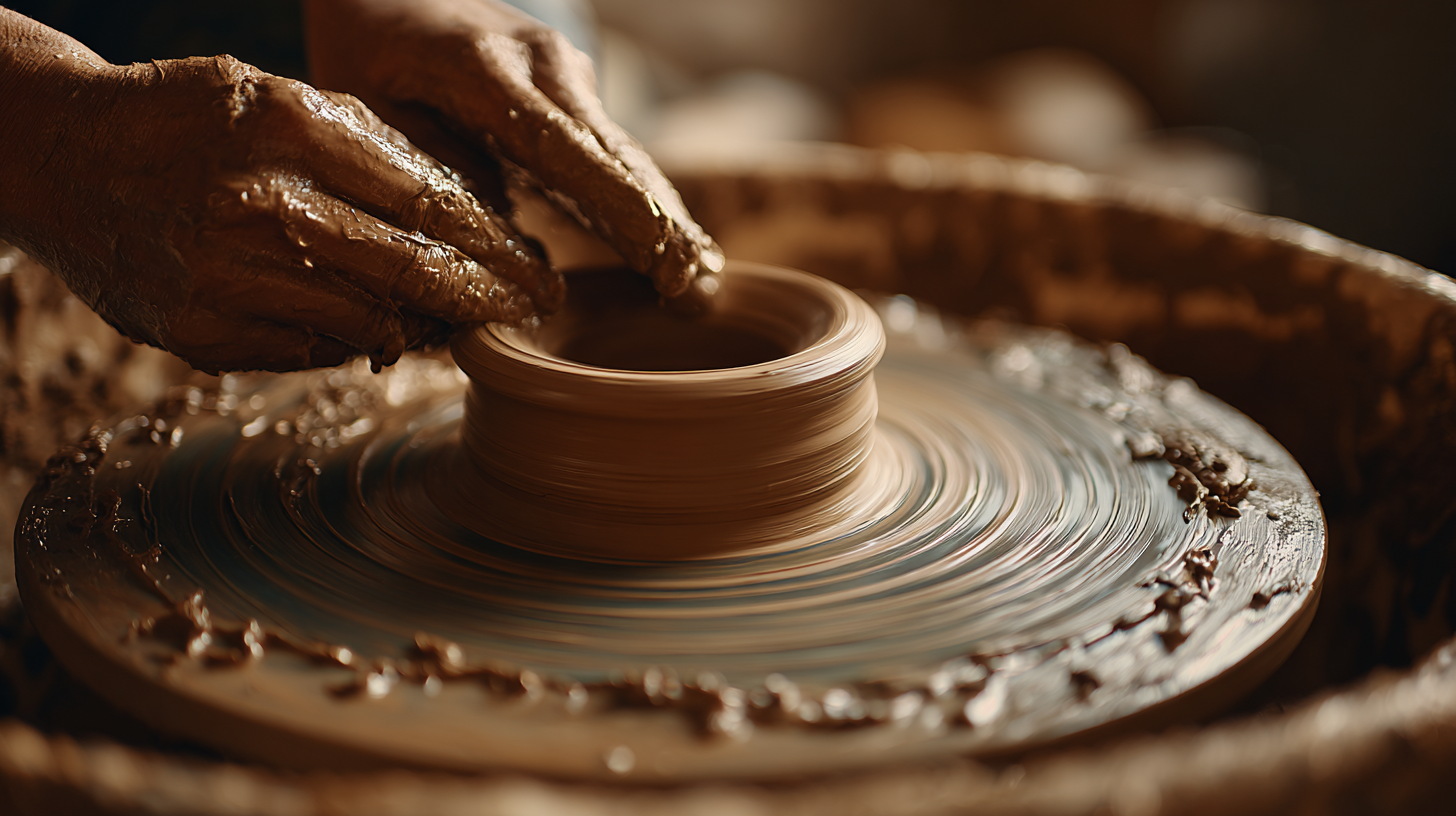
Sukhothai ceramics, known for their celadon glaze, carry a serene green hue that recalls river water under gentle sunlight. The subtle crackle patterns in the glaze speak to the natural cooling process of the kiln, creating pieces that feel alive with texture. In northern kilns, artisans still use large wood-fired ovens, stacking bowls and pots with practiced precision before sealing the chambers for days of slow firing. When the kilns open, the pieces emerge with soft imperfections—variations in tone, flecks of mineral ash—that make each one unique.
Ayutthaya ceramics reflect a different character, shaped by centuries of maritime trade. Designs incorporate influences from China, Persia, and India, resulting in vessels that blend Thai forms with foreign motifs. Meanwhile, villages like Ban Chiang preserve prehistoric pottery styles marked by swirling red patterns and organic shapes.
Pottery in Thailand is tactile history. Each finished piece carries traces of fire, earth, and the artisan’s quiet concentration.
Weaving Traditions: Threads That Hold Cultural Identity
Weaving in Thailand is more than textile production—it is storytelling in motion. The rhythmic click of the loom has echoed across Thai villages for centuries, weaving together community, creativity, and cultural resilience. Many rural homes still keep looms under elevated floors or in open-air workspaces, where weavers move effortlessly between daily chores and intricate textile work.
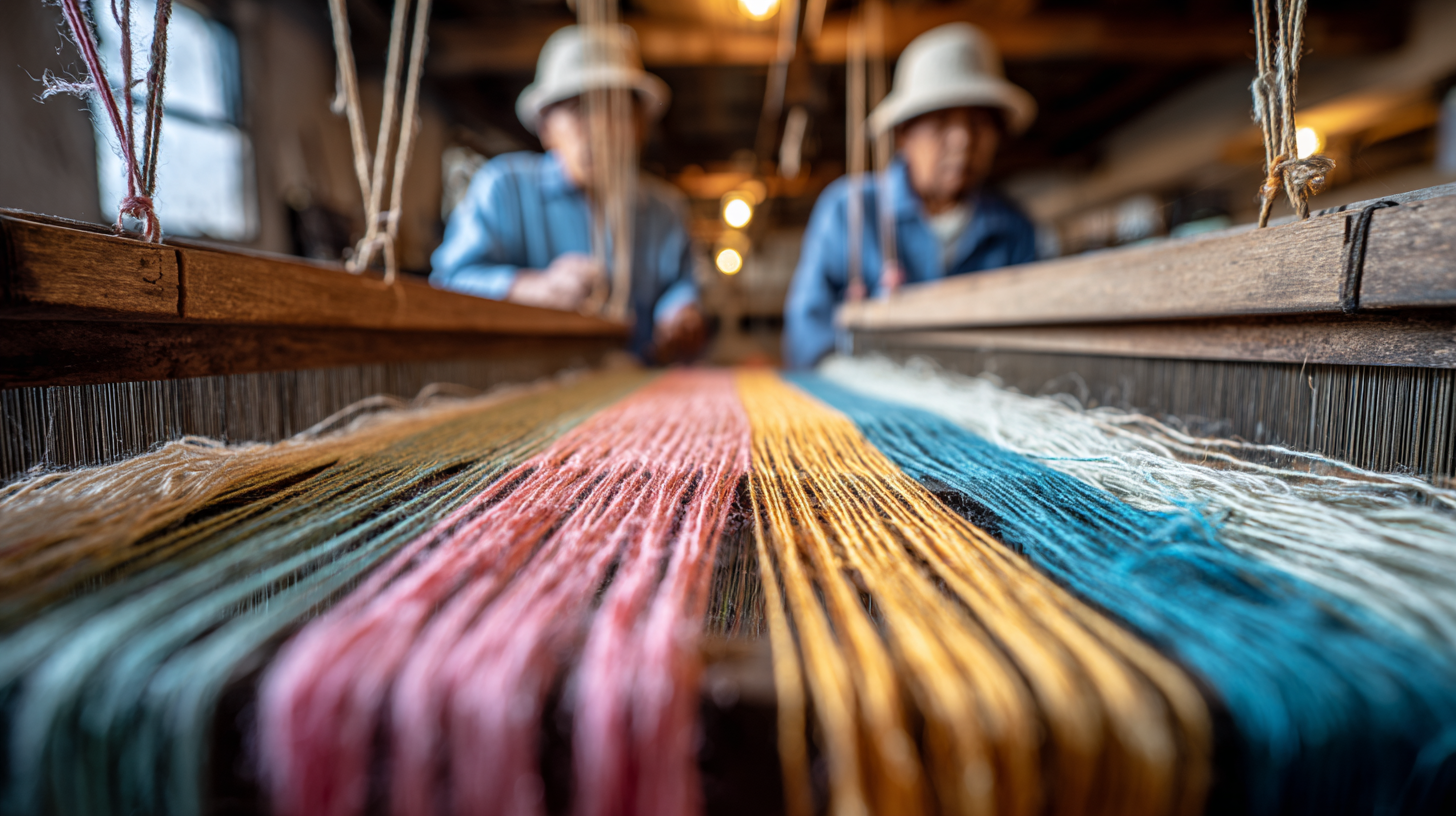
What makes Thai weaving extraordinary is the symbolic language encoded in patterns. Diamonds, serpents, flowers, and geometric motifs represent water, fertility, protection, or ancestral spirits. The arrangement of threads becomes a visual script that communicates belonging and belief. In central Thailand, patterns often reflect elegance and formality. In the northeast, designs show bold geometry and spiritual symbolism, while southern regions incorporate Islamic-influenced styles.
Natural dyes—made from indigo, tree bark, insect resin, turmeric, and tropical leaves—give each textile a palette shaped by local landscapes. As the fibers soak and transform, they take on hues that feel deeply rooted in the environment: river blues, forest greens, earth browns, and sunset reds.
A handwoven textile in Thailand is not just a garment. It is a cultural artifact carrying the touch of its maker and the story of its place.
Embroidery: Stitch by Stitch, A Celebration of Detail
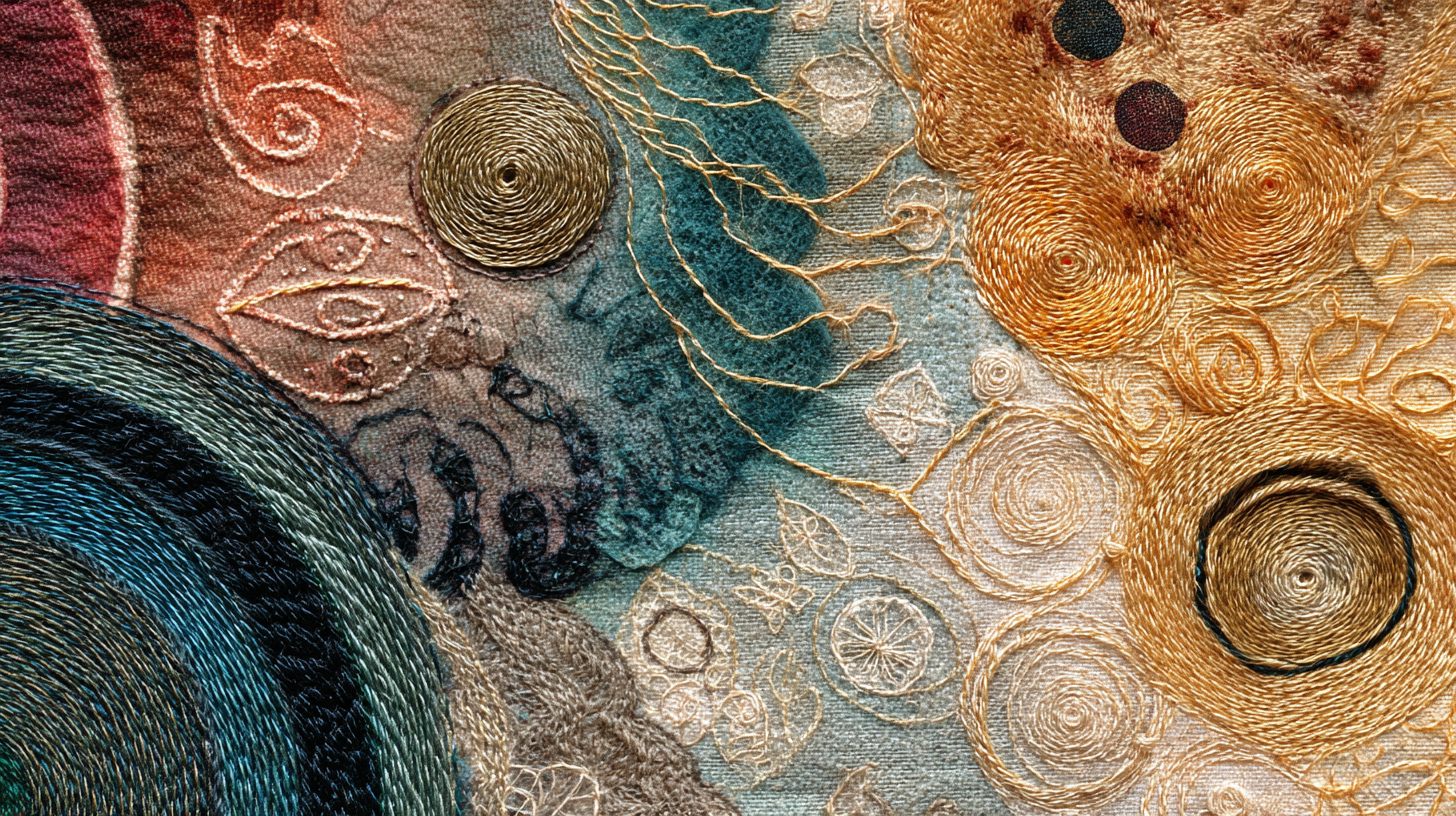
Embroidery in Thailand flourishes quietly, often practiced within households or small artisan circles. Unlike weaving, embroidery focuses on ornamentation—layers of intricate detail added to fabrics through needlework. Many traditional garments used in ceremonies, weddings, and temple rituals feature embroidery that shimmers in lamplight or moves gracefully with the body.
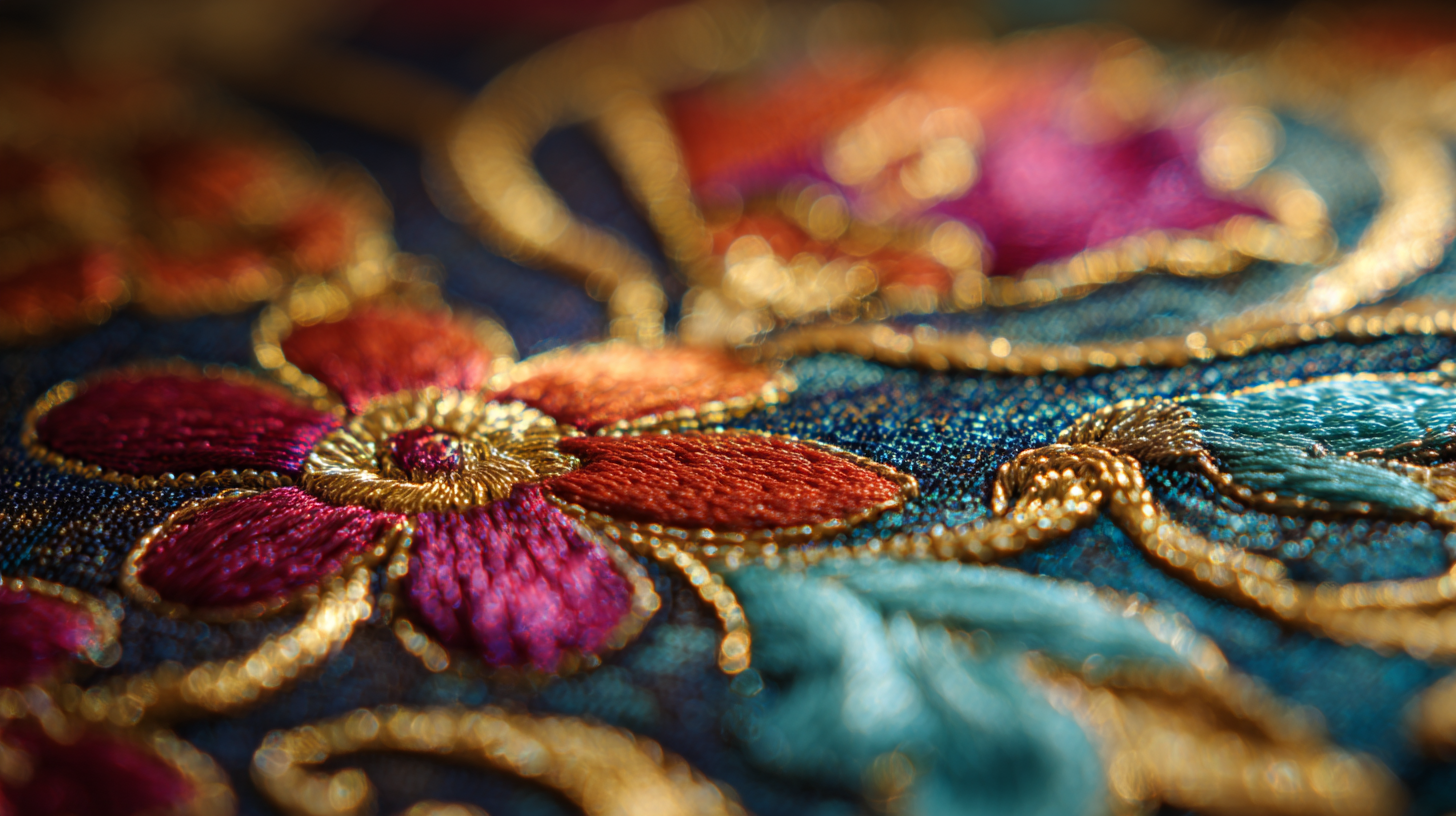
Northern and northeastern embroideries often include geometric shapes, floral motifs, and metallic threads, inspired by both local nature and ancient symbolism. In urban centers, modern embroiderers blend traditional motifs with contemporary fashion, creating pieces that feel both timeless and current.
Embroidery represents patience. Each stitch is a decision, each motif a memory, each finished piece a testament to the intimacy between creator and material. It is one of the crafts where emotion is easiest to feel—you sense the care and imagination in every line.
Batik of Southern Thailand: Art Written in Wax and Color
In the southern provinces, batik becomes its own universe of expression. Influenced by Malay and Indonesian traditions yet distinctly Thai in spirit, batik textiles carry fluid patterns painted with molten wax before being dipped in dyes. The wax acts as a storyteller, protecting certain areas from color, creating contrasts that unfold layer by layer.
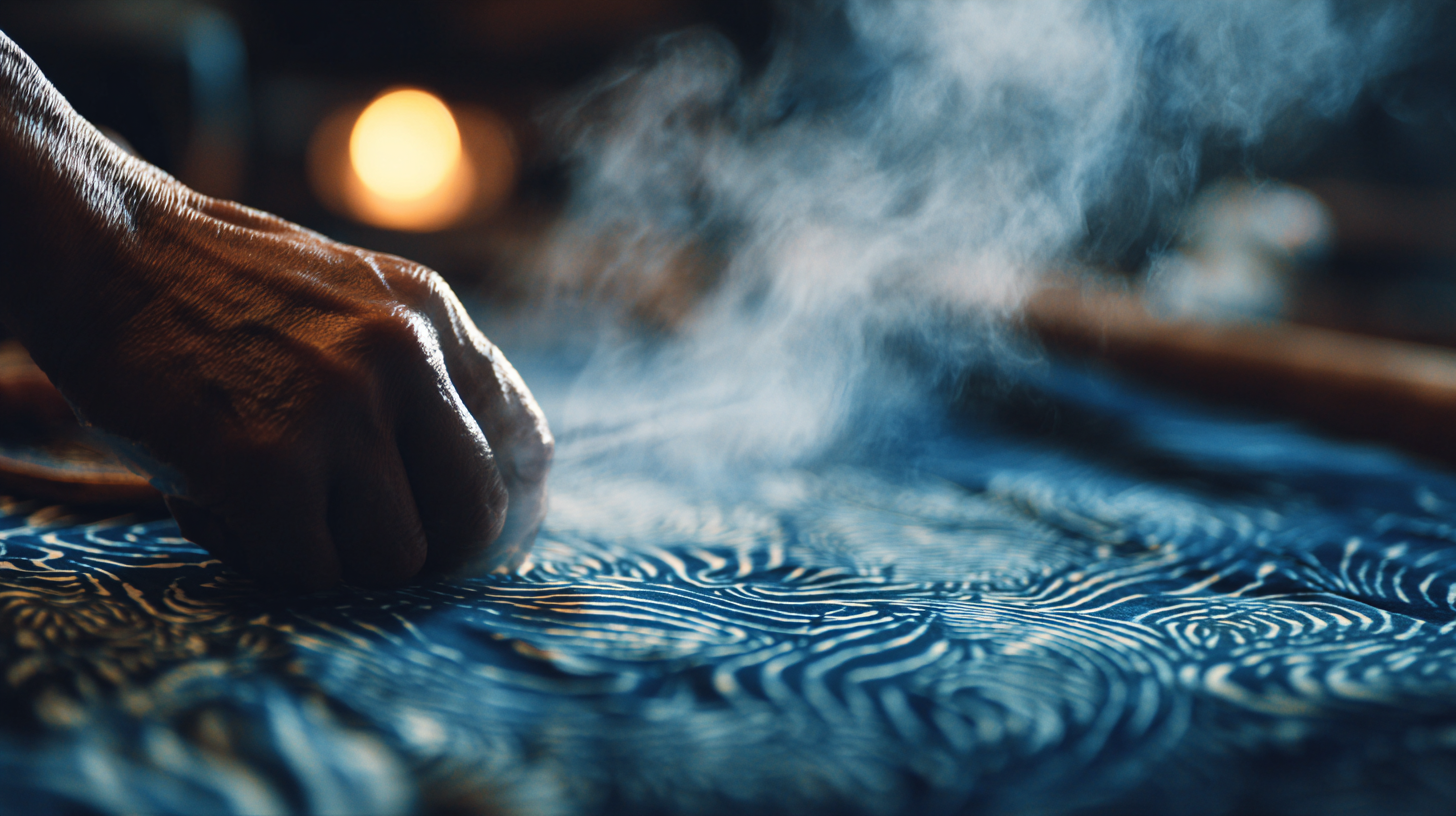
Southern batik often features waves, flowers, leaves, birds, and abstract shapes that mirror the coastline’s natural beauty. Artisans apply wax with canting tools or copper stamps, moving with steady hands that guide the flow of lines across the fabric. The resulting textiles feel warm, natural, and deeply connected to the region’s sunlight and sea breezes.
Each piece of batik is effectively a painting—one that transforms the fabric into a moving canvas when worn. The dyes sink into the fibers, becoming part of the textile rather than resting on its surface. This gives batik an organic softness that makes it beloved in both traditional and modern clothing.
Hill Tribe Textiles: Mountain Stories in Color and Pattern
In the highlands of northern Thailand, hill tribe communities such as the Hmong, Karen, Akha, Lahu, and Yao maintain textile traditions shaped by their distinct cultures. Their craftsmanship is bold and expressive, often featuring brilliant colors, hand-stitched appliqué, and embroidered patterns that reflect tribal identity.
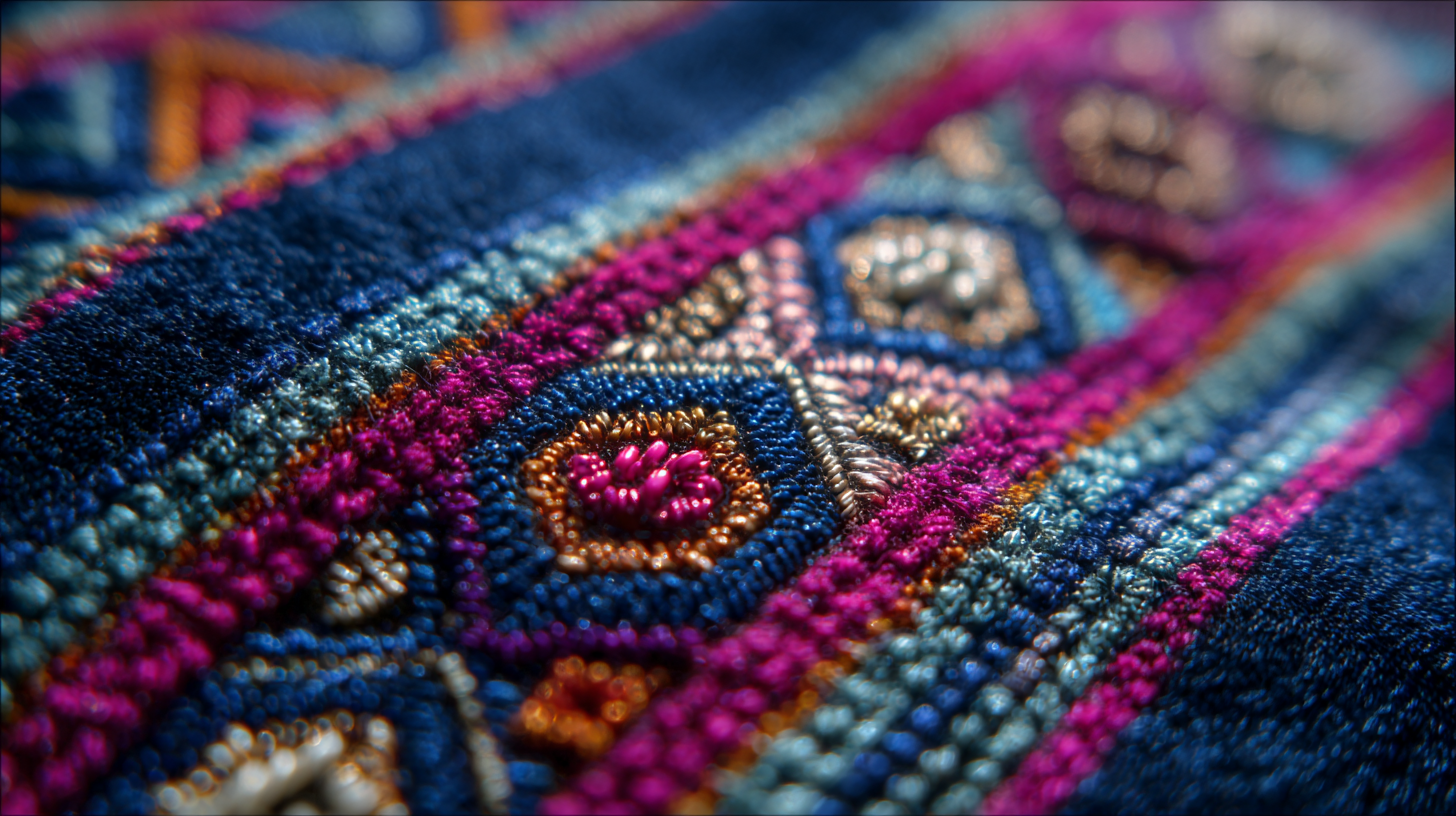
Hmong textiles stand out for their vibrant indigo-dyed cloths, decorated with reverse appliqué and dense embroidery. Karen weavers create long tunics and shawls with symbolic motifs representing water, seeds, and ancestral spirits. Akha artisans incorporate silver ornaments, beads, and colorful stitches into their garments, transforming clothing into ceremonial art.
These textiles are not produced for mass markets; they emerge from community rituals, celebrations, and daily life. When travelers purchase them directly from artisans, they support not only the craft but also the cultural continuity of these communities.
Hill tribe textiles feel raw and emotional—textiles that reflect the land, the sky, and the stories carried across generations.
Bamboo & Rattan Craft: Nature Sculpted by Hand
Bamboo and rattan crafts show how deeply Thai artisans draw from the natural world. These materials are flexible yet strong, abundant yet precious, and capable of becoming anything: baskets, furniture, fishing traps, hats, lamps, even architectural elements.
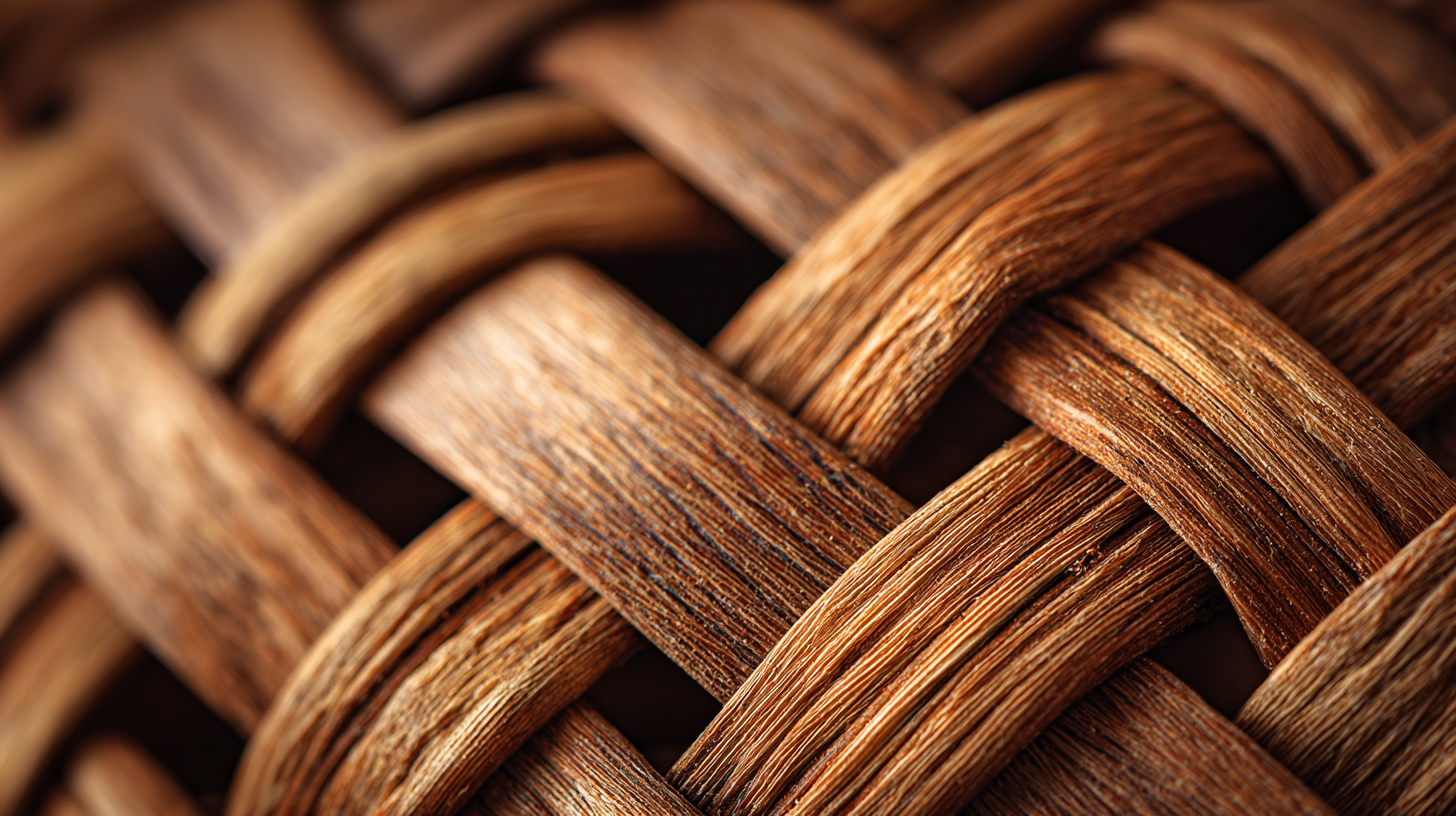
Rural and coastal communities have used bamboo for centuries, shaping it with a precision that mirrors the natural curves of the plant. The process involves splitting, shaving, soaking, and bending the fibers until they yield to the artisan’s vision. Rattan work requires equal skill, weaving strands into tight patterns that create durability and elegance.
The beauty of bamboo and rattan crafts lies in their simplicity. They serve practical functions while holding an earthy aesthetic that feels both humble and refined. Many contemporary Thai designers draw inspiration from these traditional forms, turning them into modern décor or minimalist furniture that bridges past and present.
These crafts remind visitors of Thailand’s long-standing harmony between people and landscape.
Lacquerware: Layers of Light, Patience, and Precision
Thai lacquerware is one of the country’s most meticulous art forms—a craft that demands time, repetition, and extraordinary attention to detail. Artisans coat wood or bamboo objects with layers of lacquer made from tree resin, allowing each layer to dry and harden before applying the next. Some pieces contain dozens of layers, polished repeatedly until they shine like still water.
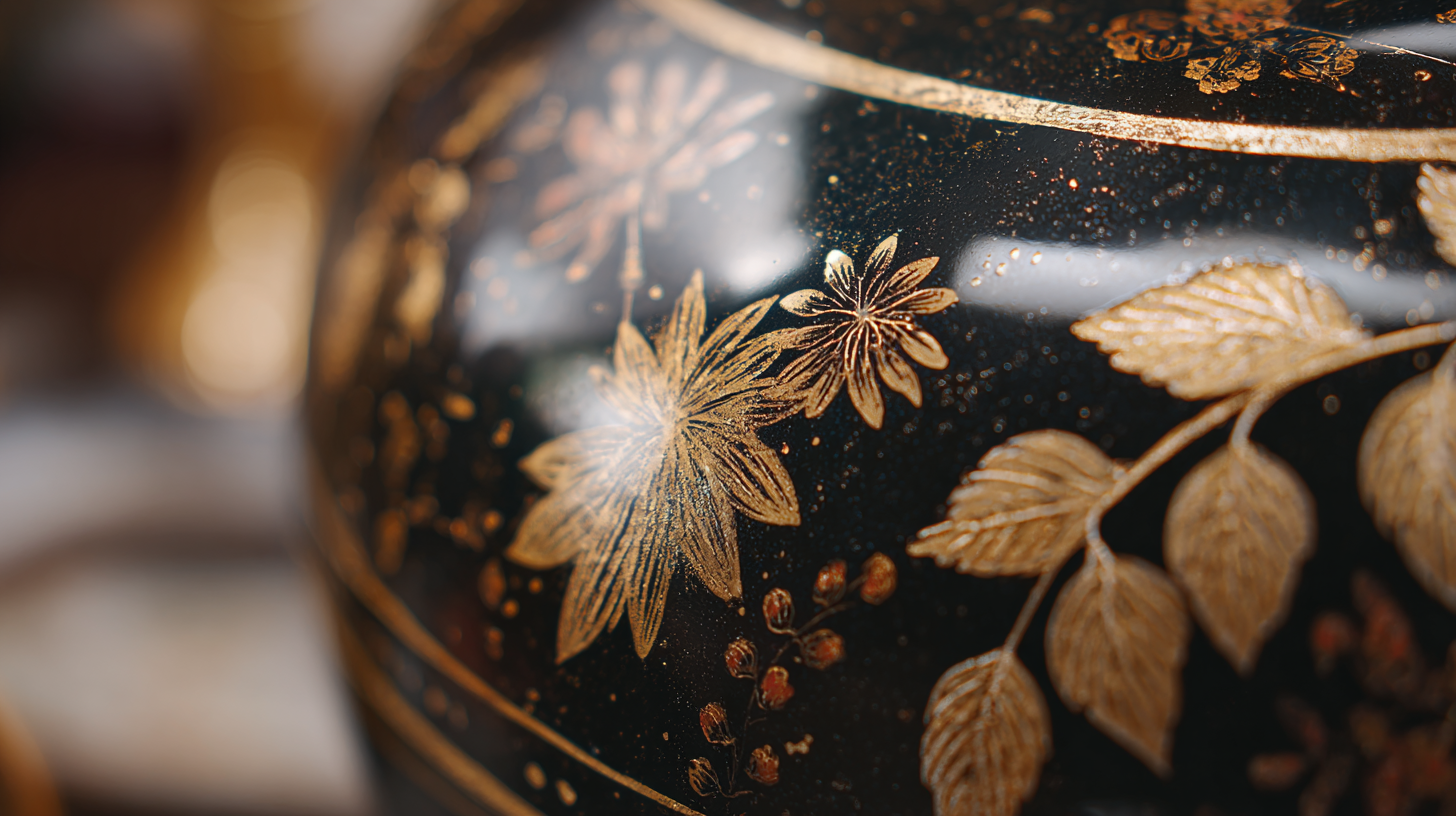
Once the surface is perfected, artists carve or paint delicate motifs onto the lacquer: lotus petals, mythical creatures, geometric borders, or scenes from folk tales. In some regions, gold leaf is applied in intricate shapes that shimmer softly against the dark background. The contrast between deep lacquer and bright gold creates a sense of quiet drama, like candlelight reflected on a polished floor.
Lacquerware objects—bowls, boxes, trays, temple decorations—are both functional and artistic. They embody patience, precision, and devotion to the craft, revealing how Thai artisans transform simple materials into luminous works of cultural beauty.
Silver & Goldsmithing: Metal Forged into Meaning
Thailand’s metalworking traditions reflect a different dimension of craftsmanship—one shaped by ceremony, craftsmanship, and inherited skill. Silver and goldsmithing thrive in cities like Chiang Mai, Tak, and Bangkok, where artisans transform precious metals into bowls, jewelry, amulets, and ceremonial objects.
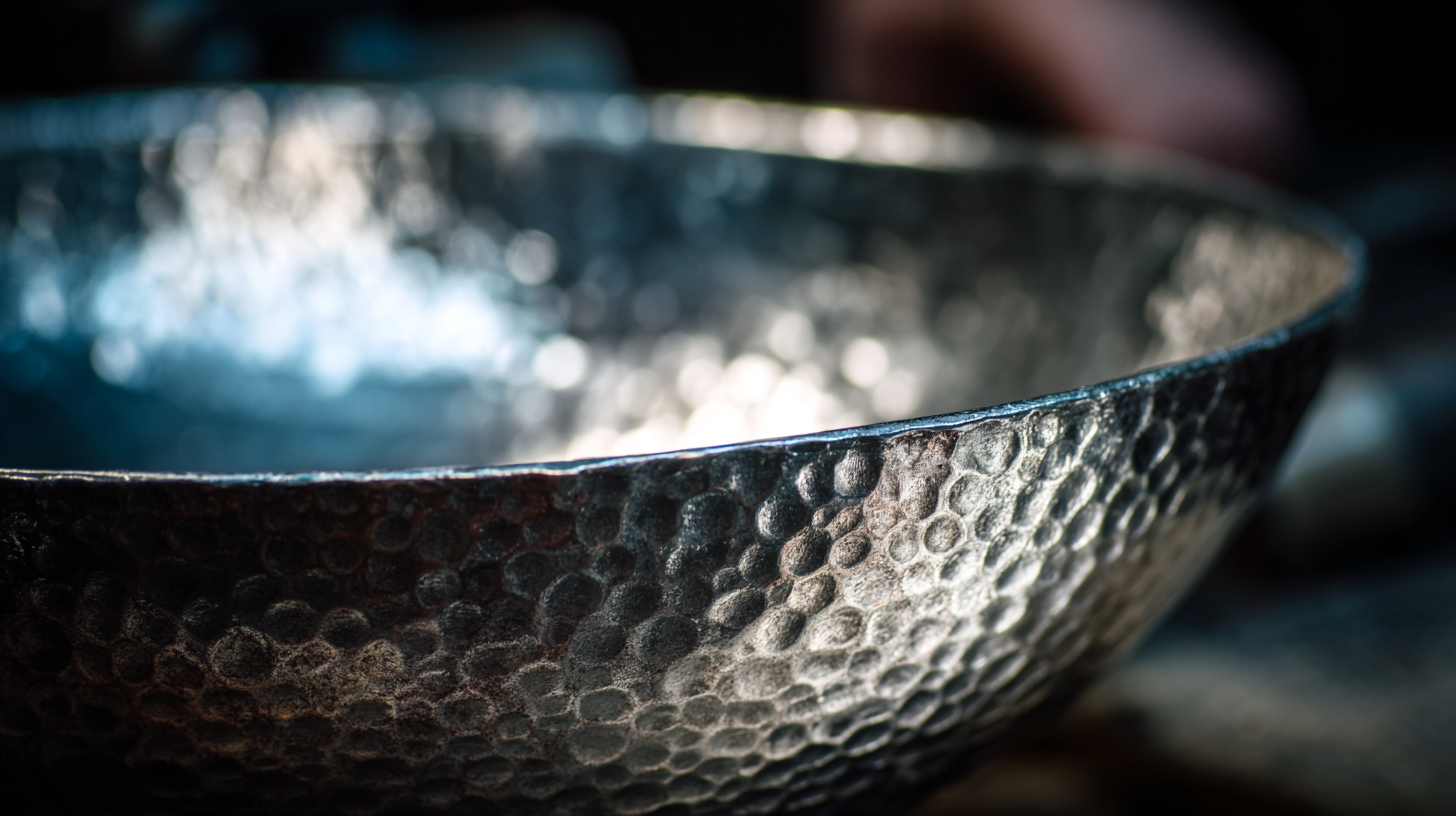
Silver bowls, hammered delicately by hand, feature floral motifs that ripple across the surface like patterns on water. Goldsmiths shape tiny beads, filigree spirals, and delicate chains used in temple offerings or traditional dress. Some designs originate from ancient trade routes, influenced by Burmese, Khmer, or Chinese styles yet reinterpreted through Thai aesthetics.
Metalworking is tactile and exacting. Each strike of the hammer, each thread of gold soldered into place reflects hours of concentration. These crafts endure because they serve purposes beyond decoration—they mark celebrations, honor ancestors, and connect communities through rituals.
When you hold a piece of Thai silver or gold, you feel craftsmanship that goes far deeper than ornament. You feel lineage.
Conclusion: Craftsmanship as Culture, Memory, and Living Art
Thailand’s crafts are more than artifacts—they are living conversations between past and present. Silk glows with the memory of ancient kingdoms. Pottery carries the warmth of earth and fire. Handwoven textiles whisper stories of families and villages. Batik captures sunlight and sea. Hill tribe garments transform traditions into wearable history. Bamboo, lacquer, silver, and gold connect Thai life to nature, ceremony, and identity.
Exploring these crafts reveals a Thailand beyond beaches and temples—a Thailand shaped by skillful hands, creative minds, and communities that treat craft as culture itself. The beauty lies not only in the finished objects, but in the patience, intention, and wisdom behind them.
In every stitch, every glaze, every carved line, every woven thread, you feel the heartbeat of a country that preserves its traditions not by freezing them in time, but by allowing them to continue to evolve. Thailand’s crafts are not past—they are presence, woven into the everyday life of a nation that honors its heritage through the art of making.
Learn more about Thai silk standards at the official Jim Thompson Silk website: https://www.jimthompson.com/