
Australian Sport: A Culture of Movement, Energy, and Shared Identity
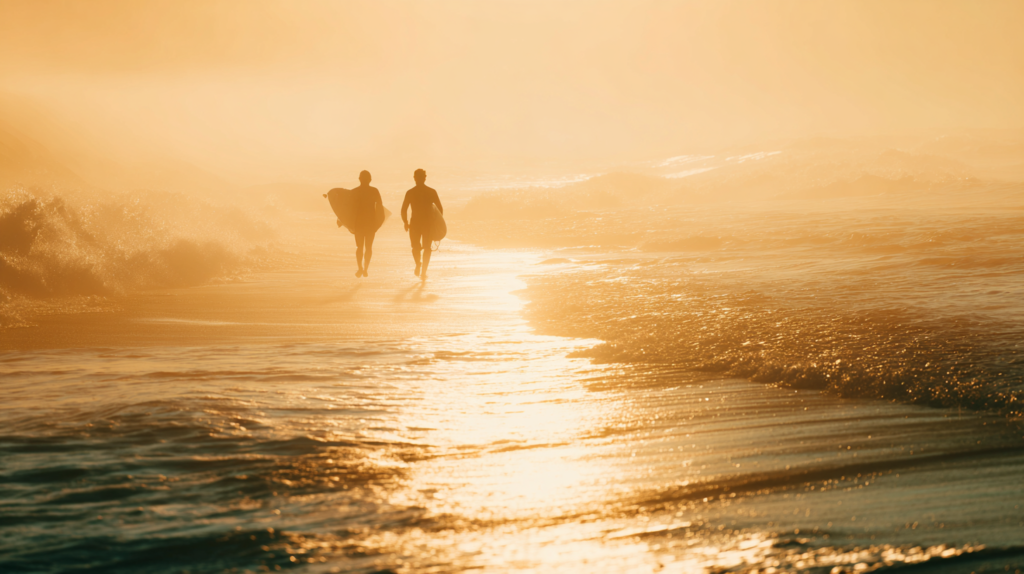
Australia doesn’t just play sport — it lives it. From sunrise surfers paddling into glassy waves to stadiums roaring under floodlights, the country’s energy seems to move in rhythm with games, races, and rituals played out on fields, courts, beaches, and trails. Sport here is not a hobby reserved for weekends. It’s woven into everyday life, a shared language that brings strangers together and gives travelers a direct line into the heart of local culture.
You feel it as soon as you arrive. Televisions in pubs are tuned to live matches, kids kick footies in parks until the light disappears, conversations effortlessly drift toward scores, seasons, and teams. On any given day you might see joggers hugging the coastline, cyclists gliding along dedicated paths, and swimmers carving laps in ocean pools or suburban lanes. For visitors, this passion is contagious. Join in — even as a spectator — and you’re not just watching sport. You’re experiencing one of the purest expressions of what it means to be Australian.
This guide is your invitation into that world: from historic cricket grounds and heart-stopping Aussie Rules Football to ocean-front surf breaks, community runs, and the laid-back culture of everyday recreation. If you want to understand Australia, start where the crowd is cheering.
For more ways to experience the country, explore our Australia Travel Guide
Cricket: Summer’s Sacred Ritual
Cricket is as much a part of an Australian summer as barbecues and long evenings that refuse to end. It’s a sport that lives on many scales at once: epic international clashes played in iconic stadiums, local club matches that draw whole neighborhoods, and casual backyard games where rules are flexible and everyone gets a turn to bat. For visitors, seeing cricket in Australia is like being invited into a national tradition that’s both fiercely competitive and surprisingly relaxed.
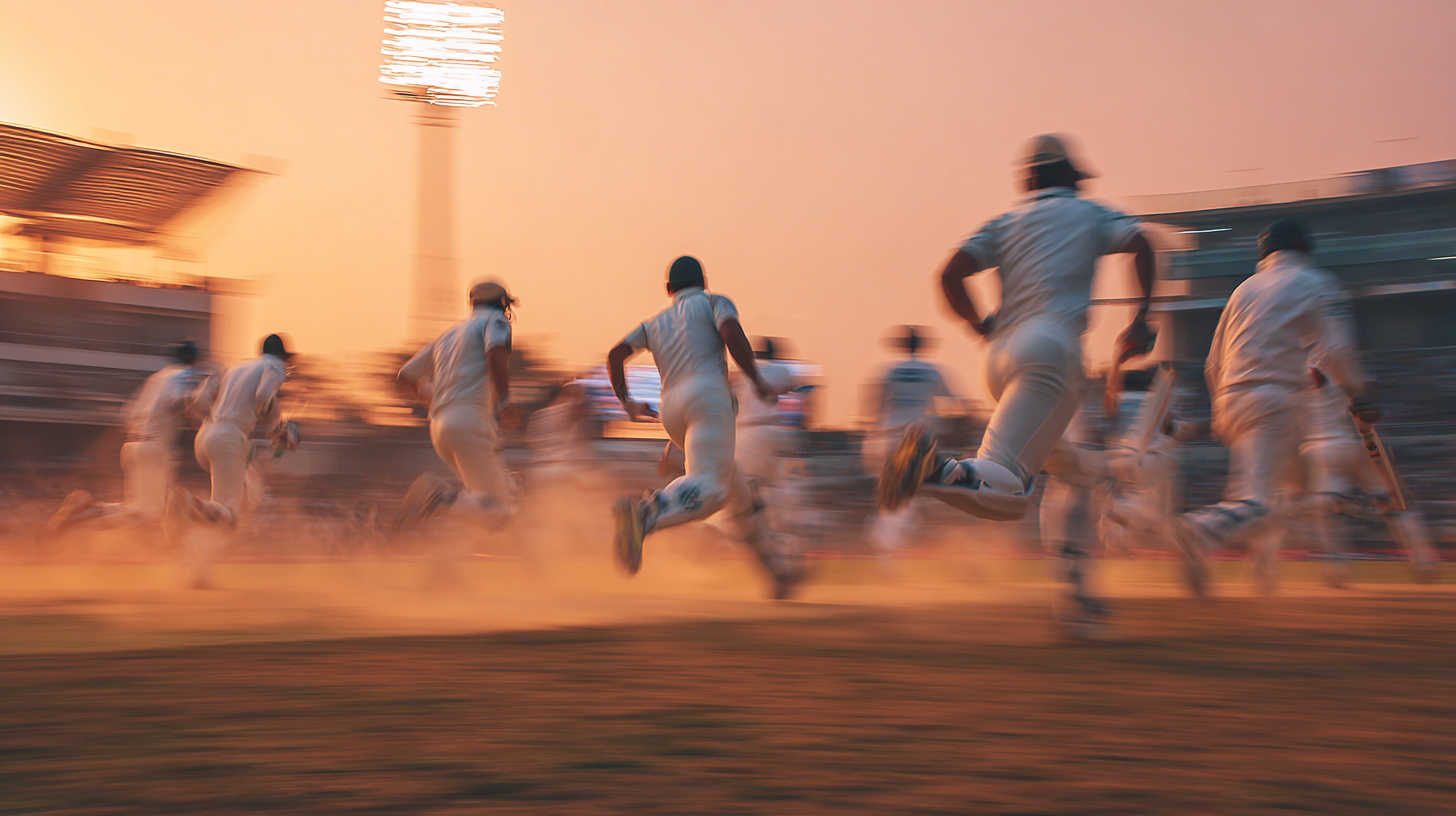
Step inside a major venue like the Melbourne Cricket Ground (MCG) or the Sydney Cricket Ground (SCG) on a match day, and you immediately feel the significance of the moment. Crowds in yellow and green or team colors gather early, arms loaded with snacks and cold drinks, dissecting line-ups and tactics with friendly intensity. When the players walk out, a low murmur swells into a roar, and suddenly thousands of people share the same heartbeat. Every boundary, every wicket, every diving catch triggers waves of sound that roll around the stands.
But some of the most memorable cricket moments happen far from the cameras. In small towns and suburbs, white-clad players stand in the heat on sun-baked ovals, taking breaks under the shade of gum trees while kids chase wayward balls. Backyard “tests” invent their own lore—hit the fence and you’re out, over the neighbor’s roof and you fetch it yourself. It’s this combination of grand spectacle and everyday play that makes cricket feel like more than just a game. It’s a season-long conversation that everyone is invited into.
Aussie Rules Football: The Game That Owns the Winter
If cricket is the heartbeat of summer, Australian Rules Football — usually just called “footy” — takes over when the weather cools. Born in Melbourne and spreading across the country, Aussie Rules is unlike any other sport in the world: fast, physical, expansive, and incredibly addictive to watch. The field is oval, the ball is oval, and the possibilities seem endless. Players sprint, leap, bump, tackle, and kick with a kind of organized chaos that somehow always resolves into thrilling moments.

Seeing an AFL match live is one of the most powerful ways to experience the Aussie spirit. Stadiums fill with color and sound as fans in scarves and jerseys filter in, greeting each other like old friends even if they’ve never met. The pre-game build-up has its own rituals — club songs, banners, chants — and once the siren sounds, the game rarely stops. High-flying marks (those spectacular overhead catches), long-range goals, and last-minute comebacks keep tension high until the very end.
What makes footy so special is how deeply it’s tied to identity. Teams often represent not just cities but particular histories, communities, and cultures. Families pass allegiances down through generations, and for many people, following a club is as natural as breathing. Yet despite intense rivalries, the atmosphere is overwhelmingly welcoming. Travelers who pick a team for the day will find locals eager to explain rules, traditions, and who to cheer for — and against.
Rugby Codes: Power, Tradition, and Fierce Loyalty
Alongside Aussie Rules, rugby has carved its own powerful niche in Australia’s sporting landscape. Both major codes — Rugby League and Rugby Union — carry passionate followings, especially in New South Wales and Queensland, where they form a central part of regional identity. The games are physically demanding and strategically rich, making them a compelling watch for anyone drawn to intensity and grit.

Rugby League, with its explosive runs and crunching tackles, thrives in packed suburban grounds and major stadiums alike. Matches like State of Origin — a fiercely contested series between New South Wales and Queensland — are treated almost like sacred events. Pubs overflow, streets quieten, and living rooms transform into mini arenas as fans ride every tackle and try. The rivalry is fierce, but it’s also shared — something people across the country experience together, even when they’re on opposite sides.
Rugby Union brings its own character: scrums, lineouts, and sweeping backline moves that reward patience and tactical awareness. International fixtures, especially when the Wallabies face traditional rivals, create a special kind of electricity. Singing, chanting, and friendly banter spill into streets before and after games. For visitors, attending any rugby match — league or union — offers an unfiltered look at Australia’s love of contact sport and its appreciation for toughness matched by respect.
Surfing: Where the Ocean Becomes a Stadium
Australia’s coastline stretches for tens of thousands of kilometers, and much of it is a playground for surfers. In many coastal communities, the ocean feels less like scenery and more like a living teammate. Dawn often begins with silhouettes carrying boards down to the water, where they wait patiently for the right swell, reading the waves with the intuition of people who’ve grown up beside them. Surfing here is more than a sport. It’s a rhythm of life.
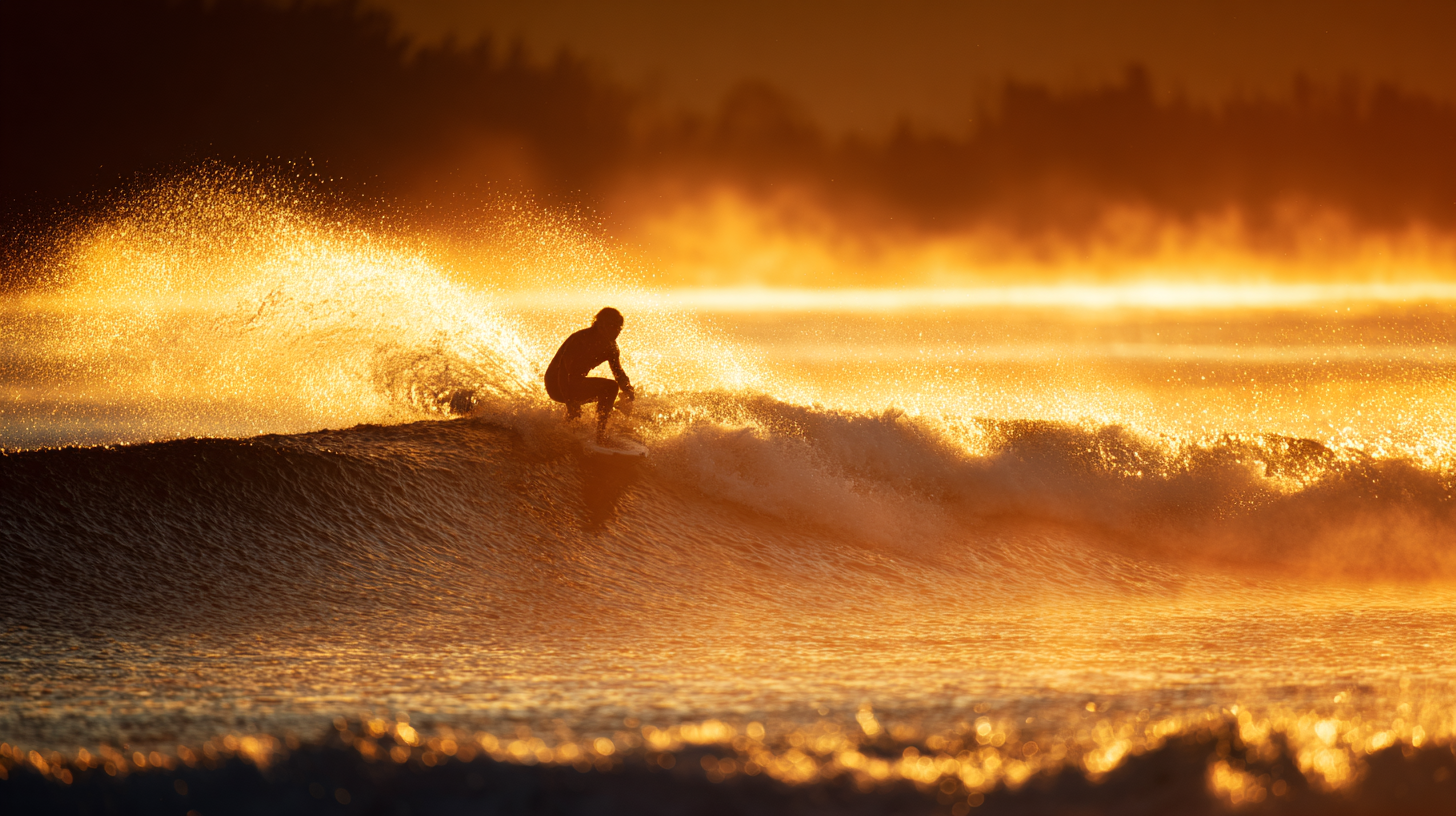
Legendary breaks like Bells Beach, Snapper Rocks, Byron Bay, Margaret River, and Bondi are familiar names even to people who’ve never touched a surfboard. During major competitions, cliffs and headlands turn into natural grandstands as spectators watch the world’s best surfers drop into towering walls of water, carving lines with grace and boldness. When a big set rolls in and someone commits, an entire crowd might hold its breath at once.
Yet surfing in Australia isn’t just for professionals. Surf schools offer lessons to beginners, teaching the basics of paddling, popping up, and reading the ocean safely. Even if all you manage is a few brief seconds standing before tumbling back into the foam, the feeling is unforgettable. For many visitors, that first wobbly ride is one of the defining memories of their time in the country.
Swimming and the Bond with the Water
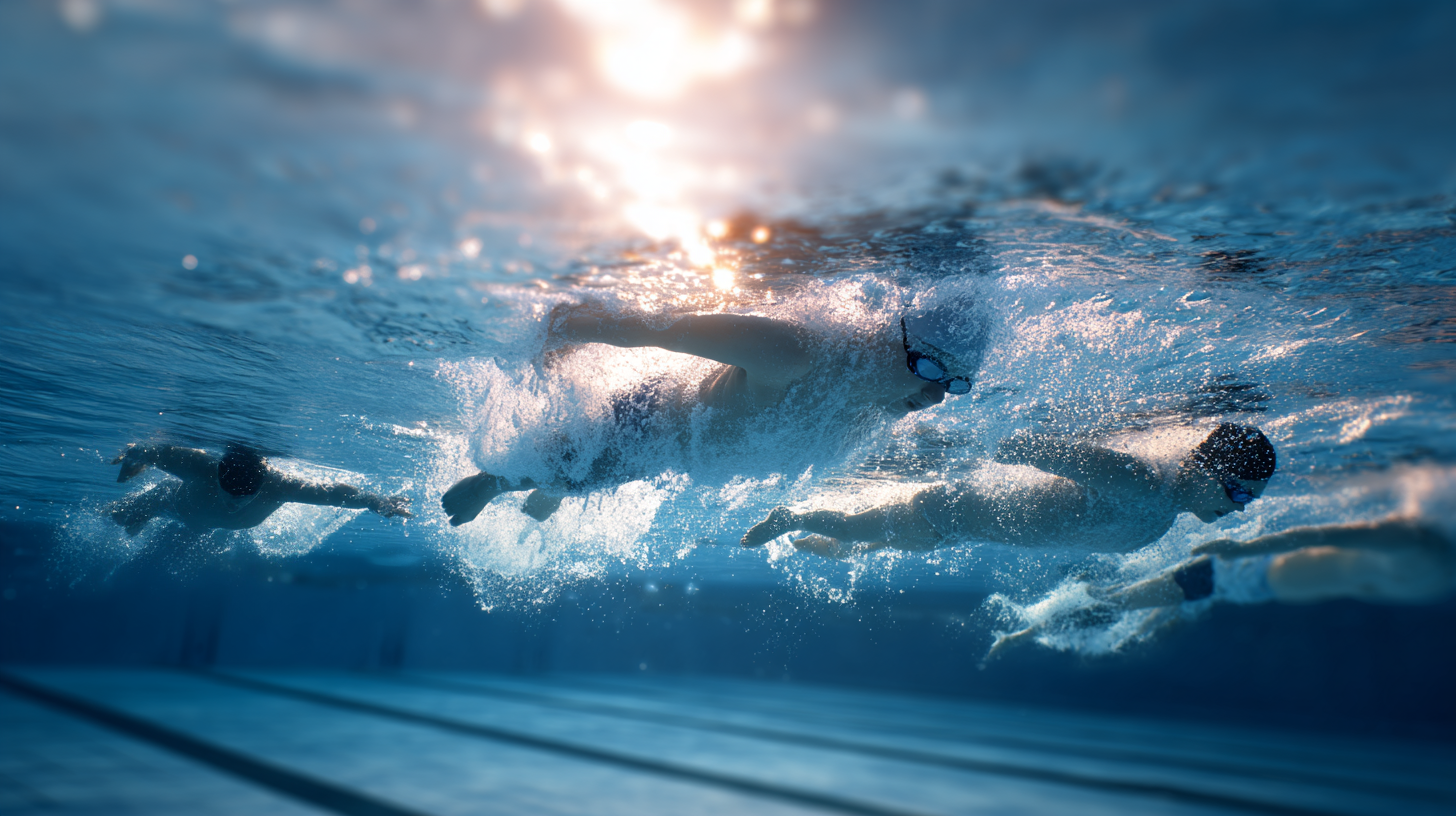
Australia’s relationship with the ocean goes beyond surfing. Swimming is almost a national instinct, nurtured from childhood. You see it in the way families treat the beach as an all-day gathering place, in the popularity of coastal pools carved into rock platforms, and in early-morning lap swimmers cutting through still water with quiet determination. On hot days, city centers empty out as people flock to bays, rivers, and oceanfronts seeking relief and freedom.
Surf lifesaving clubs line many popular beaches, their red-and-yellow flags marking safe zones and their volunteers keeping watch from towers and sand. These clubs are communities within communities, organizing patrols, swim events, and training programs for kids and adults alike. For visitors, the presence of surf lifesavers is both reassuring and symbolic — a reminder that Australians don’t just enjoy the ocean; they take responsibility for it and for each other.
Public pools, ocean baths, and harborside swimming enclosures offer countless places to dive in. Whether you’re doing structured laps or simply floating under the sky, you share a ritual with millions of locals. It’s simple, refreshing, and deeply tied to the Australian way of life.
Outdoor Adventures: Hiking, Cycling, and Life on the Trail
Beyond fields and beaches, Australia invites you onto its trails. National parks wrap around cities and spread across entire regions, offering everything from gentle coastal walks to challenging multi-day hikes through wilderness. It’s common to see people heading out with daypacks on weekends, chasing waterfalls, lookouts, and moments of quiet in eucalypt forests that hum softly with bird calls and wind.
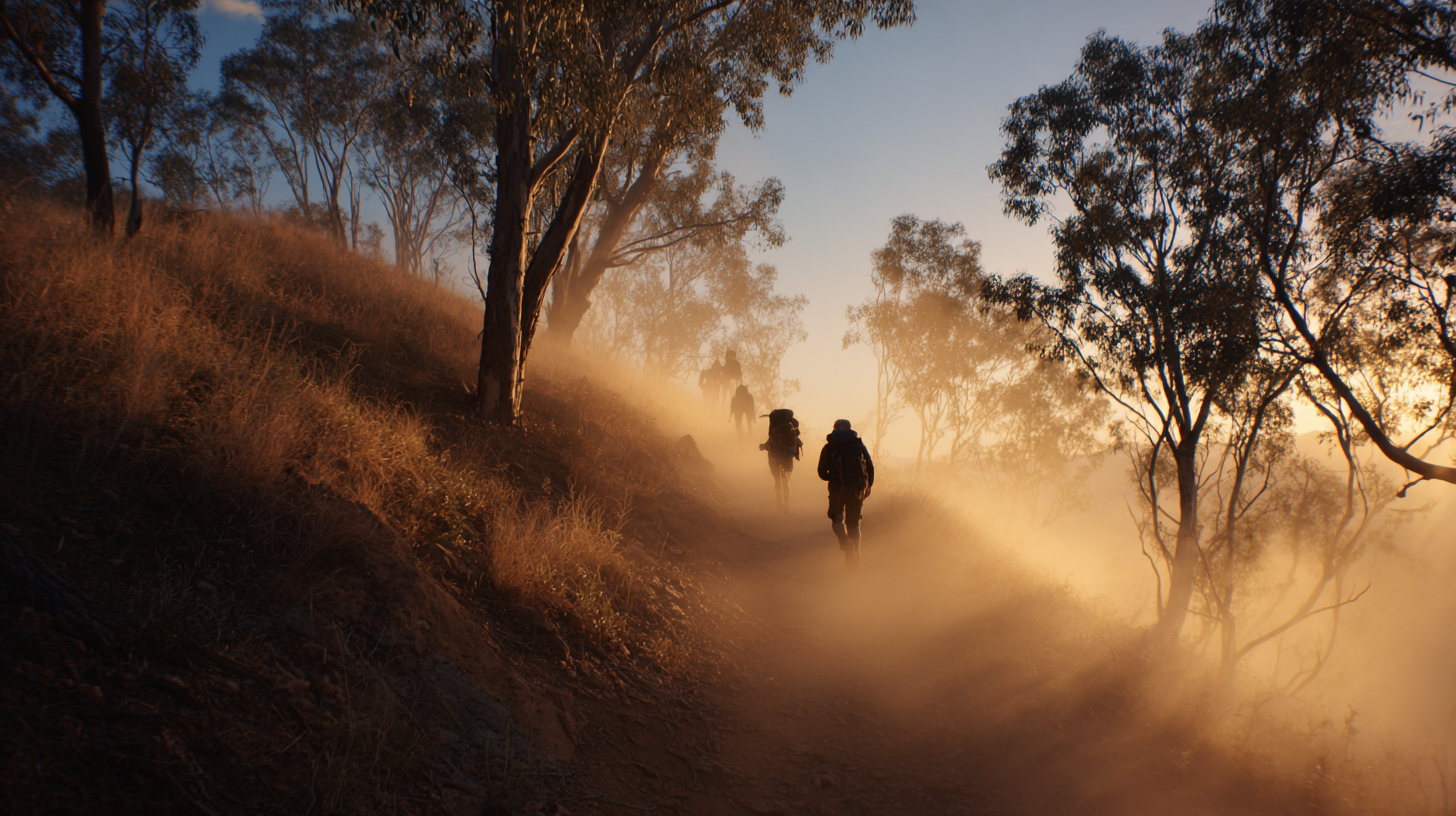
Coastal tracks like those around Sydney, Newcastle, and Perth reveal hidden coves, sea cliffs, and viewpoints where the horizon feels endless. Inland, mountains and highlands tempt hikers with alpine meadows, rocky ridgelines, and crisp air. In the tropics, rainforest paths lead to natural pools and viewpoints draped in green. Each region has its own personality, but the invitation is always the same: step off the pavement and into something bigger.
Cycling is another beloved way to explore. Dedicated bike lanes and long-distance rail trails give riders space to roam without the stress of heavy traffic. In many cities, waterfront promenades fill with cyclists during early morning and late afternoon, when the sun casts gold across the water. Whether you’re renting a bike for a couple of hours or tackling a multi-day route, you’re joining a culture that values movement, freedom, and time spent outdoors.
Everyday Recreation: Park Runs, Social Sports, and Community Energy
One of the most charming aspects of Australian sports culture is how casual and accessible it is. You don’t have to be elite or even particularly athletic to take part. On Saturday mornings across the country, local park run events bring runners and walkers of all ages together for timed 5k gatherings. Parents push strollers, kids sprint in bursts, older participants pace themselves steadily, and volunteers cheer them all with the same enthusiasm. It’s exercise, but it’s also a social ritual.
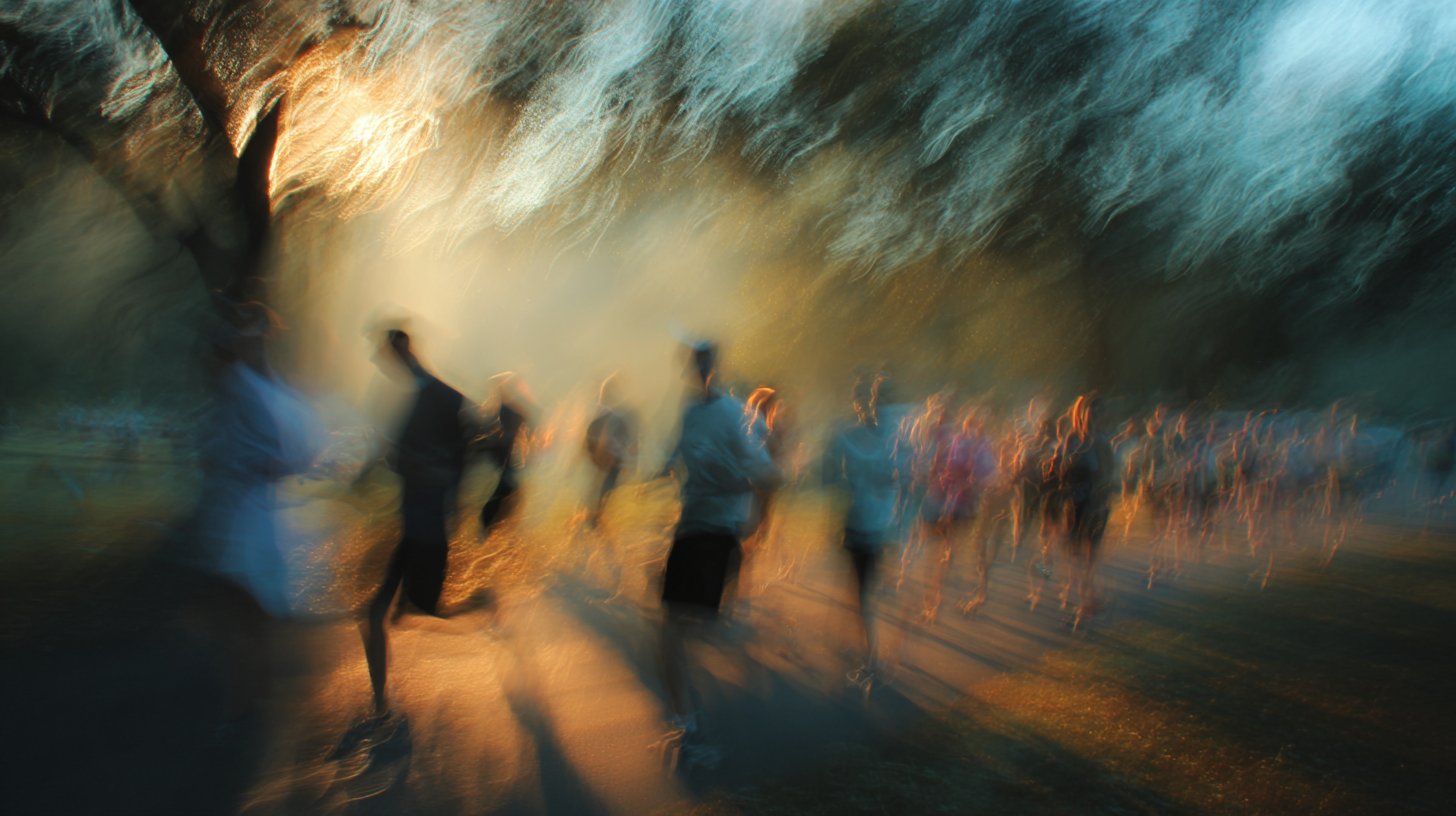
Social sports leagues offer everything from mixed netball and casual soccer to touch rugby, basketball, and lawn bowls. Colleagues form mid-week teams, friends sign up for fun, and expats and travelers often join as a way to meet people. The focus is on participation and enjoyment rather than perfection. Post-game drinks and shared laughs become as important as any score.
Even simple routines reflect this active mindset. After-work walks along the beach, weekend hikes with friends, casual games of beach cricket, kids learning to ride bikes under the watchful eyes of parents — all of it builds a picture of a culture where movement is normal, not exceptional. As a visitor, it’s easy to slip into that rhythm. Rent a kayak, join a yoga class in the park, or just grab a ball and play. You’ll find the barrier to entry is almost non-existent.
How to Tap into Australia’s Sporting Soul as a Traveler
You don’t need to plan your entire trip around sport to feel its impact. Small choices bring you closer to the action. Book tickets to a cricket test, AFL game, or rugby match and spend an afternoon surrounded by cheering locals. Take a surf lesson or a coastal walk and feel how naturally the landscape lends itself to movement. Swim at an ocean pool at dawn and watch the city slowly wake up behind you.

Pay attention to the details: the roar of a crowd after a goal, the way people affectionately debate teams, the casual confidence of kids on skateboards, the slip-slap of thongs (flip-flops) as people head to the beach carrying towels and bodyboards. Say yes if someone suggests a game, a run, or even just a walk. Sport and recreation here are less about performance and more about participation.
Most importantly, allow yourself to be swept up in the atmosphere. Wear team colors, learn a chant, celebrate small victories in backyard games, and laugh at your own mistakes. In doing so, you’re not just observing Australian life from the outside — you’re living a small piece of it from within.
Conclusion: More Than a Game
In Australia, sport and recreation are not separate from everyday life; they are woven into its fabric. They shape weekends, conversations, friendships, and memories. They echo through stadiums, beaches, parks, and mountain trails. Whether it’s the hush before a crucial cricket delivery, the explosion of noise after an AFL goal, the quiet focus of a surfer waiting for the perfect wave, or the simple joy of a family swim, each moment reveals something about the way this country moves, feels, and connects.
For travelers, embracing the Aussie sporting spirit is one of the most authentic ways to understand the culture. Watch, play, cheer, swim, hike, and ride alongside locals, and you’ll quickly see that the true magic of Australian sport isn’t found only on the scoreboard. It lives in the shared heartbeat of people coming together to move, compete, relax, and celebrate being alive in a land built for adventure.
If you come ready to join in, even just a little, Australia will meet you with open arms — and maybe a ball, a board, or a spare ticket to the game.
Learn more at the official tourism portal: Australia.com