

Understanding Indonesian Music: Rhythm, Land, and Identity
Across the sprawling Indonesian archipelago, rhythm is more than performance — it is identity. From the volcanic slopes of Java to the temple courtyards of Bali, from the forests of Sulawesi to the coastal villages of Sumatra, Indonesian music and dance emerge not as separate expressions but as a shared cultural heartbeat. They live in ceremonies, in community gatherings, in quiet rituals and grand celebrations. Their influence stretches across centuries, shaped by indigenous beliefs, Hindu-Buddhist kingdoms, Islamic traditions, and seafaring exchanges that carried melodies between islands.
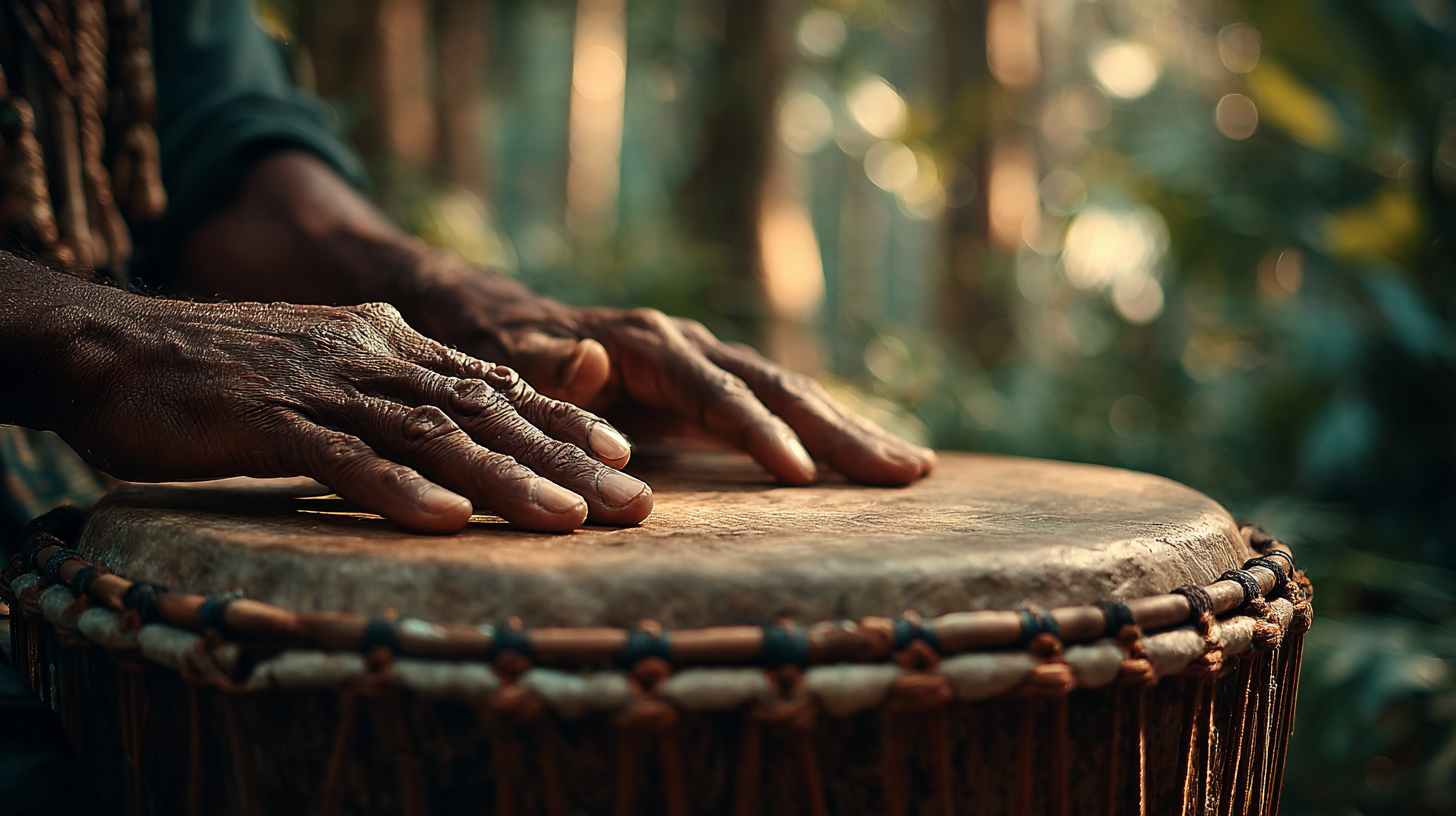
To witness Indonesian music and dance is to encounter a world where sound is movement, movement is meaning, and every gesture tells a story. These art forms do not merely entertain — they teach, preserve, transform, and bind people together. They are the echo of ancestry and the promise of continuity, flowing through generations as naturally as the tides that touch every island in the archipelago.
For more cultural depth, explore our guide to Indonesian Coffee Culture
The Pulse of the Archipelago: Music Born from Land and Water
Indonesia’s geography shapes the very foundation of its musical identity. The archipelago spans vast distances, connected by waterways that once carried traders, myths, and melodies from island to island. Each region developed its own traditions, yet they are united by something universal — the belief that rhythm mirrors the natural world.
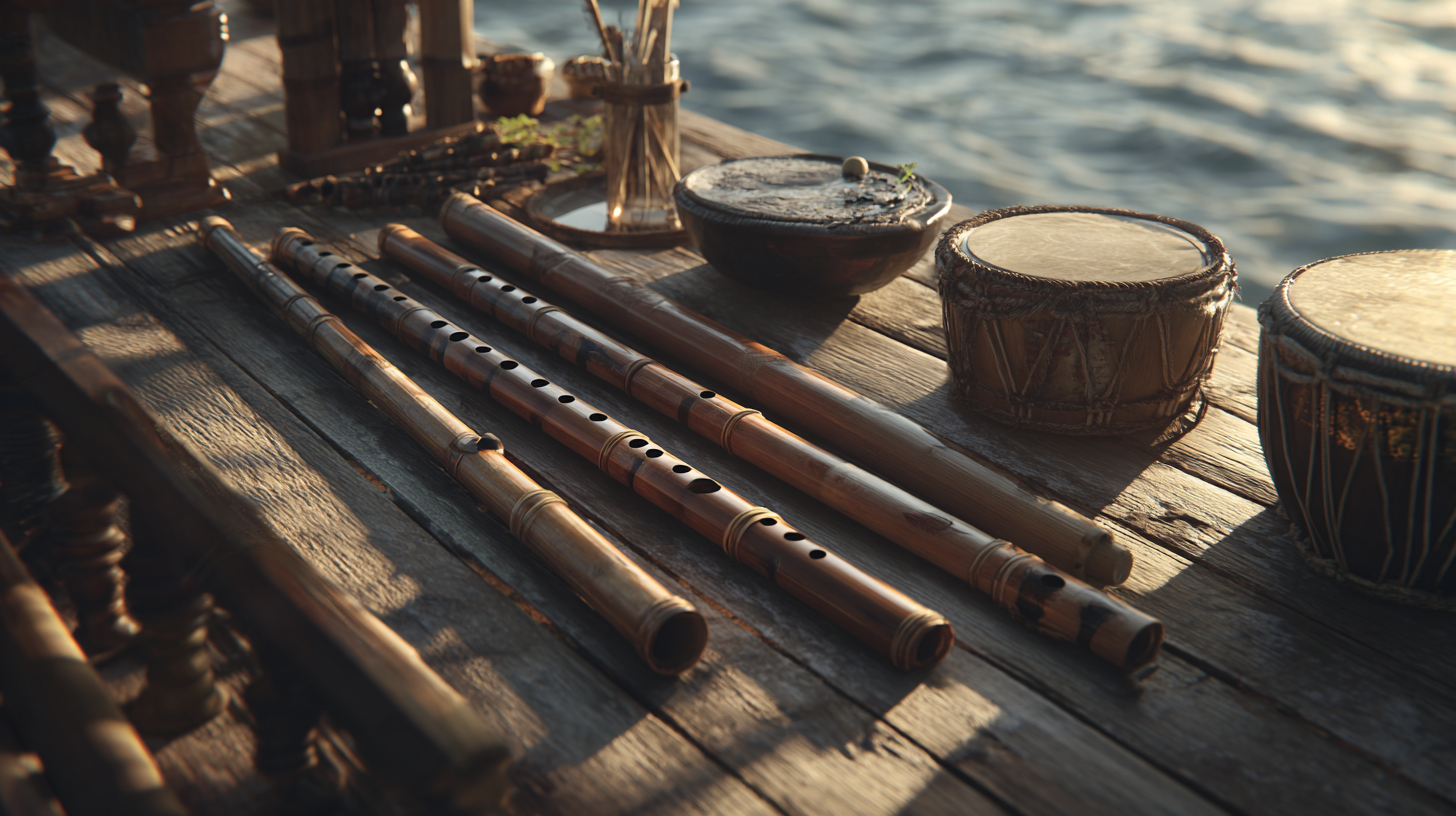
Drums echo the push and pull of the ocean. Bamboo instruments mimic the rustle of tropical forests. Bronze gongs vibrate with tones reminiscent of wind traveling through mountain valleys. These sounds are not created in opposition to nature but in dialogue with it. Indonesian music becomes a way to interpret the environment, to translate its moods into human expression.
In many rural communities, children grow up hearing rhythms long before they understand their meaning. Sounds drift from village gatherings, temple ceremonies, or nightly rehearsals. Instruments are not distant artifacts — they are everyday objects woven into the architecture of life. Even in modern cities, where traffic replaces birdsong, traditional rhythms continue to pulse in cultural centers, dance studios, and family celebrations.
Indonesia’s musical landscape is vast and varied, yet everything begins with a single truth: rhythm is the language of the islands.
Gamelan: The Sound of Bronze, Harmony, and Collective Soul
Perhaps no sound is more closely associated with Indonesia than the shimmering resonance of gamelan — an ensemble of bronze gongs, metallophones, drums, and flutes that creates a hypnotic, layered soundscape. Gamelan music is not defined by melody alone; it is defined by interlocking rhythms, community coordination, and the philosophy of harmony over individuality.
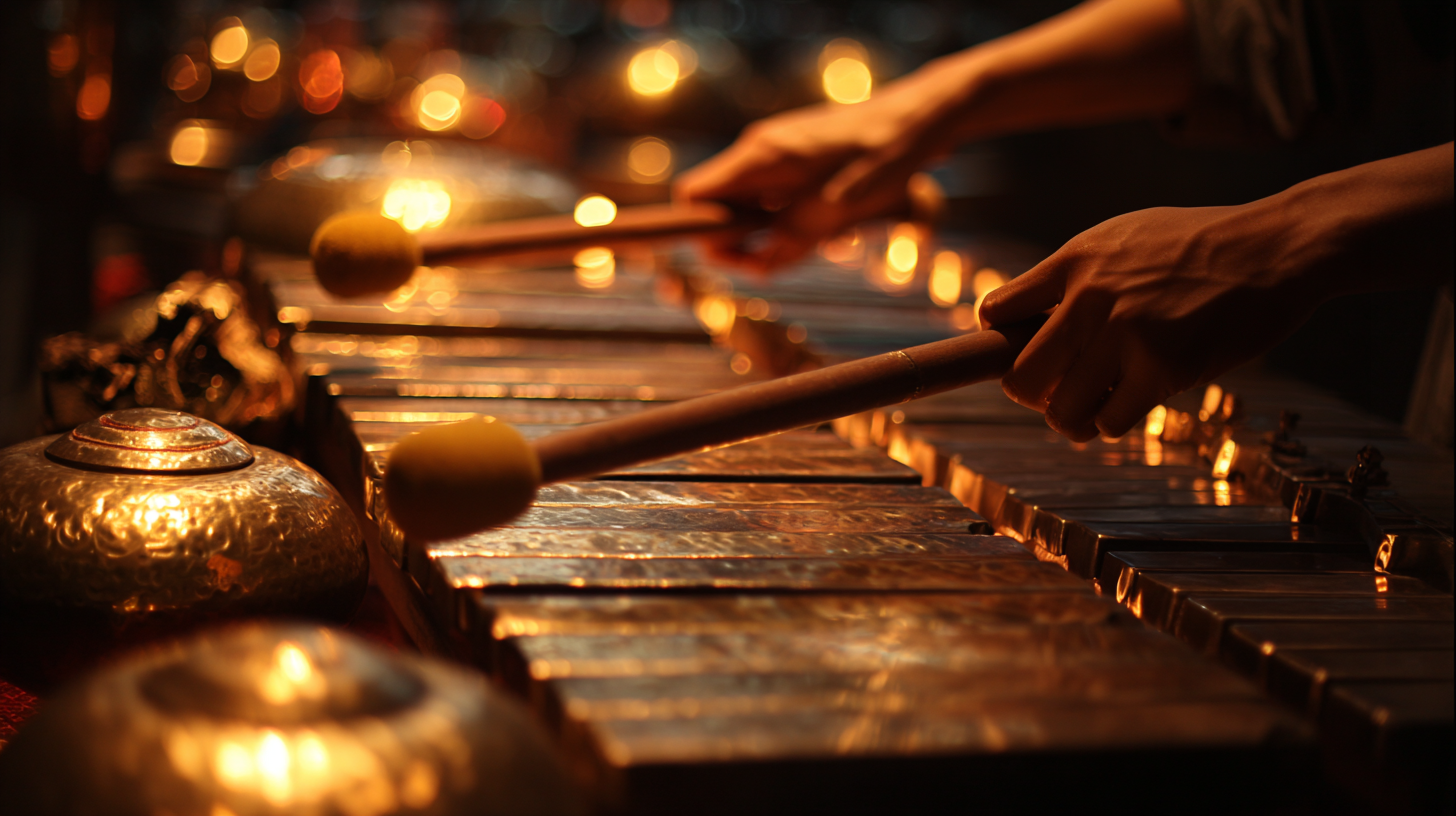
To sit before a gamelan ensemble is to feel enveloped by waves of sound. Large gongs mark the heartbeat of the composition, steady and majestic. Higher-pitched metallophones weave intricate patterns that shimmer like sunlight on water. Drums guide the ensemble with subtle cues, shaping crescendos and gentle fades.
Unlike Western orchestras, gamelan is not hierarchical. There is no single star musician; all instruments rely on one another. Each player contributes to the whole, embodying the Javanese concept of rukun — balance, unity, and social harmony. Even tuning is unique: each gamelan set is tuned to itself, not to a universal standard, meaning its voice exists only within its own ensemble.
Beyond Java, gamelan takes on local flavor. Balinese gamelan is vibrant and dynamic, its rhythms sharper and its tempo faster, mirroring the island’s dramatic artistic style. Sundanese gamelan, from West Java, is gentler and more reflective, echoing the softness of the region’s landscapes.
Whatever the region, gamelan remains a musical embodiment of community, a reflection of how Indonesians see themselves within the larger world — as individuals connected through rhythm, responsibility, and shared harmony.
Indonesian Dance as Storytelling: Movement Rooted in Myth and Memory
Indonesian dance is more than choreography — it is storytelling through the body. Movements are precise, symbolic, and richly layered with meaning. A tilt of the head, a curl of the fingers, a shift in posture can convey emotion, authority, devotion, or mythological roles.
Dancers train for years to master techniques that balance strength with serenity. Their bodies become instruments as expressive as any drum or flute, carrying narratives inherited from ancestors.
Classical Javanese dance is refined and deliberate, shaped by centuries of palace tradition. Every gesture is elongated, controlled, and imbued with poise. The dancer seems to float across the stage, transforming movement into a form of meditation. The stories often draw from ancient epics such as the Ramayana and Mahabharata, brought to Indonesia through Hindu-Buddhist kingdoms and reinterpreted through local aesthetics.

Bali offers a contrasting energy — vibrant, expressive, and charged with spiritual intensity. Balinese dance often begins with wide eyes, sudden changes in rhythm, and dramatic arm movements. It reflects a deep connection to ritual life: dances are performed for gods, ancestors, and protective spirits. The famous Legong and Barong dances carry narratives of beauty, conflict, and cosmic balance.
In Sumatra, Acehnese dance blends fluid movement with rhythmic precision. Groups move in synchronized patterns, sitting or kneeling, creating sequences of clapping, tapping, and flowing gestures that mirror ocean waves and communal unity. In Sulawesi, Bugis and Makassar dances highlight heroism, seafaring identity, and courtly elegance.
Across the archipelago, dance becomes a bridge — between past and present, between communities and the divine, between the human body and the stories that give it purpose.
Island Identities: A Tapestry of Rhythms Across the Archipelago
Indonesia’s musical and dance traditions shift subtly from island to island, each landscape shaping its own artistic character. On Java, rhythm tends to unfold with calm refinement — measured steps, meditative gamelan patterns, and gestures steeped in royal philosophy. Travel east to Bali and the mood changes instantly: music becomes bright and urgent, dancers move with electric energy, eyes wide and expressive, embodying spirits, myths, and cosmic balance. In Sumatra, rhythms take on strength and unity; drumming patterns are powerful, and group dances echo the precision of martial arts and the fluidity of the island’s rivers. Further east in Sulawesi, performances reflect seafaring heritage — graceful yet bold, shaped by ocean winds and ancient trade routes.

Despite these differences, the archipelago shares a common belief: music and dance are not mere performances, but living expressions of cultural identity. Each island adds its own voice to the collective symphony of Indonesia, enriching the nation without losing its individuality.
Instruments of the Archipelago: Drums, Flutes, Strings, and Bronze
Indonesia’s instruments are as diverse as its islands. They reflect local craftsmanship, spiritual symbolism, and the everyday materials available in each region. From bamboo to bronze, from animal skin to hardwood, each instrument carries the essence of its environment.
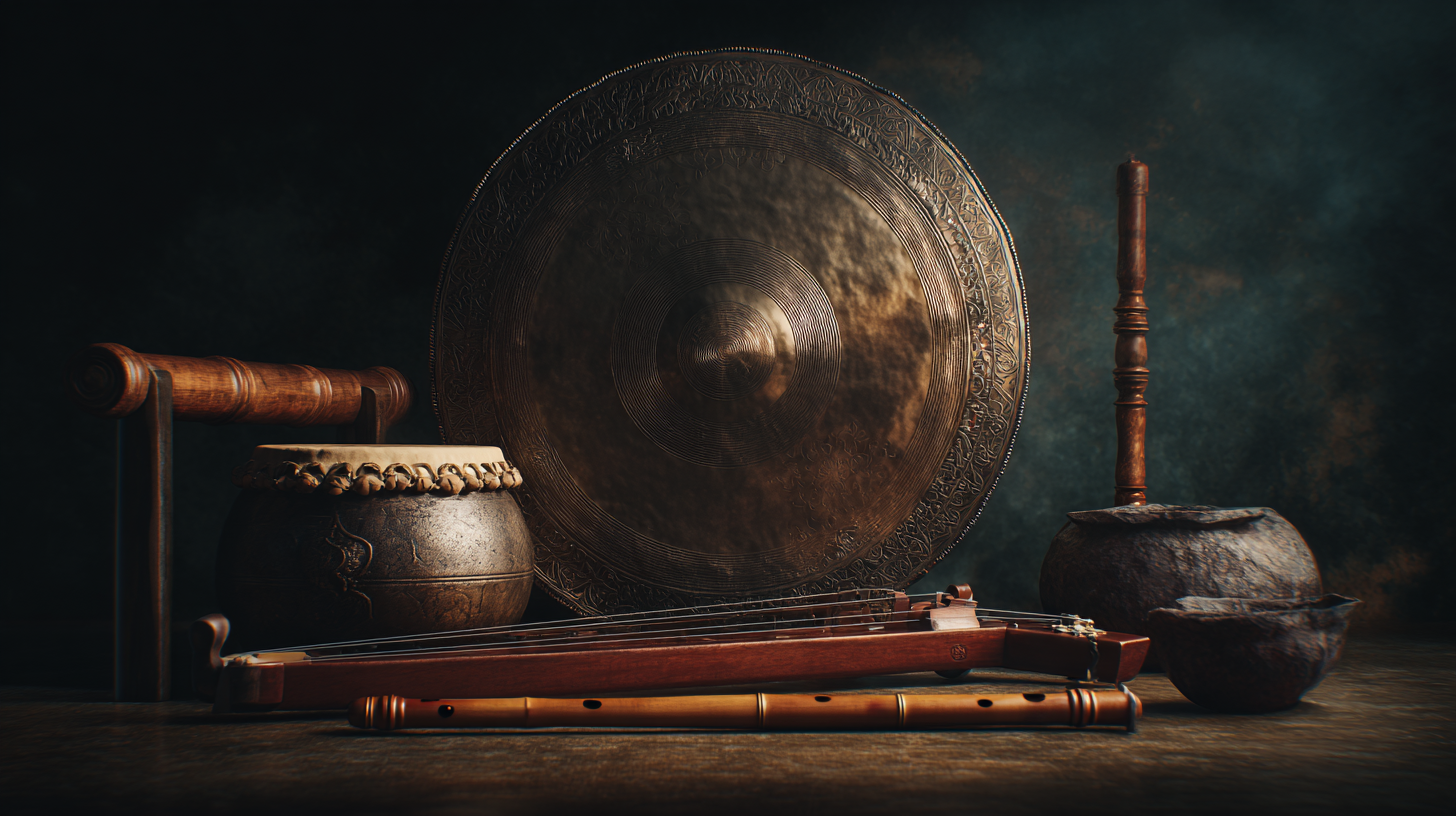
The kendang drum, central to many ensembles, sets rhythm with a tone that can be sharp or soothing. Suling flutes breathe airy melodies shaped by bamboo’s natural warmth. Rebab, a bowed instrument with an ancient lineage, adds a haunting beauty to Javanese compositions. In Bali, the sharp metallic sound of gangsa instruments defines the island’s energetic gamelan style.
Many instruments are made by artisans who blend musical skill with spiritual practice. In some regions, instrument-making is considered sacred — certain woods can only be cut on specific days, and tools are blessed before use. The finished instruments carry this reverence into performances, where sound becomes a connection to both nature and heritage.
Indonesia’s musical palette is vast, yet unified by its craftsmanship. Each instrument becomes an extension of the land from which it was born.
Ritual, Spirit, and Ceremony: When Music Becomes Sacred
In Indonesia, art and spirituality are inseparable. Music and dance often serve as offerings — to gods, ancestors, or protective spirits that are believed to watch over communities. These performances are not entertainment but acts of devotion.
In Bali, dances accompany temple rituals that can last all night. Movements are timed with the rhythm of prayer, incense, and ceremonial music. In Java, court dances have long been performed to honor ancestral rulers and preserve royal lineage. In Papua, drums signal communal gatherings and rites of passage, carrying meanings older than recorded history.
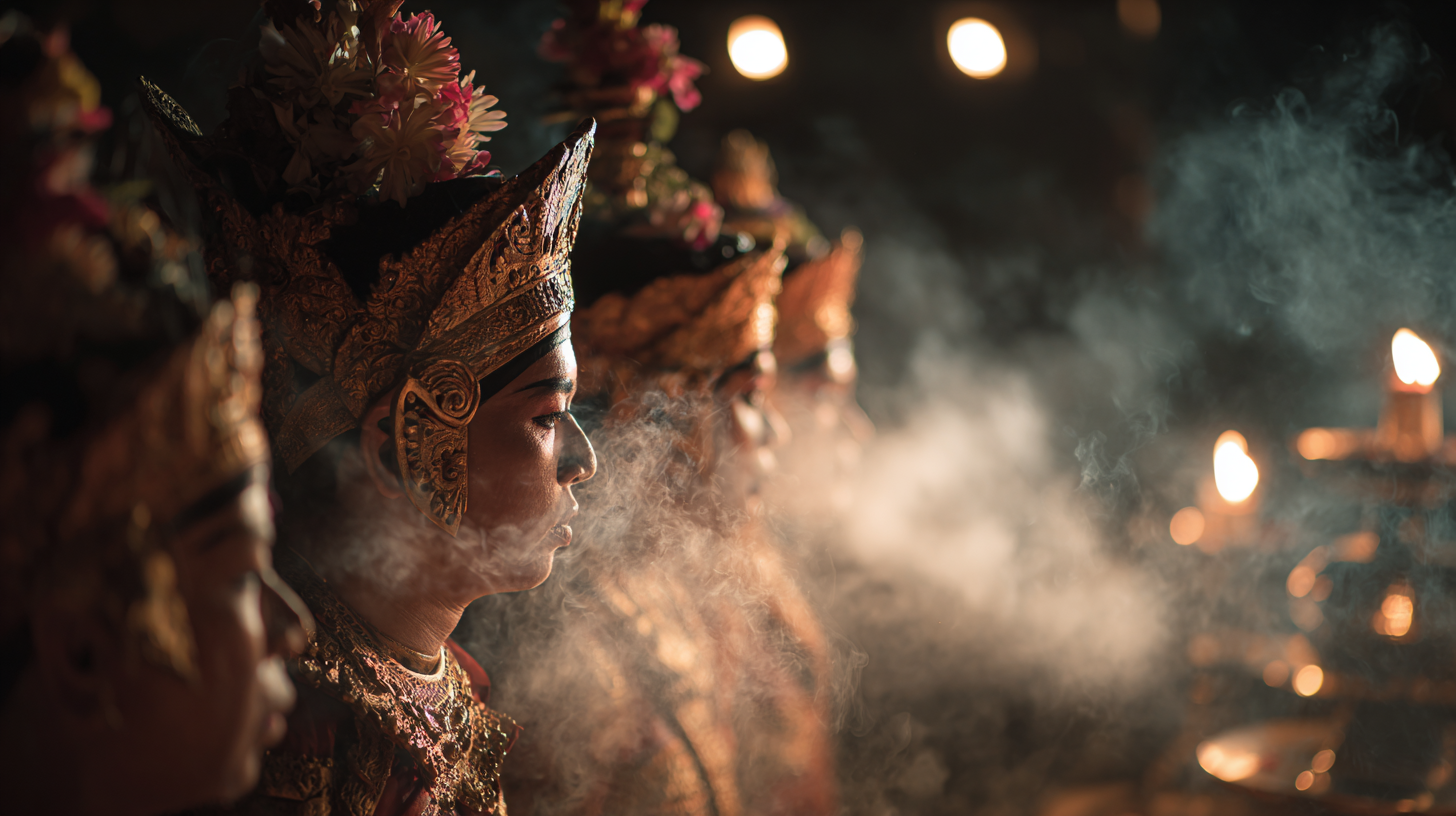
Even in modern Indonesia, where cities pulse with contemporary sound, ritual traditions remain strong. Villages still perform ceremonies for harvests, healings, weddings, and transitions of life. Music serves as a guide — grounding emotion, marking time, and welcoming spiritual presence.
These sacred rhythms reveal a deeper truth: for Indonesians, music and dance are pathways to connection — with ancestors, with the divine, with the land, and with each other.
Modern Indonesia: Tradition Reinvented Through Contemporary Sound
Indonesia today stands at the crossroads of tradition and innovation. Young musicians blend gamelan with electronic soundscapes. Contemporary dancers reinterpret ancient stories with modern choreography. Experimental artists draw on regional instruments to create global music that still feels unmistakably Indonesian.
Urban centers like Jakarta, Bandung, and Yogyakarta have become hubs of artistic evolution. Here, classical techniques meet street culture, pop music, jazz, and experimental theater. Yet even the boldest innovations remain tied to heritage. The essence of rhythm — communal, grounded, symbolic — persists through every reinvention.

This fusion does not dilute tradition. It extends it. Indonesian art forms breathe because they evolve, responding to new generations while preserving the heartbeat of the old. Contemporary Indonesia proves that cultural identity is strongest when it adapts without forgetting its roots.
Conclusion — A Country Heard Through Rhythm, Felt Through Movement
Indonesia music and dance are not relics of the past; they are living expressions of identity, unity, and memory. They rise from the land, flow through communities, and echo across generations. They preserve stories that might otherwise fade, give voice to history, and express the emotional landscapes of a country made of islands, religions, and cultures intertwined.
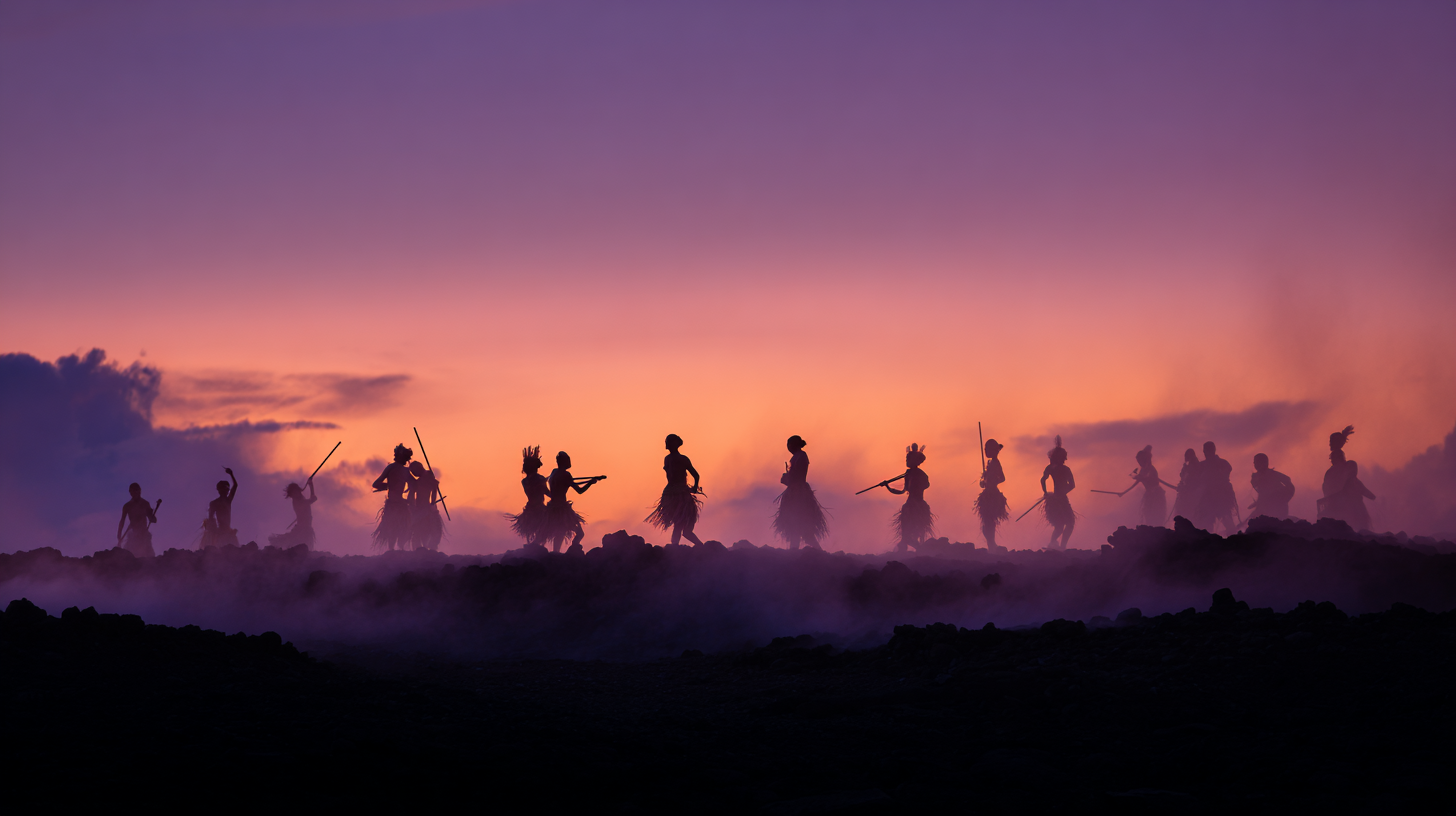
To witness a performance — whether a serene Javanese court dance or a fiery Balinese gamelan ensemble — is to glimpse the soul of Indonesia. To hear a drumbeat echo across a village or see dancers move with ancestral precision is to feel the presence of something timeless and deeply human.
Indonesia’s rhythms are a map: one that guides travelers through sound, movement, ceremony, and community. In a country shaped by water, wind, and fire, rhythm becomes both anchor and compass — the pulse of a nation.
Indonesian Ministry of Culture – Traditional Arts: https://kemdikbud.go.id/
Fantastic photos.
Very informative and stunning photos!