
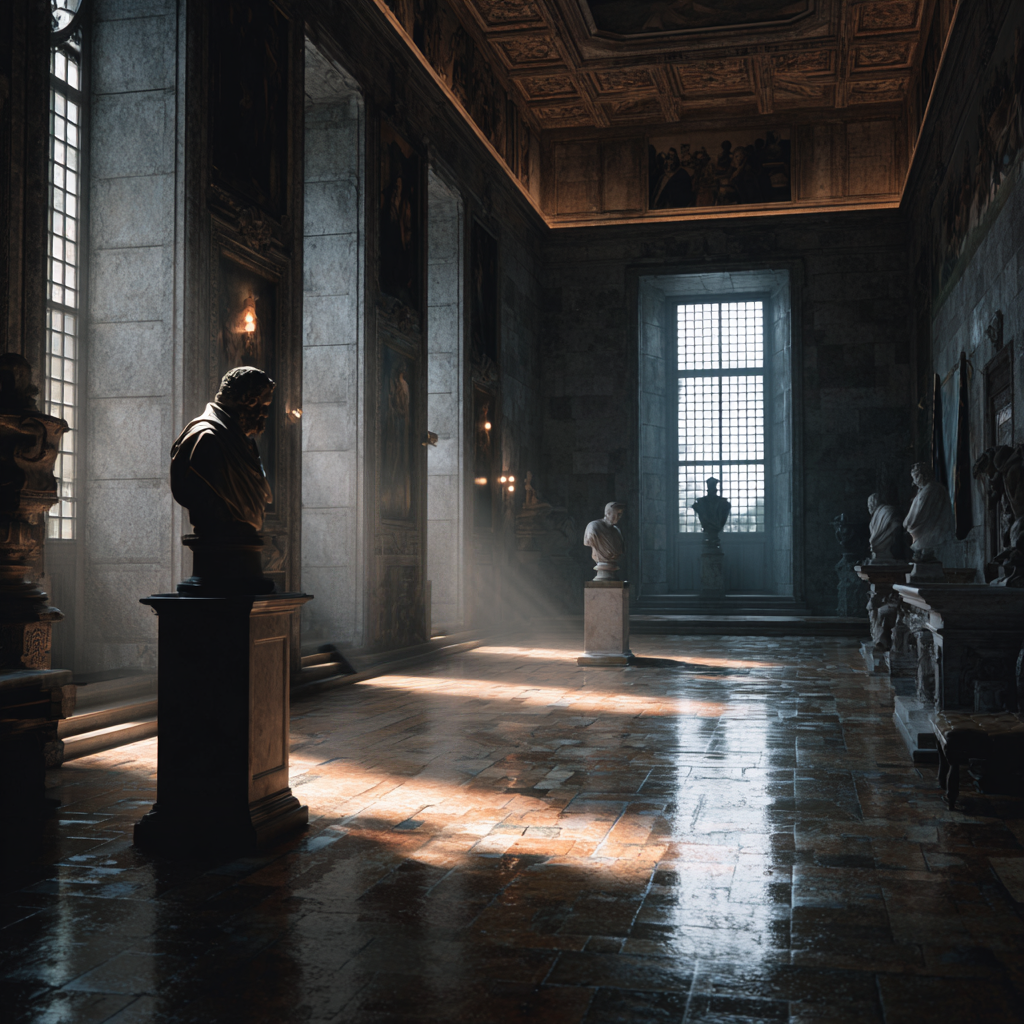
Museums in Portugal are not silent archives nor sterile rooms filled with artifacts. They are living spaces, shaped by centuries of discovery, devotion, conflict, poetry, and imagination. Stepping into one of Portugal’s museums feels less like visiting a curated collection and more like entering a conversation between past and present. Light falls across stone floors that have witnessed monarchs and merchants, explorers and exiles. Whispered histories cling to wooden beams and painted tiles.
To explore Portugal’s museums is to understand the country through the eyes of its artists, navigators, craftsmen, thinkers, and ordinary people. They reveal a nation that holds its memory not only in books but in objects touched by time, in walls shaped by eras, and in stories carried quietly through generations. This is not merely a journey among artifacts — it is a journey into the Portuguese soul.
The Houses of History: Where the Country Keeps Its Story
Portugal’s historical museums, often housed in former palaces, monasteries, or public buildings, blend the weight of architectural legacy with the intimacy of personal narrative. Walking through these spaces is like moving through layers of time. Decorative tiles etched with cobalt scenes reveal battles, harvests, and royal ceremonies; carved wood panels hold the scent of centuries; glass cases protect fragile objects that once filled everyday life.
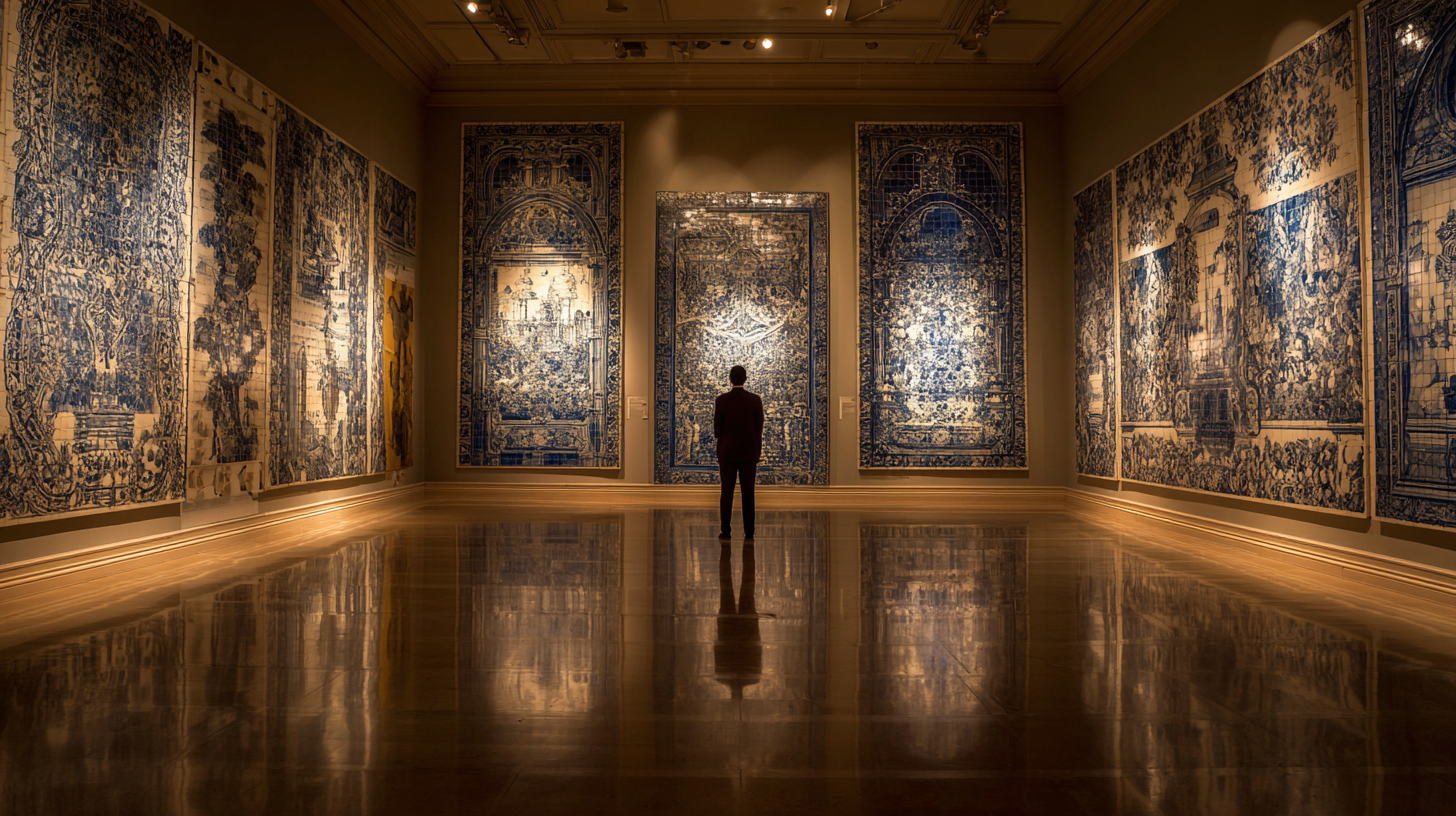
These museums focus not on grandeur alone but on continuity. A medieval sword lies near a sailor’s astrolabe. A Roman mosaic shares space with agricultural tools used by rural families for generations. Together, these artifacts create a landscape of memory where the nation’s evolution can be felt rather than merely studied. In these halls, history becomes tactile. The polished stone beneath your feet carries echoes of the footsteps that shaped Portugal’s identity. The rooms are quiet but not empty — they hold voices of architects, monks, explorers, potters, and common citizens who built the country’s foundations. Through them, Portugal honors not only what it has accomplished, but what it has endured.
Memories of the Sea: Museums Born From Wind, Salt, and Exploration
Portugal’s relationship with the ocean runs deeper than geography. It is emotional, cultural, and profoundly historic — a force that shaped the Age of Discoveries and continues to define the nation’s identity. Maritime museums across the country become guardians of this legacy. Inside them, ship models float in dim light, their sails frozen mid-wind. Maps unfold like fragile dreams, tracing routes that once expanded the world’s boundaries.
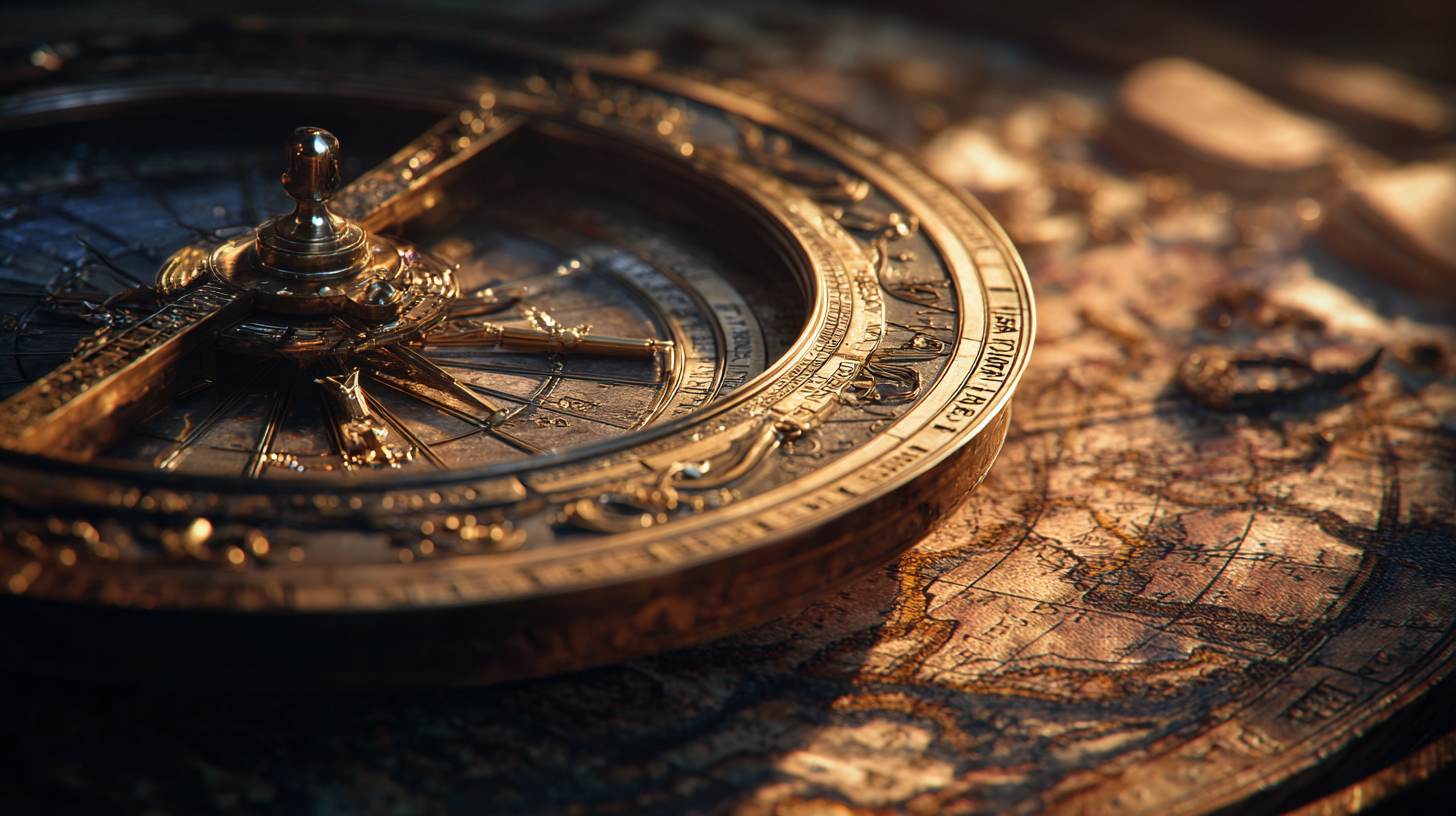
Stepping into these spaces feels like entering the mind of a navigator. Instruments used to measure stars lie beside logs filled with inked scrawls recording storms, sightings, and fears. Ropes, anchors, and weathered wood carry the scent of brine, as if extracted directly from the decks of ships that crossed oceans under moonlight and tempest.
These maritime museums do not glorify the past; they illuminate it. They reveal courage but also cost — the peril of voyages, the clash of cultures, the complexity of empire. They allow visitors to sense the emotion behind the maps: the hope of discovery, the uncertainty of departure, the awe of encountering horizons once thought unreachable. Through them, Portugal’s maritime spirit becomes more than history; it becomes atmosphere.
Palaces That Became Museums: Rooms Where Time Still Breathes
Some of Portugal’s most evocative museums exist within palaces that seem to breathe with the memories of those who once lived there. Their corridors echo with rustling silk, the soft footsteps of attendants, and the murmured conversations of courts long vanished. Sunlight filters through tall windows, catching on gilded moldings and polished furniture, illuminating rooms where centuries converge.
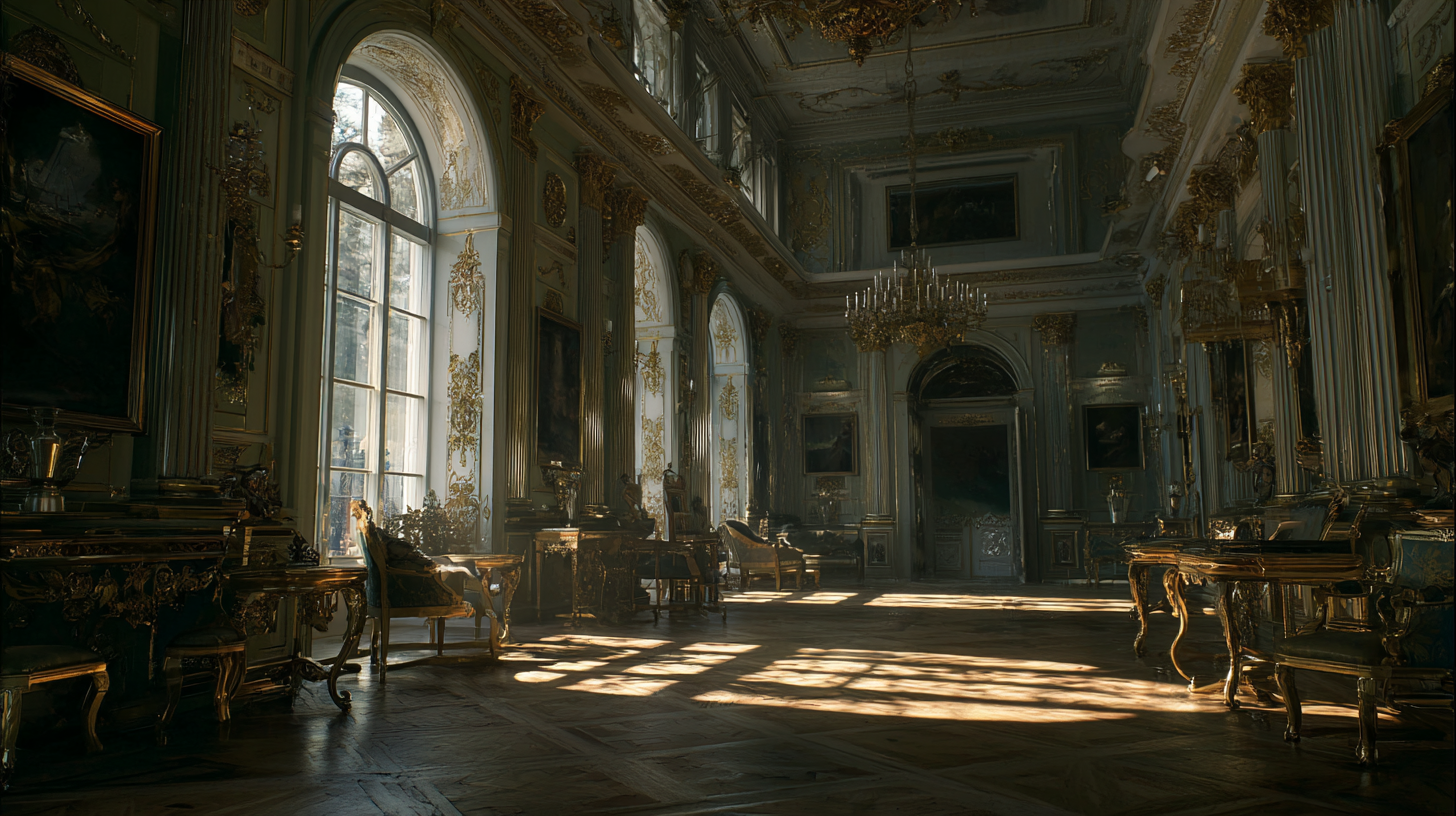
Moving through these spaces, visitors encounter not only objects but presence. Portraits gaze from walls with steady composure. Tapestries hang like woven narratives of conquest, daily life, or myth. Ceramics, glassware, musical instruments, and ornate furnishings form intimate portraits of lives shaped by refinement, ceremony, and the passing of time.
What makes these museums remarkable is how they preserve atmosphere. They do not isolate artifacts behind barriers; instead, they recreate the world in which those objects lived. A writing desk still holds ink wells, a bed canopy hangs undisturbed, and shelves of books appear ready to be opened. Rooms feel paused, not abandoned — as though their inhabitants have stepped out momentarily, leaving behind the gentle hum of memory.
In these palatial spaces, Portugal’s cultural heritage becomes personal. History is not distant, but close enough to touch.
Art Museums: The Country’s Voice in Brushstroke, Stone, and Form
Portugal’s artistic heritage tells a story separate from its political or maritime history — a story woven from the imagination of painters, sculptors, and modern creators who captured emotion in color, shape, and texture. Museums dedicated to art reveal Portugal through its creative evolution, from medieval religious works to contemporary installations that challenge perception.
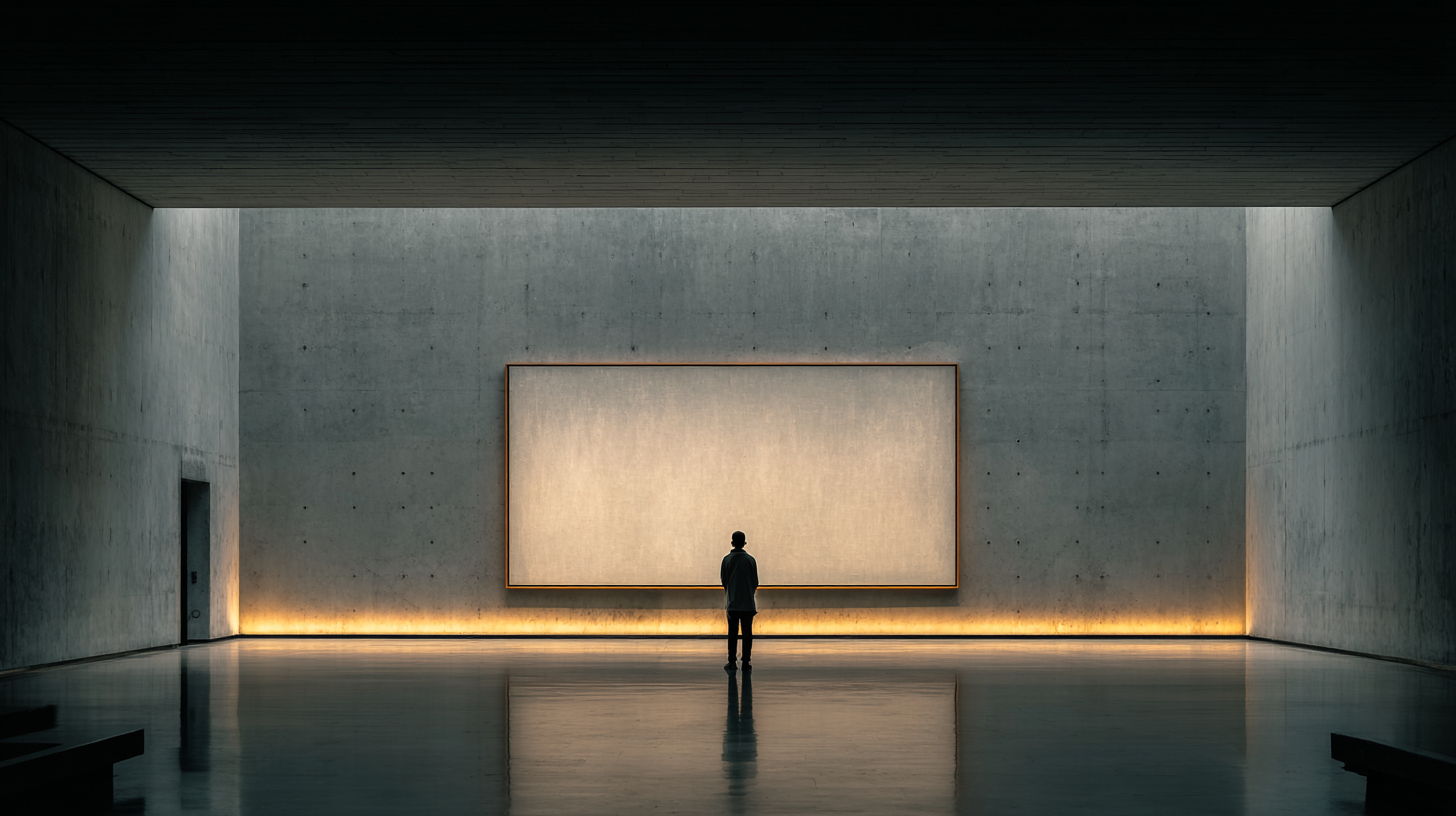
Entering these galleries, visitors encounter rooms filled with shifting moods. One hall vibrates with luminous tile panels; another glows with portraits framed in dark wood; a third explodes with contemporary abstraction that pushes boundaries and plays with light. Each era speaks in its own visual language. Portugal’s modern art spaces stand out for their architectural daring. Some museums embrace stark minimalism: concrete, glass, and open air creating temples of silence where art becomes the focal point. Others merge nature with structure — gardens leading to sculptural paths, water reflecting facades, and galleries designed to hold not just paintings, but moments of contemplation.
What binds all these spaces together is their dedication to expressing the emotional depth of Portuguese identity. Art museums here are not collections; they are extensions of thought. They allow the viewer to stand in front of a canvas or sculpture and feel the heartbeat of a nation that values introspection as much as innovation.
Museums of Craft, Labor, and Living Traditions
Museums in Portugal do not only celebrate kings and artists. Some of the most compelling spaces honor everyday life — the craft of fishermen, the skill of weavers, the quiet rituals of rural families whose labor formed the backbone of the country for centuries. These museums preserve the textures of tradition: rough wood, woven wool, iron tools, clay vessels still carrying fingerprints of their makers.
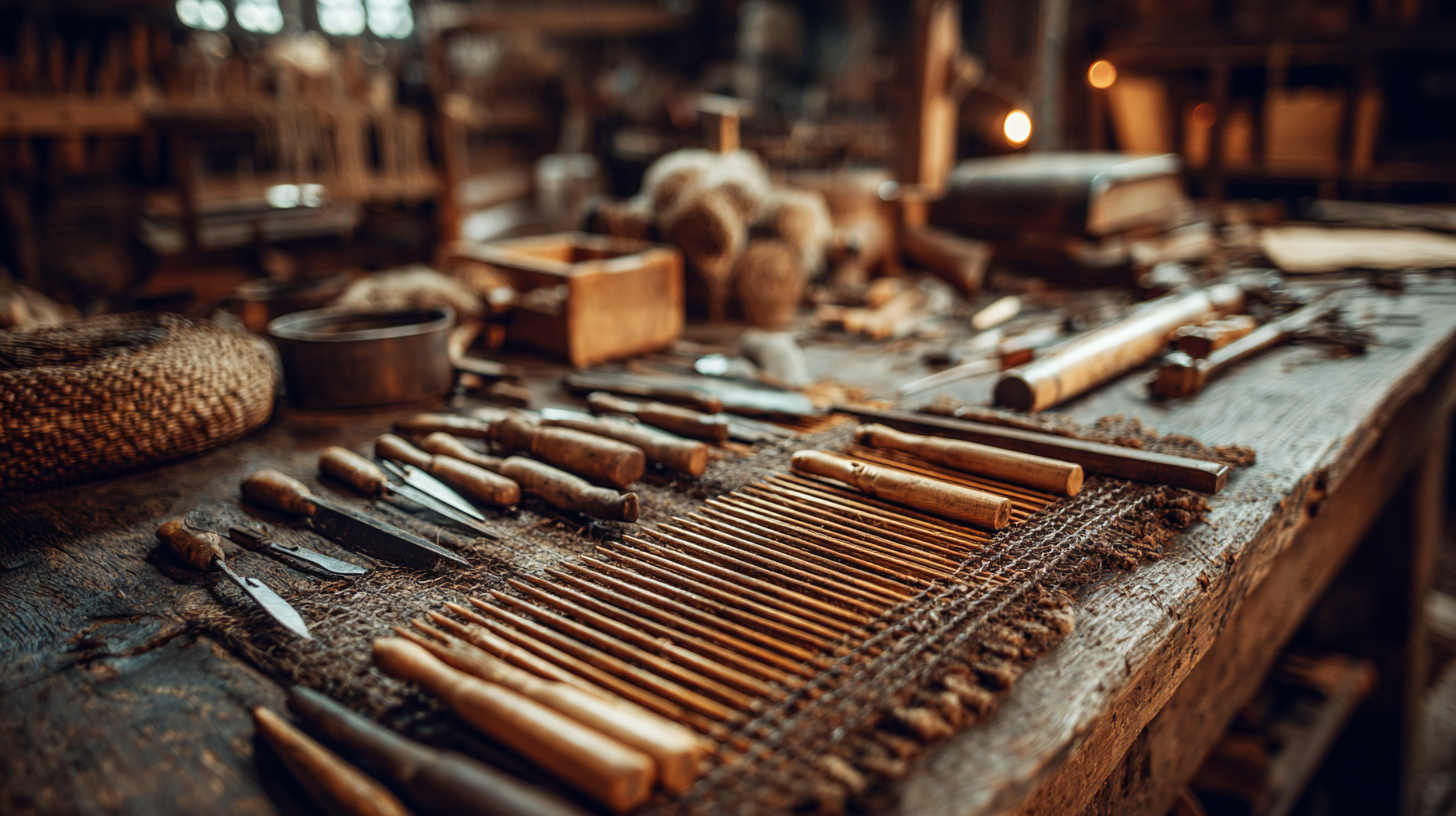
Walking through these collections, visitors encounter stories shaped by necessity and creativity. Looms stand ready to weave another tapestry. Cork-working tools lie arranged as they would have been in a craftsman’s workshop. Fishing nets, patched and re-patched, hang like ghosts of early morning journeys to sea. These objects tell truths often overlooked — of resilience, resourcefulness, and the beauty of artisanal life.
Such museums connect Portugal’s past to its present. They show how ancient techniques continue through apprenticeships and local communities, how craft survives industrialization, and how heritage can remain alive through practice. For travelers who seek to understand Portugal beyond its monuments, these spaces offer a window into the soul of the everyday.
Quiet Corners: Small Museums With Intimate Voices
Beyond the well-known institutions lie Portugal’s quiet gems — small museums tucked into former chapels, village houses, old schools, or seaside buildings. These spaces hold stories rarely found in guidebooks. They invite visitors into moments of intimacy: a handwritten diary preserved by descendants; a collection of maritime tokens kept by generations of fishermen; a room filled with photographs capturing a single neighborhood over a century.
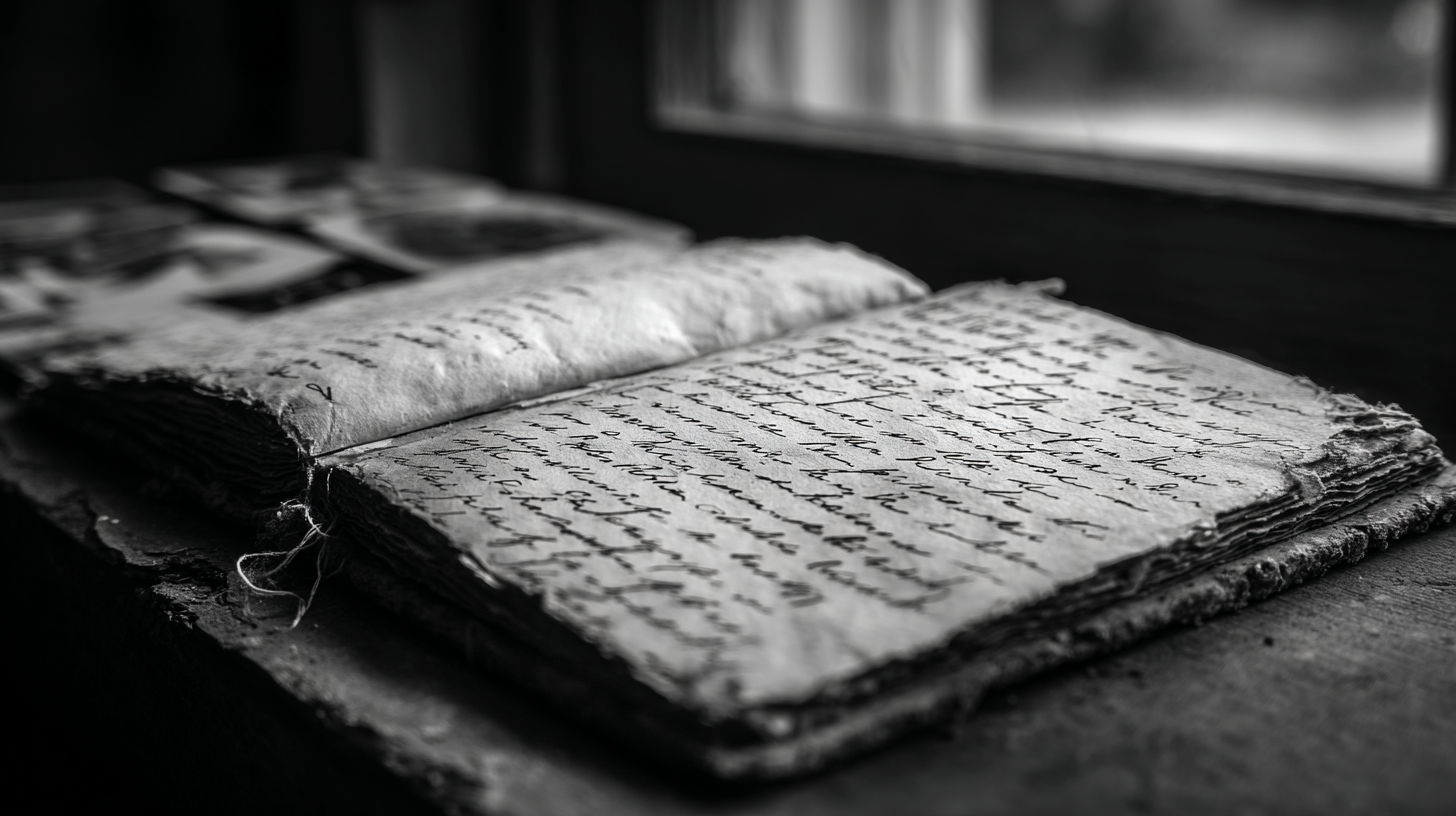
These museums are the whispers of Portugal’s cultural landscape. They preserve the delicate, the personal, the overlooked. Their rooms often feel like sanctuaries — places where time slows enough for visitors to feel the weight of one family’s history, one craft, one local story. In these spaces, culture becomes human-sized. Without grandeur or spectacle, they remind us that heritage lives not only in monumental buildings but in the quiet persistence of memory.
Living Heritage: How Portugal Preserves Its Past While Welcoming the Future
Portugal approaches preservation not as a static duty but as a living practice. Museums here continually adapt — restoring old buildings, opening new collections, integrating digital storytelling, and collaborating with artists and historians to keep memory alive. Preservation becomes an act of renewal, ensuring that the stories held within these walls continue to resonate.
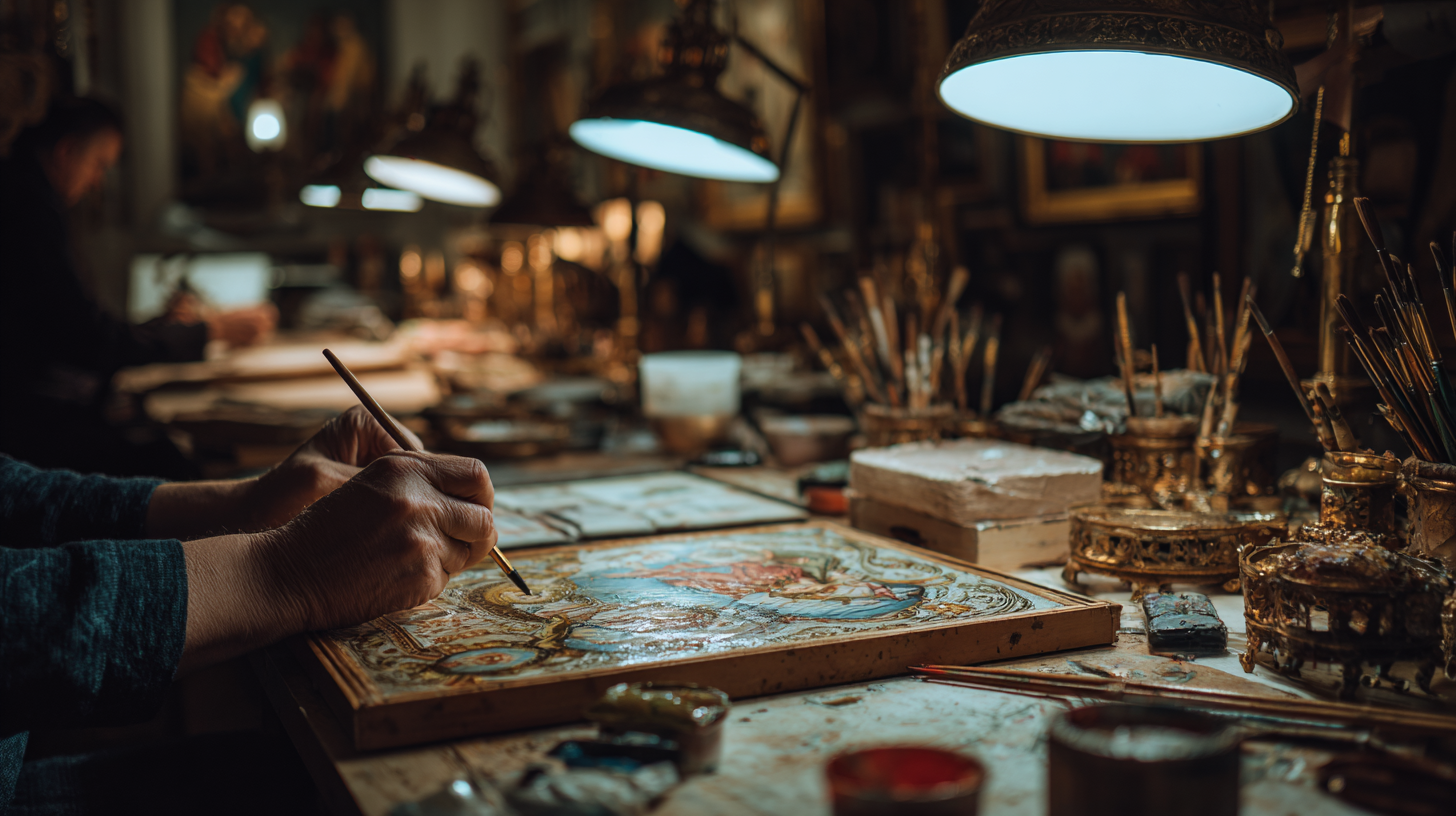
Some museums embrace dialogue with contemporary issues, using art and history to reflect on identity, diversity, and global change. Others focus on maintaining fragile traditions, offering workshops, performances, and community programs that turn museum spaces into cultural ecosystems. Visitors sense this balance: the reverence for what came before and the excitement for what may come next. Portugal’s museums, whether grand or humble, operate with the belief that history is not a weight to be carried, but a current to be understood — guiding culture forward with intention and dignity.
To explore how crafts shaped museum collections, visit our guide to Portugal Traditional Crafts.
Conclusion — A Country Remembered Through Light, Objects, and Rooms
Museums in Portugal reveal the country not through a single narrative but through a tapestry of perspectives — royal, maritime, rural, artistic, and deeply human. Walking through these spaces feels like reading chapters of an unfolding story, one where memory is preserved not in cold vitrines but in textures, atmospheres, and carefully tended archives.
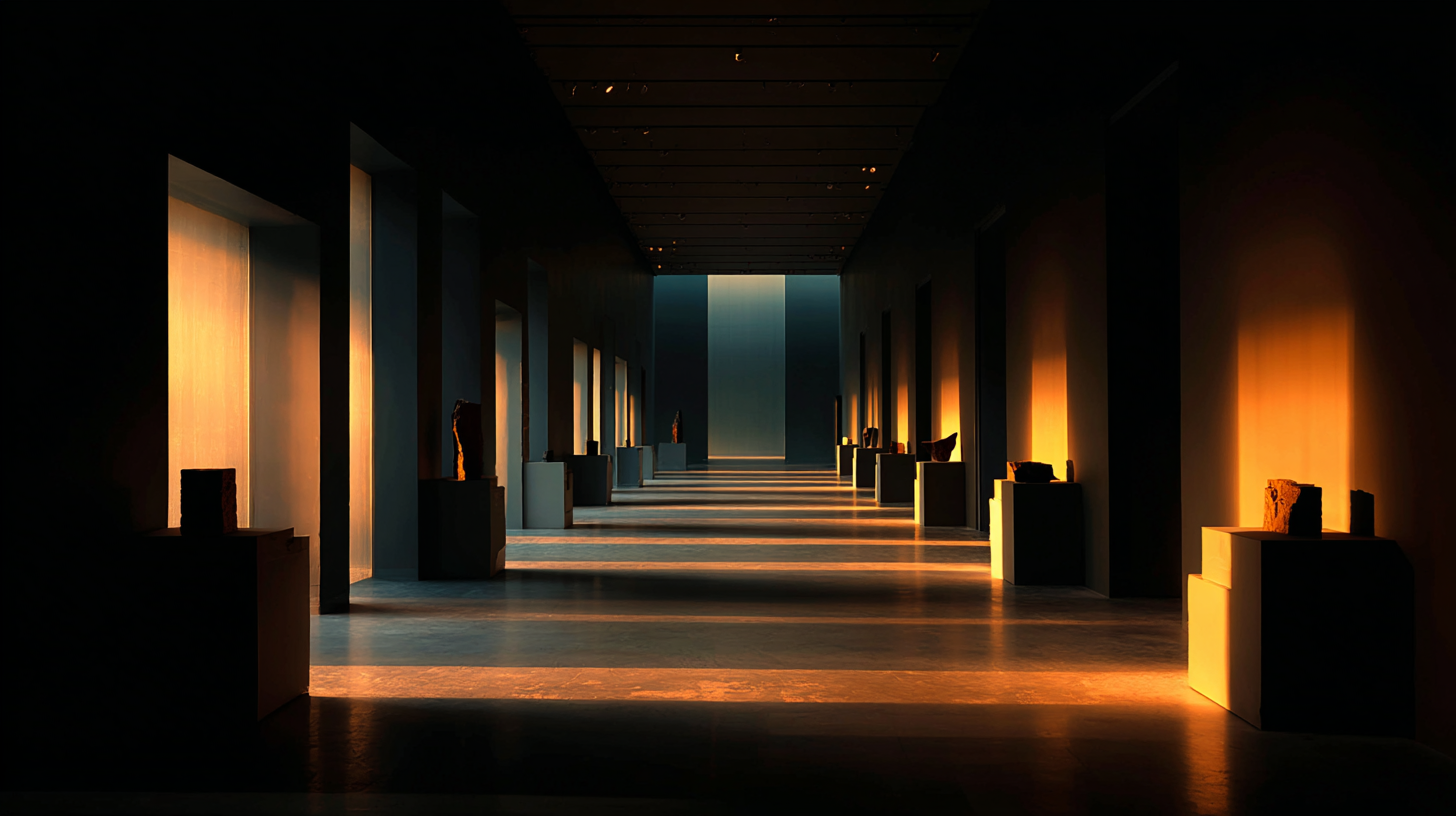
Each museum becomes a doorway: into an era, a craft, a belief, or a way of seeing the world. Together, they form a constellation of cultural identity that spans centuries. To explore Portugal’s museums is to step into rooms where time lingers, where silence speaks, and where every object carries the echo of someone’s life, labor, or dream. It is to understand that a nation’s story is never just written — it is collected, cared for, and passed on.
Portugal remembers itself through these spaces. And in walking through them, travelers find not only history, but connection — a quiet understanding of what endures.
Official Directory of Portuguese Museums — https://museusportugal.pt/