
Portugal’s Religious Heritage: A Journey Through Sacred Architecture and Living Faith
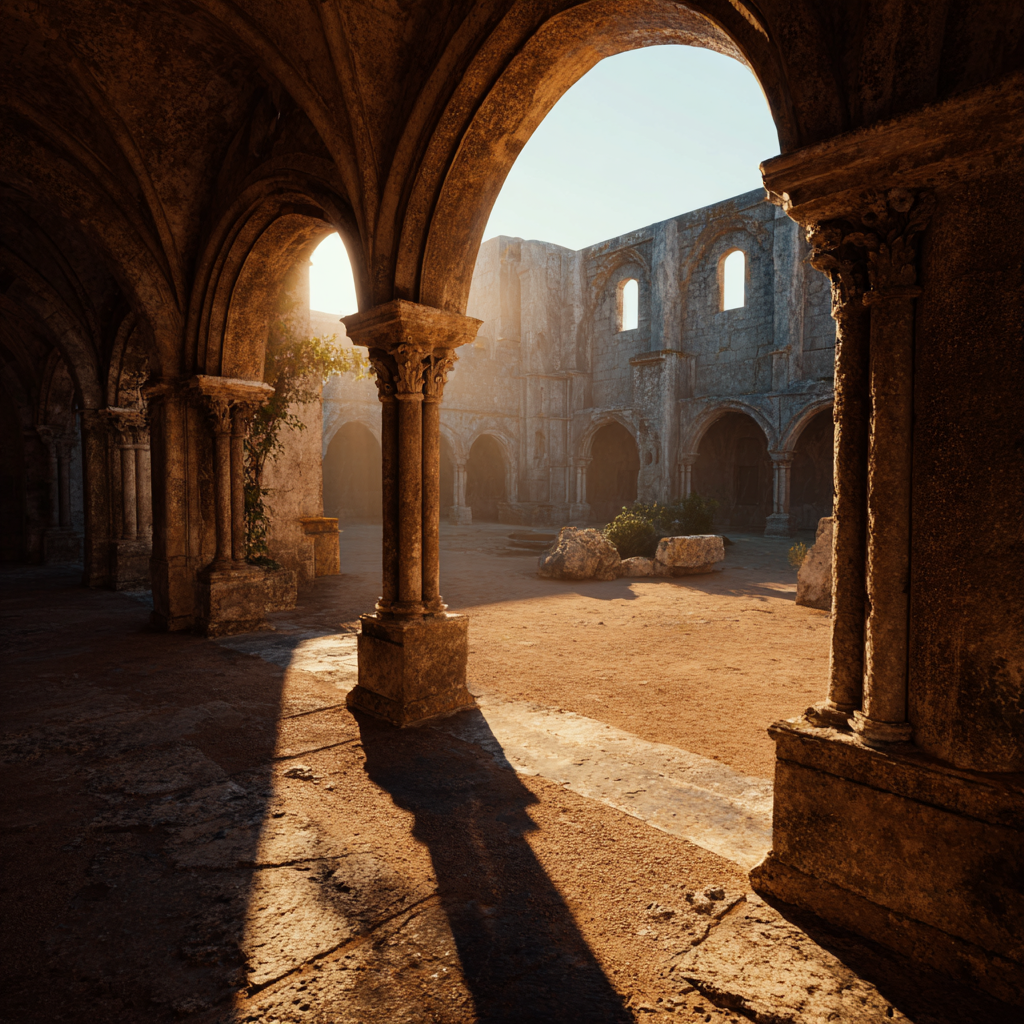
Portugal’s sacred landscape stretches far beyond the walls of monasteries and cathedrals. It lives in quiet courtyards kissed by morning light, in rural chapels perched above vineyards, in processions that wind through medieval streets, and in vast sanctuaries that gather pilgrims from distant continents. Faith here is woven into the rhythms of daily life, expressed not only in monumental architecture but in gestures, rituals, silence, and collective memory.

To journey through Portugal’s religious heritage is to follow a path shaped by devotion and discovery. It is an invitation to witness how spirituality finds form in stone, sound, and space — how centuries of belief, doubt, and longing have carved sanctuaries that still resonate with the warmth of human presence. This pilgrimage is not about doctrine; it is about atmosphere, emotion, and the quiet poetry of sacred places.
Related: Portugal Travel Guide – 7 Cities That Reveal the Country’s Soul
Fátima: A Sanctuary of Light, Devotion, and Modern Pilgrimage
The story of Fátima begins not with architecture but with three shepherd children standing in an open field in 1917. Their visions transformed a quiet rural town into one of the most significant pilgrimage sites in the Catholic world. Today, as visitors approach the sanctuary, the first impression is not the basilica but the vastness of space — an open esplanade stretching beneath the sky, where silence gathers thousands into a single breath.
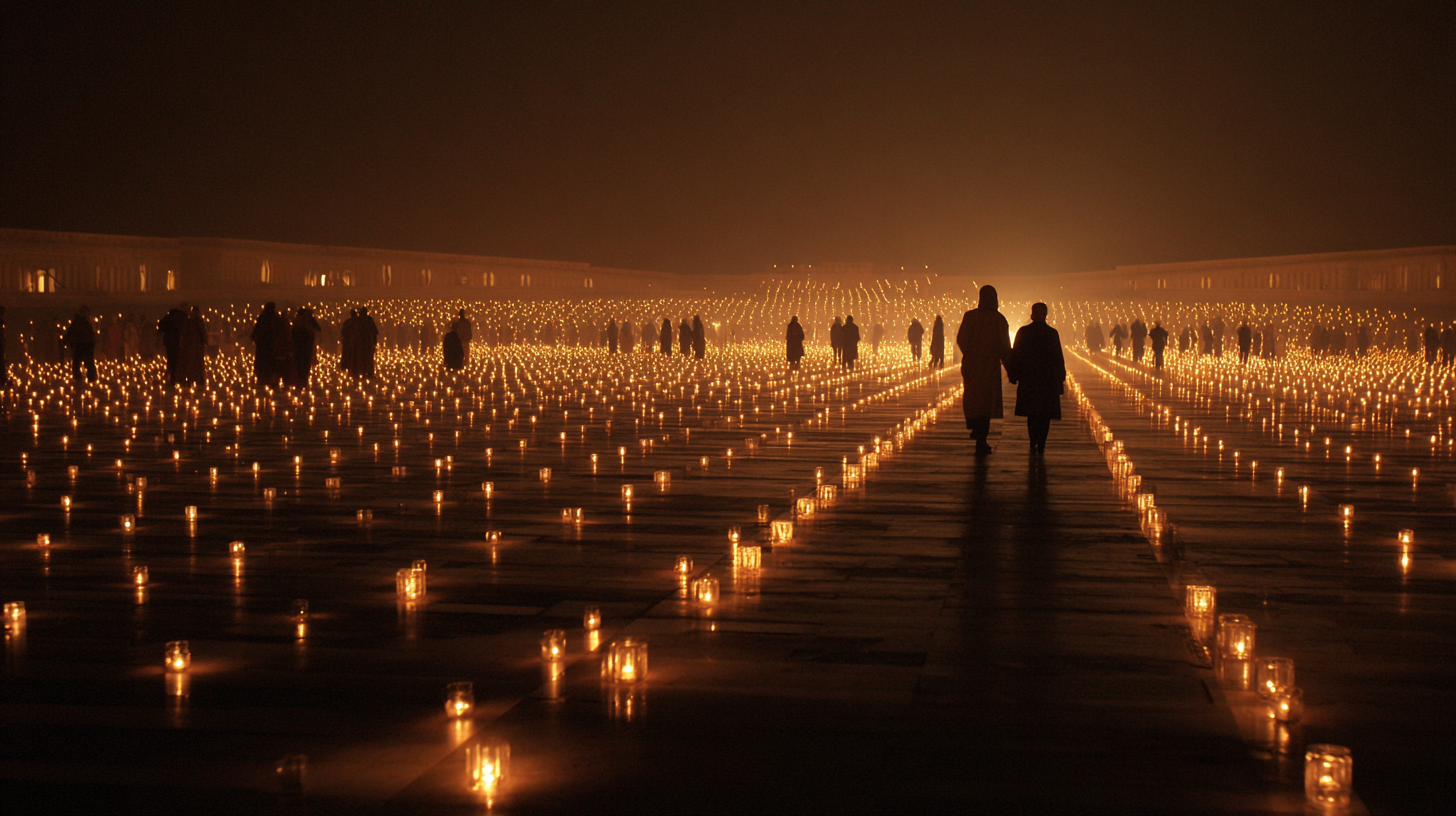
Pilgrims arrive from every corner of the world. Some walk on foot for days; others travel in quiet contemplation. Candles flicker along pathways, and the air carries a sense of humility that transcends language. The Basilica of Our Lady of the Rosary rises in luminous white stone, its colonnade curving like an embrace around the faithful. At night, the sanctuary glows softly, creating an atmosphere that feels both earthly and celestial.
Inside, the basilica’s serenity contrasts with the immensity outside. Light falls gently through high windows, illuminating marble surfaces worn smooth by generations of visitors. The Chapel of the Apparitions stands at the heart of the sanctuary — a simple structure built over the site of the children’s visions. In its simplicity lies its power: a reminder that faith often begins in quiet places, with ordinary lives touched by extraordinary moments.
Fátima represents not only devotion but transformation. It is a place where personal stories and collective belief intertwine, where silence speaks more loudly than words, and where light seems to carry the weight of prayer.
Batalha: A Gothic Vision of Stone, Memory, and the Portuguese Soul
Traveling from Fátima toward the interior, the landscape opens into fields and small villages before revealing one of Portugal’s greatest architectural achievements. The Monastery of Batalha rises from the earth like a vision in carved stone — a masterpiece of Gothic and Manueline architecture created in gratitude for victory at the Battle of Aljubarrota in 1385. Its walls are a chronicle of independence, artistry, and devotion.

Approaching the monastery, visitors encounter an intricate façade alive with sculpted figures, pinnacles, and tracery. Sunlight shifts across its surface, revealing delicate carvings that seem almost weightless despite the structure’s monumental presence. Inside, soaring vaulted ceilings draw the eye upward, creating a space where architecture becomes a form of silent prayer.
The cloisters offer a different kind of beauty — one defined by balance and contemplation. Arched walkways surround a garden where the interplay of shadow and light feels meditative. The Unfinished Chapels, open to the sky, reveal a dream frozen in time: an ambitious royal mausoleum left incomplete, its soaring walls framing the shifting clouds. Standing here, one feels connected not only to history but to the timeless pursuit of beauty and spiritual elevation.
Batalha is more than a monastery; it is a testament to Portugal’s capacity for creating monuments that express both national pride and spiritual aspiration. It invites reflection on how faith can be carved into stone, preserved through centuries, and still speak to the present.
Tomar: The Convent of Christ and the Mystique of the Templars
Further inland lies Tomar, a town shaped by river, forest, and a history unlike any other in Portugal. The Convent of Christ dominates its hilltop — a vast complex that was once a stronghold of the Knights Templar. Walking through its gates feels like stepping into a tapestry where mysticism, power, and faith overlap across centuries.
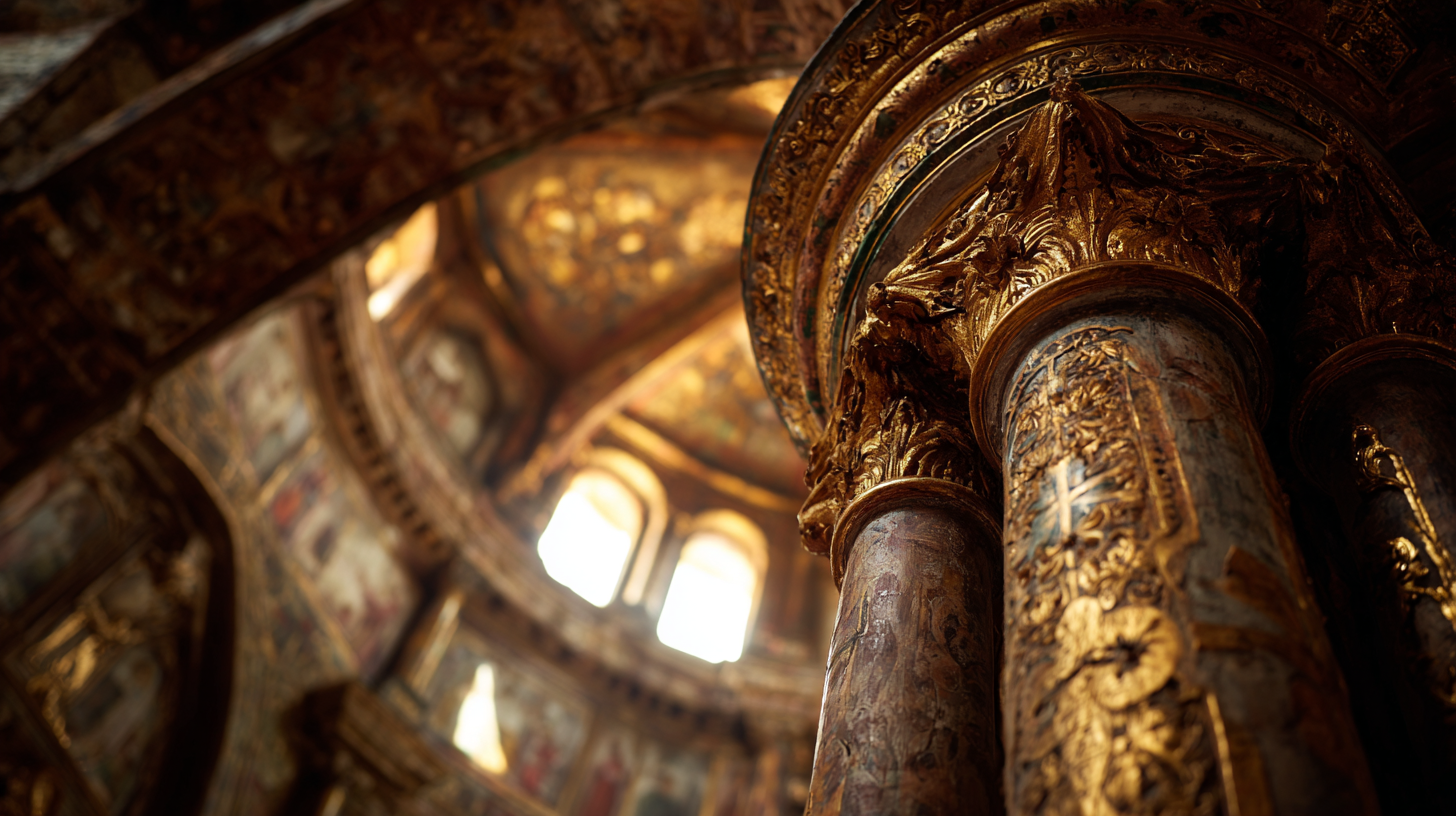
At the heart of the convent is the Charola, the Templars’ round oratory. Its circular form reflects ancient symbolism, while its painted columns, gilded figures, and richly adorned dome create an atmosphere that merges the sacred with the enigmatic. Light flows through narrow windows, illuminating frescoes that survive as whispers of medieval devotion.
Moving deeper into the complex reveals layers of architecture shaped by different eras. Cloisters unfold in geometric harmony, each one reflecting the aesthetics of its time — Renaissance elegance, Manueline exuberance, or the minimalism of earlier centuries. Hallways echo faintly, and courtyards offer moments of stillness where the breath of the past feels almost tangible.
The Convent of Christ embodies the fusion of spiritual ambition and historical transformation. From Templars to the Order of Christ — the organization that supported Portugal’s maritime explorations — the site reflects an evolving understanding of faith as both mystical pursuit and cultural endeavor. Tomar is a reminder that sacred spaces often contain more than devotion; they hold secrets, transitions, and stories layered across time.
Belém: Jerónimos Monastery and the Spiritual Echo of the Age of Discoveries
In Lisbon’s riverside district of Belém stands the Jerónimos Monastery — a monument that unites spirituality with Portugal’s seafaring legacy. Commissioned in honor of Vasco da Gama’s voyage, it represents both gratitude and ambition, capturing the essence of a nation poised between land and sea.

The monastery’s façade reveals the height of Manueline artistry: rope motifs, coral-like patterns, maritime emblems, and finely carved portals that merge faith with the imagery of exploration. Entering the church, visitors are greeted by a forest of slender columns branching into a magnificent vault, creating a space that feels lifted toward the heavens by the lightness of stone.
The cloisters, bathed in warm Lisbon light, form one of the most serene spaces in Portugal. Their symmetry, lace-like carvings, and gentle arches invite reflection on the spiritual dimension of discovery — not as conquest, but as an encounter with the vastness of the world. The tombs of poets and navigators rest here, symbolizing the intertwining of artistic spirit and exploratory courage.
Belém’s monastery embodies a worldview in which faith, imagination, and curiosity are inseparable. Standing in its courtyards, one senses how Portugal’s sacred spaces often look outward — toward the horizon, the unknown, and the infinite.
Alcobaça: A Monastery of Stone, Silence, and Human Emotion
North of Lisbon, in a valley softened by orchards and rolling hills, the Monastery of Alcobaça offers a different expression of sacred architecture — one defined by austerity, balance, and emotional depth. Founded by Cistercian monks in the 12th century, the monastery reflects their devotion to simplicity and contemplation.

The nave is vast yet unadorned, illuminated by pale light streaming through tall windows. The absence of extravagance creates a purity of space where even footsteps sound reverent. The atmosphere feels deeply human, shaped not by ornate detail but by proportion, silence, and architectural clarity.
The monastery holds one of Portugal’s most poignant stories: the tombs of King Pedro I and Inês de Castro. Positioned across from each other so the lovers would meet face-to-face on Judgment Day, their marble sarcophagi are carved with scenes of devotion and tragedy. Their presence transforms Alcobaça into a sanctuary not only of faith but of enduring human emotion — a place where love, loss, and memory become part of the spiritual landscape.
Alcobaça reminds visitors that sacred spaces can be powerful not because of complexity, but because of stillness. It is a monastery that speaks in quiet tones, inviting reflection on the profound simplicity of devotion.
Braga: The Oldest Heart of Faith in the North
In the north, Braga stands as one of the oldest centers of Christianity on the Iberian Peninsula. Its religious life is reflected in centuries of churches, sanctuaries, and sacred traditions that continue to shape the city’s identity. Walking through Braga, one senses the coexistence of ancient devotion and youthful energy, where spiritual history intertwines with modern life.

At the center stands Braga Cathedral, a structure whose layers reveal the transformations of Portuguese religious art — Romanesque foundations, Gothic chapels, baroque organs, and cloisters that open into shaded gardens. The cathedral is not a museum but a living space of worship, where rituals continue much as they did centuries ago.
Nearby, the Sanctuary of Bom Jesus do Monte rises above the city, accessible by a monumental baroque staircase. Pilgrims ascend its terraces slowly, pausing at landings adorned with fountains, sculptures, and chapels. At the summit, the sanctuary opens onto a panoramic view that blurs the line between earth and heaven. The landscape itself becomes part of the spiritual journey.
Braga expresses a form of faith shaped by continuity — not frozen in time, but carried forward by generations who see religion as an integral part of community and identity.
Conclusion
Portugal’s sacred spaces reveal a country where spirituality permeates everything — from monumental monasteries to small rural chapels, from mountain sanctuaries to riverside cloisters. Each site offers a different window into how faith has shaped the nation’s soul. These places are not relics of the past; they are living landscapes where history and devotion continue to coexist.
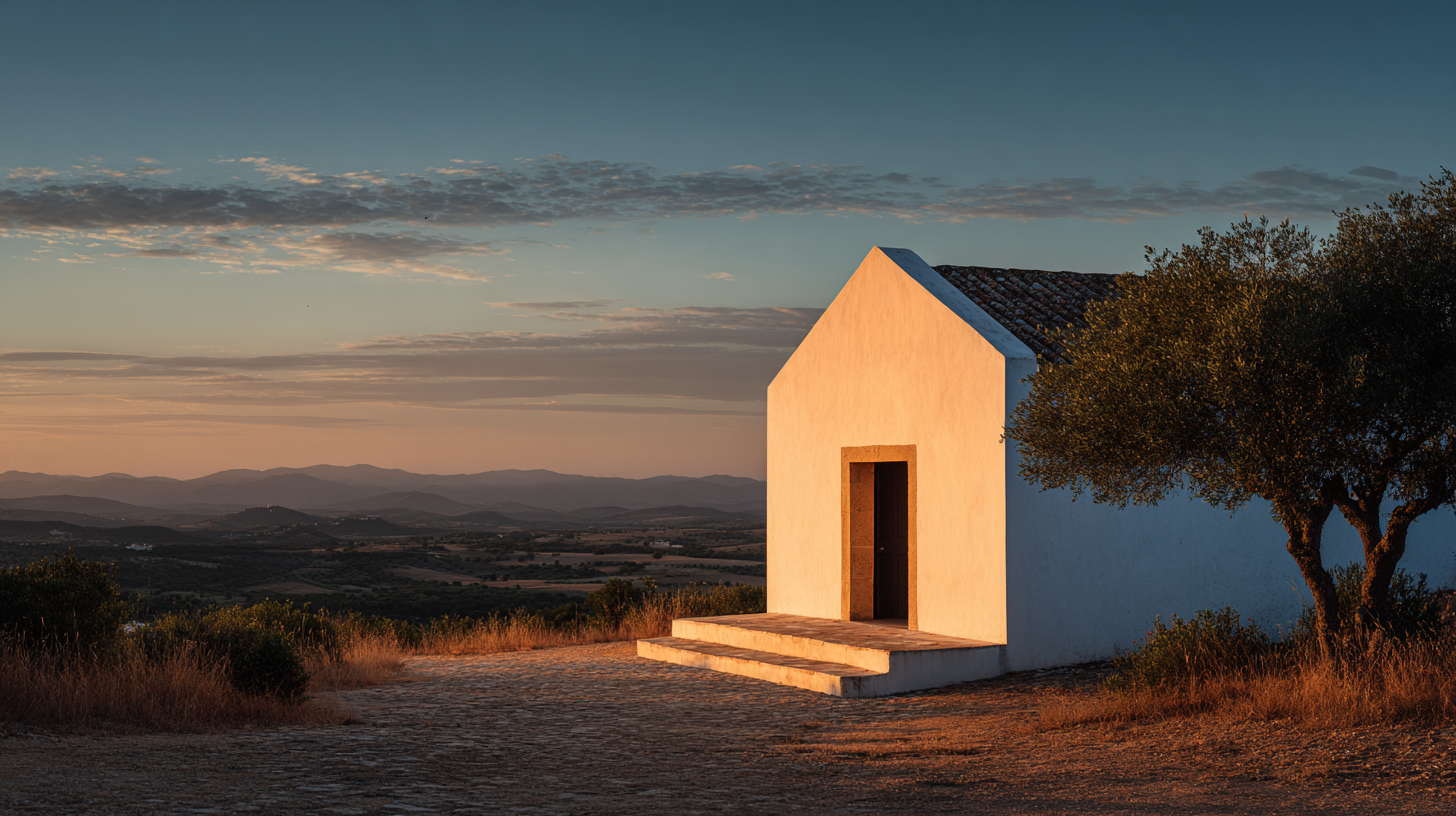
To walk through Portugal’s religious heritage is to encounter silence and grandeur, mystery and clarity, human stories and divine aspirations. It is to feel the weight of centuries carried lightly on sunlight and stone. Whether standing in the open expanse of Fátima, beneath the arches of Batalha, within the mysterious Charola of Tomar, or in the serene halls of Alcobaça, visitors discover a country whose identity is inseparable from its sacred spaces.
This pilgrimage does not end with the journey; it stays with you — a constellation of impressions, echoes, and quiet revelations that illuminate the path long after leaving Portugal’s holy ground.
For official information on visiting sacred sites, see Visit Portugal, the national tourism authority.