
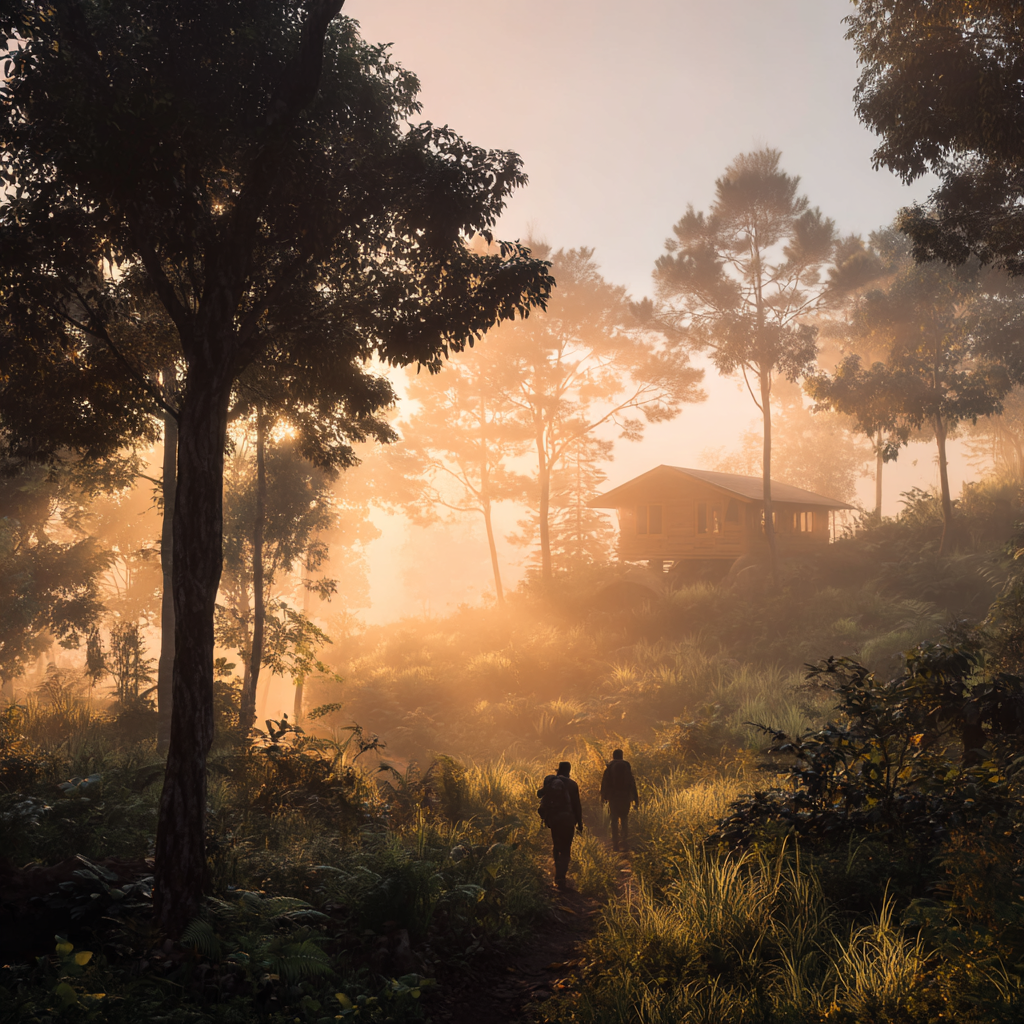
Eco Tourism in Portugal: A Journey Through Its Greenest Landscapes
Eco tourism in Portugal is rooted in the country’s deep connection to nature. From Atlantic islands shaped by volcanic fire to rolling plains dotted with cork oaks, from river valleys carved by centuries of rainfall to remote coastal sanctuaries where migratory birds rest between continents — Portugal’s landscapes offer an extraordinary variety of ecosystems. As global attention shifts toward sustainability and responsible travel, the country has quietly emerged as one of Europe’s most thoughtful green destinations.
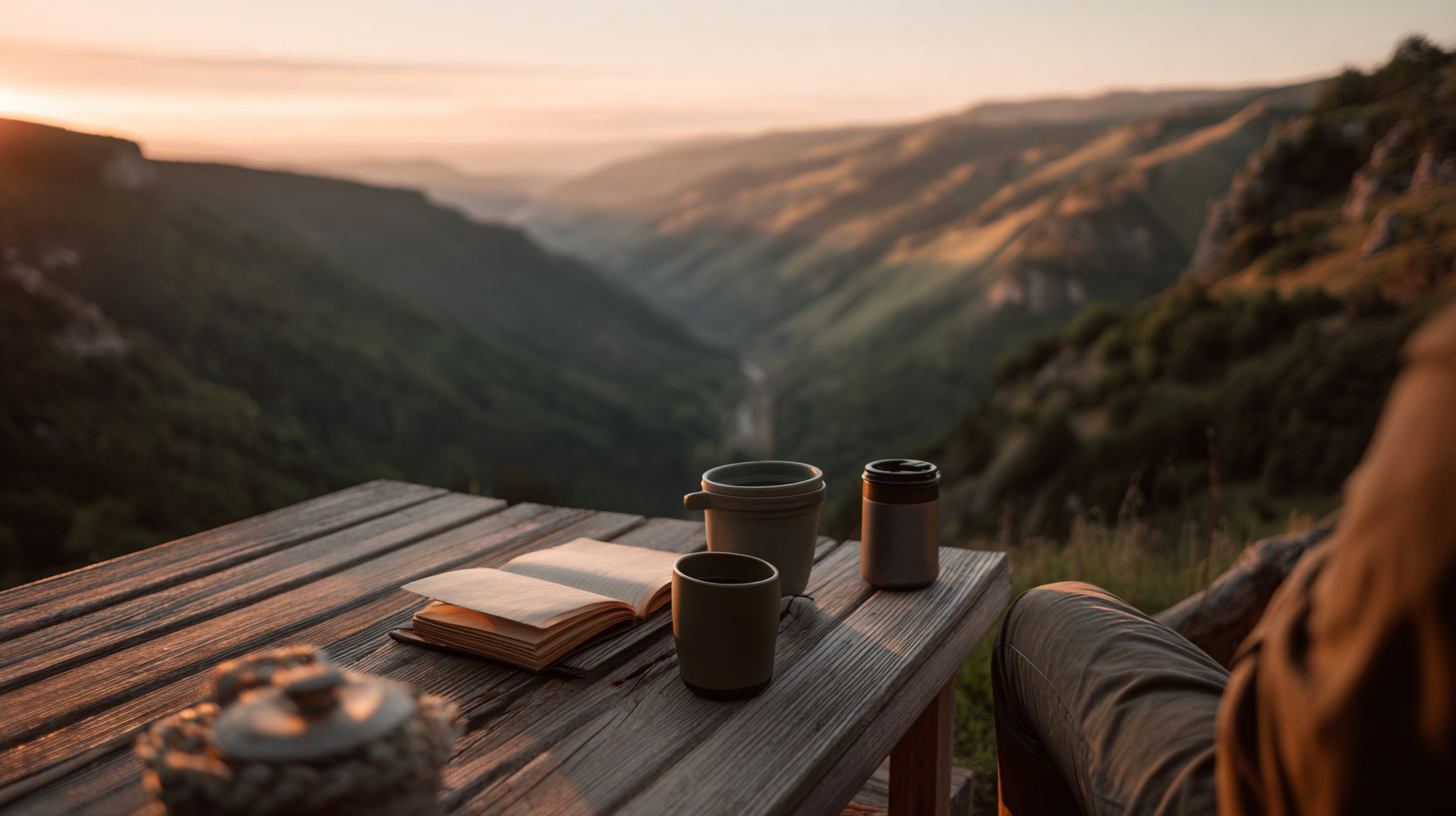
Travelers who seek connection with nature rather than spectacle find a sense of balance here. Eco-lodges rise gently from forest edges, vineyards operate in harmony with soil health, and protected parks preserve both wildness and tradition. Exploring Portugal through sustainable travel reveals not only scenic beauty but also a deeper understanding of how human presence can coexist with the land. It is a journey of quiet routes, small footprints, and a slower pace that allows space for contemplation.
The Islands: Portugal’s Atlantic Sanctuaries
Few places reflect Portugal’s ecological richness as powerfully as its Atlantic islands. Madeira is one of the most iconic regions for eco tourism in Portugal, thanks to its protected forests and careful conservation practices. Here, walking paths trace ridgelines above clouds, dipping into ravines where water trickles over moss-covered stone. The island’s Laurisilva Forest, a UNESCO World Heritage site, preserves a rare ecosystem that once covered much of southern Europe. Hiking through this dense, shimmering green world is an experience shaped not just by scenery but by the quiet hum of an ancient environment still sustaining itself.

To the northeast, the Azores present a different expression of nature. Nine islands scattered across the ocean form a region where geothermal activity, deep lakes, and rugged coastlines define the landscape. Sustainable travel is woven into local life: whale-watching tours rely on scientific guidance, rural lodges operate with respect for fragile ecosystems, and volcanic fields support organic agriculture. Travelers sense the harmony between human life and natural forces — a coexistence shaped by centuries of adaptation to wind, waves, and isolation.
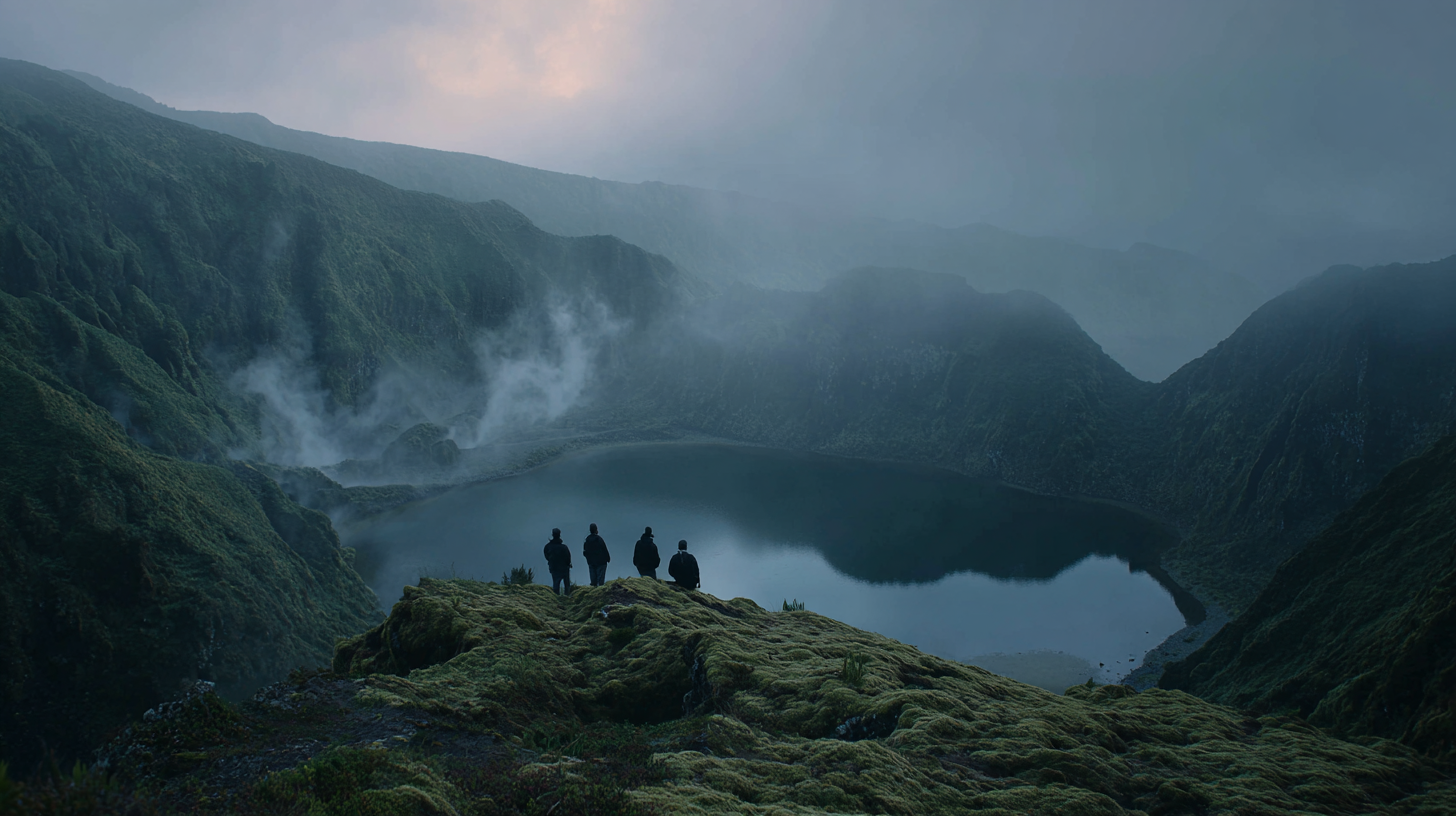
On these islands, eco-tourism is more than a philosophy; it is a way of living that honors nature’s unpredictability. Whether standing on the rim of a crater lake or exploring a lava cave shaped by ancient eruptions, visitors encounter an environment that demands awareness and care.
Northern Portugal: Rivers, Forests, and Rural Traditions
Northern Portugal offers another perspective on eco tourism in Portugal, blending rural heritage with sustainable land management. The north of Portugal offers landscapes shaped by granite mountains, fertile river valleys, and centuries-old cultural traditions tied to land and water. Peneda-Gerês National Park, the country’s only official national park, embodies this blend of wilderness and heritage. Its steep slopes are covered in oak forests, where sunlight filters through dense branches onto trails used by shepherds and wildlife alike. Wolves roam the more remote areas, while wild horses graze near freshwater streams that carve through the terrain.
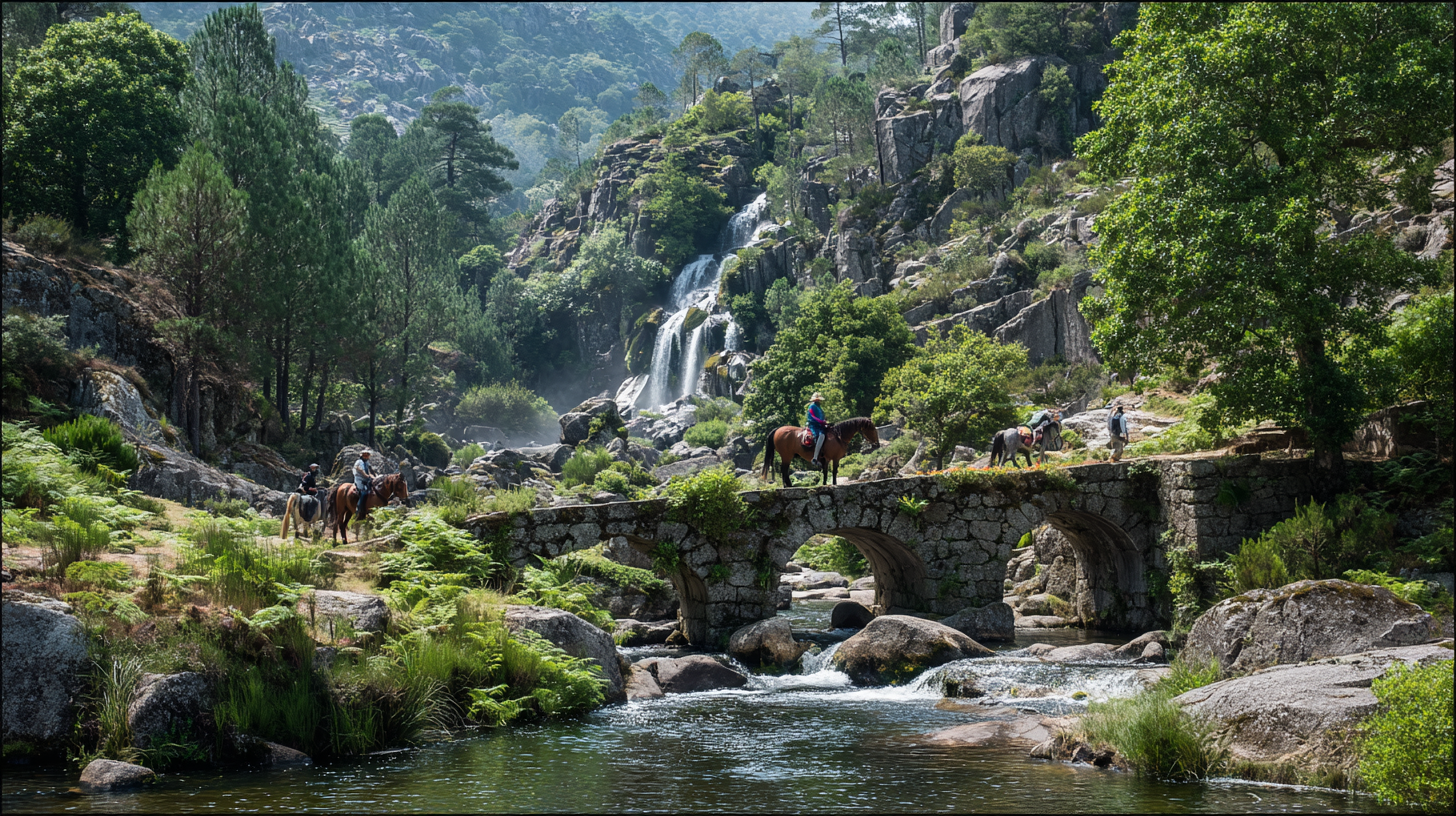
Sustainable tourism here unfolds at a gentle pace. Small guesthouses operate within restored granite homes, meals are prepared from local produce grown in terraced fields, and village cooperatives preserve traditional crafts and agricultural practices. Walking through the park’s historic villages reveals stone granaries, ancient Roman roads, and quiet plazas where residents preserve a lifestyle resilient to modern pressures.
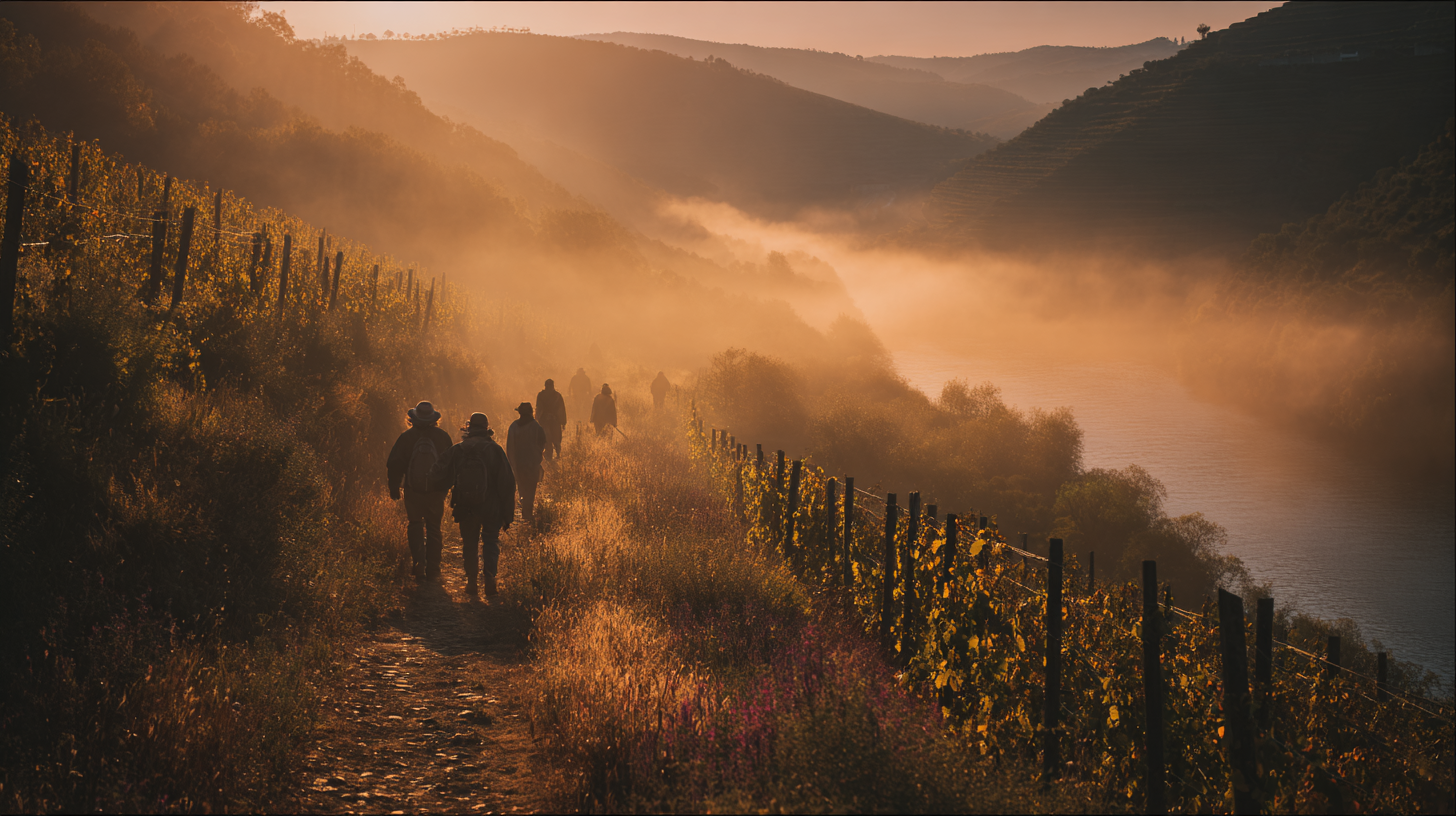
Along the green banks of the Minho and Douro rivers, vineyards cultivate grapes for Vinho Verde and Port wines. Increasingly, wineries adopt organic and regenerative methods that enrich soil and reduce water waste. Eco-lodges built among vine rows offer travelers a deeper connection to agricultural landscapes, where the rhythm of harvest dictates local life. Northern Portugal demonstrates how rural heritage and ecological responsibility can blend seamlessly, creating a model for sustainable cultural tourism.
Related: Portuguese Traditional Crafts – A Journey Through Heritage
Central Portugal: Mountains, Thermal Springs, and Forest Recovery
Central Portugal is defined by contrasts: the granite peaks of the Serra da Estrela, the sweeping pine forests of the interior, and the fertile river valleys that shape the region’s agricultural traditions. Travelers who explore the Serra da Estrela encounter high-altitude meadows, glacial lagoons, and rocky escarpments shaped by ice thousands of years ago. The clean air and vast skies give the region a sense of openness that encourages reflection.
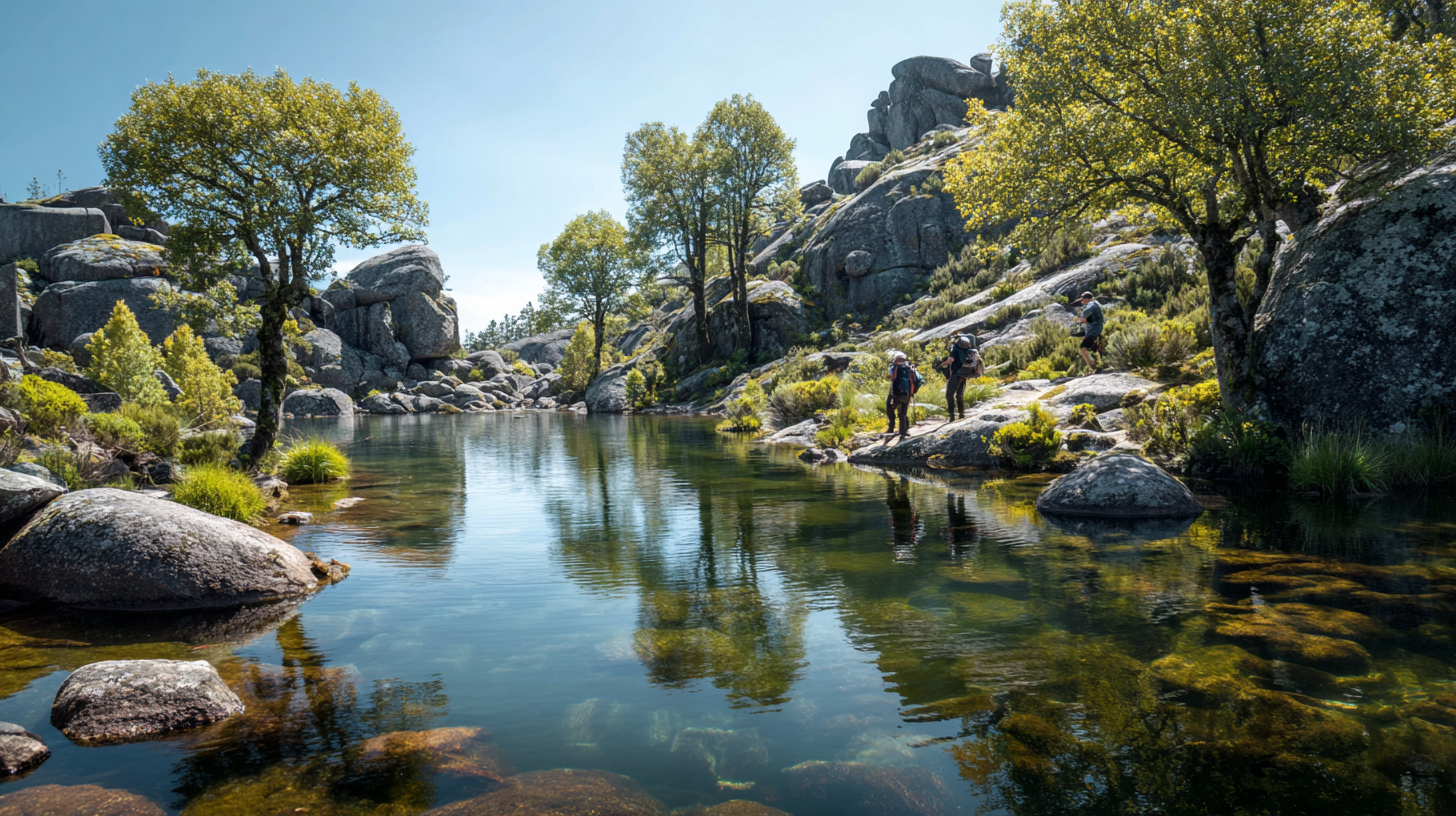
Eco-tourism here often revolves around conservation and recovery. After devastating wildfires in recent decades, many communities have rebuilt forests with native species, creating landscapes that heal and regenerate. Walking trails lead through areas where young oak and chestnut trees now stand as symbols of restoration. Local shepherding traditions remain alive, and handmade cheeses from Serra da Estrela sheep form an essential part of the region’s identity. Travelers who participate in agricultural workshops or conservation activities gain an intimate understanding of how nature and livelihood intertwine.
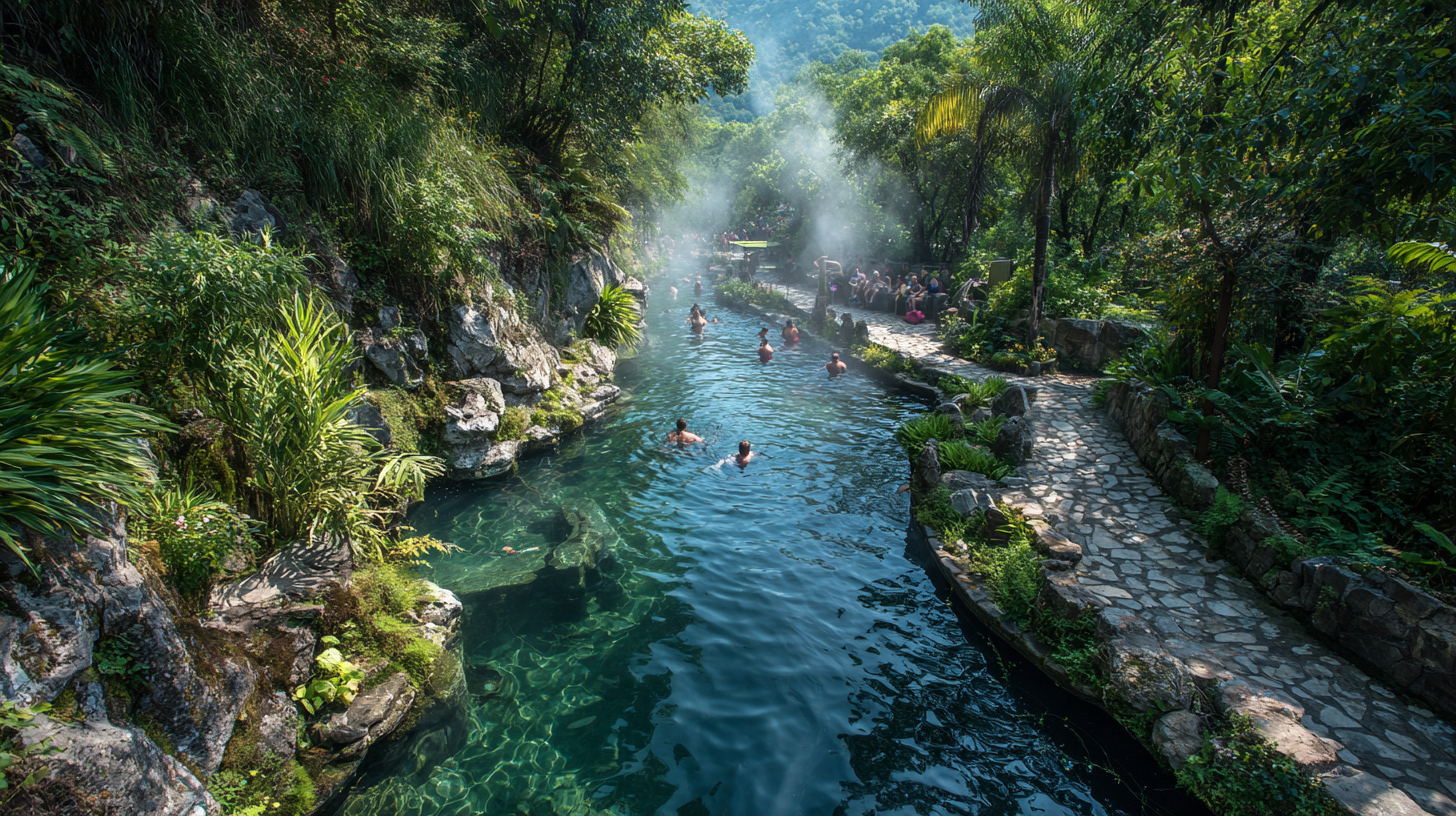
Thermal towns such as São Pedro do Sul illustrate another facet of sustainability — the careful use of natural geothermal resources. Hot springs that once served Roman soldiers now host wellness retreats that focus on balance and minimal environmental impact. These spaces offer a slower, contemplative approach to travel, emphasizing the restorative power of nature in its purest form.
Alentejo: Slow Landscapes of Cork Forests and Open Horizons
South of the central mountains lies Alentejo, a region where the landscape stretches into open horizons and time seems to slow with the heat of the afternoon sun. Here, montado forests — ancient groves dominated by cork oaks — form one of Europe’s most important agro-forestry systems. These woodlands support biodiversity, prevent soil erosion, and sustain rural communities whose livelihoods depend on cork harvesting, olive cultivation, and small-scale farming.
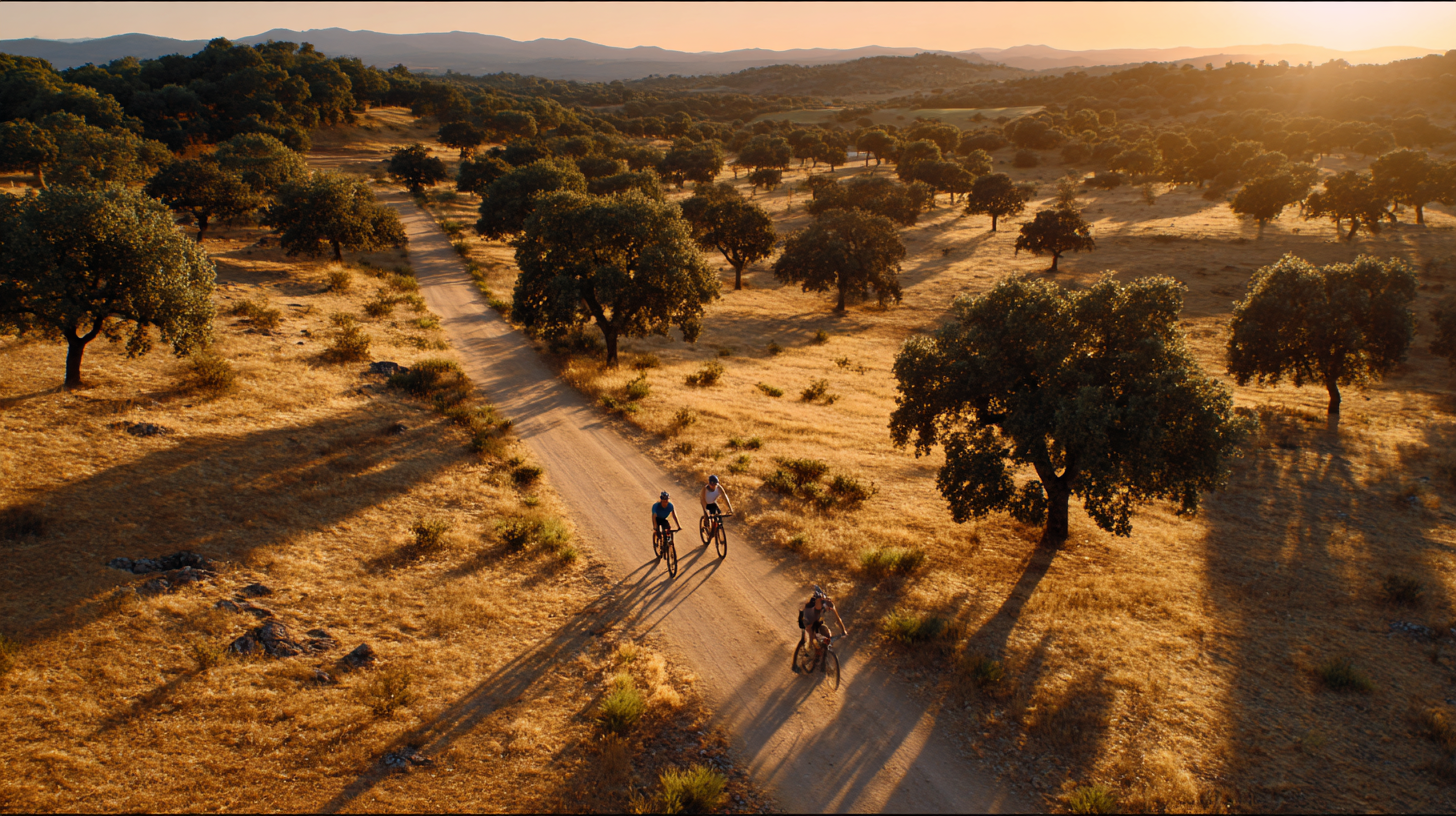
Eco-tourism in Alentejo thrives on simplicity. Travelers stay in restored farmhouses surrounded by golden fields, waking to birdsong and the scent of wild herbs carried by the wind. Meals feature local ingredients: bread baked in wood ovens, cheeses shaped by small dairies, wines from family vineyards, and olive oil pressed from groves that have stood for centuries.
Exploring Alentejo through sustainable travel reveals a world where tradition and ecology coexist without conflict — a model of environmental harmony that continues to inspire conservation efforts across the Iberian Peninsula.
The Algarve: Wild Coasts Beyond the Tourist Centers
While the Algarve is widely known for its beaches and resorts, the region holds a more subtle, wilder side that often surprises travelers. The western and southern coasts, shaped by Atlantic winds, feature rugged cliffs, intimate coves, and protected marine zones where human activity is carefully regulated. Walking along the cliffs near Sagres — once believed to be the edge of the world — reveals dramatic views of waves pounding against limestone formations sculpted by centuries of erosion.

Ria Formosa, a vast lagoon system on the eastern Algarve, showcases one of Portugal’s most important coastal ecosystems. Its labyrinth of channels, marshlands, and barrier islands provides habitat for migratory birds, seahorses, shellfish, and numerous marine species. Sustainable tourism here focuses on education and preservation. Kayaking through quiet channels or walking along boardwalks gives travelers the opportunity to observe wildlife without disturbing delicate habitats.
Small fishing communities continue to live in harmony with tidal cycles, relying on traditional methods passed down through generations.

Inland, the Algarve reveals a different identity — rolling hills, orange groves, cork forests, and small whitewashed villages that remain largely untouched by mass tourism. Eco-lodges built with natural materials offer a peaceful retreat from the coastline, and walking trails through these rural areas highlight the region’s agricultural heritage. The Algarve’s sustainable side invites travelers to slow down and appreciate the subtle beauty hidden behind its more famous attractions.
The Atlantic Coast: Windswept Dunes and Marine Life
Stretching north from Lisbon, Portugal’s Atlantic coast features long beaches bordered by shifting dunes, pine forests, and lagoons shaped by the sea’s constant movement. These dynamic landscapes are some of the country’s most fragile, requiring careful management to prevent erosion and preserve wildlife. Protected areas such as the Dunas de São Jacinto and the Sudoeste Alentejano e Costa Vicentina Natural Park illustrate how conservation and tourism can coexist.
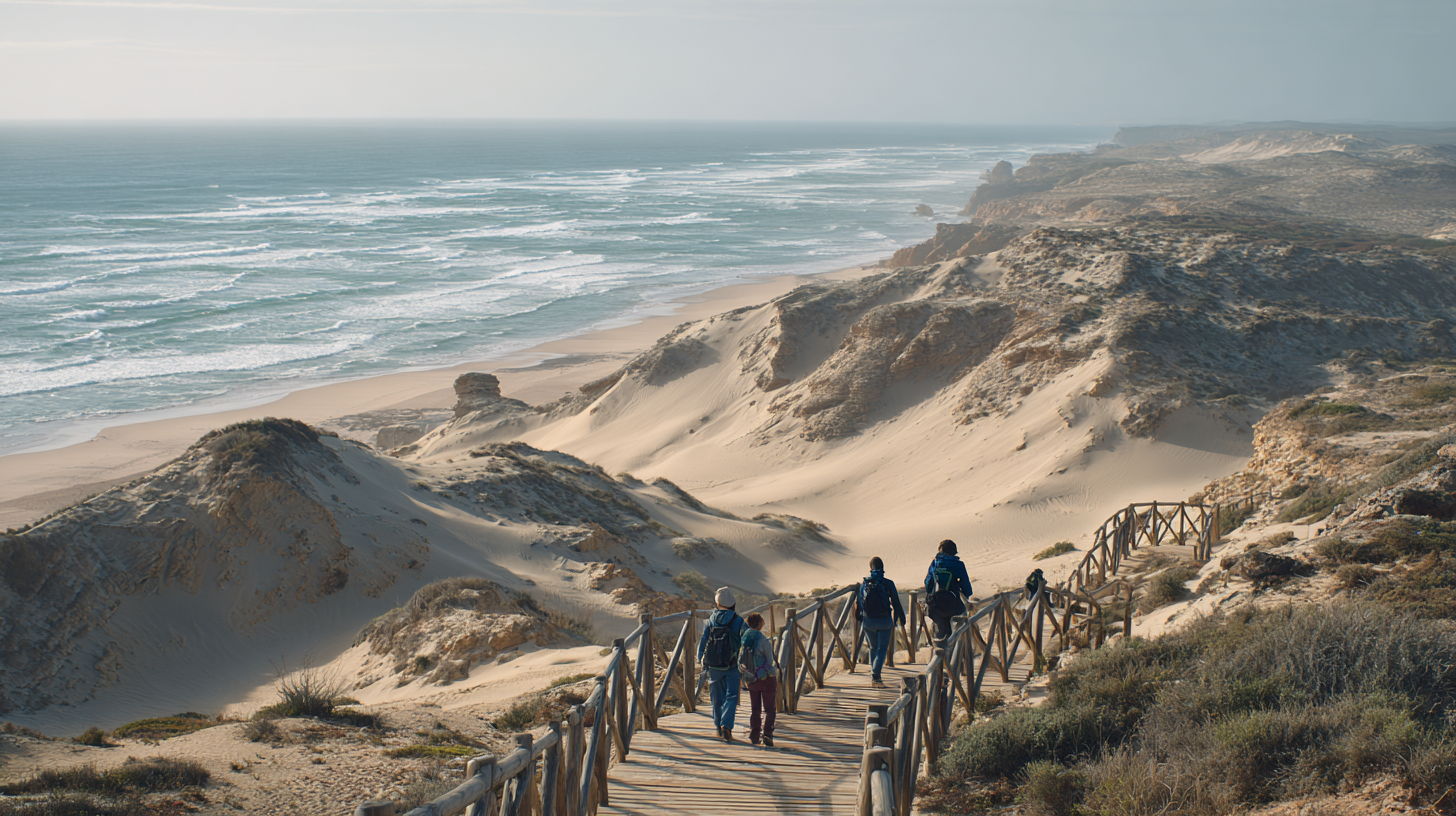
The Costa Vicentina, in particular, offers an untouched coastal wilderness where dramatic cliffs, wild beaches, and steep hiking trails create one of Europe’s most striking natural coastlines. Here, peregrine falcons nest in rocky outcrops, fishermen continue ancient cliff-fishing traditions, and windswept paths reveal panoramic views of the Atlantic stretching endlessly toward the horizon.
Marine conservation plays a major role in eco-tourism along the coast. Whale and dolphin-watching tours increasingly follow strict guidelines to protect behavior patterns, and surf schools concentrate on environmental stewardship by cleaning beaches and promoting sustainable practices. The Atlantic coast reminds travelers of the power of wild waters and the responsibility necessary to preserve these ecosystems.
Évora and the Interior: Cultural Heritage in Balance with Nature
In the heart of the Alentejo region lies Évora, a city where Roman temples, medieval walls, and Baroque churches blend seamlessly with the surrounding countryside. The region’s eco-tourism efforts emphasize cultural preservation alongside environmental protection. Rural estates, known as herdades, operate as both farms and eco-retreats, maintaining traditional agricultural methods while hosting visitors seeking immersion in quiet landscapes.
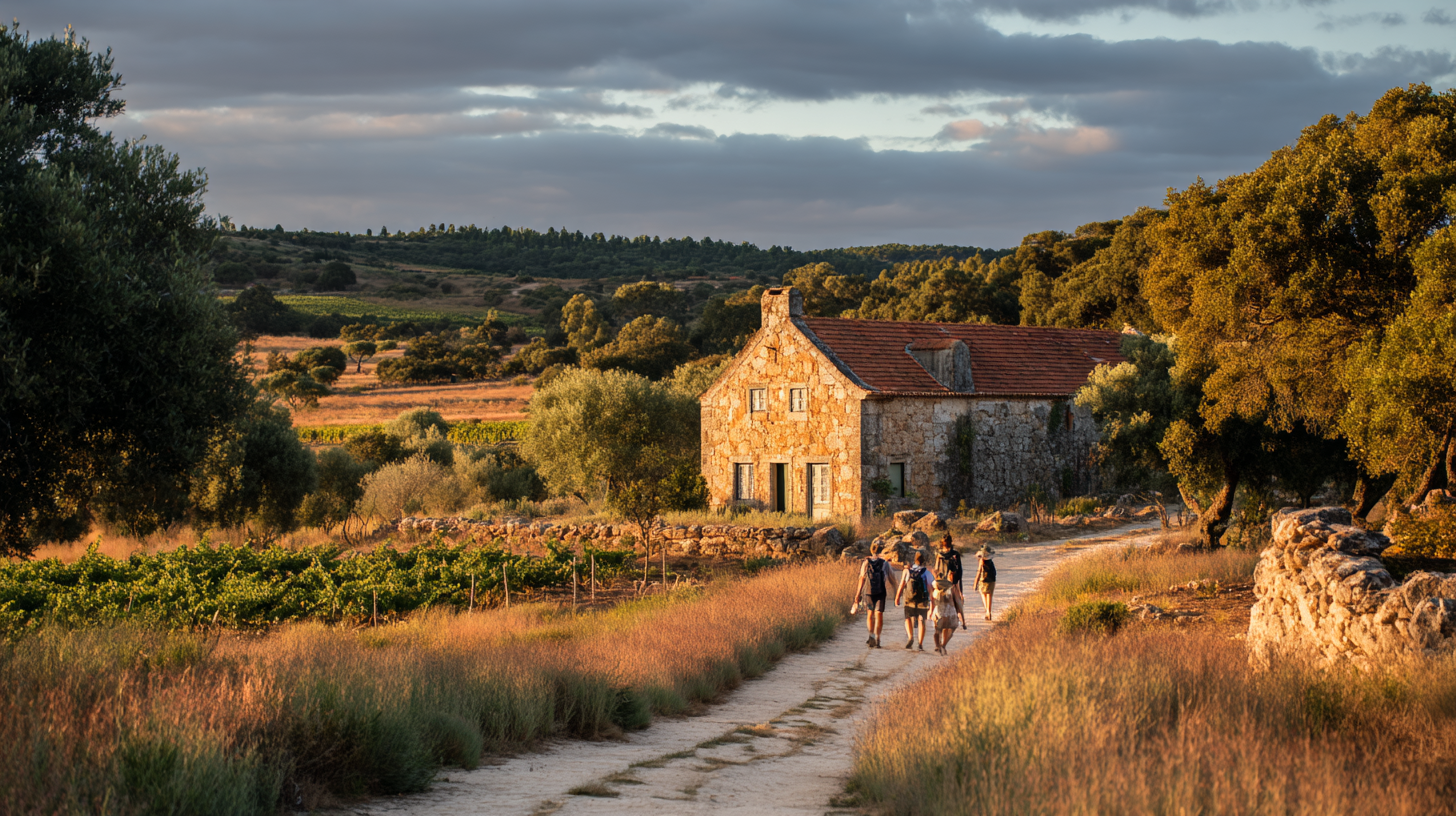
Beyond Évora, the region’s interior is dotted with megalithic sites, cork groves, vineyards, and small villages where the pace of life is shaped by the sun and seasons. Travelers can explore trails that lead through olive fields, past stone houses built into hillsides, or toward rivers where otters and kingfishers thrive. The combination of cultural heritage and natural preservation makes the interior of Portugal a meaningful destination for those who prefer a contemplative form of travel.
Here, sustainability is not a trend but a continuation of centuries-old customs. Livestock grazes freely beneath cork trees, vegetable plots follow seasonal cycles, and rural families maintain practices that reflect deep respect for land and climate. Travel through this region reveals how ecological balance can be achieved through continuity rather than change.
Lisbon and Porto: Urban Landscapes Reimagined Through Sustainability
Even Portugal’s largest cities have embraced sustainability in ways that reshape how travelers experience urban life. Lisbon’s hills, once dominated by traffic, now feature expanded pedestrian zones, bike paths, and electric trams that glide through narrow streets. Rooftop gardens flourish atop historic buildings, and riverfront areas have been transformed into green spaces where joggers, birdwatchers, and families gather.

In Porto, the Douro River serves as a constant reminder of the city’s connection to nature. Redeveloped quaysides now prioritize public access, reducing car congestion and creating space for outdoor recreation. The city’s commitment to green living is visible in its parks, urban farms, and community initiatives that promote recycling and renewable energy. Even traditional wine cellars along the riverbanks incorporate sustainable technologies in production and storage.
Urban eco-tourism in Portugal does not attempt to escape the city but integrates it more peacefully with natural rhythms. Travelers experience a version of urban life that is slower, more mindful, and more connected to surrounding landscapes. Cities become ecosystems in their own right — living spaces where sustainability shapes culture as much as infrastructure.
Conclusion
Eco tourism in Portugal shows how natural beauty and traditional lifestyles can thrive alongside modern sustainability. Portugal’s approach to eco-tourism reflects a deep respect for the land and a commitment to preserving the natural and cultural heritage that defines the country. Whether wandering through the laurel forests of Madeira, exploring the volcanic heart of the Azores, hiking along the cliffs of the Costa Vicentina, or staying in the quiet of an Alentejo farmhouse, travelers encounter a nation determined to balance progress with preservation.
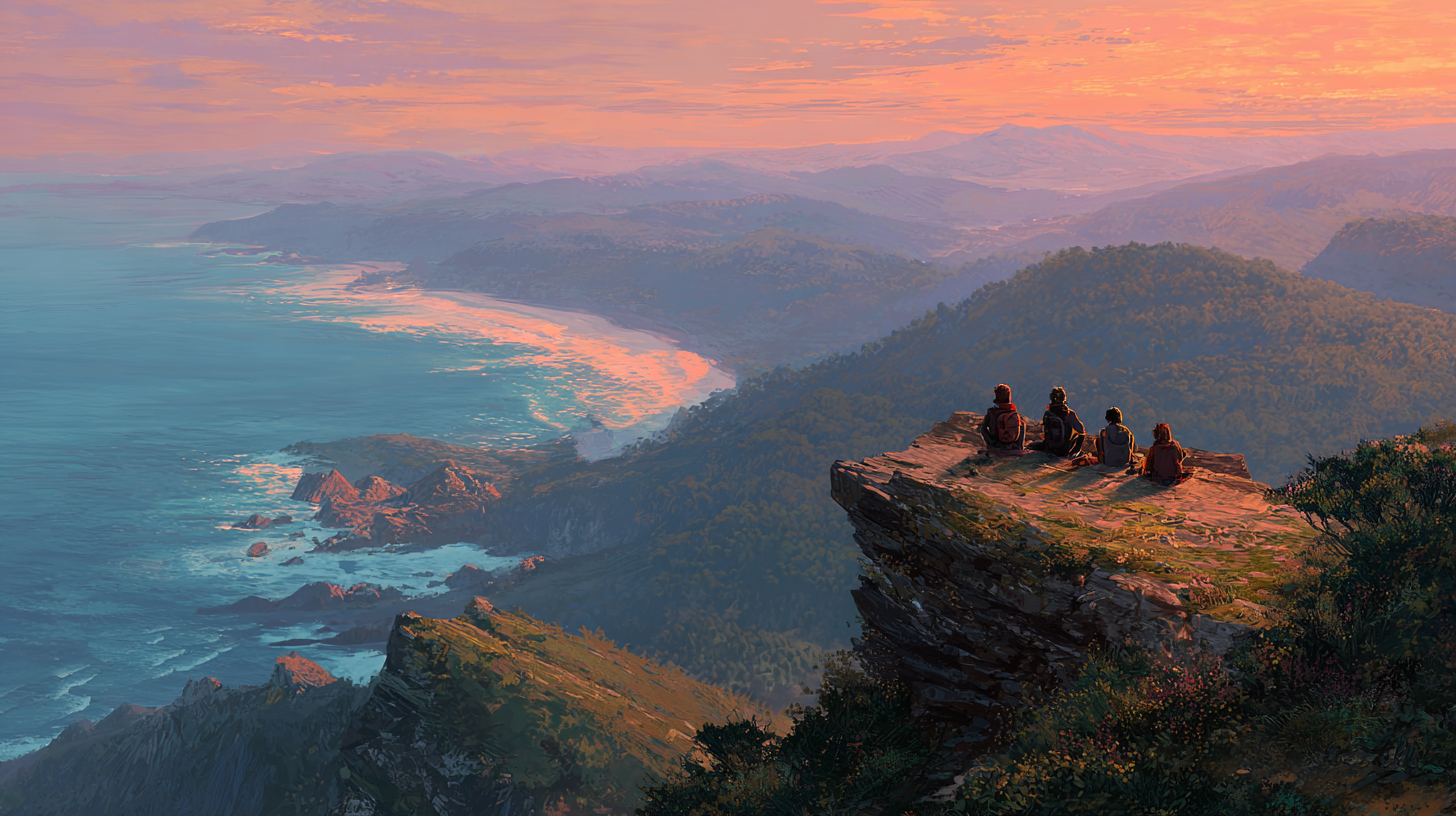
Eco-tourism in Portugal is less about avoiding impact and more about understanding connection — to landscapes, to communities, to traditions shaped by centuries of coexistence with nature. It invites travelers to slow down, to appreciate subtle beauty, and to recognize the value of sustainability not as a trend but as a guiding principle. Portugal’s green getaways reveal a country that welcomes visitors into a deeper, more thoughtful relationship with the world around them.
According to Portugal’s National Parks Authority, conservation efforts continue to guide sustainable travel across the country.