Pakistani crafts are more than aesthetic expressions — they are living memories shaped by centuries of devotion, migration, trade, and storytelling. Each craft reflects the landscapes where it was born: the deserts of Sindh, the blue-washed city of Multan, the cedar-filled valleys of Swat, the rugged mountains of Balochistan. Traveling through Pakistan feels like moving through a vast open-air museum where artisans keep ancient worlds alive with their hands. Their work is simultaneously functional, spiritual, and symbolic, carrying the essence of local identity into the modern age.
Across the country, craftsmanship is woven into daily life. On bustling bazaars, the rhythmic tap of woodcarvers blends with the chanting of vendors, while potters shape clay that has passed from one generation to the next. These crafts are not relics—they are part of Pakistan’s cultural bloodstream, connecting families, sustaining livelihoods, and preserving histories that might otherwise fade. To explore Pakistan’s crafts is to follow the pulse of the nation, guided by artisans whose skills carry centuries of collective memory.
Multani Pottery: The Blue Flame of Devotion
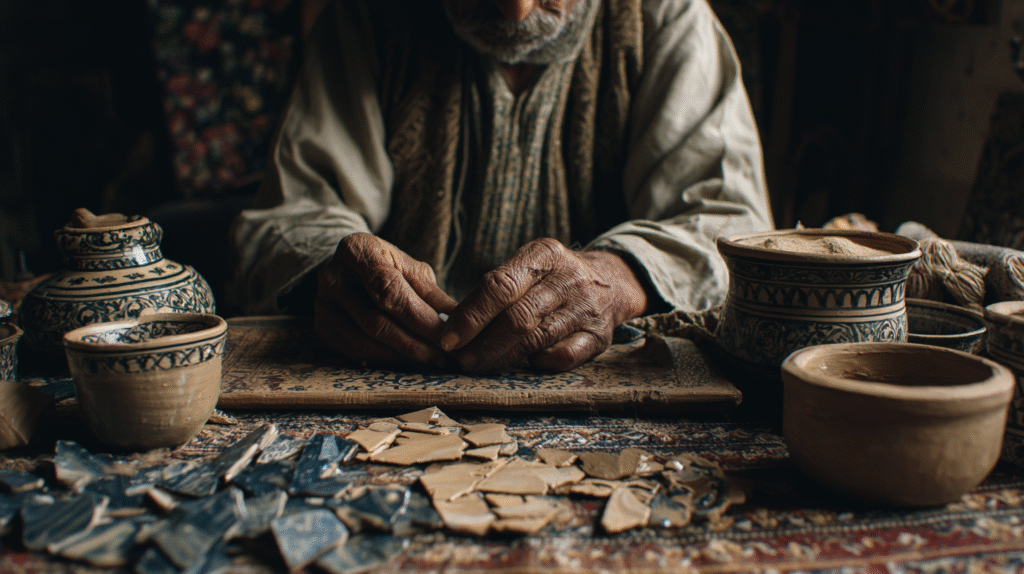
Multani pottery is one of Pakistan’s most recognizable art forms — a symphony of cobalt blue, turquoise, and white that seems to glow like a desert sky after rainfall. Rooted in centuries-old Islamic design, this tradition blends geometric balance with floral motifs influenced by Persia and Central Asia. In Multan’s old quarters, potters work in tiny workshops filled with the scent of clay and wood-fire smoke. Their kilns burn day and night, transforming raw clay into bowls, tiles, vases, and mosaic pieces decorated with hand-painted finesse.
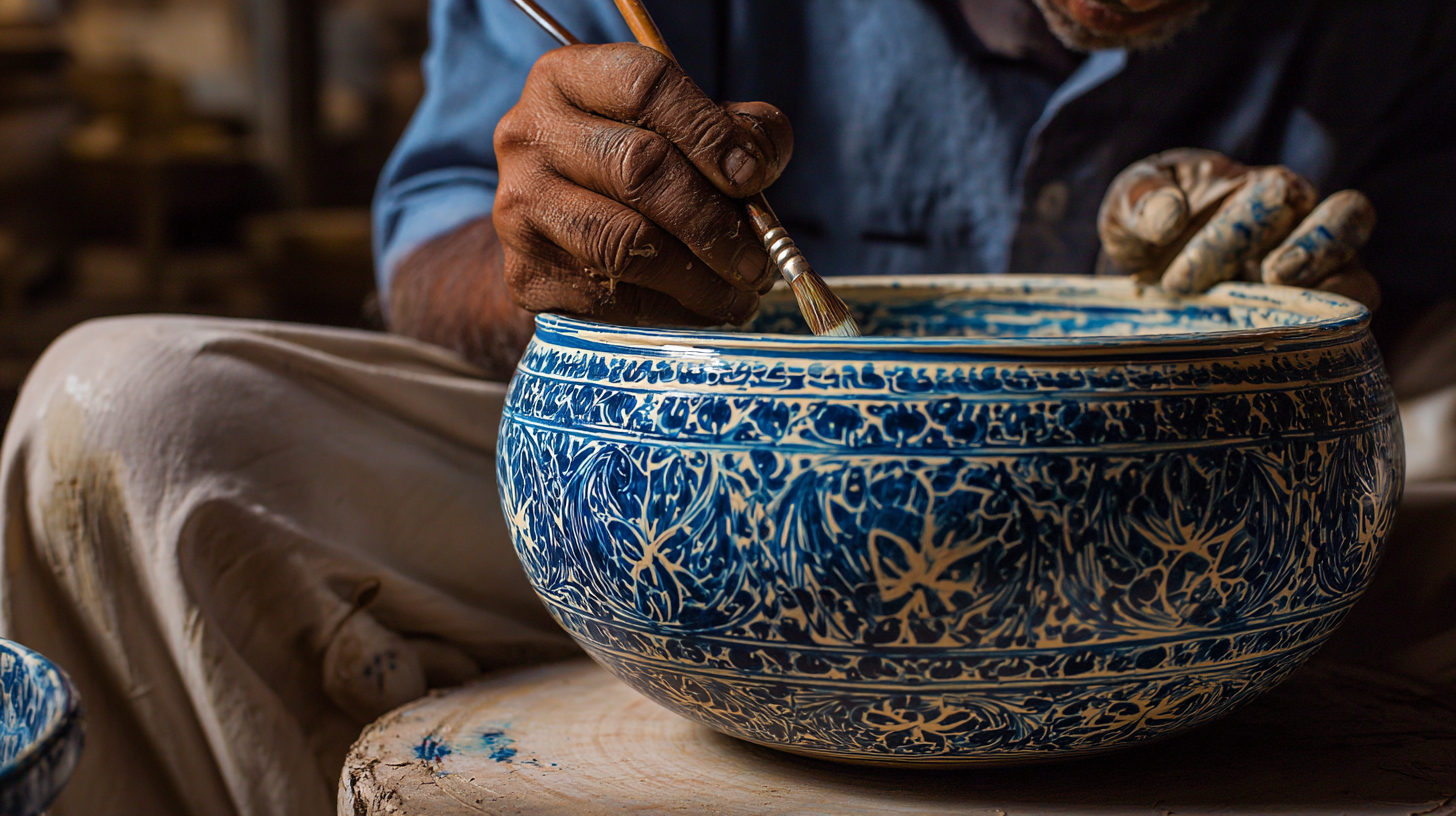
Walking through Multan’s bazaars, one is struck by the spiritual undertone that runs through the craft. Blue is not just a color — it symbolizes protection, peace, and connection to the divine; hence its presence in shrines and mosques across South Asia. The patterns evoke unity and harmony, creating an aesthetic that feels simultaneously ancient and contemporary. Multani pottery thrives because it blends artistic beauty with cultural resonance, offering travelers a tangible piece of the city’s soul.
Sindhi Ajrak: The Sacred Geometry of Sindh
Sindhi Ajrak is one of the oldest surviving textile traditions in the world, cherished by Sindhi communities for over 4,000 years. Its deep indigo, crimson, and black patterns are created through a painstaking block-printing process involving dozens of steps and entirely natural dyes. Each piece takes days or even weeks to complete, passing through cycles of printing, drying, washing, and sun exposure. The craft is almost ritualistic — a meditative sequence that mirrors the philosophical balance embodied in Ajrak’s symmetrical designs.
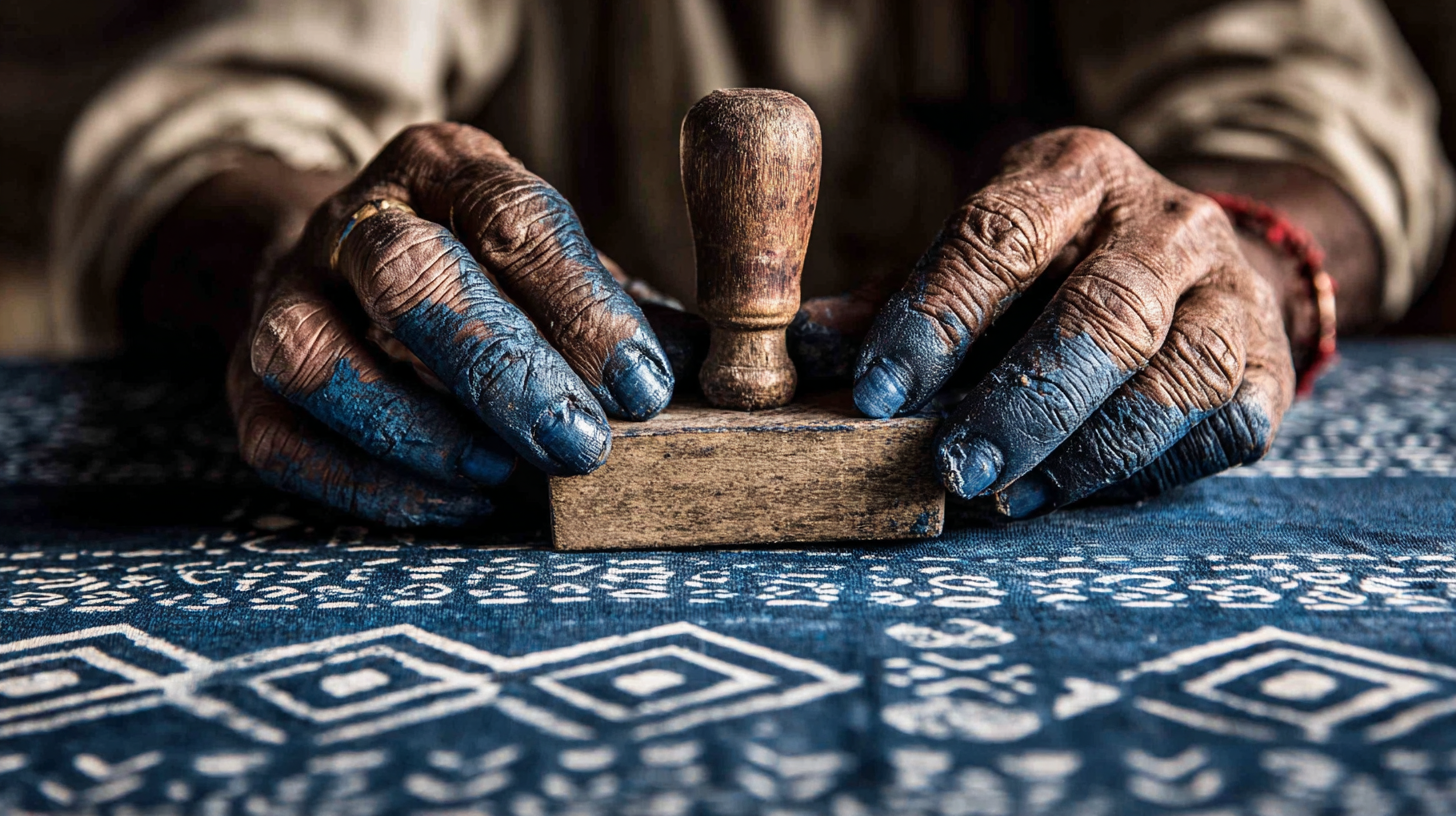
In the towns of Hala and Bhit Shah, the air hums with the sounds of artisans dipping wooden blocks into dye trays, stamping intricate geometry onto cloth spread across sunlit courtyards. Sindhi Ajrak is worn during ceremonies, festivals, and everyday life — a symbol of identity, dignity, and continuity. For travelers, witnessing Ajrak-making is an immersion into one of humanity’s oldest visual languages, where each motif carries meaning tied to nature, spirituality, and cultural memory.
Balochi Embroidery: A Language Woven in Color and Symbol
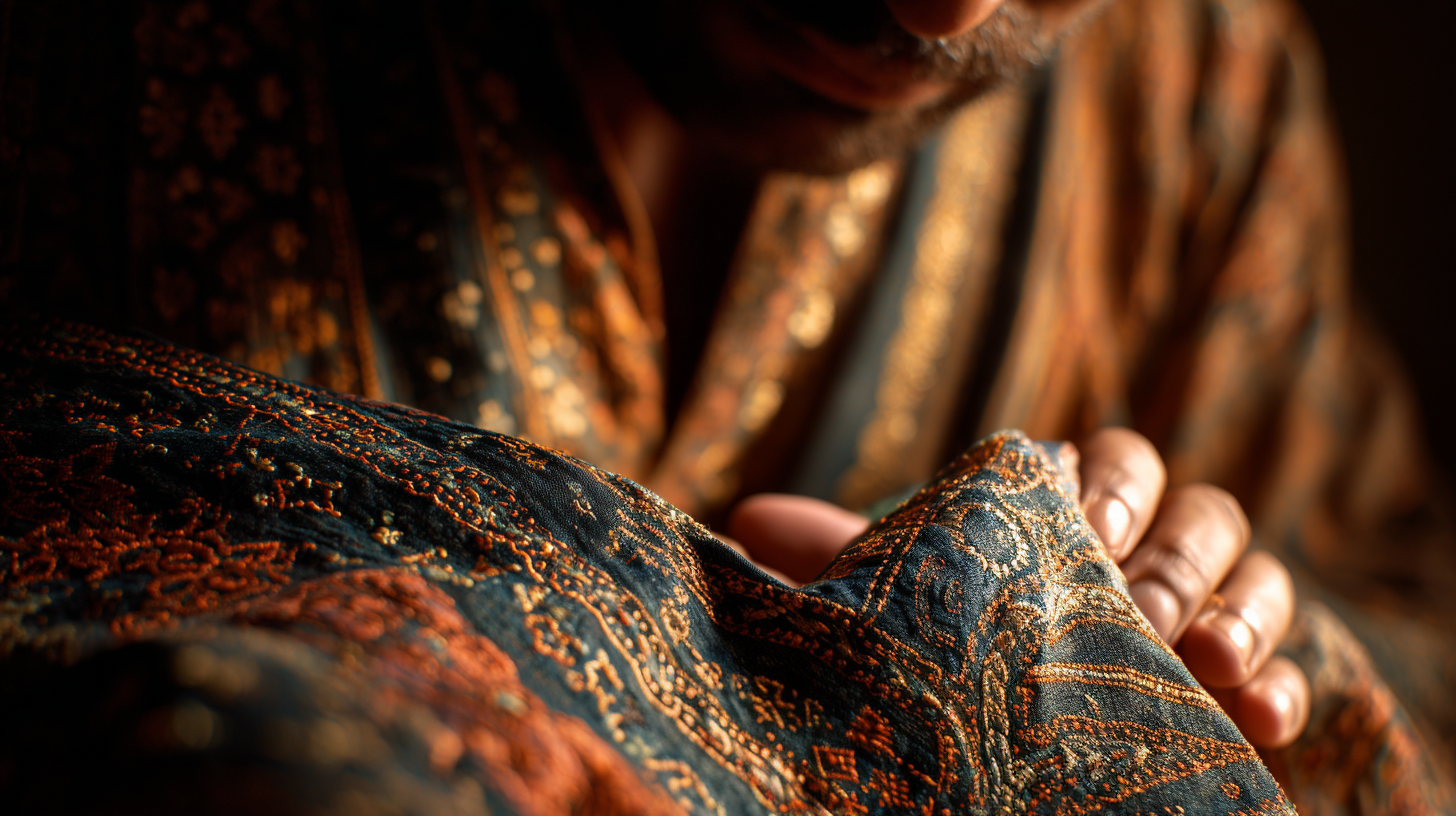
Balochi embroidery is a craft that speaks — not in words, but in symbols, patterns, and colors arranged with extraordinary precision. Every region of Balochistan has its own design vocabulary: tiny mirrors for protection, diamond grids representing ancestral paths, motifs inspired by dunes, flora, migration, and tribal allegiances. Embroidery is often done by women, who learn the technique as girls and spend years mastering stitches passed down through generations.

The artistry is as impressive as the cultural depth. Many designs are unique to specific families or clans, functioning like visual signatures stitched into fabric. In Baloch villages, the glow of lamplight often reveals women at work late into the night, completing garments for weddings, festivals, or dowries. The result is art that embodies honor, identity, and belonging. Travelers lucky enough to encounter Balochi embroidery firsthand often describe it as meeting a language written in thread — intimate, ancient, and stunningly intricate.
Swati Woodwork: Carving History Into Cedar
Swat Valley, with its lush forests and Buddhist heritage, is one of the most important centers for woodcraft in Pakistan. Artisans carve cedarwood into doors, ceilings, furniture, and architectural panels featuring rosettes, interlaced vines, and motifs echoing ancient Gandharan art. This region was once a flourishing center of Buddhist sculpture, and echoes of that past can still be seen in the serenity and flowing geometry of its designs. Today’s craftsmen continue a lineage that stretches back centuries, blending Islamic, Hindu, and Buddhist influences into uniquely Swati aesthetics.
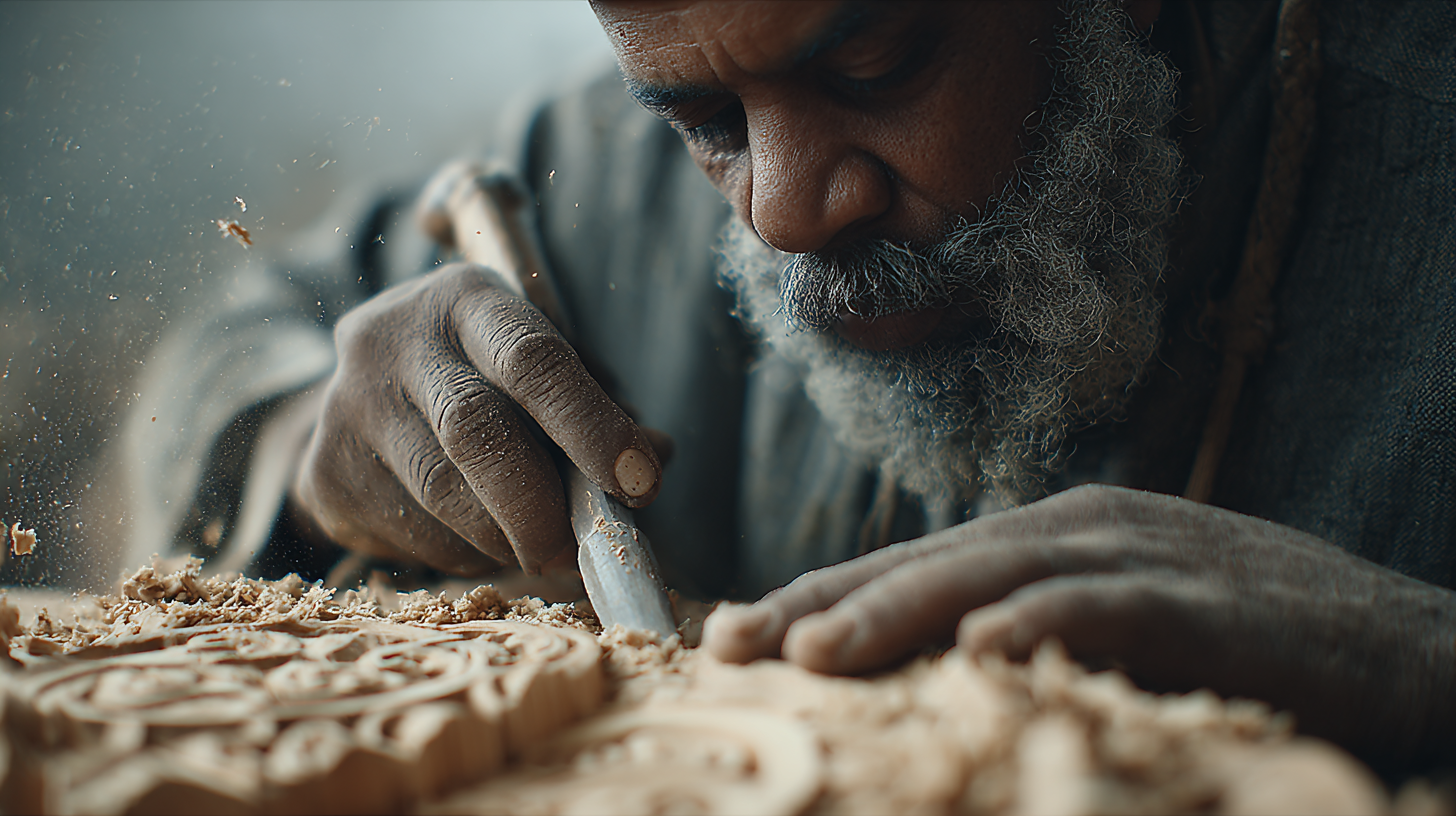
Visitors strolling through Mingora or Kalam often hear the rhythmic tap-tap of carving tools drifting from workshops. Inside, woodworkers shape pieces with astonishing speed and precision, guided as much by instinct as by learned technique. Finished panels glow with natural oils, highlighting the grain of cedar and the depth of the relief. Swati woodwork is not merely decoration — it is architectural poetry, transforming homes and mosques into sanctuaries of craftsmanship. It embodies the valley’s artistic history and its ability to harmonize cultures across time.
The Hands Behind the Heritage: Artisans, Gurus, and Family Lineages
Behind every craft lies a network of artisans whose knowledge is inherited, not invented. Many Pakistani crafts are practiced within family lineages where skills pass from parent to child like sacred trust. A potter may use the same wheel his father used; an embroiderer may stitch patterns her grandmother taught her; a woodcarver may rely on tools shaped by a previous generation. These artisans are custodians of memory, carrying centuries of experience through their fingertips.
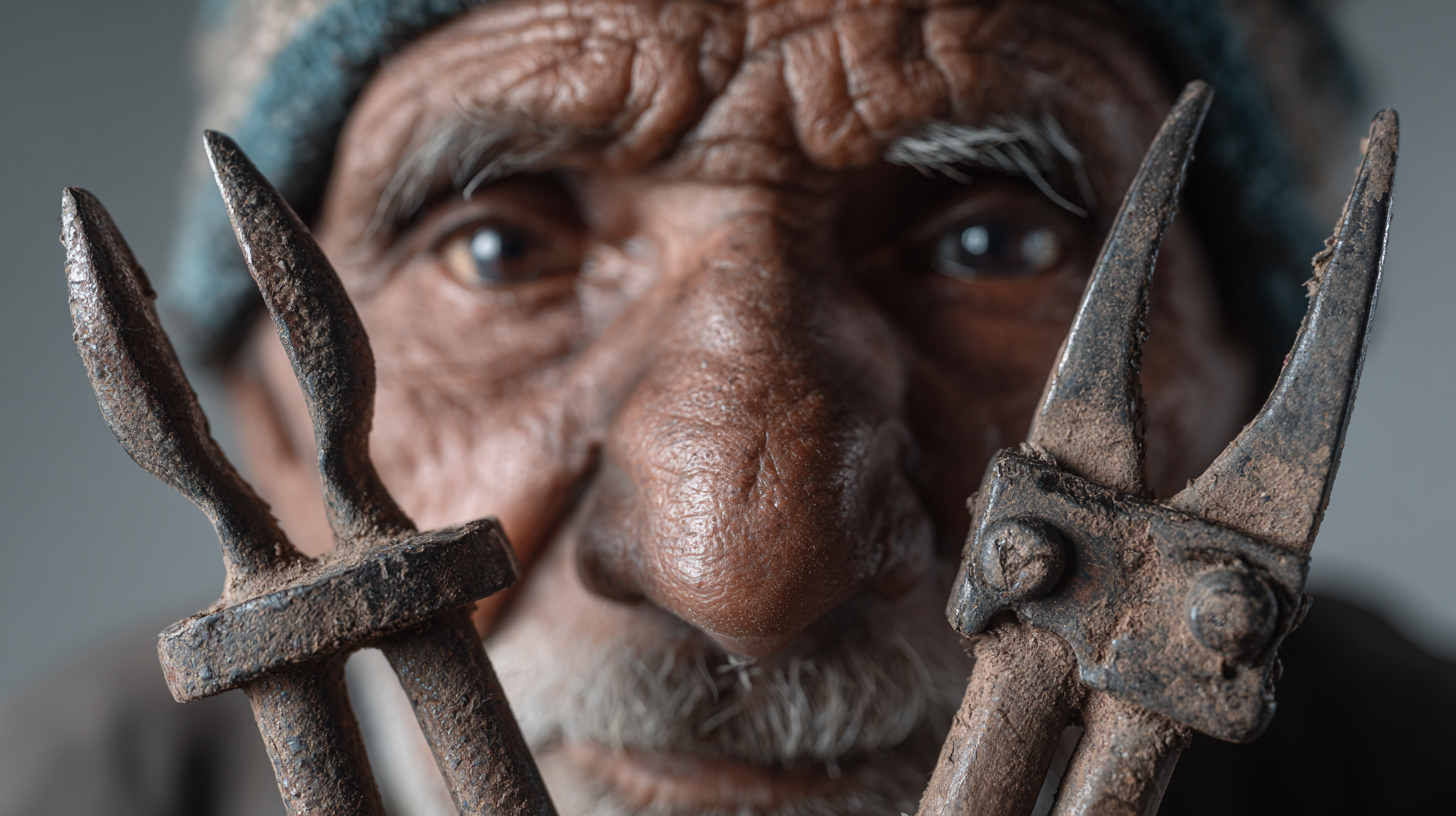
But their work is more than inheritance — it is philosophy. Craftsmanship in Pakistan is tied to patience, discipline, and the belief that beauty is a form of worship. Many artisans begin their day with prayer, believing that spiritual intention guides the quality of their work. Travelers who spend time in workshops often describe the atmosphere as meditative: the soft scrape of carving tools, the scent of cedar and clay, the quiet focus of hands repeating motions perfected over lifetimes. These moments reveal the heart of Pakistani artistry: devotion expressed through creation.
Bazaars, Shrines, and the Cultural Geography of Craft
To understand Pakistan’s crafts, one must experience the cultural landscapes that sustain them. Bazaars in cities like Multan, Karachi, Lahore, and Peshawar are living theatres where artisans display their creations next to spices, textiles, calligraphy, and jewelry. Here, the energy is overwhelming — voices calling out prices, colors shimmering in the sun, aromas of chai and kebabs wafting through narrow streets. Crafts thrive in these spaces because bazaars connect artisans to communities, traders, and travelers.
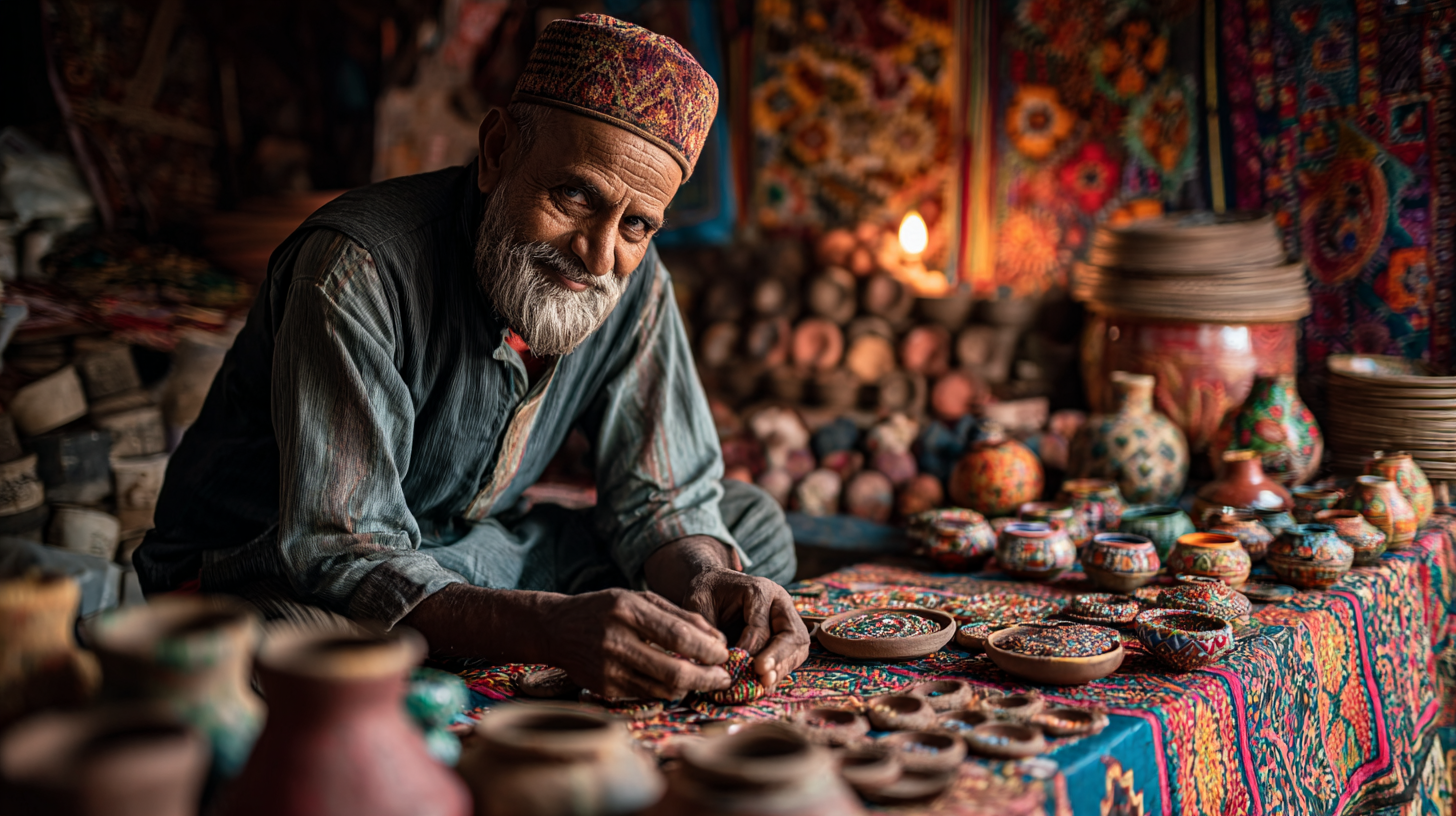
Sufi shrines also play a profound role in the geography of craft. Around holy sites such as Sehwan Sharif or Uch Sharif, vendors sell pottery, Ajrak, embroidered garments, and devotional objects infused with spiritual meaning. Pilgrims bring offerings and purchase crafted items believed to carry blessing. This blend of faith, commerce, and artistry creates an atmosphere that transcends simple buying and selling. It transforms craft into cultural exchange — where tradition is lived, shared, and kept alive.
Related: Adventure Tourism in Pakistan
Crafts in a Changing World: Innovation and Preservation
Pakistan’s craft traditions face both risk and opportunity in the modern world. Industrial production and mass imports threaten handmade industries, while younger generations often leave artisan professions seeking economic security. Yet a revival is underway. Designers, social enterprises, and cultural organizations are collaborating with artisans to modernize traditional forms without compromising authenticity. Contemporary Ajrak fashion, eco-friendly pottery, and minimalist Swati wood décor are finding global audiences eager for handcrafted beauty.
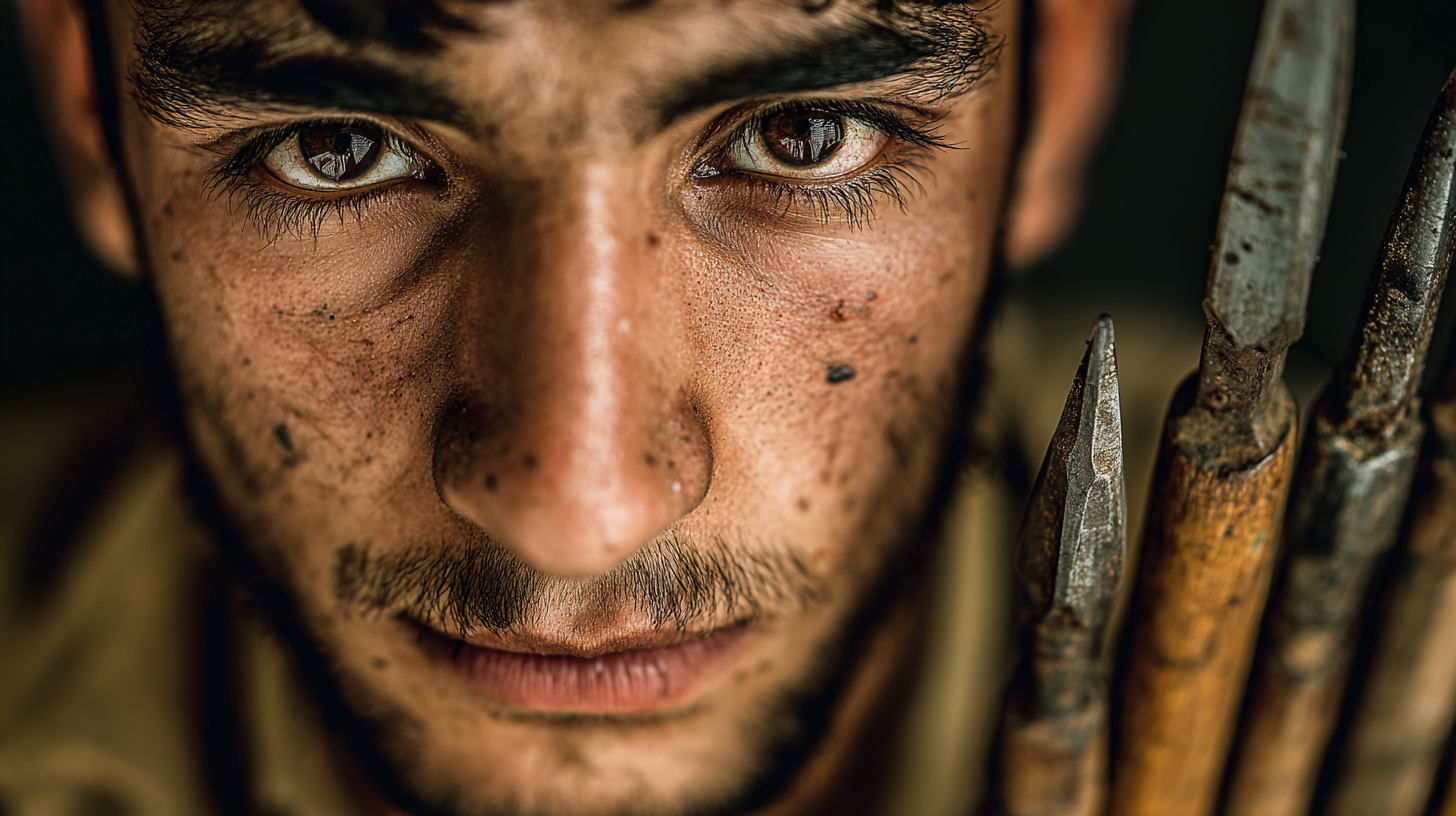
Preservation efforts emphasize not only economic support but cultural dignity. Workshops teach young artisans sustainable techniques, digital platforms help reach international buyers, and cultural festivals celebrate traditional crafts as national heritage. Travelers contribute as well, choosing handmade goods over mass-produced souvenirs. Through these combined efforts, Pakistan’s crafts are not merely surviving — they are evolving, adapting, and entering global conversations about identity, sustainability, and the value of human hands in a mechanized world.
Conclusion
Pakistan’s traditional crafts are windows into the country’s soul — expressions of history, devotion, artistry, and identity passed from hand to hand for centuries. Whether shaped in clay, carved in wood, woven in thread, or printed in dye, these creations embody the stories of families, communities, and landscapes that define the nation. Traveling through Pakistan reveals that craftsmanship here is not fading; it is enduring, breathing, and transforming through the care of artisans who continue to honor their heritage.
To explore Pakistan’s crafts is to witness living history — a vibrant, colorful, and deeply human tradition that connects past and present through beauty shaped by skill and spirit.
Source on traditional Pakistani crafts: https://heritage.gov.pk