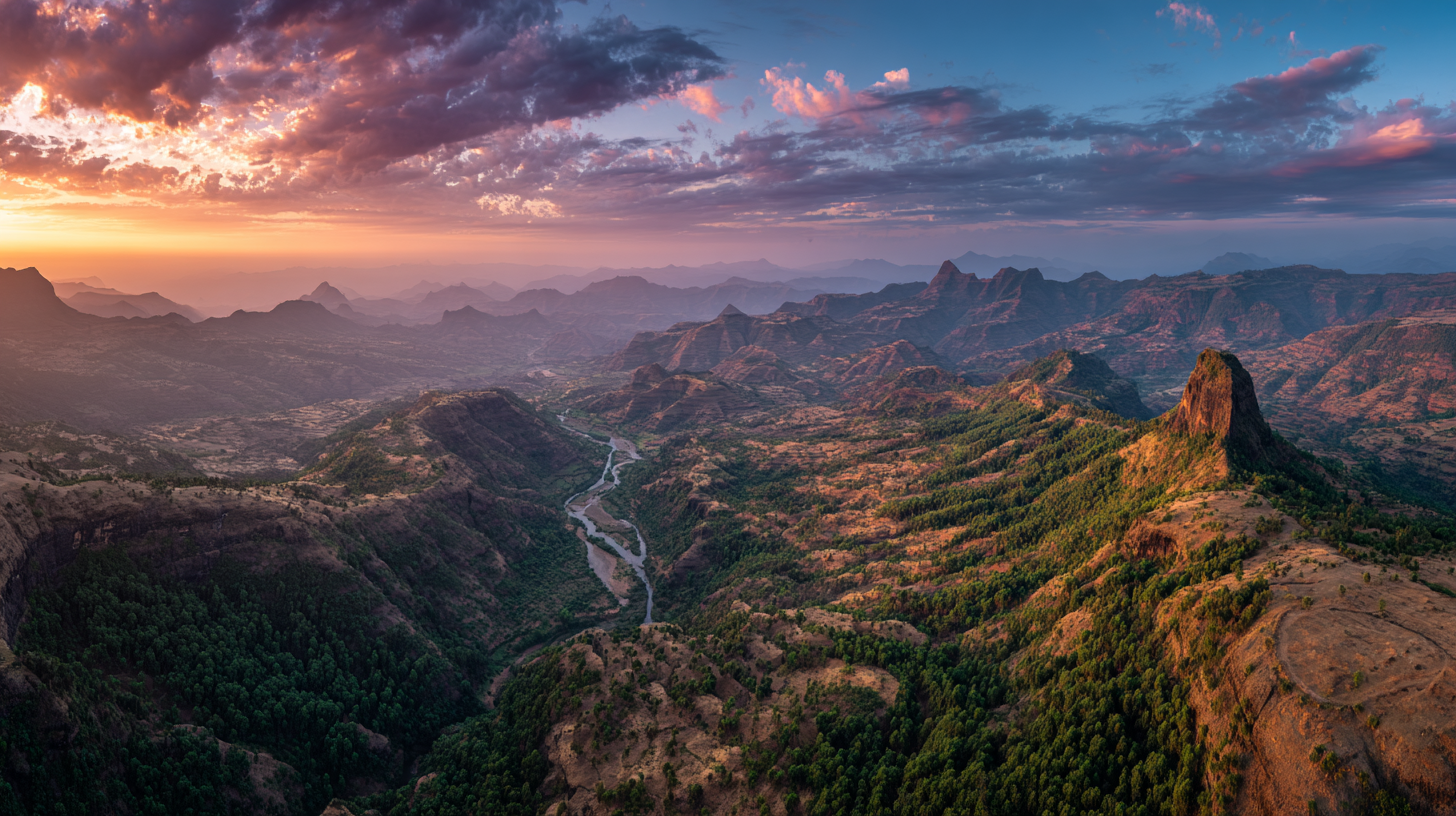

Ethiopia natural wonders reveal some of the most dramatic and diverse landscapes on Earth. From volcanic deserts to cloud-draped mountains and deep forests, the country is a mosaic of ecological extremes where evolution has carved out some of the world’s rarest species and most adapted life forms. Exploring Ethiopia’s wilderness is more than admiring scenery — it is stepping into living laboratories of biodiversity, where ancient geological forces meet complex ecosystems shaped over millennia. The country’s natural wonders offer not only beauty but insight into resilience, adaptation, and balance. Whether observing highland mammals grazing on alpine meadows or trekking through forests where sunlight barely reaches the ground, Ethiopia’s wild places reveal nature at its most elemental and profound.
Also Read: Ethiopia Archaeology
Ethiopia Natural Wonders: Highland Ecosystems and Endemic Life
Ethiopia’s highlands rise above the clouds, forming one of the largest continuous mountain systems in Africa. Their altitude creates cool, crisp air and vast Afro-alpine plateaus that serve as sanctuaries for endemic species found nowhere else on Earth. Giant lobelias stand like alien spires across the landscape, their tall stalks rising from silver rosettes adapted to freezing nights and intense daytime sun. Grasses, mosses, and delicate alpine flowers thrive in pockets where soil clings to volcanic rock, creating micro-habitats that support a surprising diversity of insects and birds.
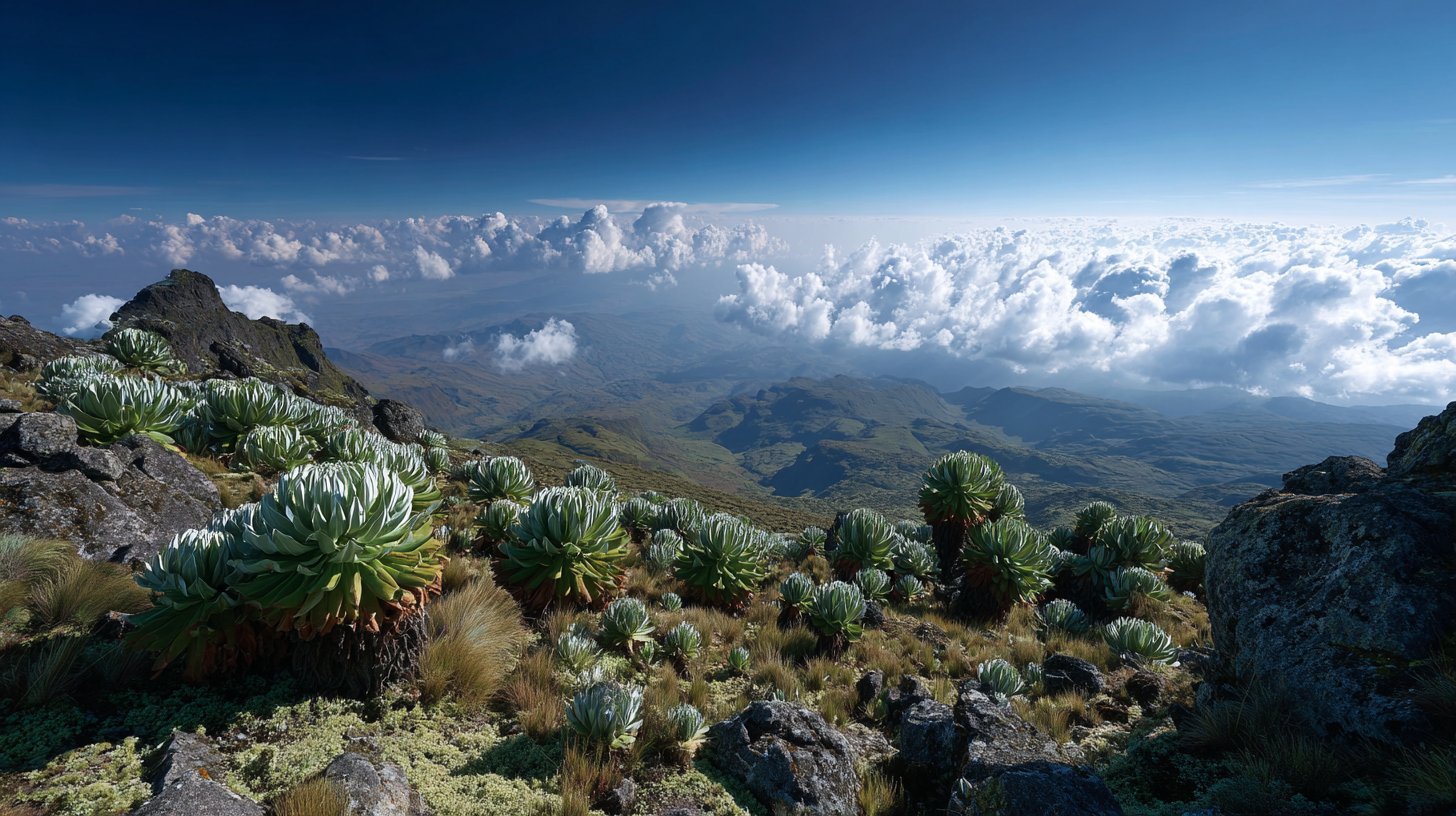
What makes these highlands extraordinary is not only their elevation but their ecological isolation. Over millions of years, species evolved unique traits to survive extreme temperatures and thin air. Many animals found here — from the mountain nyala to the Ethiopian wolf — have developed behaviors and physical features shaped strictly by this environment. The highlands are also vital water towers feeding rivers across East Africa, making them ecological engines that sustain life well beyond their borders. To walk through these elevated realms is to witness ecosystems suspended between earth and sky.
Cliffside Grasslands and the Complex Society of Geladas
Among Ethiopia’s most charismatic wildlife is the gelada — the world’s only grass-eating primate and a species whose social structure rivals that of early human societies. Geladas inhabit steep cliffs and open grasslands, grazing much like antelope during the day before retreating to rock ledges at night for protection. Their dexterous hands pluck tender shoots with precision, while their expressive faces and bright red chest patches give them an almost mythical appearance.
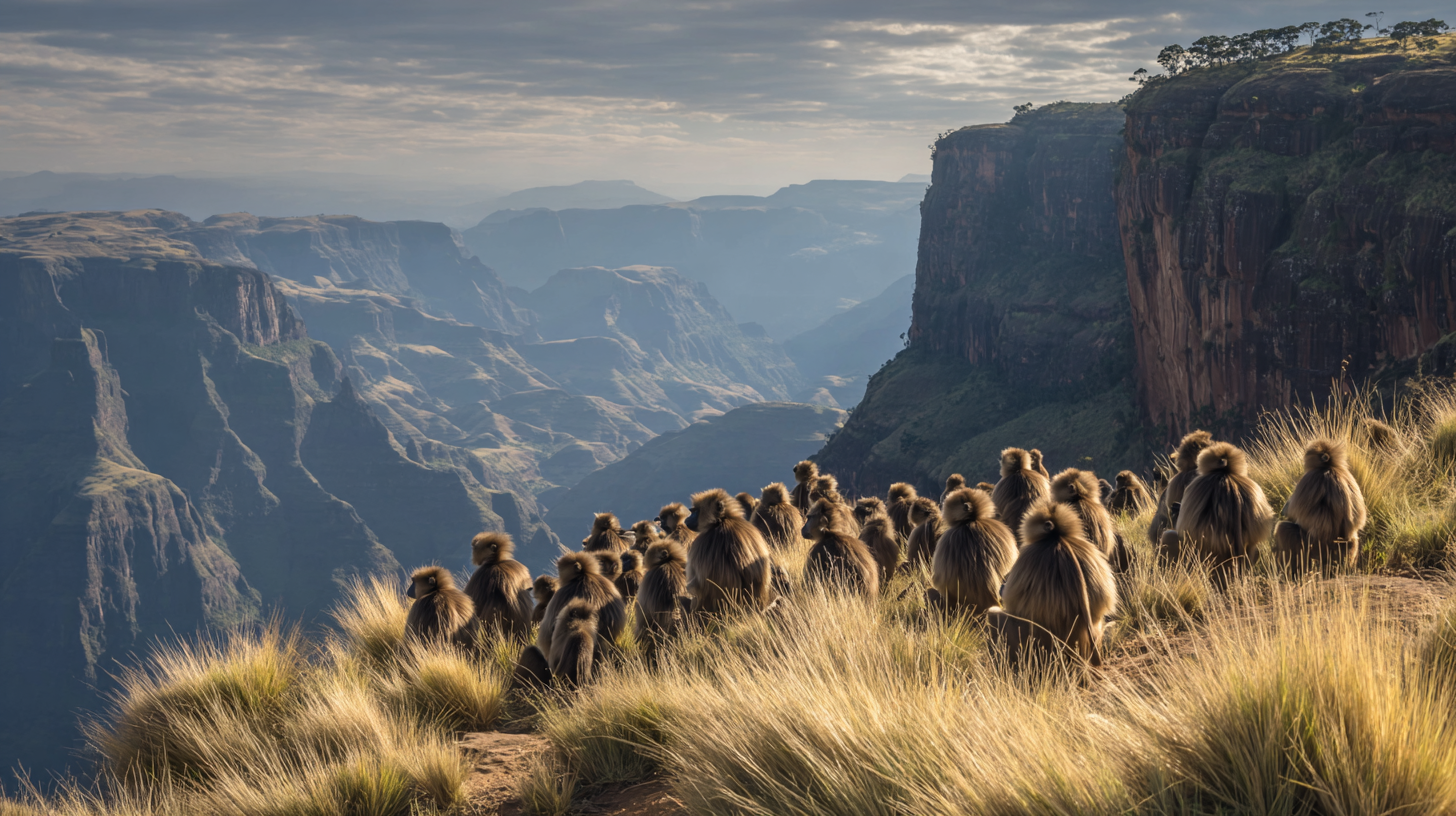
Social life within a gelada community is intricate and highly organized. Families form units led by dominant males, which in turn group into larger bands sometimes numbering hundreds. Communication is exceptionally rich: geladas use more than two dozen vocalizations — from gentle coos to rhythmic “talking” sounds — making their vocal repertoire one of the most complex among nonhuman primates. Grooming is not only bonding but negotiation, politics, and currency. Observing geladas in the wild feels like witnessing an ancient primate society in motion, woven with alliances, rivalries, and ritualized harmony. Their world offers rare insights into the evolutionary roots of social behavior.
Predators of the Plateau: Ethiopia’s Rare Carnivores
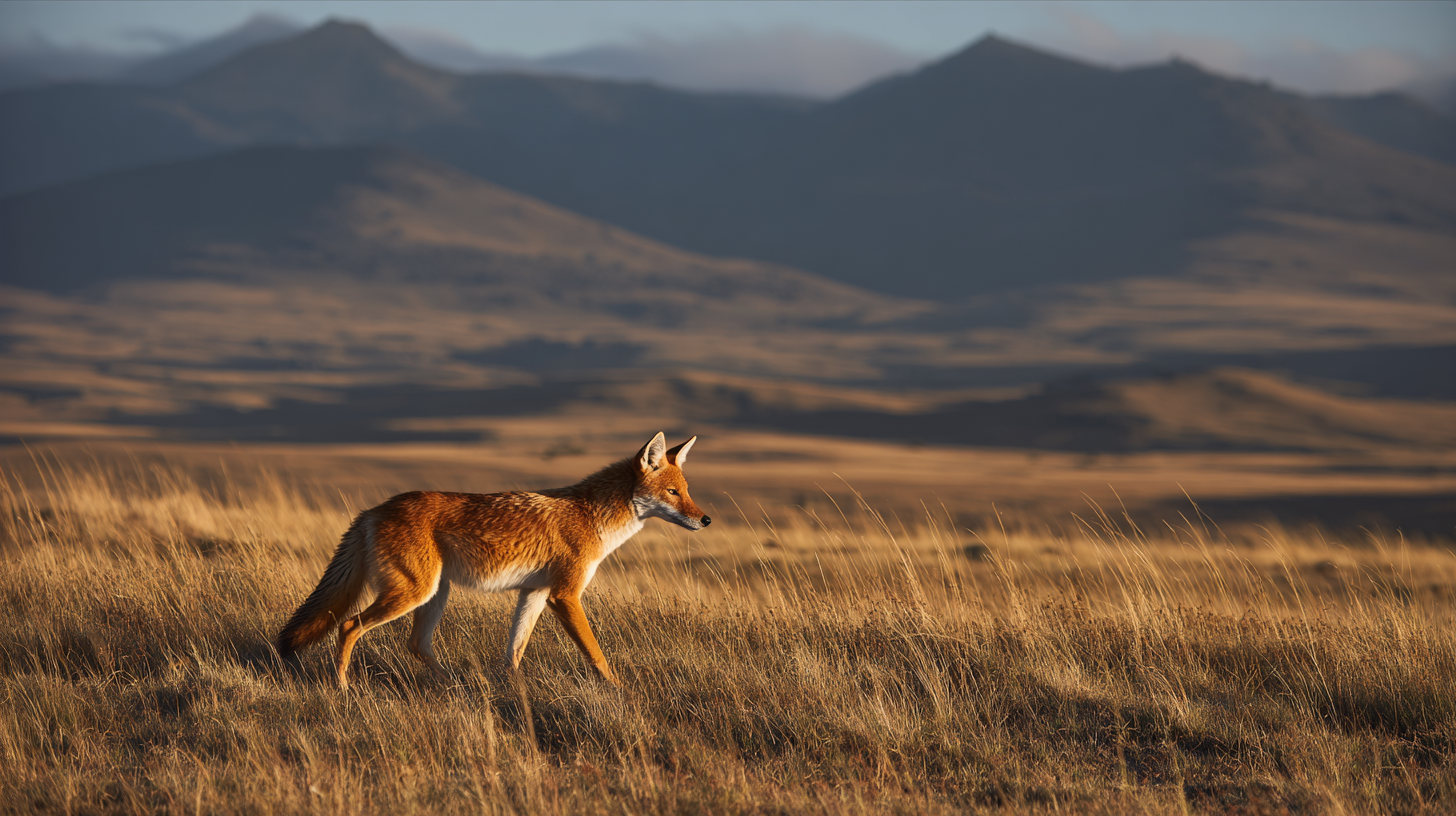
High above the valleys, a slim, russet figure trots through grasslands with delicate precision — the Ethiopian wolf, Africa’s most endangered carnivore. Unlike pack-hunting wolves elsewhere, this species specializes in solitary hunting of rodents, listening for movement beneath the soil before pouncing with catlike agility. The wolf’s survival depends on the fragile balance of the Afro-alpine ecosystem, where giant molerats and small mammals form the base of a unique food web.
Other carnivores inhabit the highlands as well. Golden jackals patrol meadows at dusk, while servals slip silently through tall grasses, relying on acute hearing to locate prey. Raptors circle overhead, using thermal currents to search for movement along the plateau. These predators are vital to ecological balance, regulating rodent populations and maintaining healthy vegetation cycles. Yet their existence is threatened by shrinking habitats and disease transmission from domestic animals. Protecting them requires preserving entire highland landscapes — ecosystems that function as one interconnected organism. In Ethiopia, carnivores are not symbols of wilderness; they are its guardians.
Afro-Alpine Flora: Surviving Cold, Heat, and Altitude
The flora of Ethiopia’s highlands showcases nature’s brilliance at adaptation. At elevations where frost forms nightly and sunlight burns intensely by midday, plants must endure dramatic thermal shifts. Giant lobelia — a signature plant of the Afro-alpine zone — is a masterpiece of evolutionary engineering. Its spongy central stem insulates a reservoir of warm air, preventing internal freezing, while its tall flowering column attracts birds and insects across long distances.
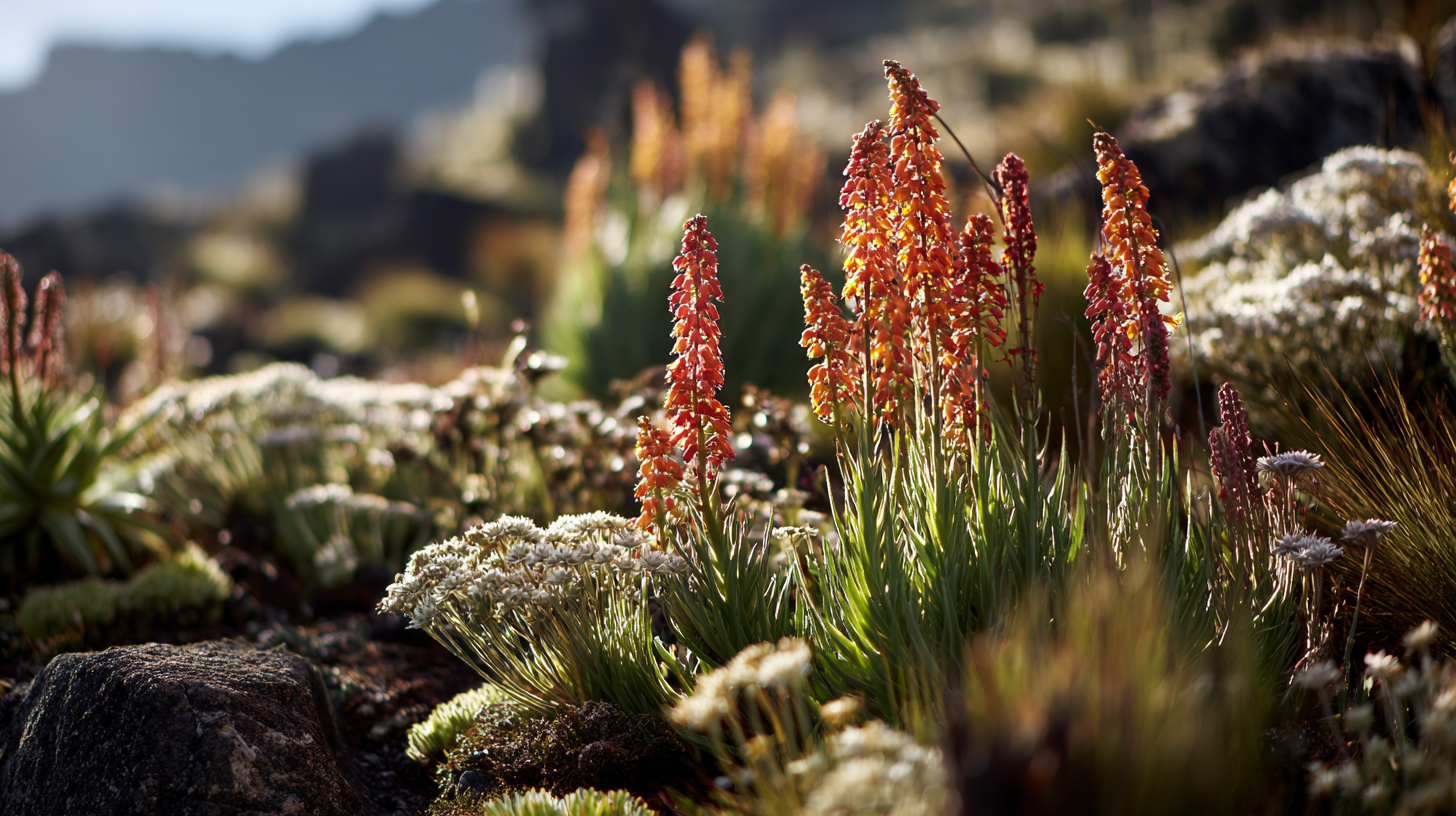
Equally impressive is the everlasting flower, whose papery petals resist degradation from ultraviolet radiation. Cushion plants form dense, low mats that create pockets of warmth and moisture for insects, contributing quietly to the plateau’s ecological health. These species evolved over millions of years, and their presence signals ecological stability. Yet they also act like climate indicators; even subtle environmental shifts affect their distribution and lifecycle. Ethiopia’s highland flora is a living archive of adaptation — a testament to endurance, fragility, and the intricate intelligence of natural systems.
Cloud Forest Realms of the Southern Highlands
Southward, the scenery softens as high plateaus descend into lush cloud forests — some of the last remaining in East Africa. These forests, perpetually veiled in mist, support ecosystems of staggering diversity. Towering trees draped with moss filter sunlight into green, glowing corridors where forest birds sing from hidden perches. Moisture seeps into the soil, feeding streams that wind through thick undergrowth and nourish entire regions during dry seasons.

The Harenna Forest, one of Ethiopia’s ecological treasures, is known for its wild coffee varieties — the genetic ancestors of plantations across the world. Here, coffee grows naturally under forest canopies, pollinated by native bees and protected by shade that maintains delicate microclimates. The forest also shelters black-and-white colobus monkeys, bushbucks, warthogs, and dozens of endemic amphibians and bird species. Walking through these forests feels like stepping into a primeval world untouched by time. They are reservoirs of biodiversity, cultural significance, and ecological memory — landscapes where nature breathes deeply and quietly.
Rivers, Wetlands, and the Life They Sustain
Ethiopia is often imagined as a land of mountains, but its river systems and wetlands are equally essential to its ecological identity. Seasonal rivers cut through valleys, carving fertile banks where birds gather in dazzling numbers. Wetlands become havens for migratory species traveling along African flyways — flamingos, storks, pelicans, ibises, and countless songbirds. These habitats form critical stopover points, allowing long-distance travelers to rest, feed, and breed.
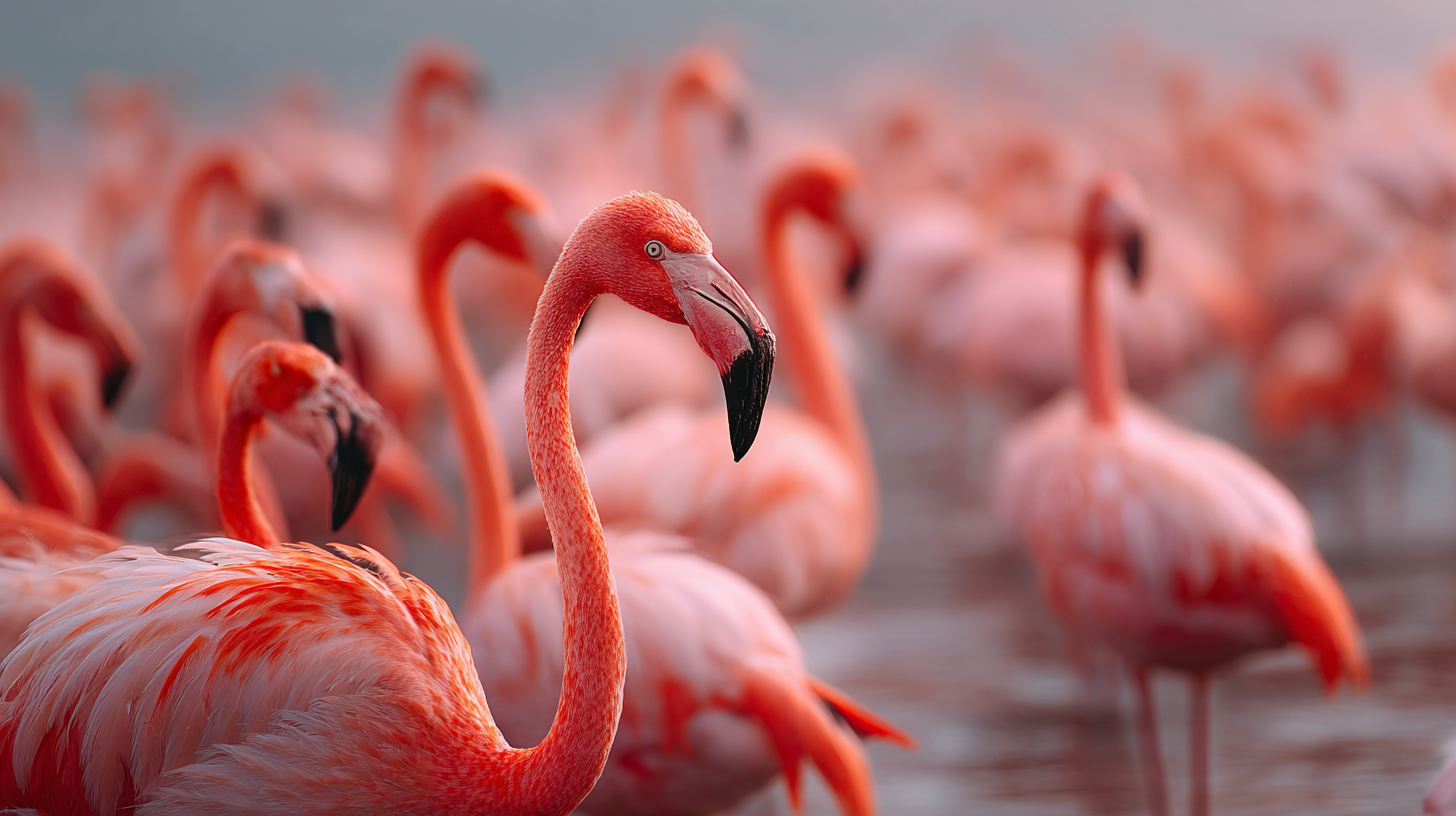
Bigger mammals also rely on Ethiopia’s waterways. Antelope, boars, and monkeys visit riverbanks at dawn. Crocodiles bask in shallow waters, while hippos surface in slow-moving sections of major rivers. The biodiversity of Ethiopia’s river ecosystems connects continents through migration patterns and supports local communities through fishing, agriculture, and cultural traditions. Rivers here are not boundaries — they are bridges linking species, seasons, and human livelihoods.
The Volcanic South: Fire, Salt, and Extremophile Life
Descending from the highlands into the Rift Valley and beyond, the terrain transforms dramatically into volcanic deserts shaped by fire and shifting earth. The Danakil Depression lies at the heart of this transformation — one of the hottest, driest, and most geologically active places on the planet. Salt flats shimmer under unrelenting sun, sulfur pools bubble with neon acid, and mineral formations paint the landscape in surreal colors. It is a world that seems alien, yet it supports life forms that challenge our understanding of biology.
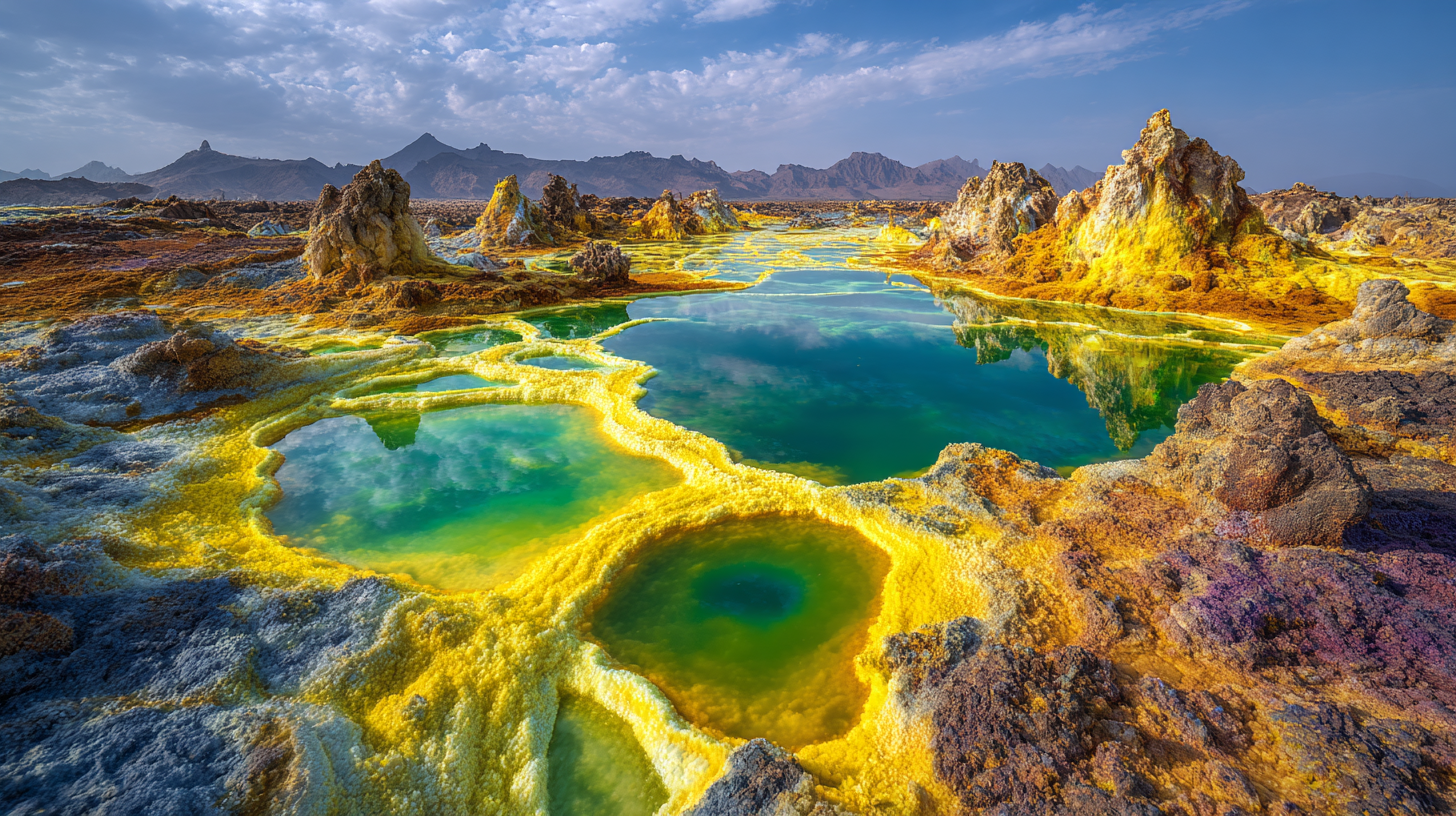
Extremophile microbes thrive in Danakil’s acidic springs, offering clues to early life on Earth and possibly on other planets. Salt caravans, led for centuries by Afar nomads and their camels, cross the glittering flats to extract mineral blocks using ancient techniques. Volcanoes like Erta Ale hold lakes of molten lava that flicker like open wounds in the Earth’s crust. The south is a realm forged by the planet’s primal forces — a reminder that Ethiopia’s wild beauty includes landscapes as hostile as they are mesmerizing.
Human Life in the Wilderness: Adaptation and Ancestry
Nature in Ethiopia is inseparable from the lives of the people who inhabit it. For thousands of years, pastoralists, farmers, and forest dwellers have adapted to extreme environments with ingenuity and cultural depth. Highland communities graze cattle on steep slopes, moving herds seasonally to balance regeneration and survival. Hunters and gatherers navigate forests with intimate knowledge of edible plants, animal behavior, and natural medicines.
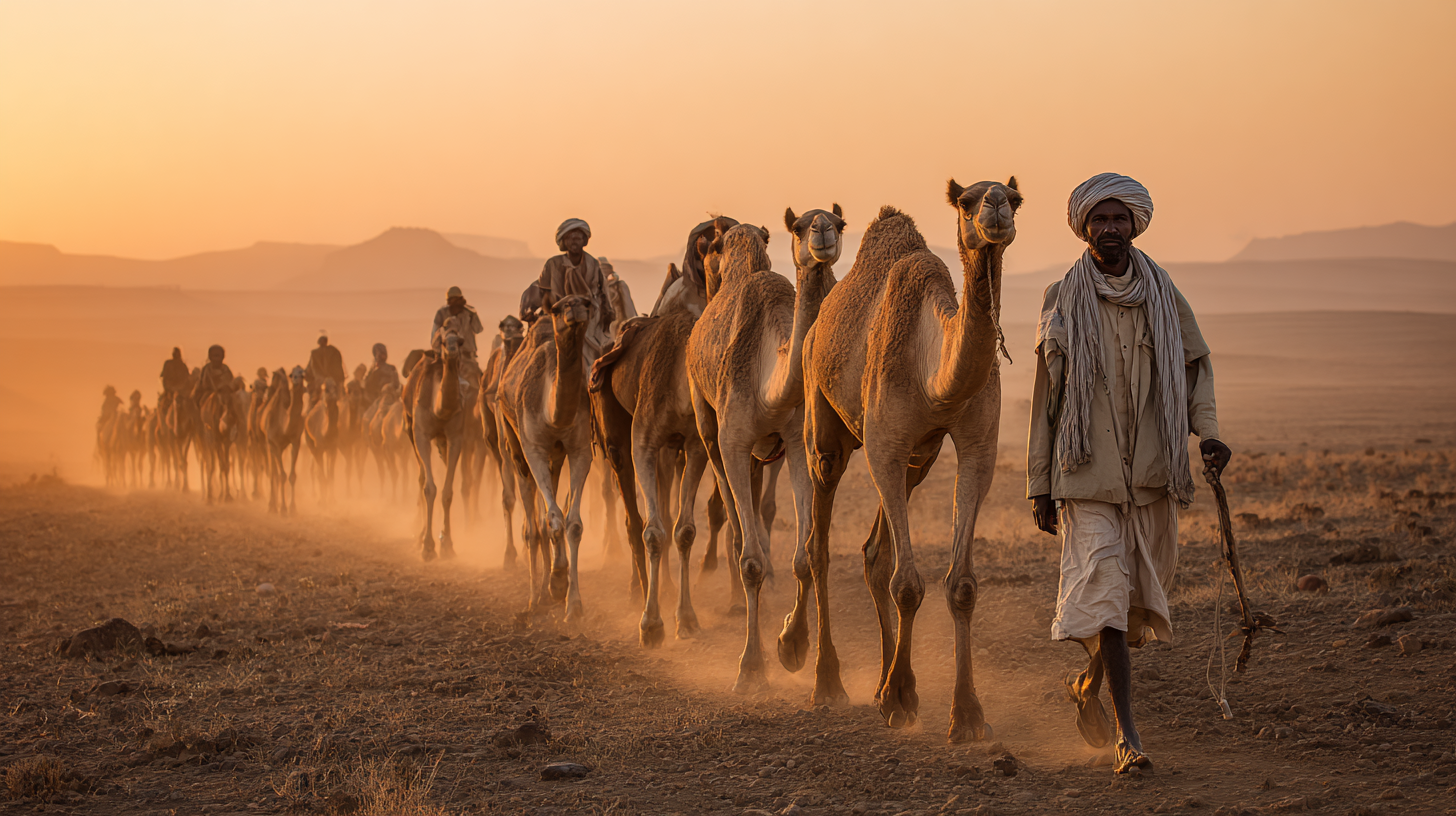
In the Rift Valley and deserts, Afar and Somali pastoralists guide camels across landscapes where rainfall dictates movement and tradition dictates survival. Their knowledge of winds, stars, grazing routes, and water sources has been refined over generations. Far from being separate from nature, these communities embody the human side of ecological resilience. Their stories, like the ecosystems they inhabit, are essential threads in Ethiopia’s wild tapestry — evidence that culture and environment are deeply intertwined.
Conservation and the Future of Ethiopia’s Wilderness
Ethiopia natural wonders face growing challenges — shrinking habitats, climate variability, and the pressure of expanding populations. Yet conservation efforts are evolving, balancing ecological protection with community livelihoods. Protected areas are being expanded, wildlife corridors restored, and scientific research deepened through collaborations with local rangers and international organizations. Education, eco-tourism, and community-led stewardship are emerging as powerful tools in sustaining fragile ecosystems.
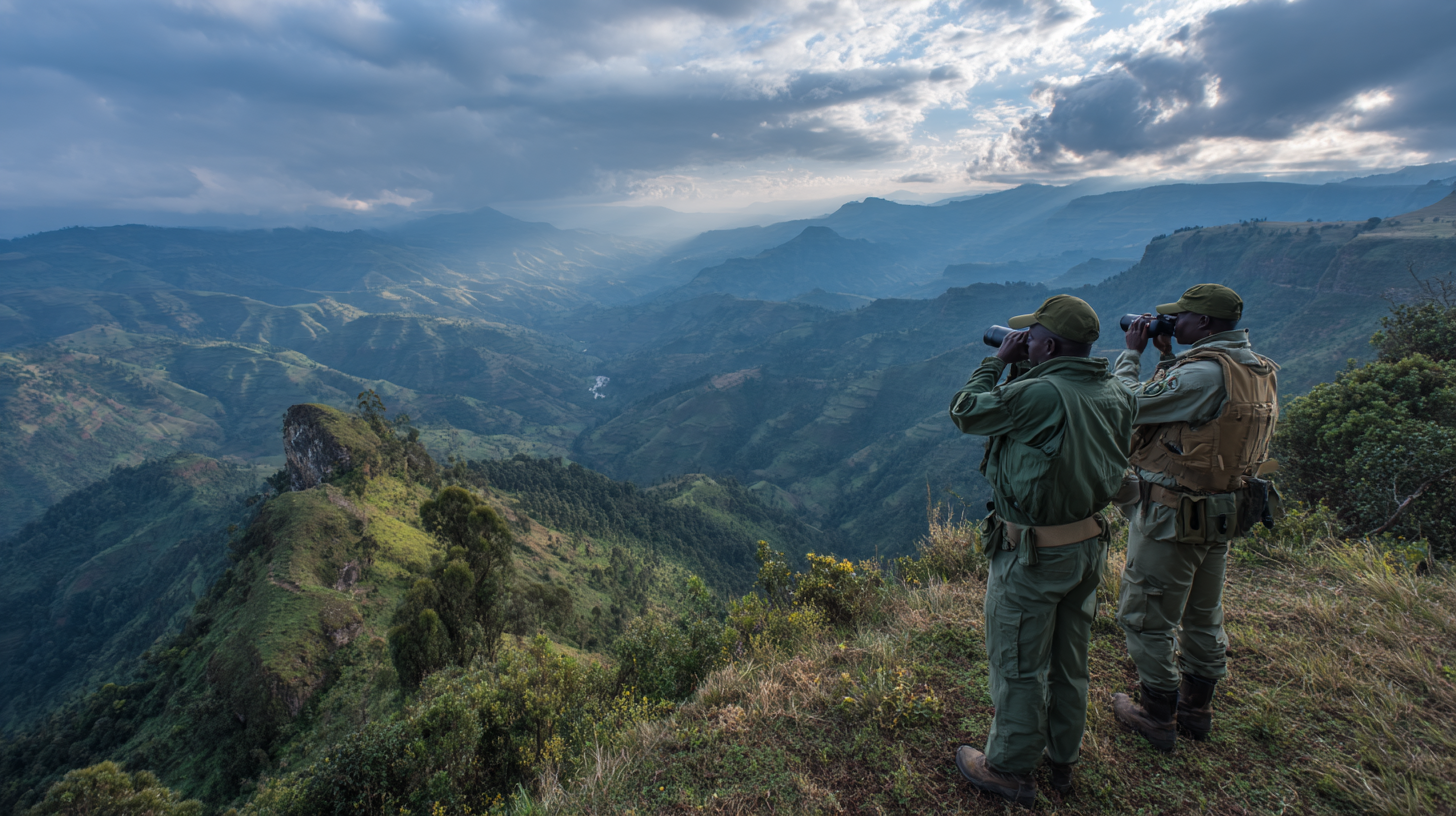
Many of Ethiopia’s endemic species depend on the continuity of these efforts. The survival of the Ethiopian wolf, the protection of wild coffee forests, and the preservation of highland flora hinge on maintaining landscapes intact. Conservation in Ethiopia is not only about protecting wildlife — it is about preserving ancient ecological knowledge, supporting local communities, and honoring the land’s role in global biodiversity.
The wild places of Ethiopia remind us that the future of nature lies in the balance between human responsibility and the planet’s irreplaceable beauty.
Conclusion
Ethiopia’s natural wonders reveal a world of staggering diversity — from high-altitude plateaus dotted with endemic species to cloud forests humming with life, from rivers feeding migratory birds to volcanic deserts where only the hardiest organisms survive. Each ecosystem tells a story of adaptation, resilience, and the constant dance between life and environment. To explore Ethiopia’s wilderness is to witness nature at its most creative and ancient. It is a journey into landscapes shaped by fire, wind, rain, and time — and into ecosystems that continue to define one of the most remarkable corners of our planet. Ethiopia’s wild heart is vast, untamed, and unforgettable, inviting travelers not just to observe, but to understand the living world anew.
Learn more about Ethiopia’s natural landscapes from the official tourism board.