

Ethiopian traditional medicine represents one of the world’s most enduring healing systems, shaped by ancient knowledge, spiritual beliefs, and deep ties to the natural environment. For centuries, communities across the country have relied on herbal remedies, ritual practices, and spiritual guidance to restore balance and treat illness. These traditions are more than healthcare — they reflect a worldview where the body, spirit, and community exist in constant connection. Even in the modern era, traditional healing remains widely practiced and deeply respected, especially in rural areas where ancestral wisdom continues to guide daily life. As one explores Ethiopia’s healing heritage, it becomes clear that this system is not only ancient, but remarkably alive.
Also Read: Echoes of Ancestry: Ethiopia’s UNESCO Sites
Ethiopian Traditional Medicine: Historical Context and Cultural Significance
Traditional medicine in Ethiopia developed through generations of observation, experimentation, and cultural exchange among more than eighty ethnic groups. Each community contributed specialized knowledge of plants, rituals, and healing philosophies, creating a mosaic of practices that evolved across centuries. This diversity allowed Ethiopian medicine to become adaptive and resilient, capable of responding to the needs of different climates and cultural beliefs. Today, traditional healing remains a cornerstone of identity and continuity, linking people to their ancestral roots. It stands as a testament to Ethiopia’s cultural richness and its long-standing relationship with nature and spirituality.

Ethiopian society has always viewed healing as an integral part of life rather than a separate scientific discipline. Illness is seen not only as a physical disruption but also as an imbalance in emotional and spiritual realms. This perspective shaped healing practices that focus on restoring harmony rather than simply treating symptoms. Traditional medicine therefore plays a dual role: preserving cultural heritage and providing practical care. Its endurance reflects the strong trust communities place in these methods, which continue to offer solutions where modern healthcare is not always accessible.
Ethiopia’s Herbal Pharmacopeia: Healing Through Nature
Herbal remedies remain at the heart of Ethiopian traditional medicine, offering trusted treatments for generations. Ethiopia’s geography — stretching from fertile highlands to arid lowlands — supports one of Africa’s richest reserves of medicinal plants. Healers use leaves, roots, resins, and seeds to prepare remedies for conditions ranging from respiratory infections to digestive ailments and chronic pain. Common plants like tena adam (Rue) are prized for anti-inflammatory and calming properties, while nech shinkurt (garlic) is valued for antimicrobial effects. Each plant’s use is grounded in generations of experience, forming a natural pharmacopeia that has served communities for centuries. These botanical resources remain essential, especially in remote areas where traditional medicine is the first and most trusted form of treatment.
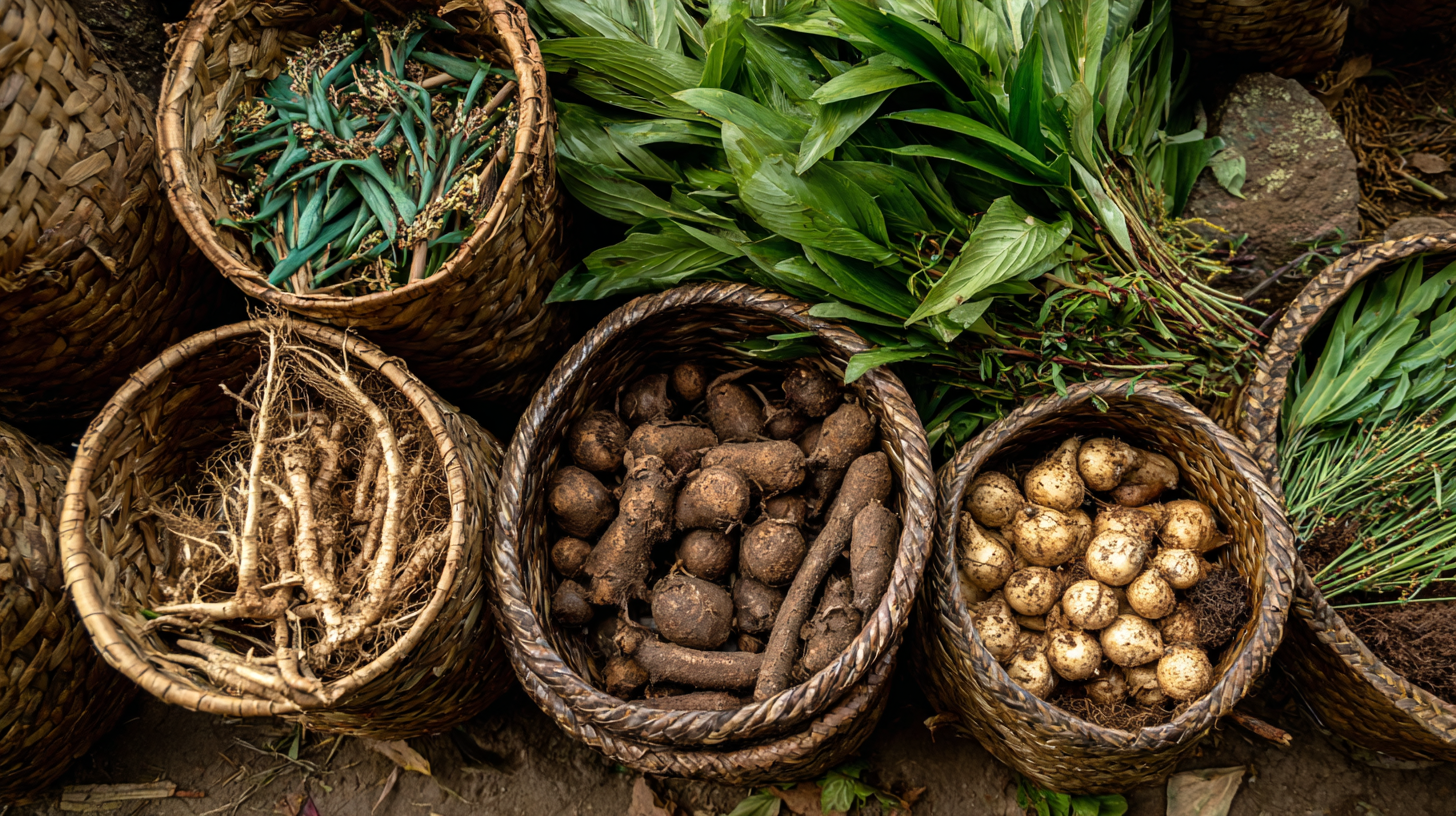
The preparation of herbal remedies is precise and rooted in tradition. Healers carefully choose the right time to harvest plants, believing that potency varies with seasons and spiritual conditions. Preparation techniques — whether boiling, drying, grinding, or mixing — are guided by ancestral methods passed down through oral instruction. Remedies can be consumed as teas, used topically, or burned as incense depending on the ailment. This attention to detail reflects a deep respect for the healing power of nature and the knowledge required to use it effectively. Herbal medicine in Ethiopia is not improvised; it is a detailed craft honed over centuries.
The Role of Traditional Healers: Custodians of Ancestral Knowledge
Traditional healers hold a highly respected position within Ethiopian communities, acting as both medical practitioners and spiritual guides. Known under different names depending on the region — including awaki, tenquay, and wogesha — they are entrusted with knowledge that blends herbal science, intuitive diagnosis, and cultural ritual. Becoming a healer typically requires years of apprenticeship, where students learn plant identification, preparation techniques, and the spiritual responsibilities of the role. Healers serve not only to treat illness but to maintain harmony within the community. Their presence ensures continuity of tradition and emotional support for those seeking help.

Specialization among healers varies widely. Herbalists focus on medicinal plants, bonesetters treat fractures and sprains, and spiritual healers address conditions believed to stem from emotional or supernatural causes. Many healers also serve as conflict mediators and counselors, reflecting their importance beyond the realm of health. Even as modern healthcare grows, traditional healers continue to be the first point of contact for many Ethiopians. Their knowledge, accumulated over generations, remains irreplaceable and deeply valued across the country.
Spiritual Foundations of Ethiopian Healing
In Ethiopia, healing is inseparable from spirituality. Many communities believe that wellness depends on harmony between physical, emotional, and spiritual forces. Illness may be attributed to disrupted energy, emotional turmoil, or the influence of unseen entities, which means treatment must extend beyond the physical body. Spiritual healing often involves prayers, blessings, incense, and protective charms meant to restore balance. This holistic approach reflects a worldview where the material and spiritual realms coexist continuously.
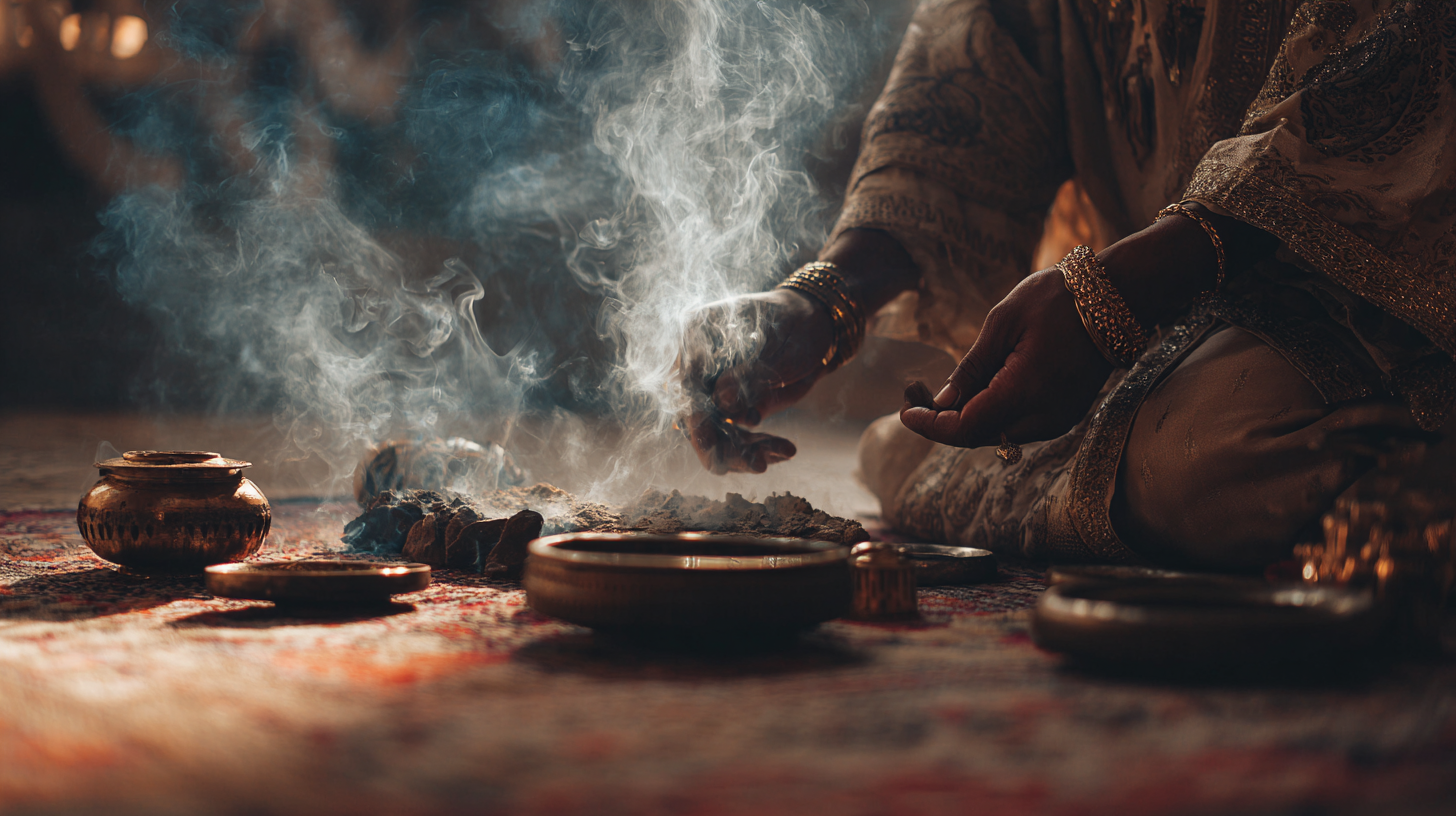
The Ethiopian Orthodox Church plays a central role in shaping spiritual healing practices. Rituals such as blessings, confession, and the use of holy water are common components of wellness. These practices provide emotional comfort and a sense of connection to something greater than the individual. Spiritual healing does not replace herbal medicine; instead, the two complement each other. By addressing both body and spirit, Ethiopian healing traditions offer a comprehensive path to recovery that resonates deeply within the culture.
Rituals and Ceremonial Healing
Spiritual healing plays a major role in Ethiopian traditional medicine, reflecting a holistic approach to wellness. Ritual healing is an essential part of Ethiopia’s traditional medical landscape, engaging the senses and emotions to create a powerful therapeutic experience. Ceremonies often include drumming, chanting, and the burning of aromatic herbs that fill the air with symbolic meaning. These elements work together to create a transformative environment where patients can release emotional tension and reconnect with inner strength. Rituals are guided by specialists who understand the spiritual significance of each step, ensuring the healing process unfolds with intention and respect.
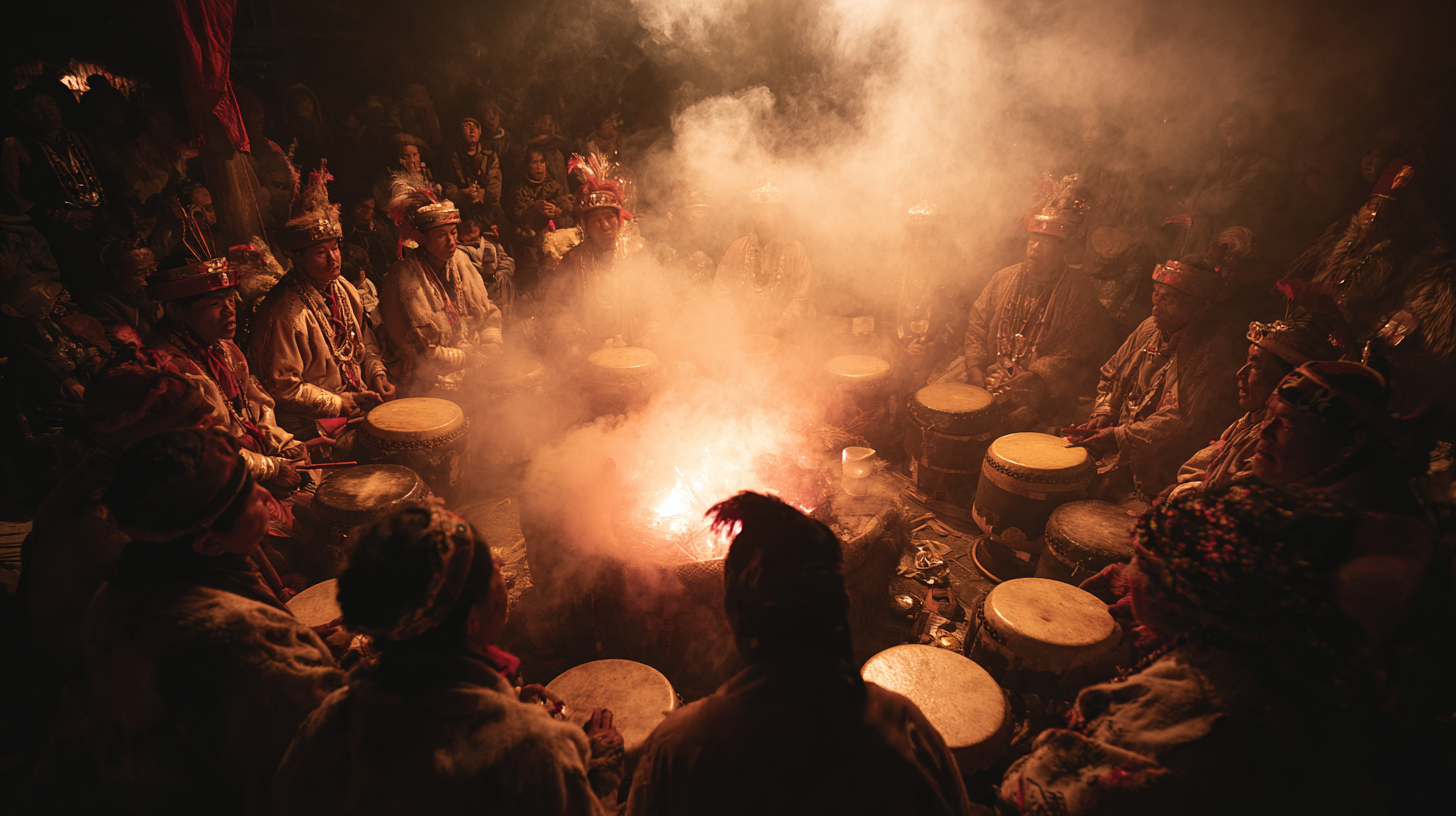
These ceremonies rarely occur in isolation. Family members and neighbors often gather to support the person undergoing treatment, reinforcing the idea that healing is a communal experience. The collective participation strengthens social bonds and provides emotional grounding for the patient. Ritual healing expresses Ethiopia’s belief that wellness extends beyond the individual’s body to the relationships and community surrounding them. This interconnected approach remains one of the most distinctive features of Ethiopian healing traditions.
Sacred Waters and Holy Sites: Centers of Spiritual Healing
Holy water holds profound significance in Ethiopian healing culture, especially within the Ethiopian Orthodox tradition. Pilgrims travel to sacred springs and monasteries where water blessed by priests is believed to carry divine healing power. People drink, bathe in, or anoint themselves with the water to seek relief from physical ailments, emotional burdens, or spiritual afflictions. These rituals represent a powerful expression of faith and renewal, offering comfort to individuals seeking restoration on multiple levels.
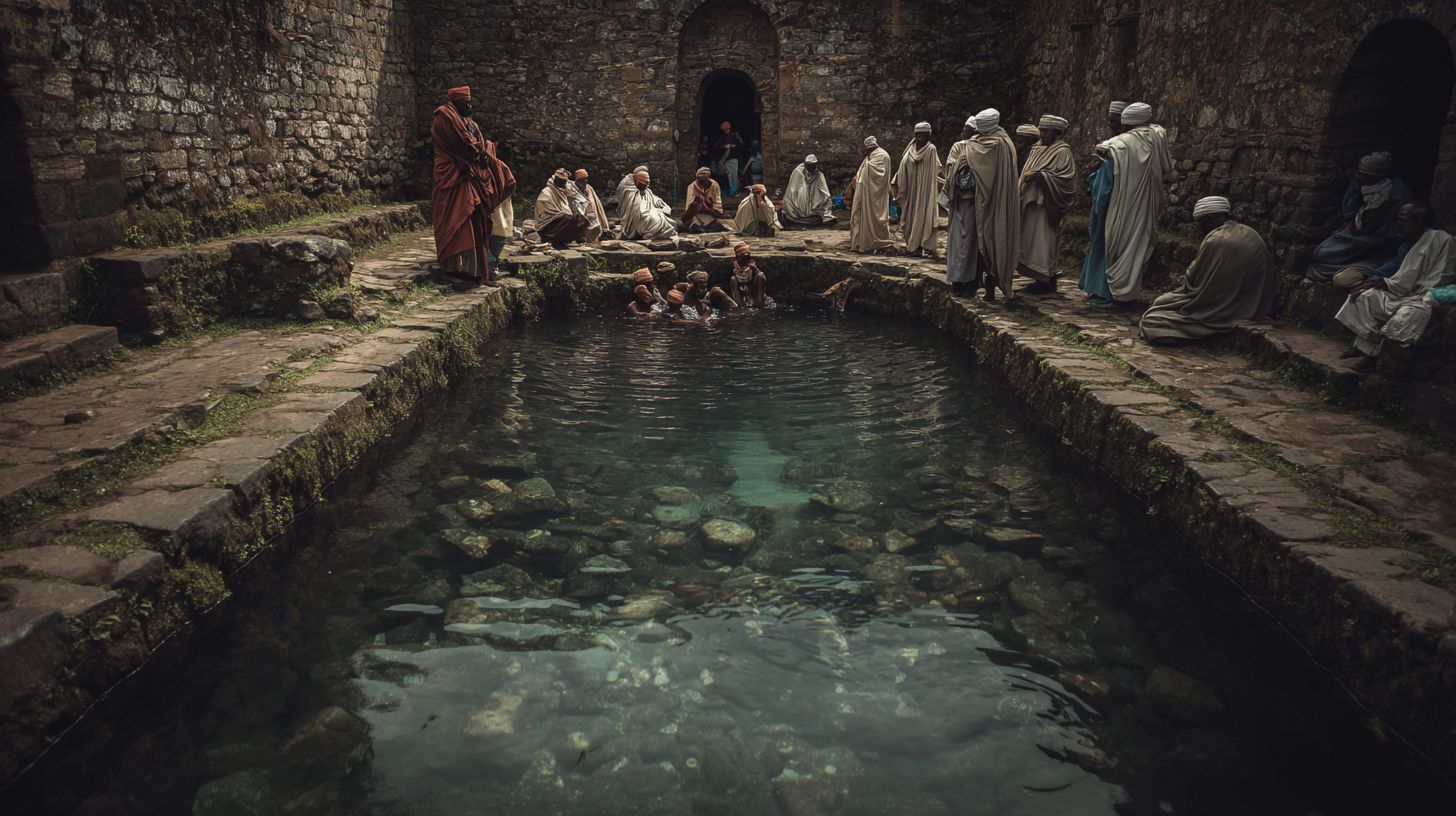
Many holy sites are associated with saints or miraculous stories that draw thousands of believers each year. These journeys create spiritual communities where people unite in prayer, singing, and shared hope. Sacred water rituals illustrate the deep connection between spirituality and healing in Ethiopian culture, embodying the belief that health is a gift nurtured through devotion, faith, and nature. For many, these rituals offer not only relief but also a reaffirmation of spiritual identity.
Balancing the Body’s Humors: Ancient Medical Philosophy
A core principle in Ethiopian traditional medicine is the theory of bodily “humors,” inherited from ancient Middle Eastern and Greek medical systems. According to this belief, the body contains internal forces that must remain in equilibrium for health to flourish. When these humors fall out of balance due to diet, emotion, or environmental factors, illness can arise. Healers diagnose imbalances through observation, questioning, and experience, prescribing treatments aimed at restoring harmony. This philosophy reveals an intricate understanding of how lifestyle and environment shape well-being.

Traditional treatments used to balance the humors may include herbal purgatives, steam therapies, massages, or dietary recommendations. Each method is chosen carefully to correct the specific imbalance causing illness. While modern science does not follow this system, the approach remains deeply respected for its cultural relevance and perceived effectiveness. It underscores Ethiopia’s ancient medical heritage and its sophisticated attempts to understand the body long before contemporary medicine emerged.
Traditional Medicine in the Modern Era
Many practices within Ethiopian traditional medicine continue to influence modern communities and health traditions. Ethiopia’s rapid development presents both challenges and opportunities for traditional healing practices. While modern healthcare offers advanced treatments and wider clinical knowledge, many Ethiopians continue to rely on traditional medicine due to accessibility, affordability, and cultural trust. Rather than disappearing, traditional and modern systems increasingly coexist, each addressing health needs through different strengths. In some regions, medical professionals collaborate with healers to integrate herbal treatments or spiritual practices into broader care strategies.

This coexistence illustrates Ethiopia’s balanced approach to progress — embracing innovation while honoring ancestral wisdom. As global interest in natural and holistic healing grows, Ethiopian traditional medicine is gaining recognition beyond national borders. Researchers study indigenous plants for pharmacological potential, while cultural organizations advocate for preservation of knowledge. The blending of ancient traditions with modern science presents a promising path for the future of Ethiopian healthcare.
Preserving Knowledge for Future Generations
One of the most pressing concerns for Ethiopia’s healing traditions is the preservation of knowledge held by elder healers. Much of this wisdom exists only through oral teaching, making it vulnerable to loss as generations change. Cultural institutions and researchers are now documenting medicinal plants, ritual practices, and diagnostic methods to ensure this heritage survives. Their efforts highlight the cultural value of traditional medicine and its potential contributions to future health innovations.
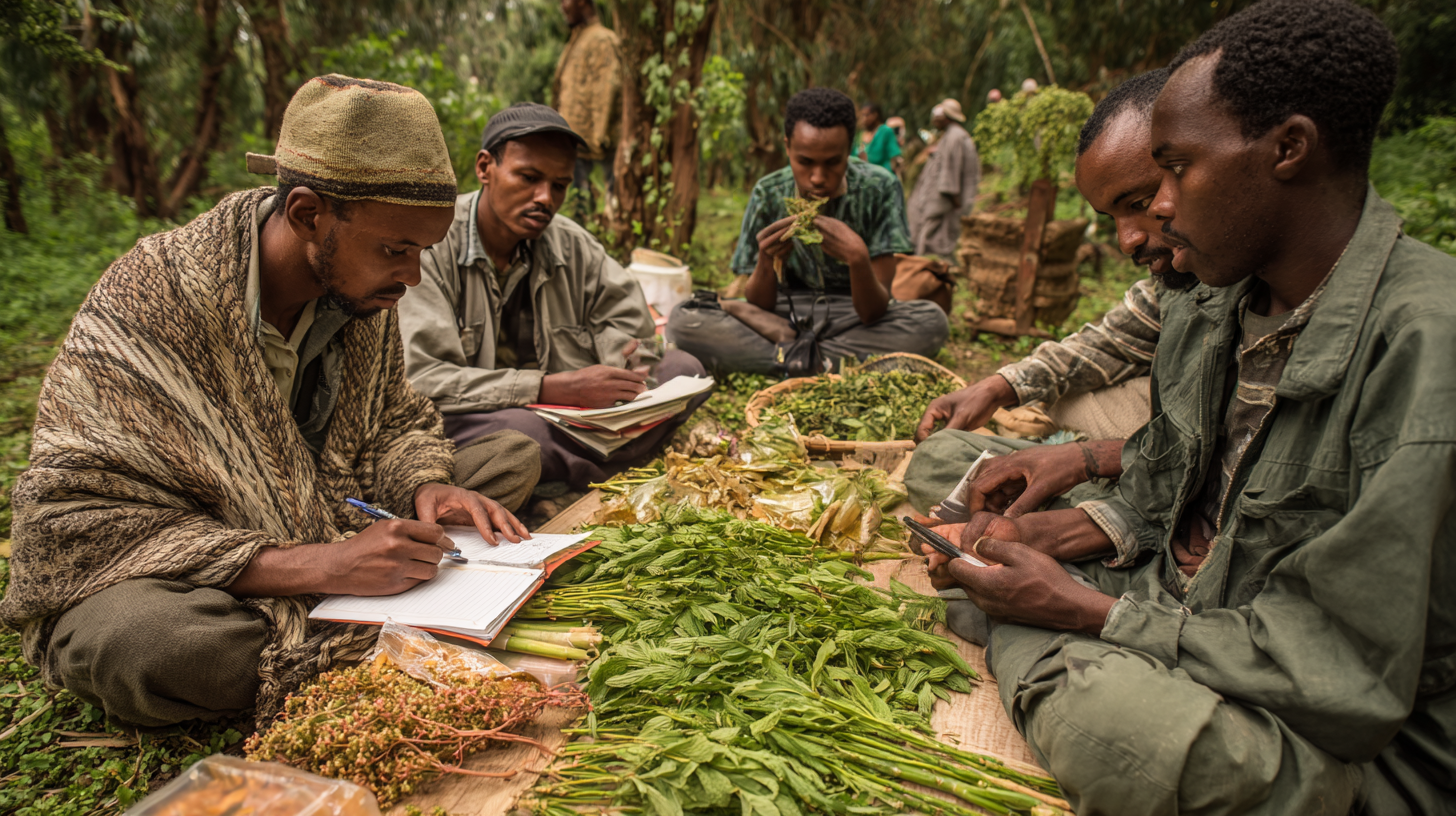
Beyond documentation, conservation of medicinal plants has become increasingly important. Overharvesting and environmental changes threaten the availability of key species, prompting the need for sustainable cultivation and protected areas. By safeguarding both the knowledge and natural resources behind traditional medicine, Ethiopia ensures that future generations can continue to access this ancient wisdom. Preservation is not only a cultural responsibility but a path toward sustainable and inclusive healthcare.
Conclusion
Ethiopian traditional medicine is a profound expression of the country’s cultural identity, spirituality, and connection to the natural world. Blending herbal expertise, ritual healing, and community support, it offers a holistic approach that has endured for centuries. As Ethiopia moves forward, preserving and respectfully integrating these traditions with modern healthcare will ensure that this ancient wisdom continues to thrive. Traditional medicine remains not just a relic of the past, but a living, evolving system that enriches the health and spirit of Ethiopian society.
Learn more on Ethiopia’s official traditional healthcare and cultural heritage resources.
I really appreciate the content of this article. I believe there is so much medicinal knowledge that has been lost over the years. As part of the younger generation it’s my desire to help rediscover this knowledge whether it be through different culture groups or the older generations.