
Diving into Japan’s Vibrant Subcultures and the World of Japan Pop Culture
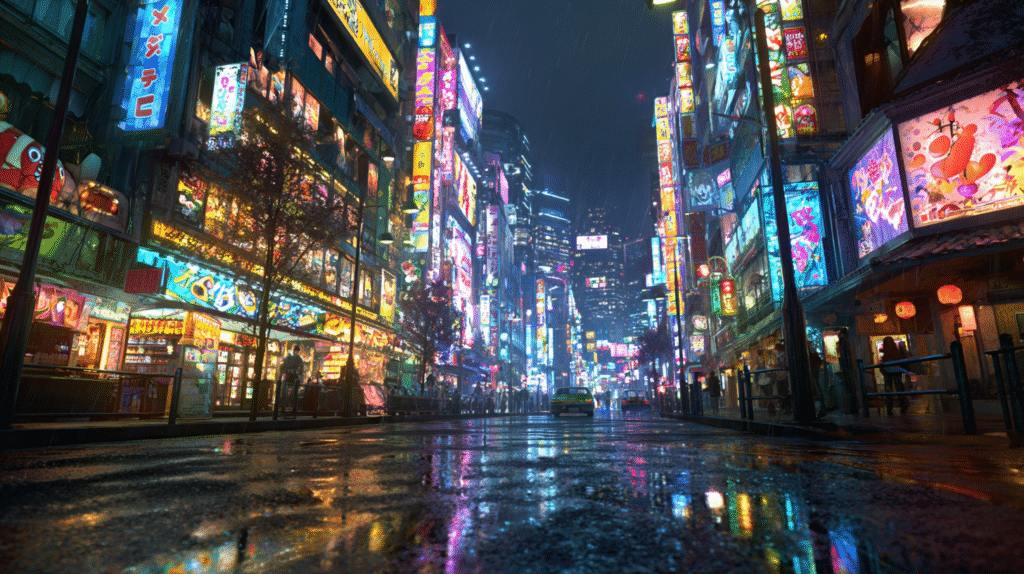
Japan Pop Culture is one of those rare things you can recognize instantly, even if you’ve never set foot in Tokyo. It lives in neon-lit streets, animated worlds, bold fashion, catchy music, and fan communities that stretch across continents. What once began as niche hobbies has evolved into a powerful cultural wave that shapes how people dress, create, dream, and connect. From late-night anime binges to cosplay conventions and J-Pop playlists, Japan Pop Culture has become a shared language for a global generation.

Walking through Japan, you don’t just see culture—you feel it. Giant screens loop anime openings in crowded districts, arcade music spills out onto sidewalks, billboards feature familiar characters, and cafés are themed around games, idols, and fantasy worlds. Everyday life blends seamlessly with imagination, making the country feel like a place where fiction and reality are always in conversation. That fusion is exactly what makes Japan Pop Culture so addictive: it turns the ordinary into something cinematic.
This guide takes you through the heart of that experience, from Akihabara’s electric otaku scene to manga studios, idol stages, gaming hubs, fashion streets, and cosplay festivals. It’s not just a list of places and trends; it’s a look at how Japan Pop Culture became a living, breathing universe you can step into, explore, and become part of.
This guide explores the most iconic locations, communities, and trends shaping Japan’s vibrant subcultures today. For official anime streaming, visit Crunchyroll.
Akihabara — The Heart of Otaku Culture
Akihabara is where Japan Pop Culture feels most concentrated, like pure energy compressed into a few buzzing city blocks. The moment you step out of the station, you’re surrounded by glowing signs, anime billboards, and shop fronts stacked with figurines, DVDs, games, and collectibles. It’s loud, bright, overstimulating in the best possible way, and you immediately understand why fans call it “otaku heaven.” Everything here is created for people who really, truly love what they love.
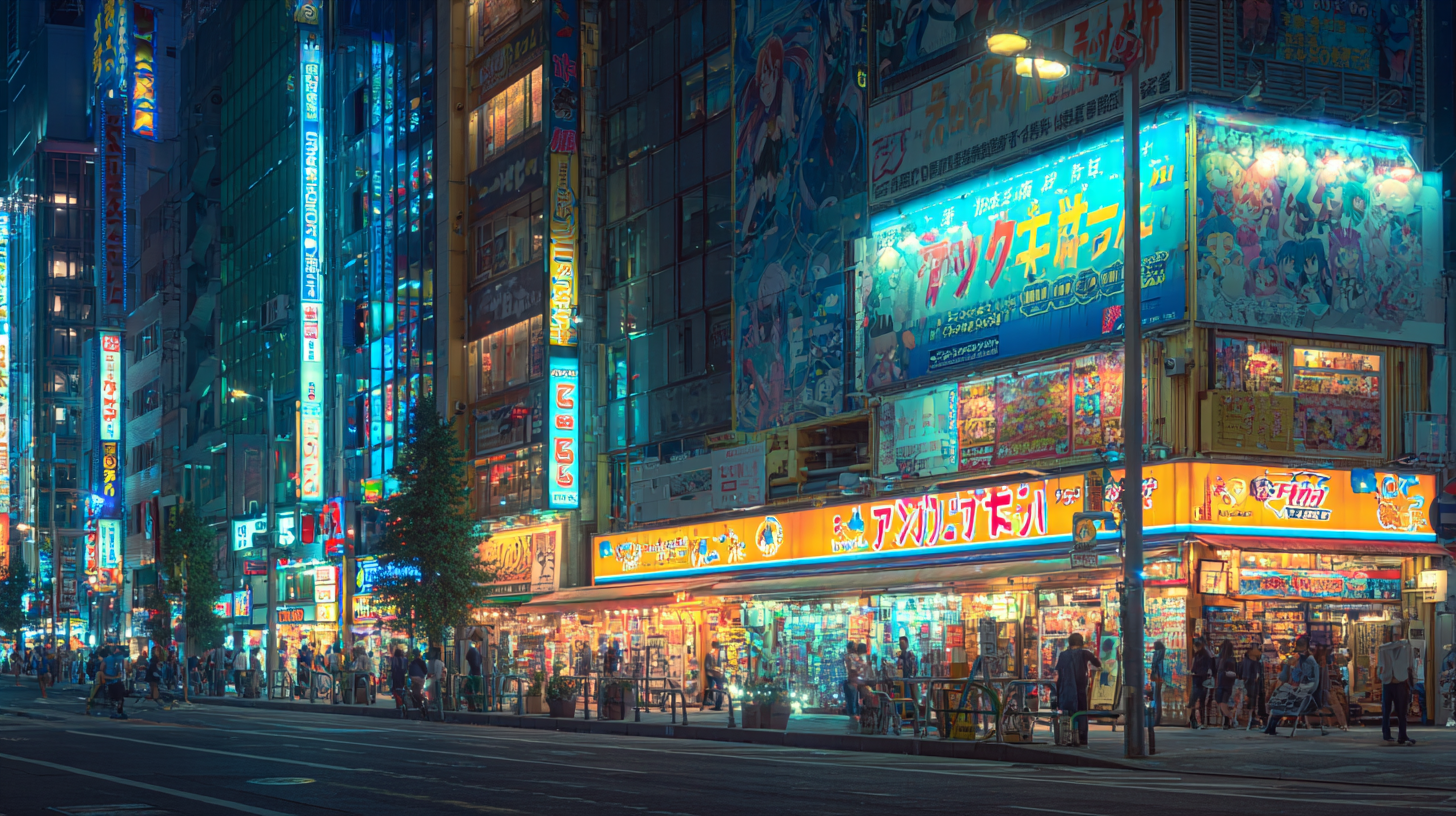
Inside multi-floor stores, entire levels are dedicated to different obsessions: rare manga volumes, vintage consoles, model kits, gacha capsule machines, character goods, and limited-edition items that exist only in this tiny corner of the world. Time disappears as you browse rows of carefully arranged treasures, flipping through art books, comparing figures, and hunting for that one special item tied to a favorite series. Even if you’re not a hardcore collector, the passion that built this ecosystem is impossible to ignore.
Beyond the shopping, Akihabara is also about experiences. Maid cafés welcome guests with playful, theatrical service that feels like stepping into a live anime skit. Arcades echo with rhythm games, fighting tournaments, and laughter from crowded booths. The whole district functions as a giant stage where fans, workers, and visitors all play their part. Akihabara doesn’t just sell Japan Pop Culture—it embodies it.
Manga & Anime — The Creative Core of Japan Pop Culture
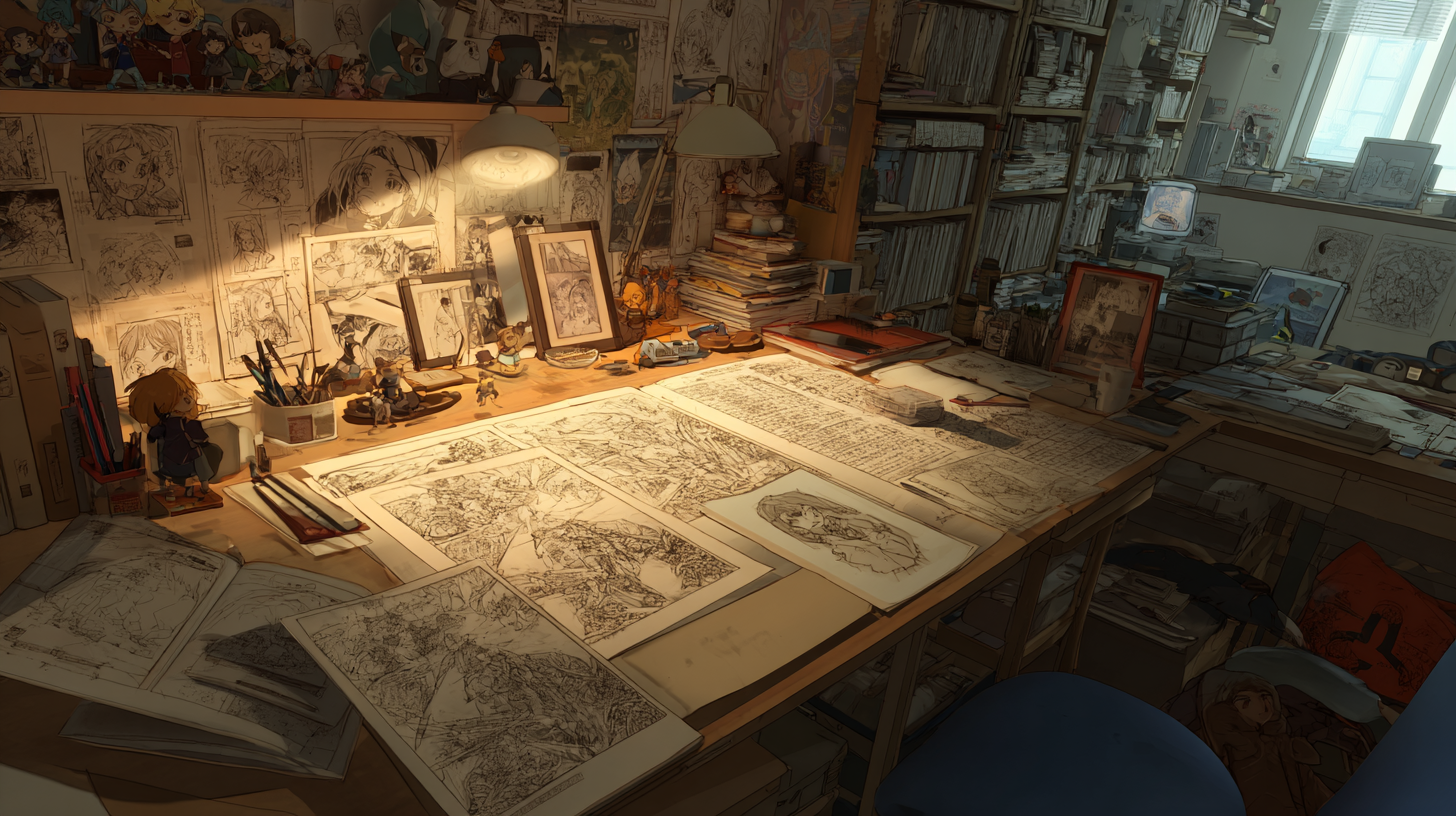
Manga and anime are the emotional engine of Japan Pop Culture. They are where stories begin, characters are born, and entire fictional universes take shape before spilling out into games, merchandise, music, and fashion. Manga fills bookstore shelves and convenience store racks, covering every genre imaginable—fantasy sagas, sports dramas, romance, horror, slice-of-life, and everything in between. It’s not just entertainment; it’s a mirror reflecting Japanese society, dreams, history, humor, and fears.
Anime turns those printed panels into motion. Iconic titles like Naruto, Attack on Titan, One Piece, and Studio Ghibli films have moved far beyond being “just shows” and become emotional reference points for fans around the world. People grow up with these stories, quote them, cosplay them, and sometimes even shape their life choices around the themes they explore. That is the power of animation when it’s treated as art rather than a children’s genre. Anime doesn’t shy away from complex emotions or difficult topics; it leans into them, often blending fantasy with very real human struggles.
In Tokyo neighborhoods like Suginami and Nakano, studios, museums, and specialty bookshops form a creative ecosystem dedicated to anime and manga. Behind the scenes, teams of writers, animators, background artists, musicians, and directors pour thousands of hours into each project. When you watch an episode or read a volume, you’re stepping into the result of intense collaboration. This is why manga and anime remain the creative core of Japan Pop Culture—they are the source material from which everything else radiates.
J-Pop & Idol Culture — Japan’s Modern Musical Identity
If anime is the visual heart of Japan Pop Culture, J-Pop is its soundtrack. Bright, polished, and unapologetically catchy, J-Pop tracks play in shops, cafés, anime endings, and karaoke rooms across the country. The songs are often built around big hooks and emotionally charged lyrics, but their real strength lies in performance. Choreography, styling, staging, and visuals are just as important as the music itself, creating an immersive experience fans can follow and support over time.
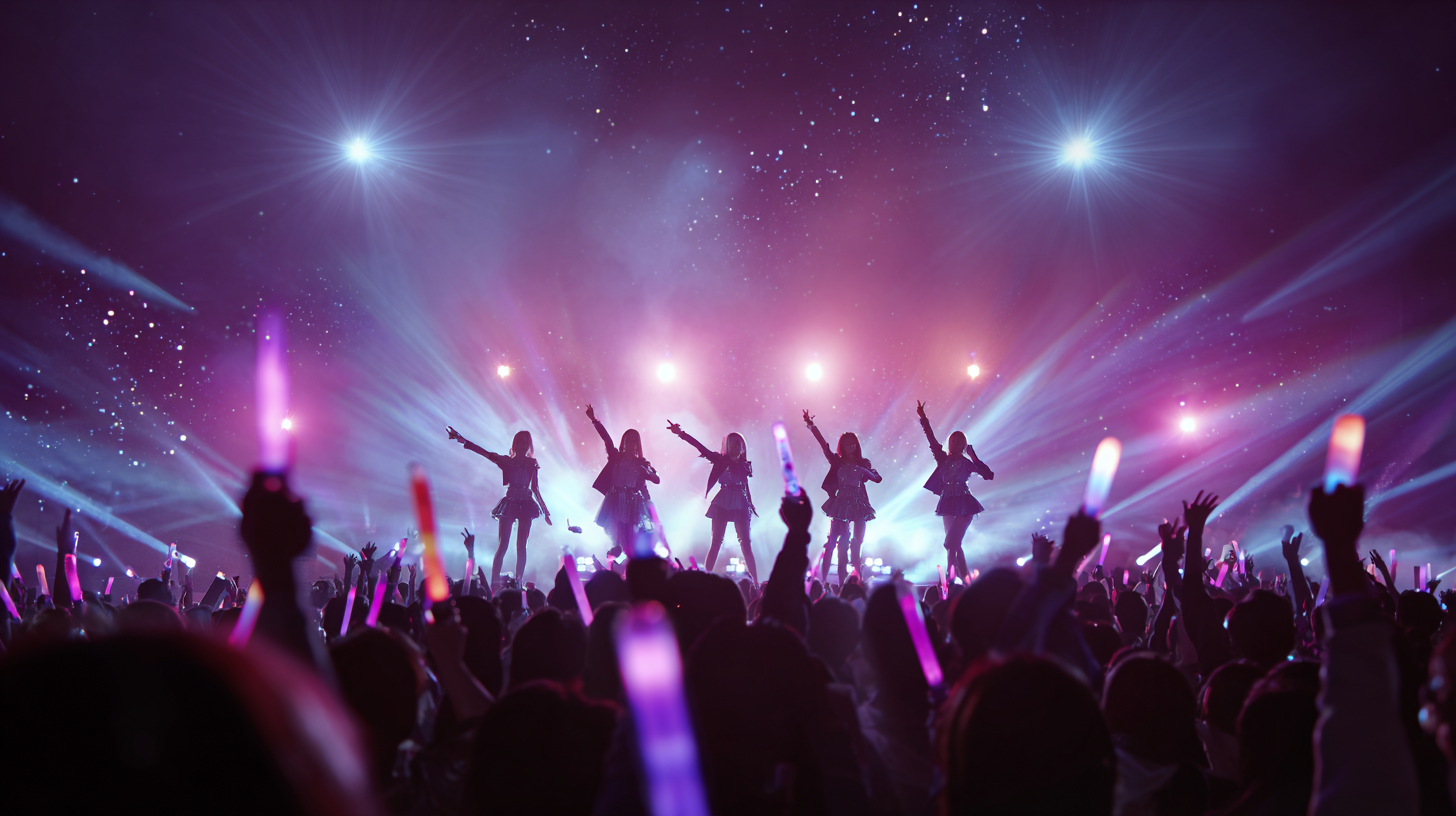
Idol culture takes that connection even further. Idol groups are built around personalities as much as talent. Members appear on variety shows, livestreams, magazine covers, social media, and fan events. Supporters learn dance moves, attend concerts, collect photo cards, and follow the careers of their favorites for years. It’s an ecosystem based on proximity and interaction—artists don’t feel distant and untouchable; they feel like someone you know and root for.
Live shows tie everything together. In venues around Tokyo districts like Shibuya, Harajuku, and Ikebukuro, the energy at concerts is intense and deeply organized. Fans coordinate light sticks, call-and-response chants, and synchronized moves that turn the audience into part of the performance. For many visitors, seeing a J-Pop show or an idol performance is one of the most memorable ways to feel Japan Pop Culture up close, in real time, with volume turned all the way up.
Gaming in Japan — From Retro Arcades to VR Worlds
Japan changed gaming forever, and you can feel that legacy the moment you walk into a Japanese arcade. Multi-story game centers in Akihabara, Shinjuku, and Osaka’s Den Den Town glow with screens, sound effects, and the soft thud of rhythm games. Rows of UFO catchers tempt you with exclusive plushies and figures. Racing cabinets, fighting games, photo booths, music games—you don’t have to be a hardcore gamer to get hooked. The atmosphere is infectious.
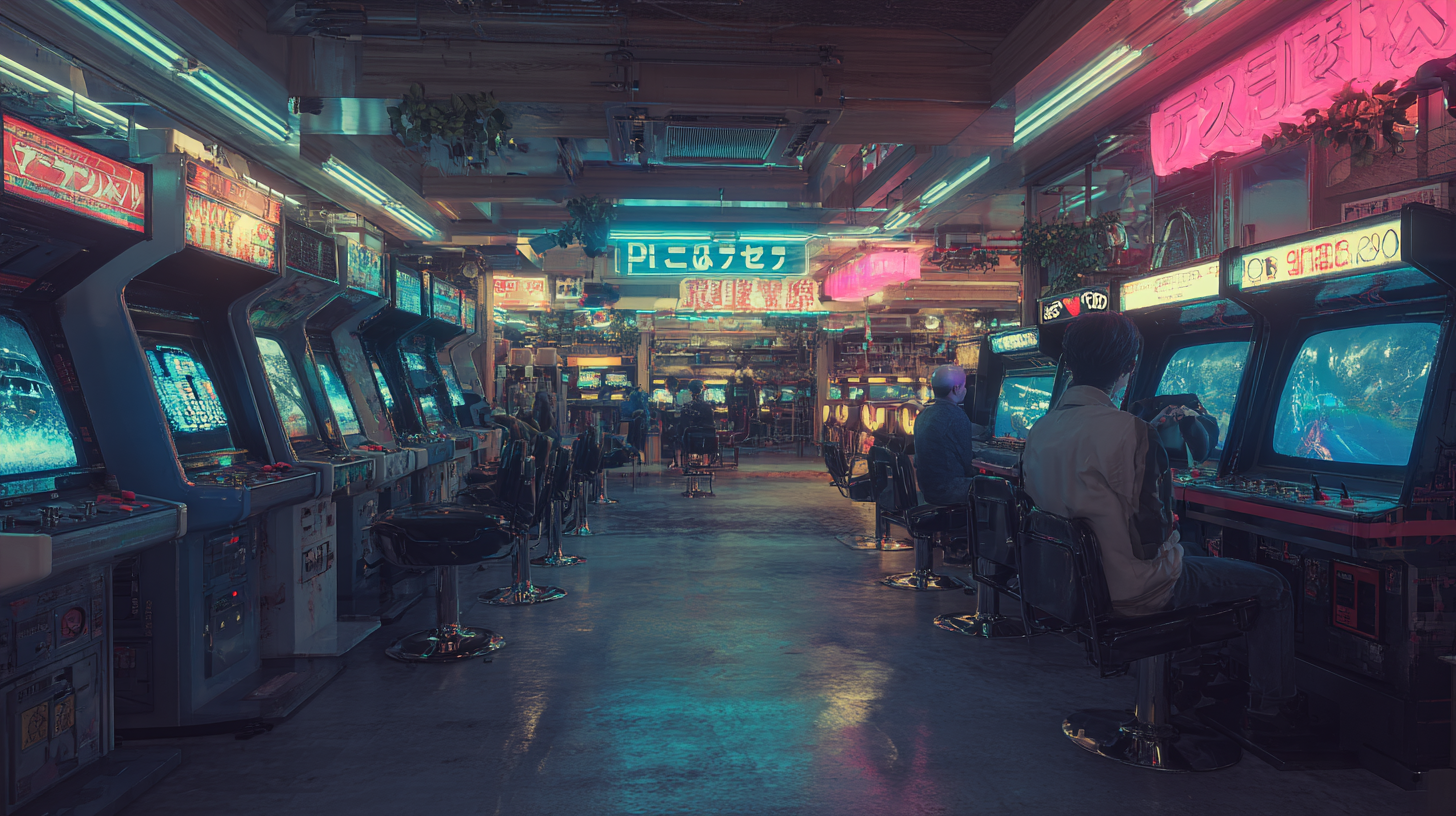
Retro gamers treat Japan like a treasure map. Shops specializing in classic consoles, cartridges, and rare peripherals feel like museums where everything happens to be for sale. You’ll find original Game Boys, Famicom systems, unopened limited editions, and titles long out of print elsewhere. For many people around the world, Japan Pop Culture started with a Nintendo logo or a Sega intro on an old TV. Visiting these stores feels like meeting your childhood all over again.
At the same time, Japan is constantly pushing forward. VR arcades, cutting-edge rhythm games, and experimental interactive attractions show how far technology can be taken when creativity leads the way. Gaming here is not just a hobby; it’s part of daily life and cultural identity. It shapes fashion, music, language, memes, and storytelling. In many ways, the global gaming scene is one of the strongest ambassadors of Japan Pop Culture.
Harajuku & Street Fashion — Where Style Becomes Subculture
Harajuku is what happens when fashion, art, and self-expression share the same sidewalk. This iconic Tokyo neighborhood is a physical embodiment of Japan Pop Culture turned into wardrobe choices. Here, clothes are more than something you wear—they’re characters you play, moods you inhabit, and statements you make just by walking down the street. It’s a place where “too much” doesn’t really exist.

On Takeshita Street, compact boutiques and colorful shops overflow with accessories, pastel pieces, platform shoes, graphic prints, and experimental styles. Movements like Lolita, Decora, Visual Kei, and various kawaii aesthetics all found their stage here. Some outfits look like they stepped out of a fairytale, others out of a cyberpunk anime, and many are a blend of both. Even if you’re dressed in something simple, just being there feels like stepping into a moving fashion editorial.
Harajuku’s influence doesn’t stop at Japan’s borders. Street snaps, fashion magazines, Instagram feeds, and music videos spread its aesthetics worldwide. Designers, stylists, and artists from all over the globe visit to observe, photograph, and draw inspiration. That’s the magic of this area: it proves that style can be more than trend-following. It can be a subculture all on its own—one that continues to fuel the visual side of Japan Pop Culture.
Cosplay & Major Anime Festivals
Cosplay is where fandom becomes performance. It’s the moment when people stop being just viewers and step directly into the worlds they love. In Japan, cosplay has grown from a niche interest into a key pillar of Japan Pop Culture, celebrated at major conventions, seasonal festivals, and themed events across the country. It’s not unusual to see entire park areas or event halls filled with characters from dozens of different series, all coexisting in a single shared space.
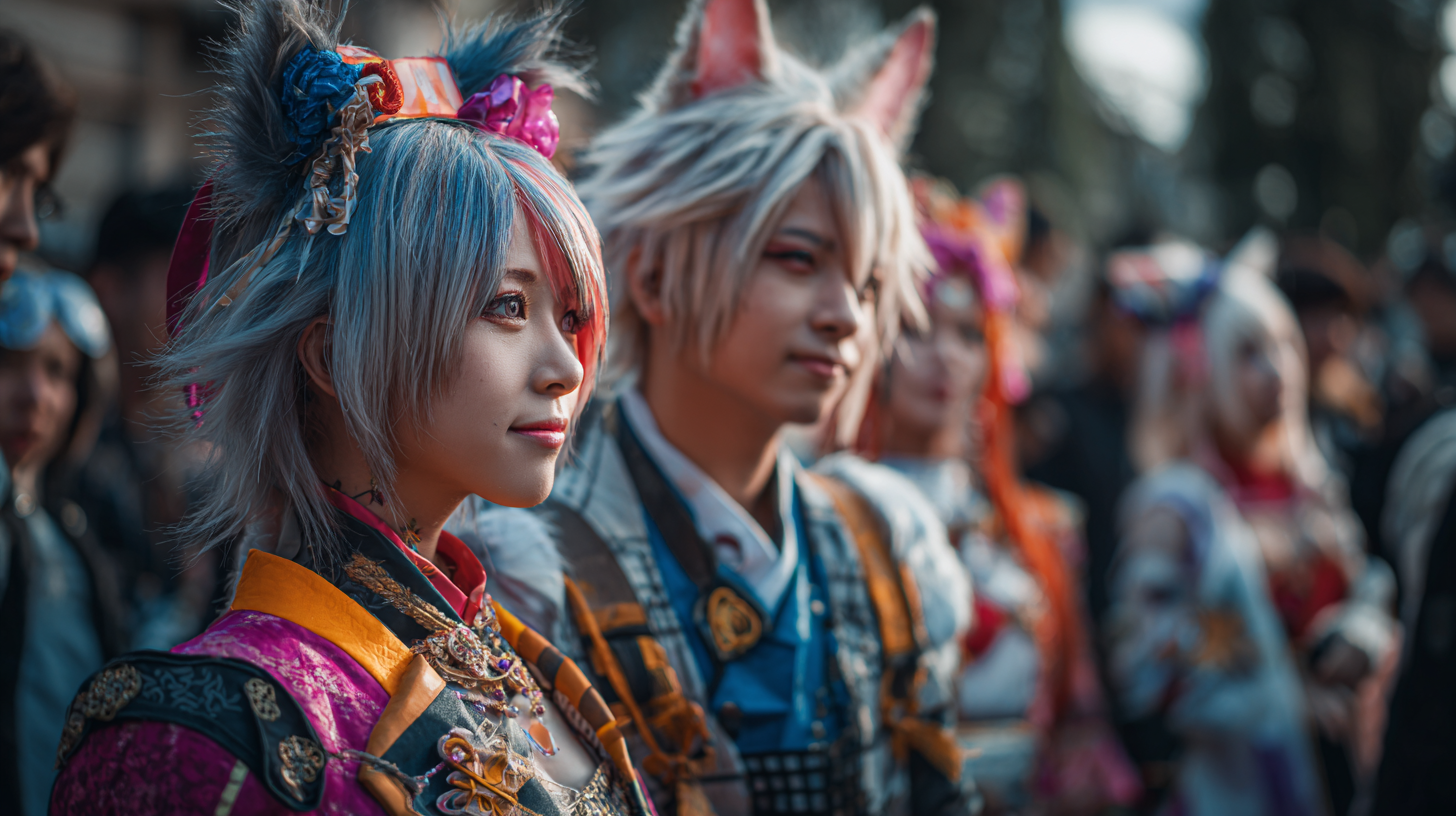
What makes cosplay so compelling is the amount of care behind each outfit. Many cosplayers spend weeks or months sewing costumes, crafting props, styling wigs, and learning poses specific to their characters. When they finally step out in full costume, it’s more than just “dressing up”—it’s storytelling. Photographers and fans respond in kind, respectfully asking for photos, sharing edits, and helping boost each other’s work online. The result is a collaborative culture built around creativity and appreciation.
Large anime events in Japan bring that energy to its peak. Convention halls fill with merch booths, industry announcements, special screenings, guest panels, and dedicated cosplay zones. For visitors, these festivals feel like walking into the center of Japan Pop Culture, surrounded by thousands of people who understand exactly why this world means so much. It’s overwhelming in the best possible way.
The Global Impact of Japanese Pop Culture
The impact of Japan Pop Culture on the rest of the world is impossible to ignore. Anime series trend globally the same day they release in Japan. Streetwear brands borrow silhouettes, colors, and patterns pioneered in Harajuku. Gaming franchises born in Japanese studios dominate sales charts and esports arenas. J-Pop and anime soundtracks appear on international playlists, even for listeners who don’t understand a single word of Japanese.
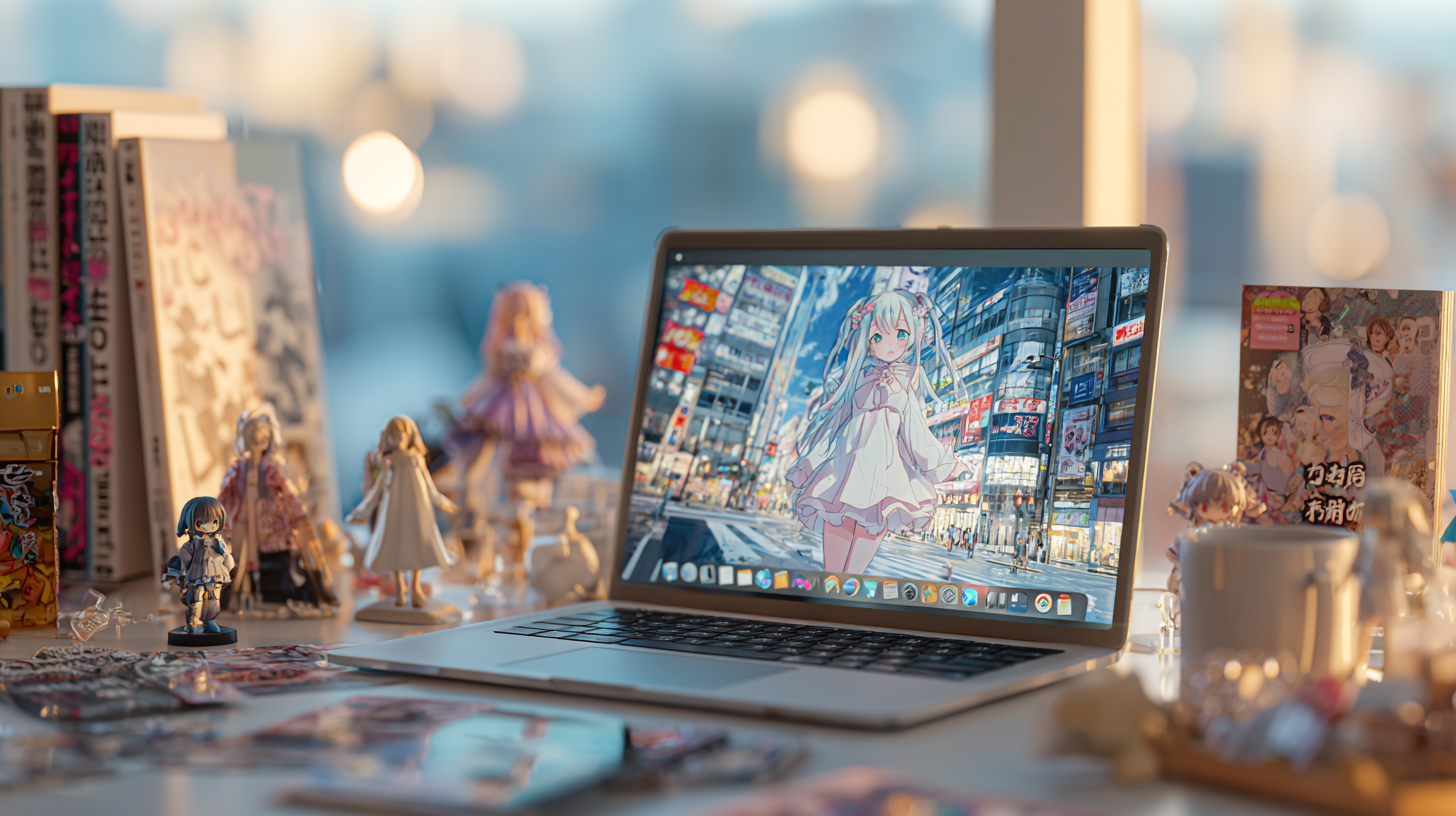
Social media has only accelerated this influence. Fanart spreads across platforms at lightning speed. Cosplay communities connect across continents. Online forums, Discord servers, and streaming chats turn late-night anime episodes into shared experiences for people who have never met in real life. For many fans, Japan Pop Culture became the doorway to learning the language, visiting the country, or exploring other aspects of Japanese tradition, from food to history to architecture.
What started as local entertainment industries has grown into a global cultural ecosystem. Japan doesn’t just export shows, songs, and products—it exports stories, aesthetics, and ways of expressing identity. And the more accessible these worlds become, the more new generations discover them and reshape them in their own image.
Conclusion
Japan’s pop culture is more than a collection of trends, fandoms, and franchises. It is a living universe constantly expanding through anime, manga, music, fashion, games, and fan communities. It offers escape when you need it, inspiration when you’re stuck, and connection when you feel alone. That’s why Japan Pop Culture resonates so strongly: it gives people permission to care deeply about the things that move them.
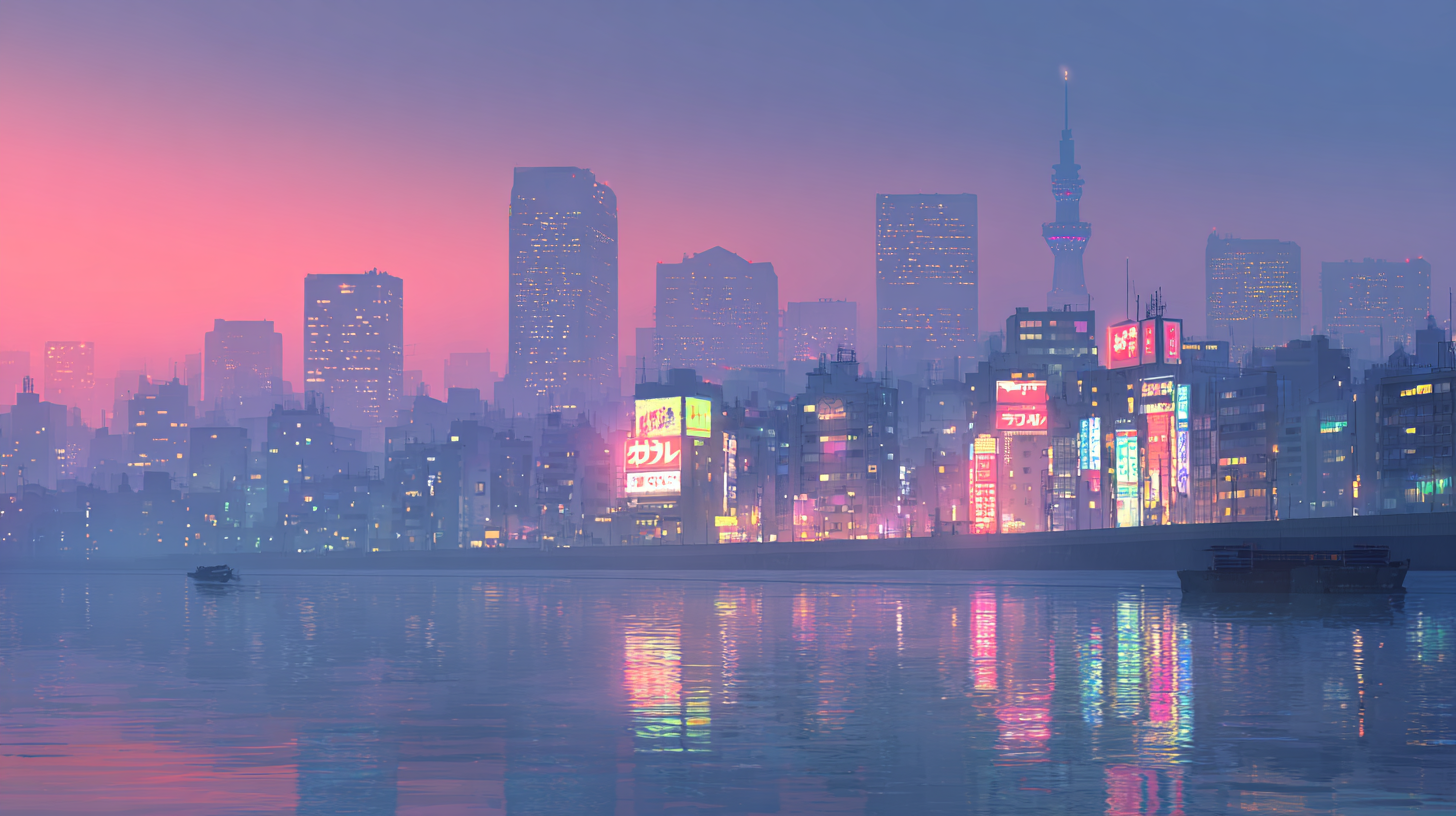
Whether you’re wandering through Akihabara’s glowing streets, watching a new anime at home, singing J-Pop at karaoke, hunting for vintage games, or admiring cosplayers at a festival, you’re participating in something bigger than yourself. You’re stepping into a shared story that spans cities, countries, and languages.
If this world has captured your curiosity, it’s only the beginning. After diving into modern pop culture, you might find yourself drawn to the other side of Japan’s identity—its temples, castles, gardens, and historical districts that shaped the country long before neon and anime. Exploring both sides together is what makes a journey through Japan feel truly complete.
If you’re exploring more of Japan, read our guide to Japan’s historical sites and architecture — a perfect next step after diving into pop culture.