
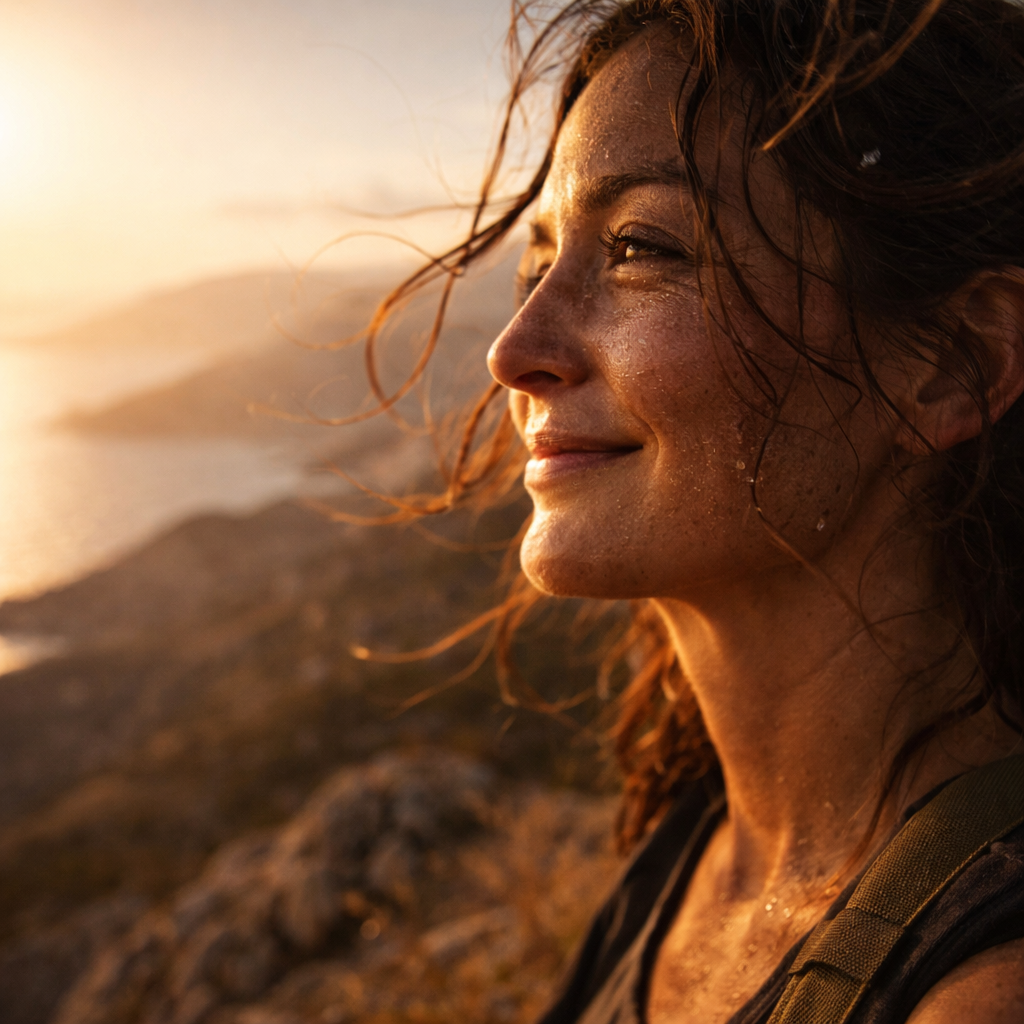
Most people come to Greece expecting sun, ruins, and long seaside lunches. All of that is real, and all of it deserves its reputation. But there is another Greece running alongside the postcard version — a Greece of gorges, cliff faces, wind corridors, alpine trails, and islands where the landscape feels built for movement rather than stillness. Once travelers notice that layer, the country changes completely. It stops being only scenic and starts feeling physically alive.
That is why adventure travel in Greece works so well. You do not need to choose between a beautiful trip and an active one. Greece gives you both at once. You can hike through a gorge in the morning, swim in clear water by late afternoon, and end the day in a village taverna without ever feeling like you signed up for a hardcore expedition. The country is unusually good at turning outdoor effort into travel pleasure instead of travel punishment.
This guide is built around that idea. Instead of offering one vague “outdoor Greece” article, it breaks the country into distinct adventure styles: hiking, climbing, wind sports, and landscape-based escapes that actually fit into a real itinerary. Some places are ideal for first-time active travelers, while others appeal more to people who want challenge, technical skill, or a stronger sense of wilderness. Once you know which kind of adventure mood you want, Greece becomes far easier to plan.
Why Greece Is Better for Adventure Travel Than Many People Expect
Greece works for adventure because the country is naturally fragmented in a useful way. Mountains, islands, coastlines, and inland valleys sit close enough together that you can shape a trip around one active theme without losing variety. A traveler does not need to choose between “nature” and “culture” in the way they might in some other destinations. In Greece, an active day can still end in a historic village, a harbor dinner, or a slow evening that feels deeply Mediterranean. That balance is one of the country’s biggest strengths.
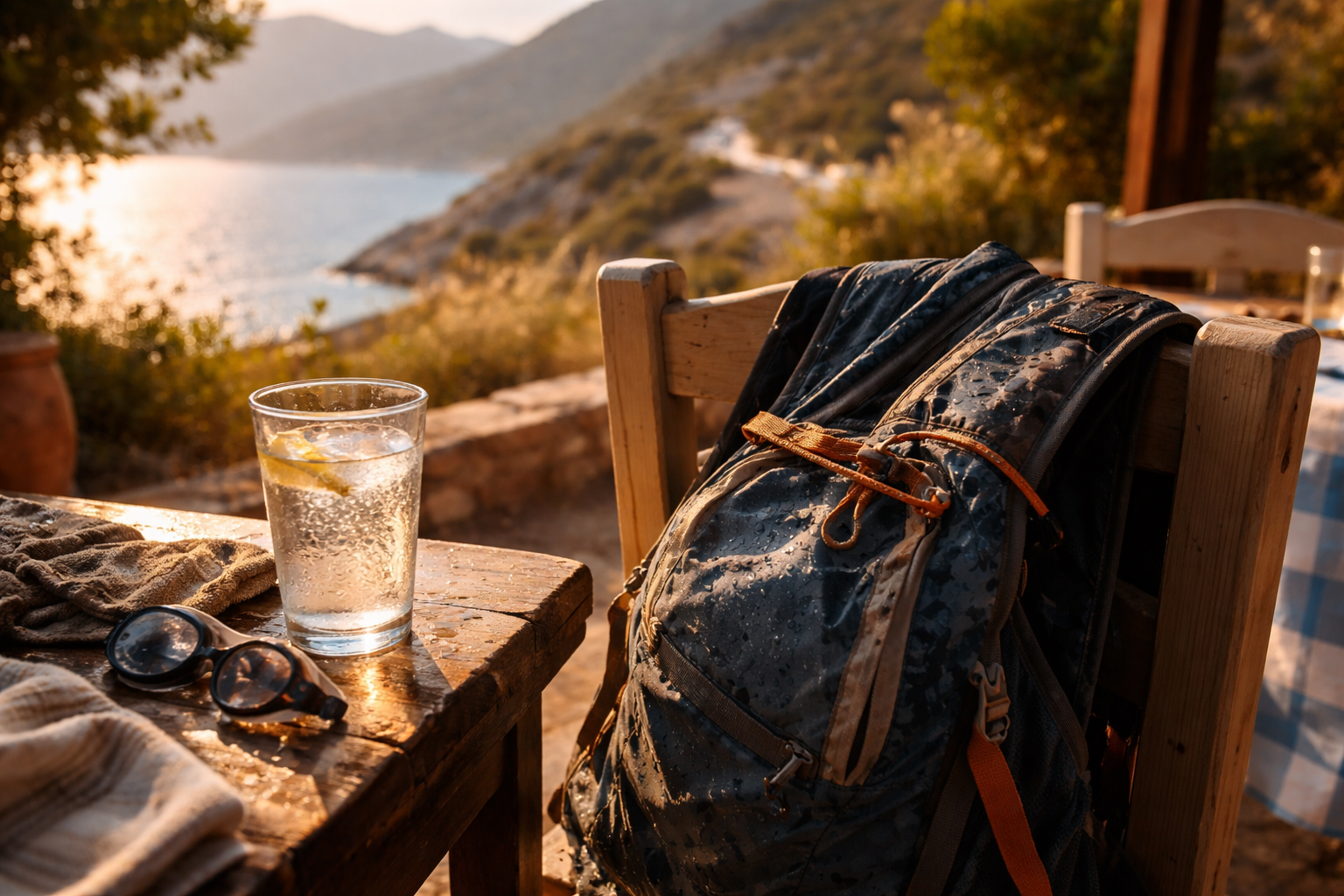
Another reason adventure travel in Greece feels so attractive is that many experiences remain visually dramatic without being logistically extreme. The landscapes do a lot of the work for you. Gorges feel cinematic, cliffs feel vertical in a way that is instantly impressive, and Aegean wind conditions create world-class sports settings without demanding a remote expedition mentality. Even when the activity is physically real, the surrounding infrastructure often keeps the experience accessible.
This makes Greece especially good for readers who want one or two strong active chapters inside a broader trip. Not every traveler wants a fully sport-focused holiday. Some want a week that includes a major hike, a climbing day, or a few afternoons of windsurfing without surrendering the rest of the journey to gear, transfers, and recovery days. Greece is one of the best places in Europe for exactly that type of hybrid travel.
Hiking in Greece: The Country’s Most Underrated Strength
If there is one activity that reveals Greece most completely, it is hiking in Greece. Walking through the landscape changes how the country reads. Distances become more physical, mountains stop looking decorative, and islands that seemed “beach-only” suddenly reveal ridges, paths, old mule routes, and inland quiet you would never notice from a car or ferry. Hiking gives Greece depth.
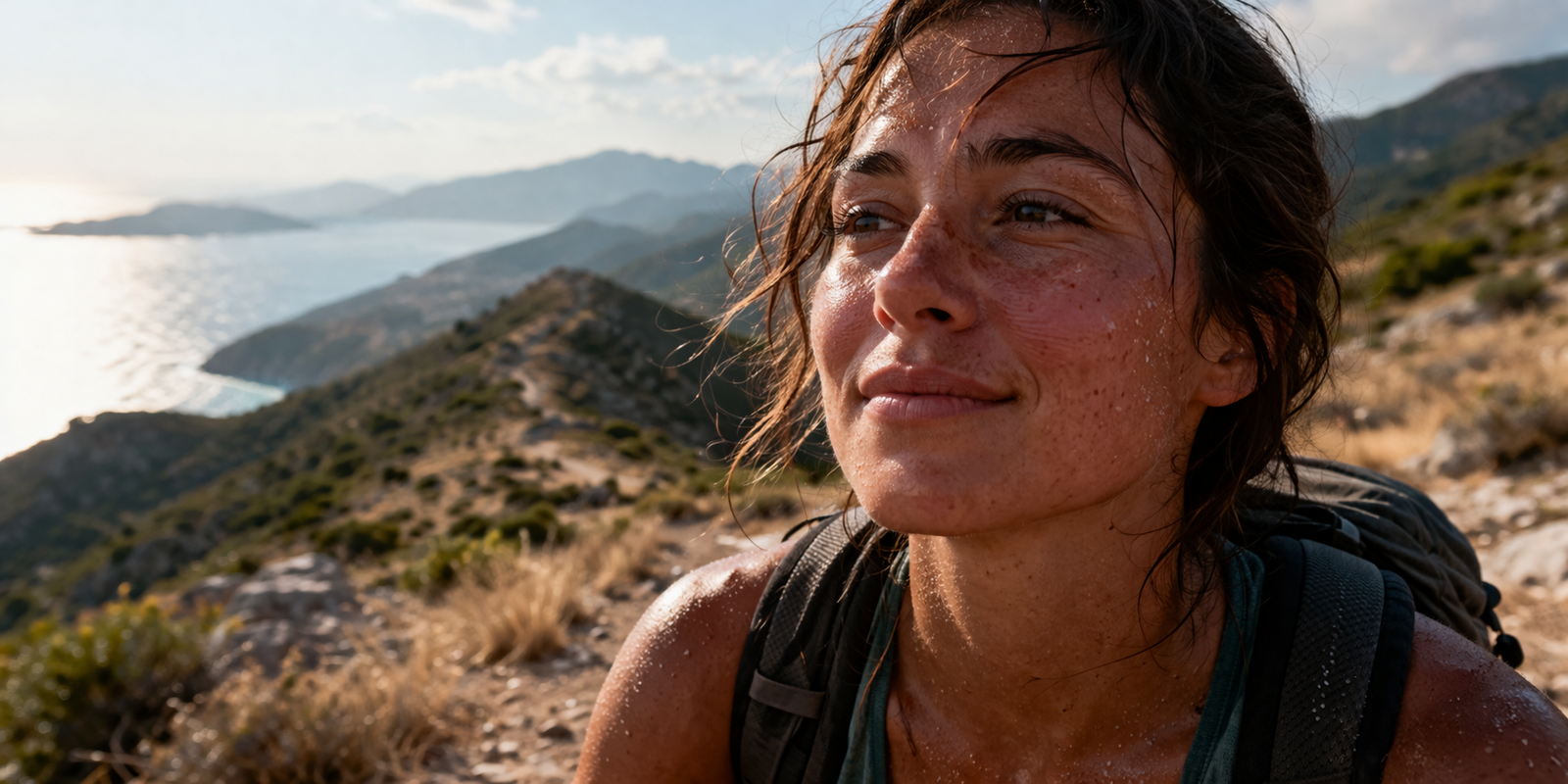
Part of what makes hiking here so satisfying is contrast. One route may cut through dry, rocky terrain with huge sea views, while another moves through forest shade, riverbeds, or mountain air that feels almost impossible to associate with the summer image of the country. This variety keeps hiking from feeling repetitive, even if you build a whole trip around it. The emotional tone changes from region to region, which is exactly what makes a hiking chapter in Greece so memorable.
It also helps that hiking often integrates naturally with normal travel. A strong hike can be followed by a swim, a slow lunch, or a village evening without the whole day collapsing from exhaustion. Greece encourages that rhythm. The best hiking trips here are not ultra-performance itineraries. They are days with a clear physical peak and a soft landing afterward.
Samaria Gorge: The Hike That Justifies Going to Crete Even If You Thought You Were Coming Only for the Sea
The Samaria Gorge hike is one of the most famous outdoor experiences in Greece, and unlike many “must-do” routes, it actually earns the attention. It works because it delivers a clear sense of journey: you do not simply walk through pretty scenery, you descend through shifting terrain, cliffs tighten around you, the scale changes, and the route builds its own narrative as you move through it. By the time you finish, it feels less like a walk and more like an entire day’s story.
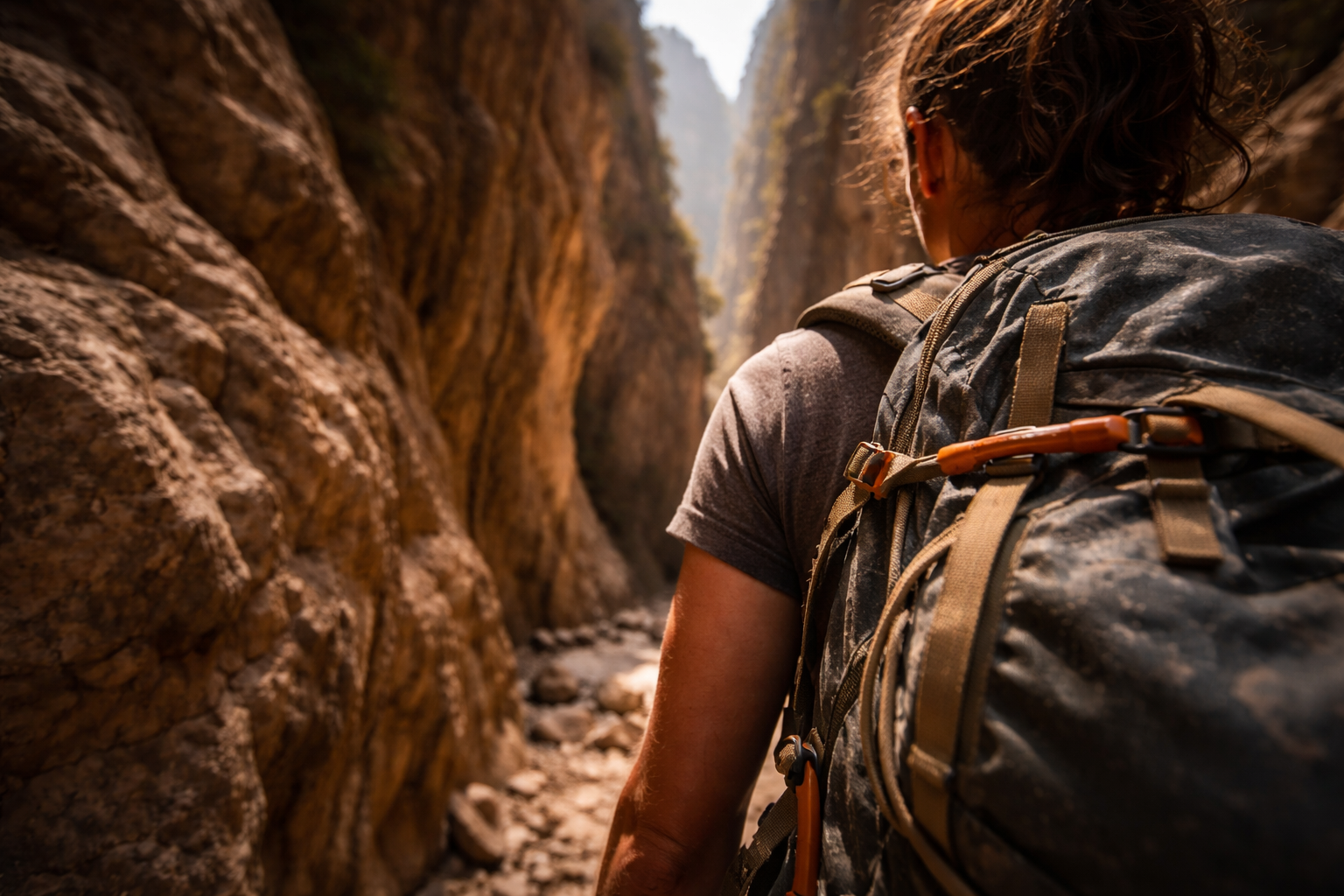
The gorge also represents something important about Crete itself. Many travelers arrive on the island expecting beaches, food, and coastal roads, then discover that Crete has a harder, more vertical interior that feels almost like a separate country. Samaria is one of the clearest ways to access that side of the island. It shows that Greece can be rugged, serious, and physically rewarding without losing any of its beauty.
To enjoy Samaria properly, readers need the right expectations. This is not a “casual scenic stroll,” and it should not be treated like a filler between beach days. It is an anchor day. Start early, wear proper shoes, carry water, and build your schedule so the hike is the main event rather than one stop in an overloaded plan. Done that way, Samaria becomes one of the strongest arguments for adventure travel in Greece as a whole.
Before you commit the day, check the official Samaria National Park visitor information for access rules, timing, and practical updates.
Rock Climbing in Kalymnos: Greece’s Most Distinctive Adventure Identity
Some destinations become famous for an activity almost by accident; Kalymnos has become synonymous with climbing because the match is so natural that it feels inevitable. The limestone, the routes, the sea light, and the island atmosphere all come together in a way that makes rock climbing in Kalymnos feel less like a trend and more like a complete travel identity. Even people who do not climb often know the island by reputation, which says a lot.
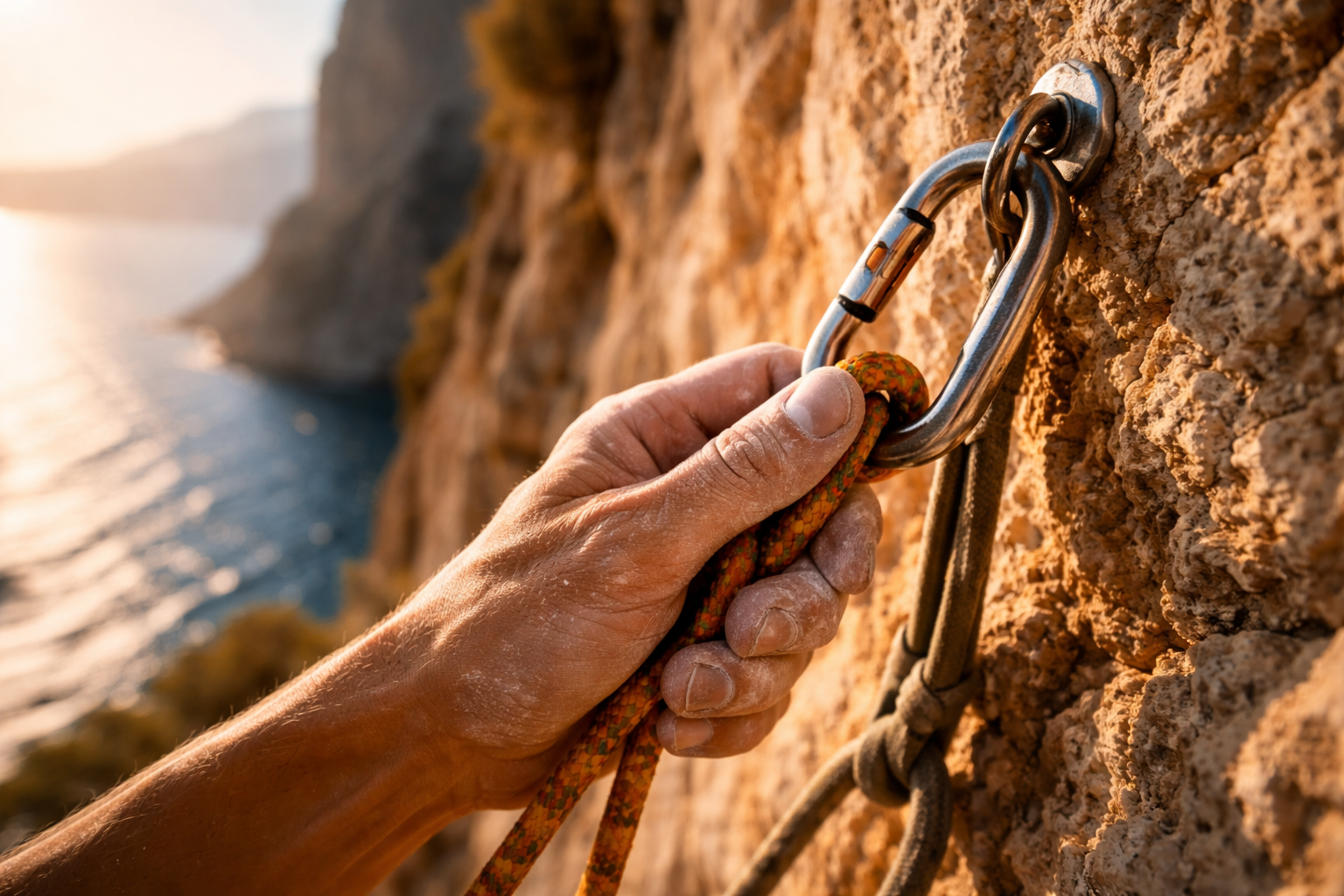
What makes Kalymnos especially attractive is that the climbing experience does not exist in a vacuum. The island still feels Greek in all the ways travelers want it to: harbors, tavernas, warmth, local pace, and evenings that reward fatigue with simplicity rather than excess. That combination is rare. Many world-class climbing destinations ask travelers to sacrifice atmosphere for access or comfort for quality. Kalymnos gives you both high-level climbing culture and a setting that still feels emotionally generous.
For travel planning, Kalymnos works best when treated as a dedicated chapter rather than a quick stop. Climbers will naturally want several days, but even readers who are only climbing casually will get more out of the island if they allow it time. The routes matter, but so does settling into the rhythm of the place. That is what makes Kalymnos more than “a good island for climbing.” It becomes a trip with character.
Windsurfing and Wind Culture: The Aegean at Its Most Kinetic
If climbing gives Greece a vertical identity, windsurfing gives it a horizontal, elemental one. The Aegean is one of those seas where wind is not just weather — it is structure. It shapes afternoons, coastlines, beach life, and the way certain islands are understood by people who know the conditions well. For readers interested in windsurfing in Greece, this makes the country unusually attractive because the sport is not an imported activity layered onto the landscape. It belongs to it.
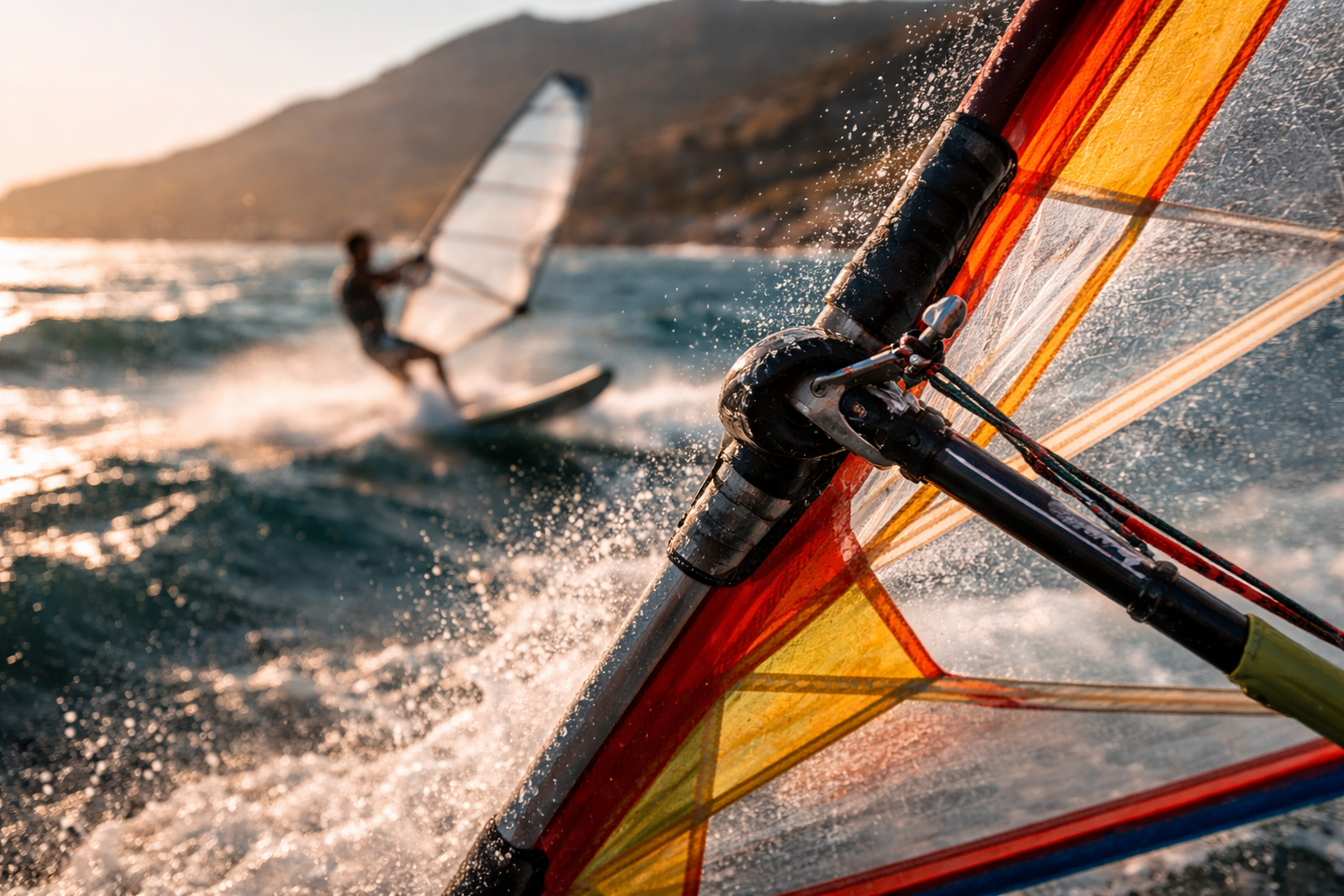
Paros and Naxos are especially important in this conversation because they offer the kind of consistent wind conditions that turn a simple beach trip into a real sport destination. The result is a travel experience with a different energy from the usual Greek-island script. Instead of long passive sunbathing days, you get motion, spray, effort, and a stronger sense of using the sea rather than simply looking at it. This gives windsurf-focused travel a freshness that many travelers do not expect from Greece.
The best way to present this section to readers is not as an expert-only world, but as a spectrum. Greece works for committed windsurfers, yes, but it also works for travelers who simply want one or two days of lessons or a more active island chapter. The islands already offer beauty and food; wind just gives them a sharper edge. That edge is what makes the topic stand out from generic beach content.
How to Choose the Right Adventure Region for Your Travel Personality
One of the easiest ways to improve this article is to stop pretending all adventure travelers want the same thing. They do not. Some readers want one iconic hike and then comfort. Some want a climbing-based holiday. Some want the sea to be active, not decorative. Some want movement but not technical difficulty. A good guide to adventure travel in Greece should help people map personality to place rather than just naming destinations.
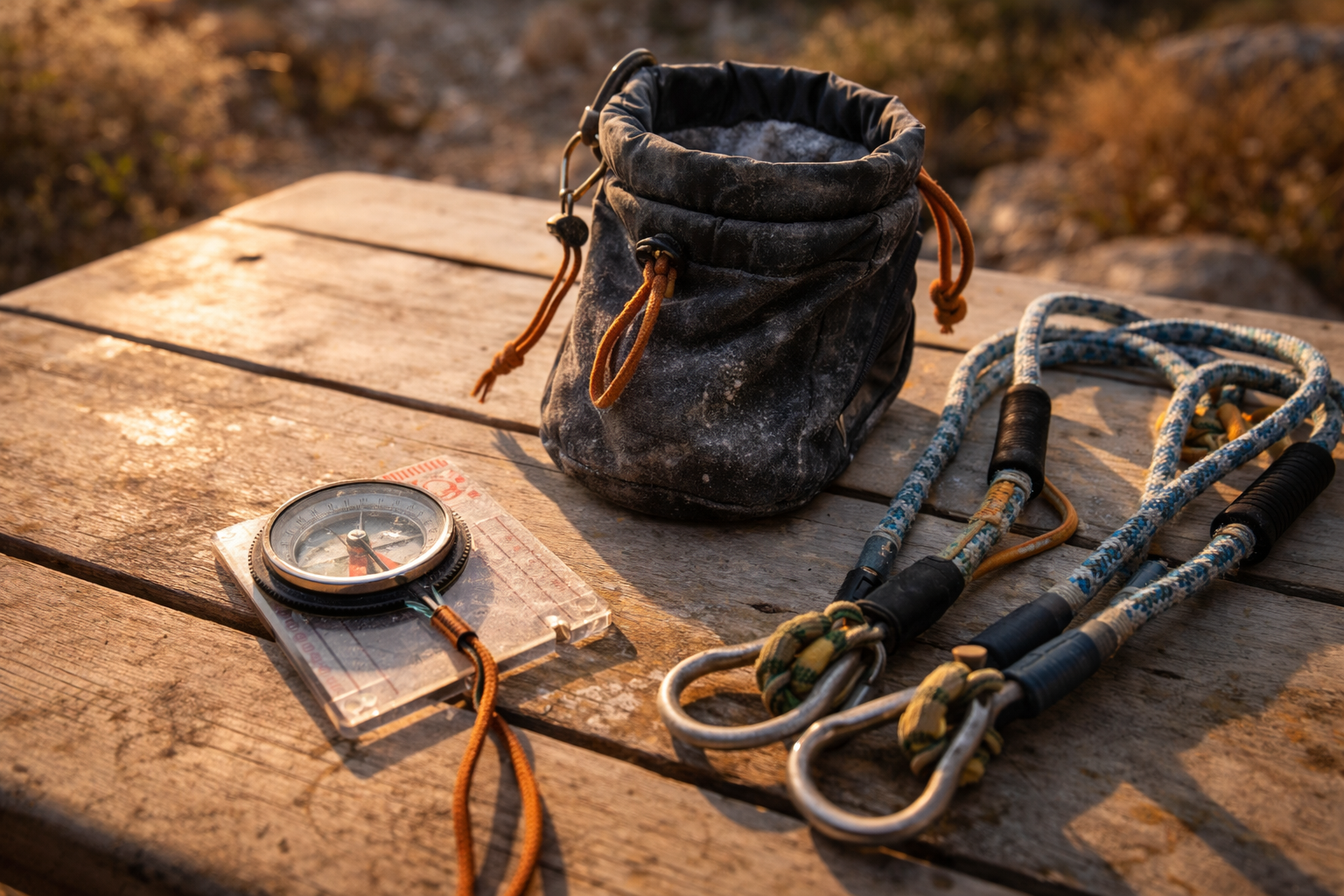
Crete is usually strongest for travelers who want one or two major active highlights inside a wider, varied trip. It balances hiking, scenery, food, and coastal relaxation better than almost anywhere else in the country. Kalymnos is a more focused answer for climbers or adventure-first travelers. The Cyclades, especially islands like Paros and Naxos, are ideal for travelers who want movement in a sun-and-sea framework rather than in mountain terrain. The mainland can also work, but it tends to suit people who want a deeper overland journey rather than a classic island structure.
This kind of positioning matters because it prevents disappointment. A beach lover who accidentally builds a hyper-active Kalymnos trip may feel underwhelmed by the rest of the island. A serious hiker who expects a purely scenic walk in Samaria may underestimate the physical commitment. When the article helps readers choose by temperament, the whole piece becomes more useful and more distinctive.
How to Build an Active Greece Trip Without Burning Yourself Out
Outdoor Greece is at its best when effort and pleasure alternate. That sounds obvious, but many travelers still make the mistake of planning every day as if the country were one giant challenge course. In reality, the most satisfying active Greece itineraries usually follow a simpler logic: one major movement day, one lighter scenic day, one culture-or-sea reset day, and then another strong activity. That rhythm preserves energy and keeps the trip emotionally bright.
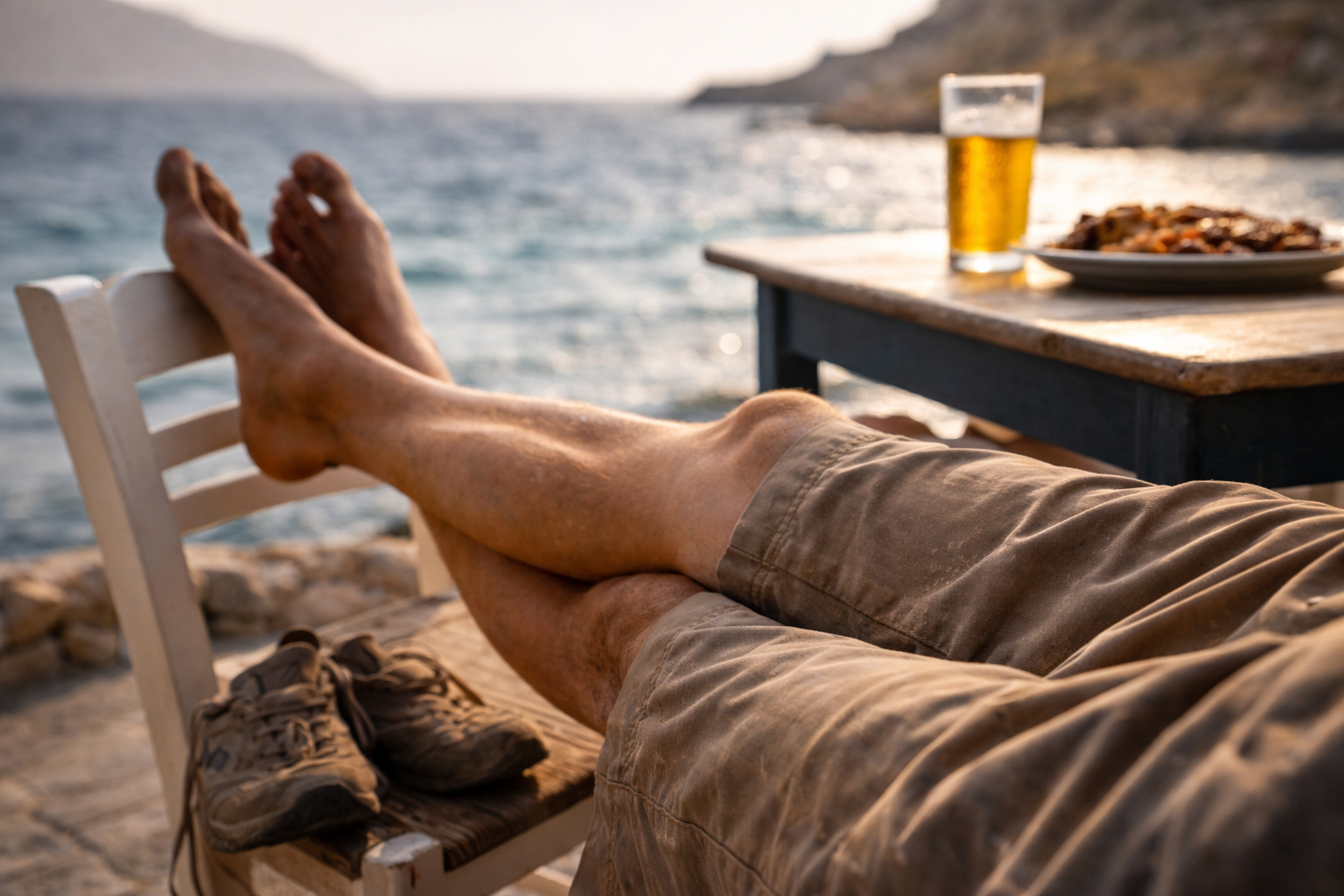
This matters because Greece rewards contrast. The country is too beautiful and too sensorial to be treated like a pure sports venue. If you hike hard one day, let the next day include water, food, and stillness. If you windsurf or climb, build the evening around recovery rather than forcing nightlife or another long transfer. A great active itinerary should feel balanced, not punished. In that sense, France and Greece share something important: both countries are better when you travel with pacing instead of greed.
It also makes the article more reader-friendly to say this directly. Many people want adventure, but they do not want exhaustion. They want to feel strong, refreshed, and full of stories — not physically wrecked by day three. A stronger version of this topic must acknowledge that real travel bodies have limits. Greece becomes a better adventure destination the moment readers stop treating that as weakness and start treating it as strategy.
If you want the recovery days to feel just as memorable as the active ones, this Greek food guide fits naturally into a slower evening rhythm.
When to Go: Season Changes Everything
Seasonality is one of the most important pieces of this topic because outdoor Greece behaves very differently depending on when you arrive. Spring and early autumn are often the best all-around windows for active travel because temperatures are more forgiving, landscapes feel more alive, and hiking or climbing can happen without the kind of punishing heat that summer brings. This is especially important for readers considering gorges, inland hiking, or climbing sectors that are exposed for much of the day.
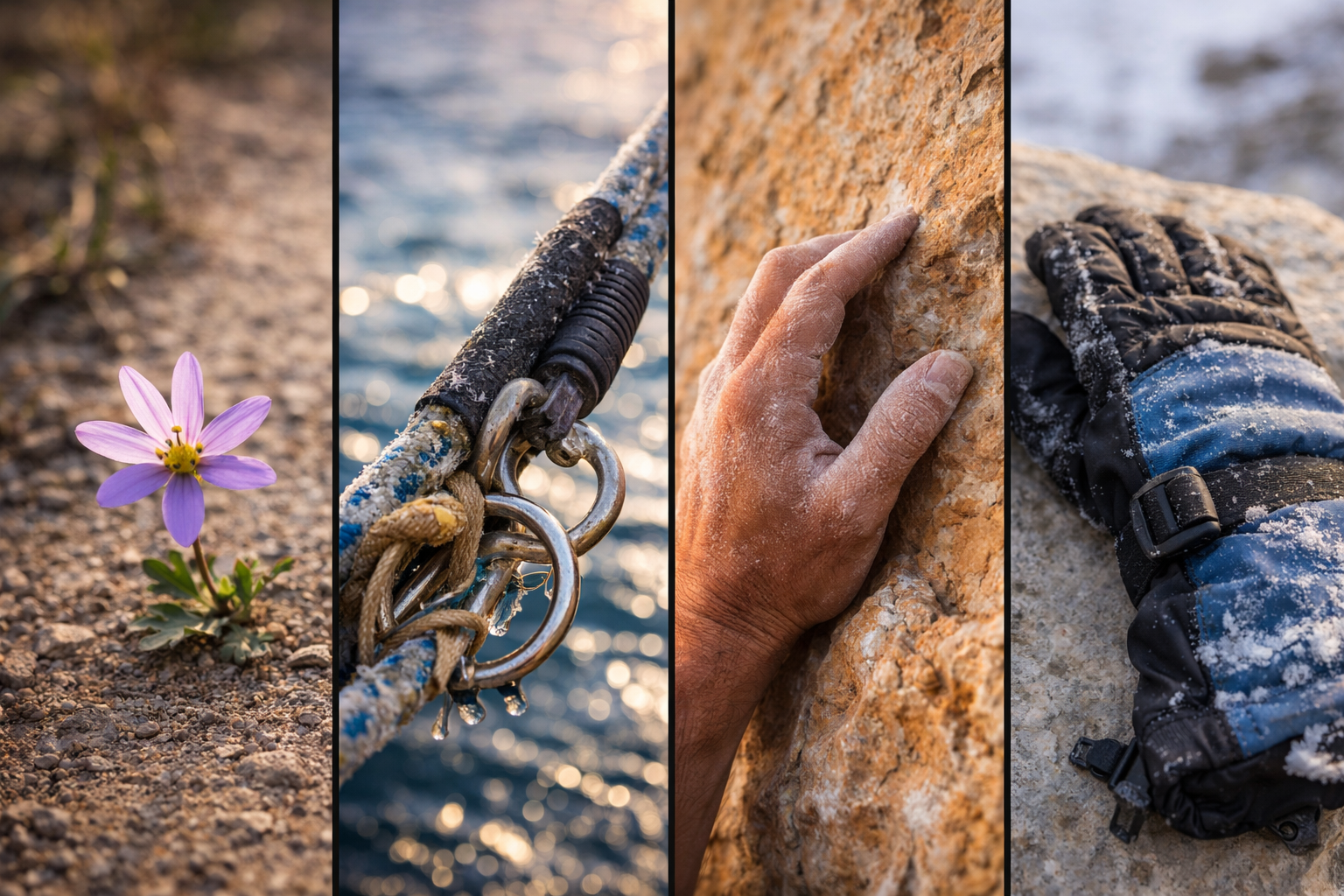
Summer still works, but it shifts the equation. Water-based activities become more attractive, early starts matter more, and routes that would feel pleasant in April can become draining in July or August. The good news is that Greece in summer naturally supports split-day structures: active morning, slow midday, sea or food reset, then lighter evening. If readers understand that rhythm, they can still have an incredible active trip. The mistake is pretending summer allows the same energy budget as spring.
This is also where a stronger article becomes more unique than the original. Instead of vaguely saying “Greece is great for adventure,” it explains when certain types of adventure work best. That makes the content more useful, more realistic, and more likely to convert curiosity into an actual planned trip.
Conclusion: Greece Is Best When You Move Through It
The most common misunderstanding about Greece is that it is only a place to look at. In reality, it is one of the most satisfying countries in Europe to move through physically. Gorges reveal its scale, limestone walls reveal its intensity, island winds reveal its kinetic side, and trails reveal just how much of the country’s beauty lives beyond the obvious roads and harbors. That is why adventure travel in Greece is such a strong travel theme when written properly — it turns a familiar destination into something fresher and more personal.
What matters is not doing every activity, but choosing the one that matches your trip’s emotional shape. A Samaria chapter can make Crete feel deeper. Kalymnos can turn an island holiday into a climbing memory. Windsurfing can make the Cyclades feel active instead of passive. Once readers understand that, the country stops being “sun and ruins with some hikes” and becomes what it really is: one of the Mediterranean’s most rewarding landscapes for people who want to feel the trip in their legs, lungs, and memory.
A beautiful post revealing the little-known landscapes of Greece.