
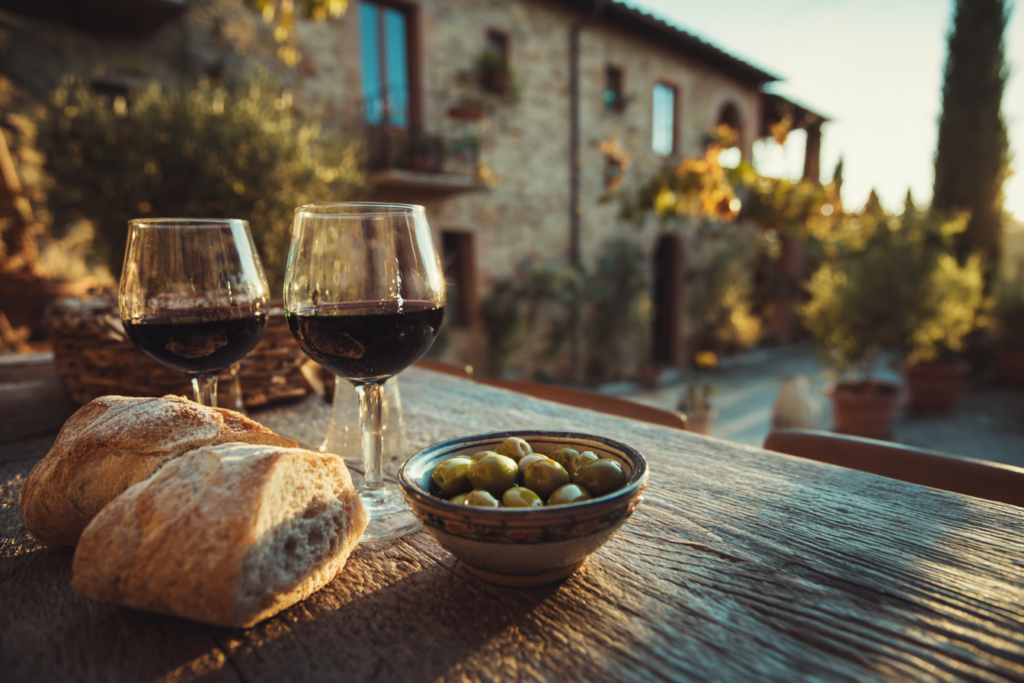
Rural Charms and Agritourism: An Authentic Italian Experience
Venture beyond Italy’s bustling cities and iconic landmarks, and you’ll discover a world that’s equally enchanting: the Italian countryside. With its rolling hills, verdant vineyards, and rustic farmhouses, rural Italy offers a tranquil escape from the urban hustle. But the best way to see it isn’t from a tour bus window—it’s by staying on a working farm.
In this guide to agritourism in Italy, we explore the heart of the “Slow Travel” movement. Whether you want to wake up to the sound of roosters, harvest your own olives, or simply eat cheese made five meters from your table, an agriturismo offers an intimacy with the land that no hotel can match.
1. What is an Agriturismo? Understanding the Concept
Defining agritourism in Italy is simple legally, but rich culturally. By Italian law, an agriturismo is a working farm that opens its doors to guests. It must produce a significant portion of the food it serves.
What to Expect:
Authenticity: You are often staying in the farmer’s spare rooms or restored outbuildings.
Zero-Kilometer Food: Breakfast might include eggs from the chickens outside and jam from the orchard trees.
Not a Hotel: Don’t expect 24-hour room service. Do expect genuine hospitality and a slower pace.
2. The Green Gold: Olive Groves and Oil Tastings
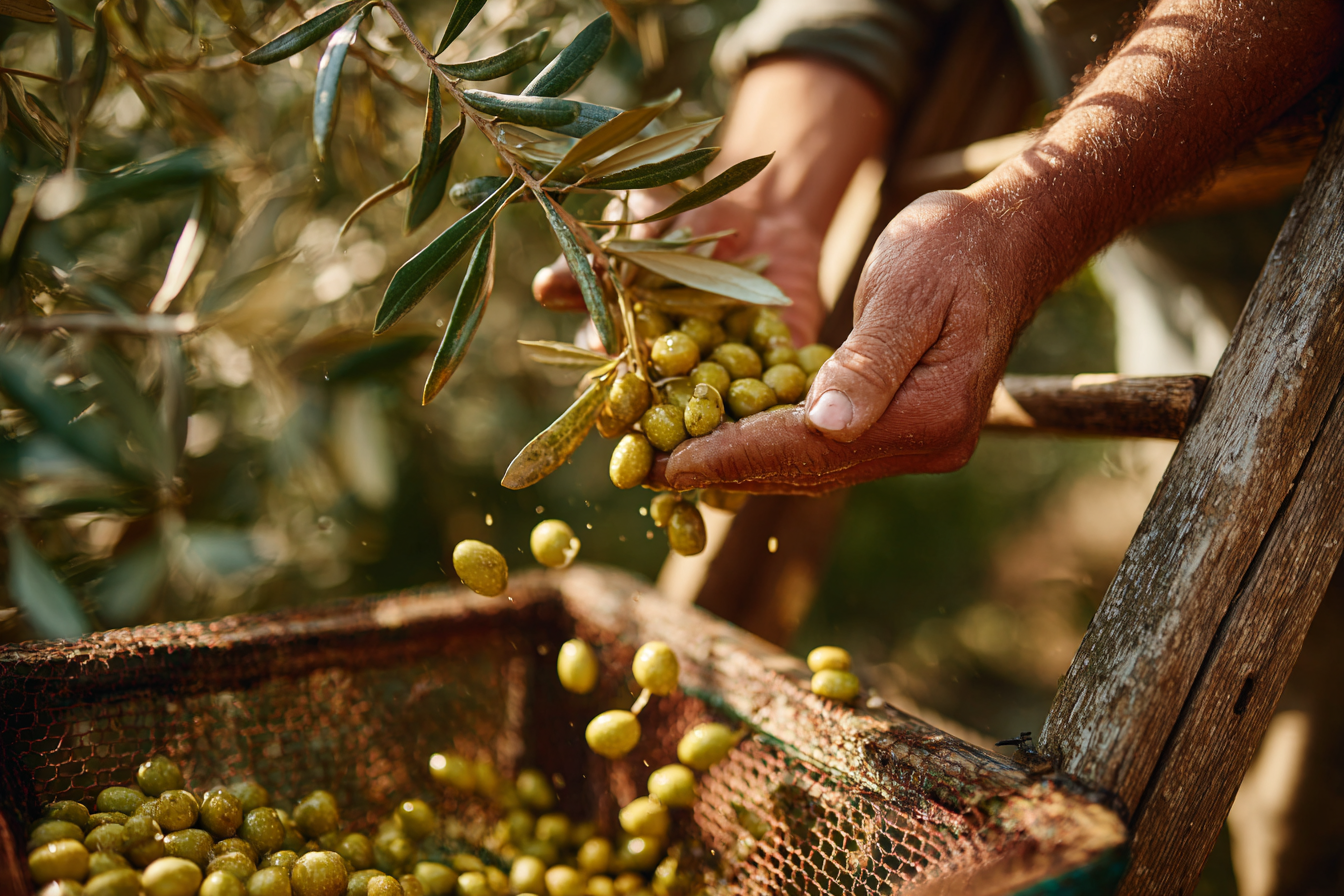
Italy’s picturesque landscapes are adorned with sprawling olive groves, a testament to the country’s rich agricultural heritage. For many, the highlight of farm stays in Italy is the olive harvest (raccolta).
Why Do It:
The Season: From late October to December, nets are spread under the trees. Guests can often join in the combing of branches.
The Tasting: Freshly pressed oil (olio nuovo) is spicy, green, and radically different from what you buy in a supermarket.
Where to Go: Puglia (produces 40% of Italy’s oil) and Umbria (known for high-quality, peppery oils).
[GetYourGuide Tip]: Want to taste without the work? Book a “Tuscany: Private Olive Oil & Wine Tour” to visit top-tier estates without getting your hands dirty.
3. Vineyards: Sleeping Among the Vines
The Italian countryside is synonymous with expansive vineyards that stretch as far as the eye can see. If you are looking for the best agriturismo Tuscany has to offer, look for estates that produce their own Chianti or Brunello.

The Wine Resort Experience:
Harvest (Vendemmia): In September, the vineyards are alive. Some farms allow guests to cut grapes, followed by a communal harvest lunch.
Tastings: Unlike commercial tours, tastings here often happen in the family cellar with the winemaker himself.
Views: Waking up to mist rolling over the vines is one of the quintessential Italian memories.
Pair your wine trip with some history. Check our Italian Music Travel Guide for opera festivals near wine regions.
4. Hands-On Food: Cheese and Cooking Classes
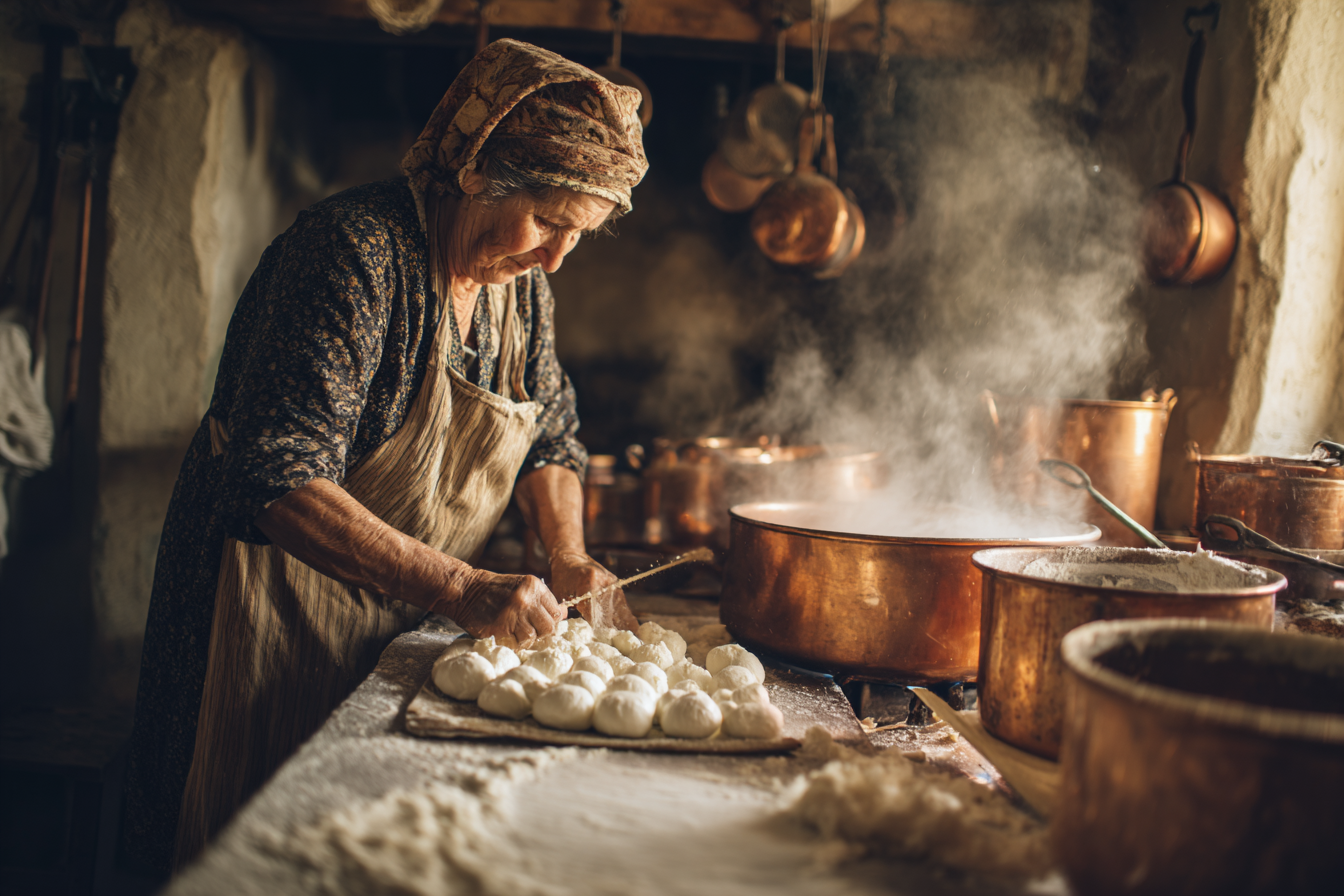
Immerse yourself in the art of traditional Italian cheese-making. Searching for authentic Italian food leads you inevitably to the source: the dairy farm (caseificio).
What You Can Do:
Cheese Making: Watch the transformation of milk into Pecorino (in Tuscany/Sardinia) or Mozzarella (in Campania). It’s chemistry and magic combined.
Cooking Classes: Most agriturismos offer classes using their own ingredients. You don’t just learn a recipe; you learn the farm’s history.
Truffle Hunting: In Piedmont and Umbria, join a trifolau and his dog to hunt for white or black truffles in the woods.
5. Regional Styles: Choosing Your Farm Stay
Not all farms are created equal. The architecture and vibe change drastically from north to south.
Top Regions for Agritourism:
Tuscany & Umbria: Classic stone farmhouses on hilltops. Perfect for romance and wine lovers.
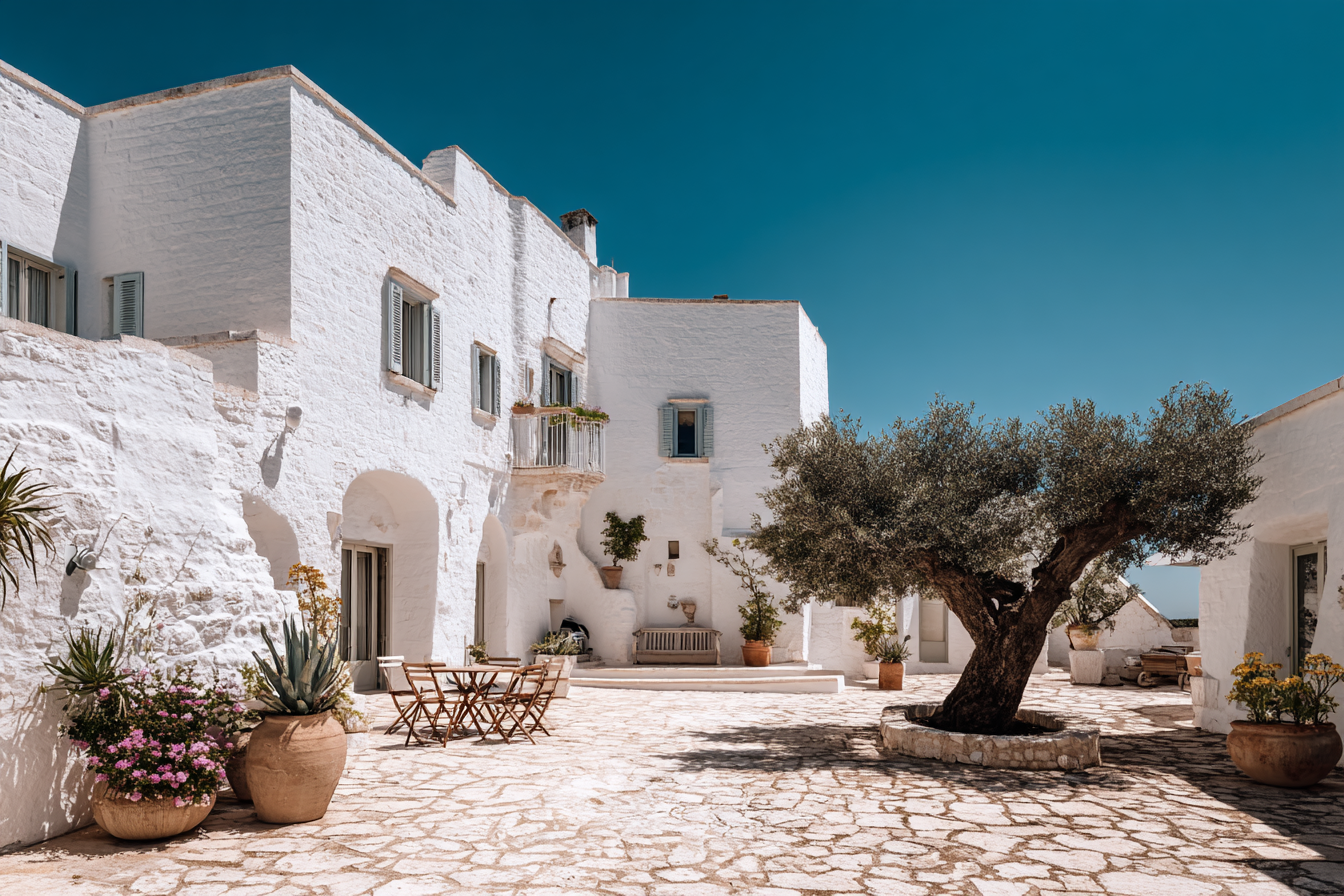
Puglia (Masseria): Fortified white-washed farm estates, often near the sea. Many are now luxury boutique hotels.
South Tyrol (Alpine): Wooden chalets with views of the Dolomites. Focus on dairy, apples, and hearty mountain food.
Heading south? Don’t miss the beaches near the Masserias in our Best Coastal Towns in Italy guide.
6. Rustic Luxury: The Evolution of Agriturismo
Experience the tranquility of the Italian countryside with an agriturismo stay. While some are simple, others offer a luxurious version of slow travel Italy is famous for.
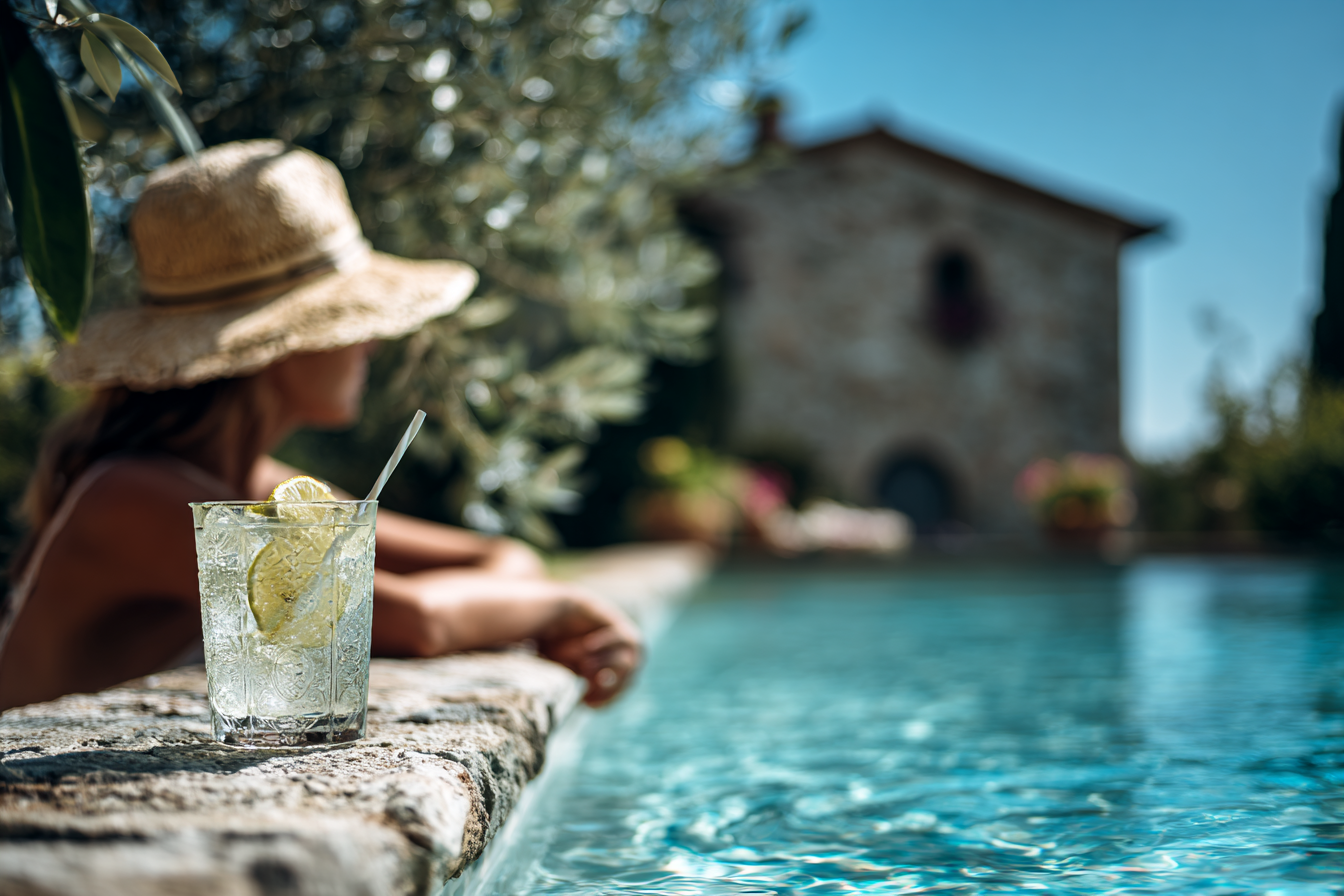
The Spectrum:
Rustic: Shared bathrooms, eating with the family, no AC. True immersion. Price: €60-€90/night.
Chic: Infinity pools overlooking vineyards, air conditioning, private restaurants. Price: €150-€300/night.
Activities: Horseback riding, yoga retreats, and pottery workshops are now common additions to the farm life.
7. Practical Tips: Booking Your Farm Stay
When to Go:
Spring (April-June): Green landscapes, flowers, and baby animals. Ideal for hiking.
Autumn (September-November): Harvest season! The best time for foodies (wine, olives, truffles).
Logistics:
Car Rental: Essential. Most agriturismos are deep in the countryside, far from train stations.
Minimum Stay: Many farms require a 2-3 night minimum, especially in high season.
Dining: Always book the “half-board” (dinner included). It’s usually a multi-course feast of farm products at a fraction of restaurant prices.
For active travelers, combine your farm stay with hiking. See our Italy Outdoor Adventure Guide.
Conclusion
Agritourism offers a perfect way to immerse yourself in Italy’s authentic rural lifestyle. It is a journey that connects you with the land, the people, and the traditions that make Italy so unique. Whether you are shaking an olive branch or sipping wine on a terrace, you are supporting a way of life that values quality over speed.
So, pack your bags, rent that Fiat 500, and get ready to taste the real Italy.