

Australia Wildlife: A Journey Into the Country’s Most Iconic Creatures
Australia is more than just a place where you see wildlife — it’s a place where animals shape how you experience the land itself. From kangaroos silhouetted against red horizons to tiny, impossible-looking platypuses gliding through creeks, encounters here often feel less like checklists and more like scenes from a story you’ve unexpectedly stepped into. The country’s isolation has created creatures found nowhere else on Earth, and meeting them in the right way can change how you think about nature altogether.
This isn’t a dry field guide. It’s a journey through ten unforgettable wildlife encounters that define Australia’s wild soul — from open outback and eucalyptus forests to coral reefs and polar-blue southern seas. Each one is not just something to photograph, but a moment to feel: the quiet, the awe, the strangeness, and the rare privilege of sharing space with animals that belong profoundly to this land.
For more ways to experience the country, explore our Australia National Parks.
Kangaroos at Dusk: The Silhouette of the Outback
There is a particular kind of silence that falls over Australia just before dusk, when the sky begins to soften and the heat of the day finally releases its grip. It’s in this light — somewhere between gold and rose — that kangaroos emerge in their full, iconic presence. You first notice movement at the edges of paddocks or along low hills, and then you realize the shapes are everywhere: alert ears, powerful tails, effortless hops as they cross open ground with surprising grace.
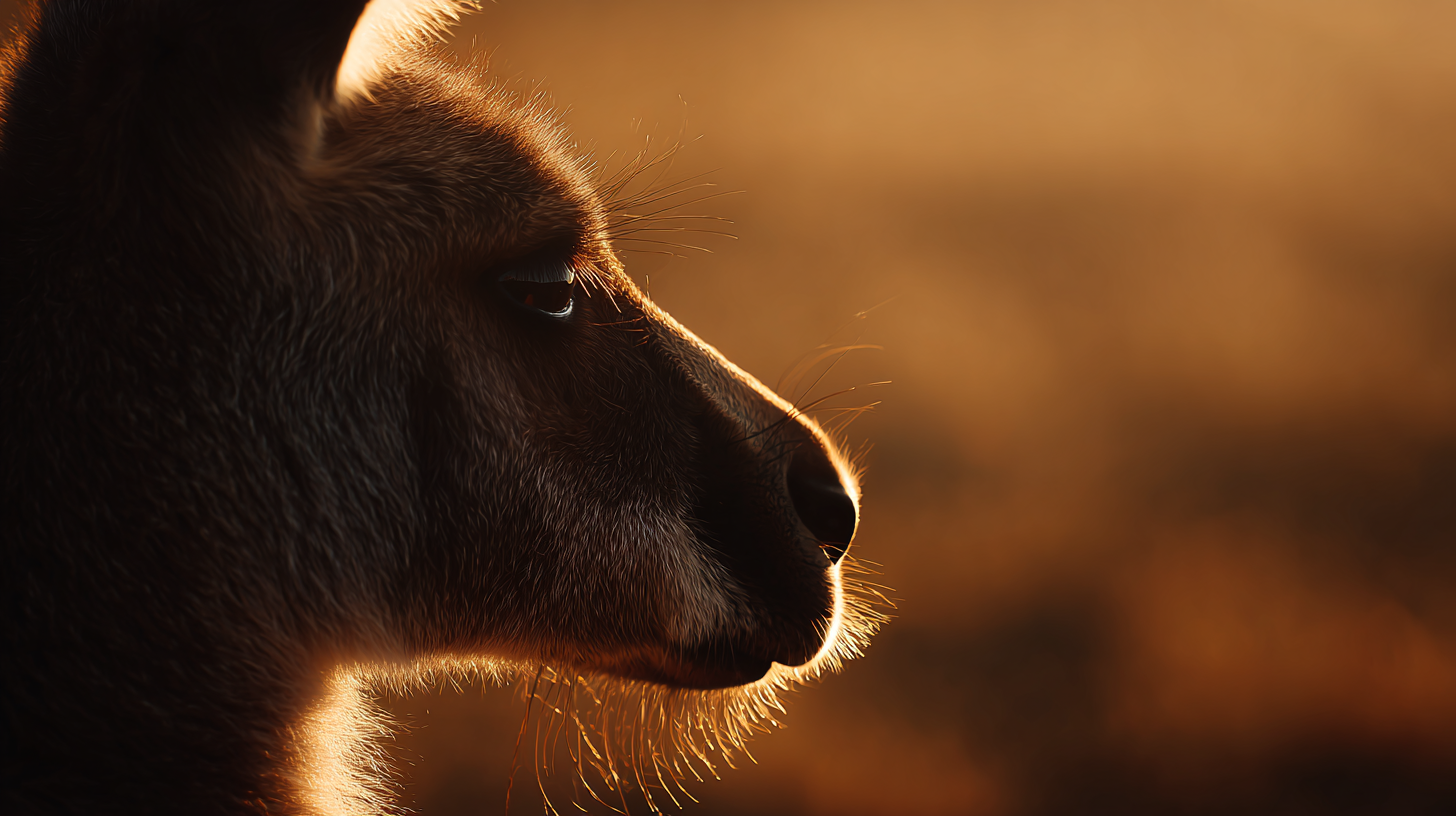
Seeing kangaroos in the wild is like meeting a symbol that has stepped off a coin or a logo and into real life. They are curious but wary, social yet independent, and always more powerful than they look. Watching a mob graze quietly, joeys pausing to peek from their mother’s pouch, you feel time slow down. It’s not a show put on for tourists — it’s a window into the ordinary rhythm of the Australian landscape, and that ordinariness is exactly what makes it so extraordinary.
Koalas in the Eucalyptus Canopy: Stillness with a Pulse
At first you don’t see them. You see only tree trunks, silver bark, sickle-shaped leaves, and the way light filters through the eucalyptus canopy. Then someone points: there, curled against a branch like a dropped clump of ash-grey cloud, is a koala. Once your eyes adjust, the forest changes. Suddenly there are shapes everywhere — a foot here, an ear there, a nose just visible above a fold of fur.

Koalas move slowly not because they are lazy, but because their diet demands it. Living on tough eucalyptus leaves forces their bodies into a rhythm of deliberate, economical motion. Watching one shift position, blink, and lazily scratch an ear is like watching time itself stretch and soften. You become quiet without thinking about it; voices drop to whispers, footsteps soften, cameras click more gently. In that stillness you realize that not all wildlife encounters are adrenaline — some are invitations to slow down and match the pace of the trees.
Wallabies in the Margins: Small Ghosts of the Bush
If kangaroos are the headline act, wallabies are the intimate side story. Smaller, shyer, and often more delicate in their movements, they tend to appear at the edges of paths, clearings, or campsite lights — always a little removed, as if undecided about whether to step fully into your world. You might spot them in coastal scrub, on rocky slopes, or in the soft light of early morning near forest clearings.

Their bodies are compact, their faces gentle, and their curiosity masked by caution. A wallaby will often freeze and watch you, nose twitching, before deciding whether to hop softly away or return to grazing. Seeing them up close changes your sense of what “Australian wildlife” means; it’s not just about the big, iconic creatures, but also about these quiet, almost secret presences that share the landscape. They are the soft footnotes to the louder stories written across Australia’s wild places.
Wombats After Dark: The Bulldozers of the Night
If you’re lucky enough to stay near open grasslands or forest edges as night falls, you might meet one of Australia’s most unexpectedly charming animals: the wombat. Stocky, low to the ground, and built like a cross between a bear and a barrel, wombats shuffle through the darkness with purposeful determination. They are diggers, architects of complex burrow systems that can stretch for meters beneath the surface.
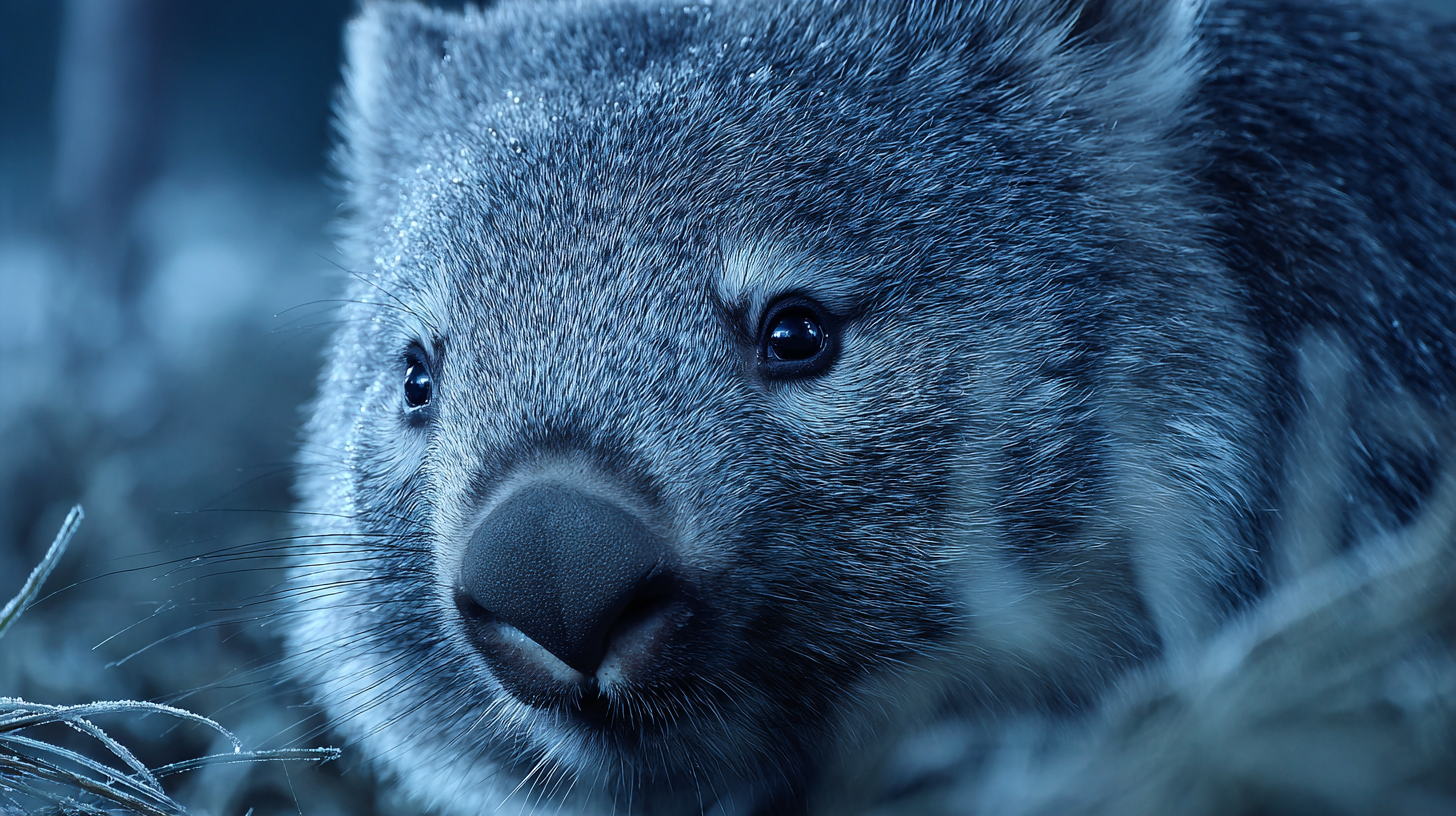
Encountering a wombat in the wild often feels slightly surreal. Its shape is so compact, its movements so solid and unhurried, that it almost seems carved from the earth itself. Head down, it grazes calmly, barely acknowledging your presence unless you move too fast or too close. In a world obsessed with speed, the wombat is unapologetically slow. Watching one wander through moonlit grass reminds you that survival doesn’t always look dramatic; sometimes it looks like steady, stubborn persistence.
The Elusive Platypus: A Living Puzzle in Quiet Waters
Few animals capture the imagination like the platypus — a creature that seems assembled from spare parts: duck bill, beaver tail, otter fur, venomous spur. For years, early reports of this animal were dismissed as hoaxes, and seeing one in the wild still feels like stepping into a natural riddle. They prefer calm creeks and rivers, especially in the cool of dawn or dusk, where their presence is revealed only by ripples, bubbles, and the brief curve of a brown back.
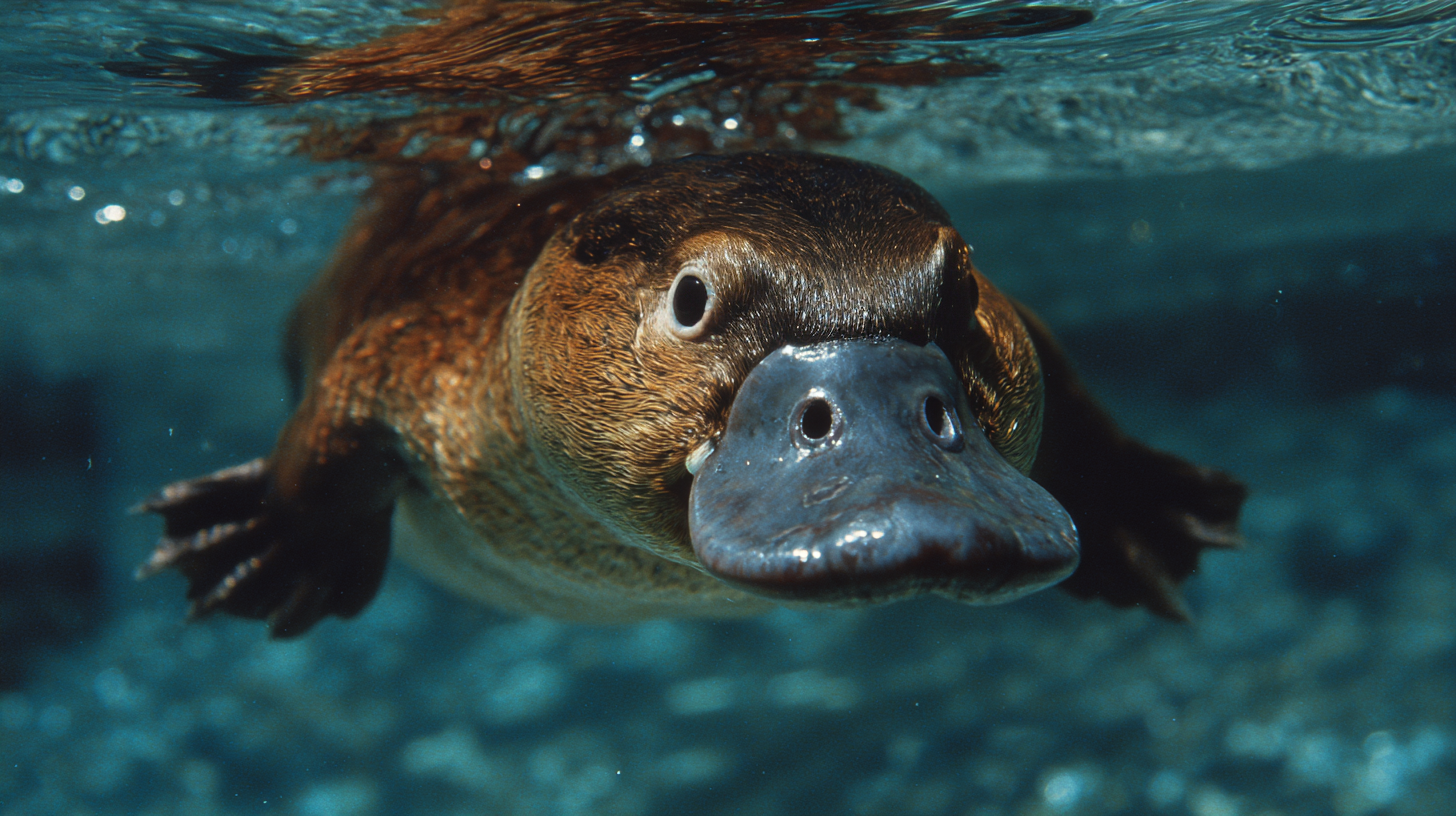
Waiting for a platypus teaches patience. You stand or sit quietly by the water, senses tuned to every small disturbance on the surface. Then, suddenly, there it is: a low, sleek body gliding just beneath the waterline, a flash of bill as it surfaces to breathe, then a silent dive. The encounter is fleeting, but unforgettable. It’s one of those moments that feels like a reward for paying attention — a reminder that the world still holds mysteries that don’t fit into neat categories.
Cassowaries in the Rainforest: Guardians of the Green
Deep in tropical northern rainforests, another creature walks paths older than history: the cassowary. Tall, powerful, and crowned with a bony casque, this bird looks like it could have stepped out of a prehistoric painting. Its feathers are black and coarse, its neck electric blue and red, and its legs strong enough to command respect from anyone who sees it up close. Meeting a cassowary in the wild is not cute — it’s humbling.
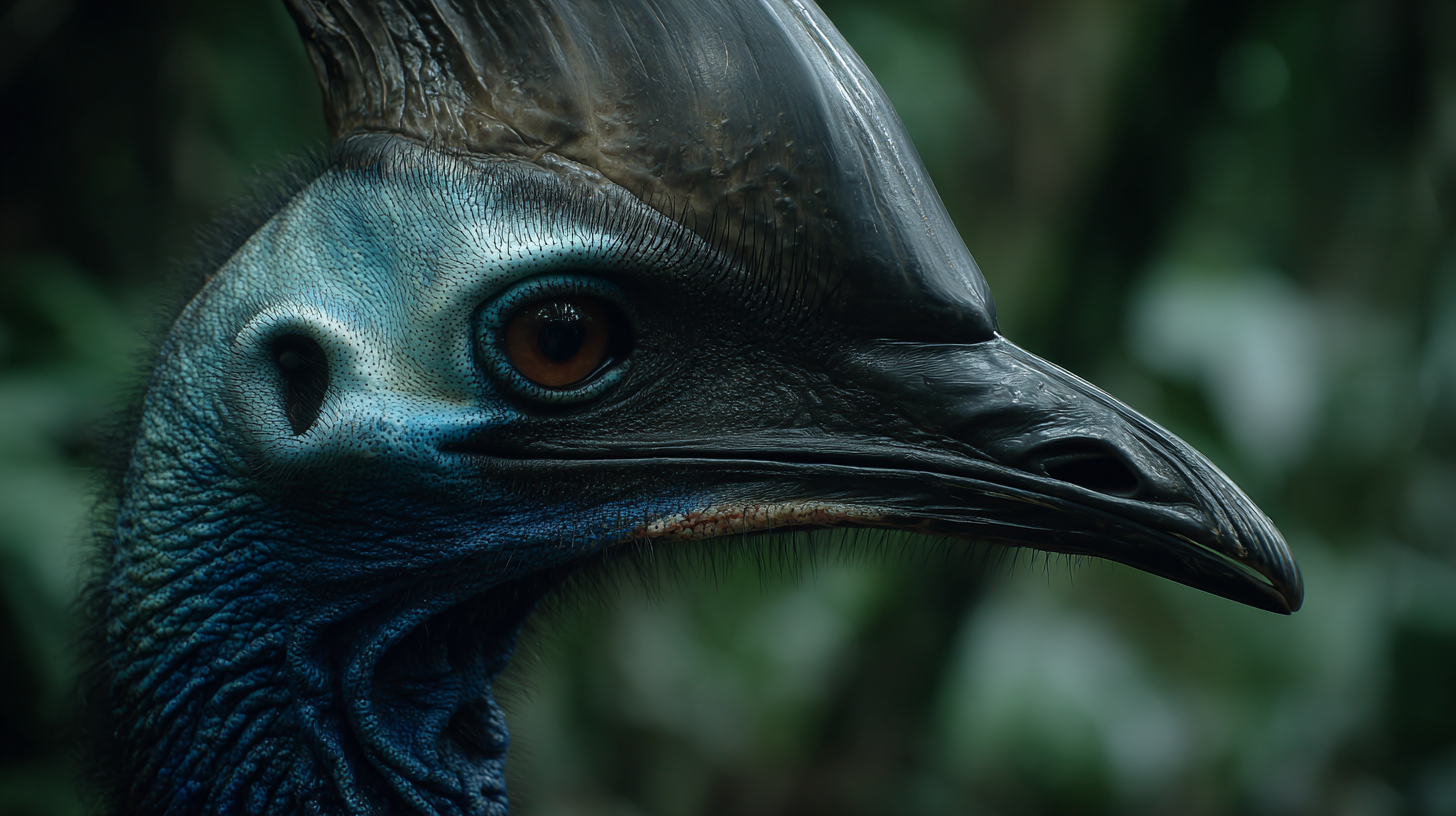
Cassowaries are vital to the rainforest’s health, swallowing fruits whole and dispersing seeds across large distances. Without them, certain trees and plants struggle to regenerate. When you see a cassowary moving through undergrowth or crossing a track, you realize you’re not just looking at a rare animal — you’re looking at an essential piece of the ecosystem itself. The correct reaction is a mix of awe and caution: keep your distance, stay calm, and let this living guardian pass through its home on its own terms.
Underwater Worlds: Turtles, Rays, and Reef Life on the Great Barrier Reef
Slip beneath the surface of the Coral Sea and Australia’s wildlife story shifts from fur and feathers to scales and coral. The Great Barrier Reef is a living city of color and motion: flickers of reef fish dart between branching corals, clownfish defend their anemone homes, and schools move like choreographed clouds. It’s intense and delicate all at once, an ecosystem as fragile as it is magnificent.
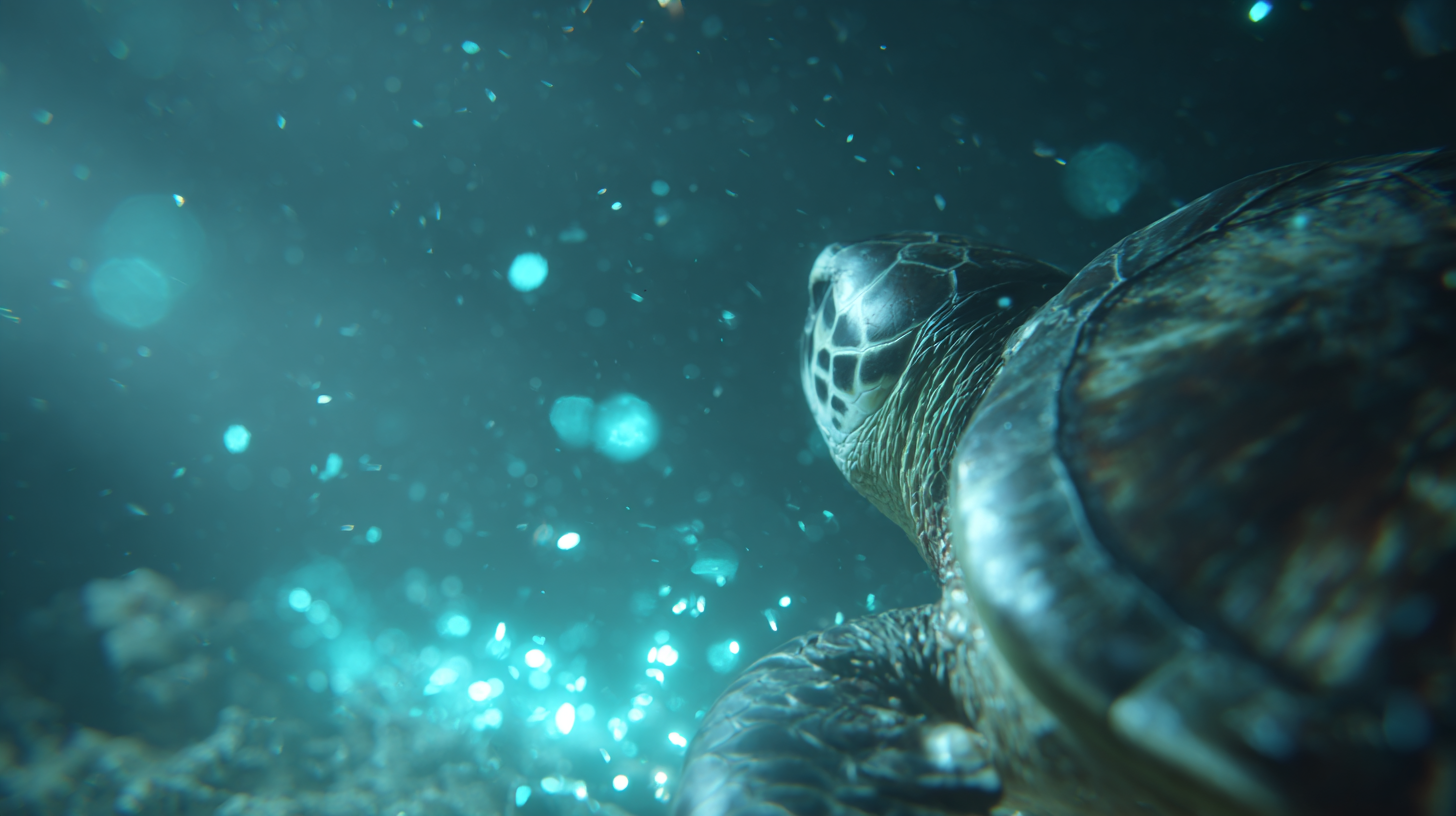
Among the reef’s most graceful residents are sea turtles and manta rays. A turtle gliding past has a calm, ancient presence, each stroke of its flippers unhurried and assured. A manta ray, by contrast, appears like a shadow made of light, its wide wings folding and unfolding as it moves through open water. Sharing space with these animals — whether snorkeling above shallow gardens or diving deeper among bommies and drop-offs — feels both intimate and enormous. You are suddenly aware that most of the planet’s life is hidden beneath waves, and that this chapter of Australian wildlife is as important as any on land.
Whales on the Move: Giants Along the Southern Coast
Every year, as the seasons turn, whales trace age-old migration routes along Australia’s coasts. Humpbacks, southern rights, and other species move between feeding and breeding grounds, passing close enough to shore that you can sometimes watch them from cliffs, beaches, or headlands. The first sign might be a distant plume of spray, a white flash of flipper, or a dark shape breaking the surface in a slow, deliberate roll.
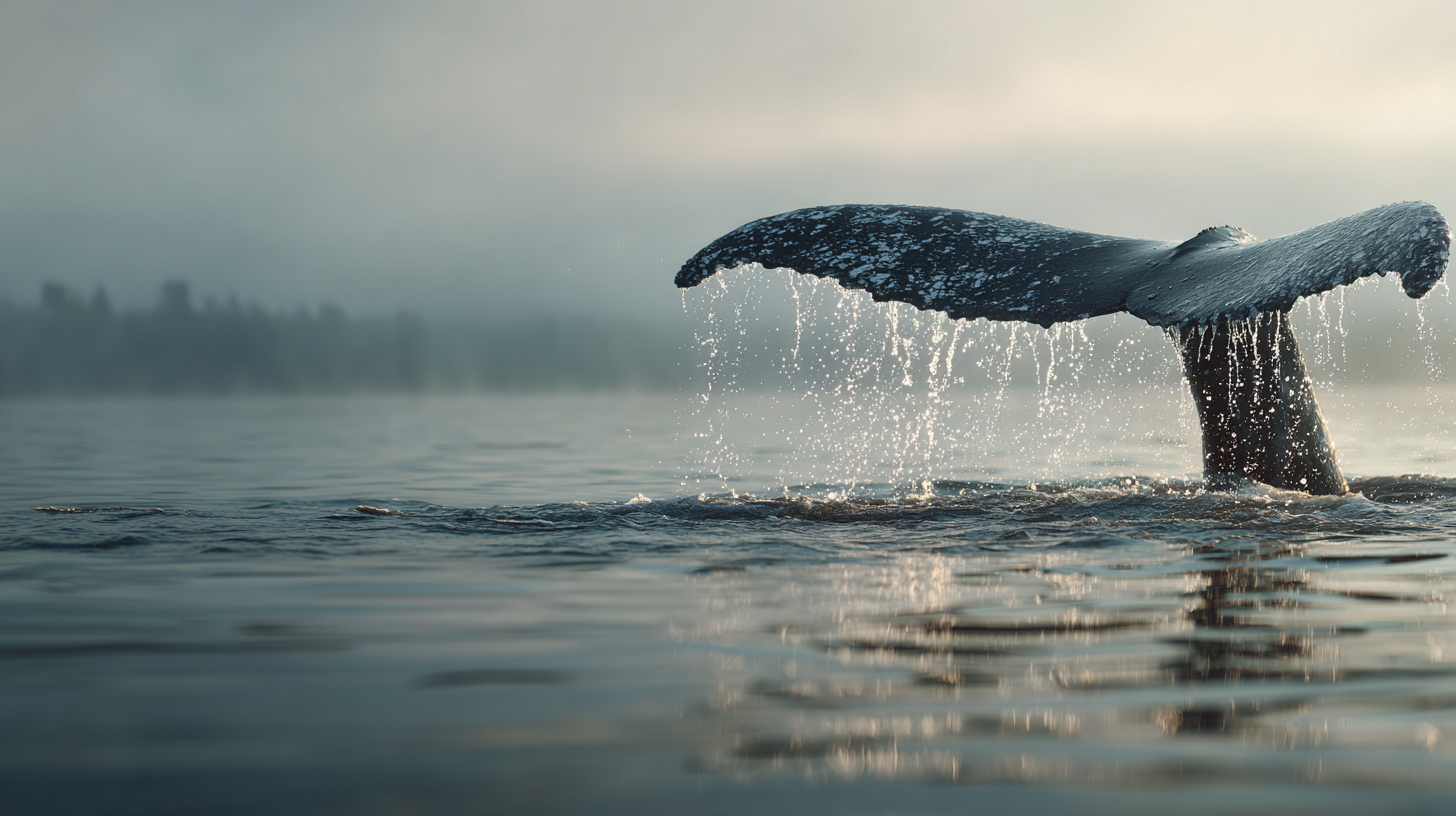
And then come the moments you can’t plan for: a breach where a whale hurls its body clear of the water, crashing back in an explosion of foam; a mother and calf surfacing together in perfect rhythm; a tail lifted high before a deep dive. Even from afar, the size and grace of these animals make the ocean itself feel different — less like scenery, more like a living corridor of movement and memory. Watching whales reminds you that the world is stitched together not just by borders and roads, but by migration routes written into the bodies of its largest creatures.
Birds in the Open Sky: From Kookaburras to Cockatoos
Even when you can’t see wildlife in Australia, you can almost always hear it. Birds provide the country’s most constant soundtrack: the rolling laughter of kookaburras at dawn and dusk, the raucous screeches of cockatoos in flight, the warble of magpies that somehow sounds like sunlight turned into sound. In city parks, coastal cliffs, riverbanks, and outback trees, birds are the ever-present thread tying different landscapes together.
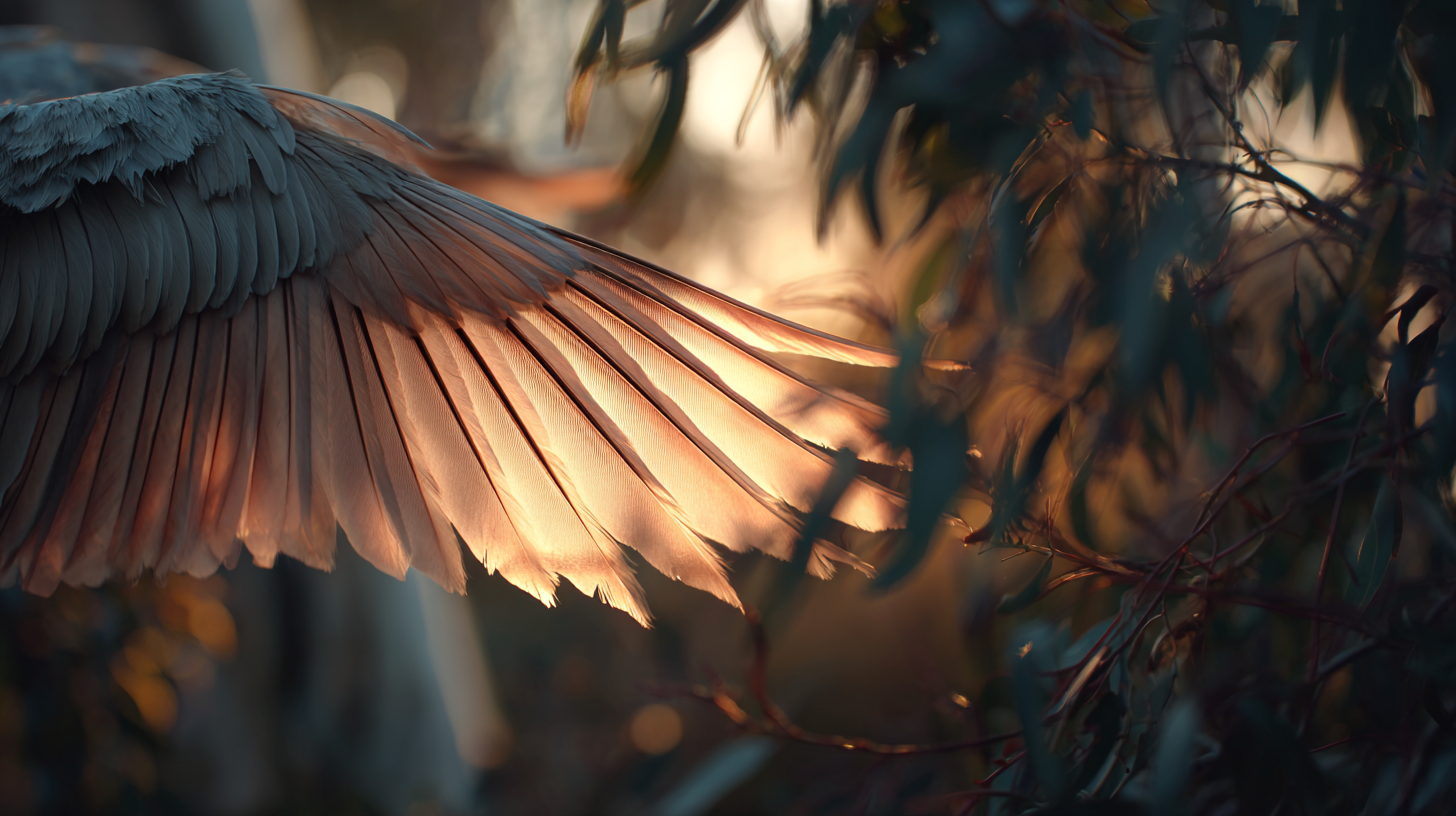
Visually, they’re just as unforgettable. Lorikeets flash like fragments of a rainbow shaken loose. Black cockatoos move with slow, heavy wingbeats that feel almost ceremonial. In wetlands, herons and egrets stand like folded sculptures, waiting for the perfect moment to strike. Birdwatching in Australia doesn’t require special equipment or expertise — only curiosity. Look up, listen closely, and you’ll find that the sky and trees are as full of life as any forest floor or coral reef.
Meeting Wildlife Responsibly: Sanctuaries, Zoos, and Soft First Encounters
Not every traveler can or should seek out wildlife deep in the bush or on remote coasts. That’s where sanctuaries, ethical zoos, and aquariums play a crucial role. In places dedicated to rescue, rehabilitation, and education, you can see many of Australia’s unique animals up close, often while learning about the challenges they face: habitat loss, climate change, invasive species, and human pressure on ecosystems.
These structured encounters can be powerful first steps, especially for families or visitors short on time. Seeing a rehabilitation center release a recovered animal, listening to keepers talk about breeding programs, or watching marine life in thoughtfully designed exhibits can transform curiosity into understanding — and sometimes into action. The best of these institutions don’t just entertain; they ask you to reflect on your role in the broader story of conservation. They make it easier to fall in love with Australian wildlife in ways that also help protect it.
Conclusion: Letting Australia’s Wildlife Change You
Australia’s wildlife is not just a checklist of species to spot – it’s a collection of encounters that can shift how you feel about the planet. A kangaroo at dusk, a koala dozing high in a gum tree, a platypus ripple in a quiet creek, a whale breaching against a winter sky — each moment leaves a mark. Together, they form a living portrait of a continent that evolved in isolation and now stands on the front line of global environmental change.

Traveling here with open eyes and a respectful mindset means accepting that you are a guest in the animals’ world, not the other way around. Keep your distance when needed, follow local guidelines, support ethical tours and sanctuaries, and choose experiences that give back more than they take. In return, Australia offers something rare: the chance to feel, very clearly, that you are part of a larger, wild, intricate system of life.
And long after you’ve flown home, it’s often those quiet, unscripted wildlife moments that stay with you — the flash of fur, the glint of an eye, the shape of a fin in moving water. They’re reminders that the world is still full of wonder, if you’re willing to look for it.
Learn more about responsible wildlife viewing at official website.