
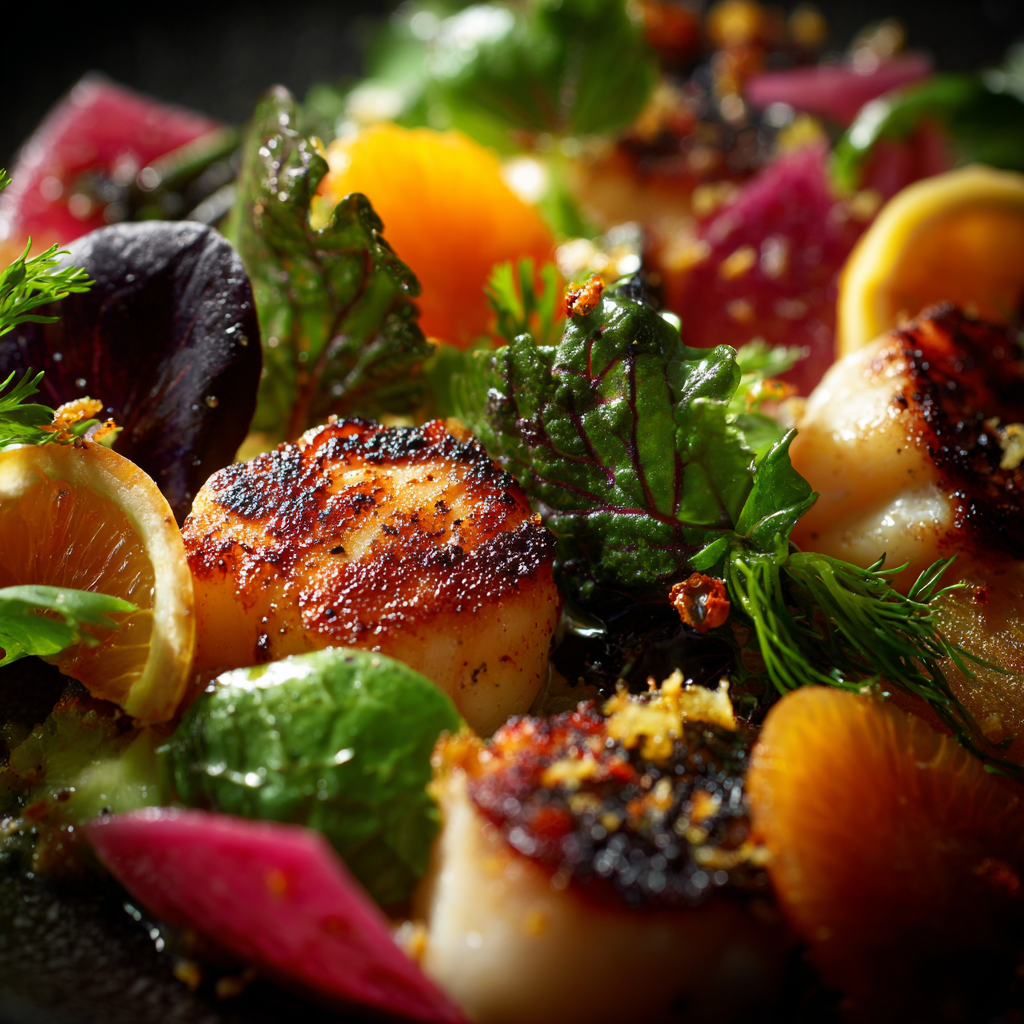
Australian Food: A Journey Through the Country’s Diverse Culinary Landscape
Australian food is not the result of one era, one migration, or one set of traditions. It is a living, evolving story shaped by tens of thousands of years of Indigenous knowledge, layered with waves of global influence, and anchored by landscapes so diverse that each region feels like its own culinary world. From salt-sprayed coasts to sun-baked deserts, cool alpine valleys to lush tropical forests, Australia’s food culture is an exploration of place — tasted through fire, water, earth, and creativity.
Traveling through the country, you quickly learn that food here is never just about eating. It is a way to understand the land beneath your feet, the people who call it home, and the spirit of experimentation that defines modern Australia. Each plate tells part of the nation’s complex identity: ancient and new, wild and refined, familiar and daring. This is not a cuisine that tries to impress loudly — it reveals itself gradually, through textures, stories, and flavors that linger long after the meal is done.
Welcome to an odyssey through Australia’s culinary soul — where tradition, innovation, and landscape come together in unforgettable ways.
Indigenous Food Traditions: Flavors Rooted in the Oldest Culture on Earth
Before modern restaurants, before European settlement, and long before global influences reshaped the continent, Aboriginal and Torres Strait Islander peoples cultivated a deep, intuitive relationship with the land. Their ingredients — now celebrated as “bush foods” or “bush tucker” — form one of the world’s oldest living culinary traditions. They reflect an understanding of ecosystems built over at least 60,000 years.
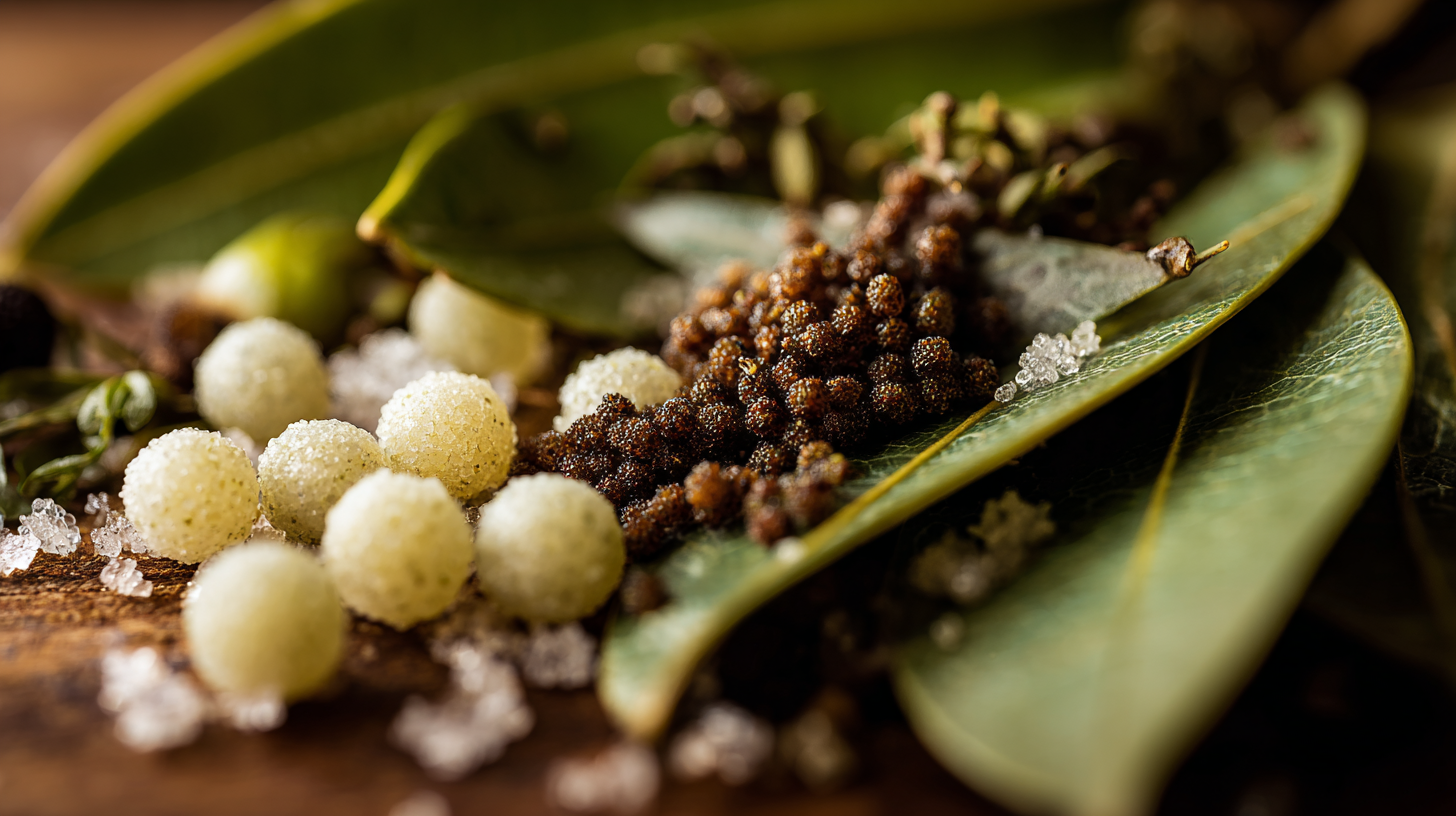
Wattle seeds roasted for their nutty aroma, lemon myrtle leaves releasing bright citrus notes, pepperberries with dusky heat, finger limes bursting with tiny citrus pearls — these ingredients are not novelties but expressions of Country itself. Kangaroo, emu, and barramundi were hunted with respect, gathered with care, and cooked using techniques adapted perfectly to the land’s rhythms. Fire was not only a tool for cooking but a method for shaping ecosystems, rejuvenating landscapes, and sustaining biodiversity.
Across Australia, Indigenous chefs and communities are reclaiming these ancient traditions and bringing them into the modern spotlight. Dining experiences run by First Nations guides weave culture, storytelling, and food together, transforming meals into moments of deep connection. Eating Indigenous cuisine is not simply a culinary encounter — it is an invitation to understand Australia from its first, most enduring perspective.
The Barbecue Tradition: Sun, Smoke, and Slow Afternoons
If there is one ritual that unites Australians across generations, it is the barbecue. Far more than a cooking method, it is a social rhythm — a moment when families, friends, and neighbors gather under open skies, letting food become the backdrop for connection. From suburban backyards to coastal parks, from desert campsites to city balconies, the sound of sizzling oil and conversations drifting in warm air is unmistakable.

Australian barbecue culture is rooted in simplicity. It isn’t about elaborate marinades or complicated techniques; it’s about fresh produce, fire, and good company. Beef steaks, snags (sausages), marinated chicken, lamb chops, and seafood all find their way onto the grill. Prawns char lightly in the heat, their sweetness intensified by flame. Whole fish wrapped in foil cook over coals, infused with herbs and lemon. Even vegetables — corn, peppers, zucchini — become richer when touched by smoke.
More than anything, barbecuing is about place. Coastal barbecues smell like salt and wind. Inland barbecues hum with the scent of eucalyptus and dust. Outback barbecues glow beneath skies packed with stars. It is one of the few food traditions that asks people to slow down, talk, laugh, and savor not just the meal but the experience of being together.
Coastal Bounty: Seafood and the Ocean’s Quiet Generosity
With over 34,000 kilometers of coastline, Australia is a country shaped by the sea — and its cuisine reflects that intimacy. Each region has its own specialties, shaped by local waters and traditions. In Tasmania and South Australia, cold currents nurture oysters, abalone, and delicate deep-sea fish. In Queensland, warm tropical reefs bring prawns, coral trout, mud crabs, and Moreton Bay bugs — a prized delicacy despite the name.
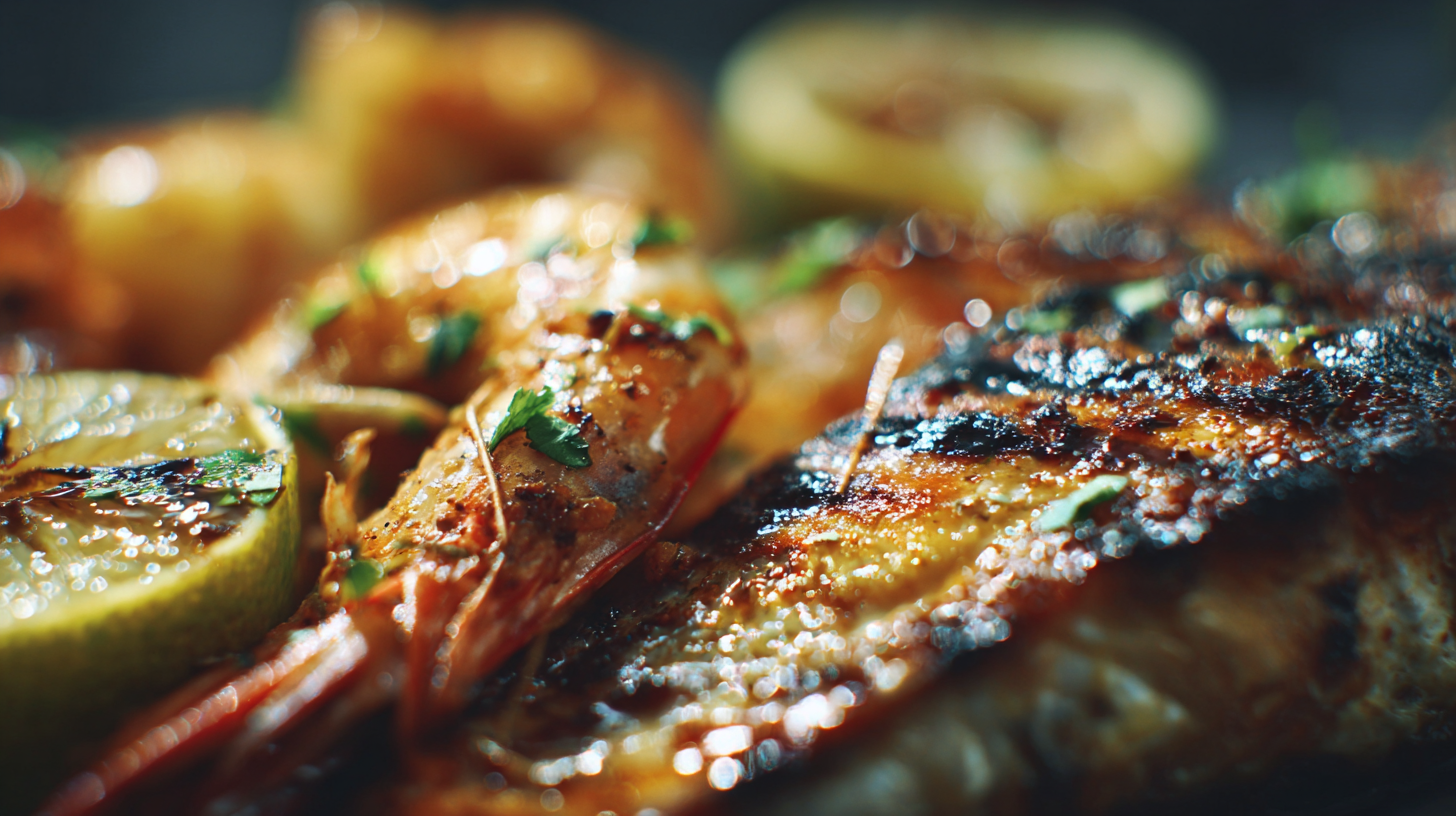
Seafood in Australia is rarely overcomplicated. Chefs tend to emphasize freshness over ornamentation, allowing the ocean to speak for itself. A plate of oysters served minutes after harvesting tastes of the tide, the breeze, and the place they came from. Grilled barramundi carries a richness balanced by lemon and char. Salt-and-pepper squid arrives crisp, tender, and addictive. Fish and chips eaten on a beach at sunset — newspaper crinkling in your hands, wind tugging at the edges — remains a simple pleasure that rivals fine dining for emotional impact.
Whether enjoyed in bustling Sydney fish markets, small-town harbors, or beachside shacks, seafood embodies Australia’s relationship with its coastal identity: generous, diverse, and deeply connected to everyday life.
Cafés and Coffee Culture: The Cities That Brew Better Than Anywhere
Australia’s urban café culture is legendary. Ask travelers what surprised them most about visiting Melbourne or Sydney, and chances are many will say: “The coffee.” The country’s obsession with espresso — precise, smooth, nuanced, layered — is not a trend but a national art form. Baristas train for years, milk texture is treated like science, and the humble flat white has become a global export.

Cafés aren’t just places to drink coffee; they are social environments designed for lingering. People meet for slow breakfasts, creative brainstorming sessions, or afternoons reading in sunlit corners. Menus often feature dishes that blur global influences: shakshuka infused with Australian herbs, miso butter scrambled eggs, avocado toast elevated with native ingredients, bowls packed with regional produce. The food is fresh, colorful, and grounded in an ethic of quality.
Melbourne leads the scene with laneway cafés, industrial roasteries, and brunch spots that push boundaries. Sydney brings its coastal breeziness and creative flair. Brisbane, Adelaide, and Perth each offer their own interpretations — proof that good coffee and thoughtful food have become integral to modern Australian identity.
Wine Regions and Artisan Produce: The Flavor of the Land
Australia’s landscapes shape more than just scenery — they shape taste. Wine regions across the country carry distinct personalities, each tied to soil, altitude, and climate. The Barossa Valley produces bold Shiraz with warmth and earthy complexity. Margaret River specializes in elegant Cabernet Sauvignon and world-class Chardonnays. Tasmania, with its cool climate, shines in sparkling wines and expressive Pinot Noir. The Hunter Valley stands as one of the oldest wine regions, famous for its rare, long-living Semillon.

Beyond wine, Australia’s farmers, cheesemakers, bakers, brewers, and artisans contribute to a vibrant food culture grounded in regional pride. Markets overflow with heirloom tomatoes, stone fruits, fresh herbs, local honey, handmade chocolates, truffle products, and sourdough loaves baked with obsessive care. Many restaurants build menus around seasonal produce, celebrating relationships with local growers who understand their land intimately.
Traveling through wine regions or rural towns often feels like stepping behind the scenes of Australia’s culinary identity. You taste the sun, the soil, the rain, and the hands that shaped the harvest — a reminder that food is most powerful when it remains close to its source.
If you’d like to learn more about Australia’s wine culture, read our article Australian Wine Regions.
Modern Australian Cuisine: A Fusion of Cultures, Ideas, and Imagination
What people often call “Modern Australian cuisine” is not a single style but a creative mosaic reflecting the country’s multicultural population. Influences from Europe, Southeast Asia, the Middle East, and beyond mix naturally with Indigenous ingredients and Australian-grown produce. The result is a culinary landscape defined by playfulness, curiosity, and balance.
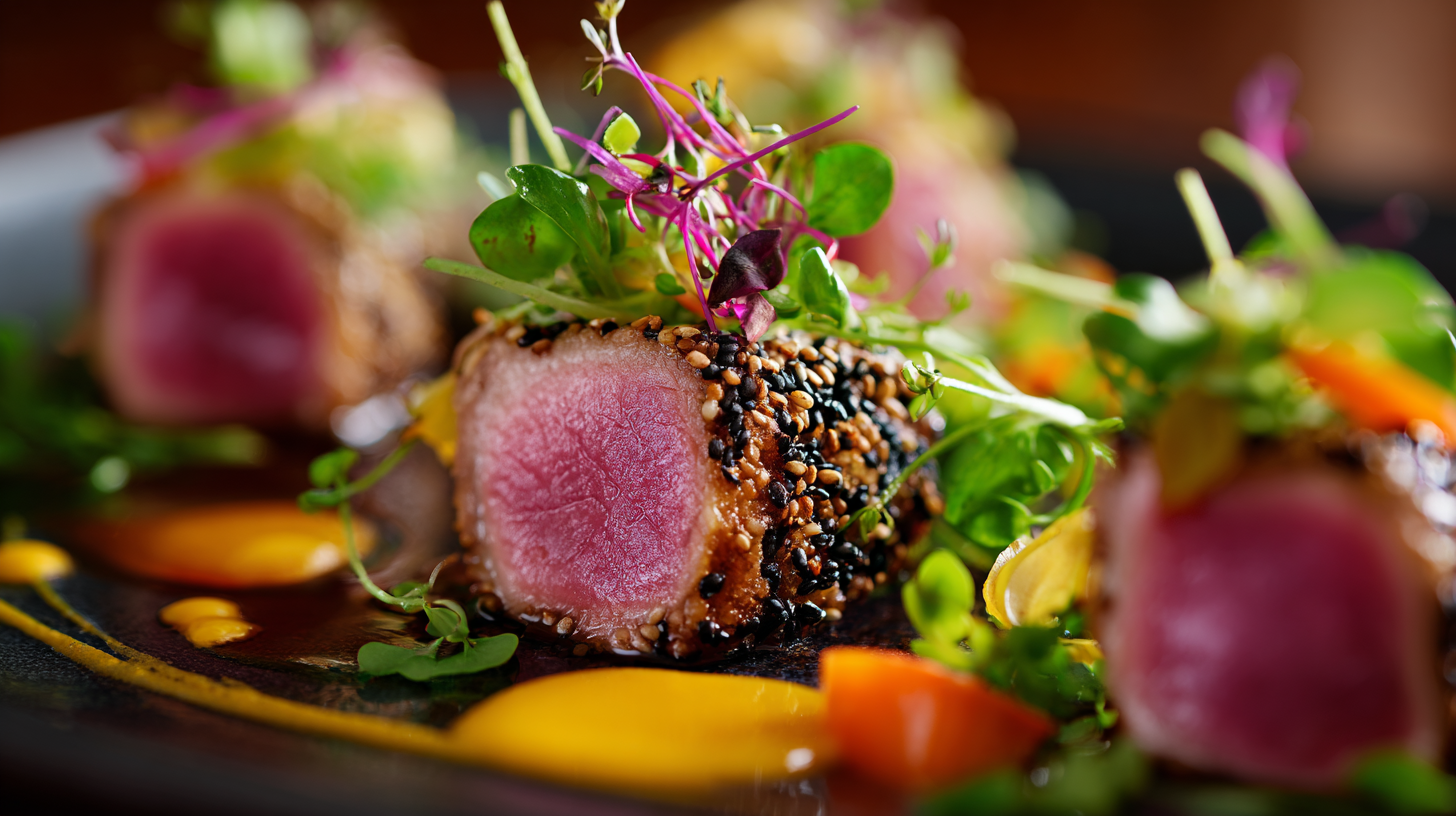
You might find kangaroo served with native herbs and fermented chili, or kingfish sashimi brightened with finger lime and sesame. You may encounter charcoal-roasted cauliflower flavored with wattleseed, or lamb glazed with honey infused with eucalyptus. Restaurants in Sydney reinterpret Mediterranean classics, while Melbourne’s dining scene experiments with Japanese, Korean, Vietnamese, or Middle Eastern techniques — often all within one menu.
Modern Australian cuisine thrives on freedom. It’s not bound by strict traditions or rigid expectations; instead, it embraces invention and celebrates diversity. This openness makes dining in Australia feel dynamic, refined, and refreshingly unpretentious. It mirrors the country itself: young, bold, and endlessly evolving.
Street Food & Markets: The Everyday Flavor of Australia
Beyond fine dining and cafés, Australia’s everyday food culture thrives in markets, food trucks, multicultural suburbs, and festival stalls. Markets like Queen Victoria Market in Melbourne, The Rocks in Sydney, or Mindil Beach in Darwin buzz with life — vendors grilling skewers, frying dumplings, slicing tropical fruits, or handing out fresh pastries still warm from the oven.
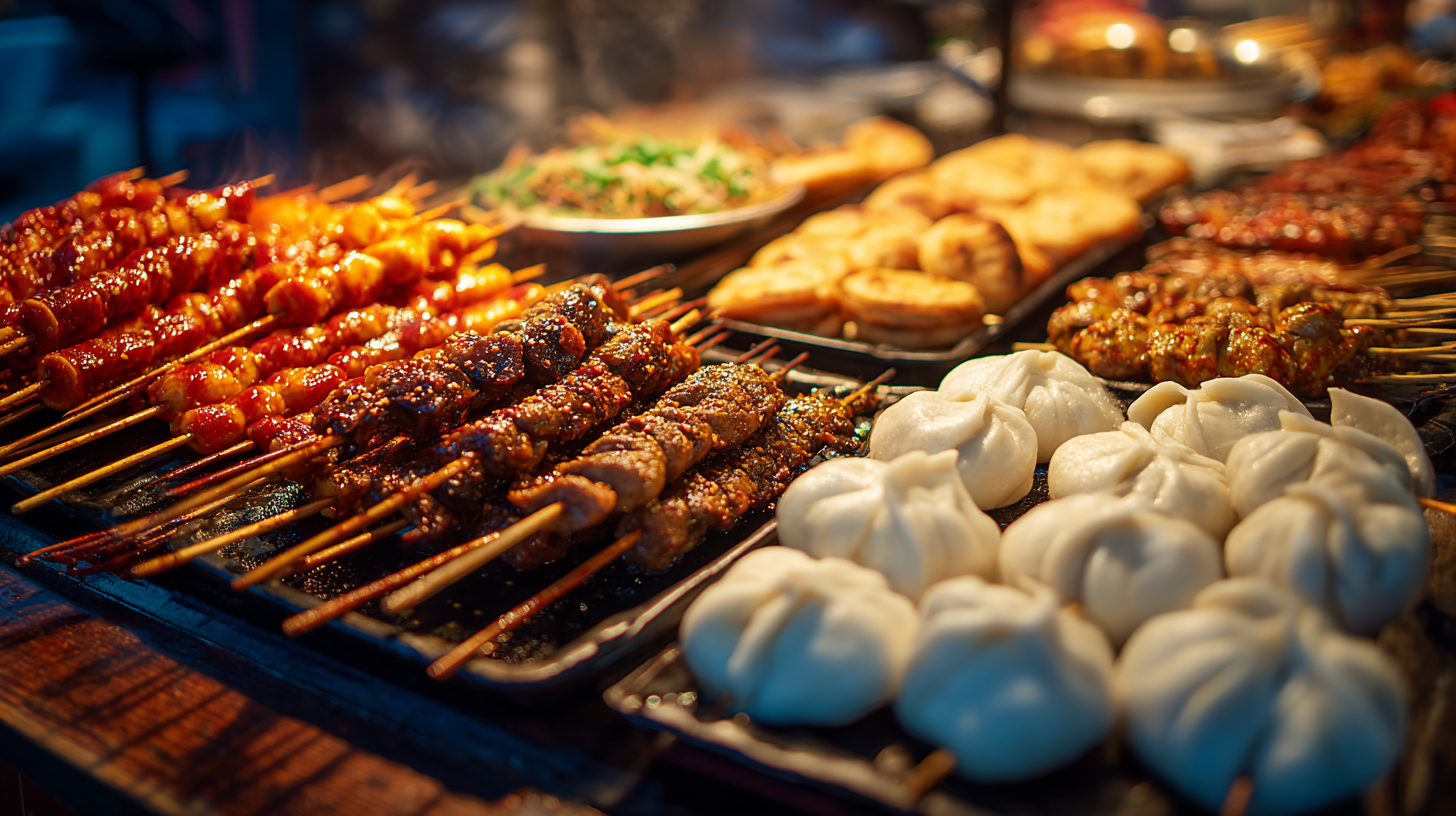
Street food reflects the diversity of the population. Here you can try Filipino barbecue, Turkish gözleme, Thai curries, Lebanese falafel, Indian dosas, Vietnamese bánh mì, or Greek loukoumades — all prepared by people whose families carried these traditions across oceans. It’s in these places that Australia’s multicultural identity becomes the most deliciously visible.
The beauty of this everyday food scene is its accessibility. You don’t need reservations or fancy clothes. You need curiosity, appetite, and a willingness to follow your nose through rows of stalls and sizzling grills. It’s one more reminder that Australian cuisine is not confined to restaurants — it thrives wherever people gather to share flavors.
Conclusion: Australia’s Food Culture as a Map of Identity
Australian cuisine cannot be defined by a single dish — because the country itself cannot be contained by a single story. Its food reflects ancient knowledge, immigrant journeys, regional landscapes, and a spirit of experimentation that sees no boundaries. It invites travelers to taste the salt of its oceans, the richness of its soils, the creativity of its chefs, and the deep, enduring wisdom of its First Nations peoples.

Eating your way through Australia means exploring contrasts: rugged and refined, wild and polished, traditional and innovative. It means understanding that food is a way of seeing — a way of connecting with land, memory, and culture. Whether you’re sharing a barbecue at sunset, exploring a rainforest for native ingredients, sipping wine in a sunlit valley, or savoring a modern dish that combines flavors from three continents, you’re experiencing a piece of Australia’s evolving story.
In the end, Australian food culture leaves you with something simple yet profound: a sense of place that lingers long after the meal is gone.
Learn more about native ingredients at
https://www.australiannativefoods.org.au/