
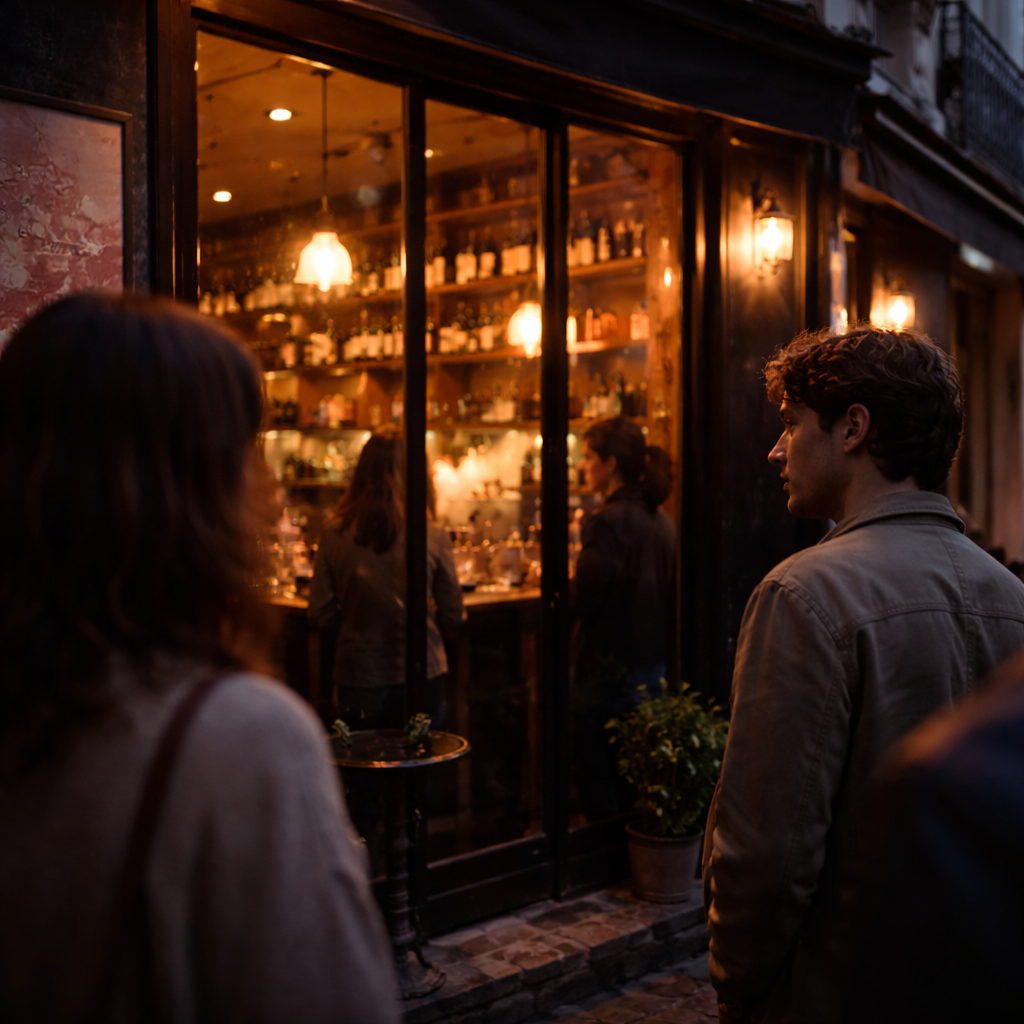
France is often sold through postcards—cathedrals, châteaux, lavender, and candlelit dinners—but the country’s most magnetic layer can be the one people underestimate: modern life. Contemporary France lives in its neighborhood energy, its galleries and design shops, its late dinners and late trains, its street culture, and the quiet confidence with which it mixes tradition with reinvention. If you want a trip that feels current—not like you’re reenacting a cliché—this is the France you should plan for.
This contemporary France travel guide is built for travelers who want more than monuments. It’s for people who like cities that feel “alive” rather than “famous,” and who enjoy culture that changes by season and neighborhood. You’ll still experience the beauty France is known for, but you’ll experience it through a modern rhythm: creative districts, food culture that isn’t stiff, and evenings that feel like part of the story. Think of this as your map to the France that locals actually live in.
The goal is simple: help you choose the right cities, build days that flow, and avoid the common mistake of trying to do “everything French” at once. Contemporary travel works best when it feels coherent—like a playlist with a mood—so every section below helps you create that coherence. Once your trip has rhythm, the country stops feeling overwhelming and starts feeling deeply fun.
How to Travel “Modern France” Without Losing the Classic Magic
Contemporary France doesn’t require you to reject the classics—it asks you to reframe them. A cathedral is still stunning, but it becomes even better when paired with a modern café culture morning, a design neighborhood afternoon, and a dinner that feels relaxed rather than ceremonial. This approach keeps your days from feeling like a museum marathon and makes your trip feel current. It also makes France easier to enjoy because you’re balancing “awe” with “everyday.”
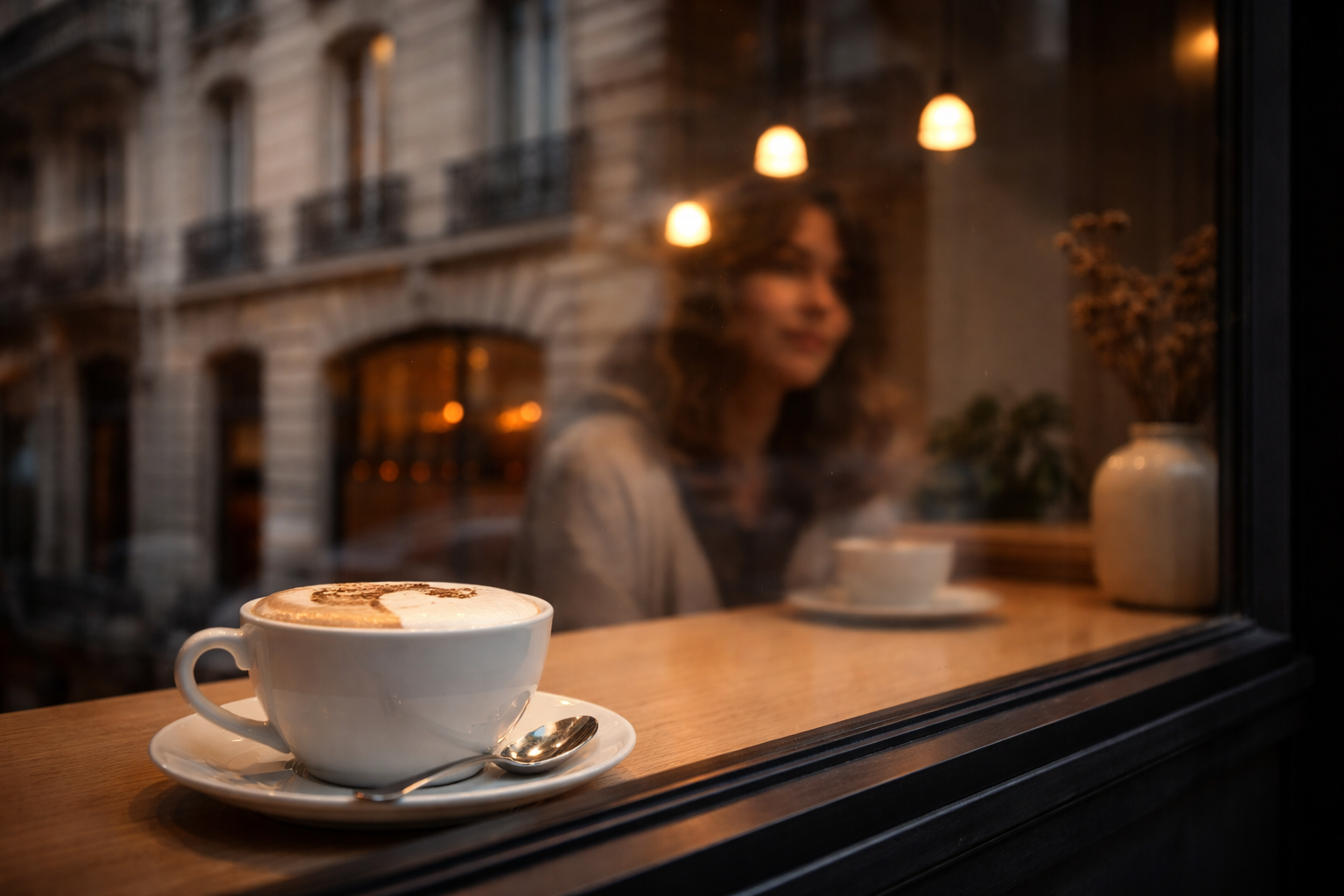
The biggest difference is pacing. Classic itineraries push you to collect sights, while modern itineraries push you to live inside neighborhoods. Instead of hopping across town for ten “must-sees,” you pick one area and let it unfold through food, galleries, small shops, parks, and evening energy. That’s how the trip becomes memorable in a personal way, not just a documented one. You’re not rushing through France—you’re letting France happen to you.
Another key is intention: decide what you want your France to feel like. Do you want creative and edgy, elegant and curated, coastal and breezy, or slow and rural? France can do all of it, but only if you stop forcing one template onto every destination. Modern travel rewards clarity, and clarity makes your days feel richer with less effort.
The Big Choice: Paris-First or Multi-City France?
Paris is a world on its own, and it can absolutely carry a first trip—but it can also swallow your time if you don’t structure it. A Paris-first plan works best if you want density: museums, neighborhoods, food variety, nightlife, and design culture in one place. The city gives you infinite options, which is incredible, but you need to protect your energy or you’ll turn every day into a sprint. Paris is not a place you “finish,” it’s a place you enter.
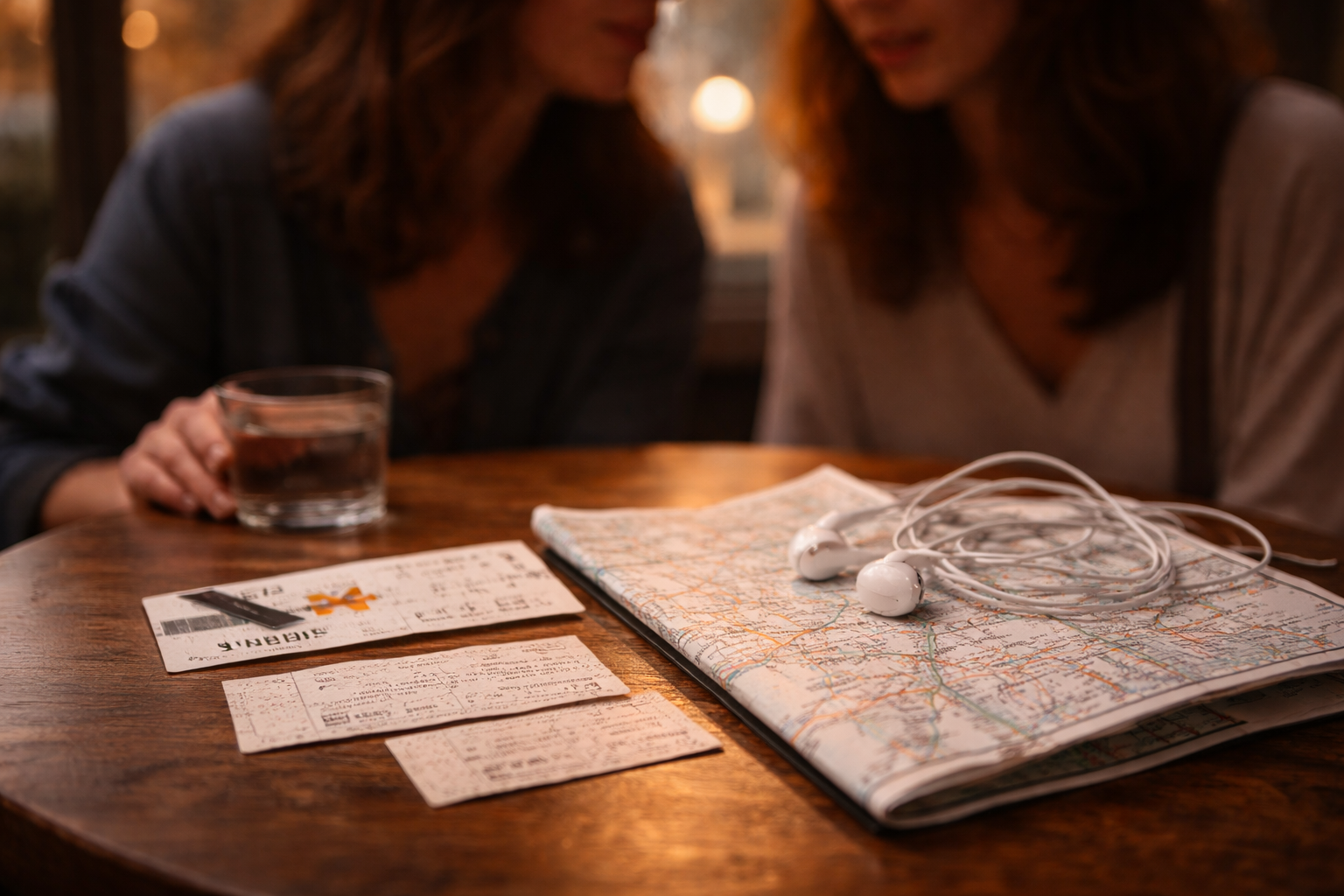
A multi-city plan is better if you want contrast and a feeling of progression. France becomes clearer when you see at least one other region, because you realize how different the country feels city-to-city. A second destination gives your trip breathing room and makes the Paris chapter feel sharper, not diluted. This is where many people go from “I visited France” to “I understand France.”
If you’re unsure, use a simple rule: stay Paris-first if you have under a week, go multi-city if you have ten days or more. Even one additional city changes the emotional texture of the trip, especially if it’s coastal or southern. France is not one vibe—it’s a set of vibes—and travel becomes more satisfying when you let those differences show.
To keep multi-city logistics simple, plan your rail legs on SNCF Connect (it’s the easiest way to check times and book trains).
Best Cities to Visit in France for a Modern Culture Trip
If you want a shortlist of best cities to visit in France for contemporary energy, think in terms of identity. Paris is the cultural capital with the deepest mix of everything: high art, street style, global food, and constant reinvention. Marseille is rawer, brighter, more Mediterranean, and often more surprising; it feels like modern France with an edge and a pulse. Lyon is a quieter power city—creative, gastronomic, and beautifully livable—often underrated by first-timers who only look at “famous” destinations.
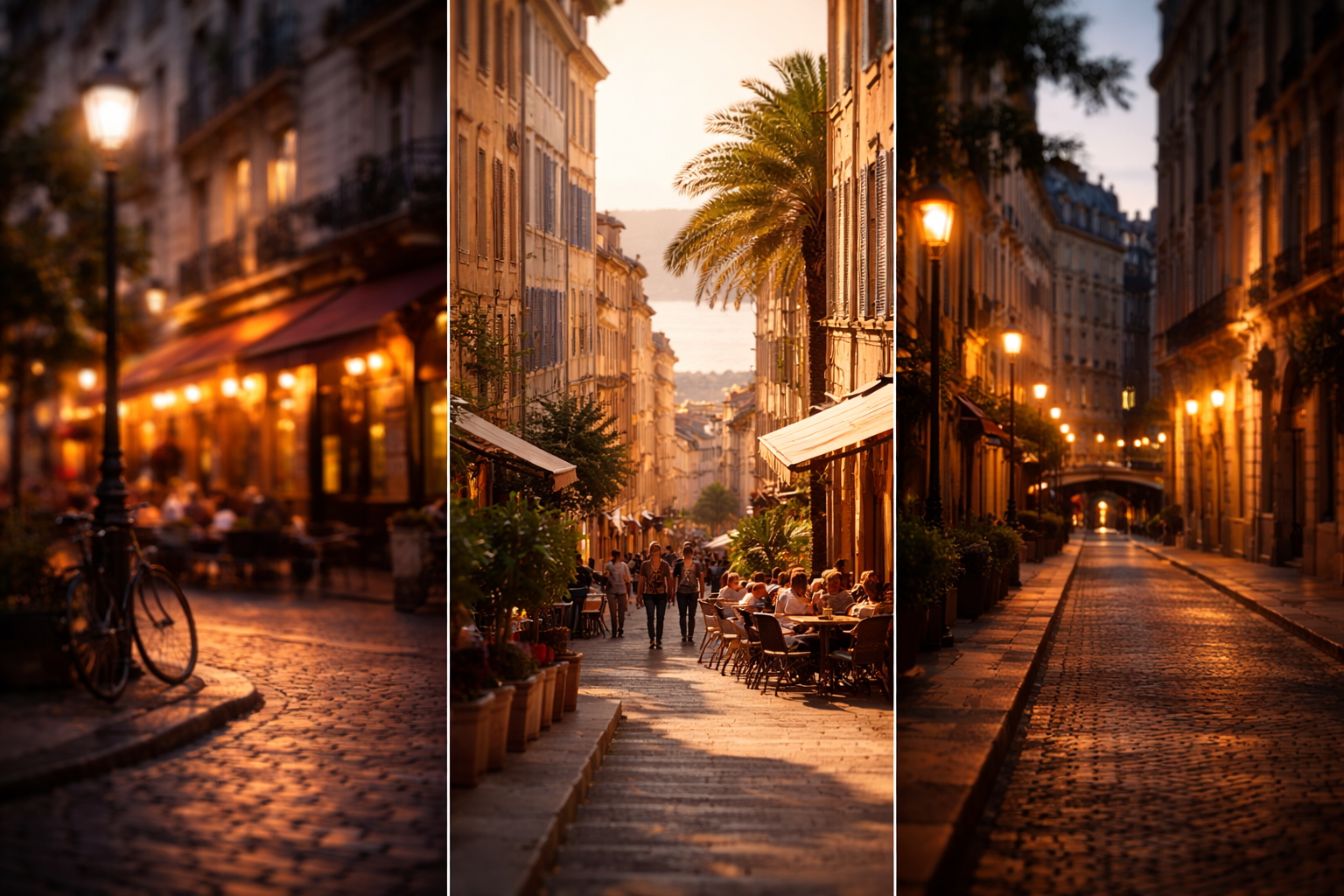
The trick is matching the city to your travel personality. If you like curated aesthetics, concept stores, and gallery-hopping, Paris and parts of Lyon will feel like your natural habitat. If you like grit, street energy, and a city that feels less polished but more alive, Marseille can be unforgettable. If you want a blend—big-city amenities with a calmer rhythm—Lyon often becomes a favorite because it’s easy to enjoy without constant pressure.
You don’t need to do all of them to get modern France. Two cities can be perfect: Paris for density, plus Marseille for contrast, or Paris plus Lyon for balance. The goal is not to collect stamps—it’s to create a trip that feels coherent from morning coffee to late-night walk.
Modern Art Without the Intimidation
Modern and contemporary art in France is best approached like a conversation, not a test. You don’t need to “get it” instantly; you need to notice what it makes you feel and how it reflects the society around it. France is a great place for this because contemporary culture isn’t treated like a niche hobby—it’s part of the public story. Even if you’re not an art expert, the experience can feel surprisingly accessible once you stop searching for “correct interpretations.”
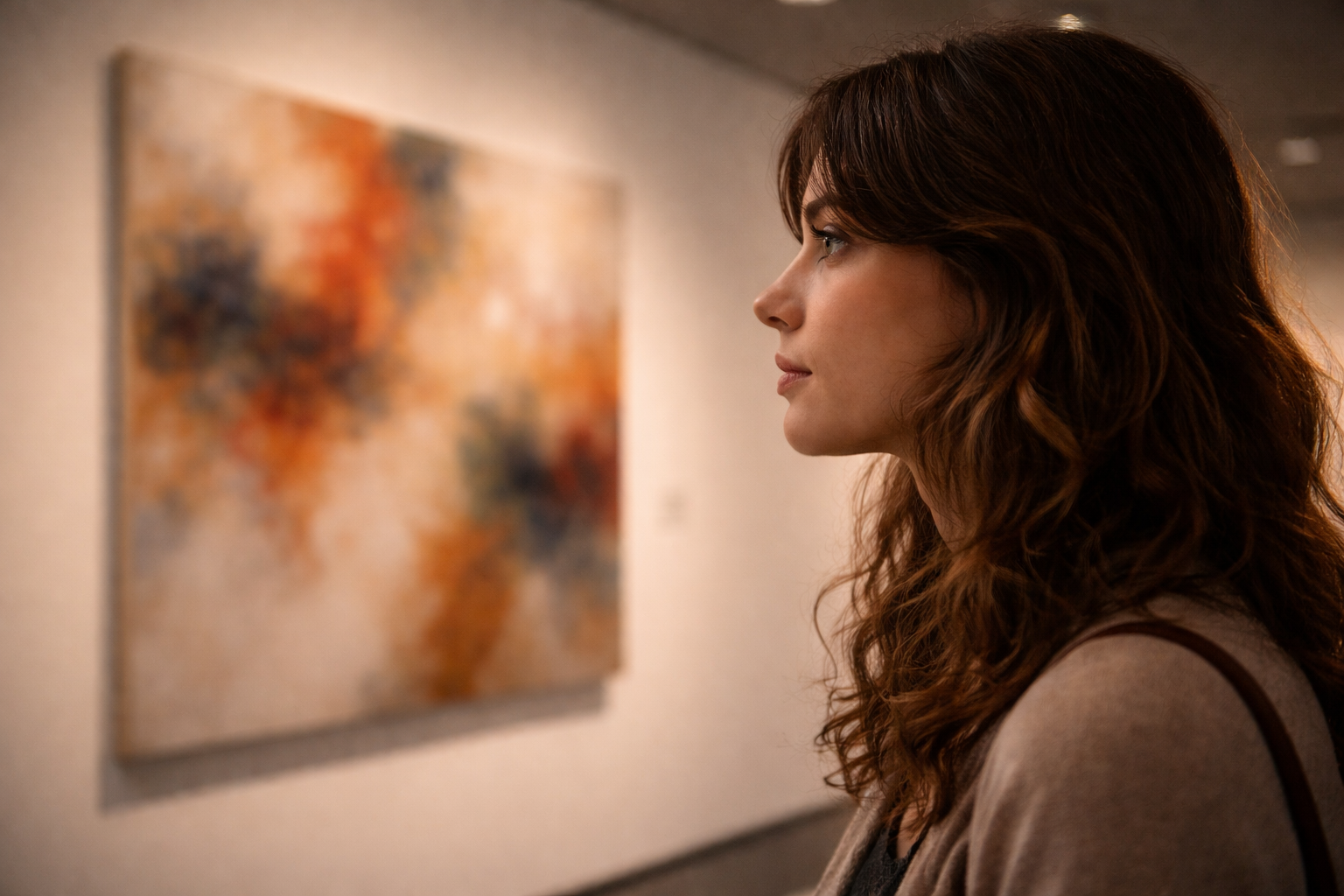
If your trip includes modern art museums in France, make them part of a neighborhood day rather than a standalone mission. Go when your energy is fresh, then give yourself time afterward to walk and process, because good contemporary art often stays in your head longer than you expect. Paris excels at big institutions, but the real magic often comes from mixing one major museum with smaller galleries or cultural spaces that feel more intimate. That balance prevents fatigue and keeps curiosity alive.
[GetYourGuide Tip]: If you want a low-pressure entry into the scene, try a guided Marais contemporary art galleries walk — it’s lighter than a big museum day and fits perfectly into a neighborhood itinerary.
Also, don’t underestimate how art links to fashion, design, and food in France. Contemporary culture here is rarely siloed; a museum day can naturally connect to a design shop visit, a great coffee spot, and a dinner that feels like part of the same creative ecosystem. When you build that chain, art stops being “serious” and starts being enjoyable. And enjoyable is what makes people stay on your article longer.
Design Culture: Where France Feels Most “Now”
France is not only about heritage; it’s also about taste, and taste shows up most clearly in design culture. The modern France experience often lives in the details: how spaces are curated, how shops present objects, how cafés feel intentionally styled without becoming fake. This is why French design and concept stores can be one of the most satisfying “non-obvious” travel activities. They let you experience a city’s current aesthetic without needing a ticket or a guide.
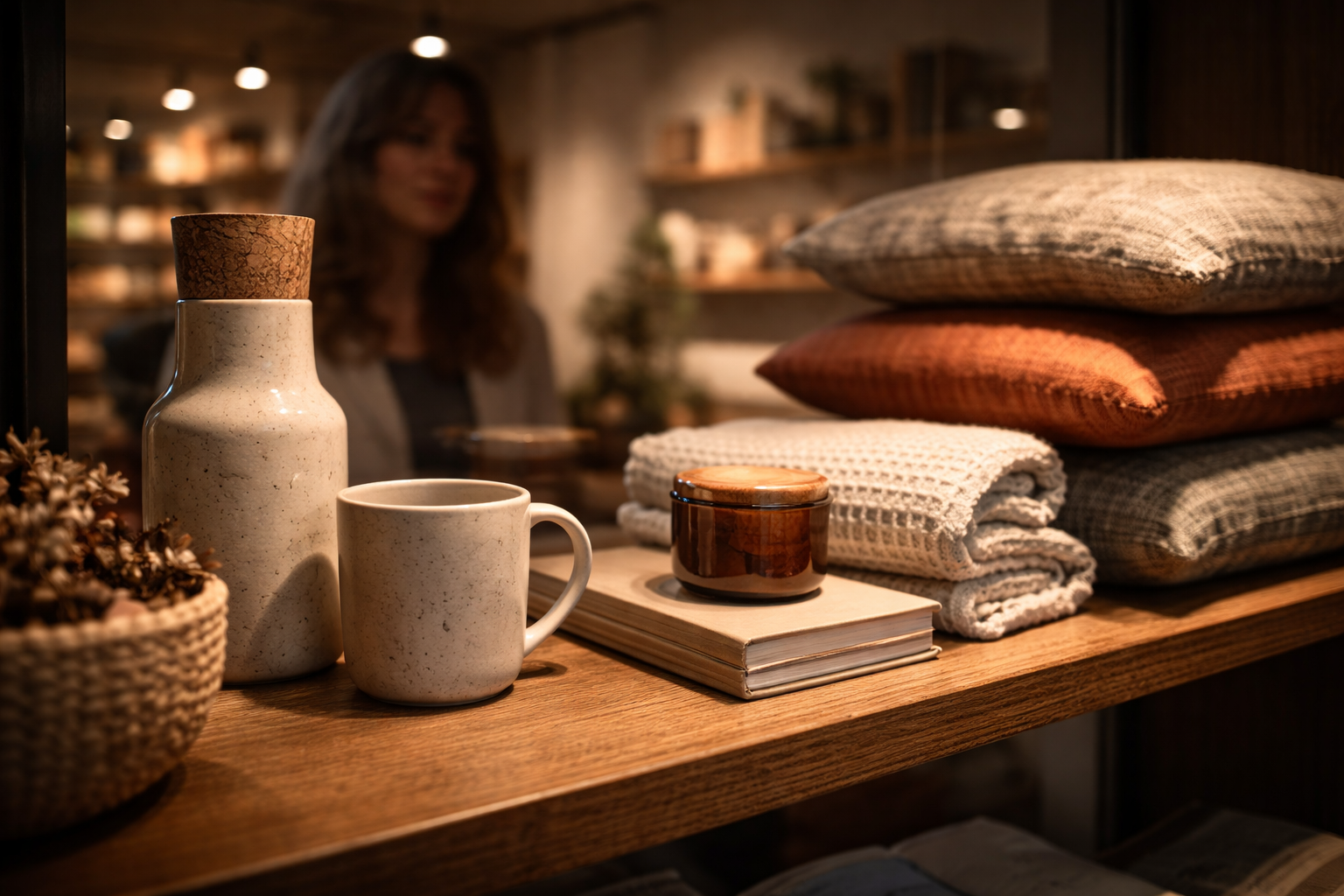
Design districts work best when you wander without rushing. A great concept store isn’t only for shopping; it’s a visual mood-board of what the city values right now. You might not buy anything, but you’ll absorb color palettes, materials, silhouettes, and small lifestyle cues that make France feel modern and specific. This is also a perfect activity for travel days when you’re tired, because it gives you culture without demanding heavy walking.
If you want your itinerary to feel contemporary, include one design-heavy afternoon per city. Pair it with a slow café stop and an evening walk, and suddenly your trip feels “edited” in the best way. This is how you avoid repeating the same day structure over and over. Variety isn’t always about distance—it’s about texture.
Food as Culture, Not a Performance
French food becomes more enjoyable when you stop treating it like a formal event you must “do correctly.” Yes, France has fine dining, but the modern food experience often lives in simpler places: busy bistros, bakeries with real craft, neighborhood wine bars, and markets where locals buy daily ingredients. If you plan food this way, the trip becomes easier and less expensive, while still feeling deeply French. Food becomes part of your daily rhythm, not a stressful highlight.
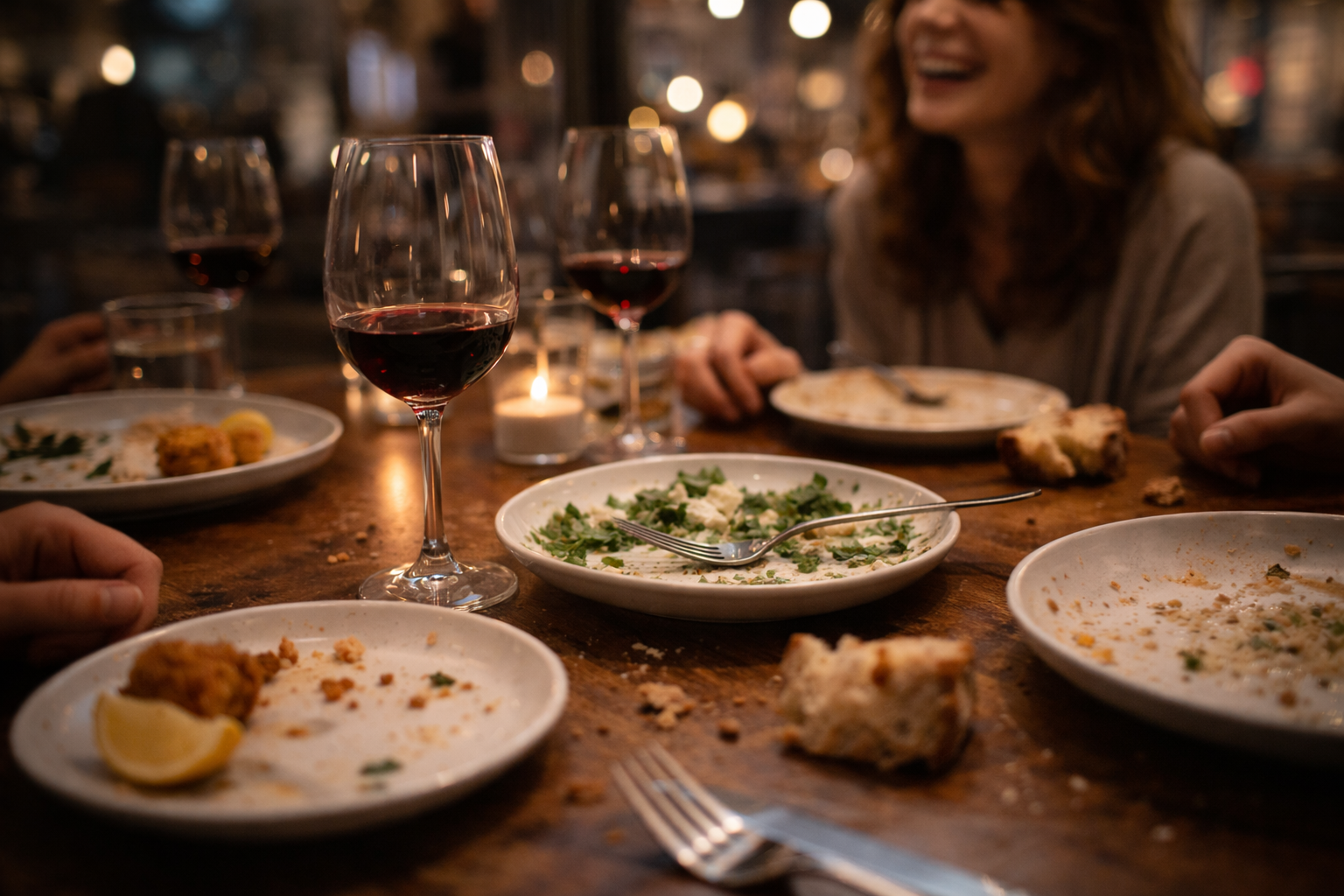
Contemporary France also has a more diverse food scene than many travelers expect. Big cities especially reflect global influences, and that diversity makes the experience feel current rather than stuck in stereotypes. A modern France itinerary can include classic dishes and still feel fresh if you balance them with lighter meals, regional specialties, and the kind of casual spots that locals actually use. The point is not to chase “the best restaurant,” but to build a week of consistently good eating.
A useful trick is to plan one “anchor meal” per day and keep the rest flexible. That reduces decision fatigue and keeps your schedule realistic. When food planning is simple, you have more energy for neighborhoods, museums, and evenings. And those evenings are where modern France often shines.
Night Culture: Paris After Dark and Beyond
France’s nightlife isn’t only about clubs—it’s about atmosphere. In Paris, the city becomes softer and more cinematic after dark, and a great night can be as simple as a long dinner, a late walk, and a wine bar where conversations stretch naturally. If you want a Paris nightlife guide mindset, think less “party plan” and more “night rhythm.” Paris rewards people who let the night unfold rather than force it.
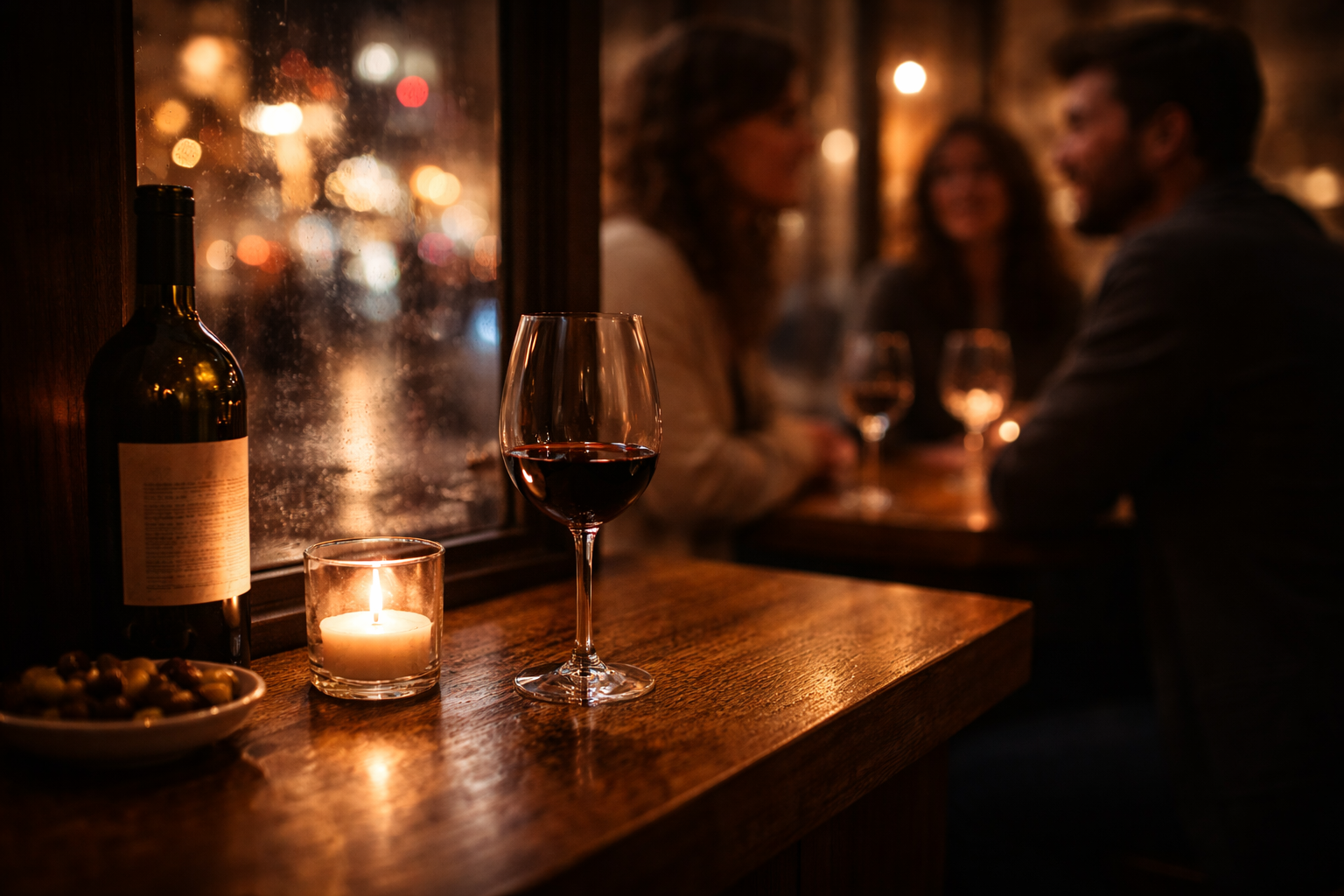
Outside Paris, night culture changes by city identity. Marseille nights feel louder, warmer, and more street-facing, especially because the Mediterranean mood invites people outside. Lyon can feel more intimate—good bars, strong dining culture, and a calmer late-night pace that still feels social. The best move is to pick one or two nights per city where you don’t schedule anything “early morning” the next day, so you can enjoy the evening without the feeling of debt.
If you want your trip to feel modern, don’t skip nights. A city’s personality is often clearest after dark, when people relax into their real routines. Even if you’re not a nightlife person, you can still build one “night culture” evening that’s gentle: music, dessert, a long stroll, and a final drink somewhere cozy. That can become the most memorable part of the trip.
If you’re timing your trip for that “alive city” feeling, bookmark these festivals and events in France to align your nights with what’s actually happening.
How to Build a 7–10 Day Itinerary That Feels Smooth
The biggest mistake travelers make in France is trying to force every day to be “big.” Big days create burnout, and burnout makes even beautiful places feel flat. A better structure is alternating intensity: one high-energy day (museums, major sights, lots of walking), then one soft day (neighborhoods, cafés, design, parks, slower meals). This keeps your body and mind stable, and stability makes your trip feel richer. Modern travel is not about speed; it’s about sustain.
A smooth itinerary also respects transitions. Travel days should be lighter, with one main activity and one evening anchor, not a full schedule stacked on top of train times and check-ins. When you plan this way, you arrive in a new city ready to enjoy it rather than ready to collapse. France feels best when you’re not fighting it. You want to feel like you belong in the rhythm, even temporarily.
Finally, give yourself one “flex day” that can absorb weather, fatigue, or random discoveries. That flex day is where the best memories often happen—because you can follow curiosity. A good contemporary France travel guide doesn’t lock you into a rigid plan; it gives you a structure that stays strong even when reality shifts. That’s how you get a trip that feels both organized and alive.
Conclusion: Modern France Is the Version You’ll Want to Come Back To
France will always have its classics, and they’re worth seeing. But the version of France that people fall in love with—and return for—is often the modern one: the neighborhood rhythm, the creative energy, the design taste, the way dinner turns into a long evening without anyone rushing you. Contemporary France feels personal because it’s built from lived moments, not only landmark moments. And lived moments are what stay.
If you plan your trip around cities with strong identity, mix modern art with design culture, treat food as daily life, and allow nights to be part of the story, France stops feeling like a postcard. It starts feeling like a place you actually experienced. That’s the whole point of traveling well. And that’s why this contemporary France travel guide is the kind of article people actually read to the end.
Très Jolie!!