
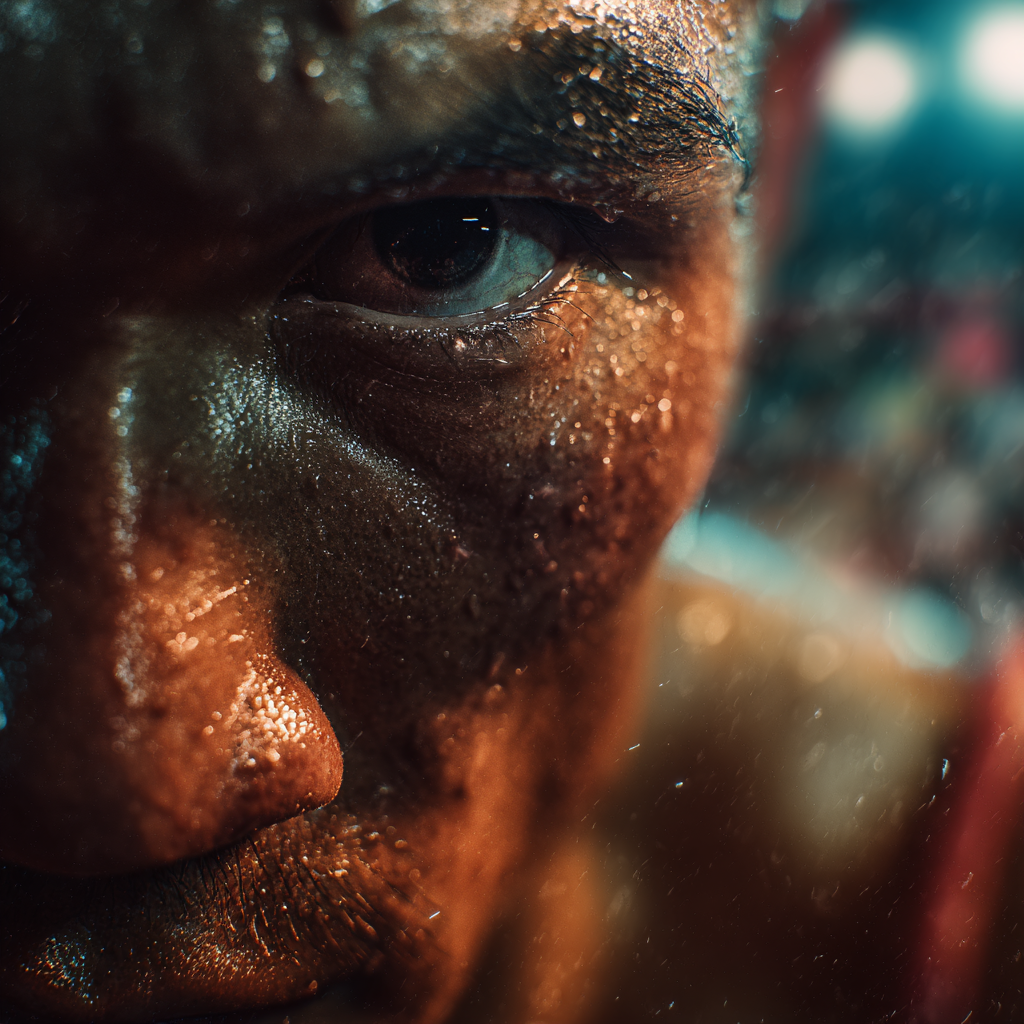
In Thailand, Muay Thai is not just a sport — it is a pulse running through the country’s veins. It lives in the humid air of Bangkok’s alleys, in the shadows of gym mats worn smooth by decades of strikes, in the roar of stadium crowds, and in the ancient rituals whispered before a fight. To witness Muay Thai is to witness a culture shaped by discipline and devotion, by the harmony of movement and mind, by the belief that the body itself can become a form of storytelling.
Travelers come to Thailand expecting beaches, temples, and markets, but many discover something deeper: a martial tradition so tightly woven into Thai identity that it reveals the nation’s emotional landscape. Muay Thai is sweat and ceremony, aggression and artistry, modern spectacle and ancient heritage. It is the language through which fighters express fear, determination, honor, and resilience — a dance of consequence at the center of a brightly lit ring.
Origins Rooted in War and Ritual
The history of Muay Thai stretches back centuries, shaped by battles, migrations, and the need to forge a fighting system that relied on the human body as a weapon. In ancient Siam, soldiers trained in hand-to-hand combat techniques that blended speed, impact, and improvisation. Over generations, these movements evolved into Muay Boran — the ancestor of today’s Muay Thai — a system not just for fighting but for cultivating courage, discipline, and protection.
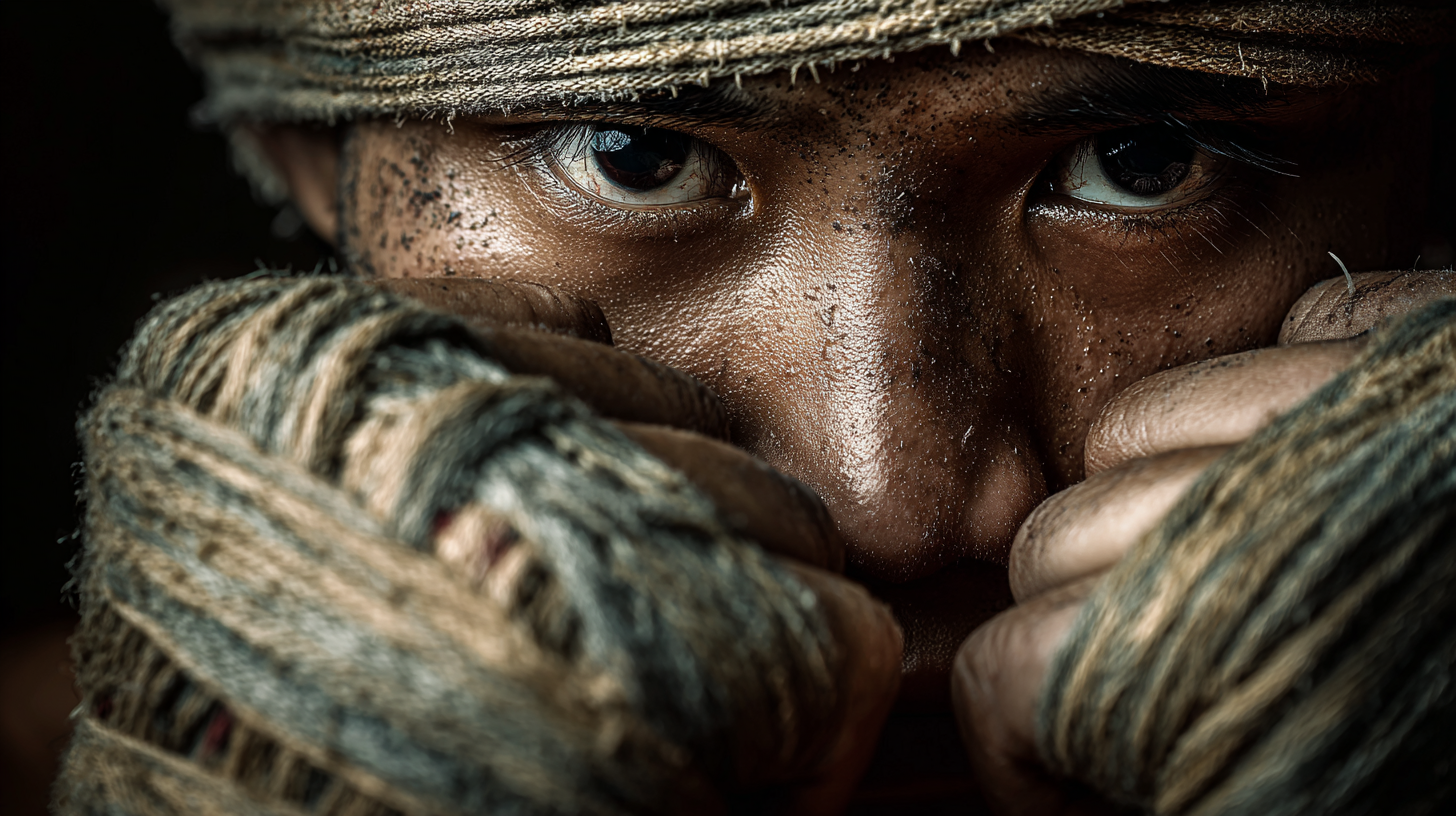
As kingdoms rose and fell, Muay Thai became more than battlefield technique; it became a cultural practice passed from fathers to sons, from teachers to students. Festivals held in honor of kings and deities often featured Muay Thai matches, celebrations of strength and skill that blended combat with ceremony. The sport’s spiritual dimension remains alive today: even in modern gyms filled with punching bags and steelweights, the echoes of its past linger in the Wai Kru ritual, the sacred Mongkhon headpiece, and the rhythmic movements that honor teachers and ancestors.
Standing inside a Thai boxing ring feels like entering a stage layered with history — a reminder that every strike carries memories of warriors who fought generations before.
The Rhythm of Ritual: Where Combat Meets Spirituality
Before the first punch is thrown or the first kick cuts through the air, Muay Thai begins in silence. Fighters step into the ring wearing the Mongkhon, a braided headpiece blessed by their trainer or a monk. They circle the ring slowly, marking territory, acknowledging spirits, and paying respect to the gym that raised them. This ritual is called Wai Kru — a dance of gratitude, a meditation of movement, a spiritual armor that protects the fighter beyond physical skill.

As the stadium lights burn overhead and the crowd settles into anticipation, a band begins to play traditional music known as sarama. Drums and reed instruments rise and fall in rhythm with the fighters’ movements, creating a soundtrack that intensifies with every exchange. The tempo quickens when the match becomes fierce, as if the music is breathing with the fighters themselves.
This merging of sound and motion transforms the ring into a place where combat becomes ritual. Even for onlookers, there is a sense that something ancient is unfolding — a ceremony of controlled violence shaped by respect rather than rage.
In Muay Thai, brutality is never separate from beauty. The ceremony reminds both fighter and audience that every strike is part of a lineage, every movement is an offering, and every bout is an act of honoring those who taught the craft.
The Art of Eight Limbs: Precision Carved Through Discipline
Muay Thai is often called “the art of eight limbs,” a phrase that captures both its complexity and elegance. Fists, elbows, knees, and shins become tools of impact, shaping a fighting style that is fluid, strategic, and devastatingly efficient. To watch a high-level bout is to witness a conversation of bodies: a jab answered by a step forward, a kick met with a block of the shin, a sweeping elbow delivered in a flash of instinct.
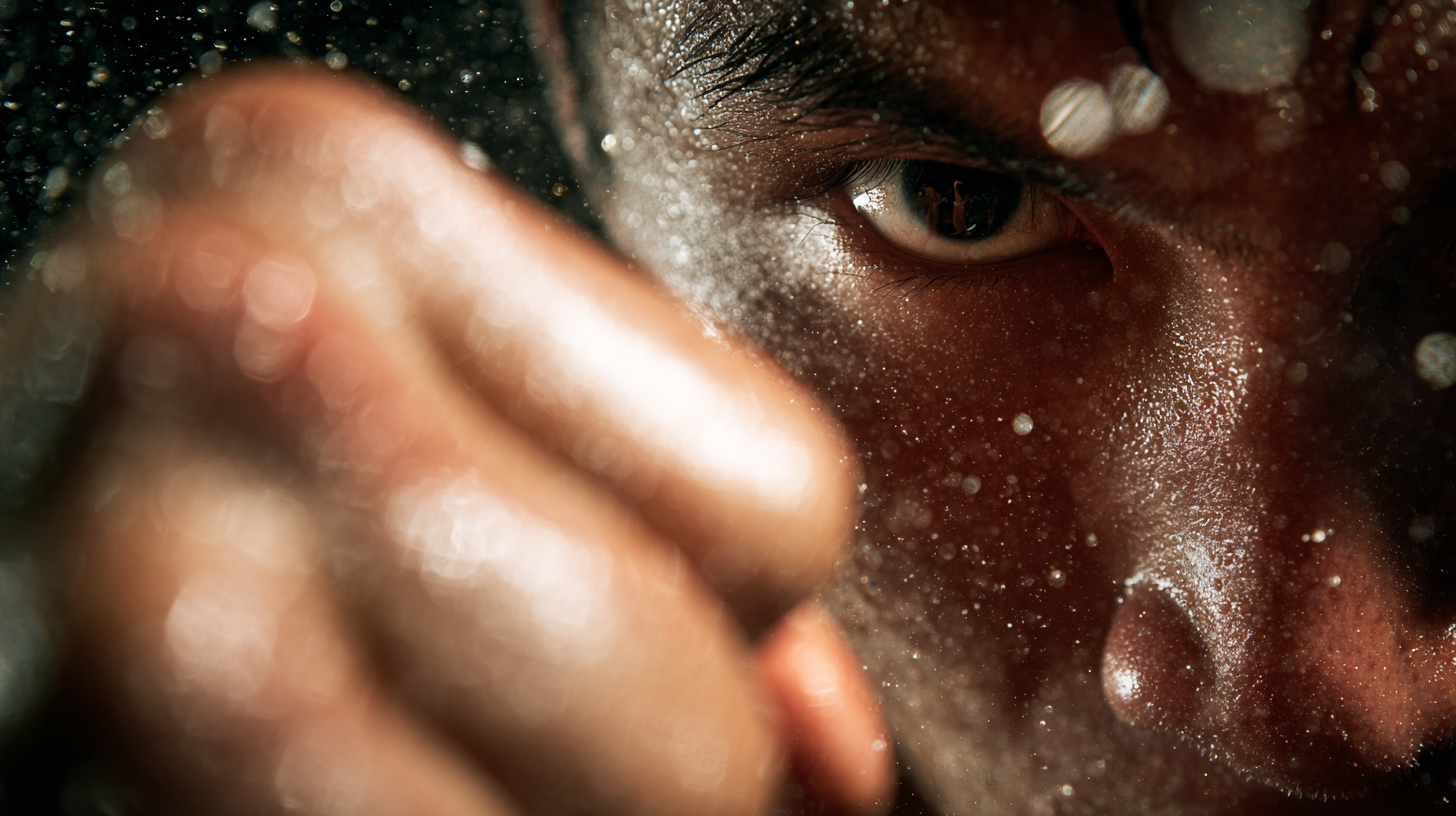
Training begins long before dawn. Fighters run through quiet streets as the sun rises over temple roofs, their breath forming small clouds in the cool morning air. Hours of pad work follow — sharp strikes echoing through gyms filled with the scent of liniment oil and leather gloves. Coaches shout corrections, fighters adjust their stance, sweat darkens the mats. Afternoon sessions refine clinch work, where fighters lock arms, twist for leverage, and deliver short but powerful knees. The body becomes conditioned to withstand pain, to operate under fatigue, to react without hesitation.
There is a rawness to Muay Thai training, but also a clarity. Each repetition brings the fighter closer to mastery, each strike a small act of self-discovery. The sport demands not only strength but humility: in Muay Thai, there is always something to learn, always a flaw to correct, always a moment to push back against doubt.
Stadium Nights: The Electricity of Thai Combat Culture
To fully understand Muay Thai, one must experience it in a stadium — a sensory whirlwind of sound, heat, and adrenaline. In Bangkok, Lumpinee and Rajadamnern remain the legendary arenas, places where generations of fighters have carved their names into history. Beneath blazing lights, the ring glows like a stage at the center of a living storm.
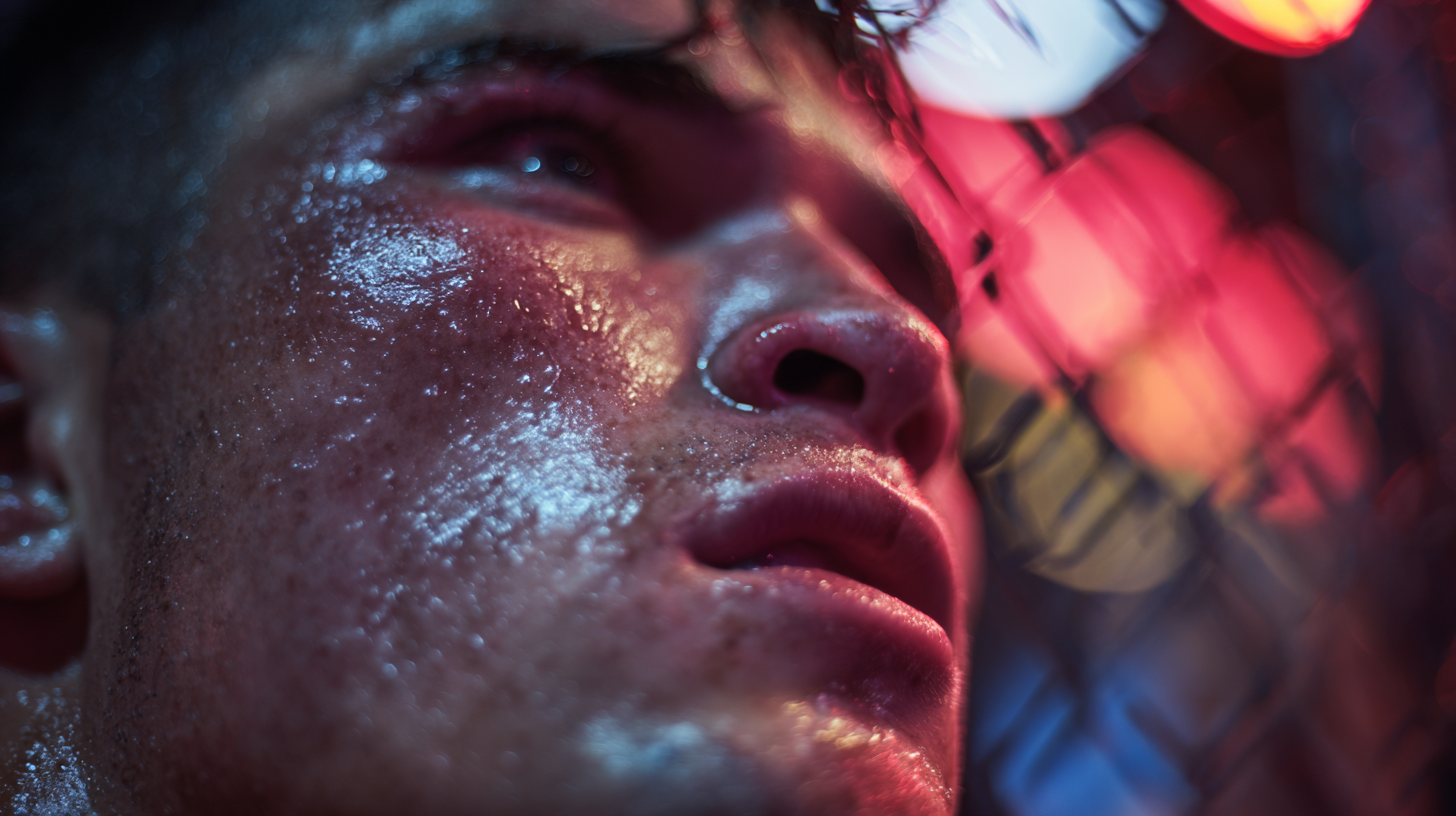
Vendors weave through crowds selling snacks, gamblers signal odds with quick hand gestures, and commentators shout over the rising rhythm of sarama music. The tension shifts with every round: quiet murmurs during strategy-heavy exchanges turn into explosive cheers when a fighter lands a clean strike. For tourists, the atmosphere is electrifying; for locals, it is a ritual as familiar as prayer.
When two fighters collide in the center of the ring, each movement feels amplified — the thud of shin on rib, the snap of a punch, the crackle of audience energy swelling with each exchange. Between rounds, trainers press ice packs to bruised skin, bark instructions, and slap shoulders to ignite focus. The moment the bell rings again, fighters rise with renewed resolve, stepping back into the whirlwind of impact and instinct.
A Muay Thai stadium is a place where the sport’s dual nature becomes clearest — at once refined and brutal, exhilarating and humbling, traditional and fiercely contemporary.
Gyms of Thailand: Where Travelers Become Students
Across Thailand, from Bangkok’s backstreets to the beaches of Phuket and the mountain foothills of Chiang Mai, Muay Thai gyms welcome travelers from all over the world. These gyms range from traditional, family-run spaces where fighters train barefoot on concrete floors, to modern facilities with international instructors and regimented programs. Yet all share one thing: a culture of discipline built on respect for the art.
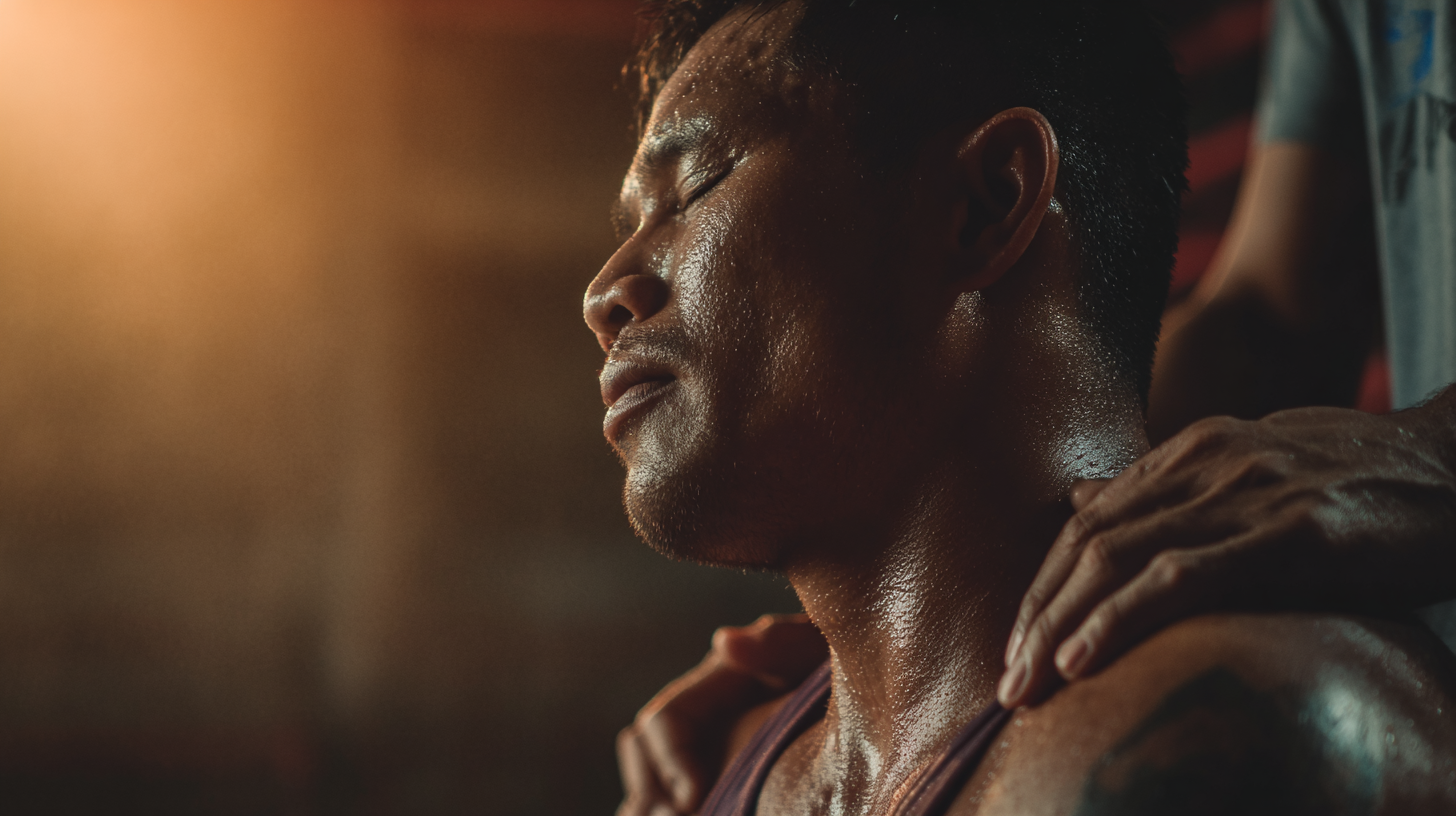
Travelers often find that Muay Thai training becomes a window into Thai values — resilience, patience, and humility. Morning runs along palm-lined roads, training sessions under tin roofs rattling in the wind, shared meals with fighters who have lived the sport since childhood — all these experiences blend into a unique immersion.
Coaches correct posture with a firm grip on the shoulder, demonstrate combinations with a slow, deliberate motion, then push students through rounds that test every muscle. The encouragement is tough but sincere. Even beginners, sweating through the simplest movements, feel a sense of accomplishment that transcends fitness.
In these gyms, nationality and background fade. What remains is effort. People who may never enter a ring still learn the mental discipline of Muay Thai — the ability to stay focused under pressure, to react with intention, to breathe through discomfort, to embody strength without arrogance.
Related: Traditional Crafts of Thailand – A Journey Through Textiles and Handmade Art
Muay Thai as Identity: From Rural Villages to Global Arenas
Muay Thai is inseparable from Thai identity. In rural villages, young fighters often begin training as a way to support their families, earning income from local matches long before they step onto major stages. For them, Muay Thai is both opportunity and obligation. It becomes a pathway to a better life, a discipline that teaches responsibility, endurance, and emotional control.
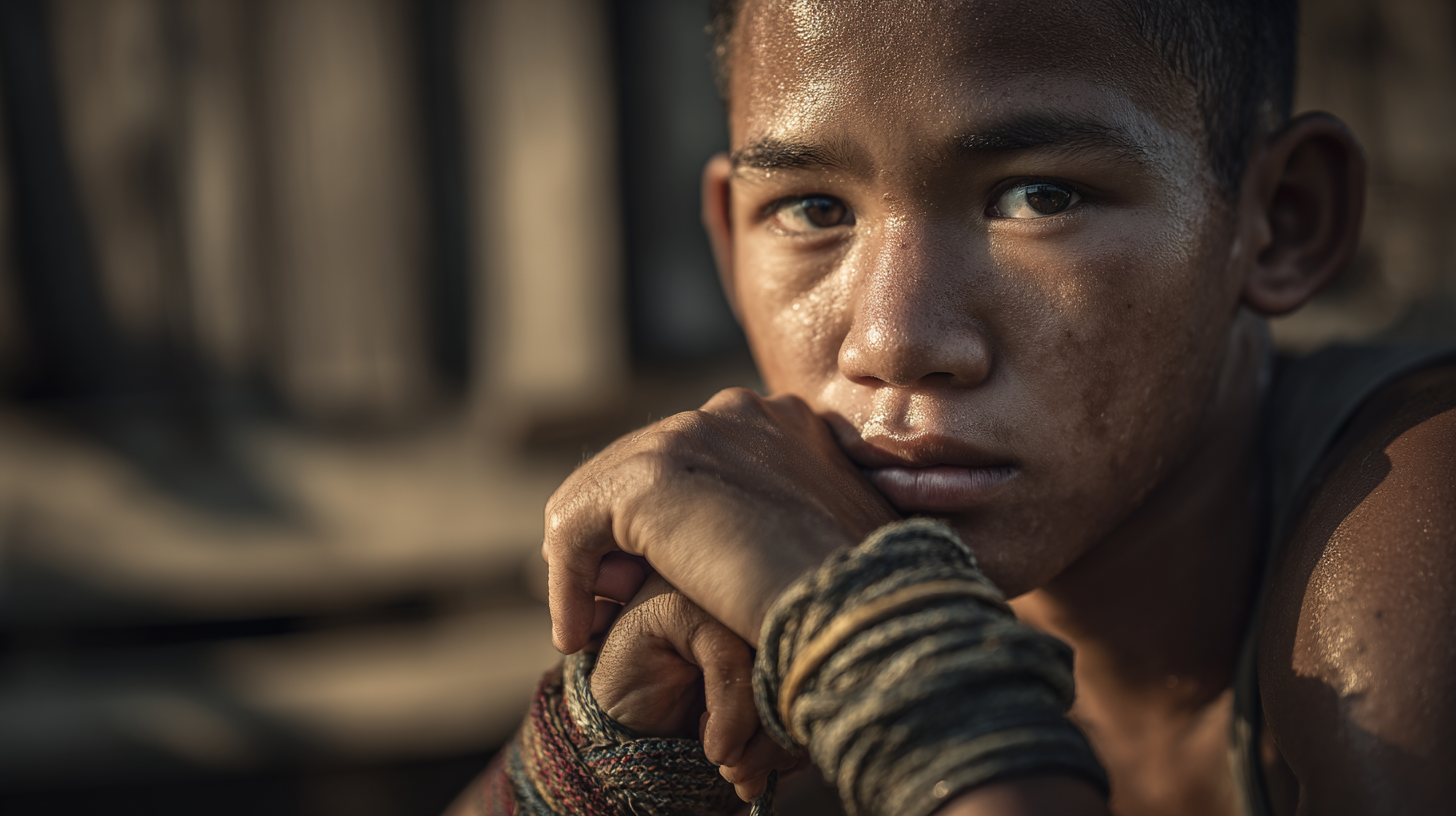
The sport’s expansion into the global arena has transformed it into an international phenomenon. Fighters from Europe, the Middle East, the Americas, and Africa travel to Thailand seeking authenticity and mastery. International competitions bring together practitioners from diverse cultures, yet the Thai style remains distinct — rooted in grace, patience, and the quiet intensity of its ancestry.
As Muay Thai grows worldwide, Thailand preserves its cultural core. Rituals remain non-negotiable; respect for teachers, lineage, and tradition defines the sport as much as physical technique. Even as gyms modernize and global audiences expand, Muay Thai retains the soul of a martial art that values character as much as victory.
The Philosophy Beneath the Strikes
Behind every elbow strike and every roundhouse kick lies a philosophy shaped by Buddhism and Thai worldview. Fighters are encouraged to cultivate calmness, to control emotion, to fight without hatred. Strength must be balanced with compassion, aggression with control. Many fighters meditate before training or fights, grounding themselves in stillness before stepping into chaos.
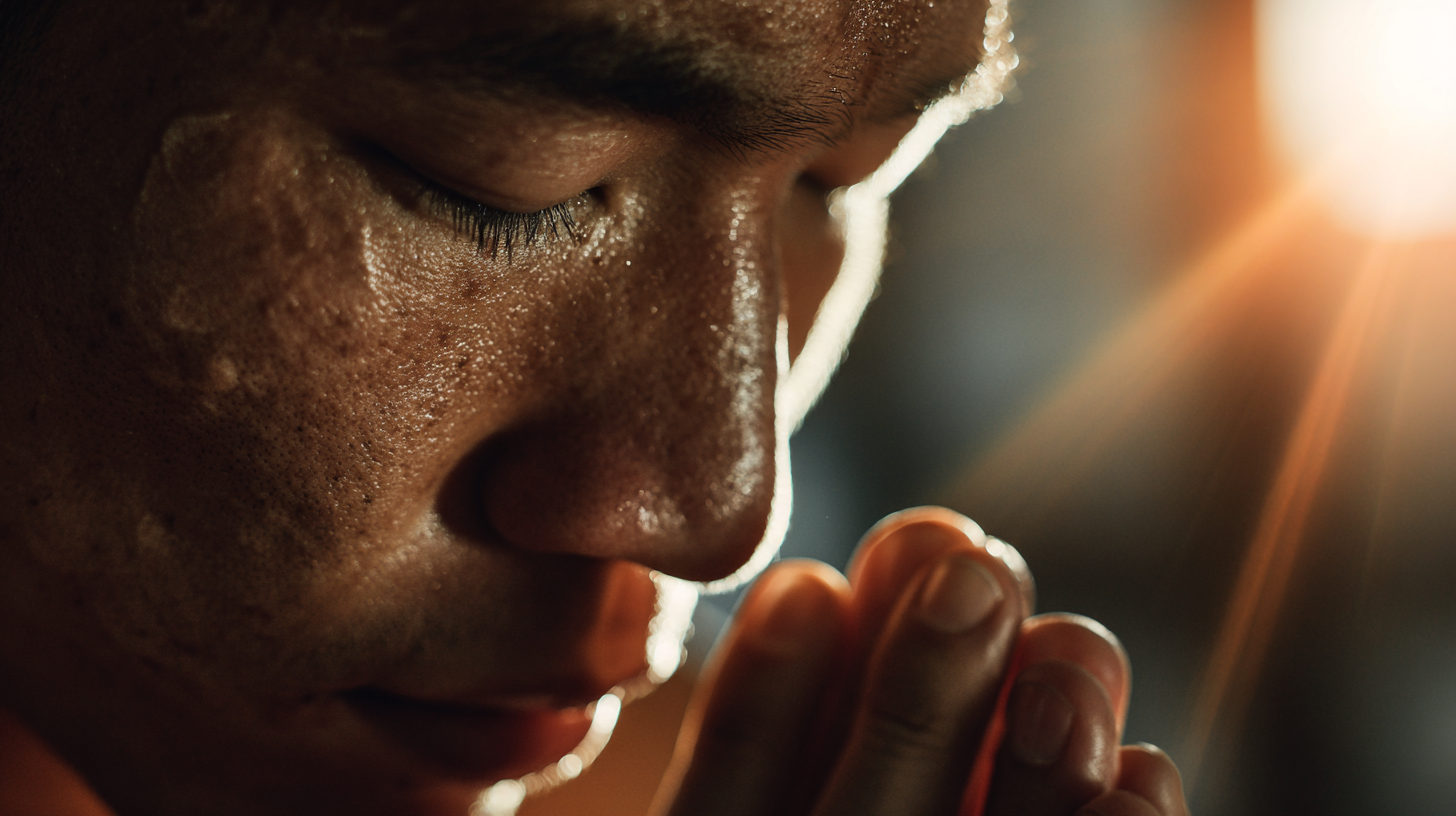
The Wai Kru ritual, performed before each fight, is more than tradition — it is a reminder that no fighter stands alone. Each owes their skill to teachers, family, and community. This awareness tempers ego and reinforces the humility that defines Muay Thai practitioners.
Even defeat is treated differently in this culture. Losing is not shame; it is learning. Fighters bow deeply to opponents, acknowledging mutual effort. Victory, too, is accepted with modesty. Muay Thai teaches that true mastery is not measured by belts or trophies, but by how one carries responsibility, discipline, and respect both inside and outside the ring.
Conclusion
Muay Thai is a living expression of Thailand’s history, spirituality, and identity — a martial art that unfolds like a story written in movement. It carries the intensity of combat, the quiet grace of ritual, the unpredictability of competition, and the philosophical depth of an ancient tradition. To experience Muay Thai is to witness more than sport; it is to step into a narrative shaped by dedication, cultural pride, and the timeless rhythm of human resilience.
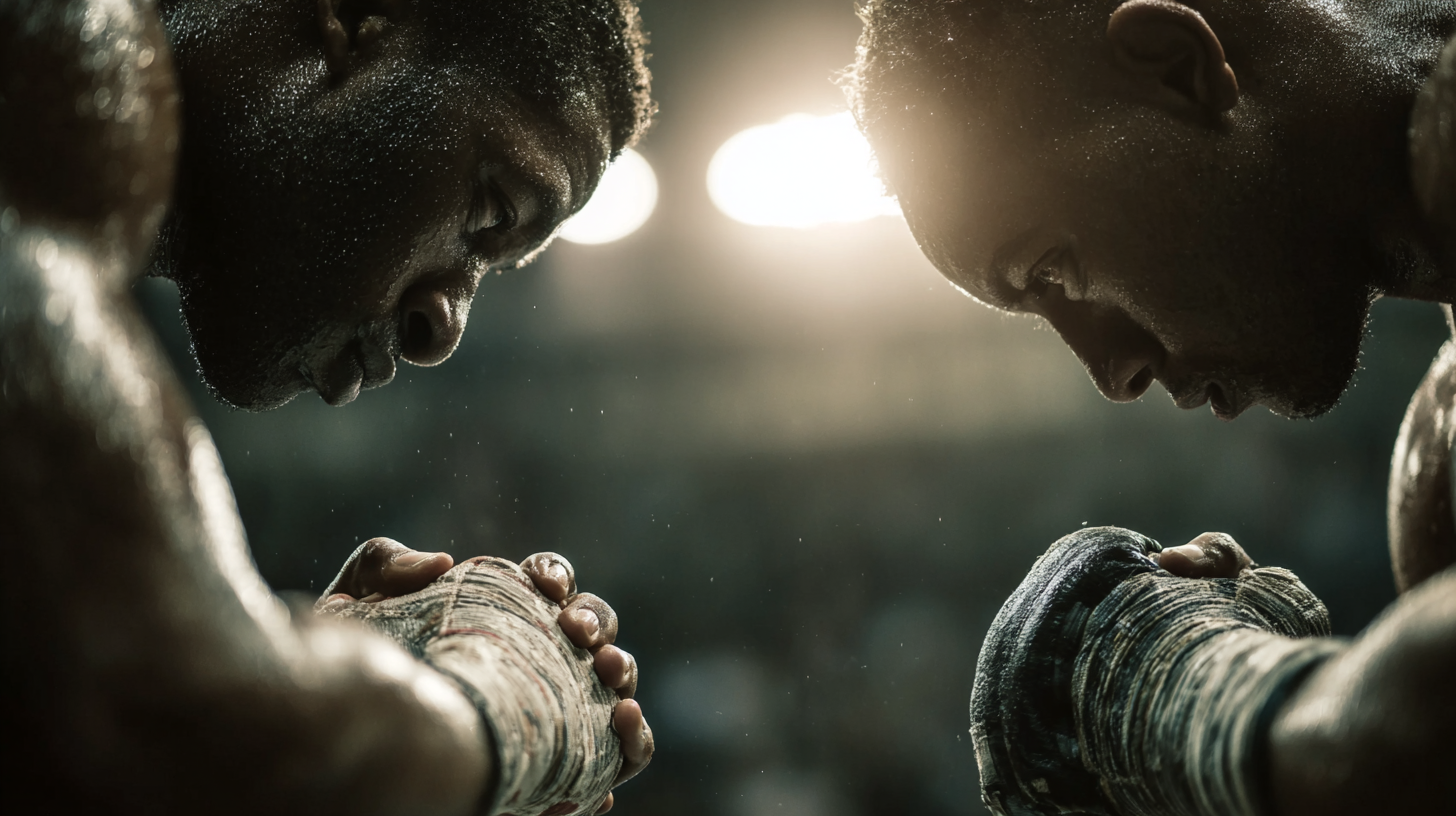
For travelers, Muay Thai offers a unique way to understand Thailand. Through the sounds of drumbeats, the smell of oil warming on fighters’ skin, the shouts of crowds, and the respectful bow before combat begins, one sees a country expressing itself with honesty and strength.Whether watching a stadium bout under bright lights or spending a morning training in a humble gym, Muay Thai reveals Thailand’s spirit — fierce, graceful, disciplined, and profoundly human.
Official Muay Thai Federation: https://www.ifmamuaythai.org