
Adventure Tourism in Pakistan: A Landscape Built for Exploration
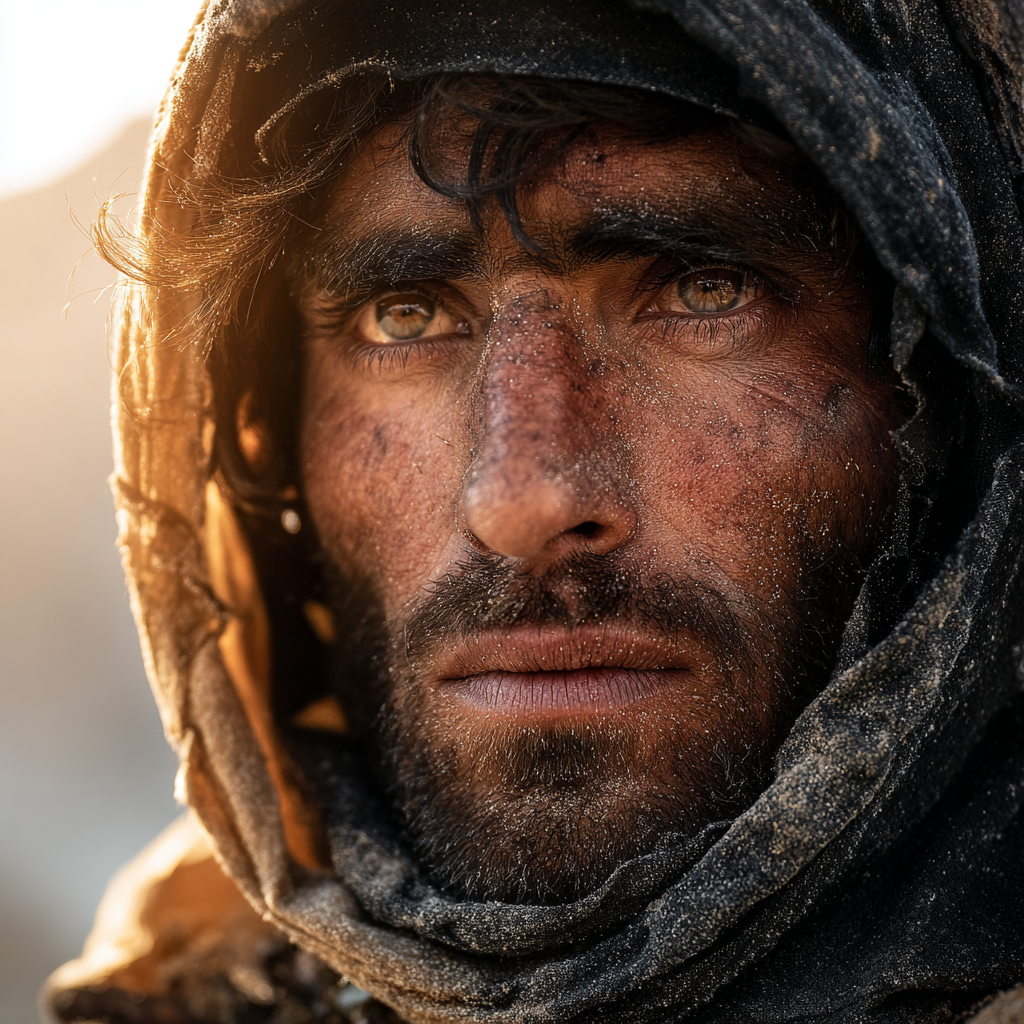
Adventure tourism in Pakistan thrives in a land shaped by extremes — towering mountain ranges, vast deserts, glacier-fed rivers, and ancient forests. Pakistan is a country where geography invites challenge, exploration, and awe. Travelers who seek adrenaline find no shortage of it here, but what sets Pakistan apart is not only the intensity of its terrains — it is the profound sense of discovery that comes with entering environments still largely untouched by mass tourism.
From the massive spires of the Karakoram to the hidden pasturelands of the north, from the roaring rivers of Khyber Pakhtunkhwa to the golden dunes of Sindh and Balochistan, the country offers a spectrum of natural experiences that feel both raw and immersive. Pakistan is not a destination that reveals itself quickly. It unfolds slowly, with each step into its wilderness opening a new perspective — a new vantage point, a new story. Adventure here is not merely an activity but a way of experiencing the land’s scale, silence, history, and human warmth.
The Northern Valleys: A World Carved by Ice and Time
No place symbolizes adventure tourism in Pakistan more than its northern valleys. This region, defined by the Karakoram, Himalaya, and Hindu Kush ranges, offers some of the most dramatic landscapes on Earth. Jagged peaks rise above glacier-fed rivers, while small hamlets cling to narrow terraces carved into mountainsides. Travelers arrive seeking the thrill of challenge, yet it is the sheer presence of the land that leaves the deepest impression.
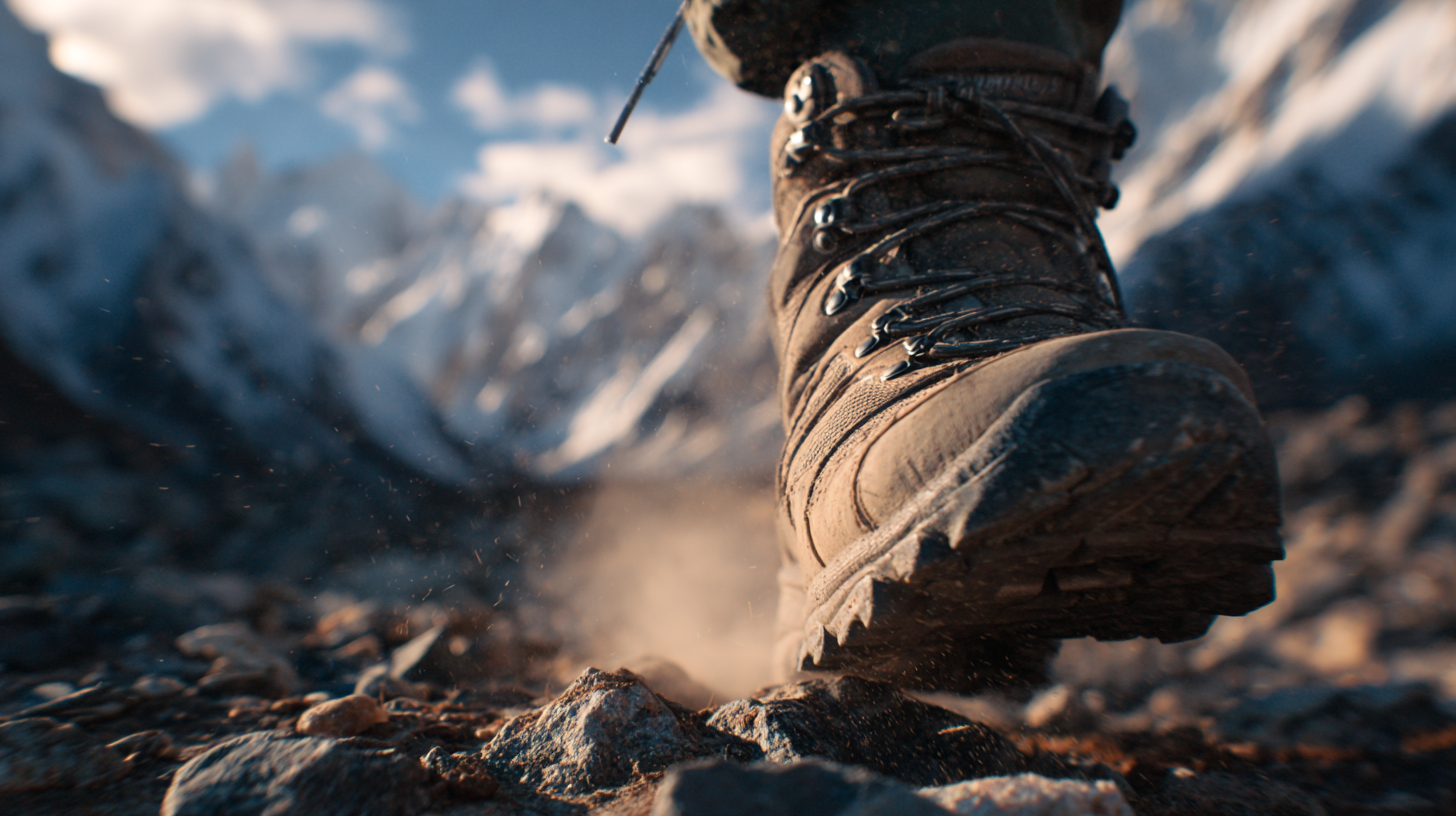
Trekking is the heartbeat of northern adventure. Trails wind through alpine meadows dotted with wildflowers, ascend moraines of ancient glaciers, and traverse suspension bridges swaying above turquoise rivers. Regions such as Hunza, Nagar, Skardu, Ghizer, and Chitral offer endless routes, ranging from gentle day hikes to demanding multi-day expeditions. The air grows cooler as one ascends, and the landscapes shift from terraced orchards to high-altitude deserts where nothing grows except courage.
K2 Base Camp remains one of the world’s most iconic treks — a journey that carries travelers into the shadow of the second-highest mountain on Earth. The trek passes through an amphitheater of giants: Broad Peak, Gasherbrum I and II, and the Trango Towers, whose sheer granite walls challenge even the world’s most skilled climbers. Further west, the Hindukush region of Chitral opens into valleys known for their distinctive cultural identity and rugged beauty. Wherever a traveler walks in the north, the land seems to test strength while simultaneously rewarding every effort with overwhelming views.
Climbing and Mountaineering: Peaks That Defy Limits
Pakistan is a mountaineering powerhouse, home to five of the world’s fourteen eight-thousanders. Climbers from across the globe arrive with a sense of reverence, aware that the Karakoram holds some of the most formidable peaks on the planet. K2, often called the “Savage Mountain,” is the ultimate challenge — steep, unforgiving, and breathtakingly beautiful. Its presence, seen from Concordia or from Base Camp, is enough to leave even seasoned mountaineers speechless.

Nanga Parbat, known as the “Killer Mountain,” offers a different but equally mesmerizing challenge. Its colossal massif stands isolated, rising nearly vertically from surrounding forests and meadows. The Fairy Meadows approach provides one of the most accessible yet dramatic views of any mountain in Asia, drawing trekkers, backpackers, and dreamers alike.
Beyond the eight-thousanders, Pakistan offers countless summits for climbers of varying experience. Peaks such as Minglik Sar, Rush Peak, and Ladyfinger provide options for those seeking high-altitude adventure without extreme technical difficulty. The vast expanse of the Karakoram creates endless opportunities for exploration — unclimbed peaks, hidden valleys, and ice walls that remain untouched. Mountaineering in Pakistan is more than a sport; it is a dialogue with landscapes shaped by time, wind, and unimaginable geological force.
Hiking and Traveling the Karakoram Highway: The World’s Highest Road
The Karakoram Highway (KKH), often called the Eighth Wonder of the World, is itself an adventure. Snaking through some of the world’s highest mountains, this road connects Pakistan with China and crosses regions that were once part of the ancient Silk Road. Travelers experience landscapes that change dramatically within hours: barren cliffs give way to lush valleys, while massive glaciers descend in slow motion toward turquoise lakes.

Stopping along the KKH reveals unexpected wonders. At Attabad Lake, formed by a landslide in 2010, deep blue waters reflect golden cliffs and snow-capped peaks. Further north, the Passu Cones rise like a jagged crown above the valley floor, creating one of the most photographed mountain silhouettes in Pakistan. Villages along the highway offer insight into local life, with travelers welcomed into homes for tea, fruit, and stories passed down through generations.
Walking portions of the Karakoram Highway offers a slower, more immersive experience. The sounds of flowing water, distant rumbling of shifting ice, and the occasional hum of a passing motorcycle blend with fresh mountain air. For many, the journey along the KKH becomes as meaningful as any specific destination.
The Deserts: Golden Horizons and the Silence of Wind
Beyond the dramatic north, adventure tourism expands into the arid deserts of Sindh and Balochistan. The Thar Desert, one of the world’s most densely populated deserts, unfolds as a vast sea of sand dunes punctuated by villages, grazing camels, and patches of thorny vegetation. Travelers who venture into Thar encounter a landscape shaped by monsoons, where patterns of light and shadow shift each hour. Here, desert trekking becomes a meditation. Steps fall softly into warm sand, wind whispers across dunes, and silence stretches across the horizon.

Further west lies the harsher landscape of the Kharan and Chagai regions in Balochistan. These deserts offer a different sense of isolation — rugged rock formations, cracked earth, and vast expanses untouched by human presence. Jeep safaris carry travelers through stark beauty, revealing geologic formations that feel almost lunar. Nights in the desert bring some of the clearest skies imaginable, where the Milky Way arcs overhead in luminous detail.
The deserts of Pakistan hold a particular allure for those seeking solitude and scale. They offer a reminder that adventure is not always defined by vertical ascent; sometimes it is found in the slow, contemplative movement across open land.
River Rafting and White-Water Adventures: Following the Pulse of the Land
Pakistan’s rivers, fed by glacial melt and seasonal rains, create ideal conditions for rafting and kayaking. The Swat, Kunhar, Gilgit, Indus, and Neelum rivers flow with a mix of rapid intensity and calmer stretches, allowing both experts and beginners to find experiences suited to their skill levels. The northern valleys amplify the thrill — towering cliffs, pine forests, and distant peaks frame every river bend.
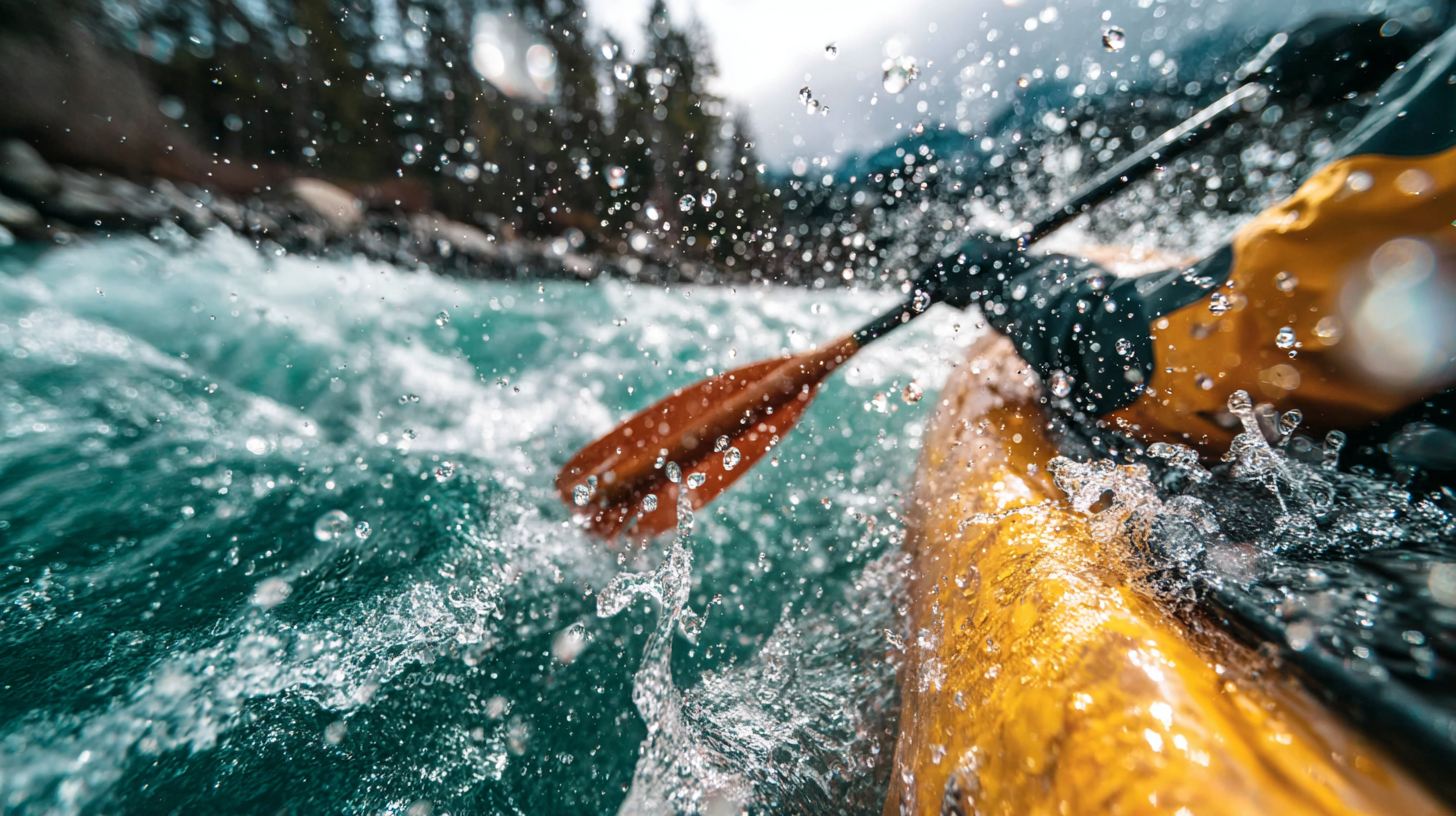
In summer, when glacial melt increases water flow, rafters confront waves that rise unpredictably, creating exhilarating moments of turbulence followed by stretches of smooth water. Many rafting groups include stops along riverbanks where travelers rest, enjoy fresh meals cooked over open fires, and take in the surrounding scenery. These rivers do more than provide adventure; they shape agriculture, culture, and identity in the regions they pass through.
Further south, sections of the Indus River offer calmer opportunities for kayaking and river cruises. Travelers float through ancient landscapes, passing near archaeological sites and historical settlements. Whether turbulent or calm, Pakistan’s rivers offer their own version of adventure — one shaped by movement, sound, and the timeless power of flowing water.
Paragliding, Mountain Biking, and Aerial Adventures: A New Era of Exploration
As adventure tourism grows, more travelers explore the skies above Pakistan. Paragliding has become increasingly popular in regions like Chitral, Hunza, and Khanpur, where broad valleys and consistent wind patterns create ideal flying conditions. Taking off from a grassy ridge, travelers glide over mountains, orchards, and villages, watching landscapes unfold beneath them in silent, sweeping panoramas.

Mountain biking offers another perspective. Trails in Skardu, Hunza, and Kaghan wind through rugged terrain, demanding both stamina and skill. Cyclists navigate gravel paths, climb steep ascents, and descend winding roads carved into cliff faces. The challenge is matched by the reward: sweeping views, fresh mountain air, and encounters with local communities.
Zip-lining, rock climbing, and canyoning have also found a place in Pakistan’s expanding adventure scene. These activities bring newcomers into contact with landscapes that once seemed inaccessible, turning natural formations into dynamic playgrounds shaped by both nature and human ingenuity.
Forests and Meadows: Gentle Paths in Untouched Wilderness
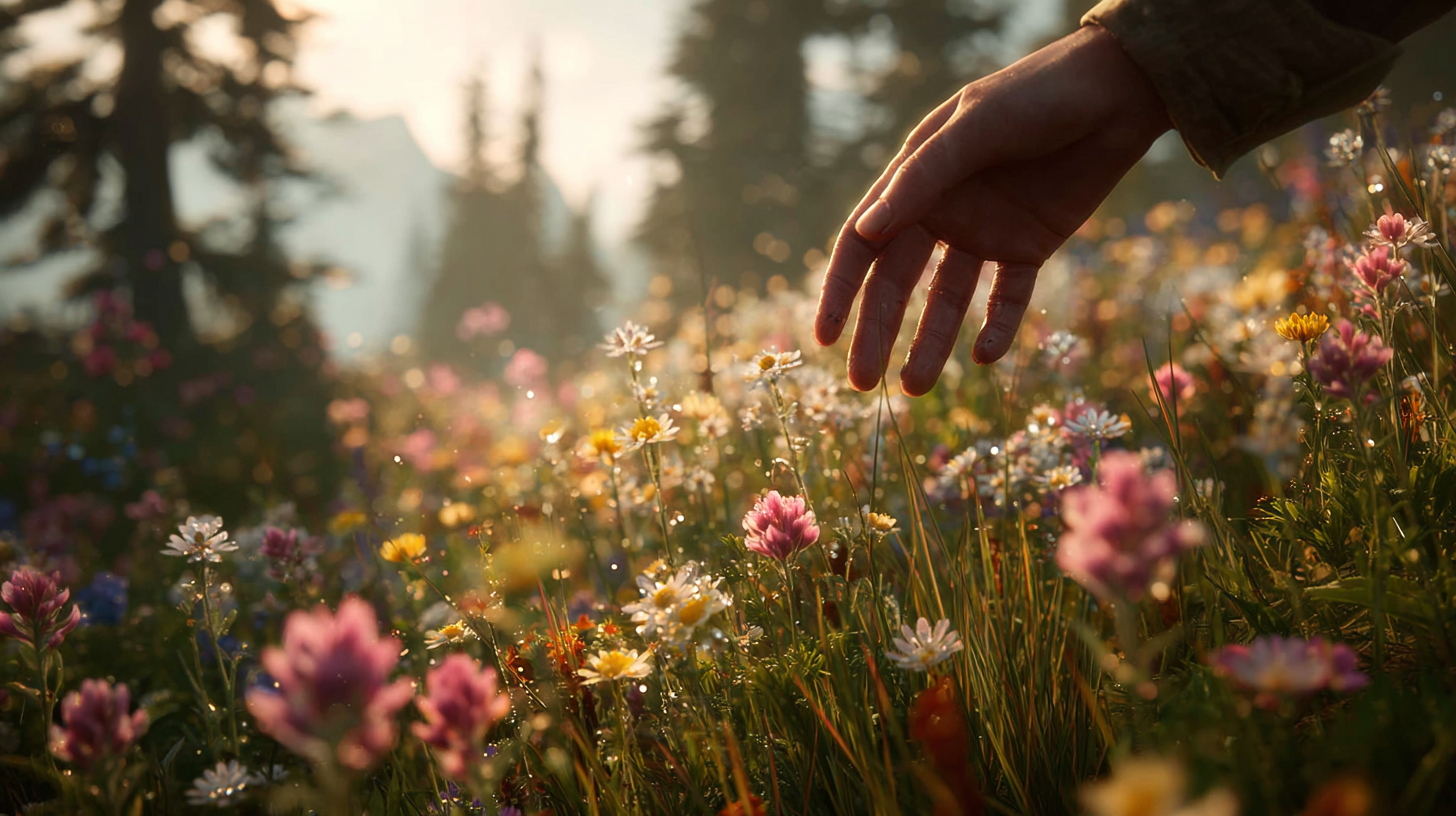
Not all adventure in Pakistan must push physical limits. The country’s forests and meadows offer softer, slower encounters with nature. In Kaghan Valley, alpine meadows bloom with wildflowers in late spring, creating carpets of color beneath dramatic ridgelines. The forests of Swat, Dir, and Astore provide tranquil hiking paths shaded by tall pines and firs. Travelers who walk these trails experience a kind of adventure defined by observation rather than endurance: the rustle of branches, the call of distant birds, and the play of sunlight through dense canopy.
Pastoral highlands, such as those in Khaplu and Shimshal, welcome travelers with open grasslands surrounded by towering cliffs. Shepherds move their flocks seasonally, maintaining traditions that have existed for centuries. Visitors can walk alongside them, crossing streams and valleys that reveal the deep-rooted relationship between communities and their land. These gentler adventures offer a reminder that Pakistan’s wilderness is vast enough to accommodate every pace of travel.
Wildlife Encounters: Nature’s Presence in Every Landscape
Pakistan’s varied geography supports an equally varied wildlife population. Travelers may spot Himalayan ibex scaling impossible rock walls in the north or see golden eagles circling high above valleys. In Cholistan and Thar, chinkara gazelles sprint across sand dunes, their movement almost liquid against the stillness of the landscape. In coastal regions, green turtles come ashore to lay eggs on sandy beaches under moonlit skies.

Wildlife tours introduce travelers to the subtle rhythms of animal life. Guides teach visitors how to look for tracks in the snow, listen for calls hidden within forests, or spot movement where the untrained eye sees only rock and shadow. These encounters deepen the adventure experience, grounding thrill in appreciation and perspective. Nature in Pakistan is not just backdrop — it is active, alive, and woven into every journey.
Related: Wildlife in Pakistan – Exploring the Country’s Rich Biodiversity
Conclusion
Adventure in Pakistan is not defined by a single landscape or activity. It is found in high-altitude treks through stark mountain corridors, in the wind-carved dunes of Sindh and Balochistan, in the spray of rivers cutting through narrow gorges, and in the silent glide of a paraglider soaring over green valleys. It is present in the determination to reach a summit, in the calm of walking through quiet meadows, and in the awe of witnessing ancient geological forces etched into stone.

What makes Pakistan truly exceptional is the sense of authenticity that accompanies every adventure. The country’s wilderness remains largely unspoiled, its trails uncrowded, and its landscapes expansive enough to inspire both humility and exhilaration. Travelers leave with stories not only of adrenaline but of connection — to nature, to people, and to a land that rewards curiosity with wonder.
Pakistan is a destination for those who seek both challenge and meaning, offering experiences shaped by scale, silence, and the enduring power of the natural world.