

Ethiopia archaeology offers one of the most important windows into early human history, preserving clues that stretch. From prehistoric valleys where early humans walked millions of years ago to monumental stone structures carved by ancient civilizations, Ethiopia presents a timeline that stretches across the very origins of humanity. Every excavation, stele, burial mound, and fragment of pottery deepens the narrative of a land that has shaped the story of our species. Exploring Ethiopian archaeology is to encounter a remarkable duality: it is simultaneously a scientific journey into prehistory and a cultural pilgrimage through the achievements of early civilizations. Here, the earth itself holds memory, waiting for curious minds to uncover its secrets.
Read Also: Ethiopian Tribes Cultural History
Awash Valley: The Cradle of Humanity
The Awash Valley, a UNESCO World Heritage Site, is one of the most significant paleoanthropological regions in the world. Its stratified landscapes preserve a record of early human evolution stretching back more than six million years. This is where the famous Australopithecus afarensis specimen known as Lucy was discovered in 1974 — a fossil that revolutionized our understanding of human origins. Her 3.2-million-year-old remains offered clear evidence of bipedalism, revealing that our ancestors walked upright long before developing larger brains. The valley’s sedimentary layers continue to yield fossils, tools, and clues that illuminate the evolution of hominins.
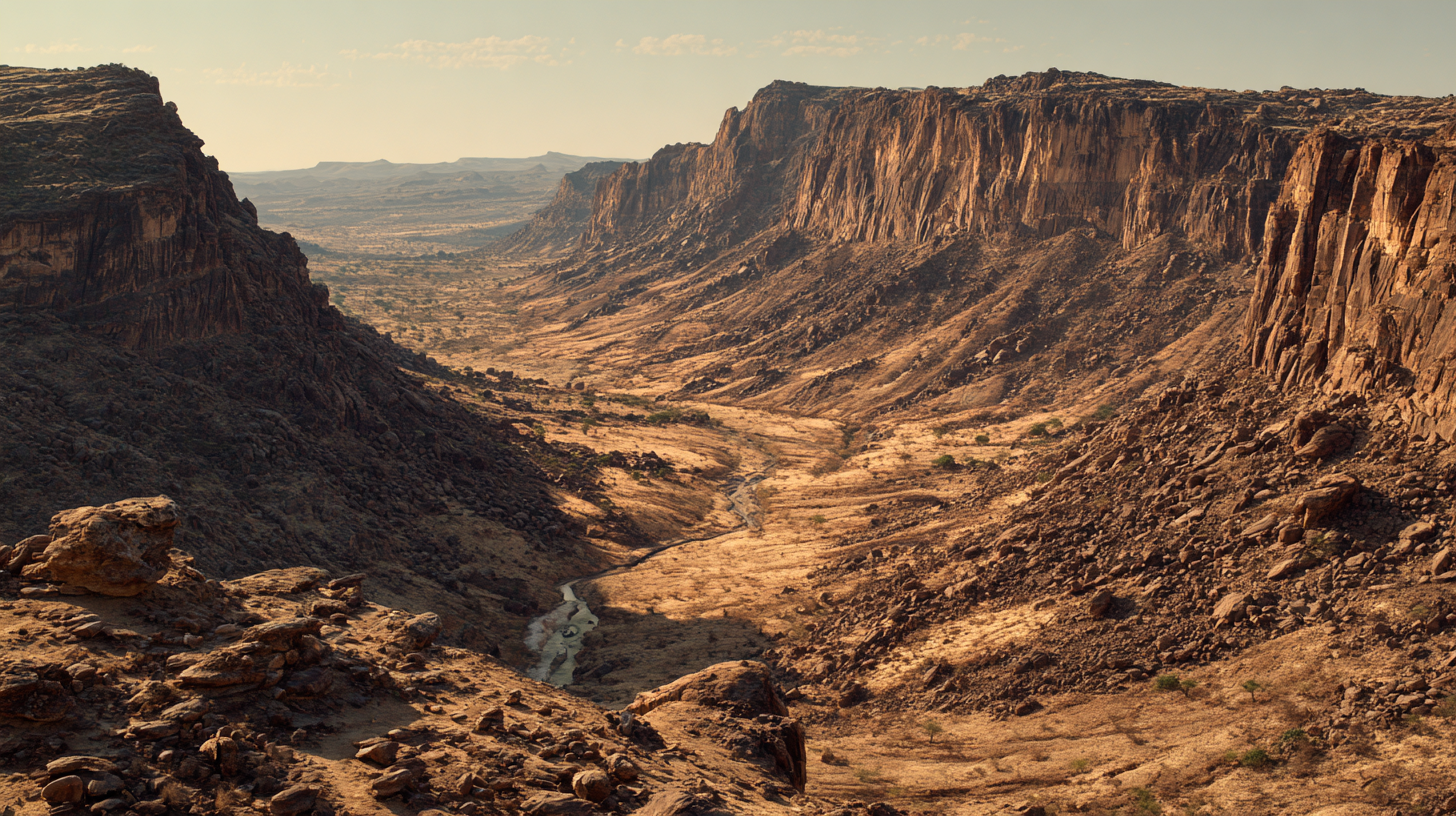
Exploration in the Awash region remains dynamic and ongoing. New discoveries emerge regularly, such as the ancient remains of early Homo species and stone tools dating back hundreds of thousands of years. The landscape is stark yet evocative, shaped by volcanic forces and tectonic shifts that preserved fossils with remarkable detail. For archaeologists and travelers alike, the Awash Valley is a place where scientific inquiry intersects with wonder — a testament to Ethiopia’s unparalleled role in the story of humanity.
Hadar and Lucy: The Woman Who Rewrote Human History
Hadar, located within the Awash Valley, is the precise site where Lucy fossil was unearthed. Her skeleton, 40% complete, remains one of the most famous archaeological finds in history. Lucy walked upright, had long arms, and a small brain — a transitional form that helped bridge crucial gaps in the evolutionary timeline. Her discovery showed that bipedalism, one of the defining traits of modern humans, evolved far earlier than previously believed.

Beyond Lucy fossil, Hadar has revealed dozens of other fossils belonging to the same species, enabling scientists to reconstruct aspects of Australopithecus behavior, diet, and environment. The area’s geological layers act as a massive archive storing tens of thousands of years of evolutionary development. The discovery of Lucy remains one of the most defining moments in Ethiopia archaeology and global paleoanthropology.
Melka Kunture: Tools of the Early Stone Age
Located in the upper Awash Basin, Melka Kunture provides a window into the technological beginnings of humanity. Archaeologists have uncovered stone tools dating back more than 1.7 million years, including hand axes, scrapers, and blades that demonstrate early mastery of toolmaking. These artifacts represent the cognitive and motor skills of early hominins who inhabited the region long before organized civilizations emerged.
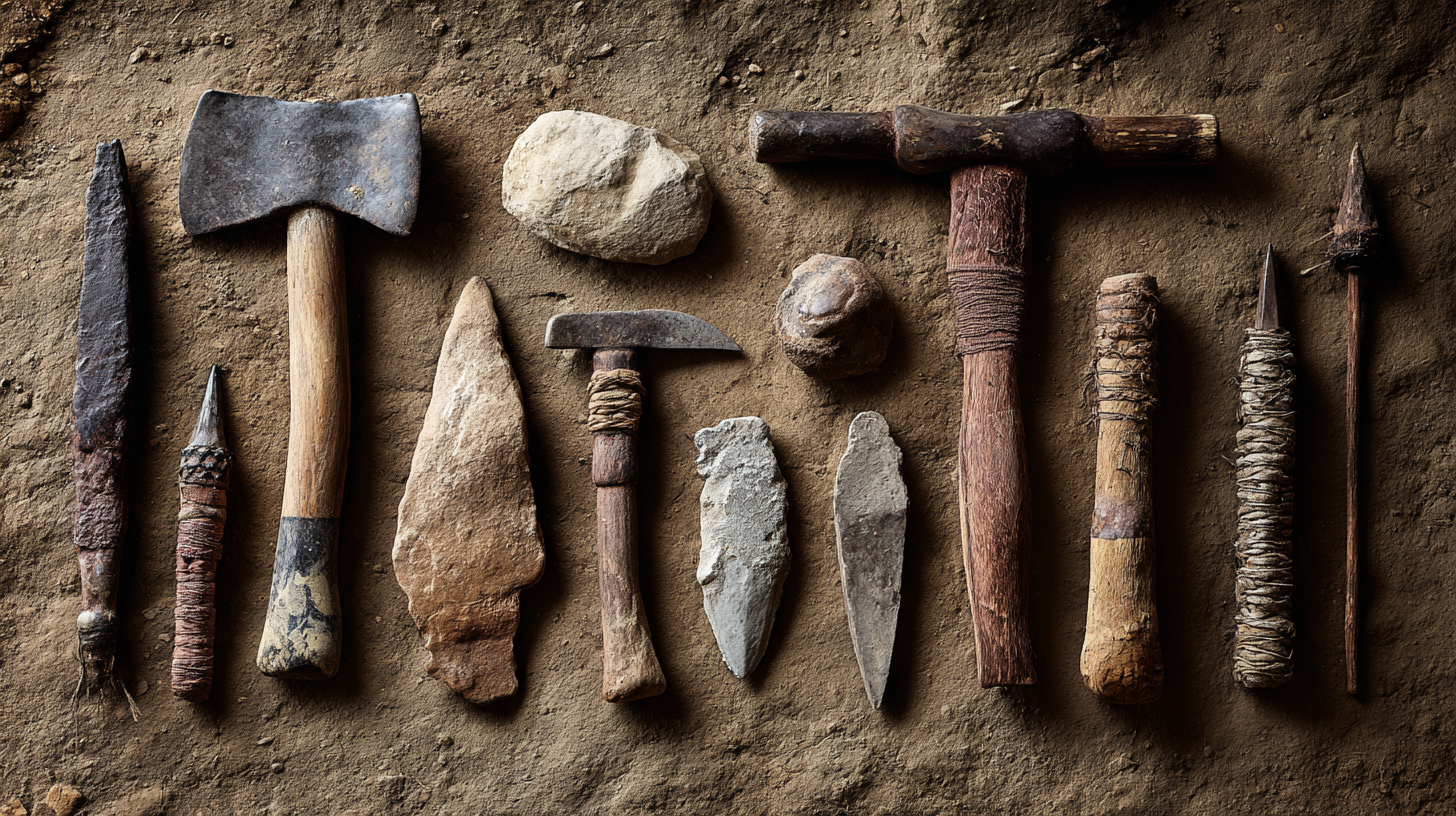
Excavated workshops show clear evidence of how these tools were manufactured — from selecting raw stone to shaping cutting edges. The site also contains early human fossils and animal bones bearing signs of butchery, providing insight into subsistence practices. Melka Kunture bridges the gap between biology and culture, highlighting how early humans transformed natural materials into purposeful instruments. This region remains one of Africa’s most important windows into the dawn of human ingenuity.
The Omo Valley: A Deep Time Archive of Human Evolution
Beyond its living tribes and cultural diversity, the Omo Valley is an extraordinary archaeological region with fossil finds exceeding 195,000 years in age. Excavations in Omo Kibish revealed some of the earliest remains of anatomically modern humans (Homo sapiens), offering powerful evidence of our species’ African origins. The valley’s complex landscapes — from riverbanks to ancient floodplains — have preserved a vast array of fossils, tools, and ecological data.
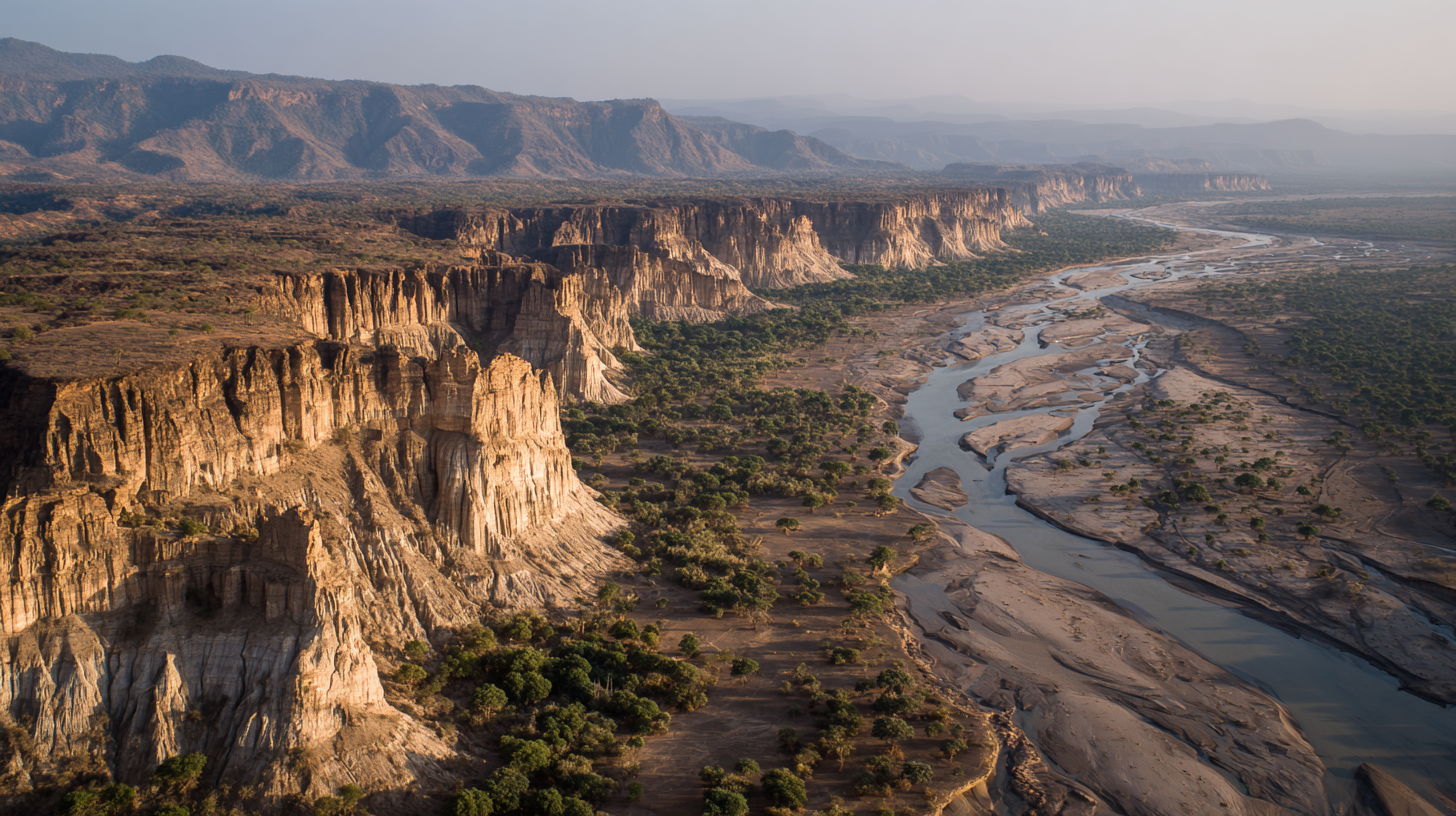
Archaeologists study the Omo Valley not only to understand morphology but also to reconstruct ancient climates, migrations, and survival strategies. Sediment layers record changing environments, from wetter periods rich in vegetation to drier intervals that challenged early humans. The valley remains one of the most active research zones in Africa, reinforcing Ethiopia’s title as “the birthplace of humanity.” Here, archaeology and geology work hand-in-hand to reveal how our ancestors adapted and evolved over millennia.
Ethiopia Archaeology: The Tiya Stones — Ancient Symbols Carved in Megaliths
South of Addis Ababa lies one of Ethiopia’s most mysterious archaeological sites — Tiya, a field of ancient megalithic stelae carved with symbols whose meanings remain partly unknown. Over 40 standing stones rise from the earth, each engraved with swords, geometric patterns, and enigmatic icons. Scholars believe the stelae mark burial sites belonging to a once-powerful community that thrived between the 10th and 15th centuries. The Tiya stones represent a mysterious chapter in Ethiopia archaeology, marked by symbolic carvings whose meanings are still debated.

The carvings reflect spiritual beliefs, social stratification, and rituals surrounding death and memory. Tiya’s stelae are remarkable not only for their symbolism but also for their craftsmanship, suggesting a sophisticated cultural system with shared artistic traditions. The site invites speculation, curiosity, and awe — a puzzle etched in stone that reveals fragments of an ancient society whose story is only partially uncovered. Tiya stands as a silent testament to Ethiopia’s lesser-known but deeply symbolic archaeological heritage.
Yeha: Ethiopia’s Oldest Civilization
Long before Axum rose to prominence, the D’mt kingdom established its capital at Yeha in northern Ethiopia. Often regarded as Ethiopia’s oldest civilization, Yeha dates back to the 8th century BCE and showcases architectural techniques far ahead of its time. The massive Temple of Yeha, constructed from precisely cut stone blocks without mortar, remains one of the country’s most impressive early structures. Its design reflects cultural and trade connections with ancient South Arabia, suggesting a complex network of exchange and influence.
Explore The Temple Of Yeha in Street View — take a virtual walk through this medieval gem.
Excavations at Yeha have revealed royal tombs, palatial buildings, and pottery that illuminate a society marked by technological skill and hierarchical organization. Archaeological research suggests the D’mt civilization played a foundational role in shaping later Ethiopian states, including the rise of Axum. Yeha bridges the gap between Ethiopia’s prehistoric past and its early urban cultures, offering essential clues to the region’s early state formation.
Axum: The Kingdom of Obelisks and Ancient Power
Axum, the center of the ancient Aksumite Empire, is one of Africa’s greatest archaeological treasures. Its towering stone obelisks — some over 24 meters high — stand as monumental achievements of engineering and artistry. Carved from single granite blocks, these stelae resemble multi-story buildings complete with windows and doors, symbolizing royal tombs and cosmic power. The largest obelisk ever attempted, the unfinished stela left in a quarry, weighs an estimated 500 tons, highlighting the ambition and skill of Aksumite engineers.
Explore Aksum Obelisk in Street View — take a virtual walk through this medieval gem.
Archaeological excavations in Axum have uncovered royal burial chambers, ancient inscriptions, and artifacts that illustrate the empire’s far-reaching influence. The Aksumites minted their own coins, partnered in global trade networks, and embraced Christianity earlier than many contemporary civilizations. Beneath Axum’s visible monuments lies a city still largely unexplored — a subterranean world of crypts, foundations, and relics revealing the sophistication of Ethiopia’s most powerful ancient kingdom.
Lalibela: Archaeology Carved in Stone
Lalibela is famous today for its rock-hewn churches, but it is also an archaeological wonder whose construction remains one of the most debated mysteries in African history. Carved entirely from volcanic rock during the 12th and 13th centuries, the churches form an interconnected complex of courtyards, tunnels, and passageways. Unlike any other architectural tradition in the world, Lalibela’s churches were carved downward from the surface, with artisans meticulously shaping walls, columns, and altars directly out of bedrock.

Archaeologists and historians continue to investigate how these structures were engineered, the tools used, and the labor systems that enabled their creation. The alignment of some churches with celestial markers suggests an advanced understanding of astronomy and ritual design. Lalibela stands at the intersection of archaeology, spirituality, and artistic genius — a place where human devotion took literal shape in stone. Its tunnels and chambers are not ruins; they are living sacred spaces, actively used for worship for over 800 years.
Gedeo Stelae Fields: Landscapes of Memory and Identity
The southern highlands of Ethiopia are home to the Gedeo stelae fields, vast landscapes dotted with monoliths some reaching two meters in height. These stelae, carved with faces, geometric patterns, and symbolic motifs, serve as ancestral markers commemorating community leaders and significant historical figures. Some fields contain hundreds of stones clustered together in sacred arrangements that mirror ancient burial customs.

The artistry of the Gedeo stelae reflects a unique regional aesthetic blending spiritual symbolism with communal identity. Unlike the refined precision of Axumite obelisks, the Gedeo monoliths express a raw, organic creativity shaped by local materials and local myths. Archaeologists study these fields to decode patterns of migration, ritual practice, and early social organization. Their presence enriches Ethiopia’s archaeological map, demonstrating that monumental traditions exist across diverse landscapes and cultures.
The National Museum of Ethiopia: Keeper of Deep Time
No journey through Ethiopian archaeology is complete without visiting the National Museum in Addis Ababa, home to some of the world’s most important prehistoric and historic artifacts. The museum houses the original remains of Lucy, as well as other hominin fossils that help reconstruct the narrative of human evolution. Exhibits trace Ethiopia’s archaeological timeline from early stone tools to the grandeur of the Aksumite Empire and beyond.
Explore National Museum of Ethiopia in Street View — take a virtual walk through this medieval gem.
Beyond paleoanthropology, the museum preserves ancient manuscripts, artistic relics, pottery, jewelry, ceremonial items, and royal artifacts that illuminate Ethiopia’s cultural development. Its galleries offer a cohesive view of a country whose history spans deep time and documented civilization. The National Museum stands as a guardian of Ethiopian heritage — a space where scientific discovery meets the storytelling power of archaeology.
Preservation, Challenges, and the Future of Ethiopian Archaeology
Ethiopia’s archaeological heritage faces pressures from urbanization, climate change, looting, and inadequate conservation resources. Yet efforts to protect and study these sites continue to grow. Local communities, universities, and international researchers collaborate to document remains, stabilize monuments, and develop sustainable tourism practices.
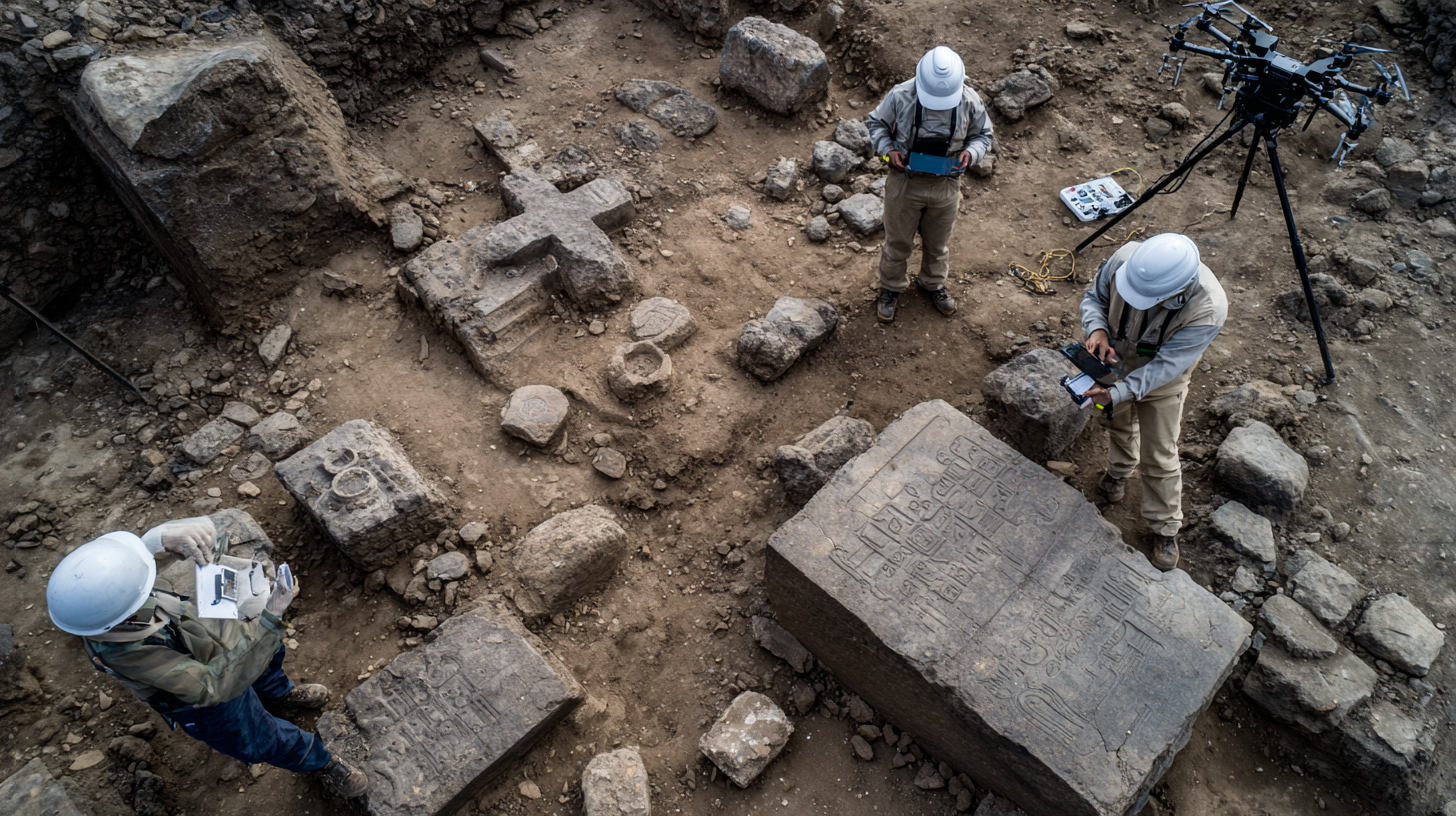
Technology — including 3D scanning, satellite imagery, and digital mapping — is transforming how archaeologists work in Ethiopia. These tools help uncover new sites, analyze ancient landscapes, and preserve artifacts for future generations. Despite challenges, Ethiopia’s archaeological future is bright, shaped by a growing commitment to understanding and protecting the past.
Conclusion
As research expands, Ethiopia archaeology continues to reveal new layers of human history hidden beneath its landscapes. Ethiopia’s archaeological record is one of the most compelling in the world — a story stretching from the dawn of humanity to the rise of powerful ancient civilizations. Its landscapes hold fossils that shaped our understanding of evolution, megaliths that challenge interpretation, and architectural marvels that reflect unparalleled ingenuity. Exploring Ethiopia’s archaeological sites is to walk through chapters of human history preserved in stone, earth, and memory. Together, these sites reveal a nation whose past is as vast and enduring as its landscapes — a past that continues to captivate scholars, inspire travelers, and enrich the global narrative of civilization.
Learn more from UNESCO’s official resources on Ethiopia’s archaeological and cultural sites.
