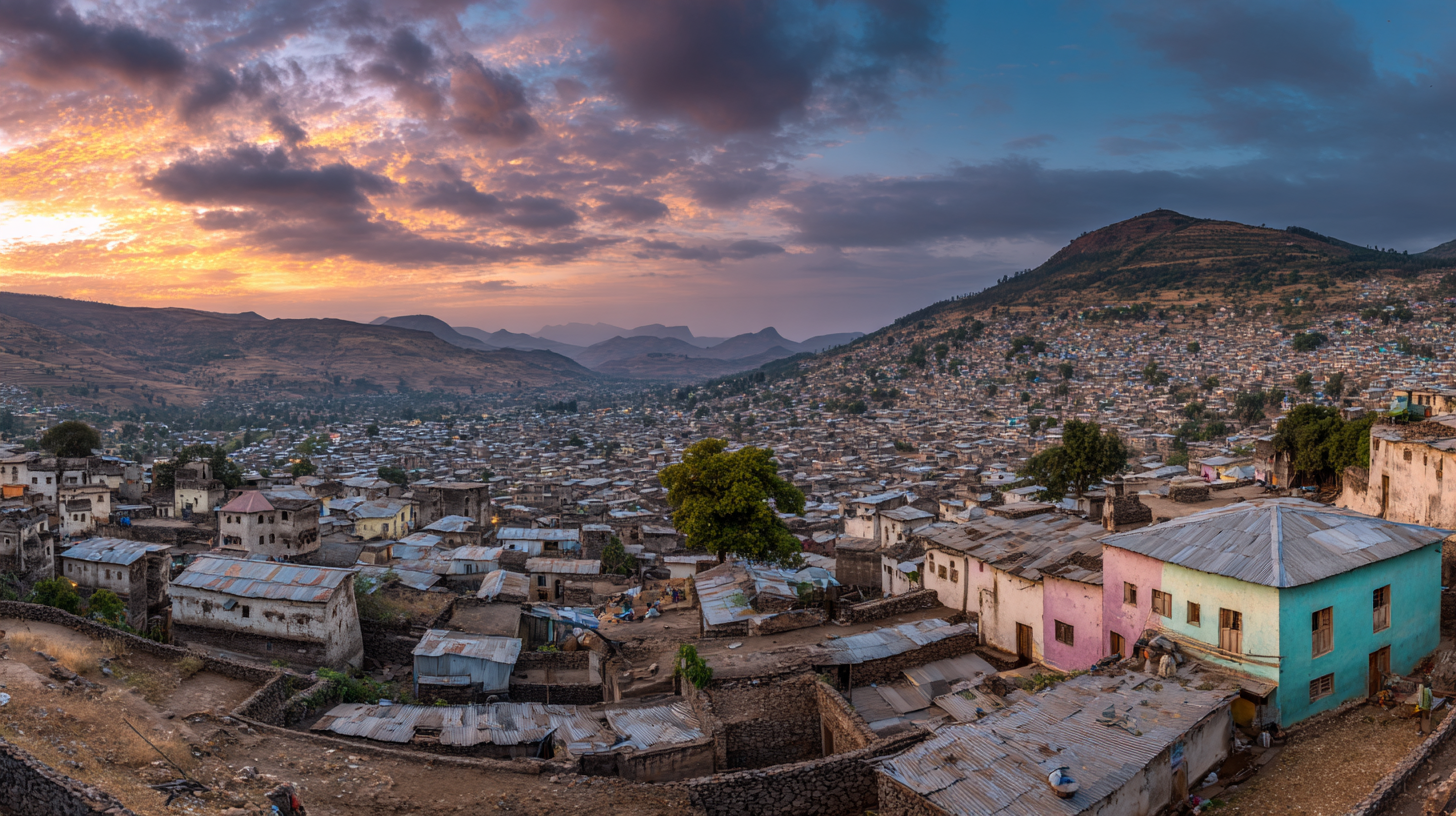
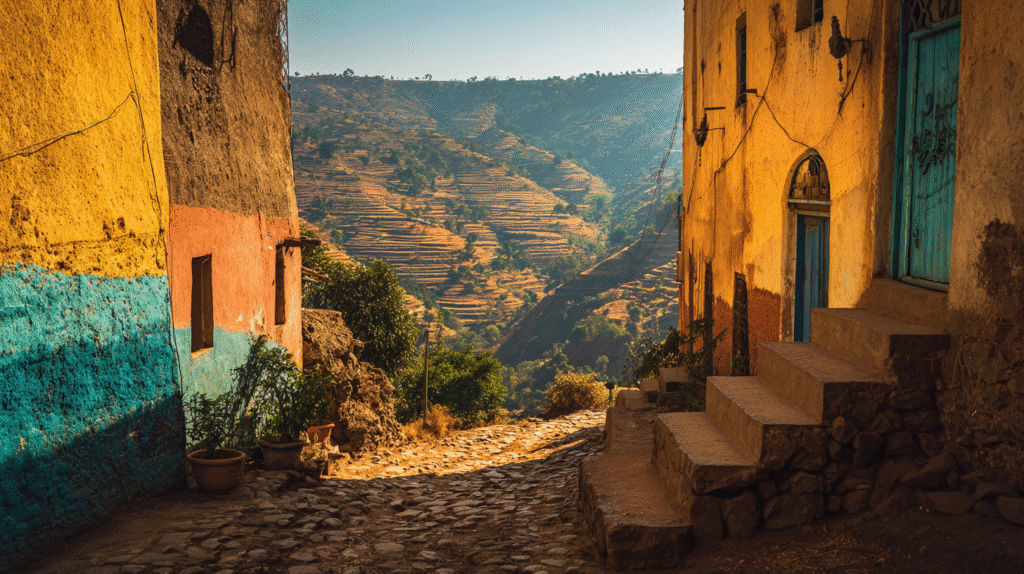
Ethiopia UNESCO heritage represents some of the most extraordinary cultural landscapes on Earth — places where memory, spirituality, and human ingenuity are written into the land itself. Among its many treasures, two UNESCO World Heritage Sites stand out for their uniqueness and emotional power: Harar Jugol, one of the world’s oldest Islamic cities, and the Konso Cultural Landscape, a living testament to centuries of sustainable engineering and community resilience. These heritage sites are not frozen in time; they are vibrant cultural ecosystems where ancient Ethiopian traditions pulse through everyday life. Exploring them is a journey through Ethiopia’s past and present — a glimpse into the creativity, devotion, and endurance that define its people. Each stone, terrace, and ritual testifies to a civilization that shaped its identity through both spiritual depth and remarkable craftsmanship.
Read More: Ethiopian Traditional Medicine
Ethiopia UNESCO Heritage: Harar Jugol — A Walled City of Spirit and Story
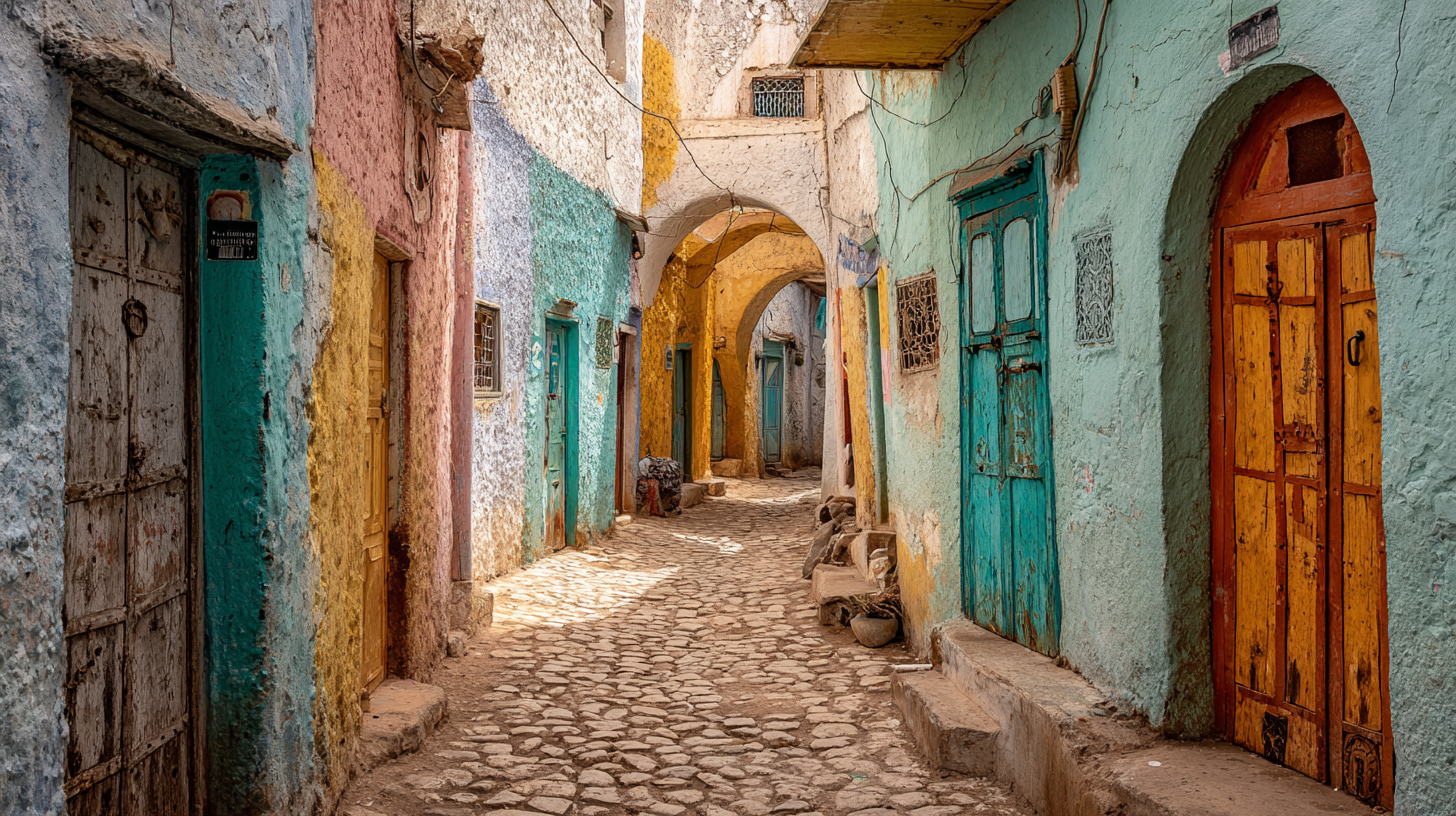
Harar Jugol is a world unto itself — a walled sanctuary of narrow alleyways, pastel walls, and centuries-old mosques that reflect its status as the fourth holiest city in Islam. Founded as a center of commerce and scholarship, it grew into a cultural crossroads where Islamic, African, and Indian influences merged into a distinctive identity. The city’s layout follows no rigid grid, instead forming an organic maze that mirrors its layered history. Walking through Harar Jugol feels like navigating a living manuscript, where each turn reveals a new chapter in its spiritual and architectural heritage.
Within its fortified walls stand 82 mosques and 102 shrines, each holding centuries of devotion. The city’s religious life remains deeply woven into daily rhythms — prayer calls echo across the rooftops, elders gather near shrines to discuss local matters, and holy sites remain central to cultural ceremonies. Harar Jugol’s sacred landscape is not preserved as a relic but lived in as a sanctuary of faith, memory, and community. It is a place where the past remains visible not just in architecture but in the language, customs, and spiritual practices that animate the city.
The Spiritual Tapestry and Nightly Rituals of Harar
Harar’s spiritual essence extends beyond its mosques into the lived traditions of the Adere people. Colorful attire, traditional storytelling, and communal gatherings infuse the city with warmth and vitality. Markets buzz with life as merchants call out their goods, spices fill the air with intoxicating scents, and families share meals prepared with recipes passed down for generations. Here, spirituality is not confined to religious spaces but embedded in the social fabric — in greetings exchanged on narrow streets, in the rhythmic pounding of coffee ceremonies, and in the communal values that bind the Harari people together.
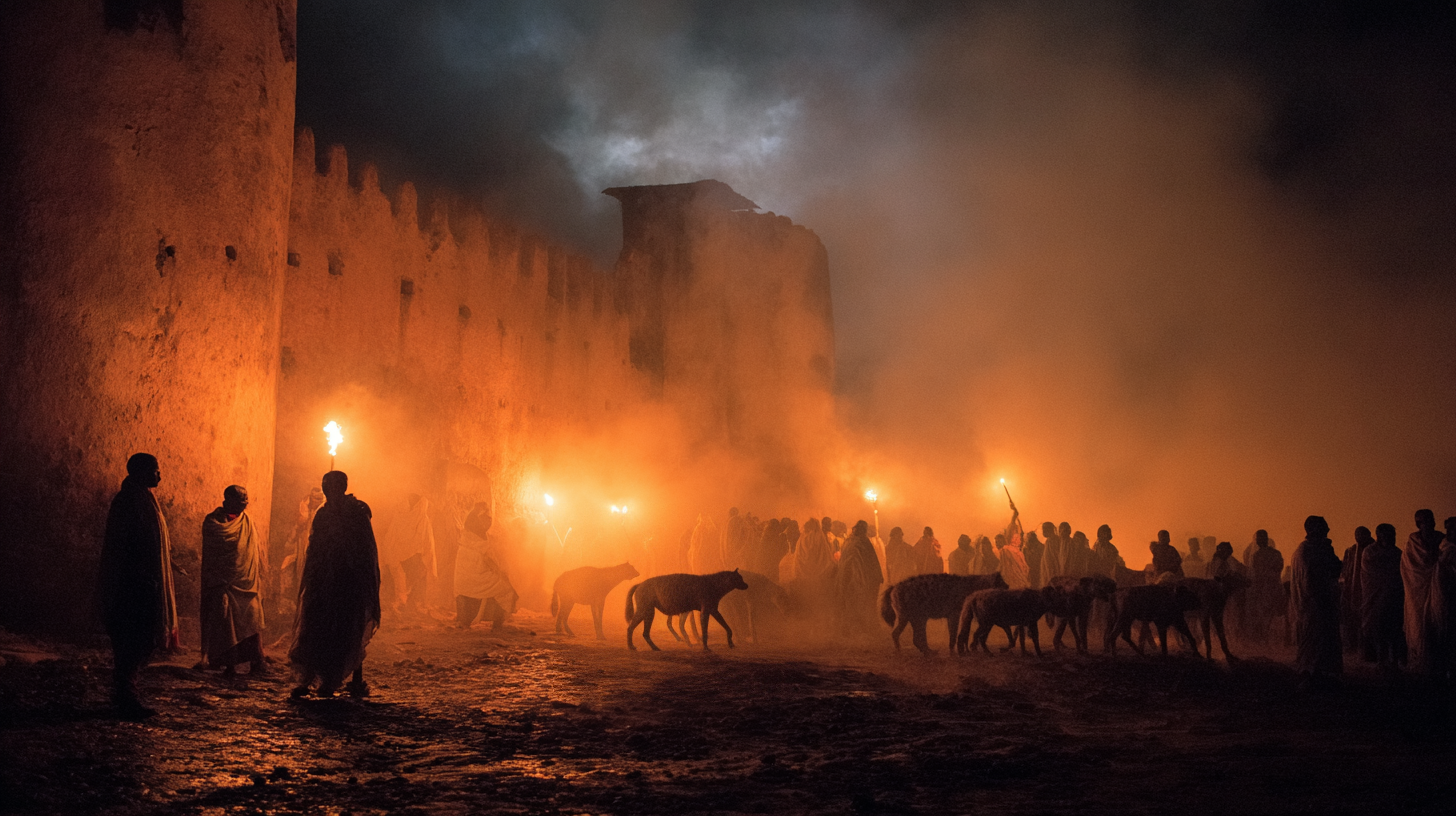
One of the city’s most intriguing traditions unfolds after nightfall. As darkness settles, the “Hyena Men of Harar” perform a ritual unlike any other in the world. Local men call wild hyenas from the surrounding hills, feeding them by hand in a display that blurs the boundary between civilization and wilderness. This tradition dates back centuries and symbolizes a unique harmony between humans and nature. Observing the ritual is both mesmerizing and humbling — a testament to Harar’s ability to maintain ancient practices that reflect deep ecological and spiritual understanding.
Architectural Identity: The Walls, Alleys, and Homes of Harar
Harar’s architectural heritage is a blend of African craftsmanship and Islamic aesthetics. The city’s defensive walls — known as Jogol — once protected it from invaders and still stand as symbols of strength and unity. Within these walls, homes feature intricately carved wooden doors, colorful patterns, and geometric designs that express both faith and artistry. The iconic Harari homes, with their sunken living rooms and layered arrangements of ceremonial objects, reveal a sophisticated interior culture where organization reflects social status, hospitality, and history.
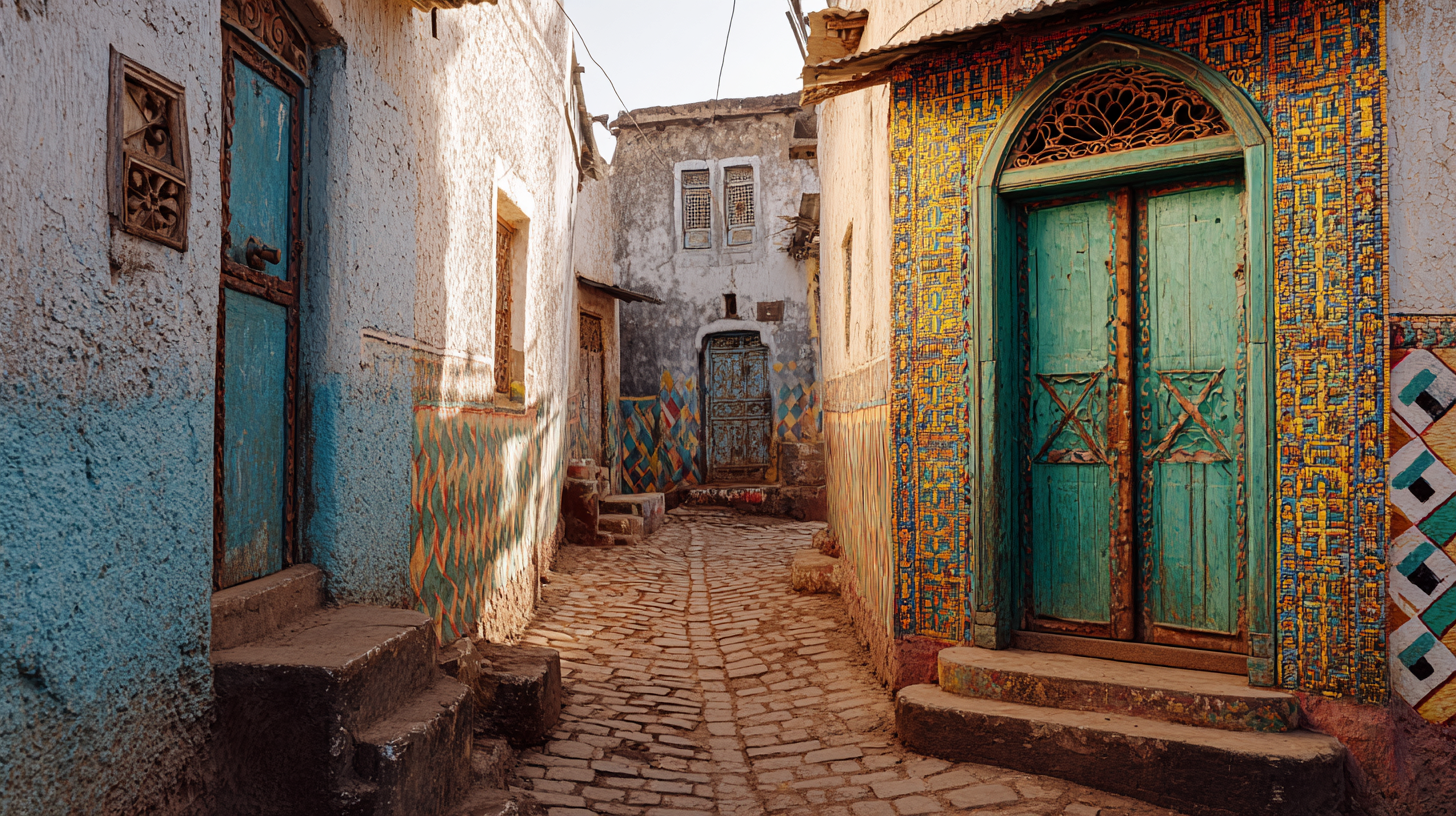
The city’s labyrinthine alleyways are as significant as its buildings. These winding paths were designed for both defense and community intimacy. Children run through them on their way to school, merchants carry produce to market, and elders sit in doorways exchanging stories. Every corner reveals another façade adorned with vibrant colors or symbolic motifs. Harar’s architectural identity is not simply visual — it is an emotional and cultural geography, a living archive shaped by centuries of craftsmanship and devotion.
Everyday Life in Harar: Markets, Crafts, and Cultural Rhythms
To understand Harar, one must experience its markets — vibrant spaces where culture comes alive through trade, conversation, and creativity. The city’s central market is a kaleidoscope of textures and colors: baskets woven with intricate patterns, spices arranged in pyramids, traditional fabrics draped over wooden stalls. Merchants greet passersby with warm smiles, eager to share stories about their products, many of which are handmade and deeply tied to Harari identity.
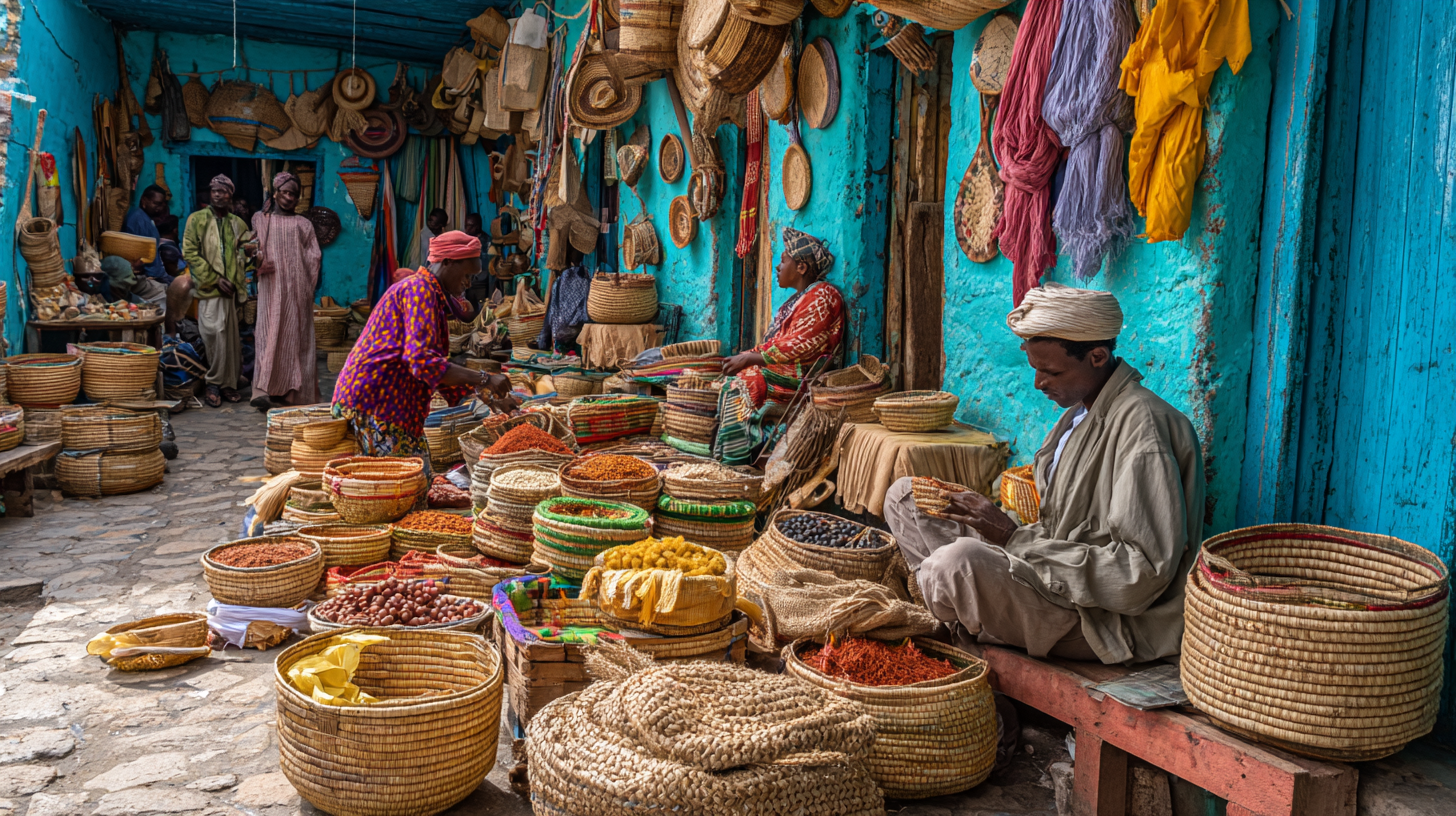
Craftsmanship plays a vital role in the city’s cultural economy. Basket weaving, bookbinding, embroidery, and jewelry-making continue as intergenerational Ethiopian traditions passed down through skilled artisans. These crafts are not mere souvenirs but expressions of cultural continuity. Every woven basket carries a symbolic meaning, every bookbinding technique reflects centuries of scholarship, and every embroidered textile preserves artistic motifs unique to Harar. Through these crafts, the city maintains its connection to ancestors while adapting to the needs of the modern world.
Language, Literature, and the Intellectual Legacy of Harar
Harari, a unique Semitic language, is the city’s linguistic heartbeat. Spoken primarily within the old walls, it carries centuries of oral traditions, from proverbs and poetry to folktales shared during family gatherings. The language’s cadence and structure reflect both Islamic scholarly influence and indigenous heritage. Listening to Harari spoken in markets or during ceremonies is like hearing the echoes of generations woven into sound.

Harar has long been a center of scholarship, producing manuscripts, religious texts, and literary works that shaped Islamic learning in East Africa. Ancient handwritten manuscripts, preserved in family archives and religious centers, are testaments to the city’s intellectual legacy. These texts reveal a rich world of philosophical thought, spiritual reflection, and artistic expression. They remind travelers that Harar’s heritage is not only architectural or cultural, but deeply intellectual as well.
Konso Cultural Landscape: A Testament to Human Resilience
Traveling south from Harar, the landscape transforms dramatically into the rugged highlands of the Konso region — home to one of the most extraordinary examples of indigenous engineering in Africa. For over 400 years, the Konso people have sculpted their environment into terraces, villages, and fortifications that reflect both necessity and ingenuity. Recognized by UNESCO for its cultural significance, the Konso Cultural Landscape showcases a sustainable agricultural system that has withstood harsh climates, soil erosion, and shifting conditions.

The terraces, built with carefully placed stone walls, form cascading steps across the hillsides. These structures prevent erosion, conserve water, and create fertile land for crops such as sorghum, maize, and legumes. Their construction requires communal effort, technical knowledge, and deep respect for the land — qualities that have sustained the Konso people for centuries. Visitors often marvel at the landscape’s geometric beauty, yet its true value lies in the sustainable philosophy that shaped it.
Ingenious Agriculture: Terraces, Water Management, and Survival
Konso agriculture is a masterclass in traditional ecological engineering. The terraces follow the natural contours of the land, transforming steep hillsides into productive fields. Each terrace is supported by dry-stone walls that require constant maintenance and coordinated teamwork. This communal labor system reinforces social bonds and ensures that the landscape remains functional across generations.
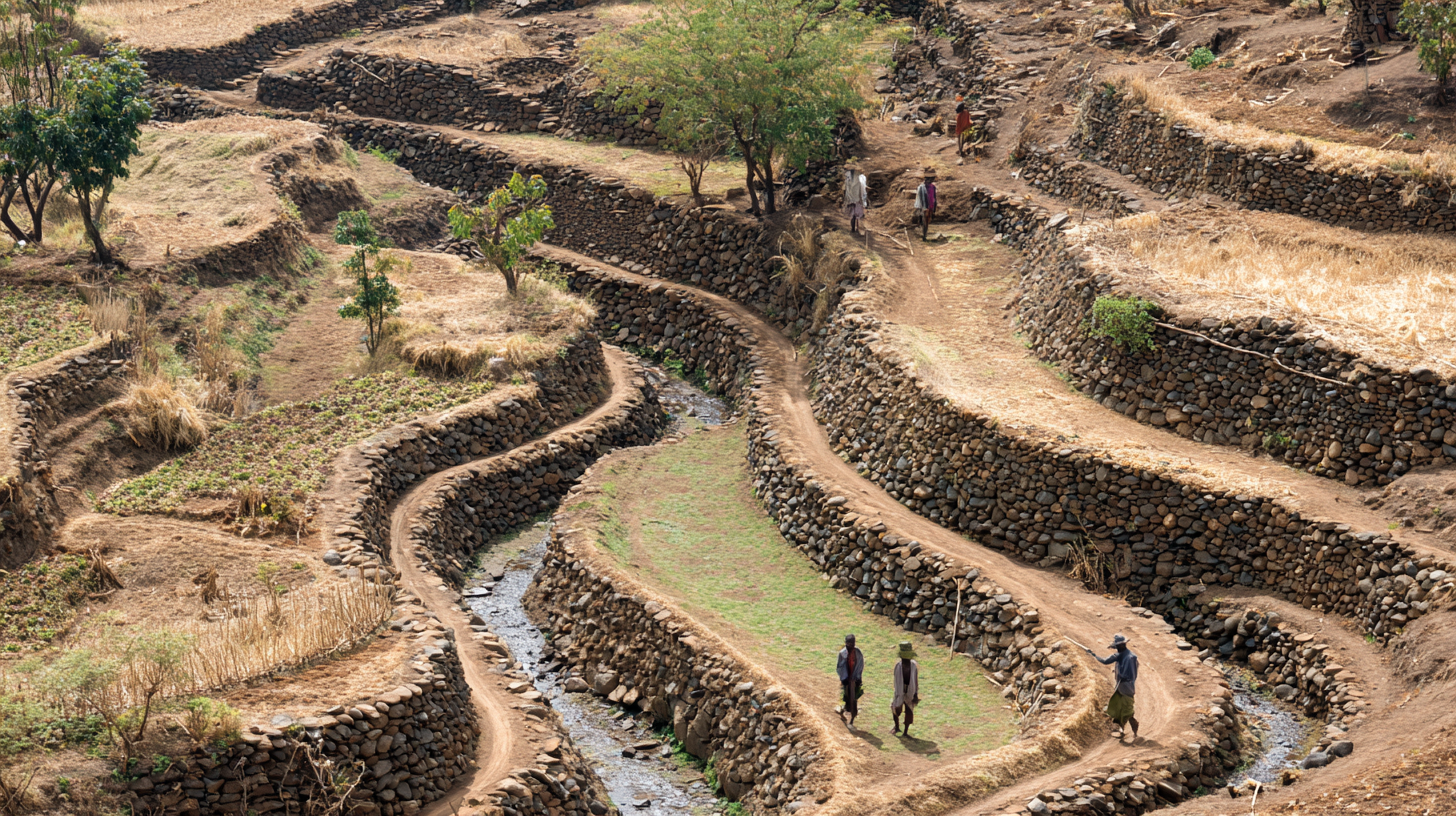
Water management is equally impressive. The Konso constructed complex drainage channels, reservoirs, and irrigation paths long before modern engineering reached the region. Their knowledge of soil composition, rainfall patterns, and environmental balance enabled them to farm sustainably in a challenging climate. This agricultural heritage demonstrates not just survival but mastery — a harmonious relationship between people and land forged through centuries of observation and innovation.
Konso Villages and Social Structure: Community at the Core
Konso society is organized around fortified villages known as kanta, each designed to protect families and foster communal life. These villages consist of concentric stone walls, narrow pathways, and communal gathering spaces that reflect a highly organized social structure. Within them, extended families live in traditional huts built from wood, stone, and thatch, arranged in ways that enhance both security and social cohesion.
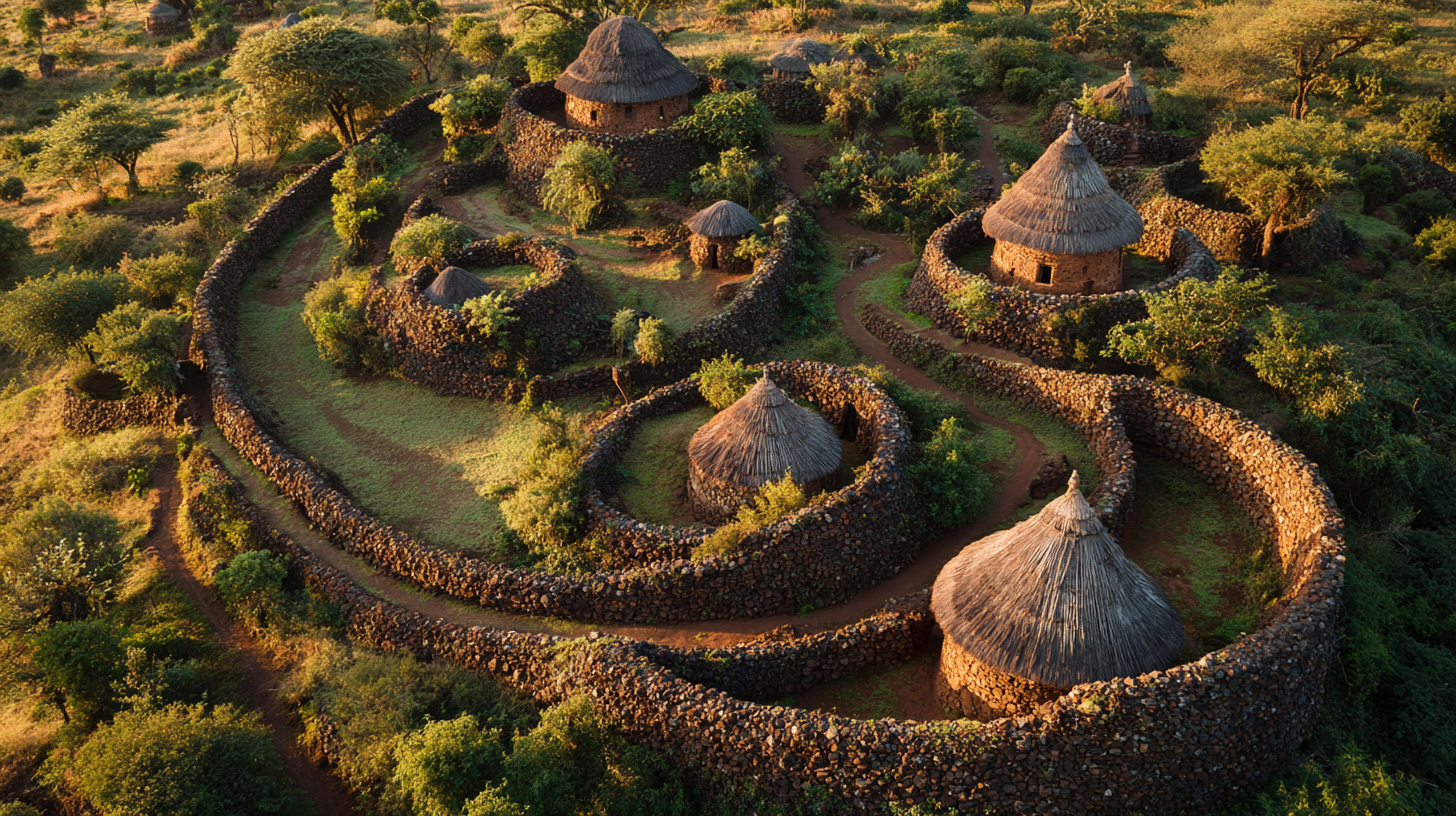
The generational system in Konso culture is central to identity. Leadership roles and communal responsibilities are passed down according to age-set systems that guide social responsibilities, ceremonies, and conflict resolution. Elders act as custodians of tradition, ensuring that knowledge flows from one generation to the next. The kanta is not merely architecture — it is a living institution where history, governance, and cultural continuity converge.
Waga Sculptures: Guardians of Memory and Honor
Among the most striking elements of Konso heritage are the Waga sculptures — wooden effigies carved to honor ancestors and heroes. These statues, placed in fields or communal areas, embody the spirits of those who have contributed significantly to the community. Each Waga tells a story: of bravery in battle, wisdom in leadership, or contributions to the prosperity of the village. Their carved forms serve as reminders of the enduring bond between the living and the departed.
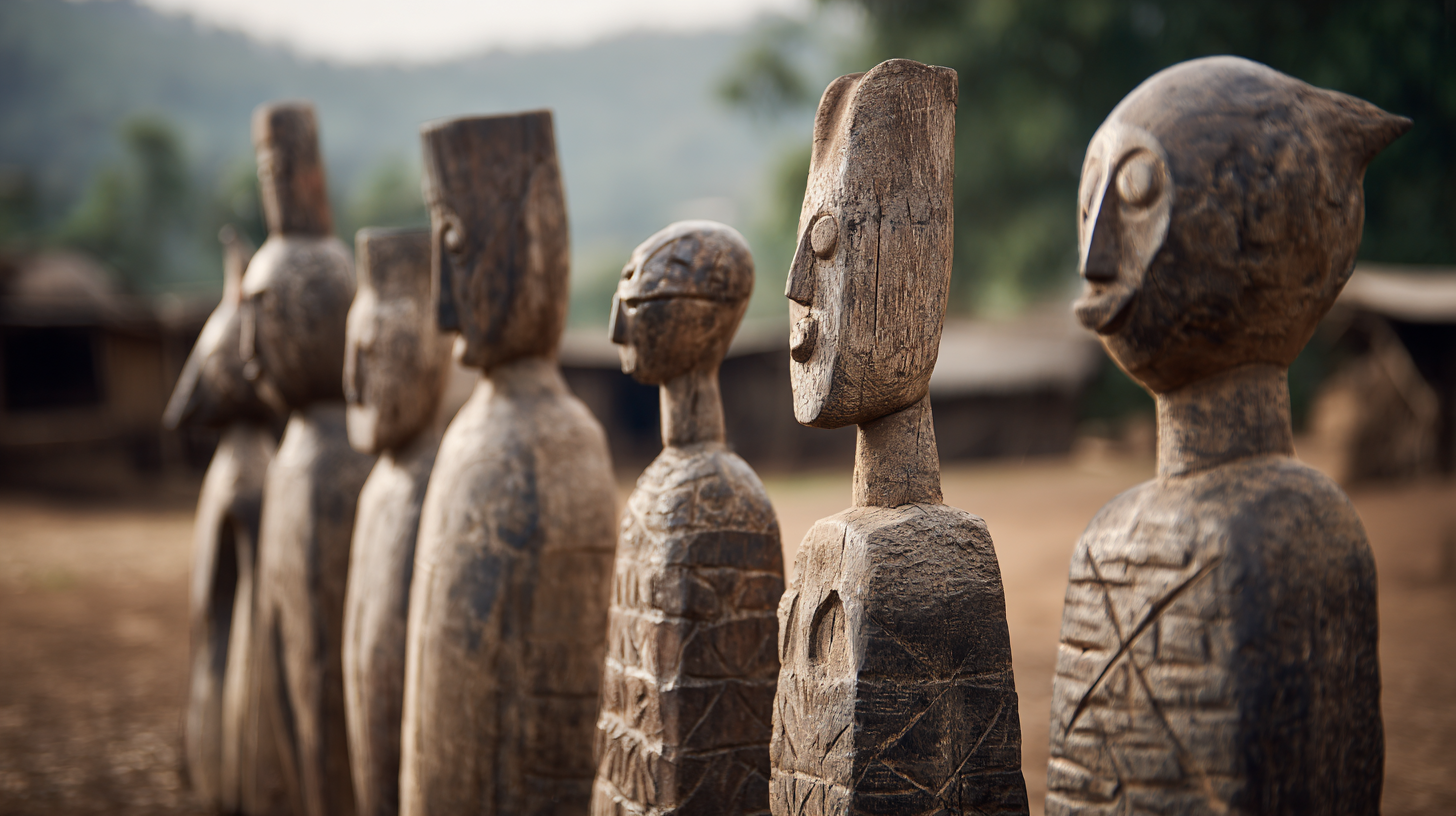
Waga sculptures also reflect the Konso’s philosophy of remembrance and identity. They form a bridge between past and present, guiding moral behavior and reinforcing cultural values. The craftsmanship behind each sculpture demonstrates remarkable artistic skill, with patterns and symbols representing lineage, status, and personal achievements. For travelers, encountering a Waga is an intimate glimpse into a worldview where ancestors remain active participants in community life.
The Konso Cultural Landscape Today: Tradition in Motion
Despite changes brought by the modern world, the Konso Cultural Landscape remains vibrant and deeply rooted in tradition. Many terraces continue to be farmed, villages remain inhabited, and cultural practices persist with pride. Local communities work alongside researchers, conservationists, and government agencies to preserve their heritage while navigating the pressures of globalization and climate change.
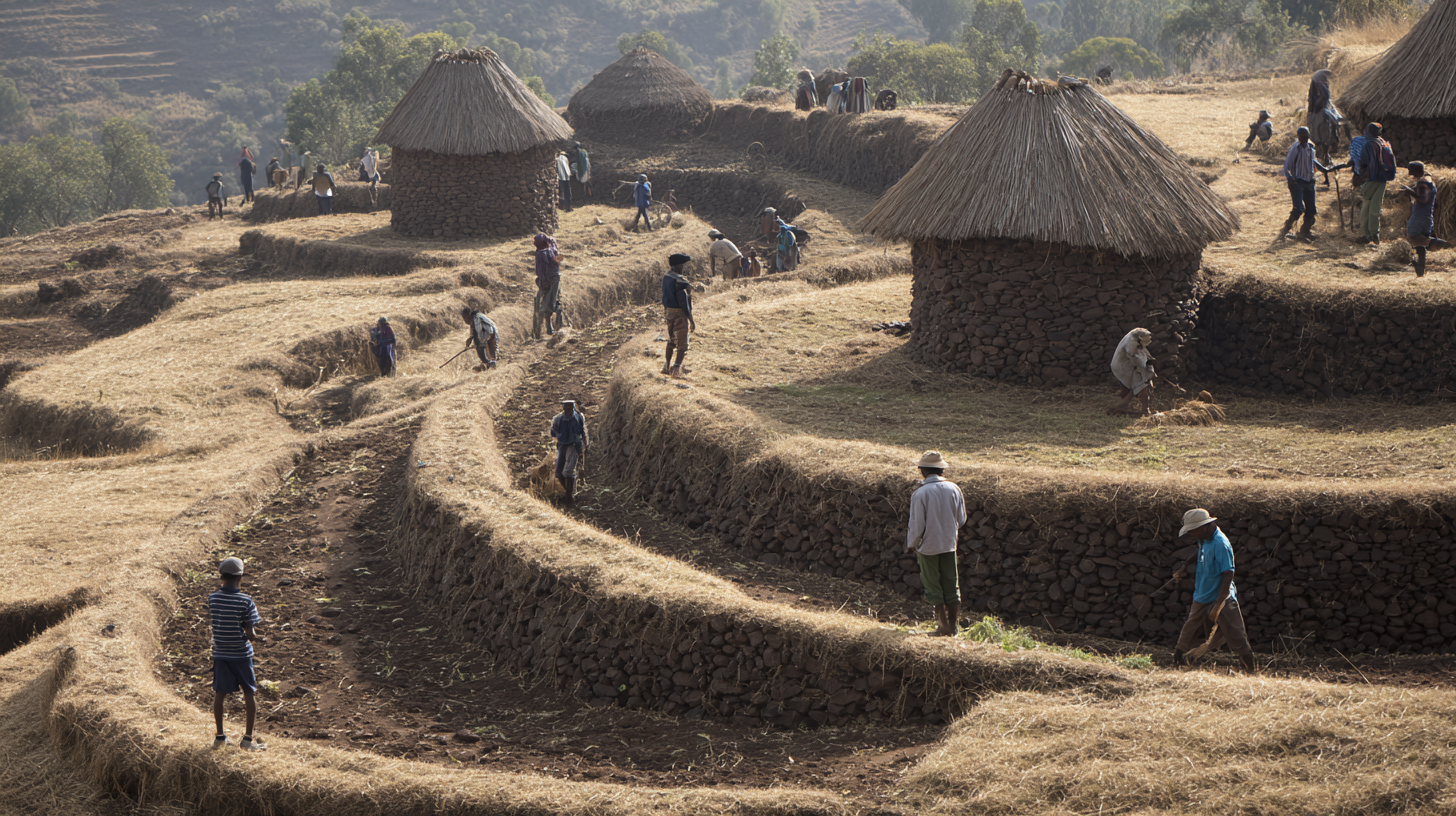
Tourism plays a growing role in the region’s future, offering economic opportunities while also raising questions about authenticity and sustainability. Yet the Konso people have shown remarkable adaptability, finding ways to share their heritage without compromising its integrity. Their resilience mirrors the terraces themselves — built stone by stone, maintained generation after generation, standing strong against both environmental and cultural erosion.
Conclusion
Harar Jugol and the Konso Cultural Landscape reveal two different expressions of Ethiopia’s ancient soul — one urban and spiritual, the other rural and ecological. Yet both share a profound connection to ancestry, community, and the artistry of everyday life. These UNESCO sites are not merely historic destinations; they are living worlds shaped by devotion, creativity, and resilience. Exploring them means witnessing the continuity of human endeavor and the enduring strength of cultural identity. In Harar’s winding alleys and Konso’s sculpted hillsides, visitors encounter the echoes of ancestors — voices carried through rituals, architecture, language, and land. Together, these heritage sites form a powerful tribute to Ethiopia’s timeless spirit.
Learn more from UNESCO’s official listing of Ethiopia’s cultural and natural heritage.