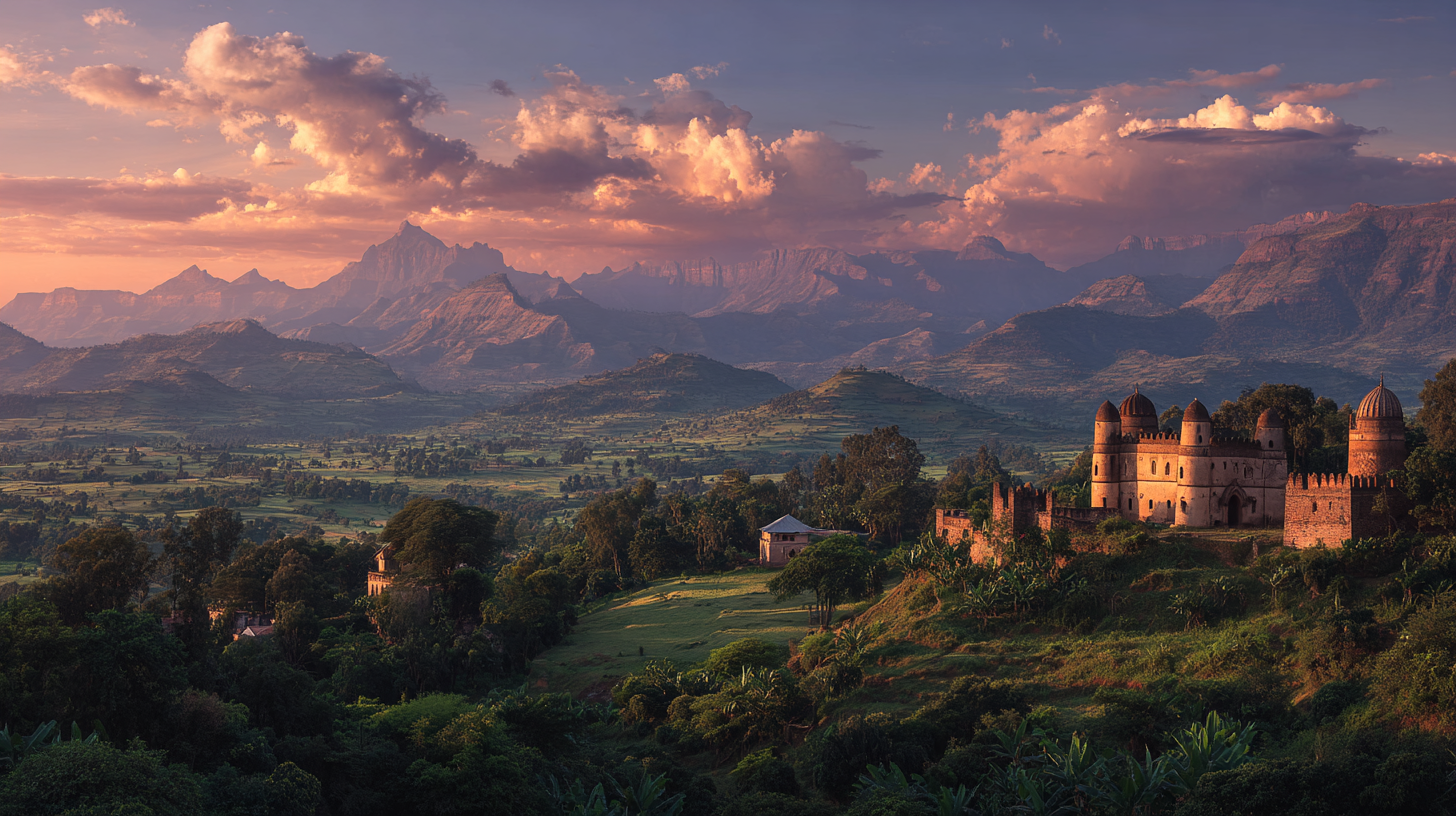
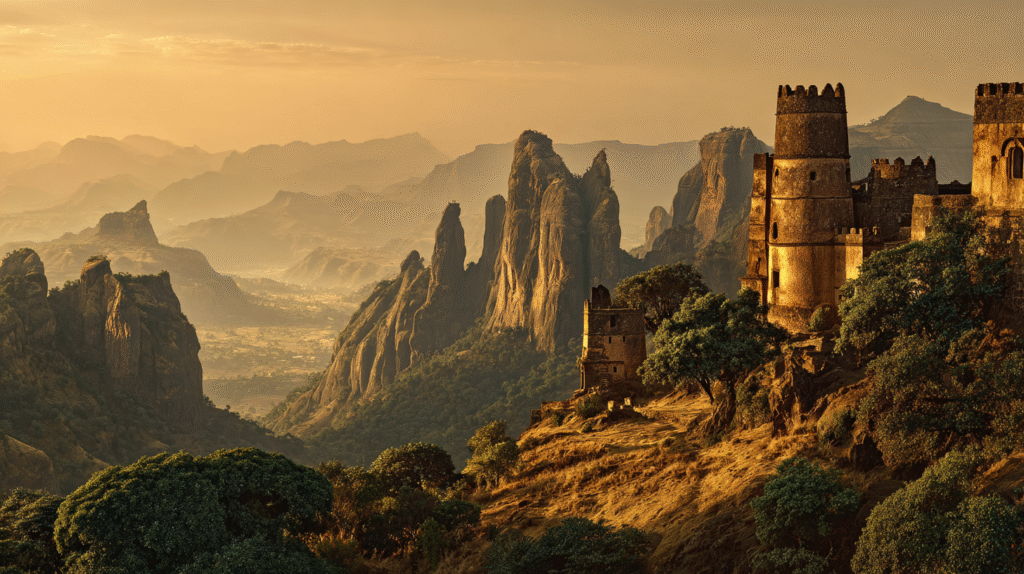
Ethiopia UNESCO Sites Overview
Ethiopia’s heritage stretches across thousands of years and the extremes of landscape — from soaring mountain escarpments to fertile river valleys and ancient spiritual centers. Few countries in the world offer such a profound blend of cultural and natural wonders recognized on the UNESCO World Heritage list. These sites are alive with memory: carved in stone, carried in ritual, and etched into the land itself. Exploring them is not merely a journey through monuments, but an immersion into Ethiopia’s identity — shaped by kingdoms, faith, innovation, resilience, and deep time. While some of these treasures tell stories of ancient engineering, others reveal ecosystems and traditions that have endured through centuries of change. Together, they form a tapestry that defines Ethiopia’s place in human history.
To dive deeper into Ethiopia’s culture, you can explore our dedicated guides on Ethiopian monastic traditions, the country’s artistic heritage, and its breathtaking natural wonders. According to UNESCO’s official World Heritage list, Ethiopia hosts some of the most culturally significant sites in Africa.
Fasil Ghebbi, Gondar: Castles of a Medieval African Kingdom
In the heart of Gondar rises Fasil Ghebbi, a walled palace complex unlike anything else on the African continent. Known as the “Camelot of Africa,” this 17th-century royal enclosure served as the seat of the Ethiopian empire during a golden age of political stability and artistic expression. Its stone castles, banqueting halls, stables, and ceremonial courtyards reflect influences from Axumite, Portuguese, and Indian architecture — a vibrant fusion inspired by the empire’s global connections. Walking among its weathered walls, visitors can imagine royal processions crossing stone arches or scholars debating in high-ceilinged chambers decorated with intricate artwork.
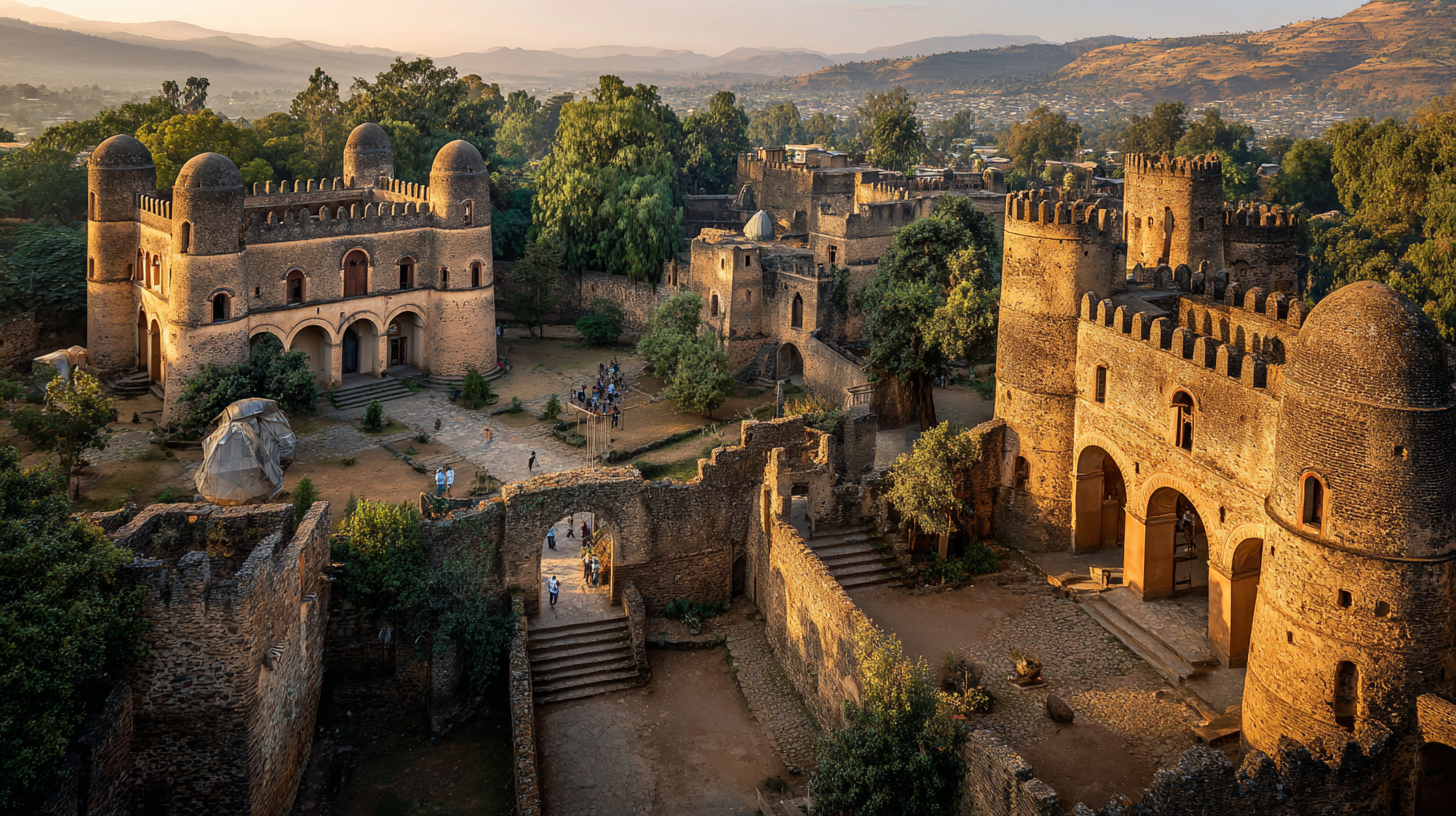
Beyond its architectural grandeur, Fasil Ghebbi embodies a pivotal moment in Ethiopian history when emperors transformed Gondar into a cultural capital. Churches, bridges, and public baths built under the Fasilid dynasty still shape the city’s urban identity. The complex stands as a monument to innovation and sovereignty during a period when Ethiopia’s power radiated across the Horn of Africa. Among its highlights is the famous Fasilides Bath, used today during the Timkat (Epiphany) celebration, when thousands gather as priests bless the pool and followers immerse themselves in sacred water. Fasil Ghebbi is a living heritage site — a bridge between royal past and vibrant spiritual present.
To understand Ethiopia’s religious artistic legacy, see our guide on Ethiopian monastic culture and cliff-side hermit churches.
Simien Mountains: A Natural Cathedral of Peaks and Sky
Like many Ethiopia UNESCO Sites Simien Mountains National Park offers some of the most dramatic landscapes in Africa — a fortress of jagged cliffs, deep valleys, and towering plateaus sculpted by millions of years of erosion. Its colossal escarpments, rising over 4,500 meters, form a natural amphitheater where clouds drift like veils across the highlands. This UNESCO-listed site is home to rare wildlife found nowhere else: the shaggy-maned gelada baboon, the elegant Walia ibex, and the elusive Ethiopian wolf, Africa’s rarest carnivore. The park’s biodiversity is matched only by its breathtaking geology, which creates a sense of awe that transcends scenery.
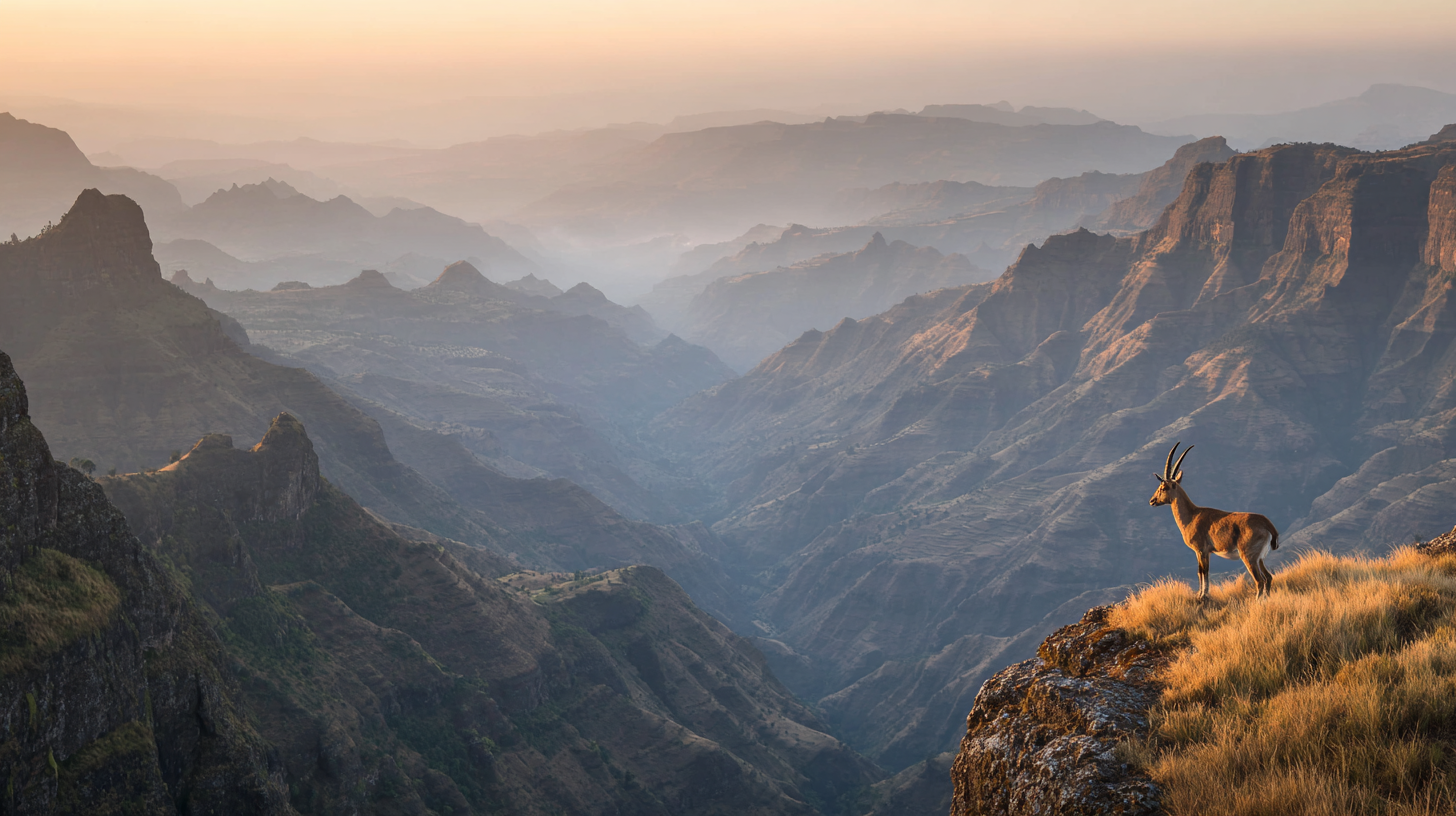
Hiking through the Simien Mountains is a journey into raw altitude and absolute silence. Travelers pass terraced fields perched on cliffs, shepherds guiding flocks across isolated ridges, and giant lobelias rising like ancient sculptures from alpine meadows. As the sun sets, mountains glow in amber light, revealing silhouettes of peaks that seem carved for myth. The Simien Mountains are not only a natural sanctuary but a place where the rhythms of highland life — traditional huts, pastoral culture, and ancient footpaths — remain deeply connected to the land. This is Ethiopia in its wildest, most elemental form.
Sof Omar Cave: Ethiopia’s Subterranean Sanctuary of Stone and Spirit
Deep beneath the southeastern plains of Ethiopia lies Sof Omar Cave, one of Africa’s most extraordinary underground marvels. A labyrinth stretching over 15 kilometers, Sof Omar is a network of winding tunnels, towering chambers, and smooth limestone passageways carved through time by the Weyib River. The cave’s interior feels like a hidden cathedral: sunlight filters through collapsed ceilings, illuminating massive pillars and echoing tunnels where water once rushed in ancient eras. Its scale is breathtaking — soaring galleries, natural arches, and echoing halls that evoke myths of the underworld and spiritual journeys.
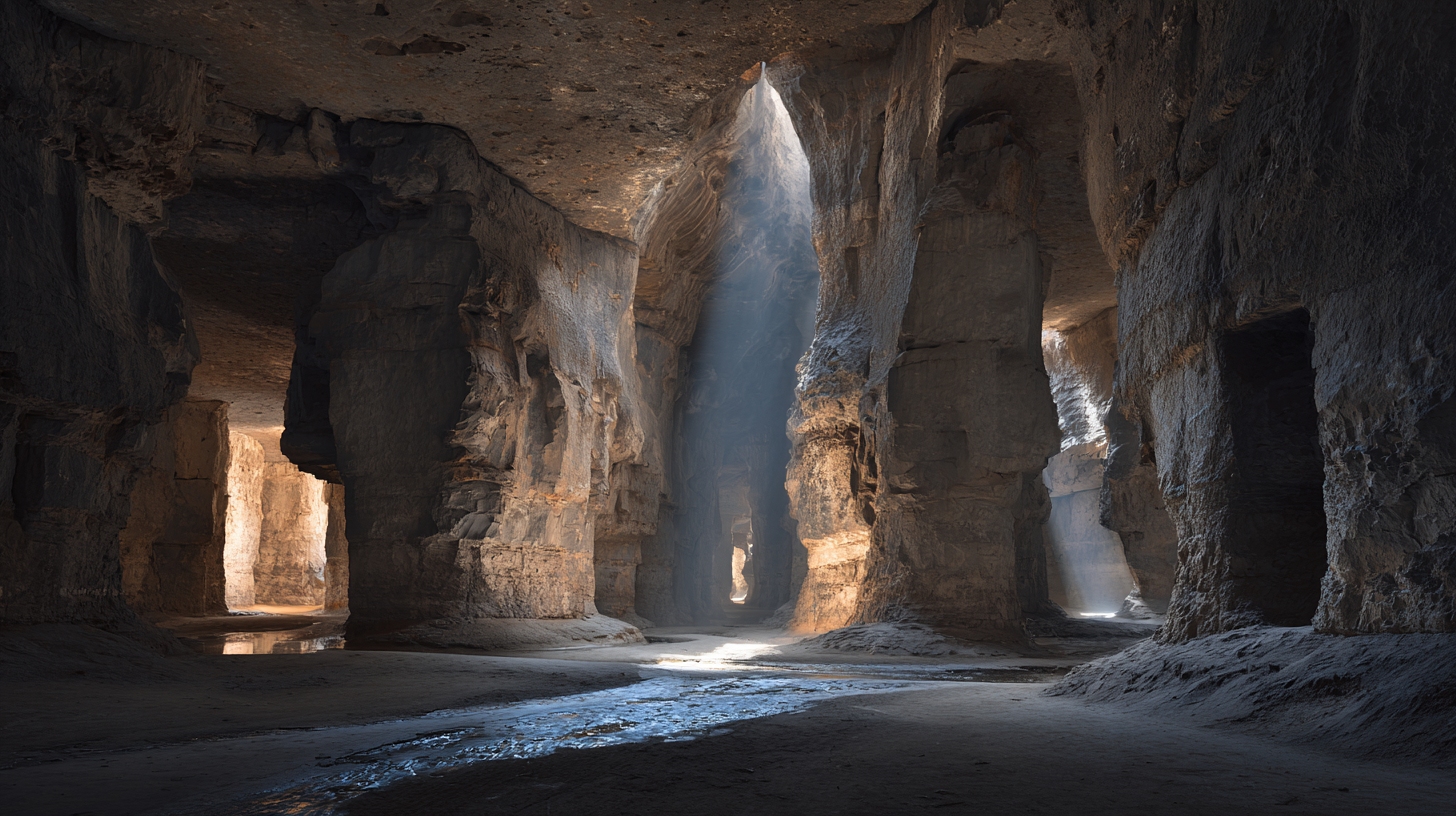
But Sof Omar is more than geology; it is a sacred landscape long used for rituals, worship, and community gatherings. Local traditions hold that the cave served as a spiritual refuge, a site where ancient beliefs mingled with Islamic heritage introduced centuries later. The mix of natural grandeur and spiritual history gives Sof Omar a mystical presence found nowhere else in Ethiopia. For many travelers, navigating its vast corridors with only dim light and soft echoes becomes an unforgettable encounter — a reminder that Ethiopia’s heritage exists not only in stone cities above ground but in the silent depths below.
Bale Mountains: Ethiopia’s Highlands of Mist, Forest, and Endemic Life
The Bale Mountains National Park is one of Ethiopia’s most extraordinary natural landscapes — a high-altitude world shaped by volcanic plateaus, mist-soaked forests, and sweeping Afro-alpine meadows. Recognized globally for its biodiversity, Bale is home to ecosystems found nowhere else on Earth. The Sanetti Plateau rises above the clouds like a frozen sea, stretching across 4,000 meters in elevation, while the Harenna Forest descends into a lush, mystical wilderness of giant trees, moss, and hidden streams. Walking through Bale feels like crossing through different worlds — stark, windswept highlands above and dense, ancient forests below.
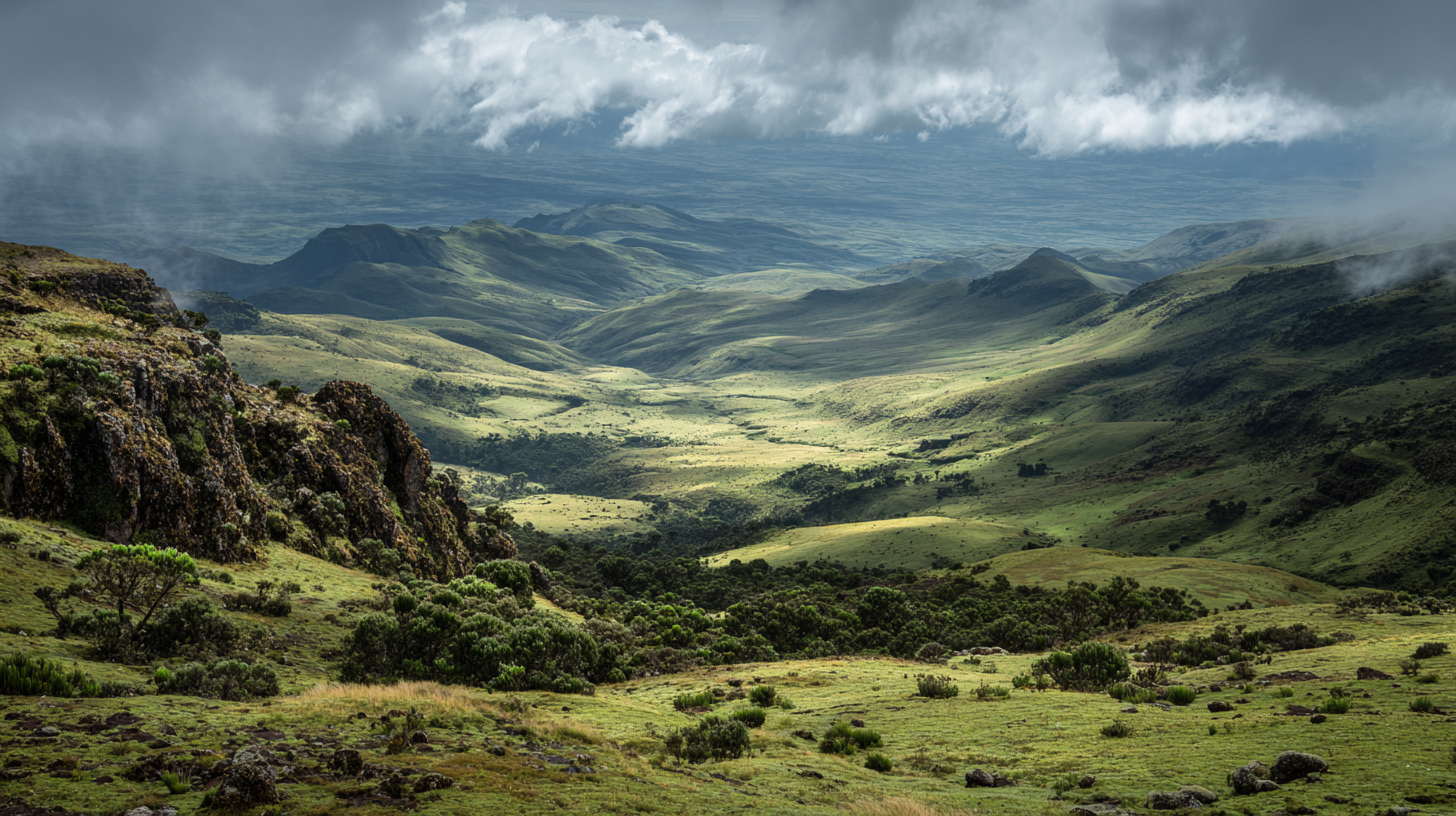
Bale Mountains are also a refuge for some of the world’s rarest wildlife. The Ethiopian wolf, the planet’s most endangered canid, roams the plateau in small, elegant packs. The mountains also shelter mountain nyala, giant molerats, Menelik’s bushbuck, and hundreds of bird species that draw naturalists from all over the world. Local Oromo communities maintain traditional grazing systems and forest practices that coexist with conservation efforts, creating a delicate balance between human life and ecological preservation. Bale is a reminder that heritage is not always carved in stone — sometimes it lives in wind, mist, and silence.
Lake Tana and Its Island Monasteries: Sanctuaries of Faith and Art
Although not individually designated as a UNESCO cultural site, Lake Tana, the source of the Blue Nile, holds some of Ethiopia’s most significant monastic traditions. Its forested islands shelter ancient churches adorned with vivid biblical murals, centuries-old manuscripts, and relics preserved by monks who dedicate their lives to spiritual guardianship. These monasteries — Ura Kidane Mihret, Kebran Gabriel, Daga Estifanos — are time capsules where Ethiopian Orthodox Christianity has flourished since the medieval period.
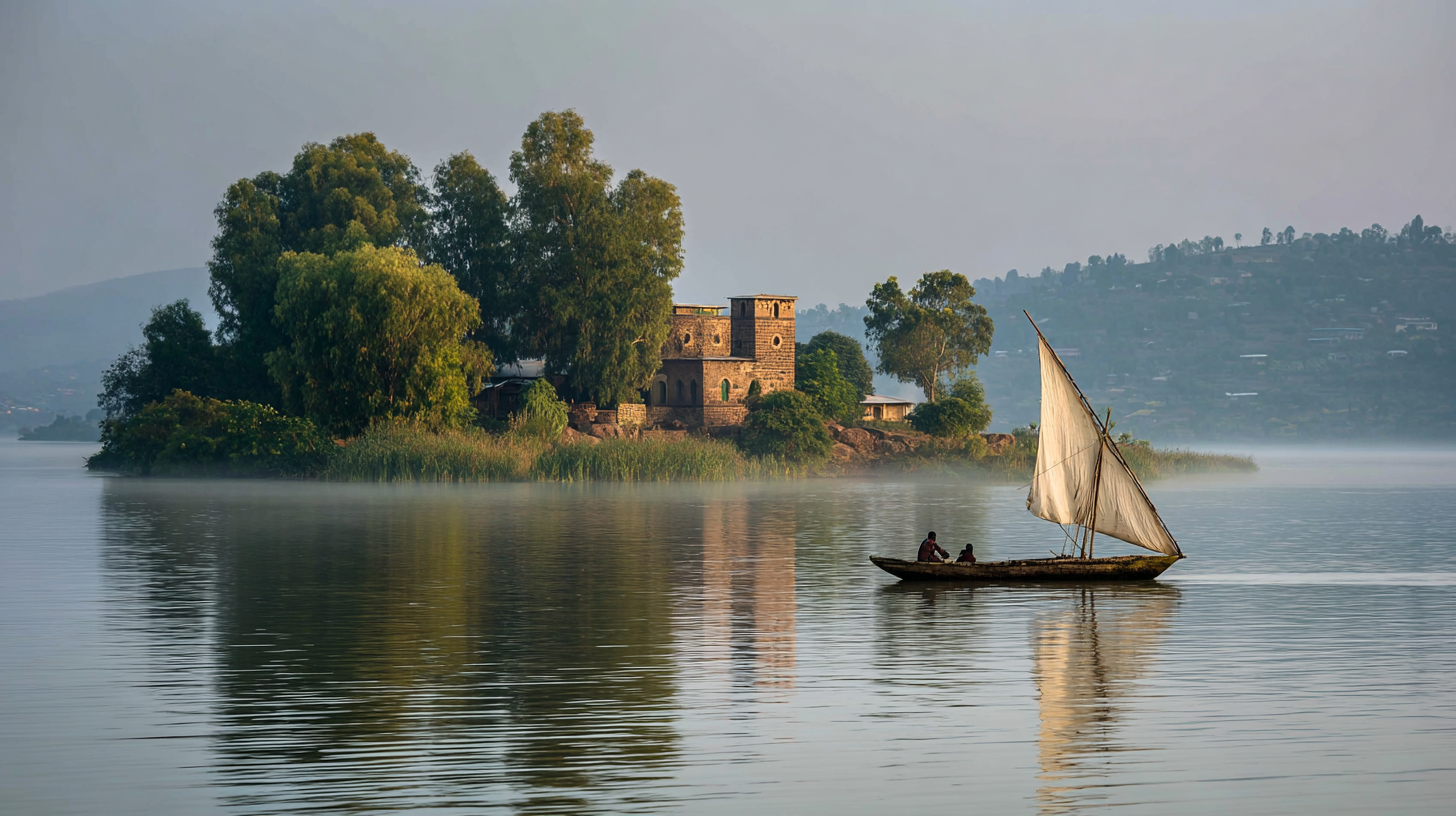
A boat journey across Lake Tana feels like traveling into another era. Fishermen cast nets from papyrus boats, pelicans fly above the reeds, and monasteries appear like hidden fortresses among dense vegetation. Inside these sacred spaces, walls glow with colors depicting saints, angels, and scenes from Ethiopian Christian history. These paintings, created with natural pigments, reflect artistic styles developed long before European contact. Lake Tana may not be a standalone UNESCO site, but its religious heritage complements the broader tapestry of Ethiopian sacred landscapes.
Gedeo Stelae Fields: Landscapes of Memory and Stone
In the southern highlands, vast fields of carved monoliths mark one of Ethiopia’s least-known yet most evocative heritage regions: the Gedeo stelae fields. These standing stones — some simple, others bearing stylized faces and geometric motifs — represent ancestral burial traditions dating back centuries. Their density, variety, and symbolism make the Gedeo fields one of the world’s most significant concentrations of megalithic art outside Europe. Unlike the precision-carved obelisks of Axum, these stones feel raw and animate, as though shaped by the land itself.
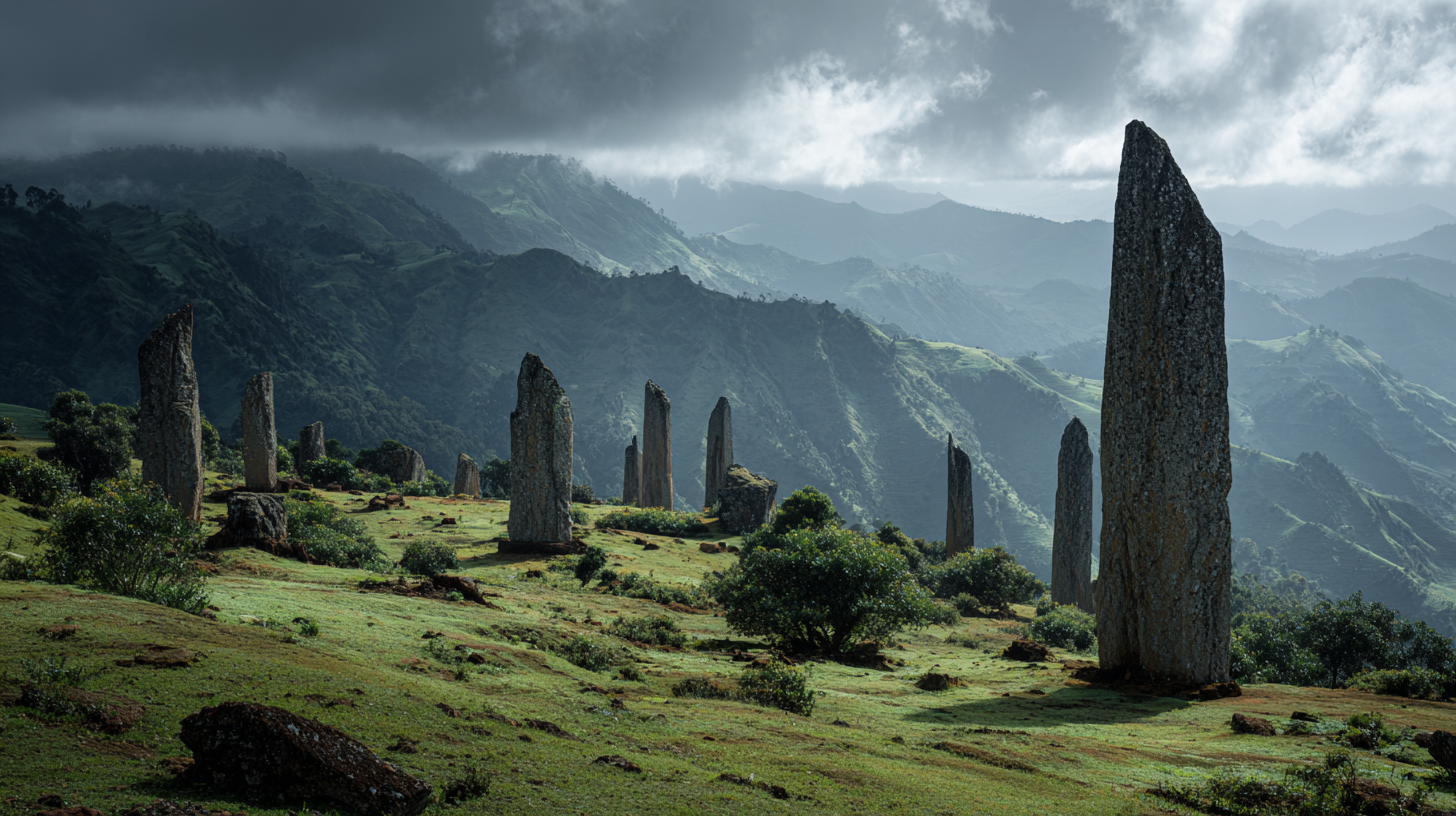
Their placement across sacred landscapes suggests ritual pathways, community memory, and social status. Archaeologists believe the fields reflect a long tradition of commemorating lineage and leadership through stone. Yet much of their meaning remains enigmatic — a reminder of how many Ethiopian heritage sites still await deeper study. The Gedeo fields broaden our understanding of Ethiopia’s cultural diversity, proving that monumental traditions are not confined to its northern kingdoms but flourish across multiple regions and societies.
Beyond the Icons: A Glimpse Into Ethiopia’s Most Celebrated UNESCO Sites
Ethiopia’s World Heritage list includes several iconic sites so well known and deeply studied that they have shaped global understanding of African history. While this master article focuses on lesser-highlighted wonders, these landmarks remain pillars of Ethiopia’s cultural identity. For travelers planning a broader journey, here is a concise look — with links to our dedicated guides for deeper reading.
Lalibela: The Rock-Hewn Jerusalem of Africa
A sacred labyrinth of 12th–13th-century monolithic churches carved straight into volcanic rock. Pilgrims still walk its tunnels by candlelight.
→ Explore more: Archaeology of Ethiopia & Ancient Civilizations
Axum: Birthplace of Kings and Ancient Empires
Once the heart of a mighty Red Sea kingdom, Axum preserves towering obelisks, royal tombs, inscriptions, and early Christian heritage.
→ Explore more: Archaeology of Ethiopia & Ancient Civilizations
Harar Jugol: Citadel of Islamic Scholarship
A walled medieval city with over 80 mosques, labyrinthine alleys, and centuries-old trade culture shaped by Arabic, Oromo, and Somali influences.
→ Explore more: Ethiopia UNESCO Culture
Awash Valley: Cradle of Humankind
Home to the world-famous Lucy fossil — a discovery that reshaped our understanding of human origins.
→ Explore more: Archaeology of Ethiopia & Ancient Civilizations
Lower Omo Valley: A Living Tapestry of Cultures
A mosaic of dozens of ethnic groups preserving ancestral traditions, rituals, and river-based livelihoods.
→ Explore more: Tribes of Ethiopia
Landscapes as Heritage: UNESCO Biosphere Reserves and Protected Areas
Ethiopia’s heritage is not solely architectural or cultural — many aspects of its UNESCO recognition come from ecological and environmental importance. Regions such as Sheka Forest Biosphere Reserve and the Yayu Coffee Forest preserve rare ecosystems where endemic species, wild coffee varieties, and indigenous knowledge coexist in fragile balance. These areas protect genetic diversity crucial not only for Ethiopia but for global environmental resilience.
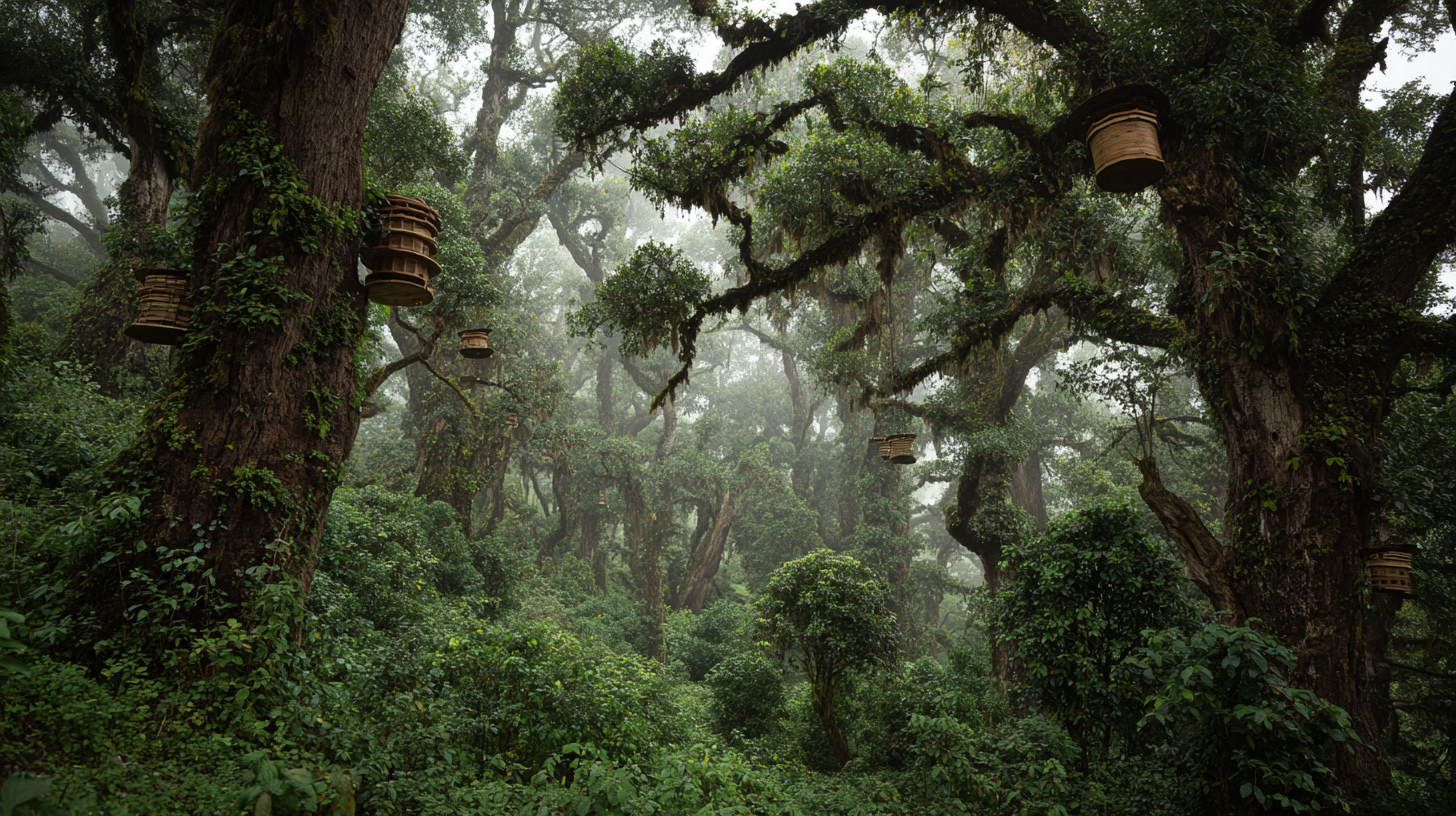
The Sheka Forest, with its cloud-draped canopy, endemic birds, and traditional beekeeping practices, symbolizes the interconnectedness between human livelihoods and ecological stewardship. Meanwhile, Yayu Forest safeguards wild coffee populations that sustain Ethiopia’s agricultural identity and global coffee culture. These reserves show that heritage extends beyond monuments — it encompasses landscapes shaped through centuries of respectful coexistence between people and nature.
Heritage Under Pressure: Preservation, Identity, and the Future
Ethiopia’s UNESCO sites face challenges ranging from population growth and urban expansion to climate change and limited conservation funding. Yet the country is increasingly committed to safeguarding its heritage through digital mapping, community partnerships, sustainable tourism, and collaboration with international research institutions. Preservation is not only about protecting the past — it is about empowering present generations to understand, value, and engage with their inheritance.
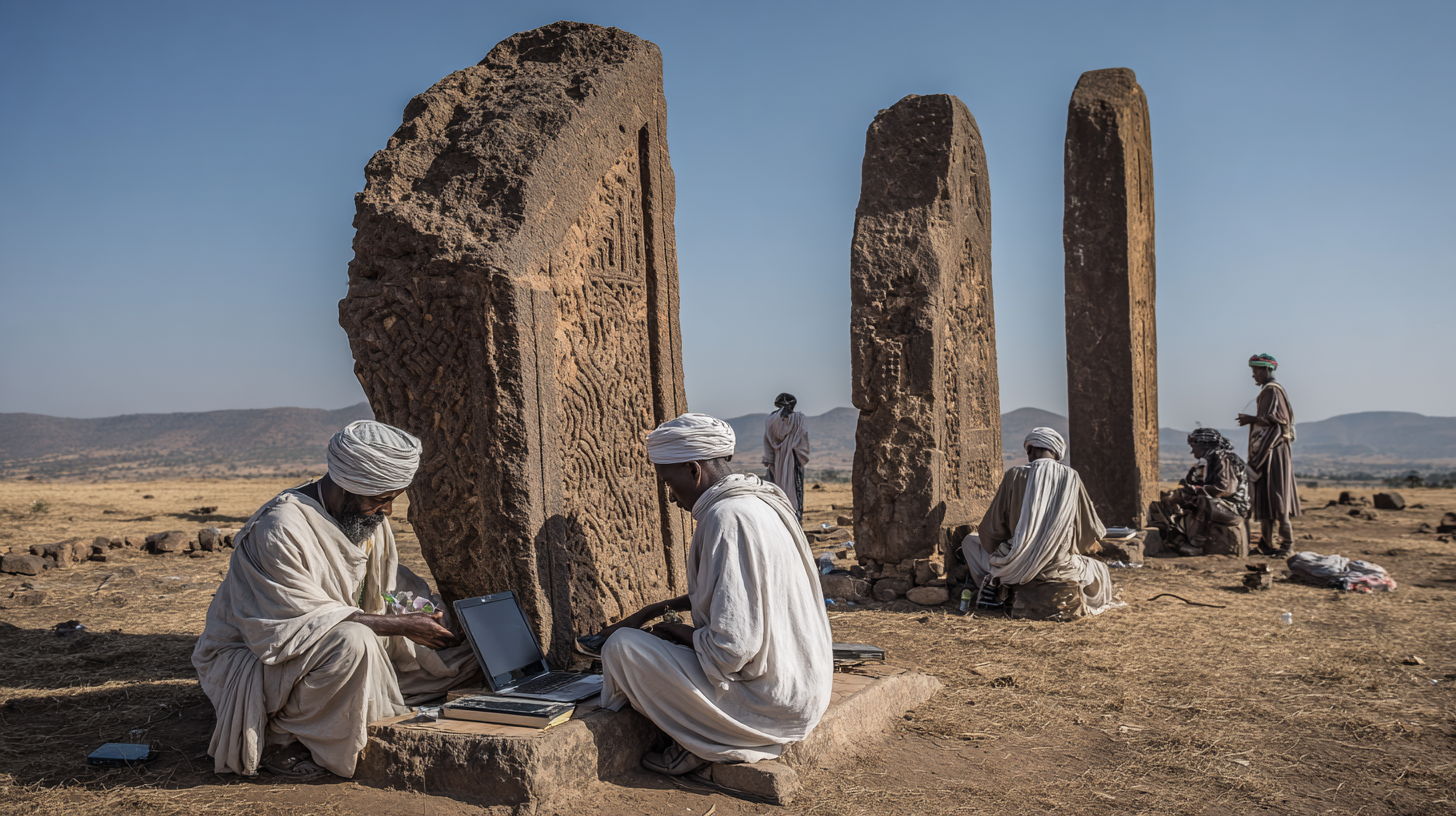
Local communities play a vital role in this effort. From monks safeguarding Lake Tana manuscripts to Konso elders maintaining terraces, from Gedeo artisans preserving stone-carving traditions to national museums archiving fossils and artifacts, Ethiopians remain central actors in the continuity of their heritage. As tourism expands, Ethiopia’s goal is clear: to balance access with respect, ensuring these treasures endure for centuries to come.
Conclusion
Ethiopia’s UNESCO World Heritage Sites reveal a country where history, culture, and nature intertwine in extraordinary ways. From the castles of Gondar to the escarpments of the Simien Mountains, from the living traditions of the Omo Valley to the monastic sanctuaries of Lake Tana, each site offers a unique story shaped by time, creativity, and resilience. Together, they form a mosaic that reflects Ethiopia’s past while inspiring its future. To explore these landscapes is to travel through the pages of human memory — where ancient civilizations, diverse cultures, and breathtaking ecosystems coexist in a unified narrative. Ethiopia’s heritage is not static; it is alive, evolving, and deeply rooted in the pride of its people. And it invites every traveler to witness a history that continues to shape the world.
For a deeper exploration of Ethiopia’s living traditions, see our guide on Ethiopian Tribes, Ethiopian Cuisine or Ethiopian Traditional Medicine.