Ethiopian music and art are a heartbeat — they rise from the streets of Addis Ababa in the rhythm of dancing crowds, echoes from ancient churches carved in stone, and glows in bright canvases hanging in modern galleries. Here, creativity flows effortlessly from past to present, shaped by centuries of spiritual devotion, cultural exchange, and storytelling. Travelers who arrive expecting traditional folklore are often surprised to discover a dynamic artistic world where modern jazz blends with ancient chants, where bold contemporary painters reimagine Ethiopian identity, and where craft traditions breathe with the energy of living culture.
To experience Ethiopia’s art scene is to step into an atmosphere alive with color, sound, and spirit. You hear music before you see it — krar strings vibrating in smoky bars, kebero drums thundering through religious festivals, or jazz horns drifting from basements in Addis Ababa. You feel art in the textures of woven cotton scarves, in the swirling pigments of church murals, in the expressive movements of dancers performing eskista. Art here is not separated from life — it is woven into it, shaping the way Ethiopians celebrate, mourn, worship, and connect. Ethiopia’s artistic culture is not just something to observe — it is something to feel.
Ethiopian Music: A Living Soundscape of Culture and Creativity
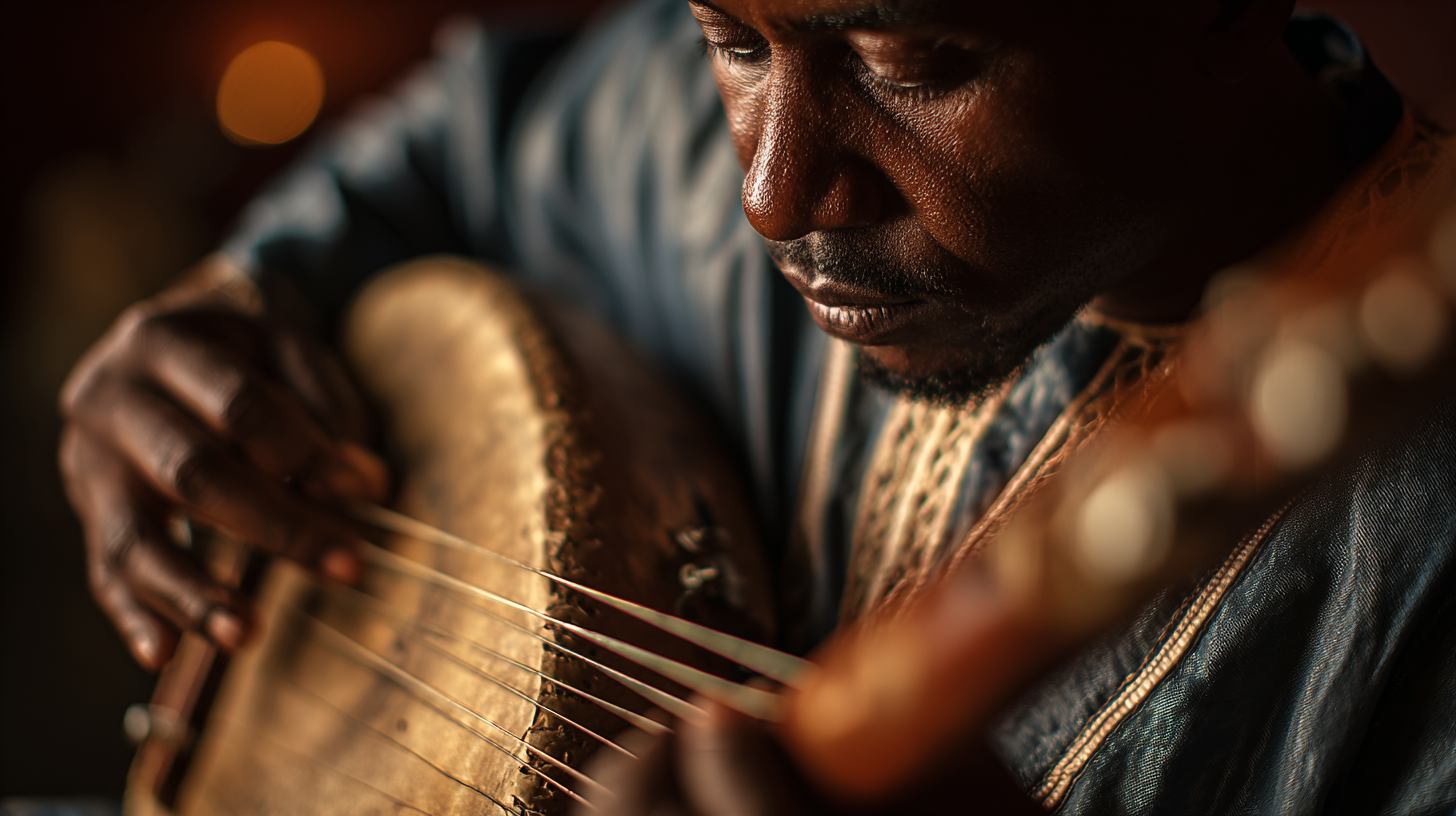
Music is the lifeblood of Ethiopia — a medium through which history, emotion, and identity flow. No matter where you travel, you encounter melodies that seem to rise from the earth itself. In rural villages, traditional musicians gather during celebrations, plucking krars and masinkos as dancers move with precise, shoulder-focused eskista motions that pulse like drumbeats. The dance is electric, controlled yet explosive, a physical expression of energy passed across generations.
In cities, especially Addis Ababa, music becomes both nostalgic and modern. On bustling sidewalks, young performers play contemporary interpretations of folk songs, blending traditional pentatonic scales with modern rhythms. Nightclubs spill onto the streets, their entrances glowing as patrons step into lively worlds of dancing, laughter, and collective joy. Ethiopia’s music is immersive — it turns listeners into participants, inviting everyone to sway, clap, stomp, and feel part of something ancient yet alive.
Ethio-Jazz: The Golden Sound of Addis Ababa
Among Ethiopia’s most influential cultural exports is Ethio-jazz, a genre pioneered in the 1960s by the legendary Mulatu Astatke. It is a sound unlike any other — haunting, smoky, hypnotic — blending traditional Ethiopian musical scales with jazz, funk, and Latin rhythms. Listening to Ethio-jazz feels like walking through Addis Ababa at night: neon reflections on wet asphalt, the murmur of conversations, distant horns echoing from taxis, the warmth of a city that never truly sleeps.

Modern clubs in Addis keep the golden era alive. Venues like African Jazz Village fill with locals, expats, and travelers drawn by the magnetic pull of live horns and bass lines. Musicians jam on stage for hours, trading solos while the audience moves in slow, deliberate rhythms. The air is thick with incense, coffee, and anticipation. Ethio-jazz is not just a genre — it is an atmosphere, a cultural inheritance carried forward by young ethiopian artists blending tradition with global influences. It tells the story of Ethiopia’s past, but also its future — innovative, confident, and bold.
Sacred Voices: The Spiritual Soundscape of Ethiopian Christianity
If Ethio-jazz is the heartbeat of modern Ethiopia, then sacred music is its soul. Ethiopian Christian chant — known as Zema — dates back to the 6th century and is attributed to Saint Yared, a composer whose hymns have shaped centuries of religious practice. These chants are slow, mystical, echoing through churches carved into rock or constructed from ancient stone. The sound is deep and resonant, carried by voices that rise and fall like breaths of prayer.
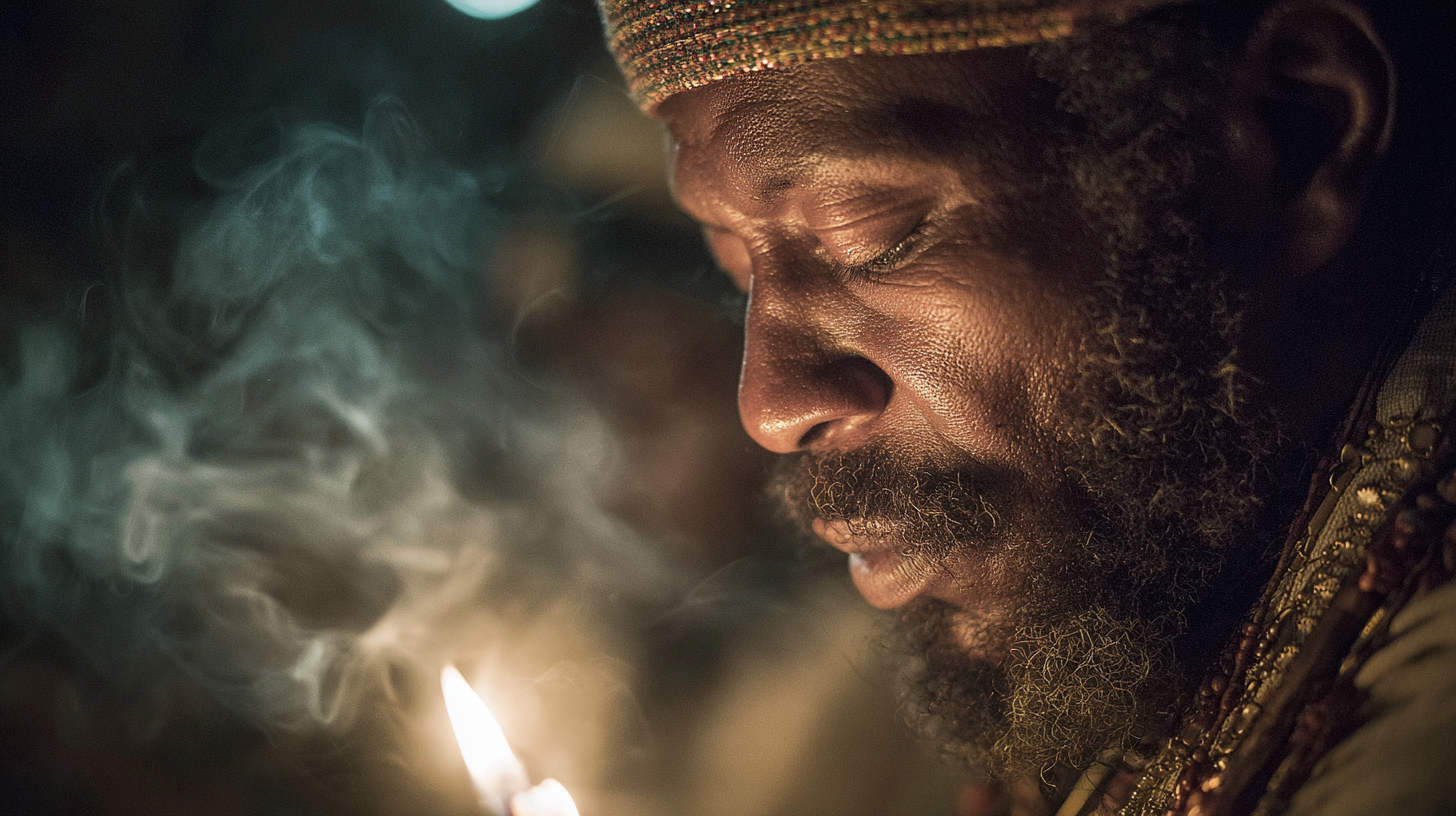
The begena, a large ten-string harp, produces an otherworldly vibration used during fasting periods and solemn occasions. Its tones are low, meditative, and calming, filling spaces with a spiritual stillness. The kebero, a double-headed drum, adds depth and rhythm to liturgical ceremonies, particularly during major religious festivals. Stepping into a church during an early-morning service — incense curling through candlelight, voices harmonizing in Ge’ez, the ancient liturgical language — is to witness art and faith intertwined completely. These soundscapes are not performances; they are acts of devotion, preserved through centuries of tradition.
More about Ethiopian music: https://musicinafrica.net
Ethiopian Visual Art: A Bold and Evolving Canvas of Culture
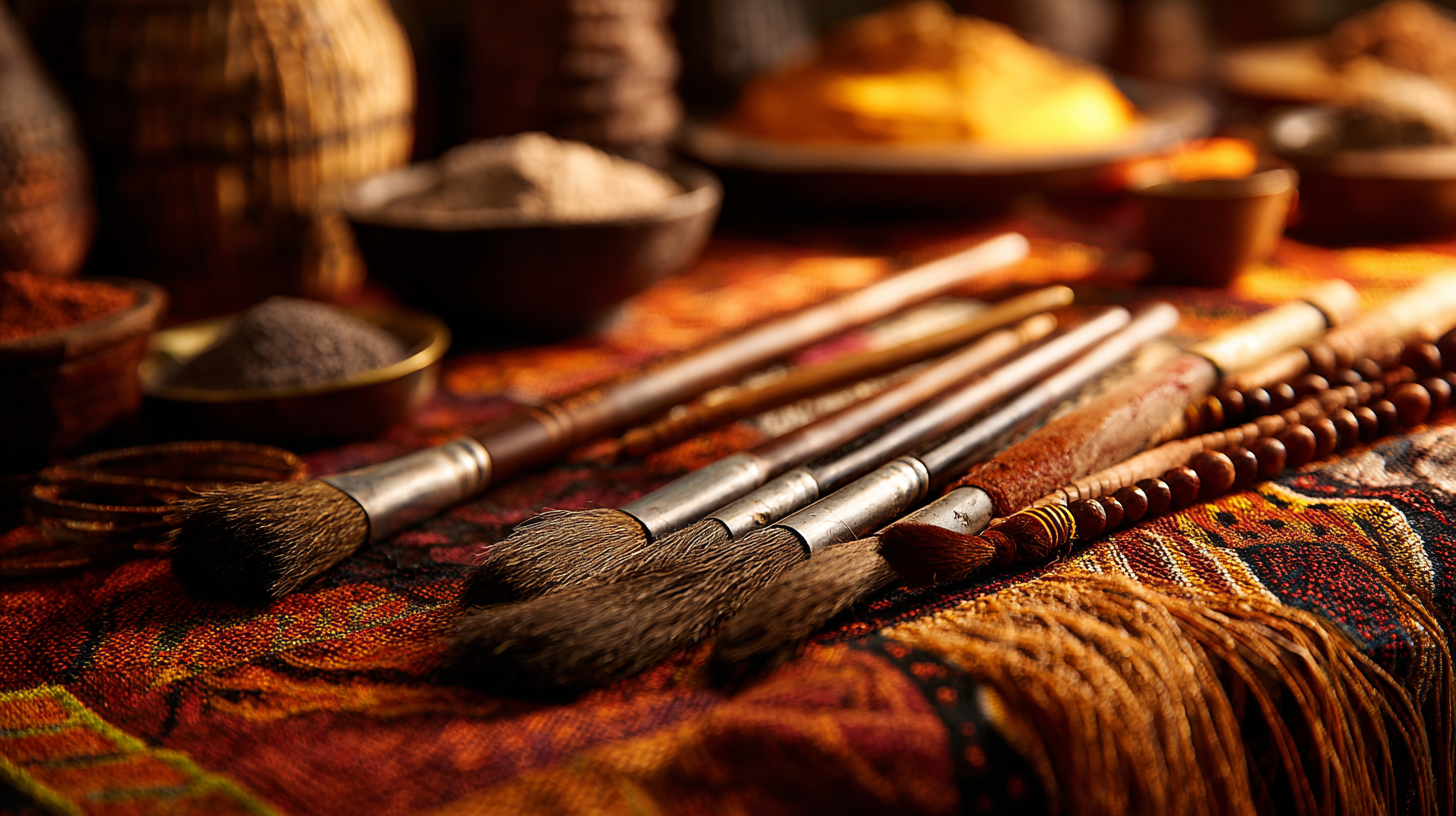
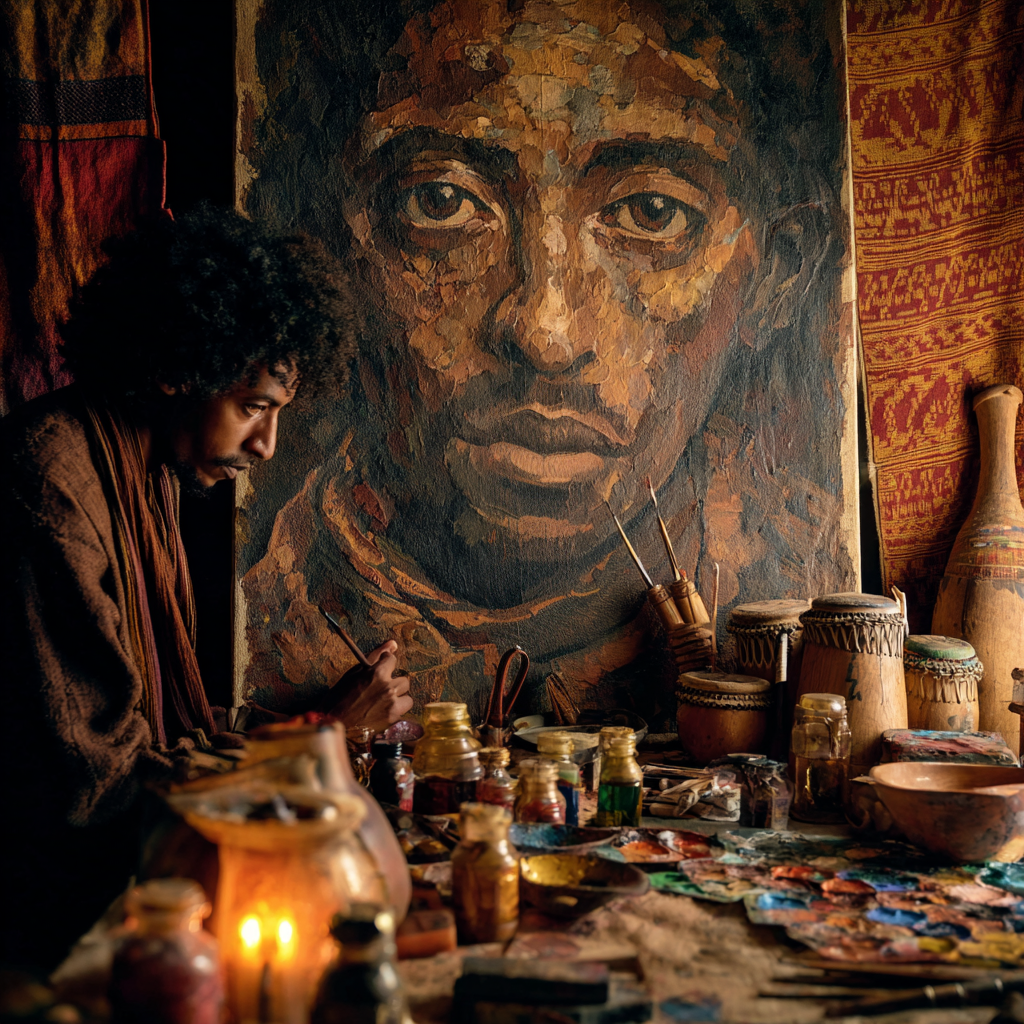
Ethiopian visual art is a vibrant fusion of heritage and innovation, blending ancient iconography with bold contemporary expression. Traditional painting styles—recognized by elongated figures, almond-shaped eyes, and vivid primary colors—form the foundation of this artistic identity. Yet today, a new generation of Ethiopian artists is reimagining these motifs through fresh perspectives, modern techniques, and global influences.
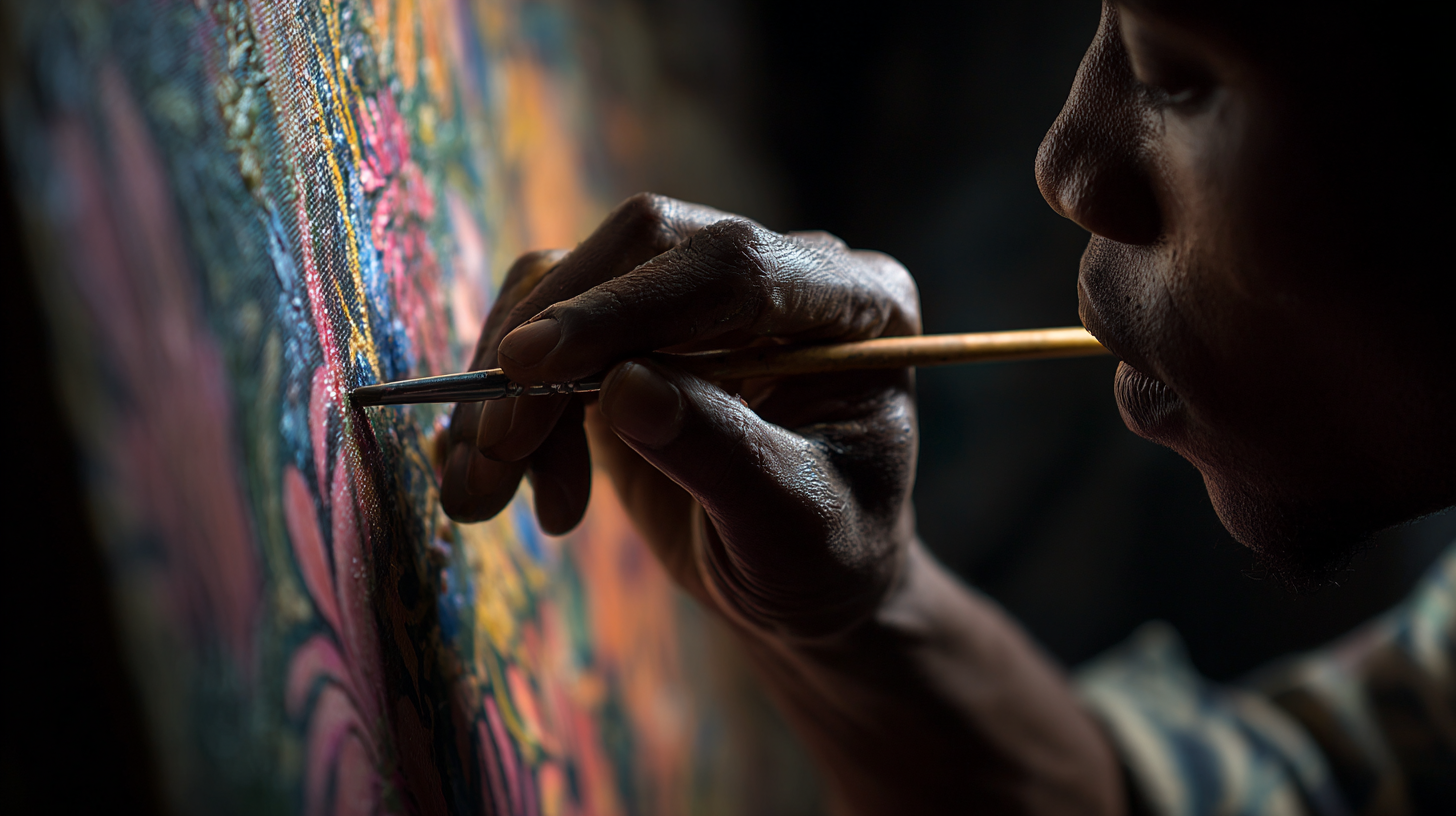
Galleries like Addis Fine Art, Zoma Museum, and Lela Art Center showcase painters who blend ancient symbolism with abstract expressionism, social commentary, and contemporary African aesthetics. Their works explore themes of identity, migration, spirituality, and urban life — reflecting Ethiopia’s position in a rapidly changing world. Wandering through these galleries feels like watching the country’s visual identity evolve in real time. Traditional colors remain, but shapes distort, expand, and transform — mirroring a culture that honors its past while boldly stepping forward.
Icons in Stone and Paint: Artistic Traditions Inside Sacred Spaces
The oldest and most influential Ethiopian art is housed in its churches and monasteries. Here, walls and ceilings bloom with frescoes featuring saints, warriors, and angels depicted in vivid reds, blues, and yellows. These murals are more than decoration — they are theological narratives, teaching tools, and cultural guides. In churches such as Debre Berhan Selassie in Gondar, winged angels cover entire ceilings, each face unique, forming a celestial symphony that watches over worshippers.
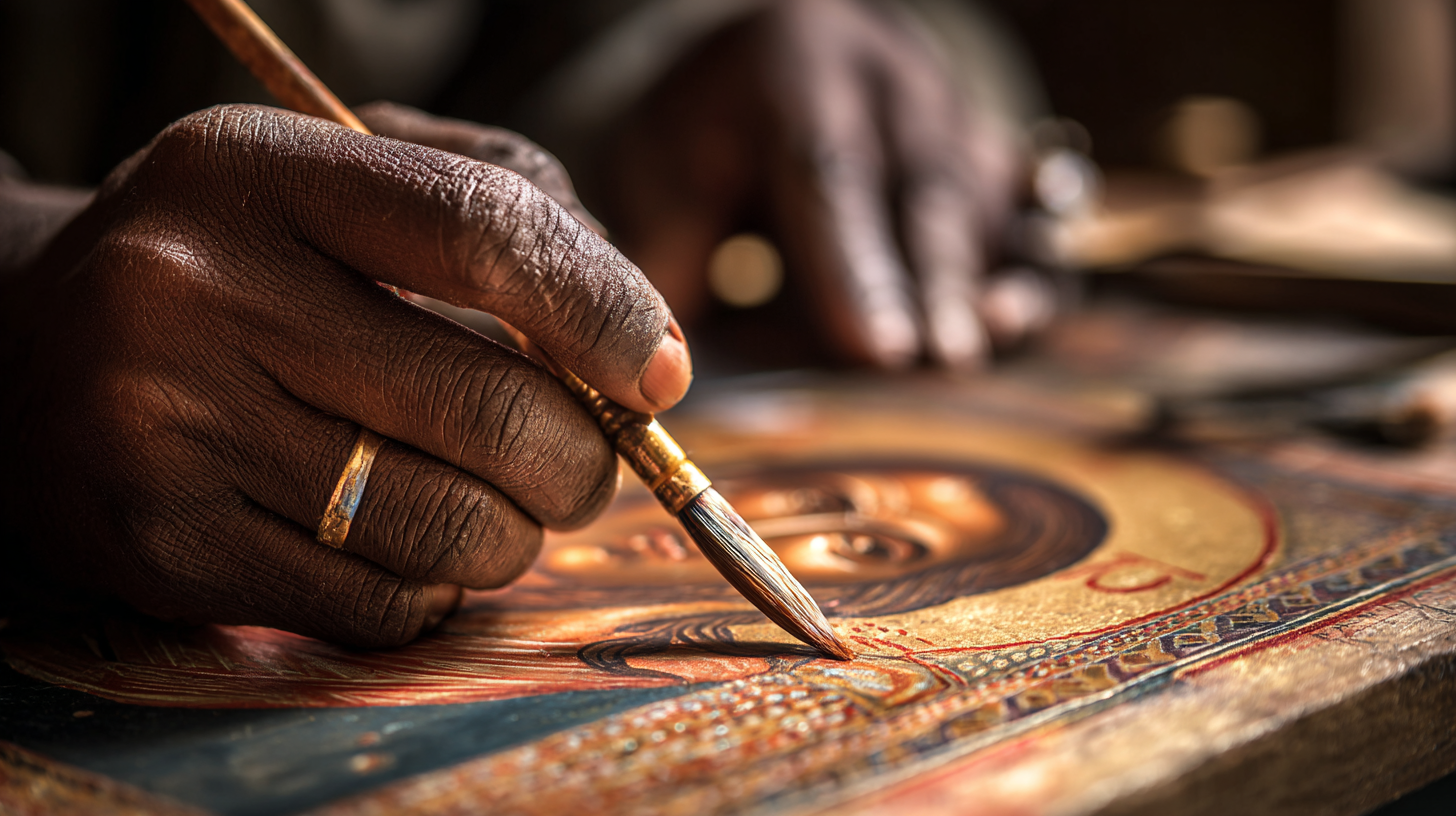
In rock-hewn sanctuaries like Lalibela, art merges with architecture. Carved crosses, arches, and geometric motifs suggest a blend of spirituality and engineering genius. Even the simplest details — a carved niche, a painted border, a woven curtain — reflect a deep devotion to beauty as an expression of faith. Inside these spaces, the boundary between art and worship fades. Light filtering through small stone windows catches on dust and paint, making colors appear to float in the air. It is an experience that feels both ancient and immediate — a timeless dialogue between human hands and divine inspiration.
Related: Ethiopian Monastic Culture
Craftsmanship and Creativity: Artisans Who Keep Tradition Alive
Across Ethiopia, artisans carry forward traditions that trace back thousands of years. In small villages, women sit at wooden looms weaving habesha kemis and netela scarves with delicate patterns that shimmer in sunlight. The rhythmic click of the loom creates a gentle soundtrack to daily life. In other regions, potters mold clay into elegant vessels, using methods unchanged for generations — shaping with bare hands, firing with open flames, painting with natural pigments.
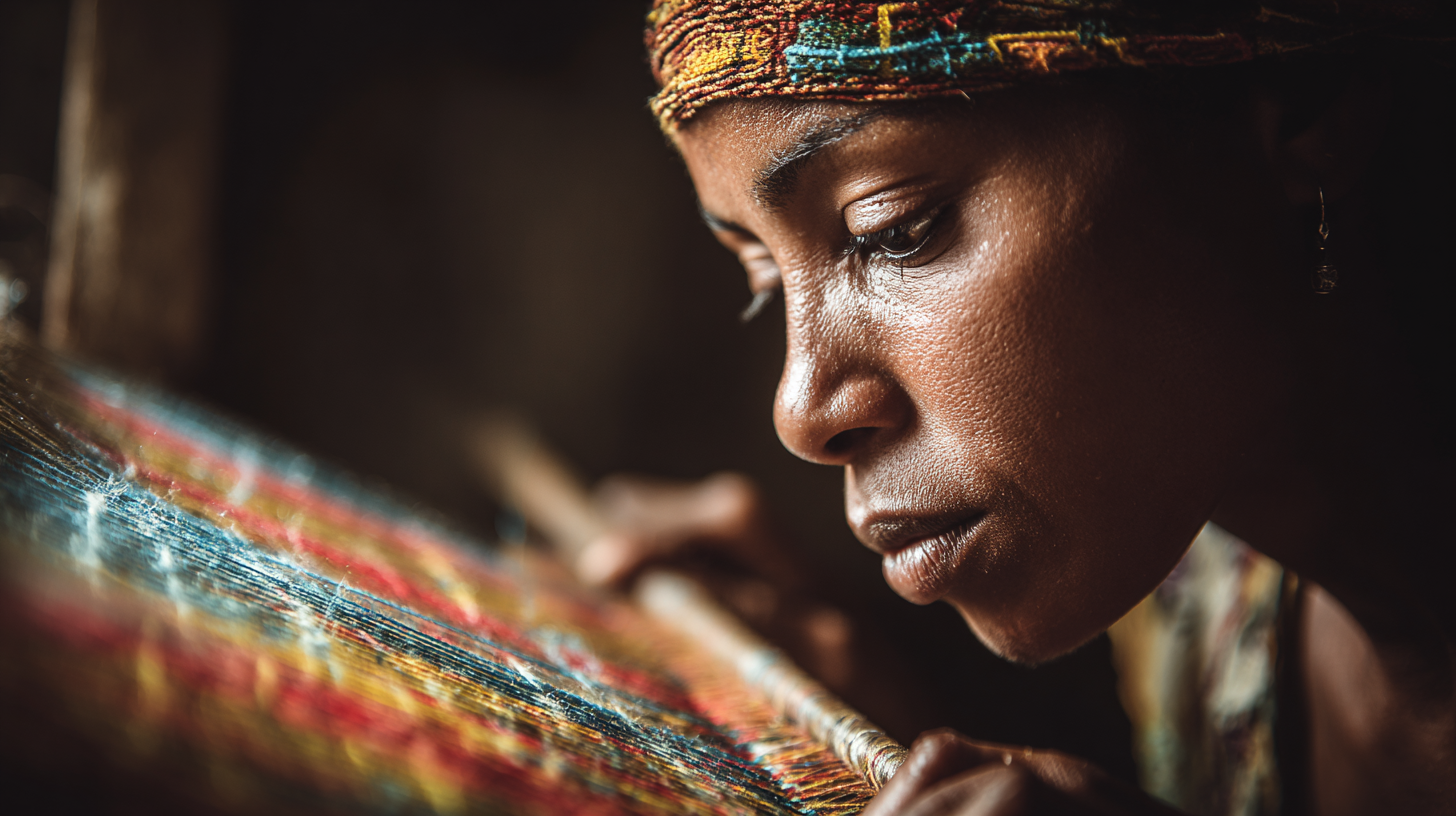
Metalworkers hammer iron into ceremonial crosses, each design unique to its region. Jewelry-makers craft intricate filigree, embedding silver with amber or coral. Basket weavers stitch reeds into spiraling patterns that tell stories of ancestry and land. These crafts are not simply souvenirs — they are living embodiments of Ethiopia’s cultural legacy. Watching artisans work is like witnessing history unfold in front of you, each gesture carrying memory and mastery.
A Living Culture: Where Art Meets Daily Life
Art in Ethiopia is vibrant not only in studios and churches but in everyday life. On the streets of Addis Ababa, murals brighten neighborhoods with portraits of musicians, freedom fighters, and mythological figures. Markets bustle with color as vendors sell handwoven textiles, carved utensils, painted icons, and pottery lined in bright glazes. Children practice dance steps during school breaks, while elders sing folk melodies during communal gatherings.
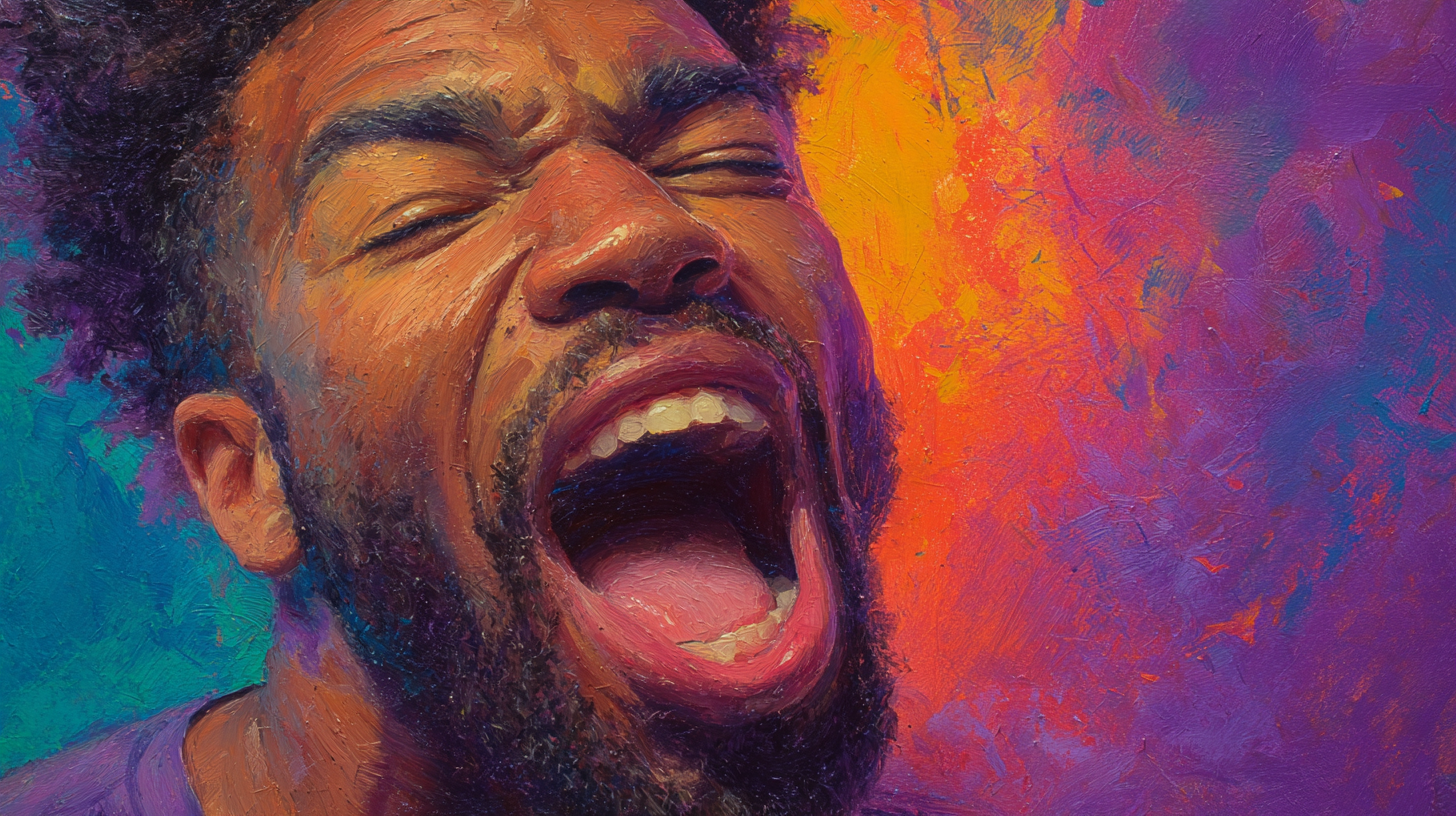
Festivals amplify this cultural energy. During Timkat, priests carry ornate ceremonial umbrellas and sacred tablets through crowds dressed in white. During Meskel, bonfires illuminate the night as dancers circle flames in rhythmic unity. Every celebration is a fusion of music, movement, dress, and devotion. For travelers, these moments reveal how seamlessly art fits into daily Ethiopian life — not as a performance, but as an instinctive language of expression and joy.
Conclusion
Ethiopia’s artistic culture is a living masterpiece — a mosaic of sound, color, tradition, and innovation shaped by centuries of spiritual and cultural evolution. From the hypnotic rhythms of Ethio-jazz to the ethereal chants of ancient churches, from the bold strokes of contemporary painters to the skilled hands of artisans weaving and carving their heritage into form, Ethiopia tells its story through creation. To wander through its cities and villages is to encounter art in every corner, every gesture, every note. Ethiopia’s creative spirit is vast, vibrant, and unforgettable — inviting travelers not only to observe but to feel deeply the beauty that defines this remarkable nation.