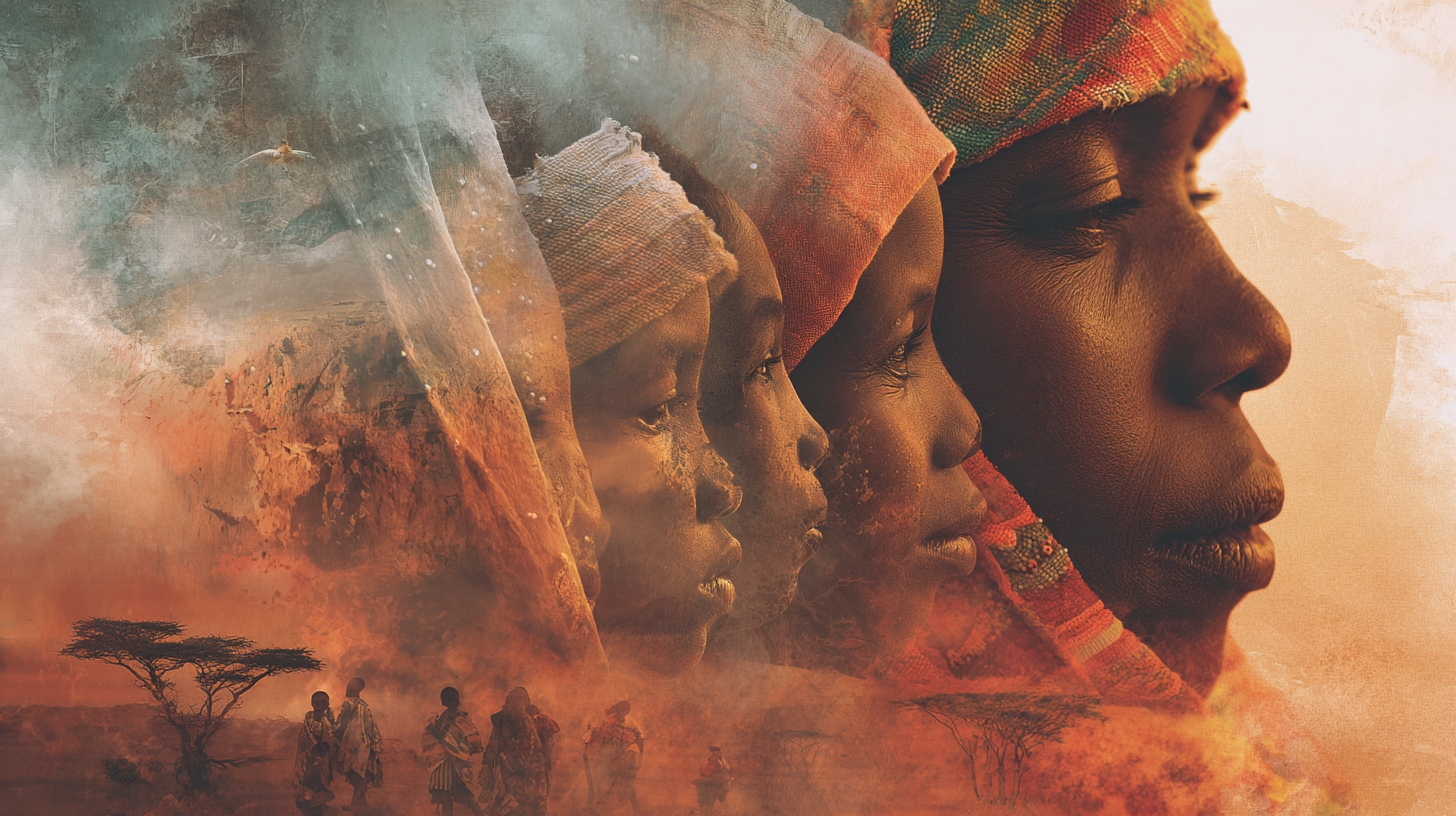
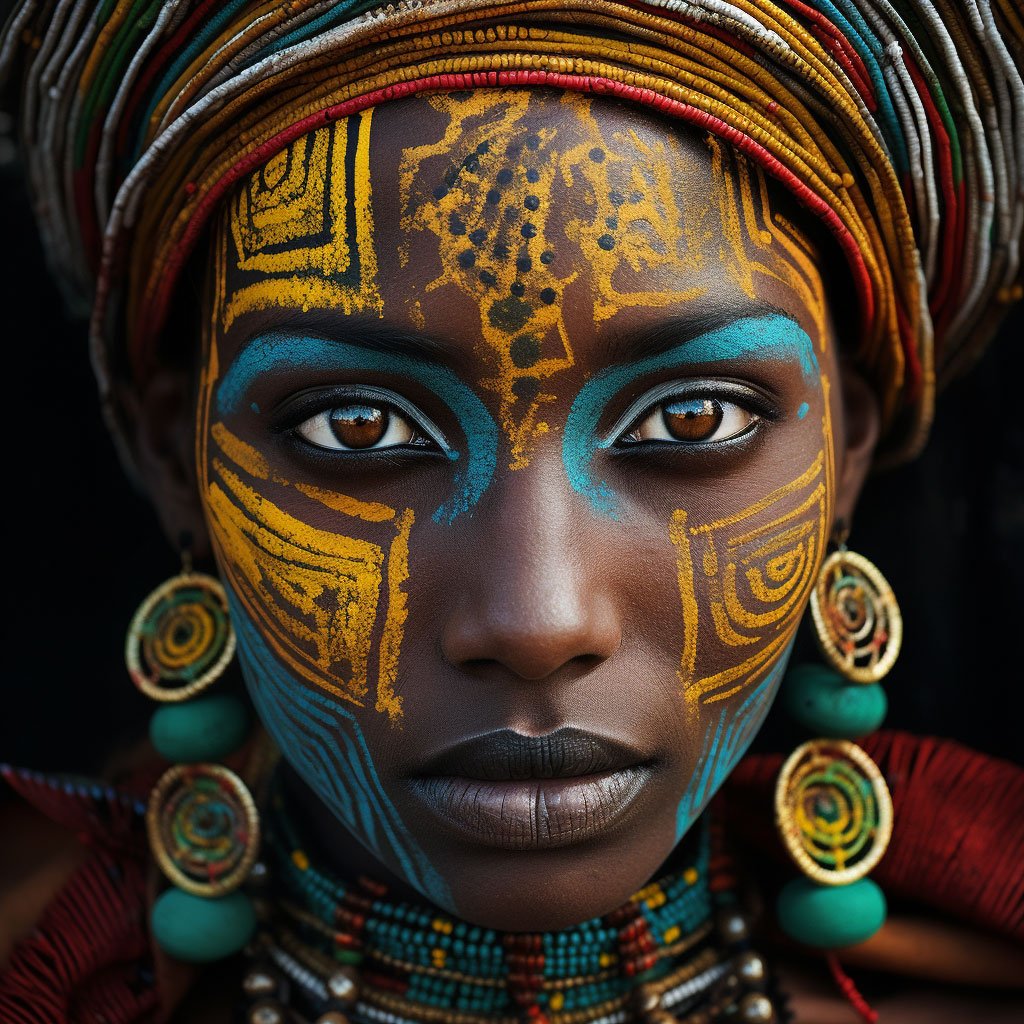
Ethiopian tribes represent some of the world’s most culturally diverse communities, preserving ancient traditions across the Omo Valley and beyond.
Ethiopia is home to one of the most culturally diverse populations on the planet, with over eighty ethnic groups whose customs, languages, and artistic expressions form a vibrant tapestry of heritage. While major cities such as Addis Ababa reveal the country’s modern face, the most profound expressions of Ethiopia’s ancient identity are found in its remote regions — especially the Omo Valley. This fertile basin in the south is a living archive of human cultural evolution, where tribes have preserved traditions that stretch back centuries, if not millennia. Their rituals, symbols, and social structures reflect a worldview shaped by nature, spirituality, and community.
Also Read: Ethiopian Traditional Medicine
Ethiopian Tribes: The Omo Valley — A Cradle of Humanity and Culture
The Omo Valley lies within one of the world’s most archaeologically significant landscapes, often described as a cradle of humanity. Here, fossil discoveries have helped trace the origins of early humans, offering insight into how communities evolved in harmony with their environment. This historical depth is mirrored in the cultural traditions that continue to thrive among the valley’s tribes. Season after season, life unfolds according to ancestral rhythms tied to the river’s cycles, the movement of cattle, and the passage of time marked by ritual. The valley’s cultural diversity reflects centuries of migration, adaptation, and resilience.

To outsiders, the Omo Valley may appear timeless, but its cultures are anything but static. Each tribe has adapted to changing climates, shifting borders, and external pressures, all while maintaining a strong sense of identity. Artistic expression, livestock rituals, social ceremonies, and initiation rites reveal how each community negotiates continuity and change. For travelers, the valley offers a rare opportunity to witness traditions that are deeply rooted yet evolving — a reminder that culture is not a relic, but a living force.
The Hamar People: Ceremony, Identity, and Community Strength
The Hamar tribe is one of the most visually striking groups in the Omo Valley, recognized for their ochre-covered hairstyles, leather garments, and layered beadwork. These aesthetic traditions are not merely decorative — they signal age, social status, marital identity, and clan affiliation. Women spend hours preparing their hair with ochre and ghee, forming thick, glossy braids that symbolize beauty and strength. Men often adorn themselves with metal jewelry and animal skins, adding to the community’s vibrant appearance. A walk through a Hamar village reveals a world where personal expression and cultural heritage are intricately intertwined.
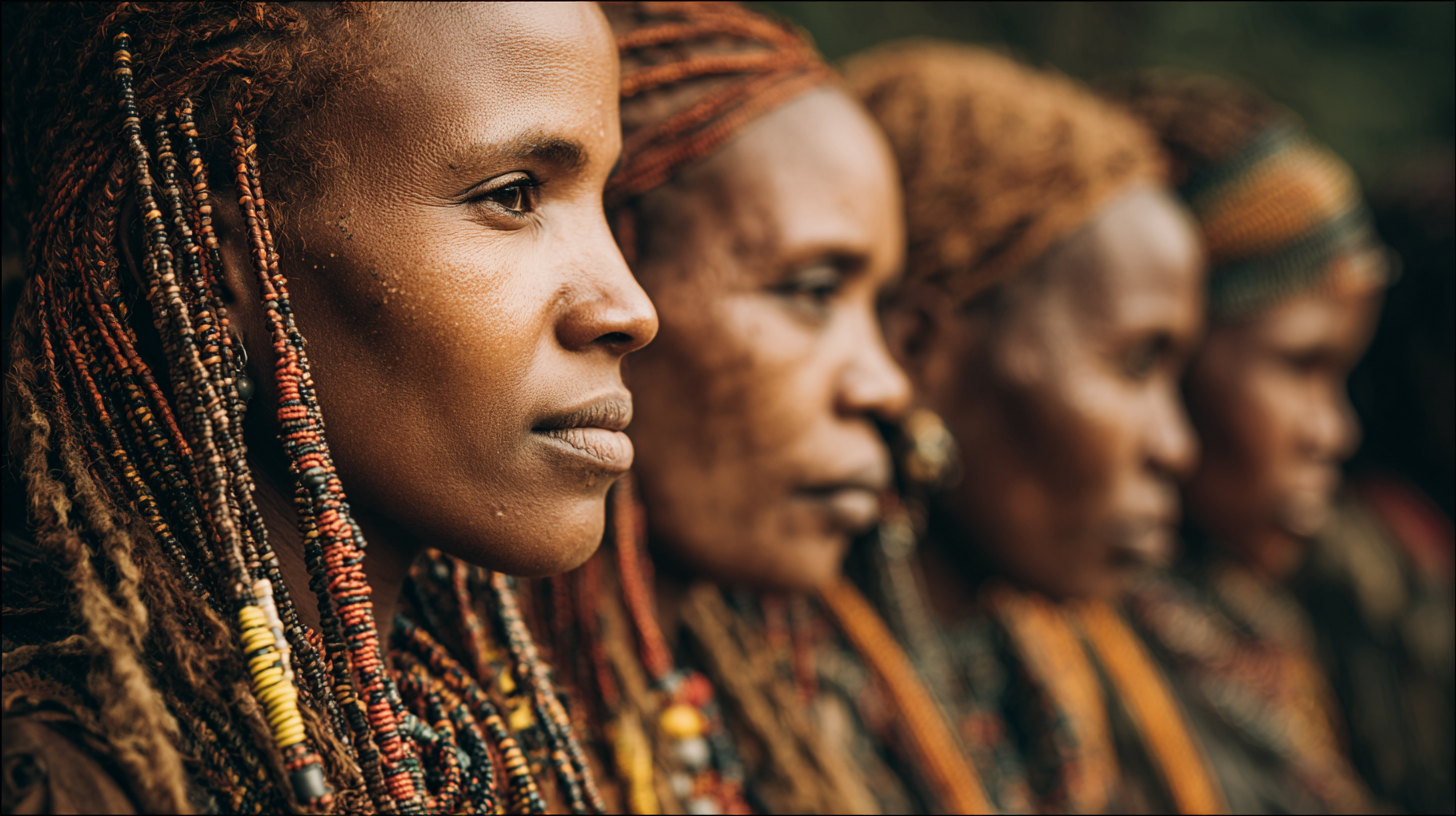
Central to Hamar identity is the famed bull-jumping ceremony, a rite of passage that marks a young man’s transition into adulthood. The event draws entire communities, igniting days of dancing, singing, feasting, and ritual preparation. Women, adorned with bead collars and bells, dance in circles while chanting ancestral songs that echo through the landscape. When the ceremony climaxes, the young initiate must run across the backs of several bulls — a symbolic test of courage, discipline, and readiness for responsibility. For visitors, the ceremony is both an emotional and cultural immersion, offering insight into values of family, strength, and unity.
The Surma Tribe: Artistry Written on Skin and Spirit
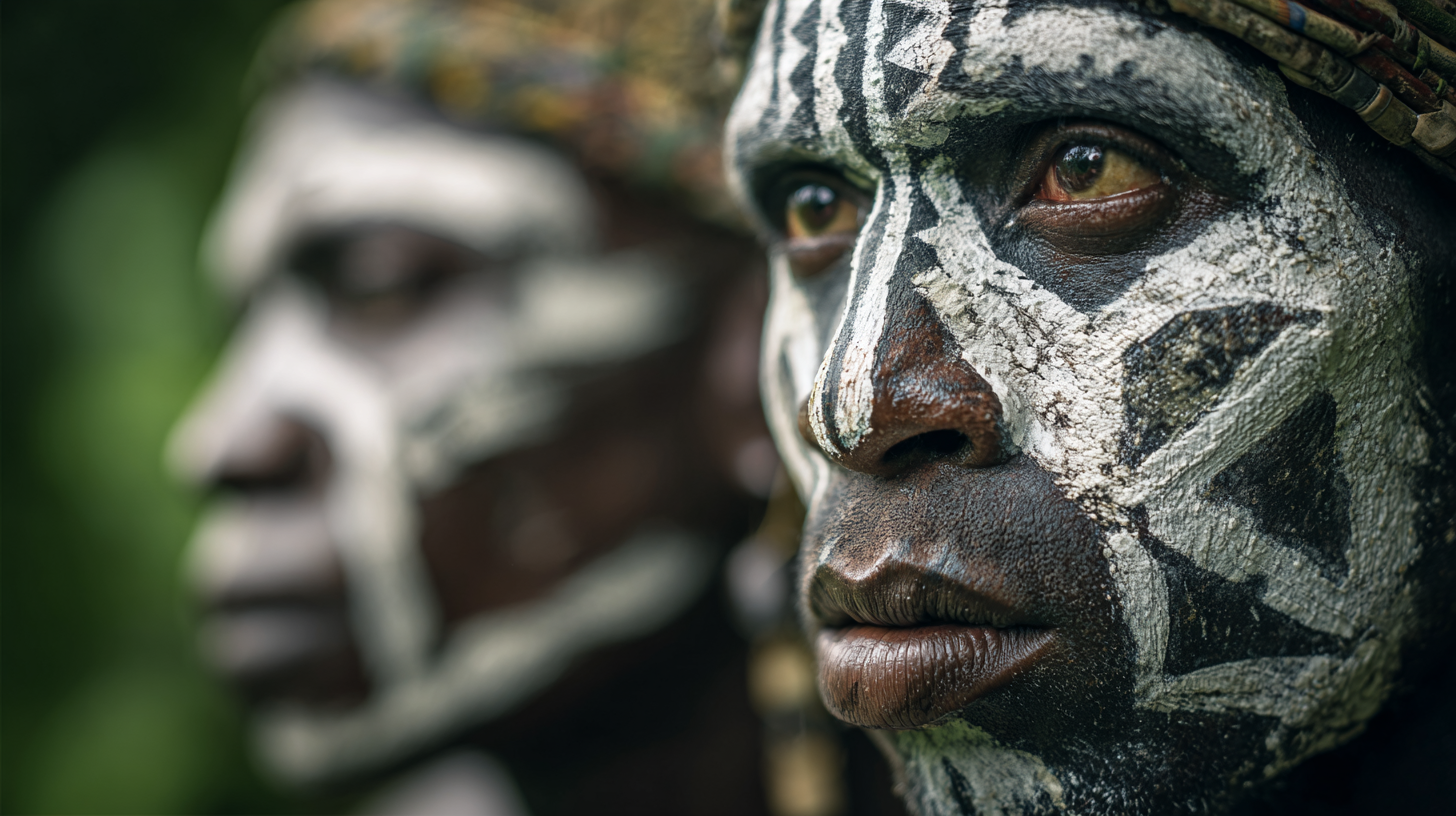
The Surma (or Suri) tribe is renowned for their dramatic body painting, using clay and natural pigments to create swirling designs across their skin. These temporary artworks change daily, turning each person into a living canvas. The process is both playful and deeply cultural, reflecting personal mood, artistic inspiration, and tribal identity. Children learn the art from a young age, and creativity is encouraged among all ages. The result is a world where self-expression becomes a form of shared cultural pride, rooted in nature and imagination.
Another defining Surma tradition is Donga, the ceremonial stick-fighting competition practiced by men. Held after harvest season, these duels symbolize courage, skill, and spiritual resilience. Participants prepare through physical training and spiritual cleansing, entering the arena with focus and determination. Though intense, the event is governed by strict rules that emphasize respect and discipline. Victories can elevate social standing or signal readiness for marriage, making Donga a powerful expression of Surma masculinity and honor. Observing these traditions reveals a culture where strength and artistry coexist harmoniously.
The Mursi Tribe: Bold Traditions and Cultural Resilience
The Mursi tribe is one of the most recognized groups in Ethiopia due to the distinctive lip-plate tradition practiced by women. This ceremonial adornment, made from clay or wood, begins during adolescence and represents beauty, maturity, and social standing. Despite outside misconceptions, the custom carries deep cultural significance and reflects the Mursi worldview on strength, womanhood, and identity. Many women choose the size and design of their plates as expressions of personal and familial pride.
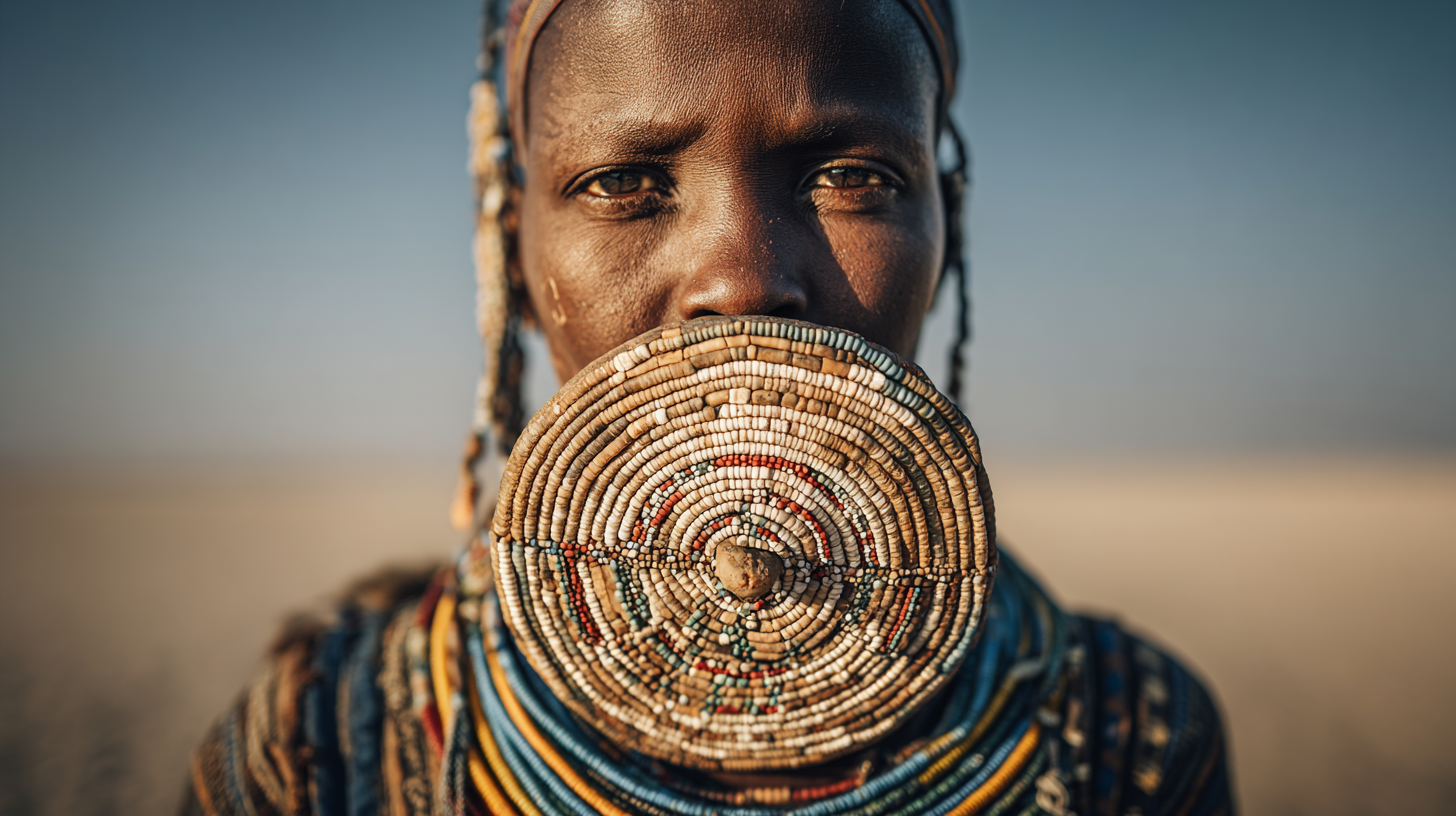
Beyond this iconic tradition, the Mursi maintain a rich cultural life shaped by herding, seasonal farming, and communal rituals. Body painting, intricate scarification, symbolic headpieces, and elaborate ceremonies mark stages of life and express cultural pride. Mursi society values unity, courage, and strong ties to ancestral practices, even as the tribe faces pressures from modern influences and land changes. Meeting the Mursi offers a profound understanding of a people who embody resilience and a deep commitment to cultural continuity.
The Dassanech Tribe: Craftsmanship and Adaptation Along the Omo River
The Dassanech tribe lives near the Kenyan border in an environment where water levels, climate, and terrain often shift dramatically. Their semi-nomadic lifestyle reflects a constant negotiation with the natural world. Despite these challenges, the Dassanech have developed an incredibly creative approach to adornment. Unlike many tribes that rely on traditional materials, the Dassanech often incorporate recycled objects — bottle caps, wires, watchbands, metal scraps — into elaborate jewelry. These transformed items become symbols of beauty, identity, and adaptability.
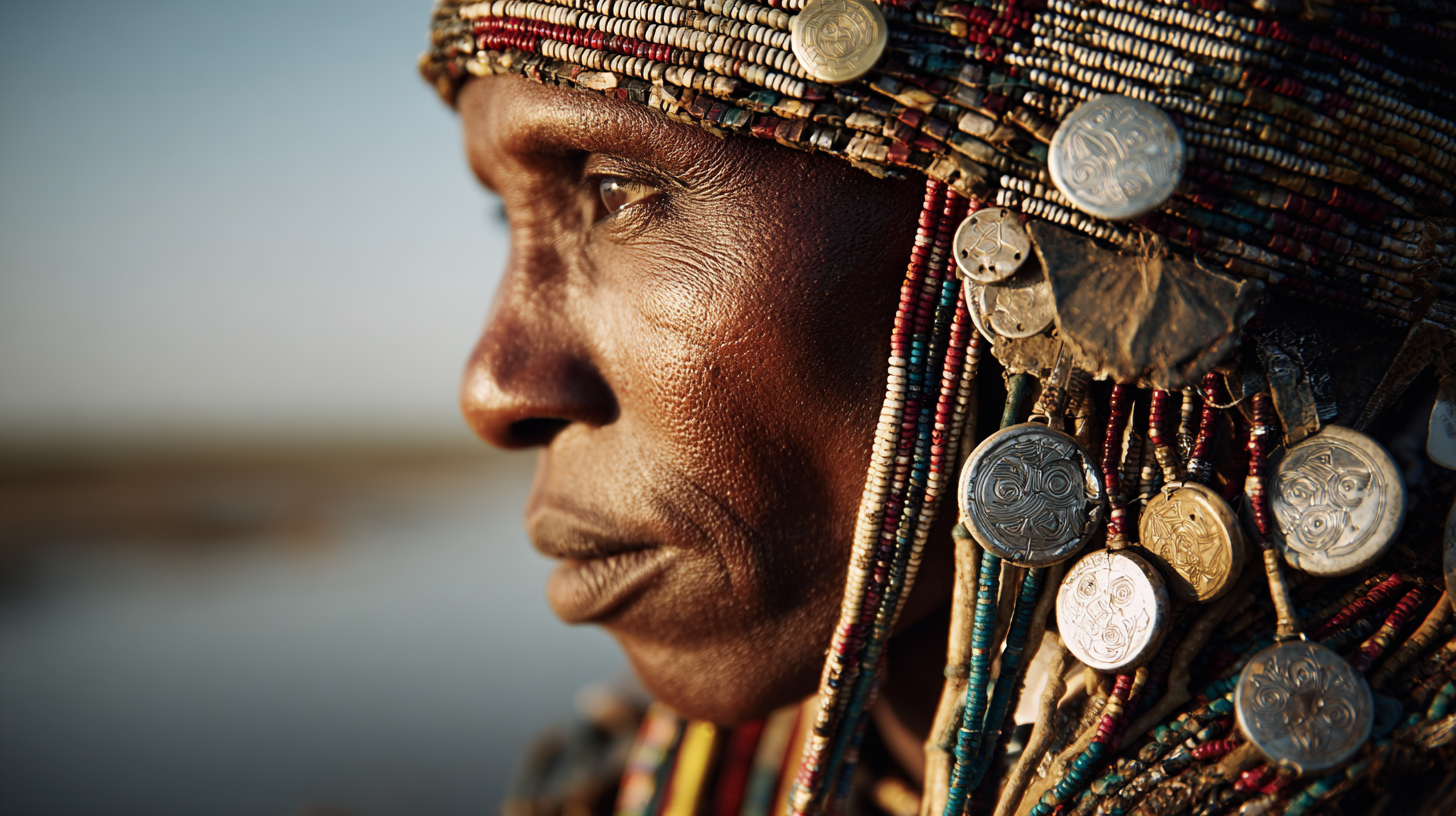
Beyond their artistic resourcefulness, the Dassanech preserve rich cultural practices through dance, storytelling, and seasonal rituals linked to livestock and river life. Community celebrations feature rhythmic movements, group chants, and traditional instruments that unite generations. Their cultural resilience showcases how creativity and heritage can flourish even in harsh environments. Visiting the Dassanech provides a vivid look at a community where tradition and innovation blend seamlessly.
The Konso People: Master Builders of Cultural Landscapes
Outside the Omo Valley, the Konso tribe offers another powerful expression of Ethiopia’s cultural diversity. Known for their terraced farms — recognized as a UNESCO World Heritage Site — the Konso have transformed rugged landscapes into sustainable agricultural systems. Their stonework, engineering techniques, and community planning demonstrate remarkable ingenuity developed over centuries. These terraces support livelihoods while symbolizing the tribe’s commitment to collective labor and environmental stewardship.
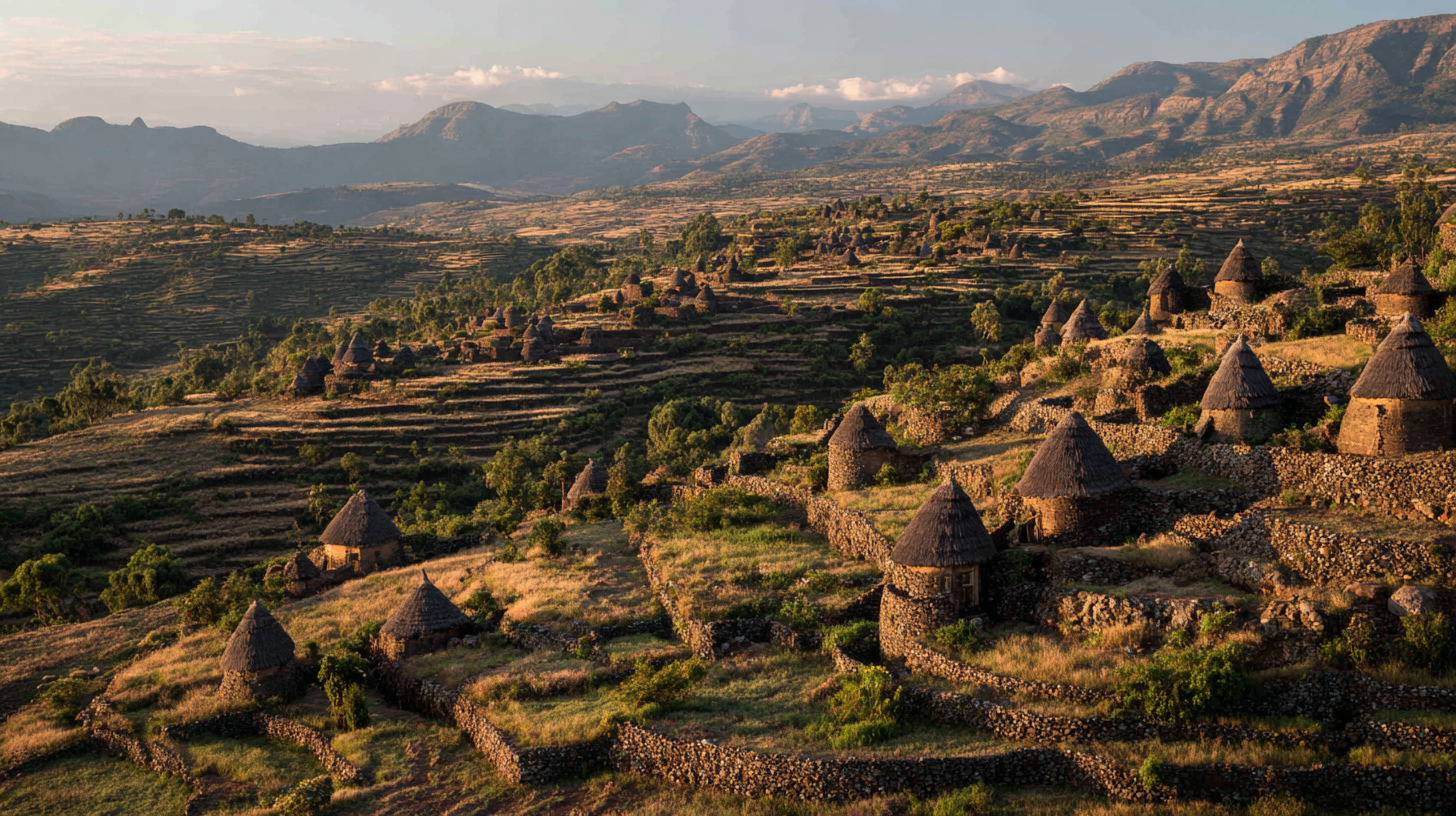
Konso villages also feature waka statues — carved wooden memorials honoring warriors, elders, and respected community members. These sculptures reflect ancestral beliefs, aesthetic traditions, and a deep reverence for lineage. Through architecture, agriculture, and artistry, the Konso have built a cultural identity rooted in balance between people and land. Their heritage highlights Ethiopia’s broader cultural richness beyond the Omo Valley.
Festivals and Celebrations: The Rhythm of Ethiopian Culture
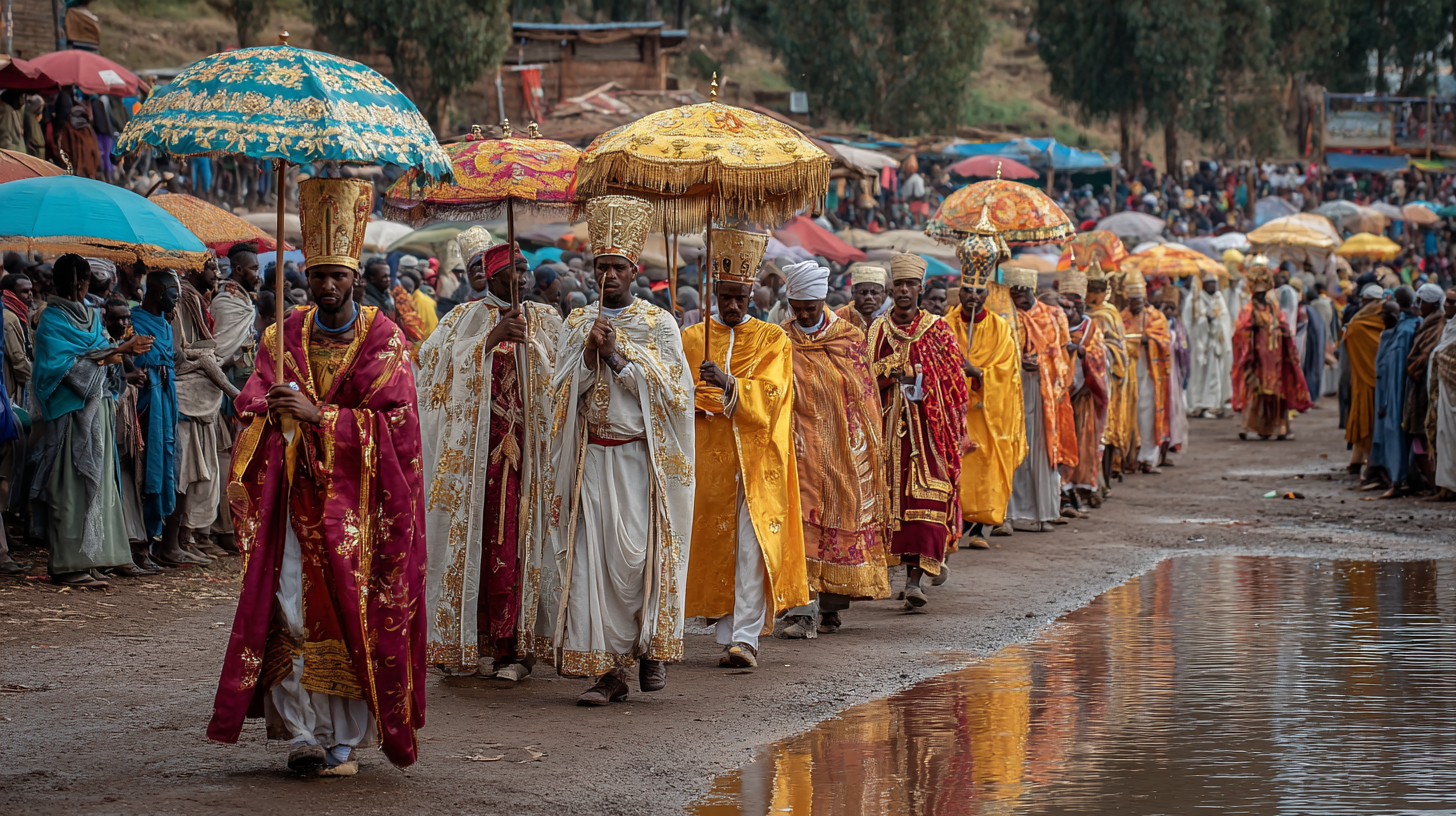
Ethiopia’s cultural heritage extends far beyond tribal customs into national festivals celebrated across the country. Timkat, the Ethiopian Orthodox Epiphany, is one of the most spectacular religious festivals in Africa. Priests dressed in vibrant robes carry replicas of the Ark of the Covenant through the streets, accompanied by processions of chanting, dancing, and drumbeats. Devotees gather around bodies of water for ritual blessings, creating a spiritual atmosphere of joy and communal renewal. Timkat embodies the deep spiritual devotion woven into Ethiopian identity.
Equally significant is Meskel, commemorating the discovery of the True Cross. Celebrated with massive bonfires called demeras, the festival fills city squares with firelight, incense, music, and traditional attire. These gatherings unite people of all ages, honoring ancient rituals that continue to shape modern Ethiopian culture. Festivals like Timkat and Meskel illuminate the spiritual and cultural continuity that binds Ethiopia’s many communities together.
Cultural Preservation and the Challenges of Modernity
The diverse cultures of Ethiopia face increasing pressure from globalization, environmental shifts, and tourism. While exposure brings recognition and economic opportunities, it can also lead to misunderstanding and cultural dilution. Many communities are working to preserve their traditions through education, controlled tourism initiatives, and structured cultural programs. These efforts empower tribes to protect their identities while sharing their heritage on their own terms.
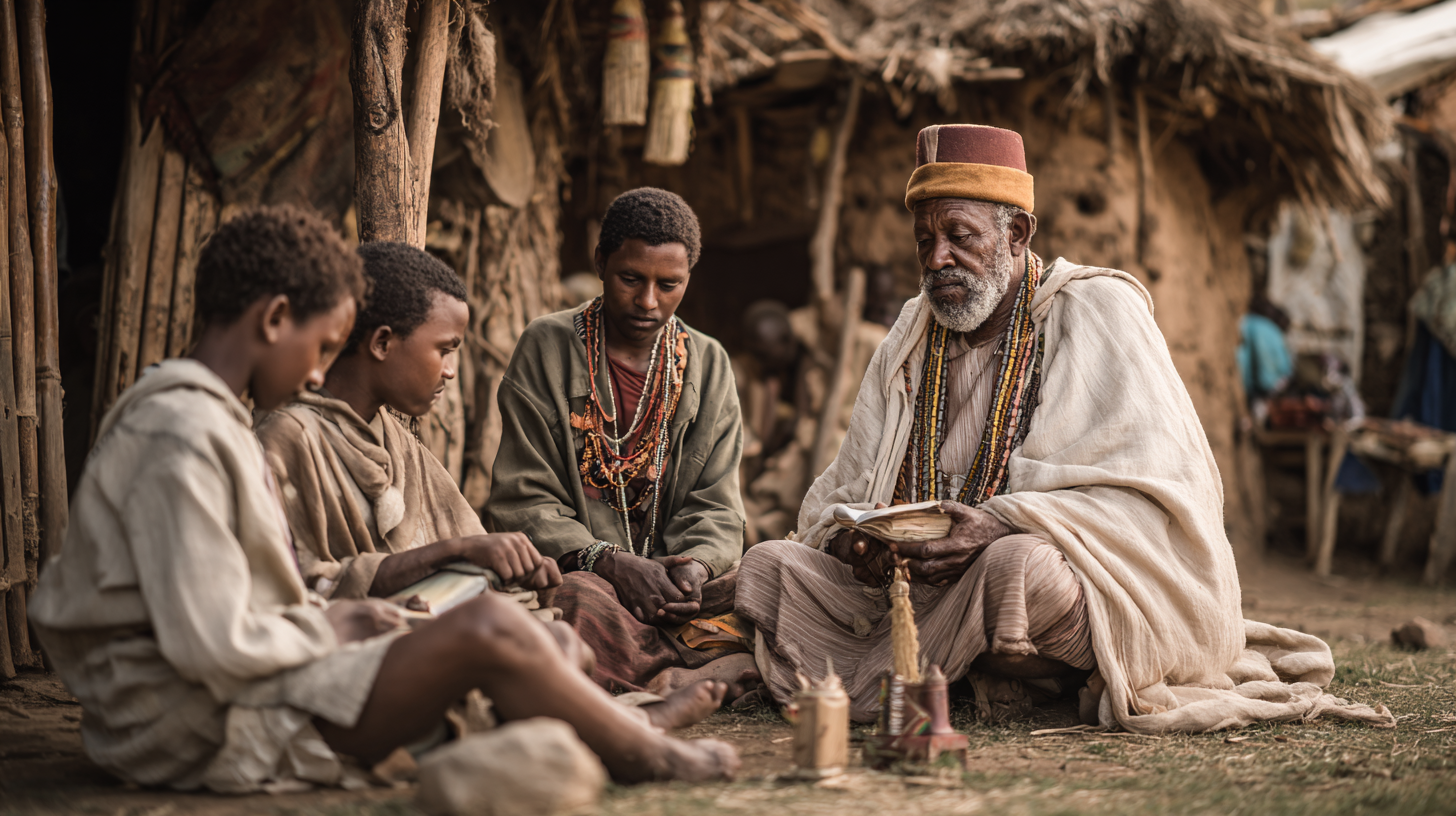
Yet the adaptability of Ethiopia’s tribes is remarkable. Many communities selectively adopt modern tools or practices while maintaining core rituals and belief systems. Their resilience illustrates a dynamic approach to cultural survival — not rejecting change, but navigating it carefully. This cultural balance ensures that Ethiopia’s heritage will continue to thrive for future generations.
Conclusion
Ethiopia’s cultural mosaic reflects some of the oldest and most expressive traditions in the world. From the vibrant rituals of the Omo Valley tribes to the grand spiritual festivals celebrated nationwide, Ethiopia offers a rare and immersive encounter with living heritage. These cultures thrive because they are deeply rooted in community, creativity, and resilience. For travelers, exploring Ethiopia means witnessing humanity’s ancient story told through rhythm, color, ceremony, and connection. It is a journey that leaves a lasting impression — not just of a country, but of people who carry their history with pride and grace.
Learn more from UNESCO’s official resources on Ethiopia’s tribal cultural landscapes.