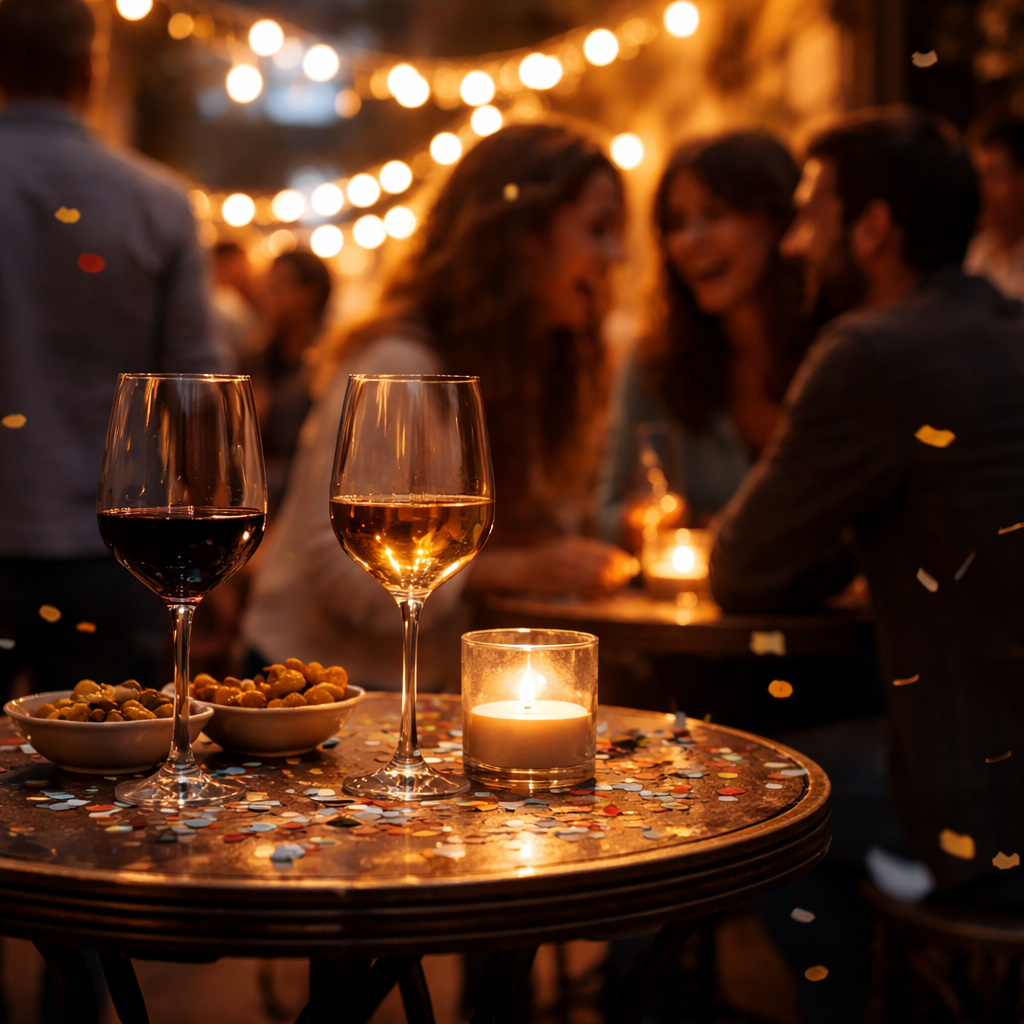
France doesn’t just “have” festivals—it lives by them. In many places, the year isn’t divided by months so much as by moments: a music night that spills into the streets, a national holiday that turns cities into open-air theaters, a cycling race that makes tiny villages feel like the center of the world for one afternoon. If you want to understand France beyond museums and postcards, follow the calendar. The country’s most memorable energy often shows up when locals stop being spectators and become participants.
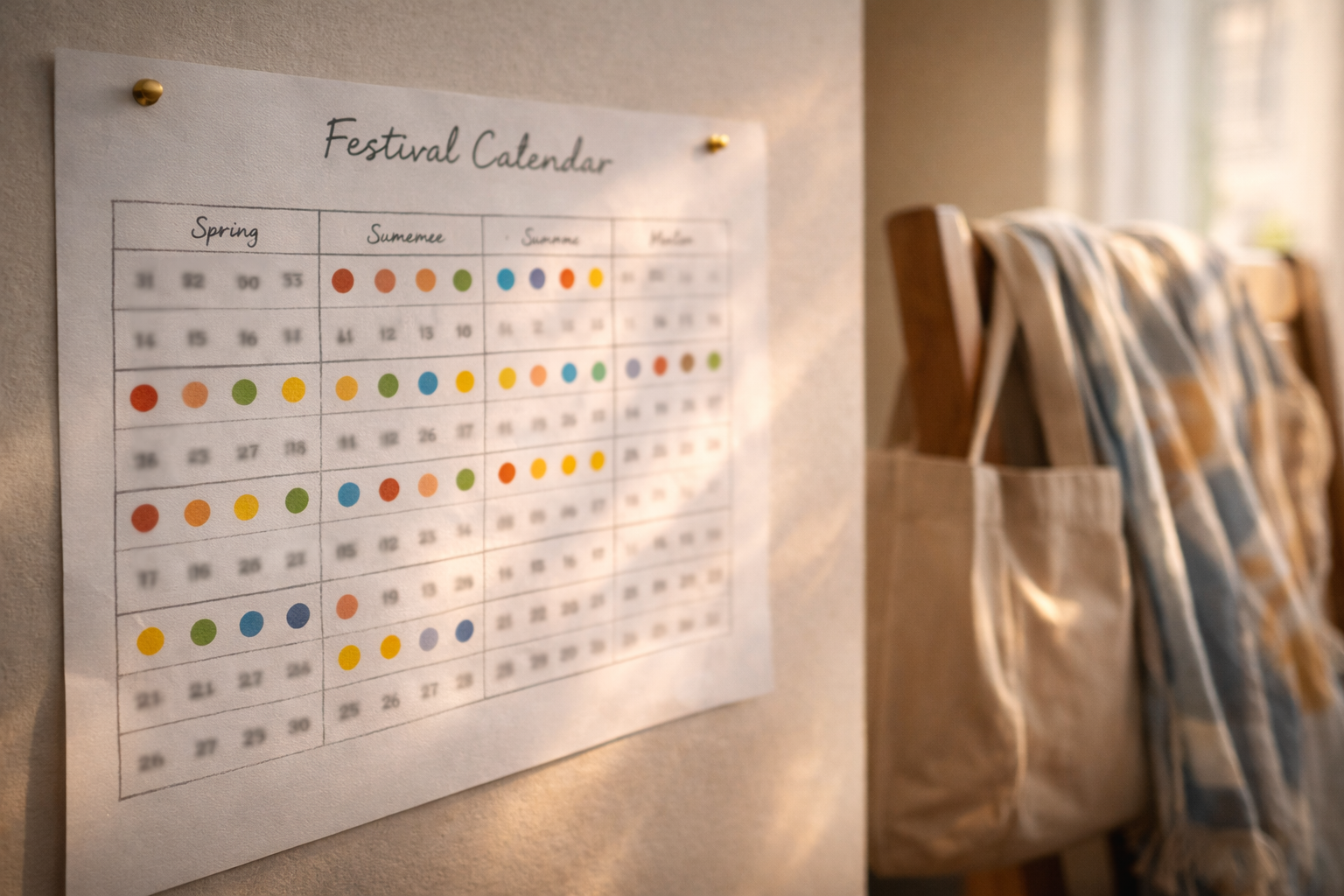
The challenge is that festival travel can be confusing from the outside. Some events are globally famous but hard to access up close, while others are smaller, easier, and far more emotionally satisfying. Dates shift from year to year, ticket rules vary, and “where to stand” can matter more than what you paid. The point of this guide is to make festivals in France easy to plan—without overpromising, and without turning your trip into a stressful chase.
Below you’ll find a smart way to choose events by season, how to plan your itinerary around crowds and prices, and which festivals work best for first-timers. Think of it as a flexible framework: you can use it to build a trip around one major highlight, or to sprinkle smaller celebrations into a classic France route. Either way, the trip will feel more alive.
How to Plan a Festival Trip in France Without Burning Out
Start with the kind of festival experience you actually want. Some travelers want a “big spectacle” with iconic imagery and national buzz, while others want local intimacy—food, dancing, regional traditions, and the feeling of being welcomed into a community. France offers both, but they require different planning. The biggest events often reward strategy and early booking, while local fêtes reward curiosity and a willingness to wander.
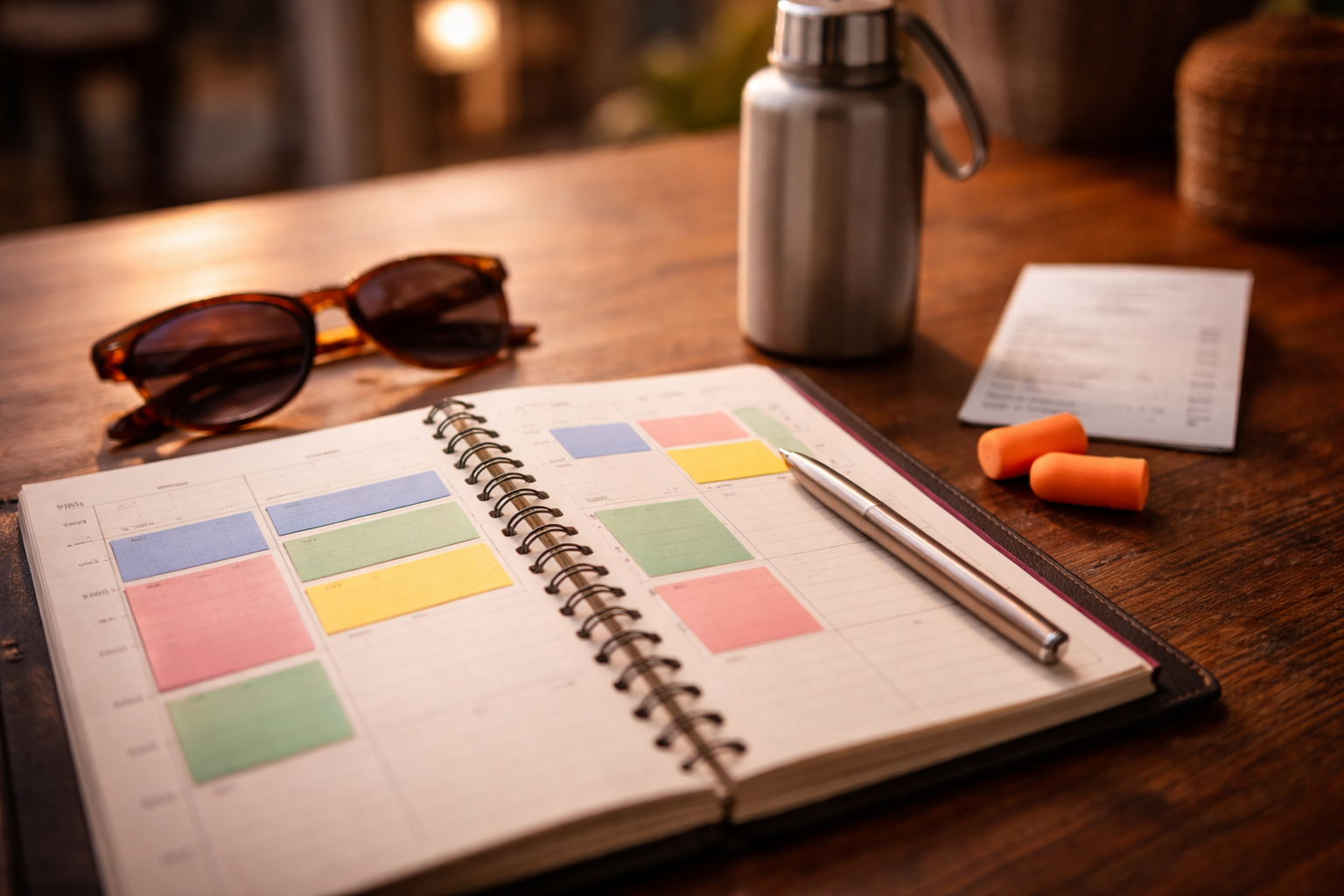
Next, treat festivals as anchors, not fillers. If you build your itinerary first and try to squeeze a major festival into the gaps, you’ll end up tired and disappointed. A better method is to pick one or two anchor dates and plan the rest of the trip around them with breathing room. This is especially true in peak summer when transport and accommodation tighten quickly.
Finally, accept that the best festival experiences are rarely “perfect.” Streets get crowded, weather shifts, and schedules change. What matters is your rhythm: arrive earlier than you think, plan one good viewing spot, and leave space for slow meals and recovery. If you do that, festivals in France feel like a celebration—not like a logistical problem.
If you want a modern “night culture” angle to pair with festival dates, this contemporary France travel guide helps you plan evenings without overpacking your itinerary.
The France Events Calendar: What Happens When
France has a strong seasonal pattern that helps you plan even if you don’t have exact dates yet. Late spring and summer are the heaviest festival seasons, with major public celebrations and touring events that bring national attention. Winter and early spring are quieter, but they often offer the most charming local festivals—less crowded, more personal, and sometimes surprisingly theatrical. This is why building your trip around the France events calendar can be one of the smartest ways to avoid “samey” sightseeing days.
Some events have fixed dates, which makes planning easier. Bastille Day is always on July 14, and Fête de la Musique is always on June 21, regardless of the weekday. These two alone can shape an entire itinerary because they’re nationwide, not limited to one city.
Other events shift slightly year to year, but follow consistent timing. The Cannes Film Festival is held annually and is usually in May, with official editions announced in advance. Tour de France dates also change each year, but the race is typically staged in summer and can be experienced for free from the roadside if you plan your route smartly. With that rhythm in mind, you can plan your trip by season first, then refine later.
Cannes Film Festival: Glamour, Reality, and How Regular Travelers Enjoy It
The Cannes Film Festival is the most famous festival in France for a reason—global media, fashion, premieres, and that intense feeling that the world is watching one small coastline city at once. It’s held annually in Cannes, typically in May, and the official festival dates are published in advance. The reality check: many of the most high-profile screenings are invitation-based, which means you can’t plan it like a normal “buy a ticket and go” event. But that doesn’t mean Cannes is pointless for regular travelers.
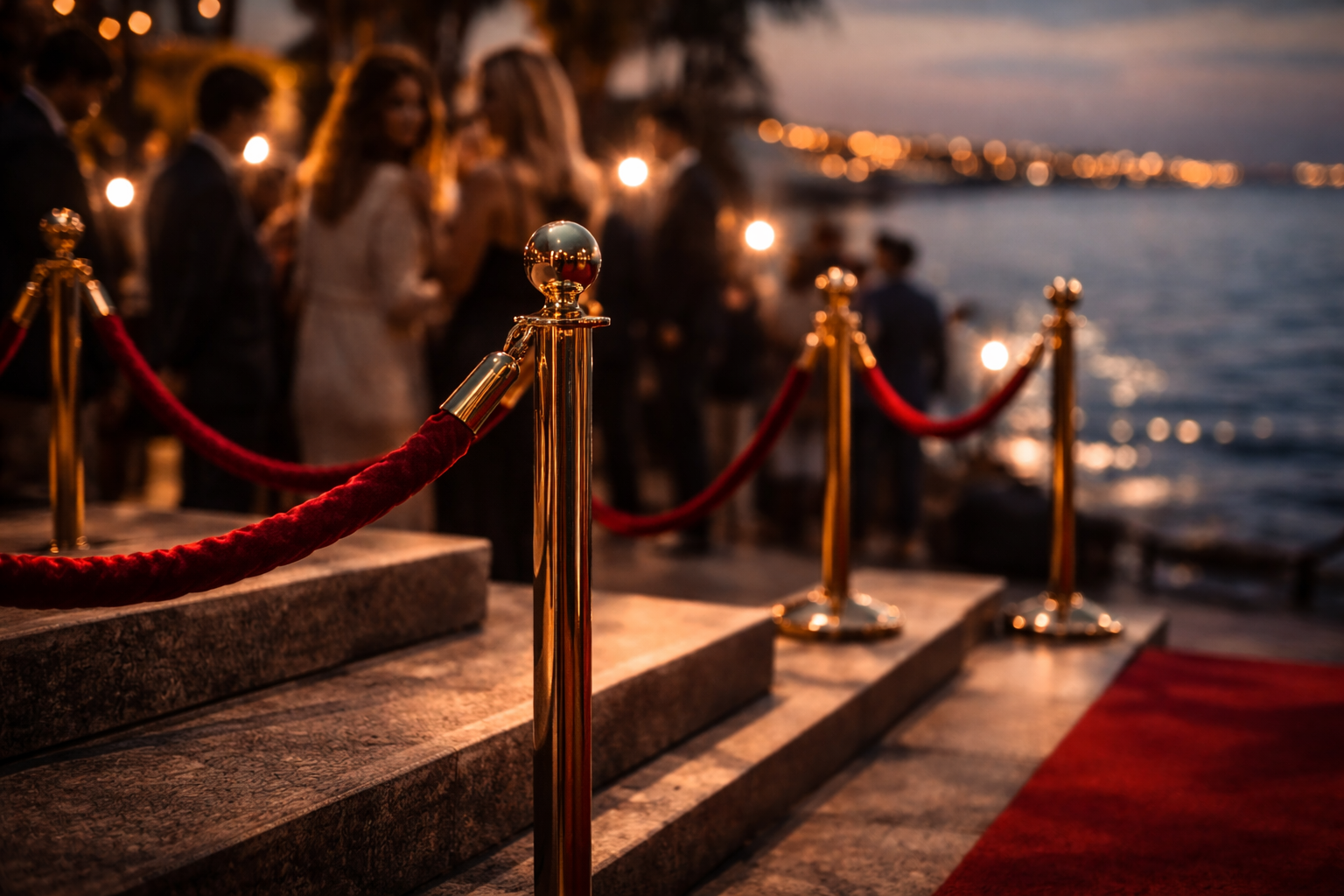
The smart way to enjoy Cannes is to treat it as an atmosphere trip. The city becomes a stage: crowds gather near the Palais des Festivals, yachts and photographers turn the waterfront into theater, and even people-watching feels like an activity. If you plan your day around the promenade, short beach breaks, and a calm dinner away from the loudest zones, the experience feels fun rather than frustrating. Cannes works best when you accept you’re not “inside” the exclusive bubble—but you’re close enough to feel the electricity.

If you’re building a festival-based itinerary, Cannes also pairs well with a broader Riviera route. You can combine the festival vibe with nearby coastal towns, beaches, and day trips that dilute cost and crowd intensity. This turns Cannes from a one-note glamour stop into a richer chapter of your trip. And as a travel blog topic, it’s highly clickable because people are curious—even when they’re not attending the red-carpet screenings.
[GetYourGuide Tip]: If you want a Cannes “film festival” feel without chasing invites, look at Palais des Festivals tours & experiences and build the day around La Croisette + a calm dinner away from the loudest zones.
Bastille Day: The Most Iconic National Celebration
Bastille Day on July 14 is the country’s emotional core celebration: history, identity, public pride, and a huge sense of collective presence. In Paris, the day is famous for large-scale events and city-wide buzz, and it’s the kind of moment that makes visitors feel they’re witnessing France “as itself,” not just France as a destination. Because it happens on a fixed date, Bastille Day in Paris is one of the easiest major events to build a trip around.
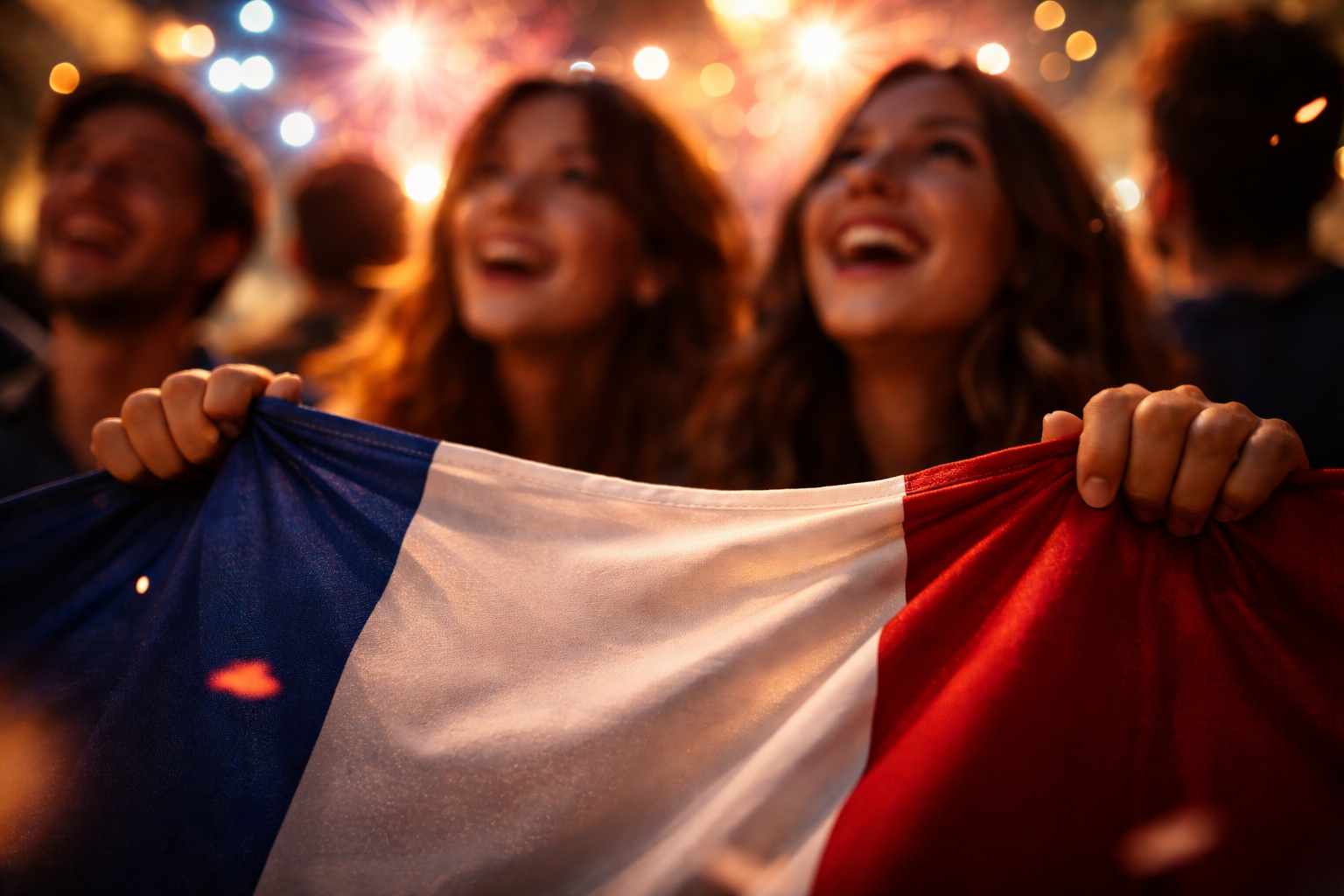
The best planning advice is simple: choose one main viewing goal and build the day around it. Crowds are heavy, so trying to see everything becomes exhausting fast. Plan your morning softly, arrive early to your main spot, and keep your evening plan flexible. If you can’t get the “perfect” vantage point, don’t treat it like failure—Bastille Day works because the whole city is participating, so the atmosphere is everywhere.
Outside Paris, Bastille Day can actually feel more comfortable. Smaller cities and towns still celebrate with fireworks and local events, but with less chaos and more room to breathe. If your audience includes families or travelers who dislike massive crowds, this is a great angle for your blog: the same national holiday can be experienced in very different ways depending on where you base yourself. That contrast is useful content and avoids repeating the same “Paris-only” narrative.
Tour de France: How to Watch It Like a Pro Without Paying for a Stadium Seat
The Tour de France is one of those events that turns geography into drama. It’s not just a sports race—it’s a traveling festival that moves through cities, villages, mountains, and countryside roads, pulling crowds into the same shared excitement. The reason it works so well for visitors is that you don’t need a ticket to feel it. You can experience the race roadside and still get a full adrenaline rush when the peloton flies past.
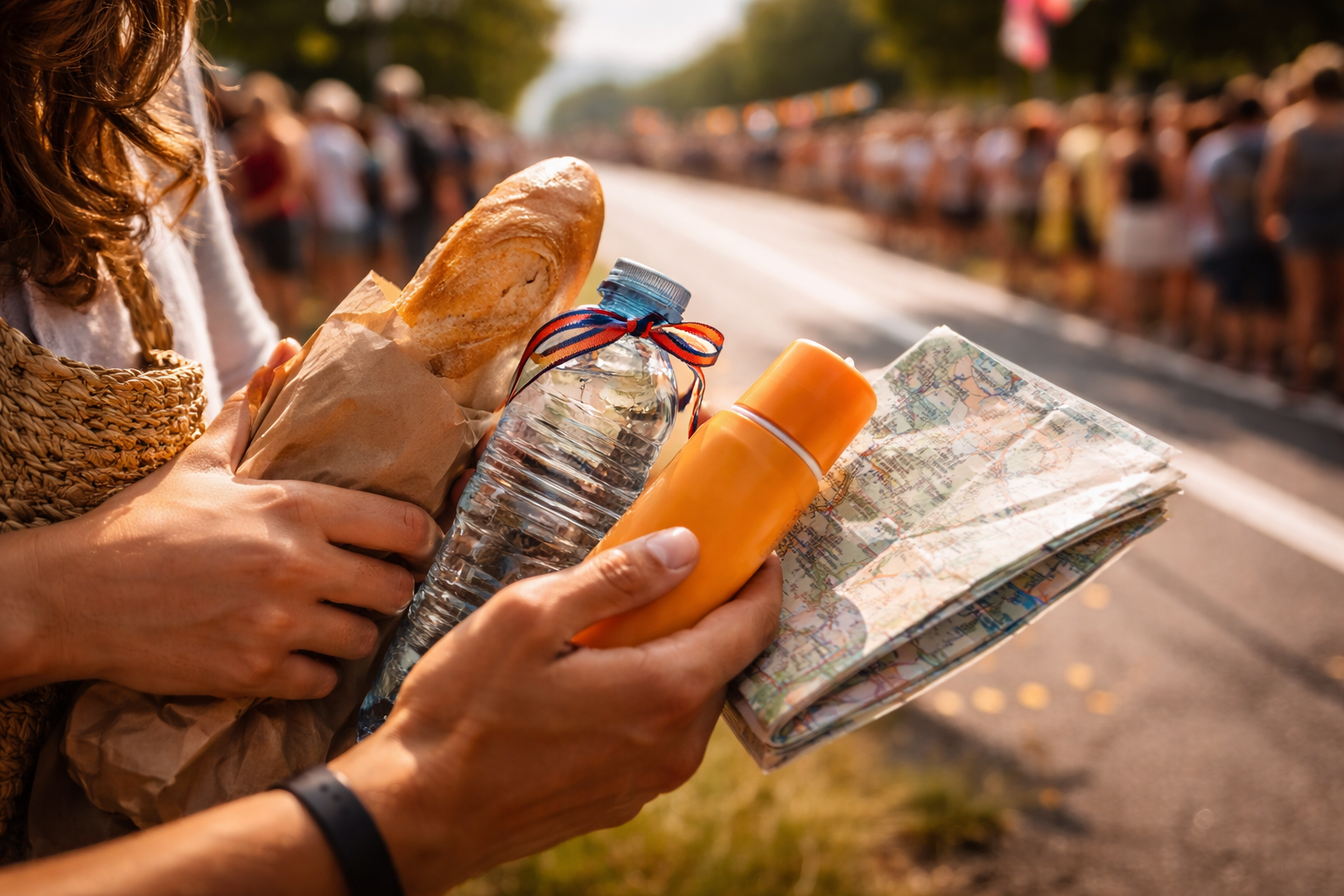
The trick is planning the day like a small expedition. Choose a location with good access, arrive early, bring water and snacks, and treat the waiting time as part of the experience. People picnic, chat, wave flags, and the mood builds slowly until the moment hits. That “build” is what makes the Tour special—it’s communal anticipation, not just the seconds of action.
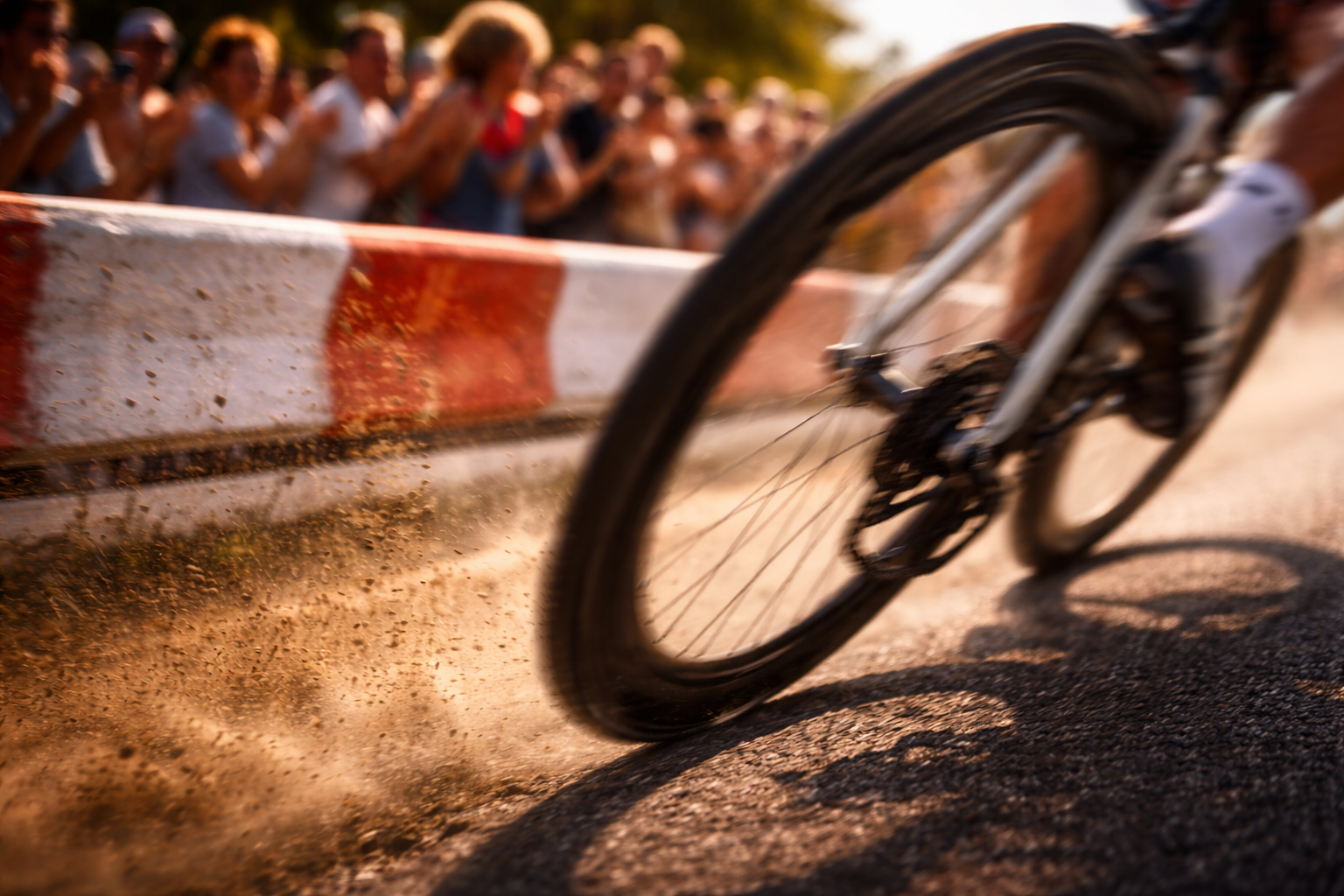
If you want the Tour to add travel value beyond the race moment, pick a location that’s already worth visiting. A scenic village, a mountain viewpoint, or a region you wanted to explore anyway turns the event into a full day rather than a single burst. This is the kind of planning advice that performs well for ad-monetized blogs, because it’s practical, vivid, and keeps readers engaged.
Fête de la Musique: The Best Free Festival Night in France
Fête de la Musique happens every year on June 21, and it’s one of the easiest ways to experience France’s festival spirit without spending money. Streets, squares, parks, and neighborhoods fill with performances, and the country feels like one shared stage. For travelers, this is gold: it’s accessible, photogenic, and emotionally fun even if you don’t know the local scene. It’s also a perfect “unexpected highlight” because you can stumble into great moments just by walking.
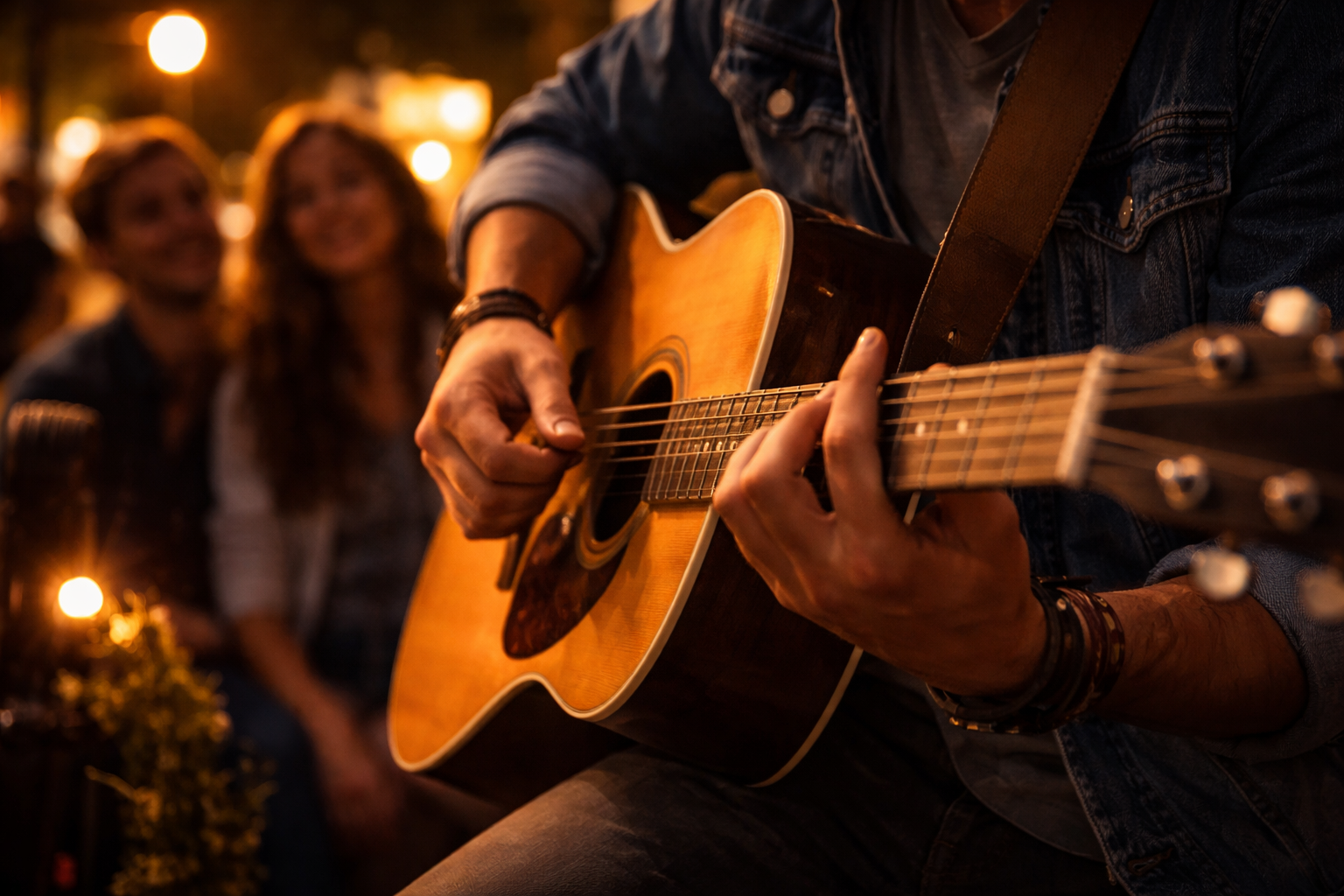
The best approach is to choose one district and stay with it. If you bounce across the city trying to chase the “best” spot, you’ll spend your night commuting through crowds. Instead, keep your radius tight: find a good street with multiple sound pockets, take breaks, and let the night unfold naturally. A lot of the magic comes from the variety—jazz in one corner, DJs in another, a choir somewhere you didn’t expect.
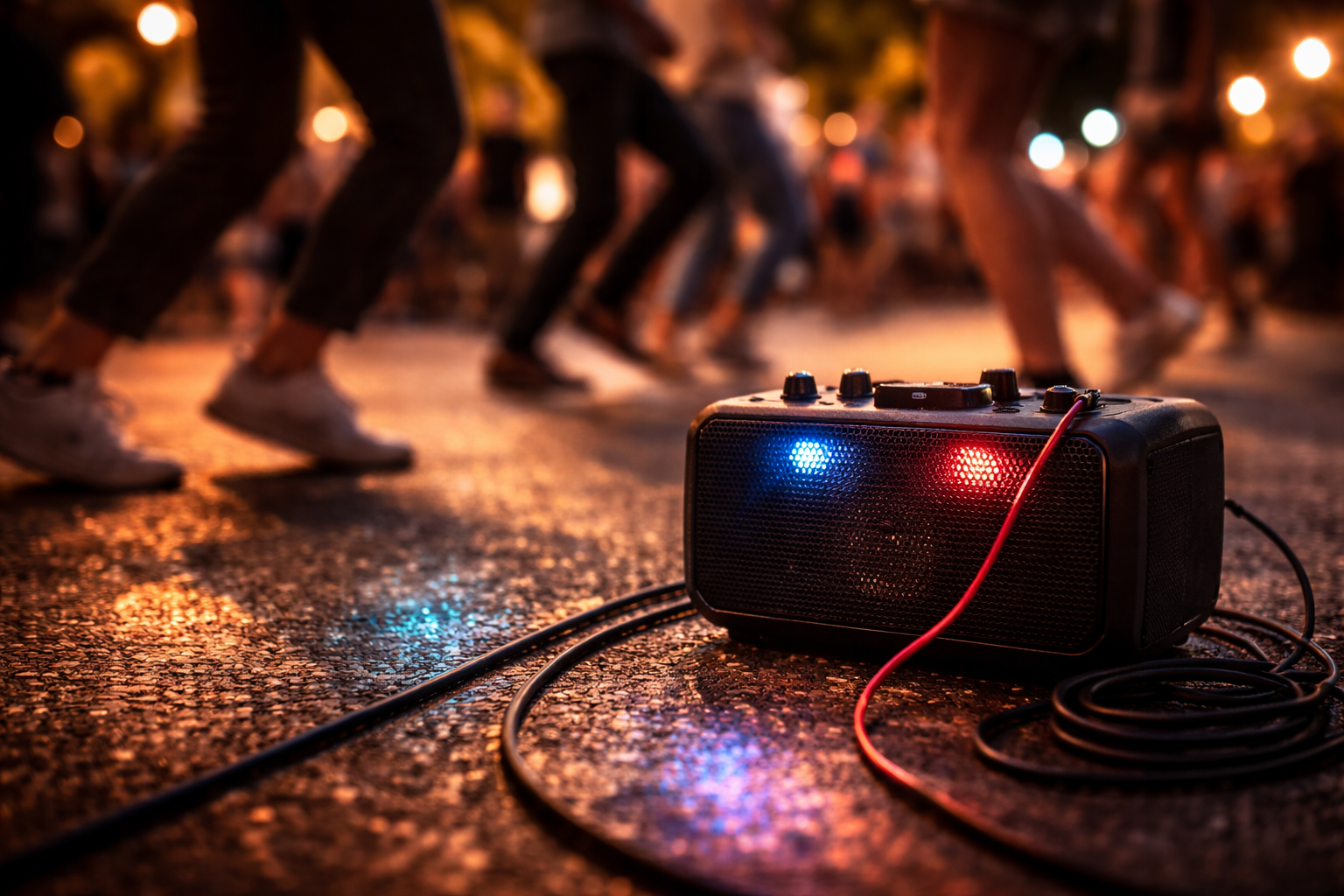
Because it’s always on the same date, you can plan a France trip around it with confidence. It also gives your blog strong evergreen value: your article stays relevant year after year, and you can refresh details later if you want. For “useful travel content,” free nationwide events often outperform niche festivals, because the barrier to participation is almost zero.
Local Festivals Worth Building a Trip Around
Local festivals are where France can feel the most personal. Two examples from your original article work well because they represent different styles: the playful spectacle of Menton’s Lemon Festival and the intense, high-energy tradition of Nîmes Feria. The Menton Lemon Festival is held around mid-February, and official dates are announced each year by the organizers. Nîmes Feria is traditionally held twice a year, around Pentecost and again in September, though exact dates vary annually.
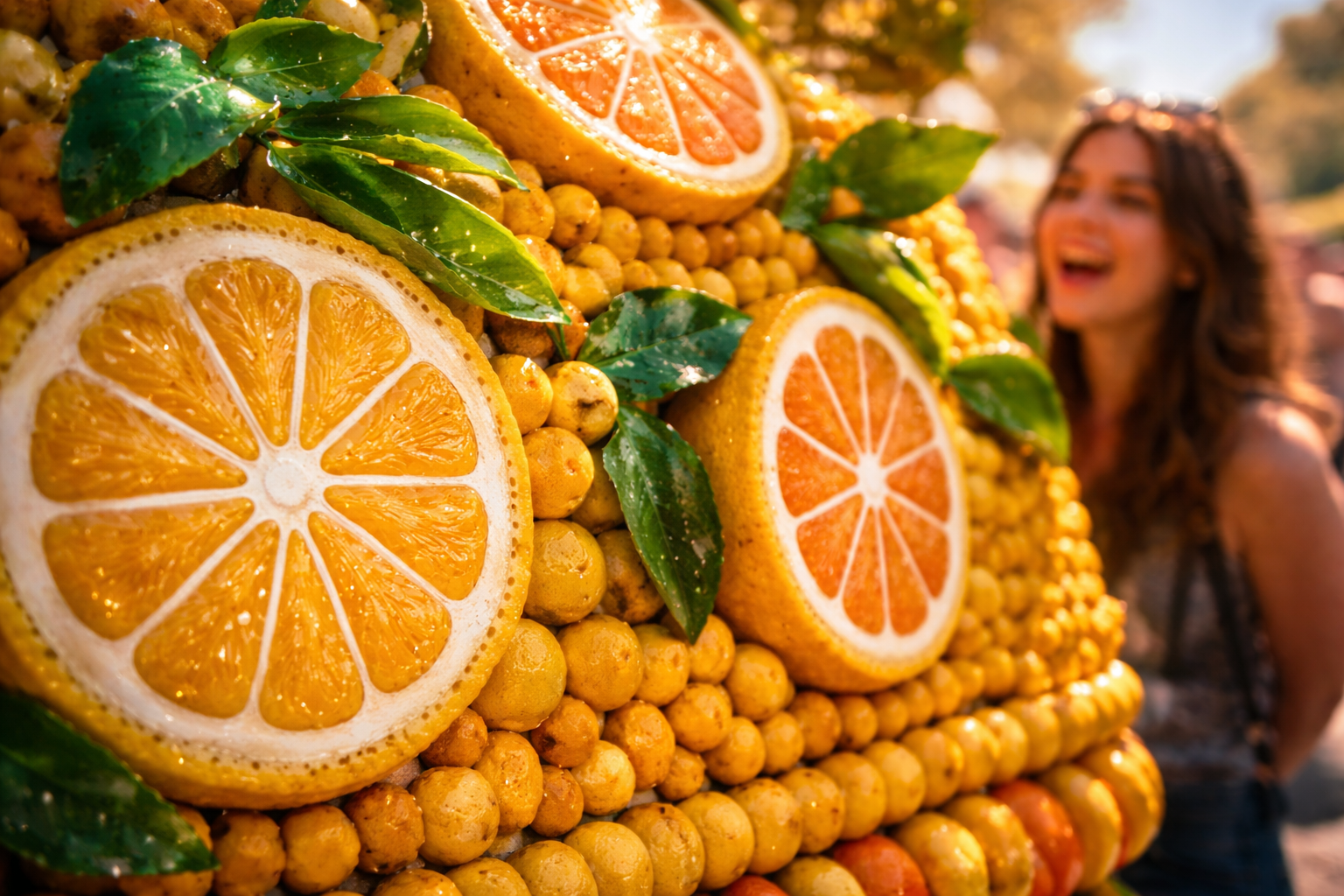
The travel value of these events is that they pull you into regions many visitors skip. Menton gives you a Côte d’Azur winter angle that feels bright and surprising, while Nîmes gives you southern France with a strong cultural identity and late-night energy. These aren’t “tourist-only” festivals—they’re community events with deep local participation. That’s why they make good blog content: they have personality.
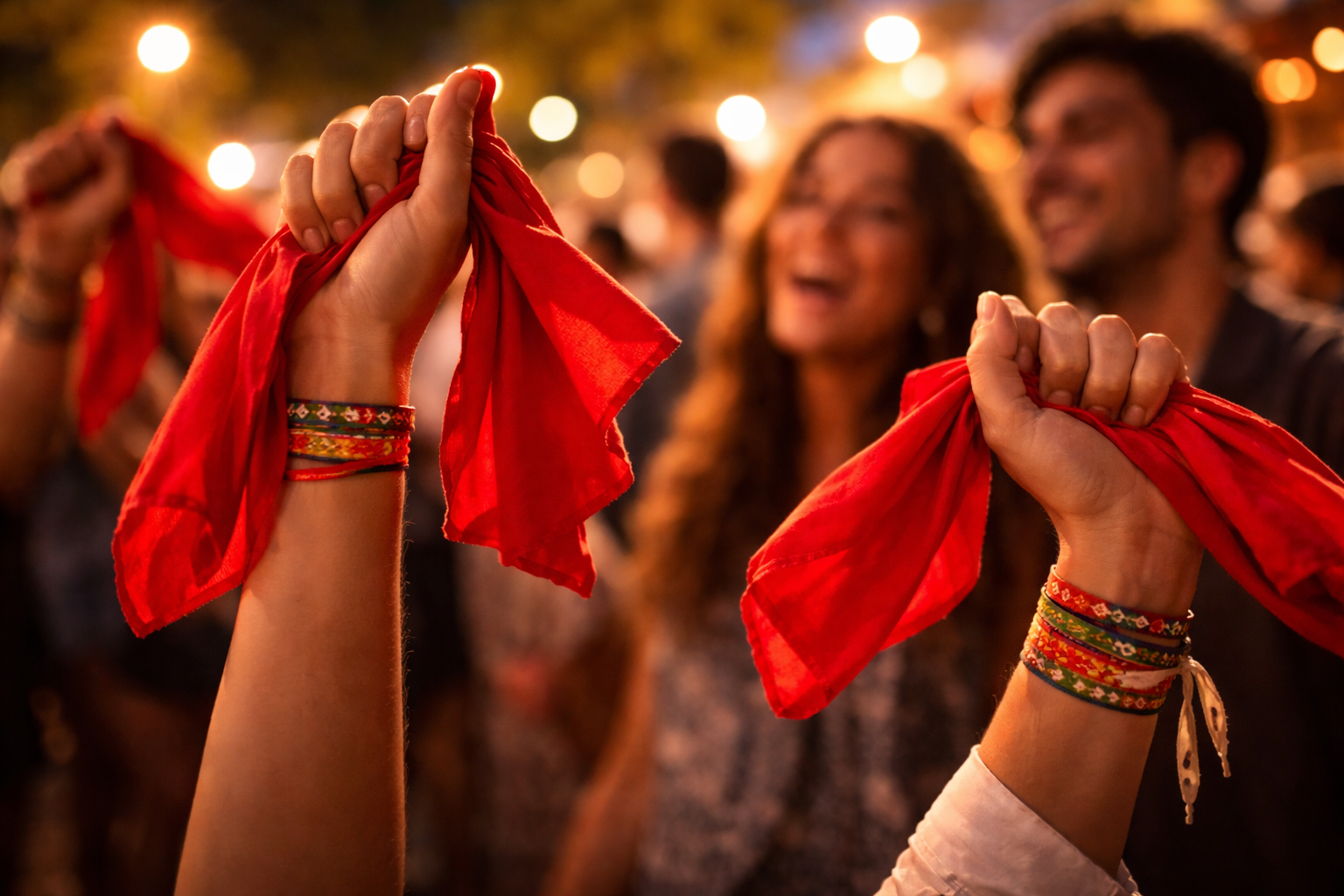
Local festivals also help you solve a major travel problem—seasonality. Many travelers only think of France in summer, but local festivals create real reasons to visit in late winter or early spring. That means cheaper stays, fewer crowds, and a fresher feeling itinerary. If your blog wants diversified traffic across the year, local events are a very smart content category.
Budget and Booking: What to Expect Without Overpromising Prices
Festival travel can be cheap or expensive depending on how you do it. Many big cultural moments—like Fête de la Musique and roadside Tour de France viewing—can be essentially free, while accommodation spikes can become the real cost driver in popular cities. Cannes is a classic example where the vibe is accessible but the pricing around peak dates can rise quickly. If you plan early or stay in nearby towns, the experience becomes much more manageable.

A good rule is to book “festival anchors” earlier than you book the rest of the trip. Accommodation is what tightens first, especially in smaller cities with limited inventory. Transport can usually be handled later, but it gets stressful if you leave it too long. If you want your itinerary to feel calm, lock in where you sleep before you lock in anything else.
Also, build at least one “soft day” after a major festival night. Late nights, crowds, and overstimulation add up, and tired travelers stop enjoying even beautiful places. A slow day with markets, parks, cafés, and no major objectives makes your festival trip feel sustainable. This is how best time to visit France for festivals becomes a personal question of rhythm, not just a calendar question.
Conclusion: The Fastest Way to Feel France Is to Celebrate With It
If you want France to feel real, don’t only visit it—join it. Festivals reveal the country’s living culture: how people gather, how they express pride, how they treat art and music as public life rather than private luxury. Whether you choose global events like Cannes and the Tour, or local traditions that most tourists miss, you’ll leave with a stronger sense of place than any checklist itinerary can give.
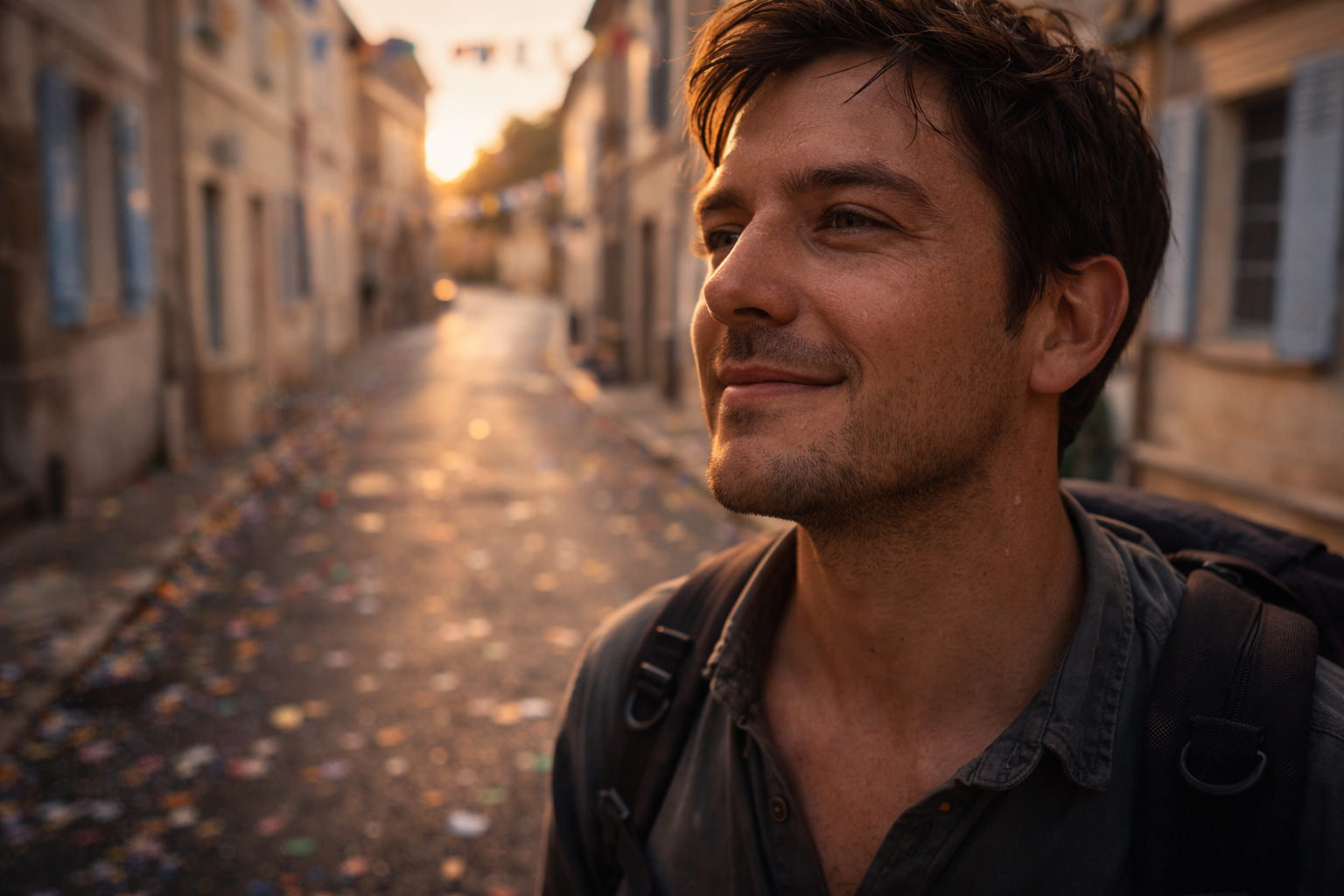
The best part is that festival travel scales to your style. You can do it on a budget, you can do it luxuriously, you can do it with family, or you can do it solo with a notebook and a long walk afterward. Use this guide as a framework, then tailor it to your season and your energy. That’s when festivals in France stop being a topic—and start becoming the heartbeat of your trip.
Wow, that is great coverage. You did a lot of research. Thanks! I just reviewed a middle grade book that was set in Paris. Maybe you’d like to take a look. https://jackiehouchin2.com/2023/07/16/book-review-city-spies-book-1-of-5/
I’ve visited Paris twice, and loved it. Sorry to see the fire at Notre Dame, but they are coming along to restore it.