
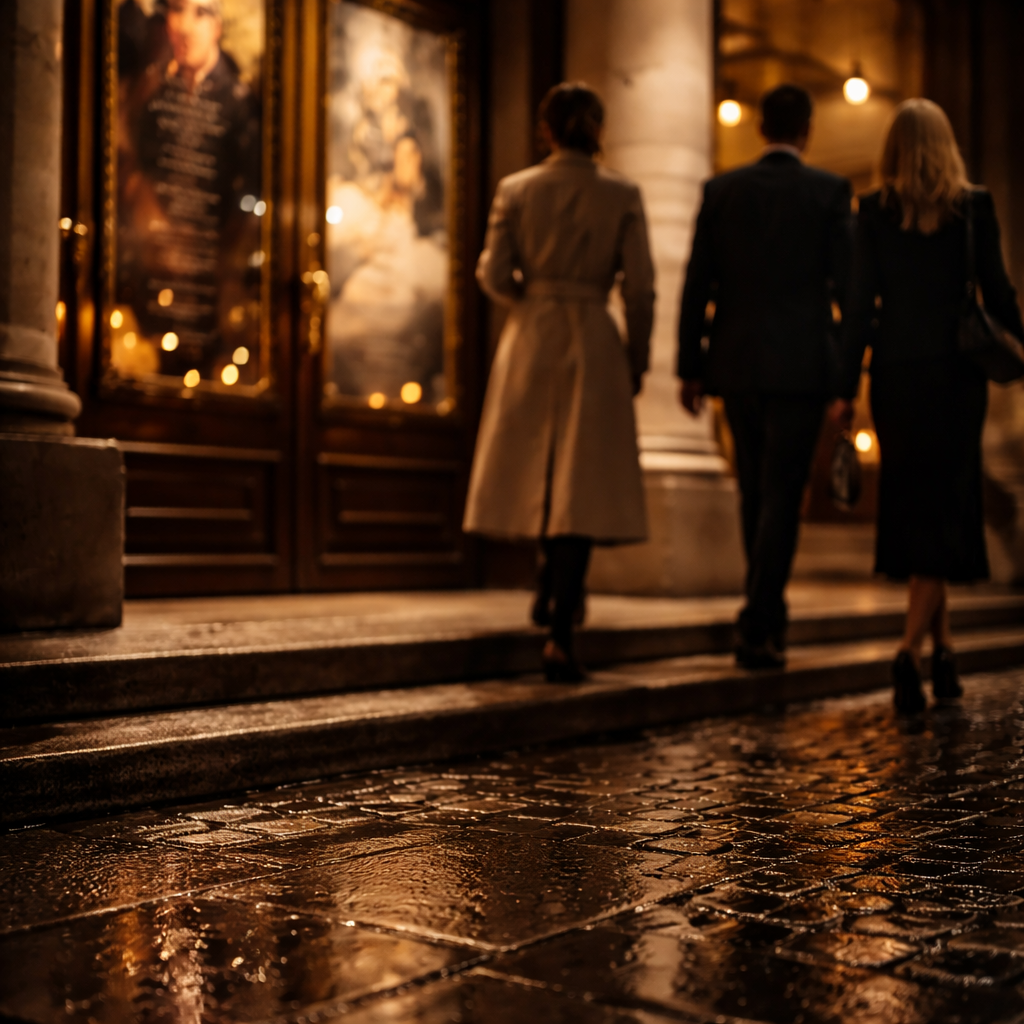
France is one of those rare destinations where culture does not feel like an optional extra added for tourists. It shapes the country’s daily rhythm, its public spaces, its cities, and even the way people move through a meal, an exhibition, or an evening performance. You see it in monumental museums and grand theatres, of course, but you also feel it in neighborhood galleries, temporary exhibitions, summer festivals, and the way conversations in cafés can sound like miniature debates about art, politics, or beauty. This is what makes France such a rewarding destination for travelers who want more than landmarks.
The problem is that many culture articles flatten the country into a list: Louvre, d’Orsay, Cannes, Avignon, done. That approach may be useful for a checklist, but it does not help someone understand how to build a trip that actually feels rich rather than rushed. A good France art and culture guide should explain not only what exists, but how to experience it in a way that matches your energy, your interests, and the season you are traveling in. France offers far too much to consume blindly.
This guide is built to help you choose intelligently. Instead of treating art and culture as abstract prestige categories, it breaks them into experiences that can shape real travel days: museum mornings, contemporary art afternoons, theatre evenings, and festivals that change the emotional temperature of an entire city. If you use it well, France will stop feeling like a country of “must-sees” and start feeling like a place you can actually enter.
Why France Feels So Culturally Dense
France feels culturally dense because art and public life have been linked here for centuries. Museums are not hidden specialist spaces; they are part of national identity. Theatre is not only an elite ritual; it is woven into civic life, school life, and festival life. Even architecture contributes to this density, because so many cities place cultural institutions at their core rather than on their edges. The result is that culture in France rarely feels isolated from the city around it.
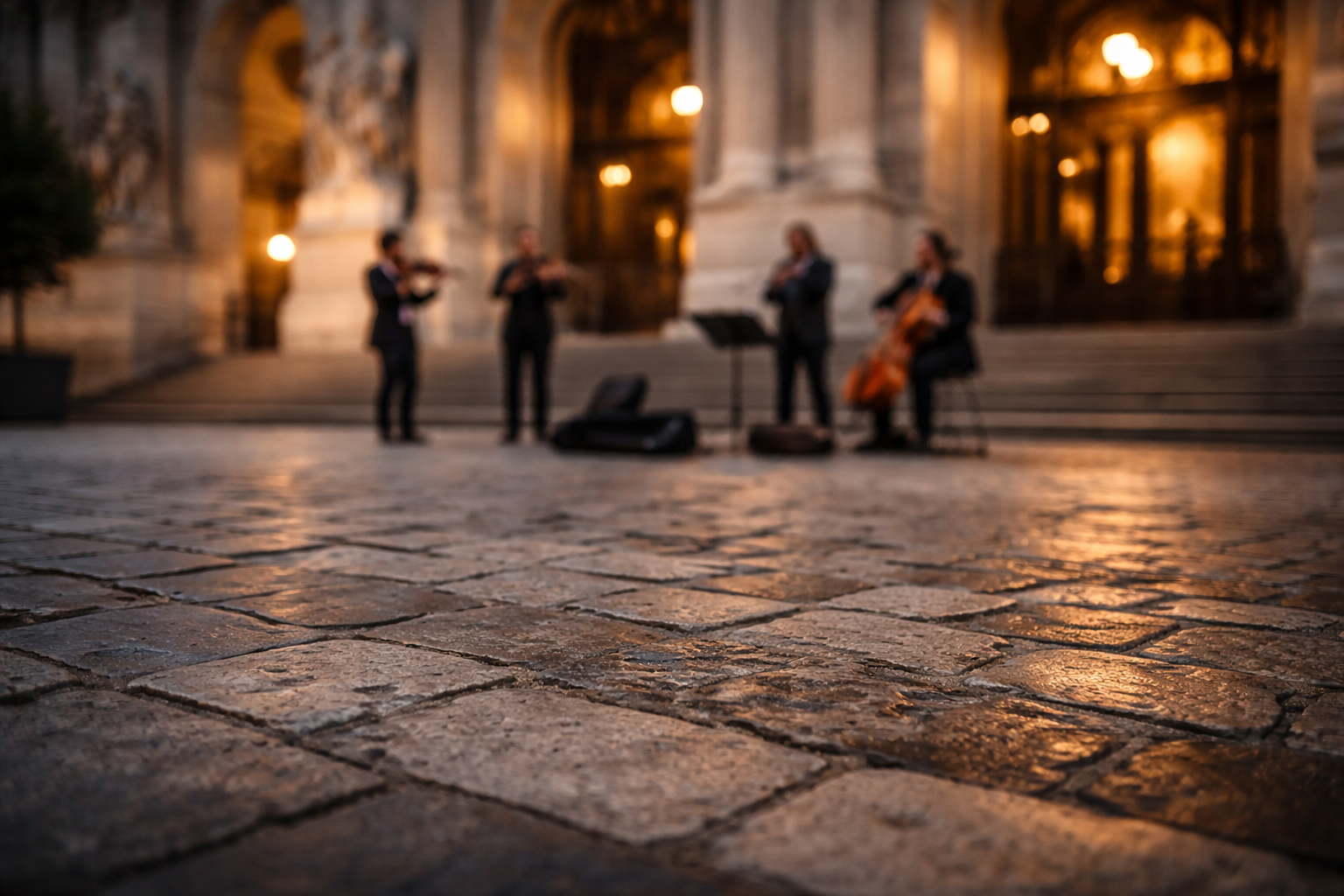
This density also comes from layering. A traveler can see medieval architecture in the morning, impressionist painting at midday, experimental contemporary work in the afternoon, and a live performance at night, all without the day feeling thematically broken. That layering makes France unusually satisfying for cultural travel, because the shift between eras becomes part of the pleasure. You are not switching topics; you are watching a country converse with itself across centuries.
For readers, this is where cultural experiences in France become more compelling than simple attraction lists. France is not only full of things to see; it is full of different ways to feel intellectually and emotionally stimulated. A successful trip depends on choosing a few of those layers and building your days around them, rather than trying to “cover French culture” in one exhausting sweep.
The Louvre and Beyond: How to Do the Big Museums Without Ruining Your Day
The Louvre matters because it is not only a museum, but a cultural symbol that represents how France positions art in global memory. Yet it is also a place that can overwhelm people in under an hour if they arrive without a plan. The building is vast, the crowd flow can be draining, and the pressure to “see everything” destroys the pleasure almost instantly. The right way to do the Louvre is to treat it as one chapter, not the whole story of French art.
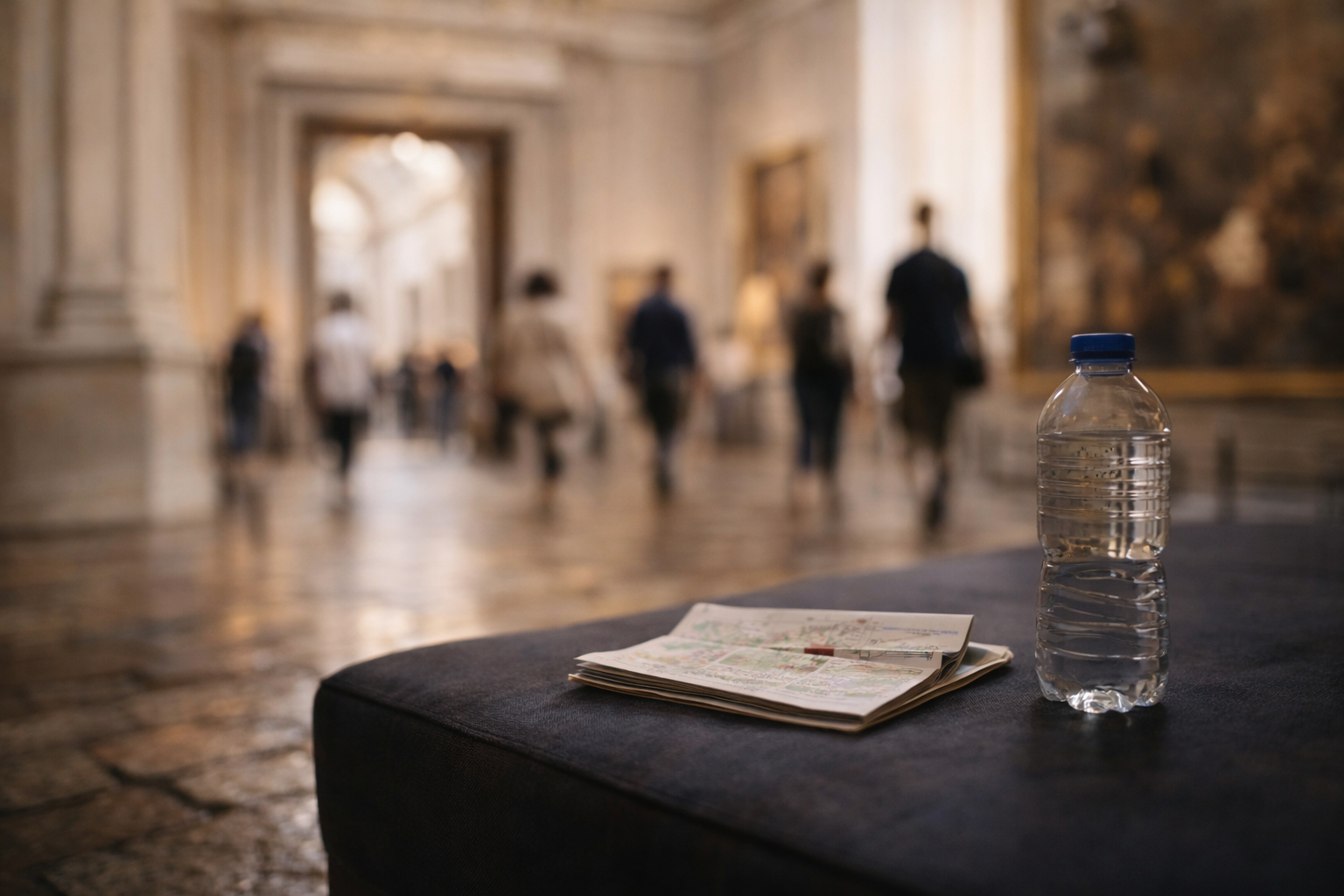
A better museum strategy is to think in pairs or contrasts. The Louvre can anchor one day, while the Musée d’Orsay or Musée de l’Orangerie gives you a more focused and emotionally coherent second experience on another day. The d’Orsay offers a softer, more readable journey for many people because impressionist and post-impressionist works often feel easier to absorb after the Louvre’s scale. L’Orangerie, with Monet’s water lilies, is one of those rare museum experiences that can actually calm you rather than flood you. This is why articles about the best museums in France should always explain pacing, not only prestige.
Outside Paris, museums remain central to the cultural story. Regional institutions often feel less crowded, more intimate, and more connected to local identity. That makes them excellent for travelers who want art without the fatigue of major capital-city crowds. France rewards people who spread their museum energy across the trip instead of stacking three major institutions into one day and calling it culture.
For major exhibitions, museum openings, and cultural planning ideas across the country, the official Explore France culture guide is a useful starting point.
Paris Art Museums: The Right Way to Build a Museum Day
Paris is still the most obvious cultural base, and Paris art museums can easily justify several days of travel on their own. But the best museum days in Paris are not marathon days. They are edited days, where one major institution is paired with one lighter cultural element—perhaps a good lunch, a bookshop, a gallery street, or a river walk that lets your brain process what it just absorbed. This is what keeps the city from feeling like a giant indoor syllabus.
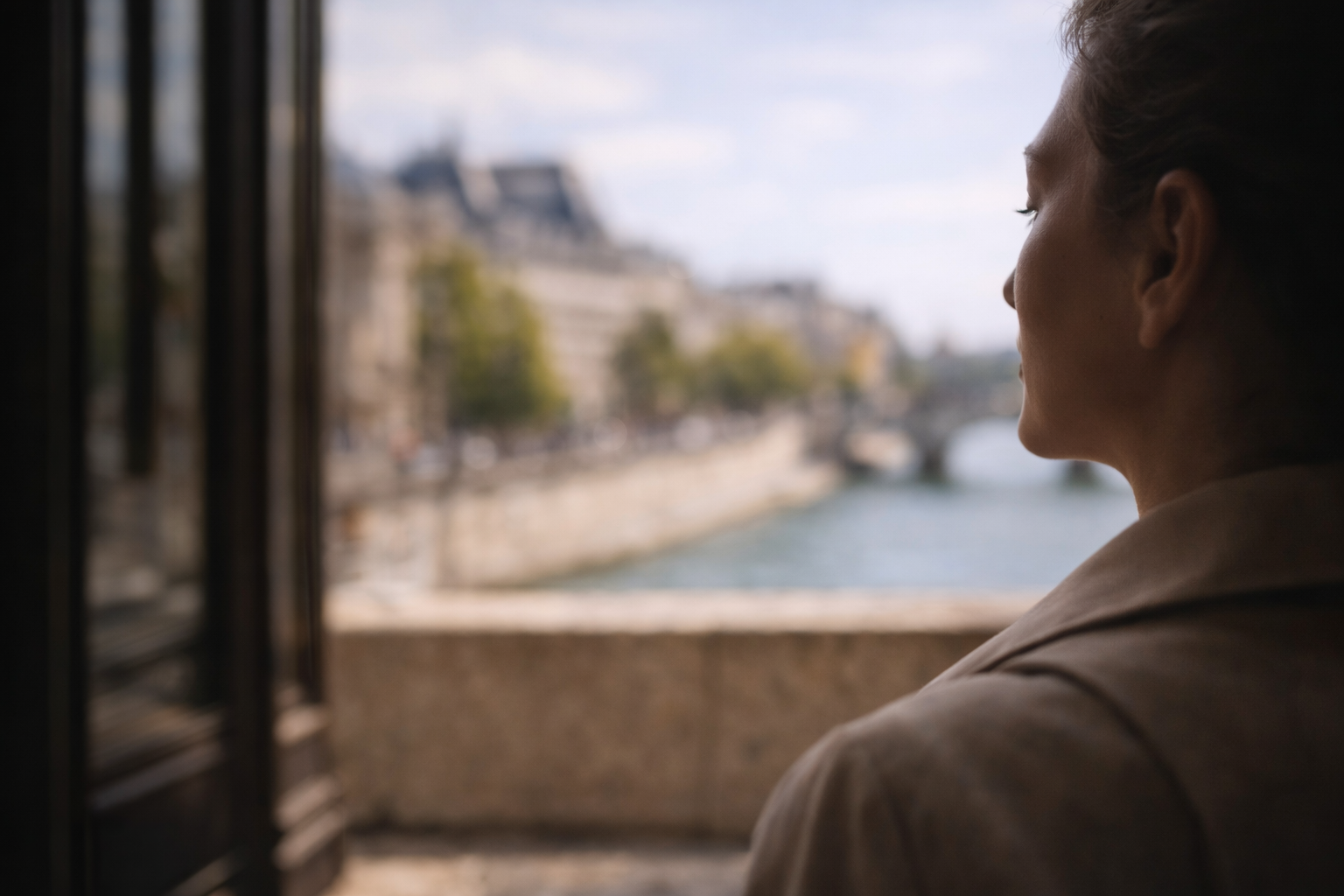
The other key is choosing museums by emotional temperature, not only fame. The Louvre is monumental and historically heavy, the d’Orsay is painterly and atmospheric, the Pompidou is modern and conceptually restless, and smaller houses or specialty museums can feel intimate and precise. Once you understand that difference, you stop planning “museum days” and start planning moods. That small shift makes the trip much more human.
Paris also allows museum culture to spill naturally into the rest of the city. After seeing great painting, architecture starts looking different. After a contemporary exhibition, concept stores, fashion streets, and even café interiors begin to feel connected to the same creative ecosystem. This is what makes Paris such a strong anchor in a France art and culture guide: it is not only packed with institutions, it is a city that teaches you how to keep noticing culture after you leave them.
Contemporary France: Galleries, Experimental Spaces, and the Living Art Scene
If historic collections tell you what France has preserved, contemporary galleries and art centers show you what France is still testing. These spaces matter because they reveal the country’s present creative language: what it is curious about, what it questions, and what it considers worth showing now rather than consecrating forever. Contemporary art in France is not an afterthought attached to a great classical tradition. It is a living continuation of the same cultural confidence.
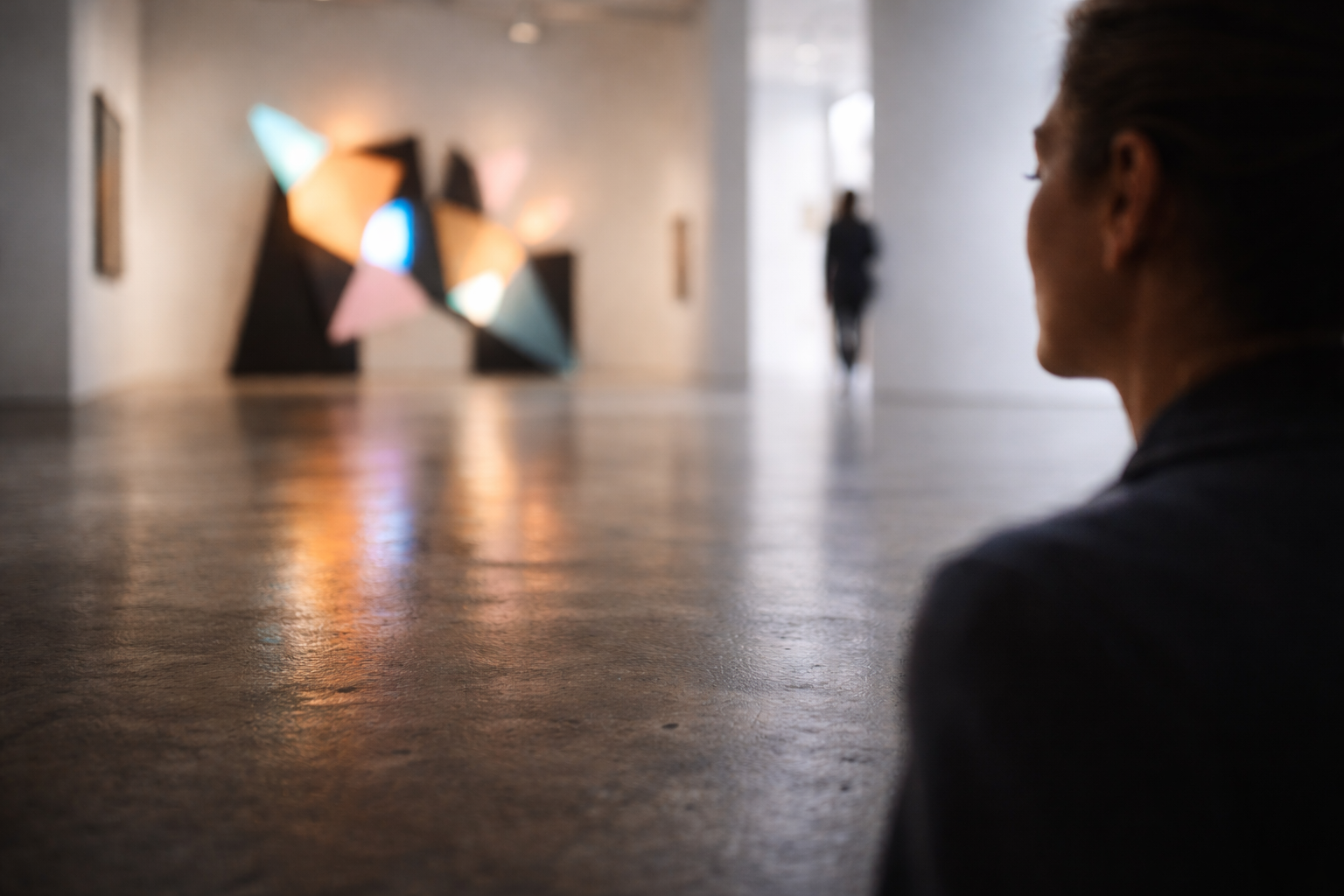
Paris is naturally central here, especially with places like the Centre Pompidou and Palais de Tokyo, which give travelers access to modern and experimental forms without requiring specialist knowledge. The trick is to approach these spaces with openness rather than a need to “understand” every work immediately. Contemporary art often works by generating tension, not by offering instant beauty, and France is a good place to practice that kind of looking. Once readers understand this, gallery visits become less intimidating and more exciting.
Regional France matters here too. Cities like Dijon, Marseille, Lyon, and others have contemporary spaces that feel more embedded in local life and often more surprising because expectations are lower. This matters for a broader France art and culture guide, because it reminds readers that culture in France does not belong only to Paris. The country’s creative life is distributed, and that distribution makes a multi-city cultural itinerary much richer.
Theatres, Opera Houses, and Why Performance Changes the Trip
A museum lets you look at culture; theatre lets you sit inside it as it happens. France’s performance culture is one of the country’s most rewarding travel layers because it creates a different kind of evening—slower, more focused, and often more memorable than a generic dinner out. Whether the performance is classical theatre, modern dance, opera, or a contemporary production, the emotional reward comes from joining a room full of people who have all paused daily life for the same shared experience. That is a powerful travel feeling.
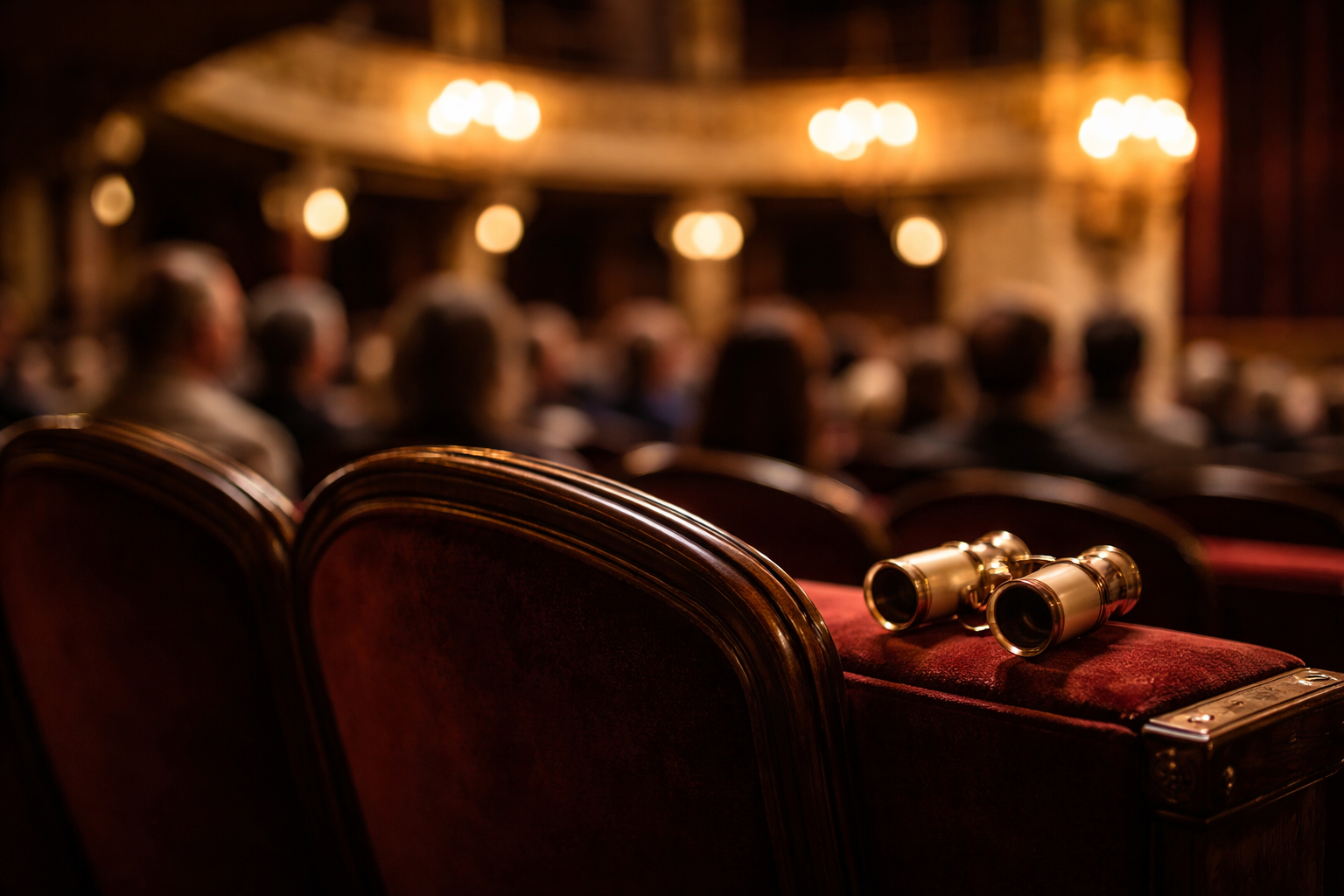
Paris naturally dominates in recognition, with institutions such as the Comédie-Française, Théâtre du Châtelet, and other legendary stages shaping the city’s performance identity. But the value of theatre in France is not only in “seeing the best venue.” It is in how performance can change the tone of a travel day. A museum-heavy day followed by an evening show feels complete in a way that three daytime attractions often do not. Theatre gives the trip a second register.
This is also why performance deserves a stronger place in cultural experiences in France than it often gets in generic travel writing. So many visitors focus on visual culture that they miss the country’s live arts. A single good performance can make a city feel more alive than five beautiful façades. It also slows the traveler down in the best possible way: you sit, watch, listen, and allow the country to reveal itself through voice, movement, and staging.
France Cultural Festivals: When Cities Turn Into Stages
Festivals are where France stops feeling like a country you are visiting and starts feeling like a country you are temporarily joining. The reason they matter is not only because they are fun or famous, but because they make culture public. Streets, courtyards, squares, and entire neighborhoods begin to function as shared stages. People gather not only to consume a performance, but to be part of a temporary civic mood. That collective energy is difficult to replicate in ordinary tourism.
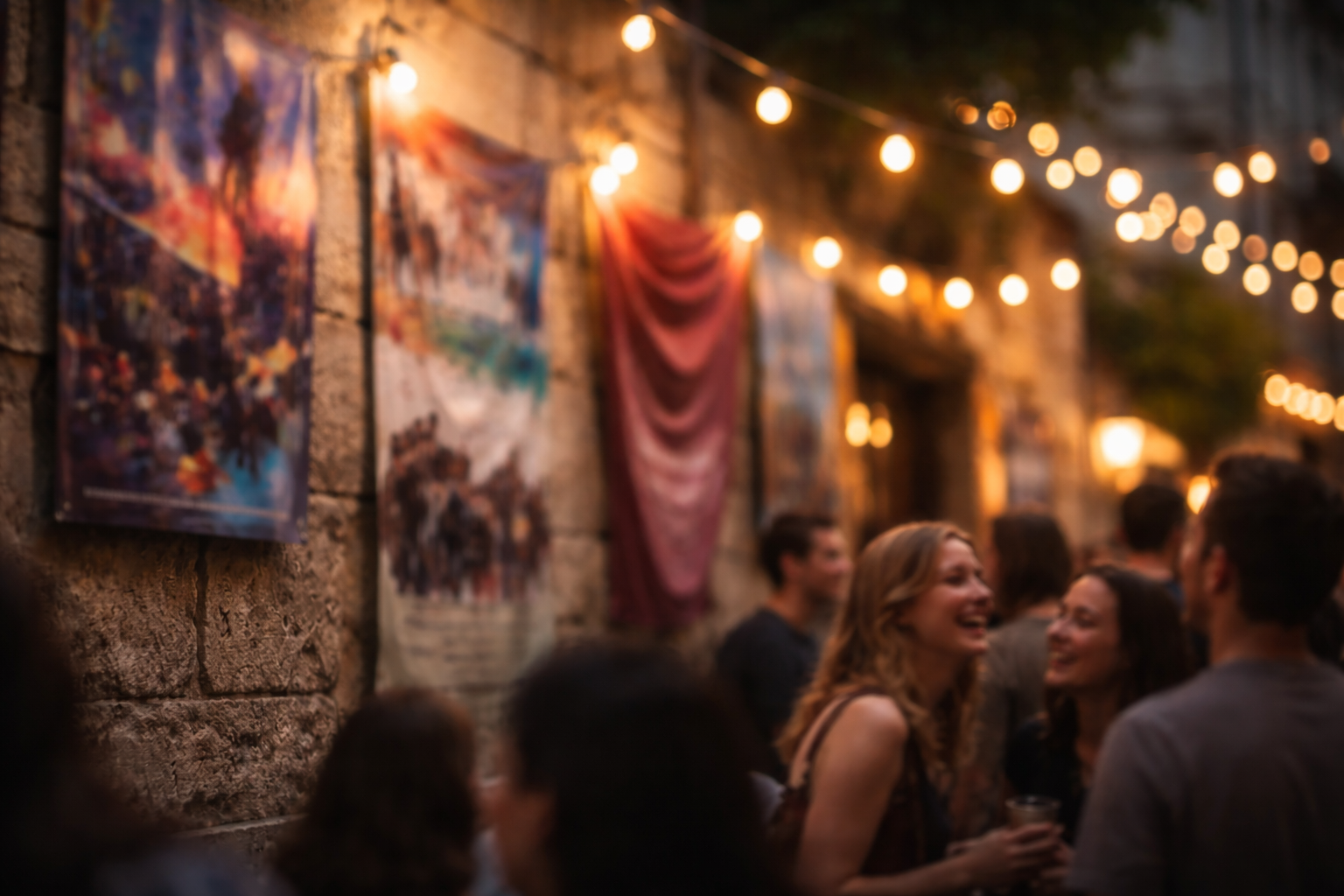
The Cannes Film Festival and the Avignon Festival are obvious examples because they are globally known and artistically significant. Cannes offers spectacle and global visibility, while Avignon offers one of the strongest public-theatre atmospheres in the world, especially when performances spill across the city’s built environment. But the real lesson is broader: France cultural festivals operate at many scales, from internationally prestigious events to regional food, music, and arts festivals that feel intimate and rooted. This gives travelers many entry points depending on season and budget.
For planning purposes, festivals also solve a useful travel problem: they create timing. Instead of choosing dates randomly, readers can choose a season and then attach their trip to one or two cultural high points that give the itinerary emotional shape. This is one of the most effective ways to turn a normal France trip into a memorable one. A city in festival mode is simply more alive, and that aliveness keeps people reading because they can imagine it.
For a broader season-based overview, this festivals in France guide helps you match cultural trips to the right time of year.
How to Build a Real Cultural Itinerary Instead of a Checklist
The most common mistake in cultural travel is overloading the day with worthy things. Worthiness is not the same as pleasure, and in France especially, pleasure is part of cultural understanding. A strong day usually contains one primary cultural anchor, one supporting experience, and enough unscheduled time for meals, walking, and reflection. This ratio matters because culture needs space to land. If you leave one museum already rushing to the next, you erase half the value of the first.
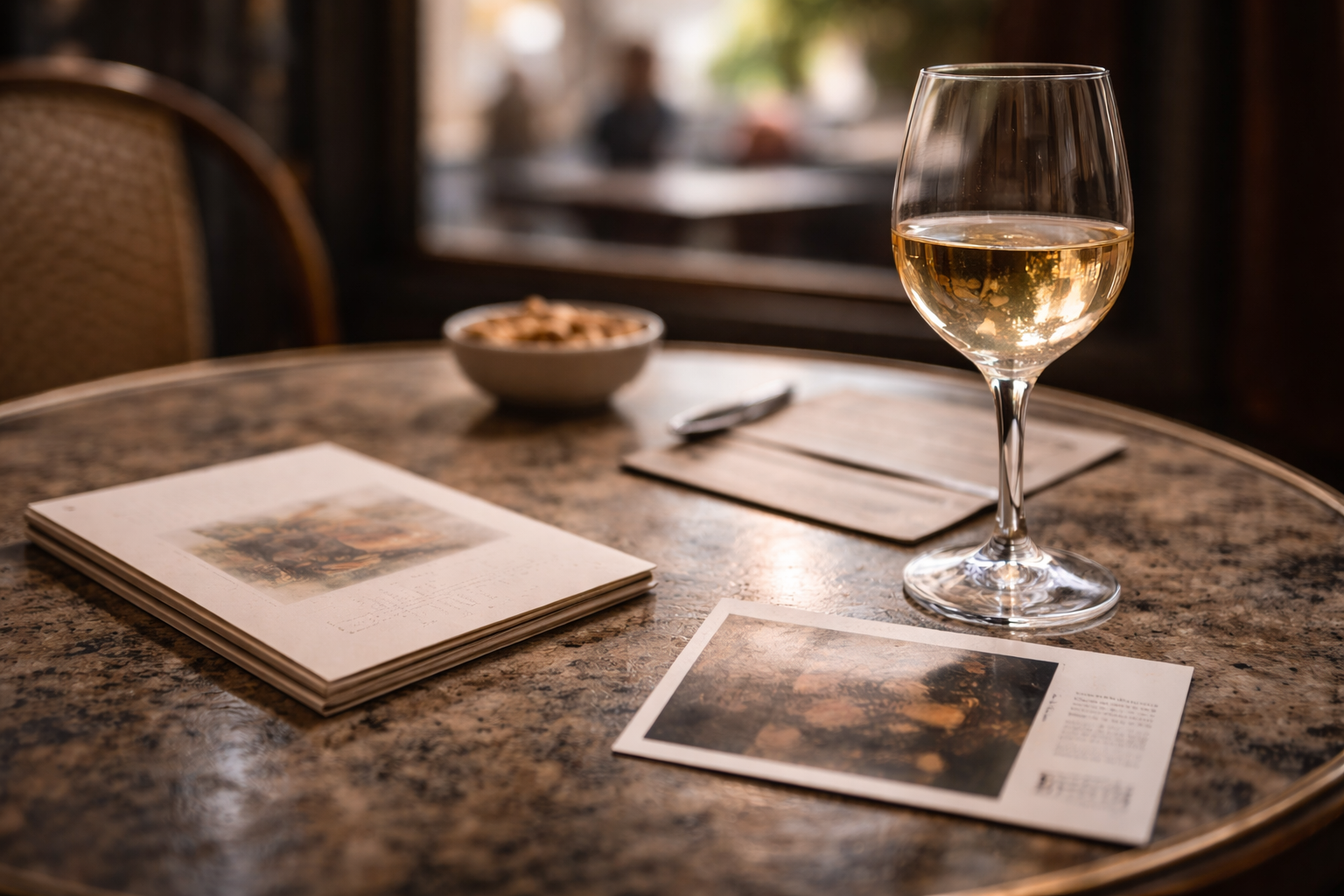
A useful structure for readers is simple. Morning for a major museum or exhibition. Midday for lunch and a walk in a culturally rich neighborhood. Afternoon for a lighter gallery, smaller institution, or bookshop. Evening for theatre, music, or simply a good dinner in an area where you can feel the city’s social life. This creates a day that feels full without becoming museum punishment. A France art and culture guide should always protect readers from their own overenthusiasm.
This structure also makes the trip easier to personalize. Someone interested in painting can swap the afternoon gallery for a second museum. Someone more drawn to performance can keep the day lighter and save energy for the evening. The point is not to enforce one model, but to show how culture fits into a human day. Once readers understand that, France becomes much easier to plan and much more exciting to imagine.
Beyond Paris: Why Regional Culture Makes France Feel Complete
One of the best things you can do for a cultural France itinerary is leave Paris at some point. Not because Paris disappoints, but because the rest of the country reveals how varied French cultural identity really is. Regional museums, local theatres, smaller galleries, and city festivals often feel more connected to place, and that sense of place adds depth. You stop seeing “French culture” as a single export product and start seeing it as a network of regional expressions.
Cities like Lyon, Marseille, Avignon, Dijon, Bordeaux, and others all offer distinctive cultural combinations: food plus festivals, galleries plus local identity, performance plus architecture, contemporary art plus regional pride. This matters because a second or third cultural city gives your trip contrast. Paris may teach you scale, but another city may teach you texture. The combination is what makes the country memorable.
For readers, this also makes the article more attractive because it moves beyond the obvious. A travel guide that only repeats Paris institutions risks sounding generic. A guide that shows how art and culture travel outward through the country feels more usable and more ambitious. That is the kind of article people stay on, click through, and save for later.
Conclusion: The Best Way to Understand France Is to Let Culture Shape the Trip
France is one of the few countries where culture can genuinely organize an entire journey without ever feeling repetitive. Museums, galleries, theatres, and festivals do not compete with one another here; they build a layered understanding of the place. One teaches you scale, another intimacy, another experimentation, another shared public emotion. Together, they make the country feel not only beautiful, but intellectually alive.
A strong France art and culture guide therefore does not ask readers to see everything. It asks them to choose wisely, pace themselves, and let one form of culture deepen another. If they do that, France stops being a sequence of famous names and becomes something much more rewarding: a trip with structure, emotional range, and moments that continue to unfold in memory long after the flight home.