
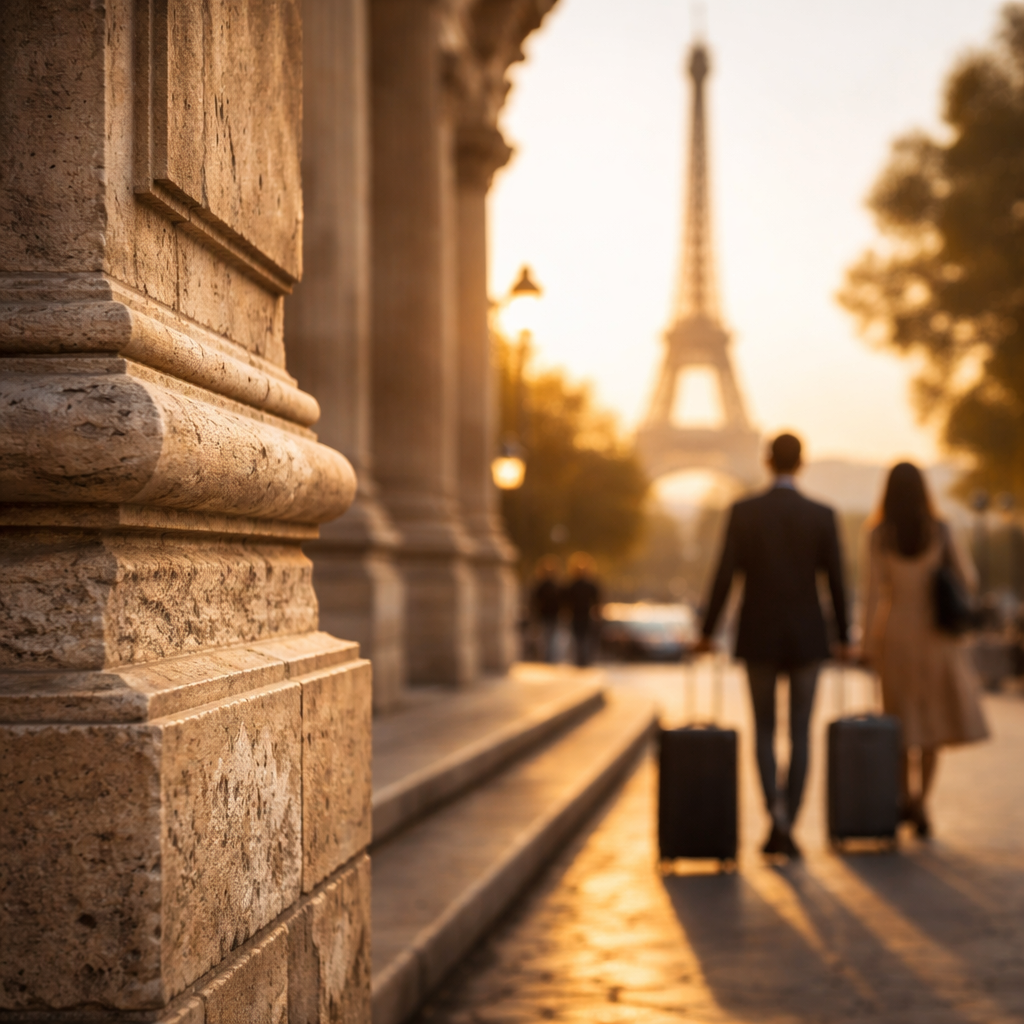
France is one of those countries where history does not stay politely inside museums. It rises above city skylines, stretches across palace gardens, stands on tidal islands, and appears at the end of boulevards you thought were simply elegant. The problem is not that France lacks historic landmarks. The problem is that it has too many, and many travelers end up moving through them too quickly, collecting famous names without really feeling what makes each place distinct. A better trip begins when you stop asking how many landmarks you can fit into your itinerary and start asking what kind of history you actually want to experience.
That is what this guide is built for. Instead of treating major sites like isolated trophy stops, it explains how to approach France historical landmarks as different kinds of experiences: urban icons, royal power spaces, sacred landscapes, and monuments shaped by national memory. This matters because the Eiffel Tower does not belong in the same kind of day as Versailles, and Mont Saint-Michel should not be approached with the same expectations as the Louvre. Once you understand the mood and rhythm of each place, planning becomes much easier.
This is also how you avoid one of the biggest France travel mistakes: landmark fatigue. When every day is built around “the most important site,” the trip starts to flatten emotionally. But if each landmark plays a different role in the story of your trip, the country begins to feel layered instead of repetitive. France then stops being a sequence of famous locations and becomes what it should be — a country you read through stone, scale, and time.
Why France’s Historic Landmarks Feel Bigger Than the Sites Themselves
Historic landmarks in France are rarely just objects of beauty. They tend to carry symbolic weight far beyond their physical presence, which is why even a quick visit can feel emotionally large. The Eiffel Tower is not only a structure, but a statement about engineering, ambition, and national image. Versailles is not only a palace, but a lesson in how power once staged itself. Mont Saint-Michel is not only scenic, but a visual argument about faith, defense, and geography working together. When travelers sense this weight, the sites become memorable. When they do not, the visit risks turning into a photo stop.
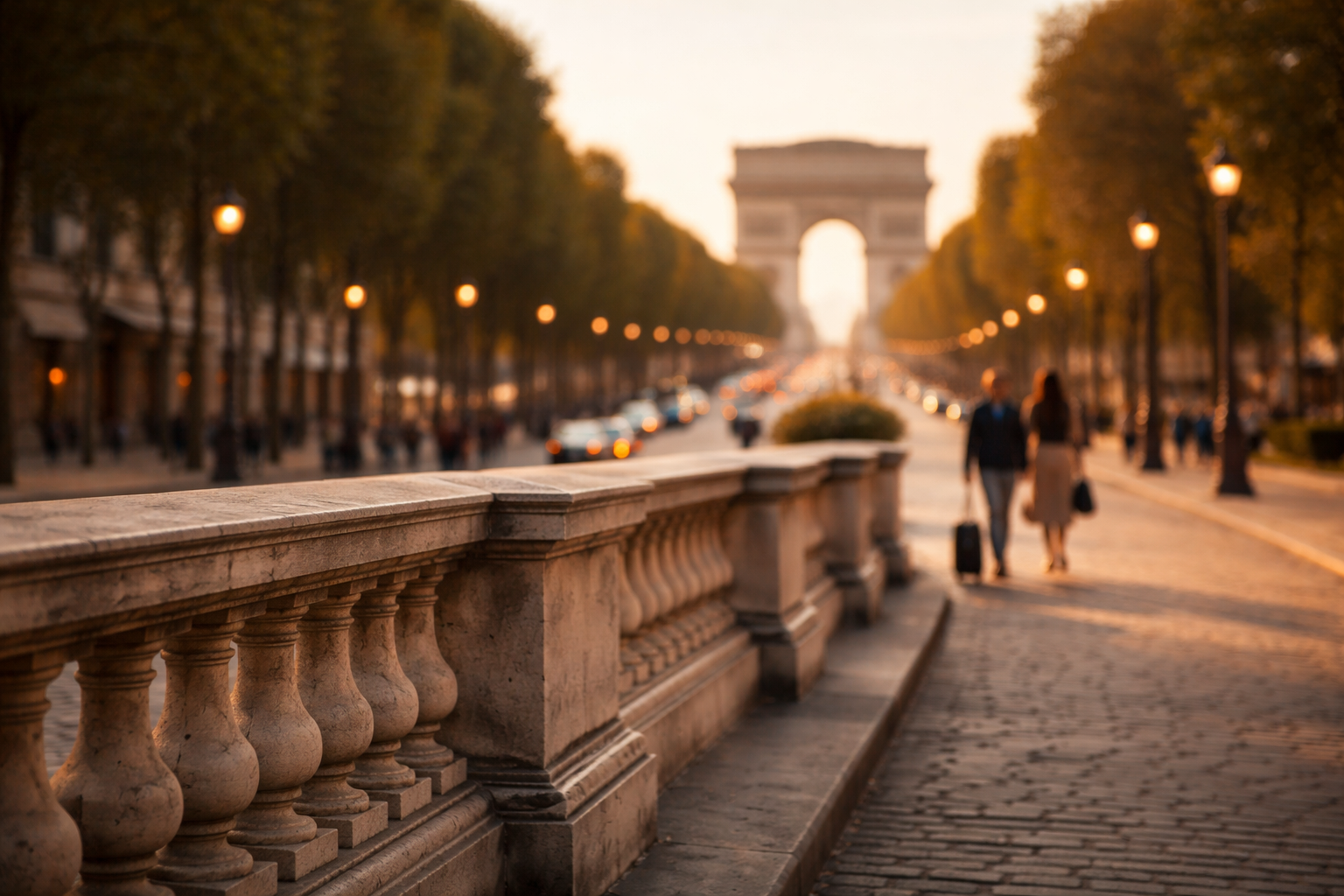
Another reason these landmarks feel so strong is that France presents them theatrically. Urban planning, gardens, courtyards, bridges, and long visual approaches all help create a sense of arrival. Many French landmarks are not hidden discoveries; they are meant to reveal themselves gradually and then dominate your attention. This is especially true in Paris, where perspective and street design make monuments feel like parts of a bigger civic composition. You are not only visiting a site. You are entering a sequence designed to shape your response.
That is why a useful guide to France historical landmarks must go beyond facts. Readers do not need a hundred dates to remember a place; they need to know how it feels, how much energy to give it, and how it fits into a real day. When the emotional scale of a site is understood in advance, the visit becomes more satisfying and much less rushed.
The Eiffel Tower: Why the Most Famous Landmark Still Deserves Respect
The Eiffel Tower is so familiar that many travelers accidentally underestimate it. They assume it will feel touristy, overexposed, or somehow less special because they have seen it in images all their lives. In reality, the tower still works. It works because scale is hard to flatten in photographs, and because Paris knows how to frame it. The moment it appears between buildings or rises over the river, it still has the power of a true urban icon. The trick is not avoiding it, but approaching it correctly.
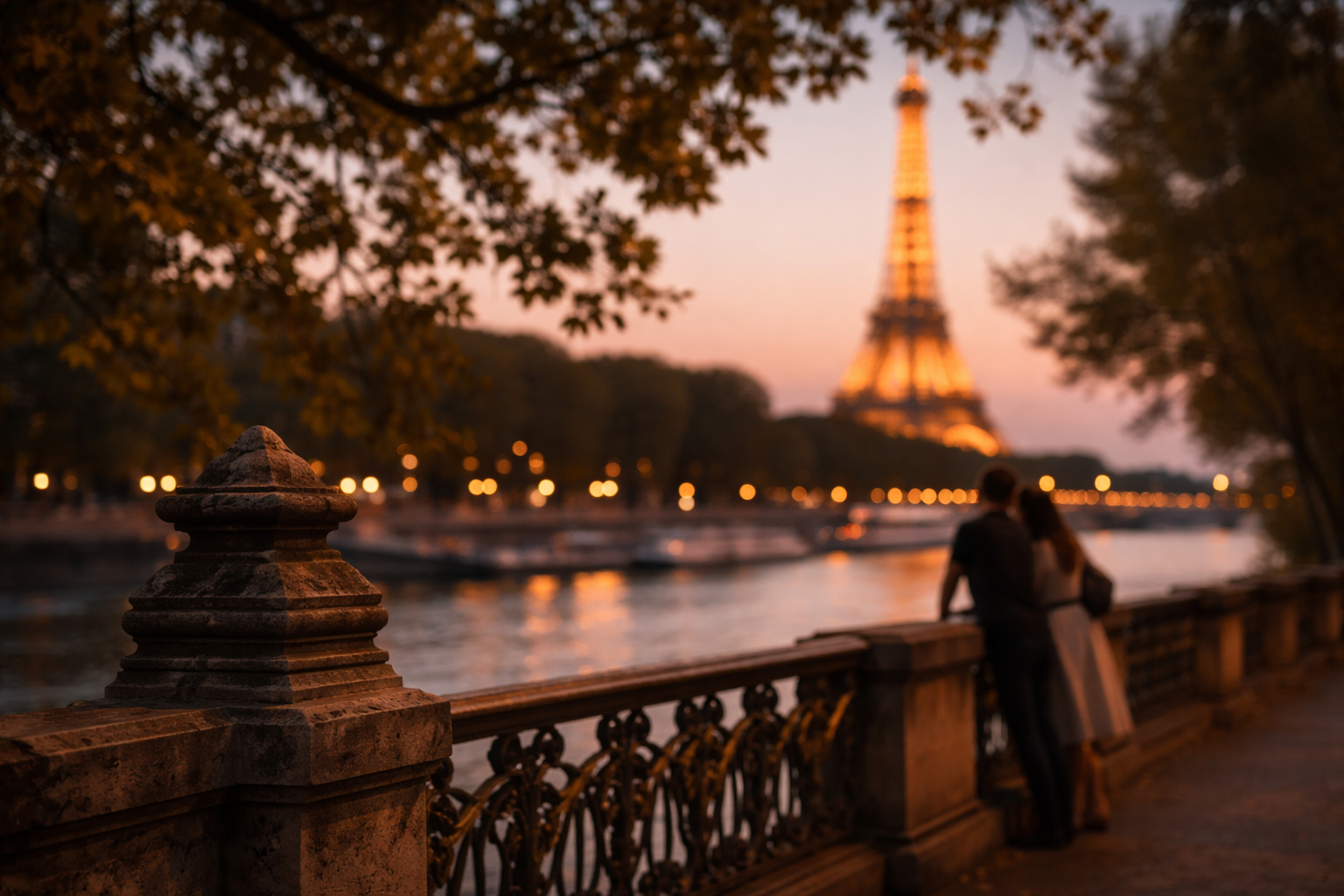
The smartest way to do the Eiffel Tower is to stop treating it as only a “go up or don’t go up” decision. The tower is also a landscape experience. The surrounding area, the views from different angles, the changing light, and the rhythm of nearby walks all shape how memorable it feels. A rushed midday photo stop is the weakest version of the experience. An early morning visit, a river walk, or a twilight view from a nearby vantage point often creates a much stronger memory than simply standing in line and leaving.
It is also worth understanding that the Eiffel Tower belongs to a particular kind of Paris day — an outward-facing, open-sky day. Pair it with the Seine, nearby gardens, or a district where you can walk afterward instead of forcing it into a heavy museum schedule. Many people treat it like one more sight. In reality, it works much better when it becomes the emotional anchor of a whole chapter. That is what makes it one of the true best landmarks in France, not just the most photographed one.
Versailles: A Day Trip About Power, Not Just Opulence
Versailles is one of the easiest sites to reduce to cliché. People know it as gold, mirrors, fountains, and royal excess, and those things are real. But if that is all a traveler sees, they miss what makes the site truly valuable. Versailles is a machine for understanding how monarchy staged authority. The palace, the gardens, the symmetry, the ceremony of movement through rooms — all of it was designed to organize attention. That is what turns the visit from “beautiful interior” into something much sharper.
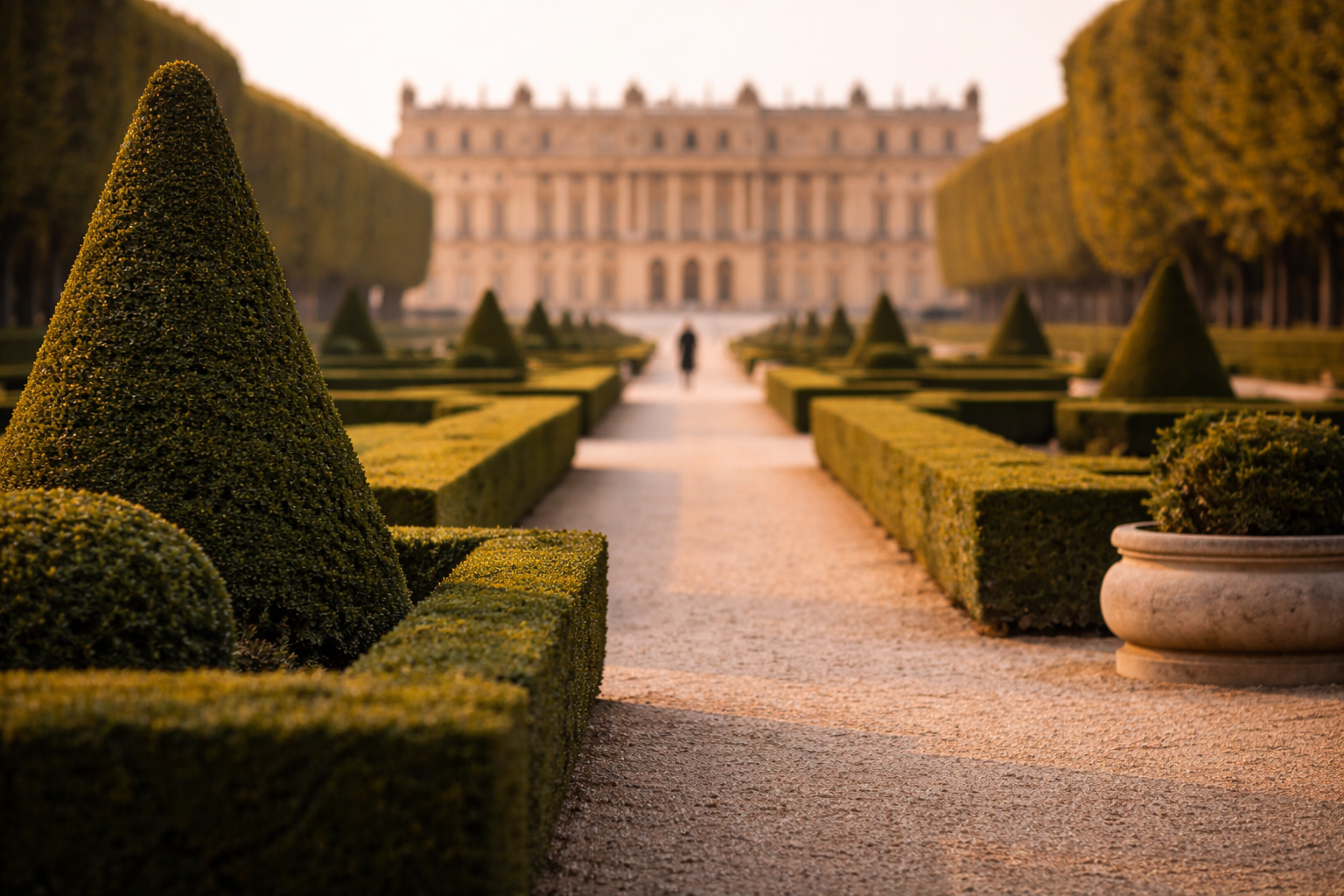
This is why a Versailles day trip works best when treated as a whole experience rather than a fast excursion from Paris. The palace interiors deliver spectacle, but the grounds and gardens are what give the day breathing room and scale. Without them, Versailles can feel like a crowded historical container. With them, it begins to feel like a world built to project order and magnificence outward into the landscape. The gardens are not an accessory. They are part of the argument.
The most successful Versailles visits are paced visits. Go early if you can, accept that there will be crowds, and do not try to “consume” every section equally. Choose your highlights, then allow time for walking, pauses, and observation. Versailles is not improved by hurry. It is improved by enough space to let the absurdity and intelligence of its design register fully.
Carcassonne: The Walled City That Makes Medieval France Feel Real
Carcassonne works because it gives travelers something many famous landmarks no longer fully deliver: the feeling of entering a complete historic world rather than standing before an isolated monument. Its fortified walls, towers, gates, and elevated position create the kind of visual impact that instantly explains why medieval power depended so heavily on defense, visibility, and control of movement. Even before you start thinking about dates or dynasties, the place communicates something physically clear: this was a city built to endure pressure. That immediacy is what makes Carcassonne such a strong addition to any guide to France historical landmarks.
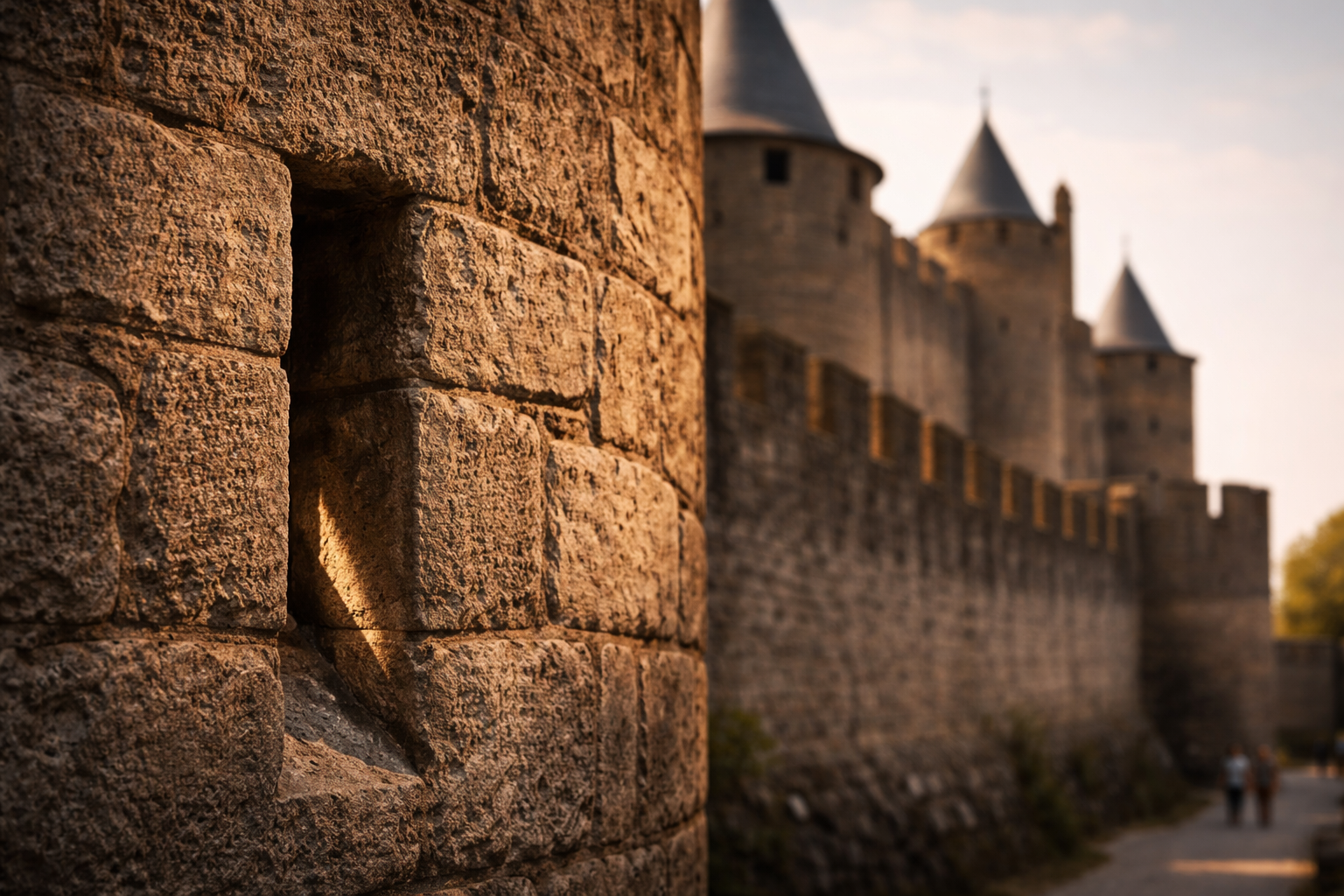
What also makes the site valuable is its emotional contrast with places like Versailles or the Eiffel Tower. Those landmarks express spectacle, ambition, and national image in very different ways, while Carcassonne expresses enclosure, protection, and a much older idea of authority. Walking through its gates and along its stone streets changes the scale of the trip, because France suddenly stops feeling like only a country of boulevards, museums, and royal gardens. It becomes a country of fortified edges, strategic landscapes, and cities shaped by conflict as much as by elegance.
The smartest way to experience Carcassonne is to let it dominate the day rather than treating it like a quick roadside stop. Arriving early or staying later in the day often helps the place feel less crowded and more atmospheric, especially when light begins to soften the stone. This is also one of those landmarks that benefits from walking without hurry, because the value lies not only in the postcard views, but in the repetition of walls, towers, passages, and elevation changes that gradually build a full medieval mood. In a broader landmarks itinerary, Carcassonne works beautifully because it brings in a different France—older, harder, and more defensive—without overlapping with your museum-heavy cultural article.
If medieval atmosphere is the part you want to feel rather than rush through, this provincial France travel guide helps you build a slower route around smaller historic settings.
Mont Saint-Michel: The Landmark That Feels Almost Fictional
Mont Saint-Michel is one of the rare places in France that feels mythic even before you arrive. The island silhouette, the abbey rising upward, the relationship between stone and tide — it all seems almost too theatrical to be real. But that is exactly why the site is so effective. It combines natural drama with medieval architecture in a way that looks designed by fiction and then corrected by history. Many famous places disappoint because the image is stronger than the reality. Mont Saint-Michel usually works the other way around.
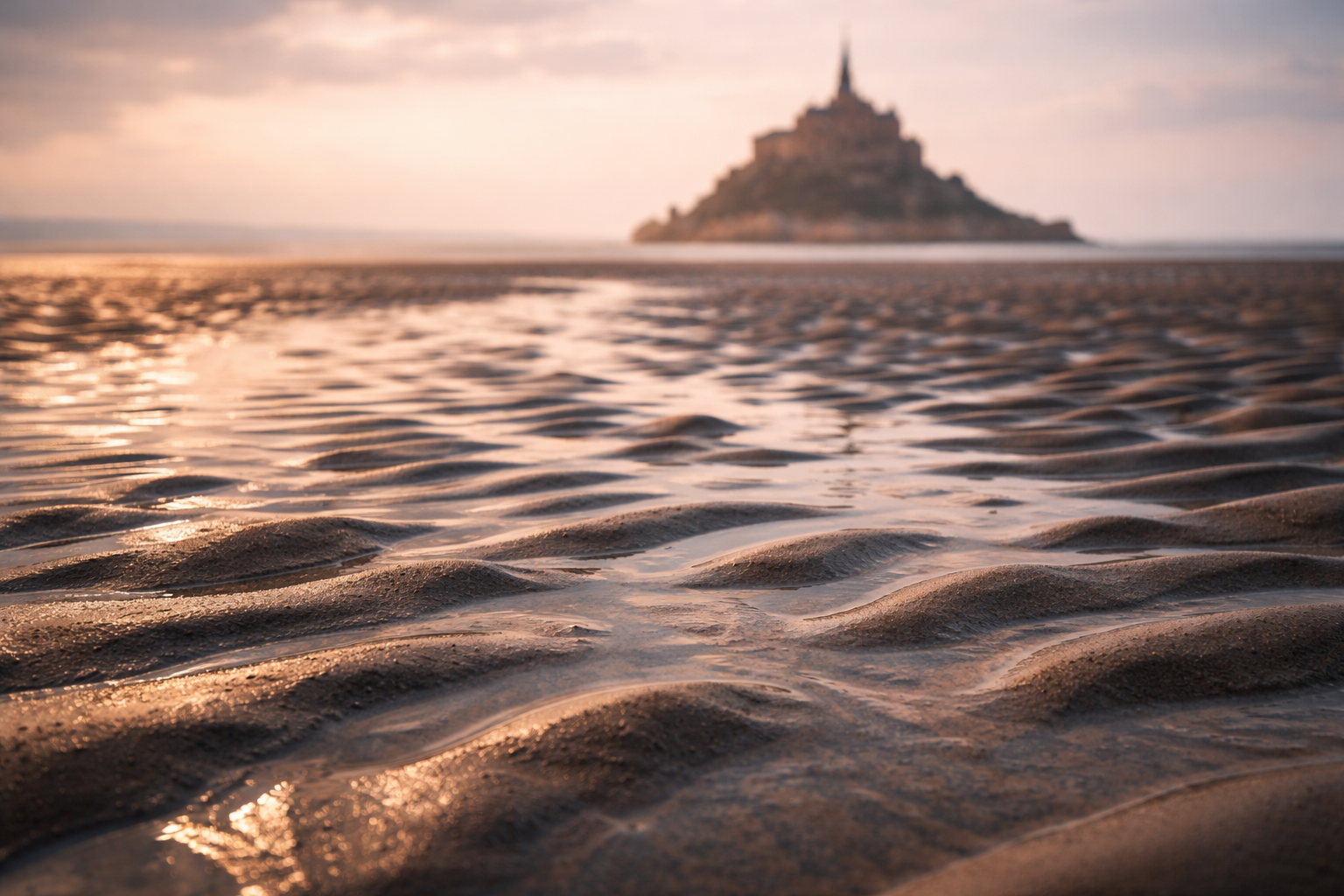
A good Mont Saint-Michel visit depends heavily on timing and attitude. If you expect solitude in peak hours, you will likely be frustrated. If you understand that the place is both an active destination and a visual event, you can plan around that reality. Early or late visits often feel more atmospheric, and even approaching the island from a distance can be one of the most powerful parts of the day. The landmark lives through anticipation as much as through arrival.
What makes Mont Saint-Michel especially valuable in a broader France itinerary is contrast. After Parisian density or palace culture, it feels elemental — more about landscape, tide, and vertical movement than about urban sophistication. That contrast gives the trip depth. In a list of best landmarks in France, this is one of the places that most convincingly proves why landmark travel still matters when it is done with care.
Before you go, check the official Mont Saint-Michel tourism guide for current access details, parking, and practical visitor info.
How to Build a France Landmarks Trip Without Ruining It
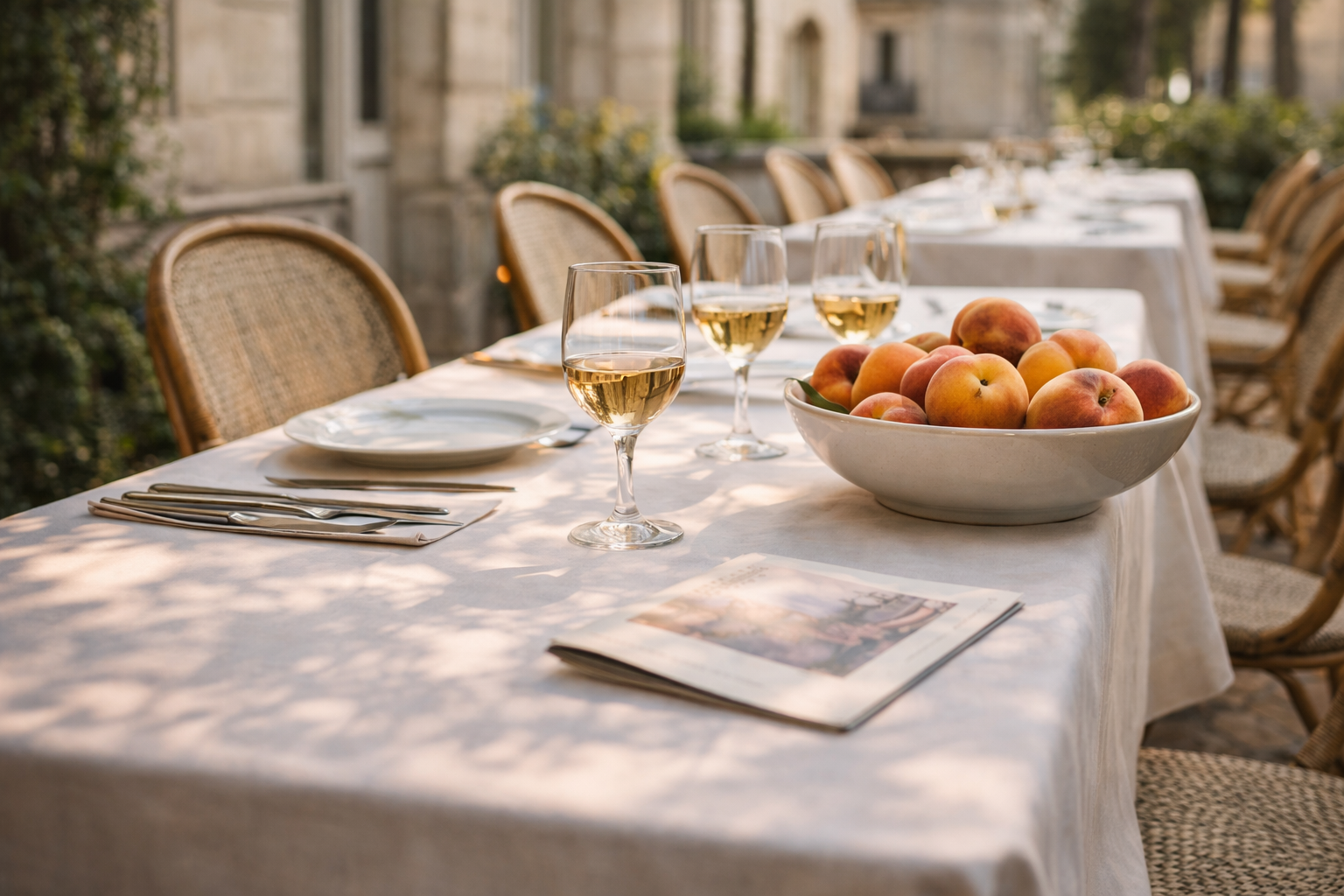
The easiest way to ruin a landmark-focused trip in France is to stack too much grandeur too quickly. Monumental spaces are emotionally and physically tiring, even when they are beautiful. A smart itinerary therefore alternates weight. One major landmark day should be followed by something softer: a market morning, a neighborhood walk, a smaller museum, a river cruise, a village stop, or simply a long lunch and less movement. This is not laziness. It is what makes landmark travel sustainable.
It also helps to think in categories rather than famous names. Urban monuments like the Eiffel Tower belong to open, walkable days. Royal spaces like Versailles require a longer arc and more patience. Sacred or scenic sites like Mont Saint-Michel work best when they are allowed to dominate the day rather than compete with three more stops. Once you classify landmarks by type, it becomes easier to structure the trip in a way that feels coherent instead of overloaded.
This is where a strong guide to France historical landmarks becomes genuinely useful. Readers do not just need confirmation that these places are worth seeing. They need protection from bad planning. The article works when it helps them build rhythm: one big site, one supporting element, enough space to feel what happened, and enough contrast to keep the trip alive.
Beyond the Big Four: Why Smaller Historic Stops Matter Too
One risk of writing about major landmarks is accidentally teaching readers that only the most internationally famous places deserve their time. In reality, smaller historic stops are often what make the great landmarks land properly. A smaller church, a fortress wall, a quiet old-town square, a local château, or even a historic bridge can function as the connective tissue of a trip. These are the places where history feels scaled to human life rather than national symbolism.
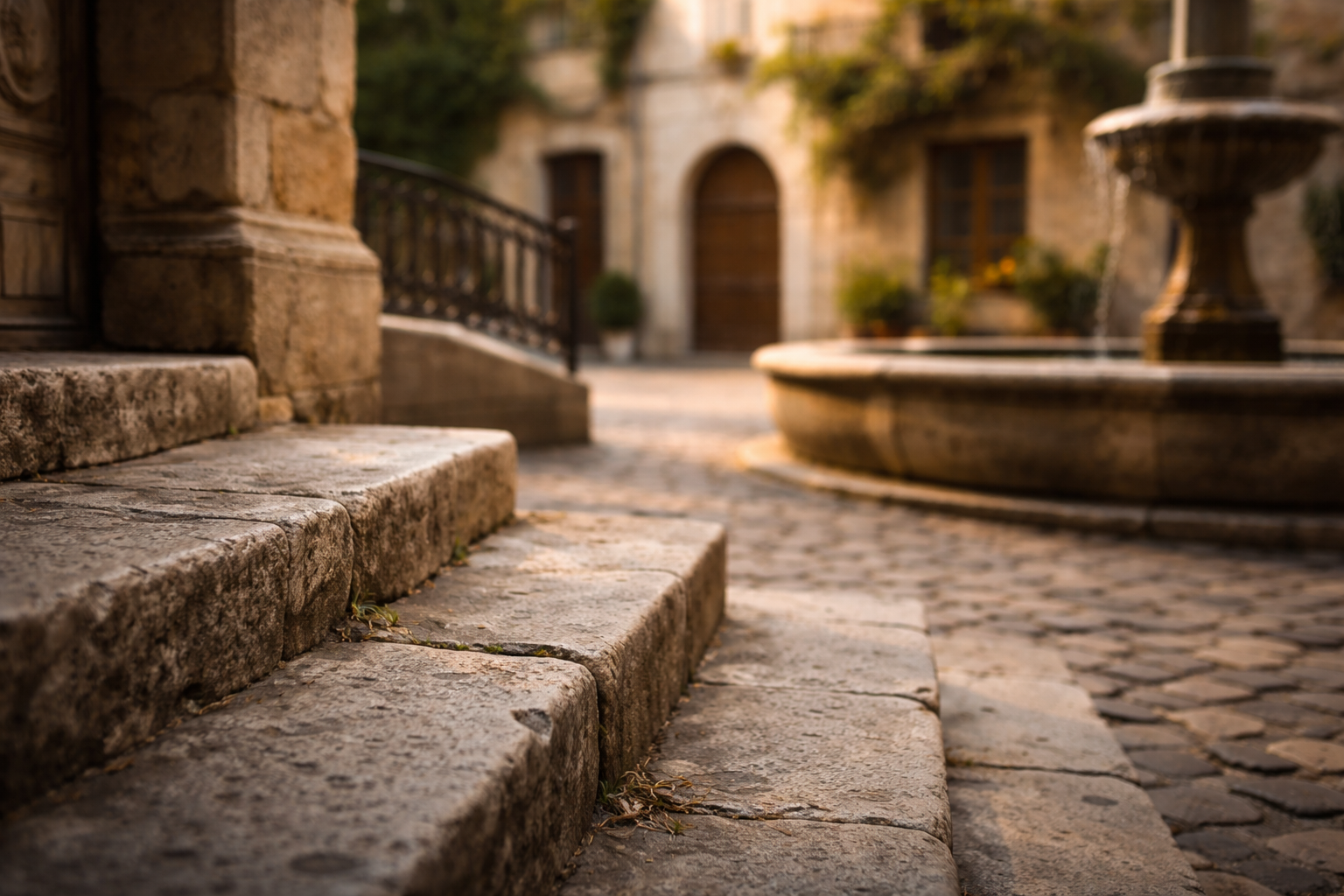
Smaller sites also help readers recover curiosity. After a huge palace or museum, a compact local landmark can feel more intimate and readable. You are no longer drowning in significance; you are observing details. That reset matters. It keeps travelers from reaching the point where every carved doorway or every tower begins to blur into “more old stone.” Variety is not only geographic. It is also a matter of scale.
This is why articles about historic places in France should never pretend that prestige alone makes a trip meaningful. Prestige gives structure, but intimacy gives texture. A memorable France itinerary almost always contains both. The large landmarks provide narrative peaks, while the smaller places create continuity between them.
When to Visit: Season, Crowds, and Emotional Timing
Season changes landmark travel more than many people expect. Summer gives you long days and strong atmosphere, but it also brings density — queues, transport pressure, heat, and the feeling that everyone wants the exact same photo at the exact same moment. Spring and early autumn often produce the best balance for major sites because the light is softer, the weather is manageable, and the crowds, while still present, tend to feel less punishing. Winter, meanwhile, can offer remarkable intimacy in certain places, though shorter daylight changes how much you can combine in one day.
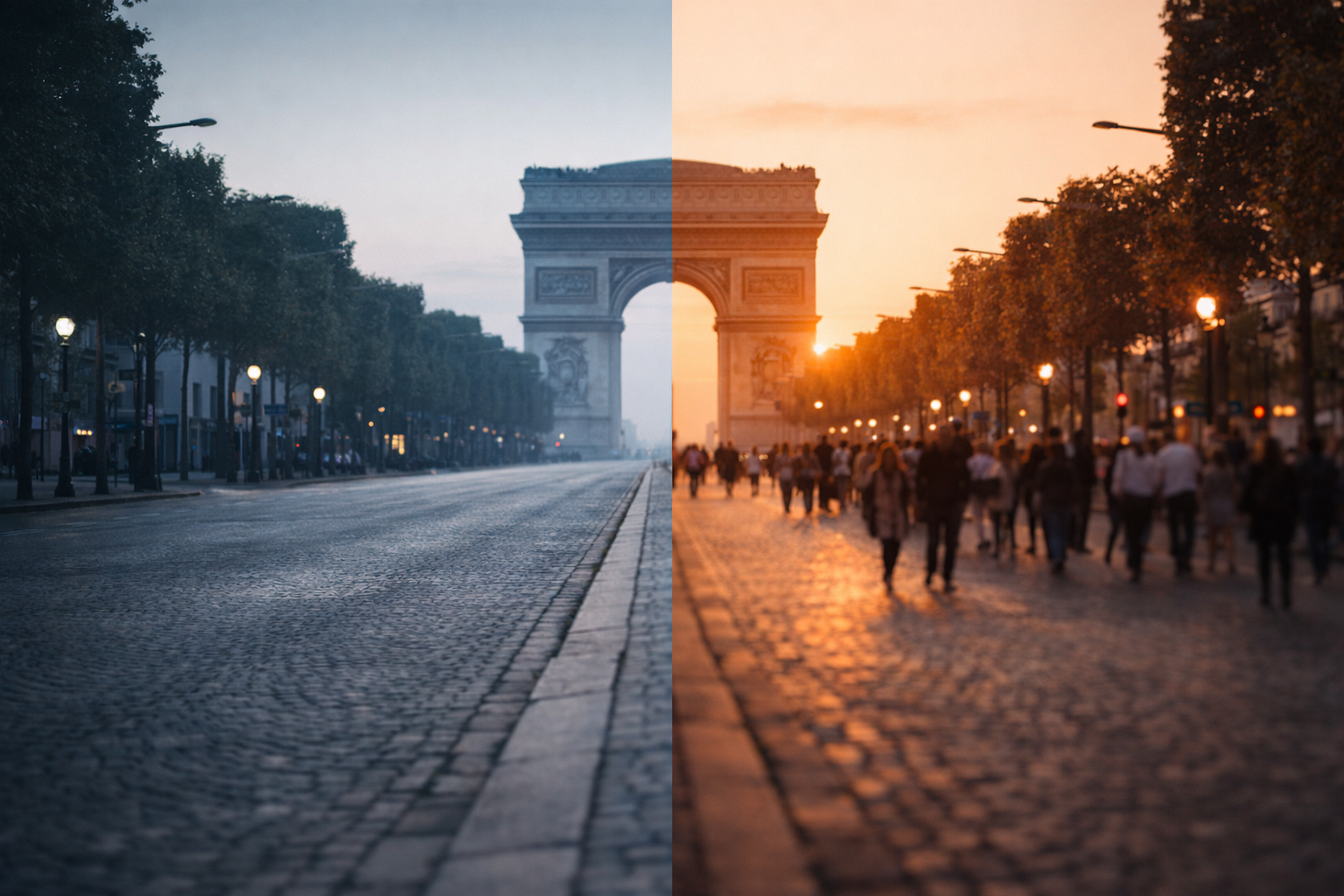
Timing within the day matters almost as much as timing within the year. Big landmarks tend to feel strongest either early, when the day is clean and your attention is fresh, or later, when the light becomes dramatic and the crowds begin to thin. Midday often gives you the most practical visibility but the least emotional magic. This is particularly true for places like the Eiffel Tower and Mont Saint-Michel, where atmosphere changes significantly with light and crowd rhythm.
Emotional timing matters too. A long trip through France should not begin with all your biggest landmark days in a row. If possible, spread them out. Let one major site define one day, then give the next day a different task. This makes the journey feel richer and helps each landmark keep its own identity instead of melting into the next.
Conclusion: France’s Landmarks Work Best When They Shape the Story
France’s great landmarks endure because they are not interchangeable. Each one represents a different kind of historical feeling: modern ambition, royal performance, sacred isolation, national memory, cultural accumulation. The traveler’s job is not to visit all of them at maximum speed, but to understand what each one is trying to say and build a trip that lets that message land. When that happens, the country begins to feel far larger and deeper than any checklist could suggest.
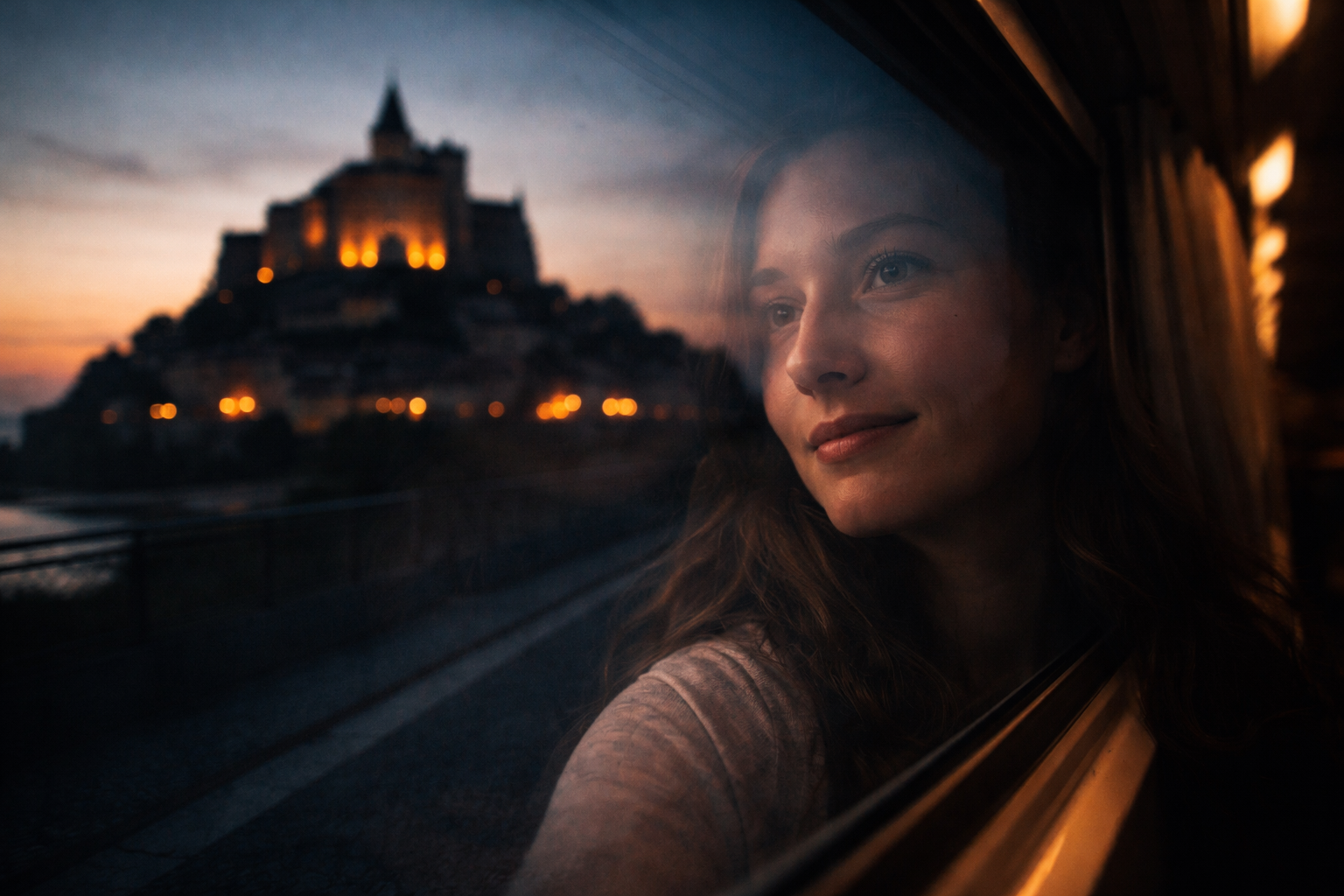
A strong landmark trip is therefore not about volume. It is about sequence, contrast, and attention. Choose your icons, pace them intelligently, and support them with smaller moments that restore curiosity rather than drain it. That is how France historical landmarks stop being obligatory “must-sees” and become what they should be — the structural backbone of a trip that actually stays with you.