
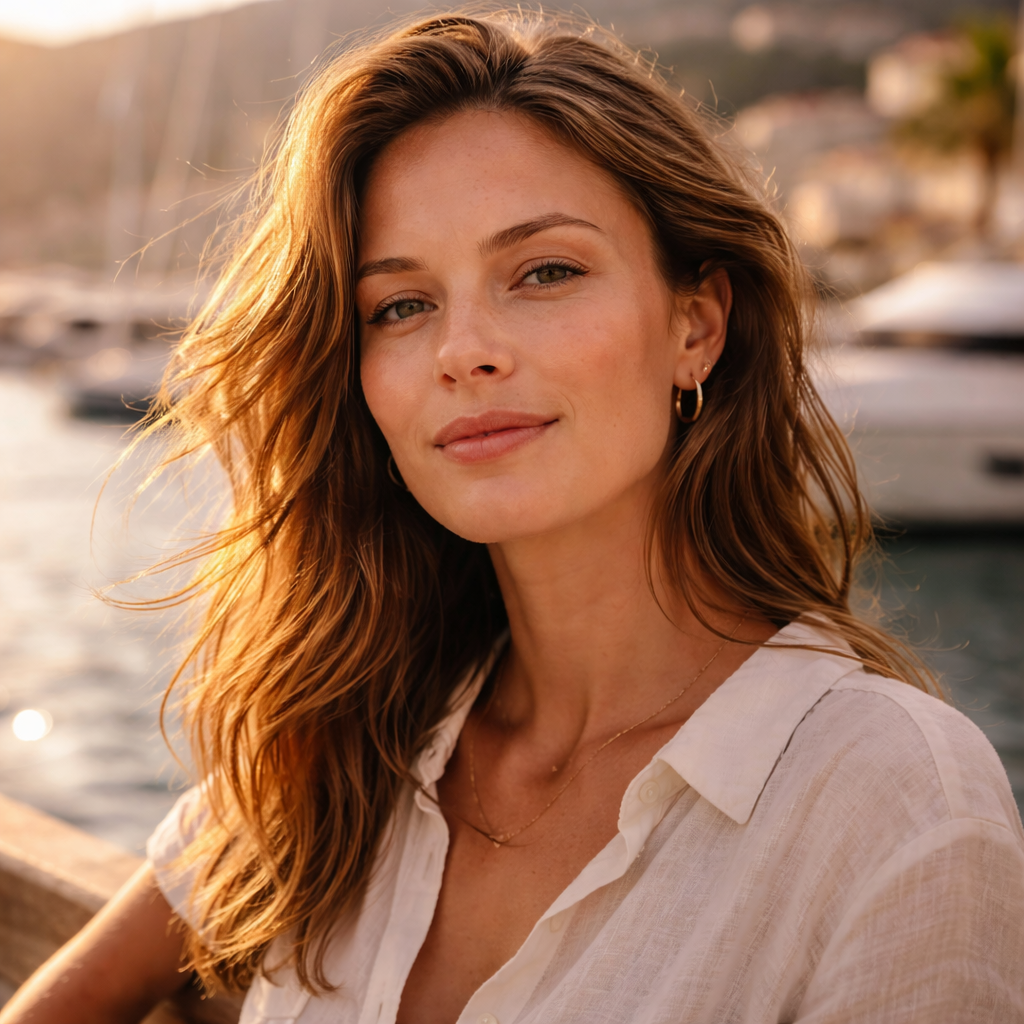
There are destinations that look glamorous in photographs, and then there is the French Riviera, which feels glamorous even when nothing “special” is happening. A coffee on a shaded terrace, a linen shirt drying in sea air, a line of polished boats in a quiet marina, a sunset that turns hotel façades gold for ten minutes longer than expected—this coast has a way of making ordinary moments feel cinematic. That is why people return to it again and again. Not only for the famous names, but for the mood that ties them together.
The mistake many travelers make is treating the Riviera like a checklist of luxury symbols: Cannes, Saint-Tropez, Monaco, yachts, beach clubs, done. But the real beauty of the Côte d’Azur is not in rushing from one glamorous location to the next. It is in learning how each place expresses glamour differently. Cannes is polished and performative, Monaco is precise and high-shine, Nice is elegant but more livable, and Saint-Tropez is all about sunlit indulgence and image-conscious ease. The trip becomes stronger the moment you stop asking “What do I need to see?” and start asking “What kind of Riviera do I want to feel?”
This French Riviera travel guide is built around that idea. It is not a list of random highlights, but a structured way to experience the coast well—beautifully, efficiently, and with enough flexibility to let the place work its charm on you. Whether you want beach clubs, yacht views, film-festival energy, or just a few perfect days in the South of France that feel expensive without being chaotic, this guide gives you the right architecture.
What the Riviera Actually Is: More Than a Luxury Stereotype
The French Riviera is often reduced to wealth, but that is only the surface language of the place. Underneath the luxury branding is a coastal culture shaped by light, leisure, aesthetics, and a very specific relationship between public beauty and private indulgence. The Riviera does not merely sell luxury goods—it sells a way of moving through the day. Late breakfasts, long seaside lunches, strategic idleness, evening promenades, and social energy that builds softly rather than abruptly. When travelers understand this, their trip stops feeling like tourism and starts feeling like participation.
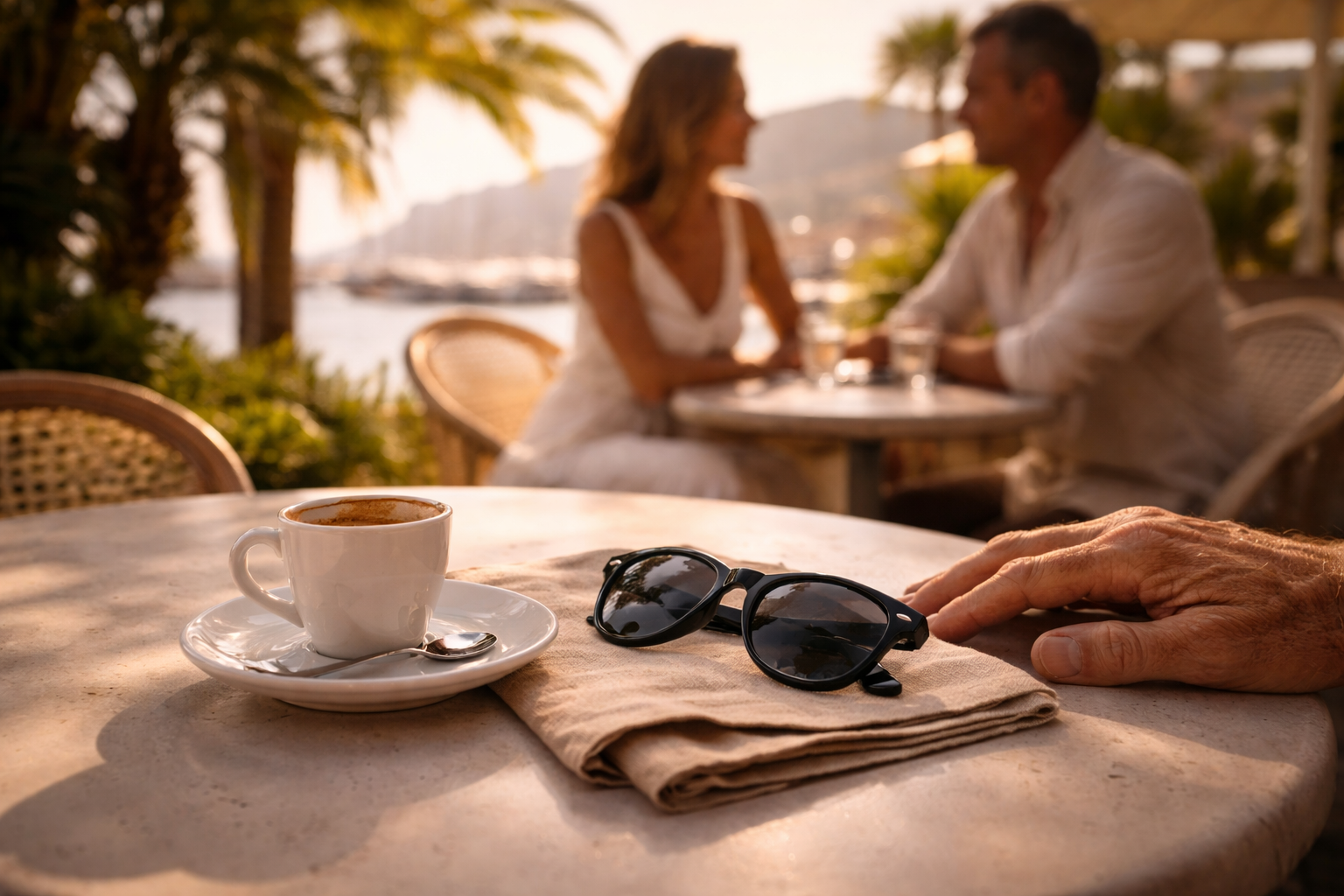
What makes the coast especially powerful is that glamour here exists at multiple price points. Of course there are mega-yachts, Michelin-starred restaurants, and hotels where every chair looks like a magazine set. But there are also beautiful public beaches, old town streets, local markets, seafront walks, and stylish café moments that cost very little. The Riviera is not only for people who can charter a boat. It is also for people who know how to curate mood. That is why luxury travel in the South of France can be translated rather than simply purchased.
This matters for planning because it frees you from the pressure of performing wealth. A strong Riviera trip is not built by doing the most expensive version of everything. It is built by choosing a few high-impact experiences and surrounding them with atmosphere, pacing, and visual pleasure. If you get that balance right, the trip feels far more glamorous than a rushed itinerary full of pricey but disconnected bookings.
For a solid official overview of the Côte d’Azur’s cities, atmosphere, and major highlights, start with Explore France’s Côte d’Azur guide.
Choosing Your Riviera Base: Nice, Cannes, Saint-Tropez, or Monaco
The smartest French Riviera trips begin with one question: where should you actually stay? The answer depends less on “what is most famous” and more on what rhythm suits you. Nice is the most practical base for many travelers because it combines beauty, urban life, transport links, and a real lived-in feeling. You can walk the promenade, swim, eat well, explore the old town, and still use it as a base for elegant day trips. Nice gives you Riviera beauty with fewer logistical headaches.

Cannes is stronger if you want a polished, image-conscious atmosphere. It feels more obviously “event-ready,” with luxury storefronts, famous hotel façades, and that sense that the city is always half-prepared for a red carpet. Saint-Tropez is more seasonal and mood-specific—best if your goal is beach clubs, boating fantasy, and that sun-saturated glamour associated with summer Riviera mythology. Monaco, meanwhile, is a world of precision, prestige, and curated excess. It feels less like a beach town and more like a perfectly controlled luxury machine.
The right answer may also be “one base plus one contrast.” A few nights in Nice with a day trip to Monaco and a separate beach-focused chapter elsewhere is often more satisfying than changing hotels every day. A strong French Riviera travel guide should make this clear: your base shapes not only logistics, but emotional tone. Choose the place that supports the kind of trip you want to have, not the place you think you are supposed to choose.
Nice: Riviera Elegance Without the Full Performance Pressure
Nice is one of the Riviera’s best entry points because it offers beauty without demanding total commitment to luxury theater. The Promenade des Anglais gives you the grand seafront feeling immediately, while the old town softens the city with markets, narrow streets, faded shutters, and a style of Mediterranean life that still feels daily rather than staged. Nice can be glamorous, but it does not punish you if you want the Riviera without a constant pressure to dress, book, and spend at maximum intensity.
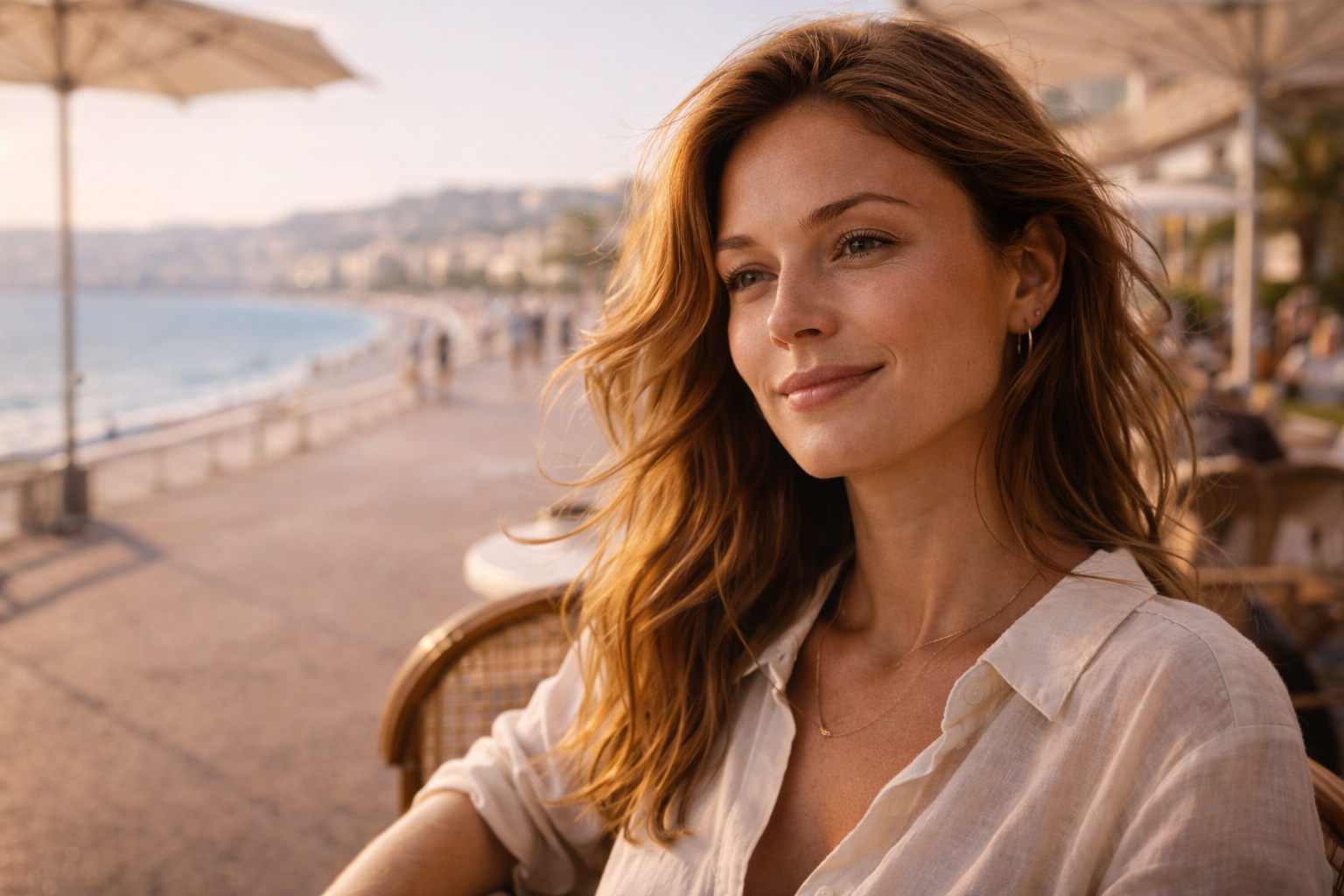
This makes Nice ideal for travelers who want a visually rich trip with good infrastructure. You can wake up and walk to the sea, spend part of the day on a public or private beach, take a slow lunch, and still fit in galleries, local shopping, or a hilltop viewpoint by evening. The city also works well if you want to mix glamour with regional culture, because its size supports both polished and more casual moods within the same day. That flexibility makes it one of the best places on the French Riviera for first-timers.
Nice also helps solve one of the Riviera’s biggest travel problems: burnout through overstimulation. On this coast, it is easy to overschedule in pursuit of glamour and accidentally flatten the very thing you came for. Nice is spacious enough to give you recovery time—quiet morning coffees, easier restaurant choices, and simple transport. If the Riviera is your fantasy, Nice is often the place that makes the fantasy livable.
Cannes: Red-Carpet Energy, Designer Storefronts, and the Performance of Glamour
Cannes is the Riviera city that understands spectacle most openly. Even when the film festival is not happening, the city still feels like a place designed to be looked at. The Croisette is not just a seafront avenue; it is a stage where hotels, boutiques, cars, beach clubs, and people all participate in a shared visual performance. This is why Cannes can feel thrilling for travelers who enjoy polished surroundings and the impression that the whole city is dressed for an event.
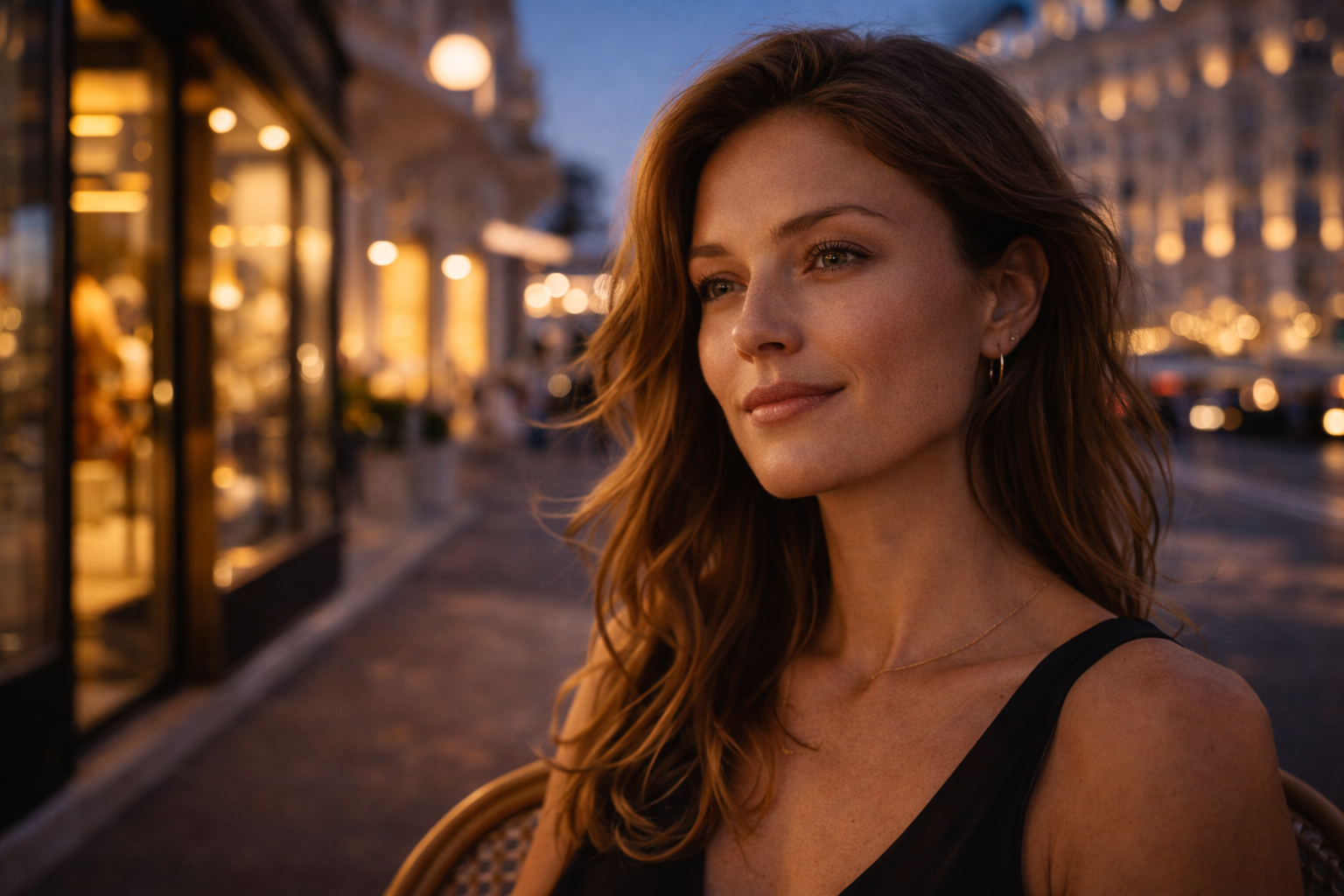
The best way to do Cannes is to lean into this theatrical quality rather than pretending you are above it. Walk the Croisette at the right hour, when the light is warm and the façades glow. Have one luxurious-feeling stop, even if it is only a drink rather than a full meal. Browse fashion streets or hotel lobbies not because you need to buy anything, but because they are part of the experience. Cannes works when you understand that glamour here is spatial: it is about where you stand, what you see, and how the city makes you feel.
If you are building a Cannes and Monaco itinerary, Cannes works especially well as the softer of the two. It has polish, but also warmth and a Riviera looseness that Monaco lacks. That balance makes it ideal for one or two beautifully paced days. Do not overschedule it. Cannes is at its best when you allow some of the glamour to remain atmospheric rather than over-explained.
Monaco: Precision Luxury and the Riviera at Its Most Controlled
Monaco is a different species of glamour. Where Cannes glows, Monaco gleams. The Principality feels engineered for prestige: immaculate streets, hyper-visible wealth, polished marinas, controlled traffic, casino elegance, and the peculiar sense that every surface has been optimized for high-net-worth living. Even if you are only there for a day, you feel the difference immediately. It is not a coastal town with luxury layered on top—it is luxury structured into the place itself.
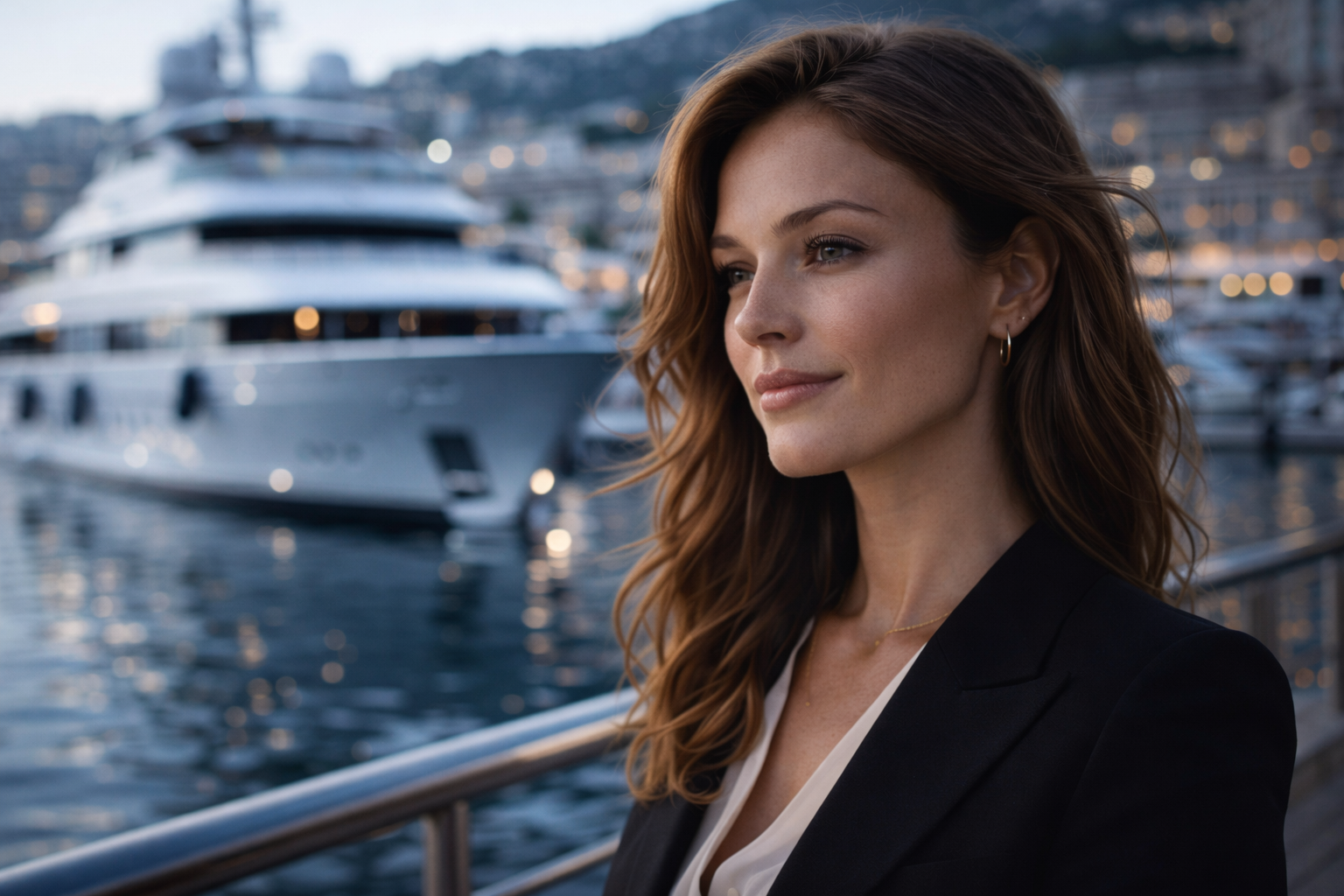
This is why Monaco works best as a sharply defined chapter rather than a loose wandering day. Walk the harbor, move upward through the city’s levels, admire the casinos and hotels, and let the architecture of wealth speak for itself. The experience is not only about spending money, but about understanding how glamour becomes systematized. For readers who want the fantasy of “the rich and famous” without needing to participate financially, Monaco is actually ideal. You can absorb a huge amount of Riviera mythology simply by observing.
The smartest way to include Monaco in a Riviera trip is to contrast it with somewhere softer, such as Nice or a smaller coastal town. This contrast makes Monaco feel more intense and therefore more memorable. On its own, it can become too sterile. Inside a broader French Riviera travel guide, Monaco functions best as a peak-gloss interlude: short, concentrated, and unforgettable.
Saint-Tropez: Beach Clubs, Bronze Skin, and Summer Riviera Mythology
Saint-Tropez is the place where Riviera glamour becomes warm, playful, and overtly sensual. It is less about urban polish and more about sun, skin, boats, rosé, and the choreography of beach-club life. The myth of Saint-Tropez is powerful because it combines aspiration with pleasure: it is not just luxurious, it is visibly enjoying itself. That is why so many travelers are drawn to it, even if they know it may be crowded, expensive, and seasonal.
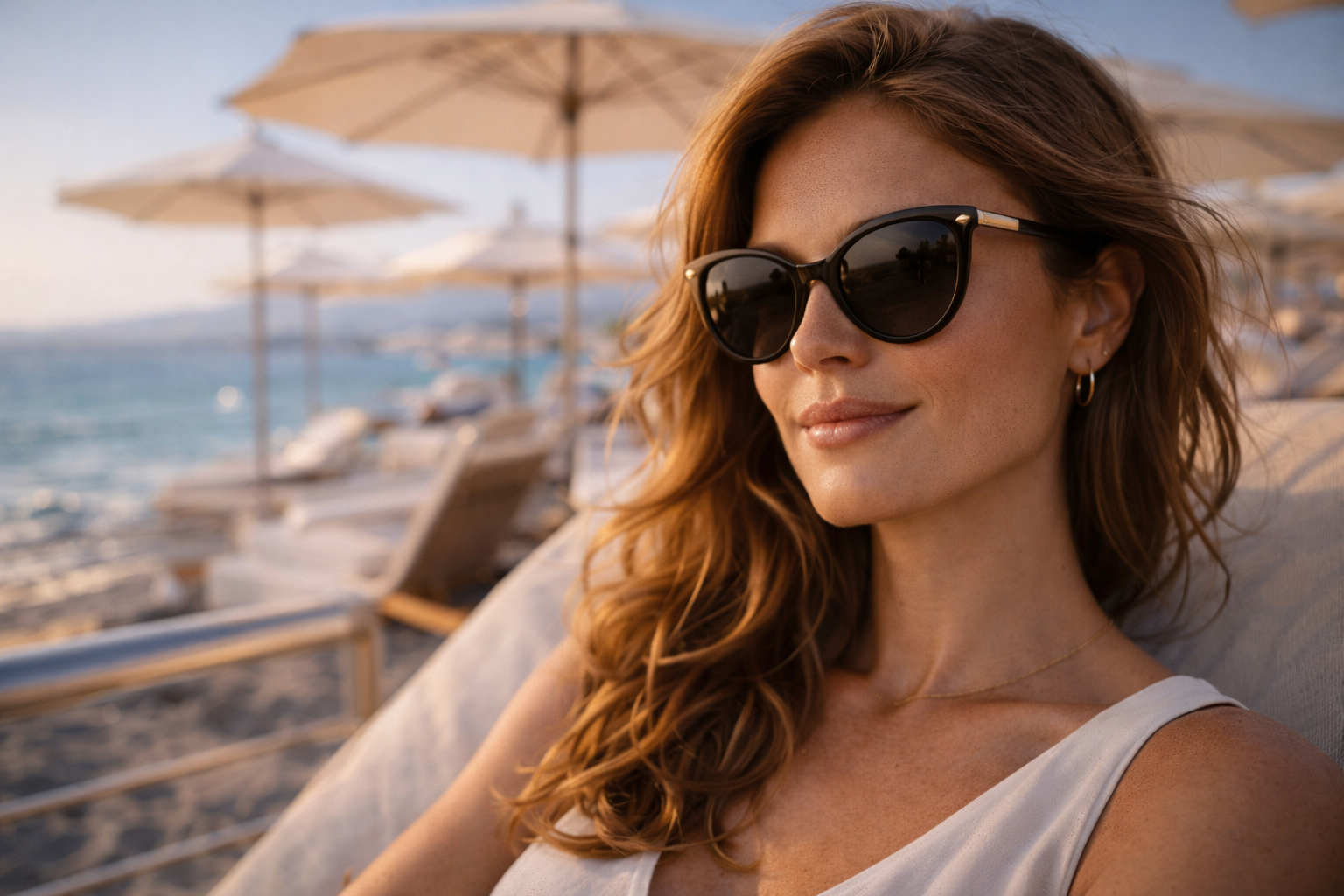
The beach-club culture is central here. If Cannes is about promenades and façades, Saint-Tropez is about loungers, sea-view lunches, carefully styled swimwear, and afternoons that blur into evening. A day built around French Riviera beach clubs can feel like the purest expression of coastal glamour, especially if you choose one good venue rather than trying to sample multiple places. The point is not motion—it is indulgent stillness, delivered in a highly visual environment.
To keep Saint-Tropez from turning into a logistical headache, approach it with patience. Traffic, parking, and peak-season crowds are real, which means timing matters. Arrive early, commit to one beach zone, and let the day be shaped by light and appetite rather than by movement. Saint-Tropez is not a place to optimize. It is a place to surrender—stylishly.
Yachts, Marinas, and the Riviera Fantasy of the Sea
Even if you never step aboard a yacht, the Riviera’s marine culture is part of the trip’s emotional architecture. Harbors from Nice to Cannes to Monaco stage one of the region’s defining visual symbols: polished hulls, floating wealth, white decks, and the implication of private freedom. For many travelers, walking a marina at sunset is as satisfying as any formal attraction because it delivers the fantasy without needing access. The sea, in other words, performs glamour on behalf of the region.
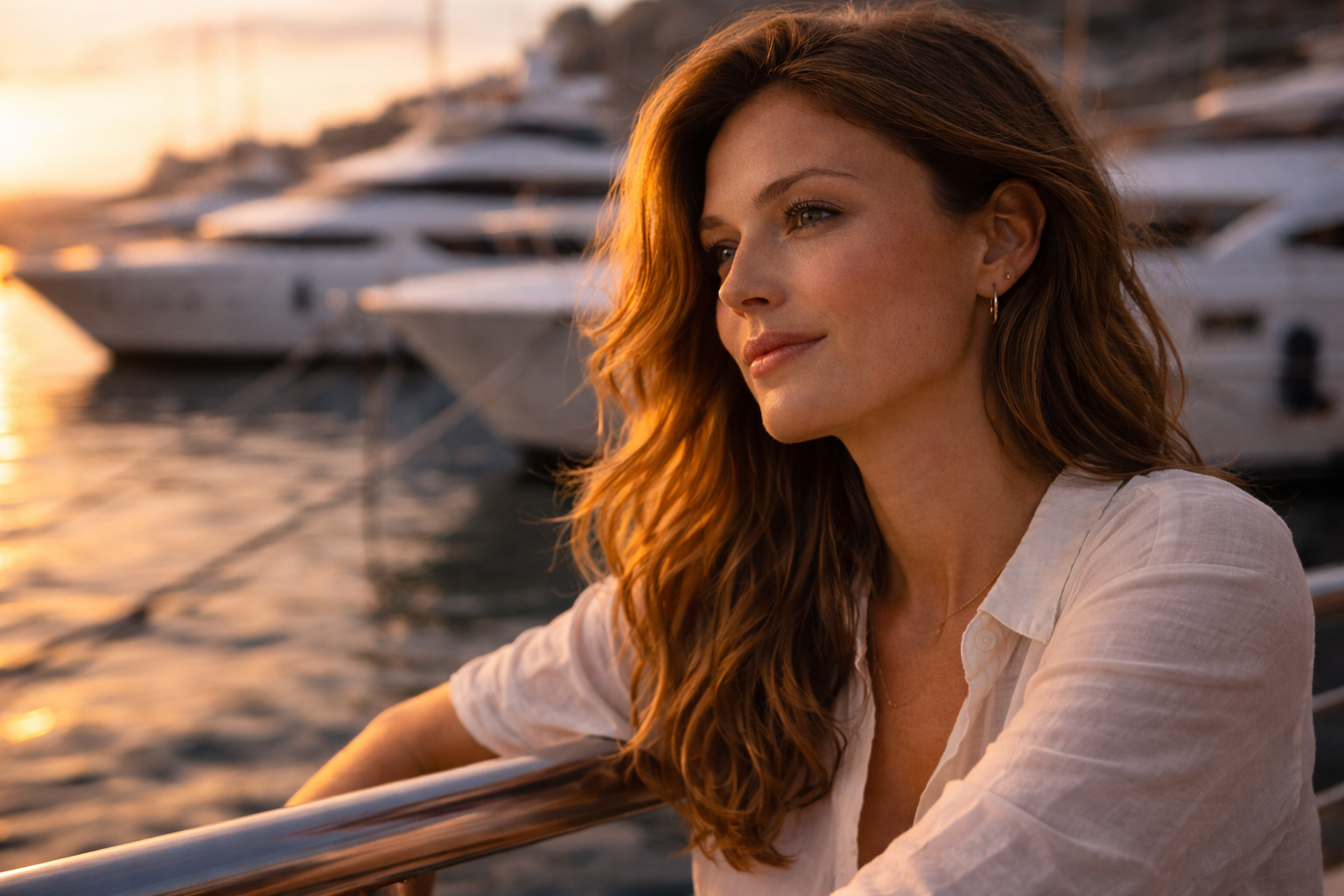
If you do want an on-water experience, you do not need to think only in terms of private chartering. Boat excursions, coastal cruises, or shorter luxury-leaning day options can give you enough of that Riviera sensation to make the chapter feel complete. The point is less about “having a yacht day” and more about changing perspective—seeing the coast from the water, feeling the pace slow, and understanding why the Riviera became synonymous with maritime leisure in the first place.
The smartest use of yachting culture in a trip is to make it one carefully chosen experience rather than a daily fixation. One marina walk, one boat excursion, one excellent seaside lunch—together these can feel more glamorous than constantly chasing access to wealth you are not actually using. That is one of the hidden truths of Riviera travel: the image is powerful, but the mood is what stays with you.
How to Dress, Dine, and Move So the Riviera Feels Effortless
The French Riviera punishes overtrying. What looks glamorous here is usually not heavy styling, but ease: good fabrics, clean shapes, sandals that still look deliberate, and outfits that understand heat, salt, and light. Travelers often imagine the coast requires nonstop dressing up, but the real Riviera aesthetic is about restraint. You want to look like you belong in the climate, not like you packed for a costume version of luxury. Linen, simple jewelry, polished sunglasses, and one or two statement evening looks will usually take you further than an overloaded suitcase.
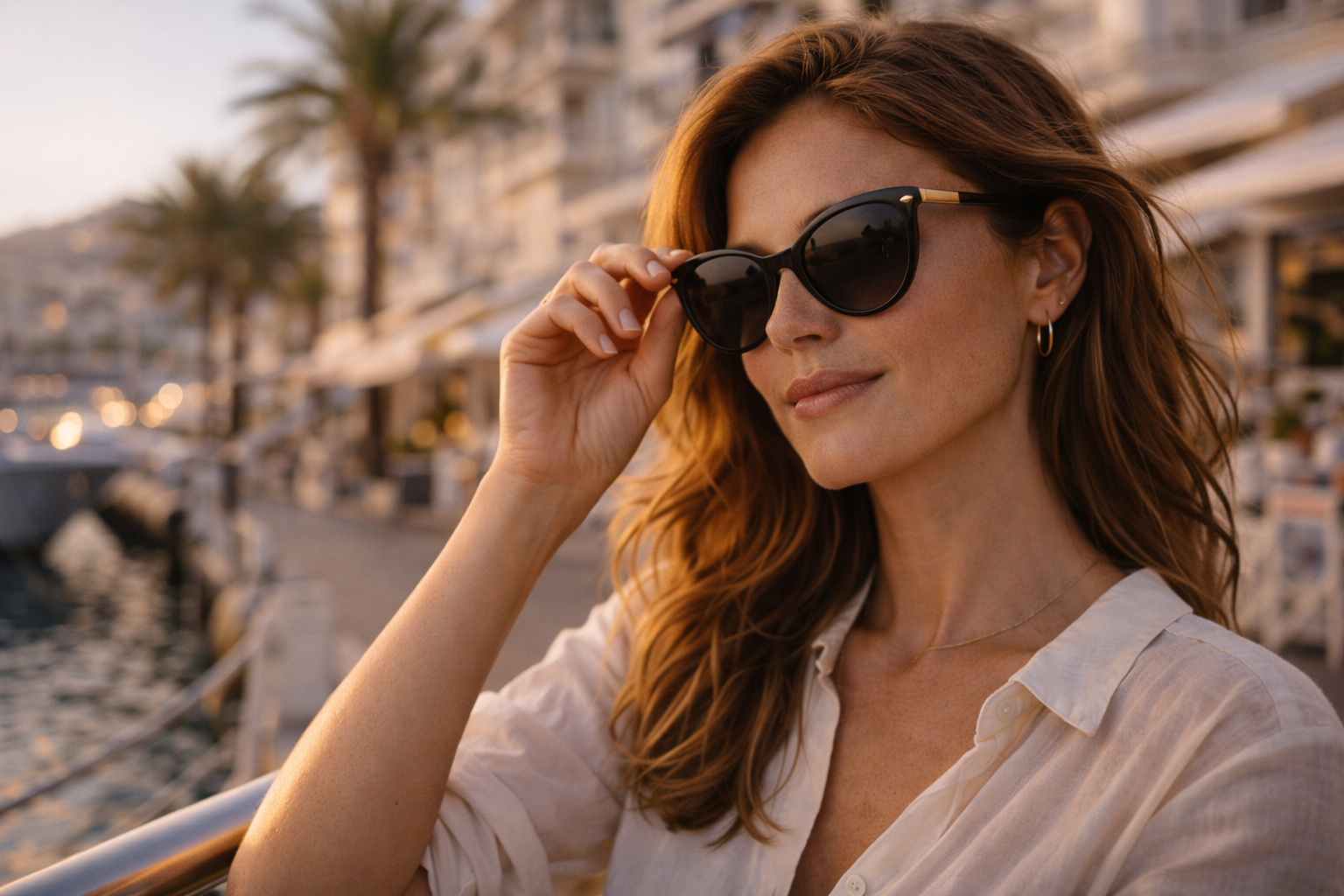
Dining works the same way. The most satisfying Riviera meals are often not the most performative, but the ones that align with the place and the hour. Lunch by the sea can matter more than dinner in a room with ten chandeliers, and a beautiful terrace can transform a simple order into a memory. Book one or two intentional “glamour meals,” then let the rest of the trip breathe through cafés, wine bars, and Mediterranean dinners that feel light and natural. Luxury lands harder when it is selective.
Movement also matters. The Riviera feels best when your days are composed, not stuffed. One strong destination per day, one beautiful meal, one walk, one place to sit and simply look—that is often enough. The most glamorous trip is not the one with the most reservations, but the one that appears to unfold without visible effort. That is the Riviera ideal, and travelers who imitate that rhythm get the best results.
For a broader taste-first version of the South of France, see Savoring the Flavors: A France’s Wine and Cheese Journey.
How to Make the French Riviera Feel Luxurious on a Non-Unlimited Budget
One of the best travel truths about the Riviera is that beauty is often public, even when wealth is private. Sea views do not charge admission. Promenades, old towns, cliffside walks, harbors, and much of the visual glamour are available to anyone willing to pace their day well. This means you can create a high-feeling trip by splurging strategically rather than continuously. One elegant hotel night, one special lunch, one club day, one boat outing—those can define the trip far more than trying to live at full luxury level every day.
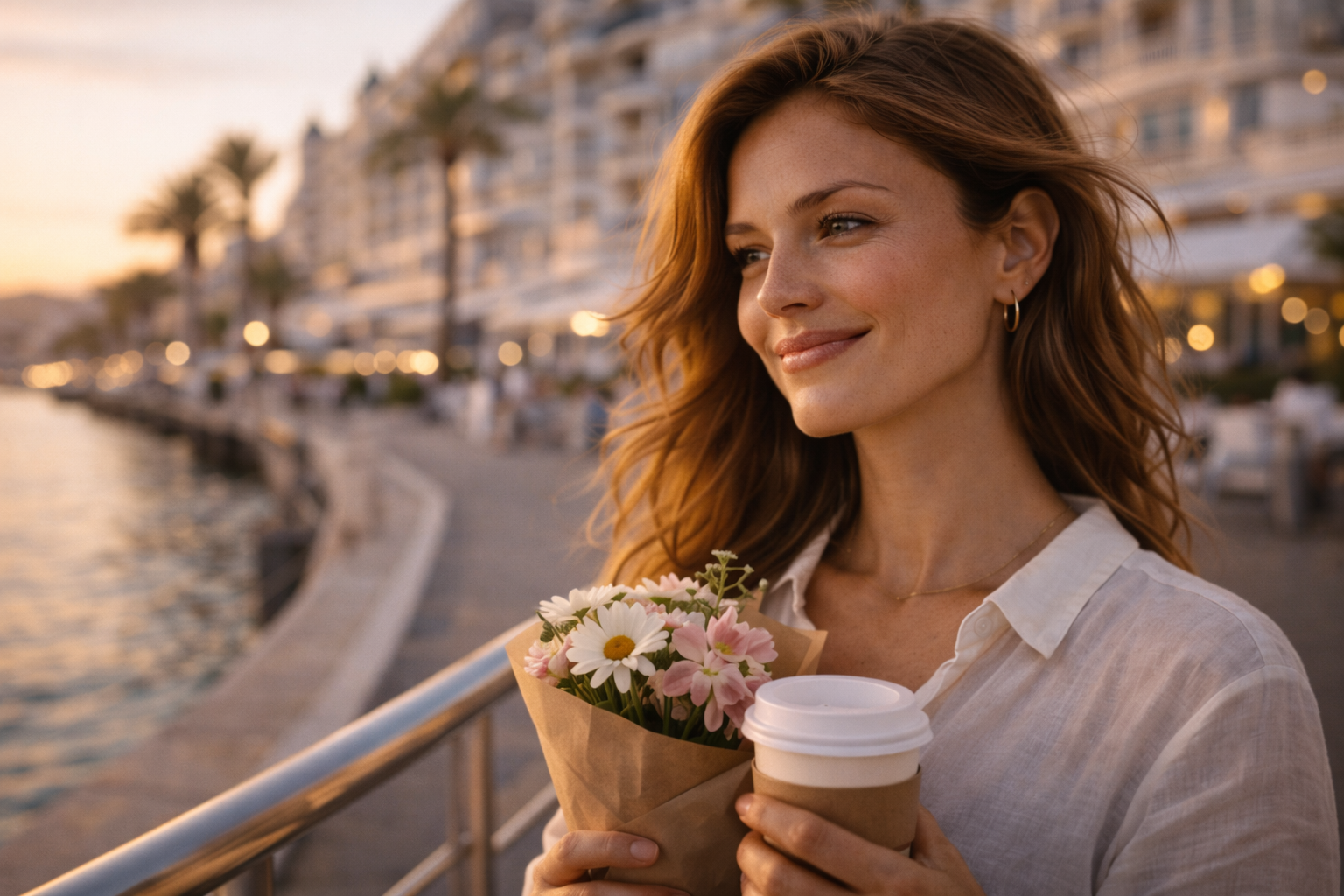
The key is identifying your “anchor splurges.” Maybe for you that is a sea-view room for one night, or a beach club in Saint-Tropez, or a beautiful dinner in Cannes, or a wellness afternoon in Monaco. Once you choose those anchors, the rest of the trip can lean lighter without feeling diminished. Nice breakfasts, public beach moments, scenic walks, and aperitifs at the right hour can all feel glamorous if your trip already has the right architecture.
This is where a strong French Riviera travel guide becomes genuinely useful. It helps readers stop confusing glamour with constant spending. The Riviera rewards editing. The better your taste, the less you actually need to buy in order to feel like you are living the dream.
Conclusion: The Riviera Works Best as Mood, Not Checklist
The French Riviera is not just a destination; it is an atmosphere economy. It sells light, elegance, leisure, confidence, and the illusion that life near the sea can always be arranged more beautifully. The mistake is trying to consume all of it at once. The success lies in choosing your version of the coast—urban elegance, yacht fantasy, beach-club indulgence, casino precision, or slow Mediterranean beauty—and letting the trip build around that.
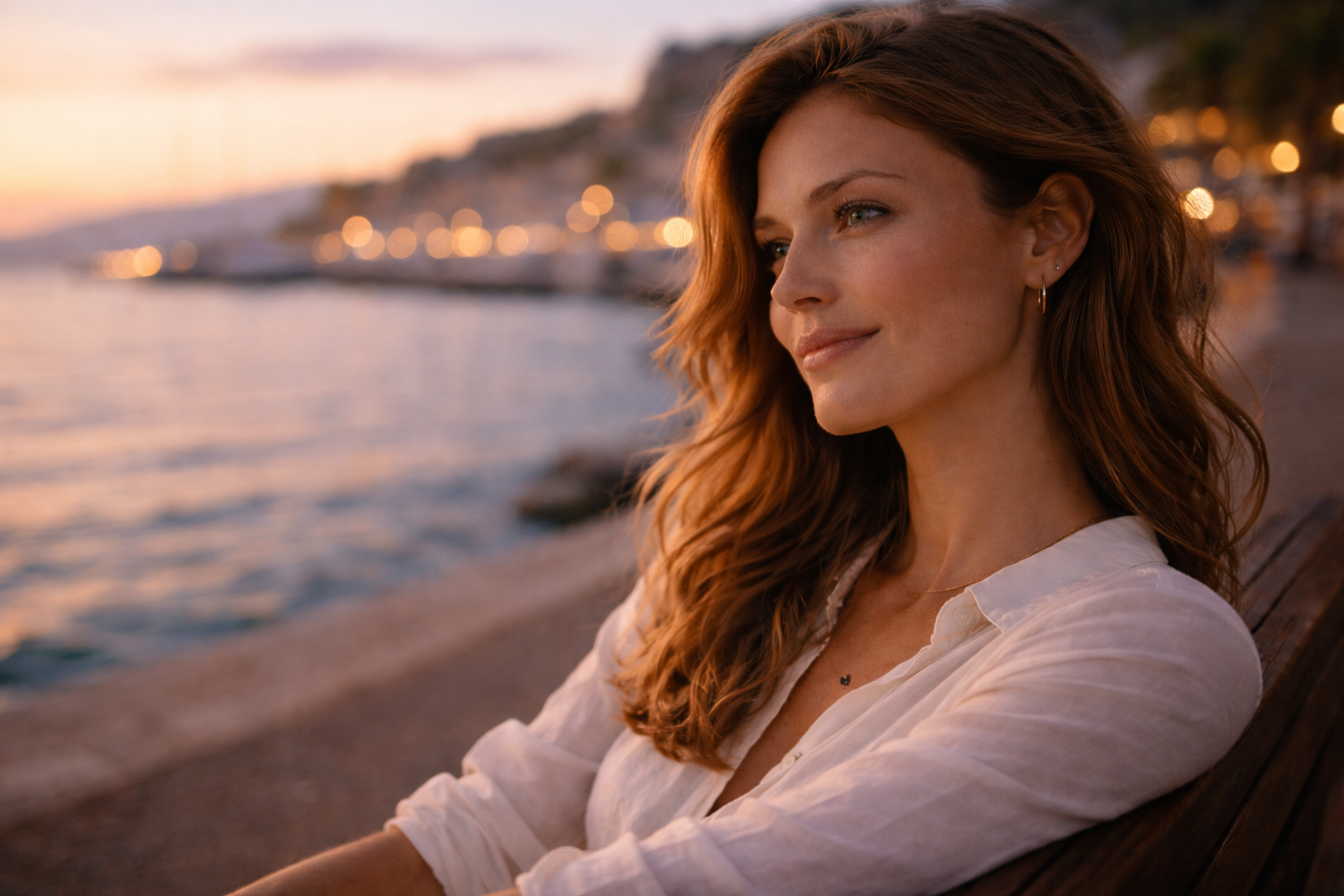
A well-planned Riviera journey leaves you with more than pretty photos. It leaves you with a changed pace: slower lunches, sharper visual awareness, a better sense of what makes something feel luxurious, and a memory of the sea as backdrop to a version of yourself that felt unusually polished. That is why the Côte d’Azur remains irresistible. Not because it promises perfection, but because it makes glamour feel possible.