
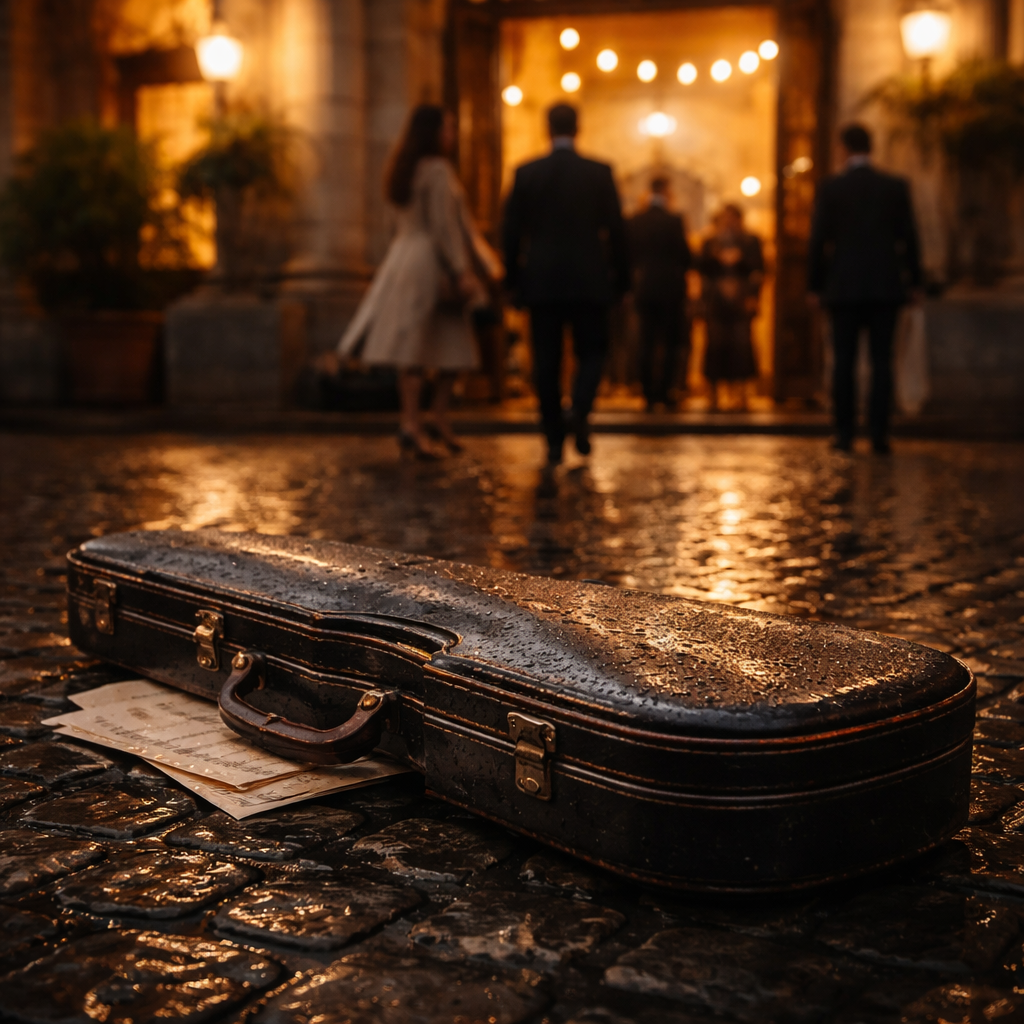
Germany is one of those countries where music is not simply entertainment layered on top of travel. It is part of the country’s structure. You hear it in the formal grandeur of opera houses, in church interiors built for resonance, in summer festival fields, and in urban nightlife that treats sound as a serious part of identity. This means a trip through Germany can be shaped not only by cities and landmarks, but by what kind of music you want your days and evenings to carry. Once travelers see that, the country becomes much more than a museum-and-castle itinerary.
That is why a useful Germany music travel guide should not read like a history lesson. Most travelers are not asking for a chronology of composers. They want to know where to go for atmosphere, which places are worth planning around, and how to build a trip that combines music with real travel pleasure. Germany is especially good for this because its music culture stretches from extremely formal to deeply contemporary without feeling forced. A classical evening in Dresden and a rock festival weekend can both feel equally “German,” even though they belong to entirely different worlds.
This guide is built around those contrasts. Instead of listing big names without context, it helps readers understand what kind of musical experience each part of Germany actually offers. Some travelers want the elegance of opera and concert halls. Others want large-scale festivals, club culture, or live-music neighborhoods where the night matters more than the ticket. Germany can do all of that, but the trip works best when you choose your musical mood instead of trying to consume the whole country’s sound at once.
Why Germany Is One of Europe’s Best Music Destinations
Germany works so well as a music destination because the country supports both heritage and active scene culture at a very high level. This is not a place where classical music survives only as a museum piece. Opera houses still matter, orchestras still shape city identity, and festivals still create real travel momentum. At the same time, Germany also supports modern scenes that feel current and lived-in, from rock and alternative festivals to urban club culture and experimental performance. That breadth makes the country especially attractive for travelers who want more than one kind of night.

Another reason Germany is strong here is that music and place are tightly linked. Dresden feels different because of its opera culture, Bayreuth because of its Wagner legacy, Berlin because of its live and electronic scenes, and festival regions because crowds transform landscapes into temporary cities of sound. These are not interchangeable “music things to do.” Each one carries a different emotional temperature. That is what makes a smart Germany music travel guide more useful than a generic culture overview.
This also helps readers design better trips. Instead of asking “What are the most famous music events in Germany?”, they can ask better questions: Do I want elegance or energy? Seated listening or open-air movement? Historic prestige or modern scene culture? Once those questions are answered, Germany becomes much easier to navigate musically.
Bayreuth: For Travelers Who Want Music to Feel Monumental
The Bayreuth Festival remains one of the clearest symbols of classical music in Germany, but it only makes sense if travelers understand what kind of experience it actually is. This is not casual background culture. Bayreuth is formal, intense, and built around Wagner’s operatic world with a seriousness that defines the whole town during the festival season. That seriousness is exactly what gives it power. If a traveler wants one experience that feels completely devoted to music rather than simply “nice to include,” Bayreuth is one of the strongest choices in the country.

What makes Bayreuth special is not only the performance itself, but the idea of total cultural focus. The Festspielhaus was designed specifically for this repertory, which means the venue, the audience, and the event all reinforce each other. Even people who are not devoted Wagner specialists can feel that they have entered a place where music is treated as something larger than entertainment. This can be thrilling if approached with the right expectations. It can also be overwhelming if someone is simply looking for “a concert.”
For travel planning, Bayreuth works best as a clearly defined chapter rather than an impulsive stop. It belongs in an itinerary for readers who want one highly specific and prestigious cultural peak. A good guide should position it honestly: not for everyone, but unforgettable for the right traveler. That honesty makes the article stronger, because it respects the reader’s actual taste instead of pretending every famous event is universally suited.
Semperoper Dresden: The Most Elegant Way to Experience Opera in Germany
If Bayreuth is monumentality, Dresden’s Semperoper is elegance. It gives readers one of the strongest answers to the question of opera in Germany because it combines architectural beauty, cultural prestige, and a city setting that already feels historically theatrical. The building itself matters almost as much as the performance. Interiors, staircases, sightlines, and ornament all help create the feeling that the evening is not only about listening, but about entering a world where music, architecture, and formality still support one another naturally.
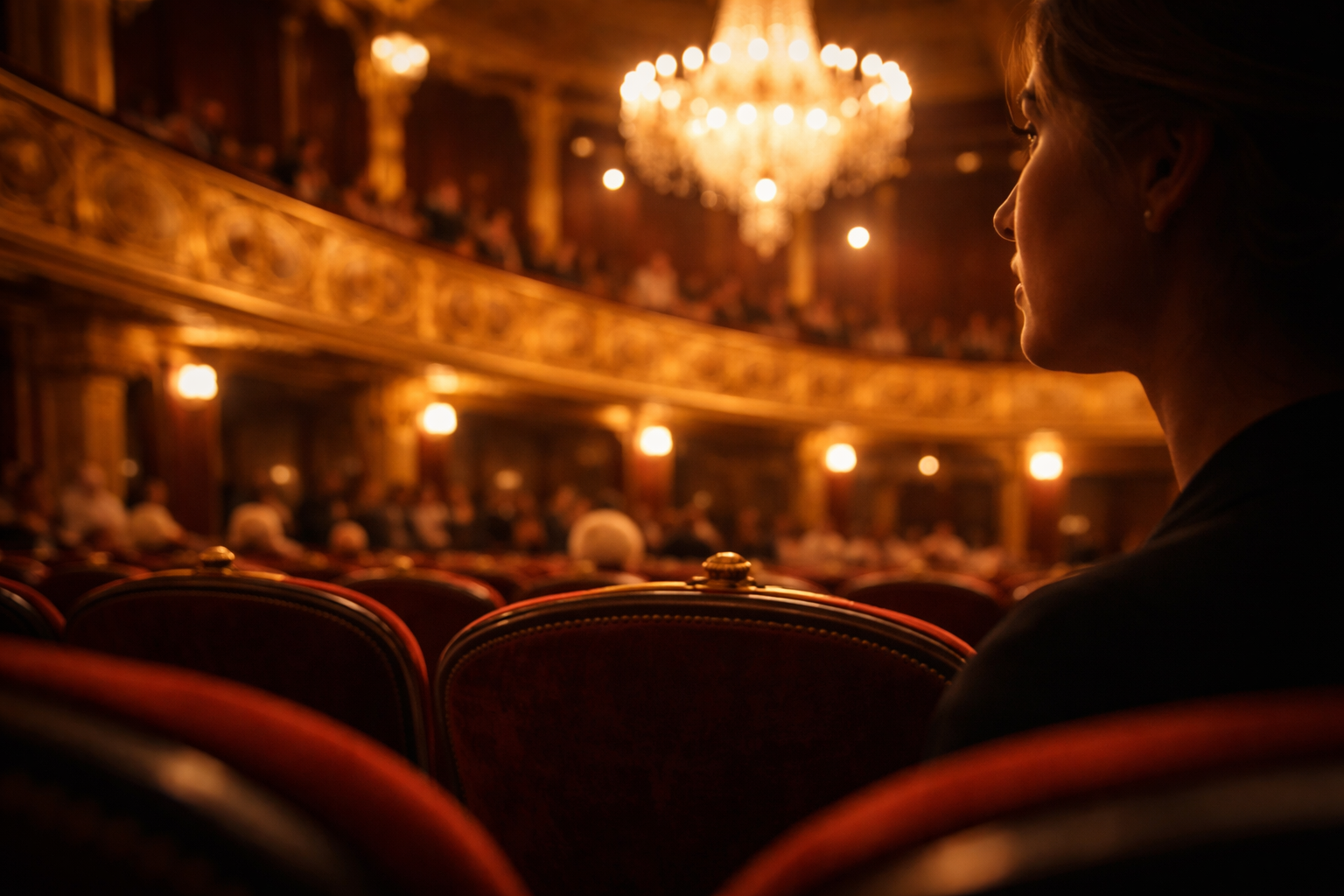
The advantage of Dresden is that opera there can fit beautifully into a broader city itinerary. A traveler can spend the day in museums, historic streets, and riverfront spaces, then let the evening shift upward into something more ceremonial without changing cities or travel mode. This is often more appealing than a festival-only chapter because it feels integrated rather than isolated. The music becomes part of how the city works. That makes Dresden one of the strongest “music plus beautiful travel” combinations in Germany.
For many readers, this is the perfect midpoint between specialist and casual travel. You do not need to build an entire trip around opera to enjoy one extraordinary night in Dresden. And yet, that one night can become a defining memory. A strong Germany music travel guide should always include at least one experience like this: formal enough to feel special, accessible enough to feel realistic.
Before you plan the evening, check the official Semperoper Dresden website for current performances and ticket details.
Berlin: The City for Live Sound, Night Energy, and Everything Between
Berlin belongs in any serious music guide because it gives Germany a completely different rhythm from places like Bayreuth or Dresden. This is where the country’s musical identity becomes urban, experimental, and immediate. For readers searching for live music in Berlin, the attraction is not just one venue or one genre. It is the city’s ability to offer multiple musical worlds at once: rock bars, indie venues, electronic spaces, jazz clubs, and performance nights that feel more contemporary than ceremonial. Berlin is where Germany stops feeling historically “musical” and starts feeling actively sonorous right now.

What makes Berlin especially useful for travelers is that it rewards flexibility. You do not always need a perfectly booked music itinerary here. Some of the best nights come from choosing the right neighborhood, eating well, and then letting the evening unfold through one venue or even just a district known for music culture. That fluidity is very different from opera-house logic or festival planning, and it gives the article broader appeal. Not every reader wants prestige. Many want atmosphere.
Berlin also works because it connects music to other forms of urban identity: fashion, nightlife, galleries, and architecture. A music night here rarely feels isolated from the rest of the trip. It feels like the natural extension of the city after dark. That is exactly why Berlin should sit near the center of a modern Germany music travel guide rather than only at the edge as a “you can also go clubbing” afterthought.
If you want to add a more city-design angle to that Berlin chapter, this sustainable travel in Germany guide fits well with the urban side of the trip.
Rock am Ring and Festival Germany: When Music Becomes the Whole Landscape
Germany’s festival culture gives the country a scale and energy that venue-based travel cannot. Music festivals in Germany are not just concerts stretched over several days. They are temporary worlds with their own weather, social codes, clothing logic, and emotional momentum. Rock am Ring is one of the best-known examples because it translates Germany’s large-scale music appetite into something highly visible: big crowds, high energy, major acts, and a field atmosphere that feels as important as the lineup itself.

The reason this matters for travelers is that festival trips solve a different emotional need than opera or city nights. A festival gives total immersion. You are not simply attending a performance and going back to your hotel after dinner. You are stepping into a social environment built around sound, anticipation, and collective release. This can be one of the strongest forms of music travel, but it only works if the reader understands what kind of commitment it demands. Festival days are long, weather matters, and the whole trip should be paced around the event.
That honesty makes the article more useful. Rock am Ring should not be presented as “one more thing to do in Germany.” It should be positioned as a full-scale travel chapter for readers who want music as atmosphere, identity, and endurance experience. A good Germany music travel guide becomes stronger when it allows some sections to be intense rather than trying to make every experience look equally casual.
How to Choose the Right Music Experience for Your Travel Personality
The best way to make this topic genuinely useful is to help readers choose by temperament rather than by fame. Some travelers want formal cultural grandeur, and for them Bayreuth or Dresden will land much harder than a modern club night ever could. Others want movement, noise, and a sense that music is part of city life rather than preserved heritage, which makes Berlin the more natural fit. Others again want one huge communal release in the form of a festival, where the memory comes not only from the sound but from the crowd and the setting.

This distinction matters because disappointment usually comes from mismatch, not from quality. A person craving atmosphere and flexibility may find an opera evening too stiff if it is sold to them only as “must-see culture.” A traveler hoping for classical beauty may find a festival too exhausting if they imagine it as a glamorous concert series rather than as a physically immersive event. A good guide prevents those mismatches by giving readers clearer emotional language.
It also helps readers combine experiences more intelligently. Someone could build a route that pairs one grand classical night with one Berlin live-music evening for contrast. Another traveler could make the whole trip revolve around a festival with one calm city recovery chapter afterward. Once music is used as a planning logic rather than a random add-on, Germany becomes much easier to structure and much more exciting to imagine.
How to Build a Music-Focused Germany Trip Without Burning Out
One of the easiest mistakes in music travel is overestimating your energy. Readers often imagine they can do major sightseeing all day, then a full concert, then another early start the next morning, and repeat that three times in a row. In reality, music-heavy days are tiring in a specific way: they demand emotional attention, physical stamina, and often late-night movement through cities or festival grounds. A better itinerary alternates intensity. One major music night should usually be followed by a softer day, not another maximal plan.

This applies differently depending on the format. Opera and concert-hall nights need quieter evenings and enough daytime pacing that the performance still feels special when it begins. Berlin live-music or club nights need even more recovery awareness, because the city’s rhythm can easily pull travelers into sleeping too little and overscheduling the next day. Festivals are the clearest case of all: they should be treated as anchor chapters, not squeezed between transport-heavy travel days. The trip stays better when music has room around it.
That is also what makes this article more unique than a generic “music in Germany” overview. It does not just say where the music is. It explains how to travel around it like a human being. That human pacing is what turns a music trip from a chaotic blur into something readers will actually want to recreate.
Conclusion: Germany Is a Country You Can Hear as Much as See
Germany’s music culture is unusually rich because it does not live in only one register. It can be monumental and formal, intimate and elegant, loud and muddy, urban and experimental, or quietly embedded in a city’s evening life. That range gives travelers a rare opportunity: they can use music to shape the entire emotional architecture of a trip rather than treating it as one random night out. A symphonic evening in Dresden, a Berlin live set, and a festival field each reveal a different Germany.

That is why a strong Germany music travel guide should do more than praise famous names. It should help readers understand which kind of listening experience belongs to which kind of journey. Once they do, the country opens in a different way. Germany stops being only a place of castles, museums, and beer gardens. It becomes a country of stages, halls, nights, and sonic identities — and for many travelers, that version is even more memorable than the postcard one.