

Germany has no shortage of beautiful old towns, castles, forests, and classical city centers. But one of the most distinctive things it offers travelers is something many people overlook at first: the ability to turn industrial history into compelling, visually powerful, deeply modern travel. This is not “factory tourism” in the narrow sense. It is a way of seeing how entire regions were shaped by labor, coal, steel, shipping, trade, and then reinvented through architecture, design, museums, and public space. Once you understand that, Germany’s industrial heritage stops looking niche and starts looking like one of the country’s most original travel strengths.
That is why this Germany industrial heritage travel guide is built around experience rather than nostalgia. Most readers do not need a list of decommissioned sites. They need help understanding what kind of trip this actually is. In the Ruhr region, industrial travel feels raw, spacious, and historically heavy — like entering the skeleton of a former economic engine. In Hamburg, the experience becomes more urban and polished, where old warehouses and harbor logic are transformed into some of the most photogenic redevelopment in Europe. These places do not tell the same story, and that difference is exactly what makes the topic strong.
This guide is designed for travelers who want Germany to feel less predictable. Maybe you have already done the fairytale towns and cathedral route. Maybe you want cities with more edge, more texture, and more evidence of how the modern world was built. Or maybe you just want an itinerary that feels different from what everyone else is posting. Germany is especially good at that kind of trip because its industrial landscapes were not erased — they were reinterpreted. And that gives the traveler something much more interesting than a ruin: it gives them a living argument about how history can be reused.
Why Industrial Germany Is More Interesting Than It Sounds
Industrial heritage often sounds like a specialist topic until people actually step into one of these places. Then the scale changes everything. Furnaces, conveyors, rail lines, brick warehouses, canals, and old workers’ settlements give history physical volume. You are no longer learning abstractly that a region “used to be industrial.” You are walking inside spaces big enough to explain what industrial power felt like when it was shaping daily life. That alone makes these destinations emotionally stronger than many travelers expect.
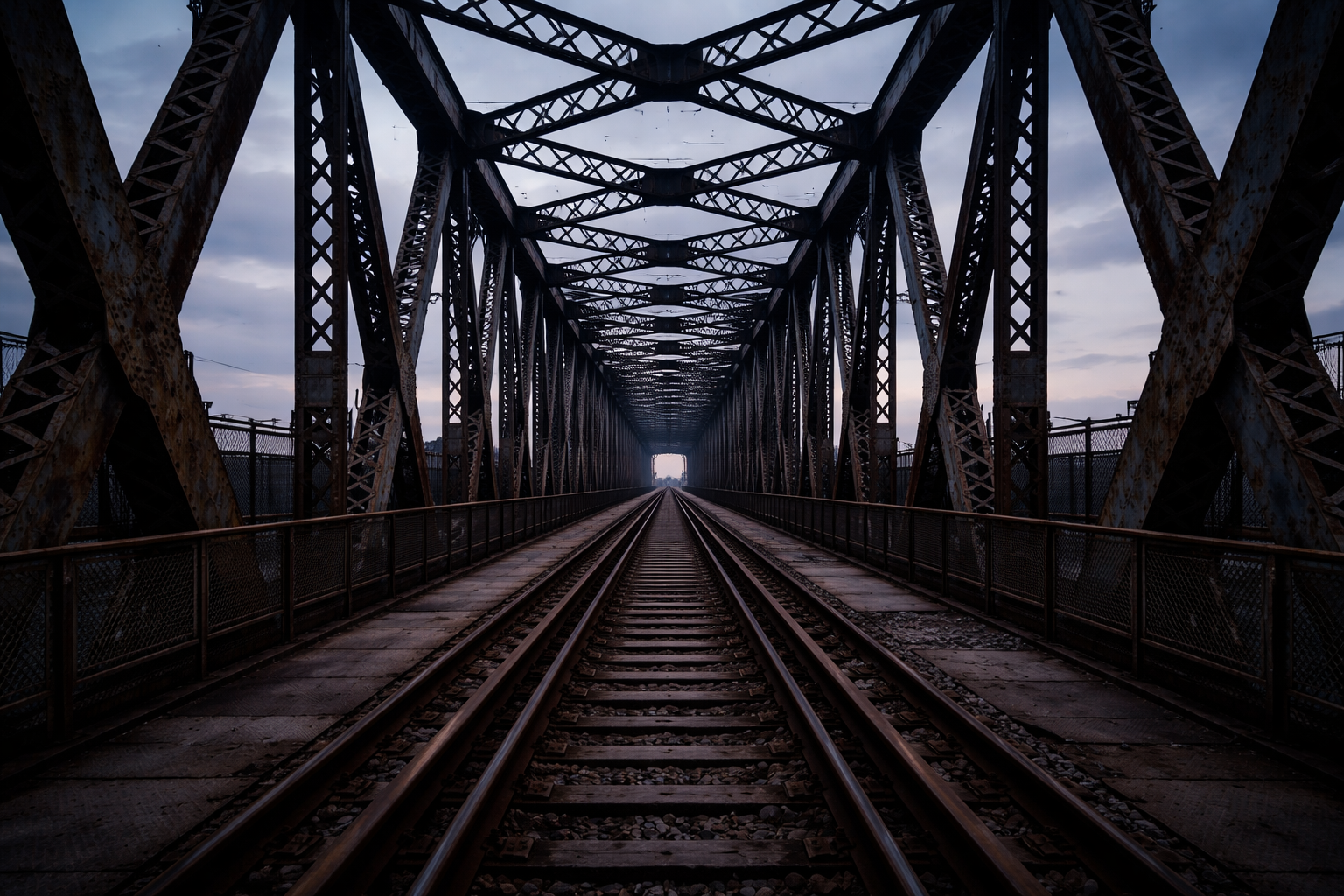
The second surprise is how visually rewarding they are. Industrial Germany is not only soot and machinery. It is rhythm, repetition, steel against sky, brick against water, and some of the best examples in Europe of how infrastructure can become strangely beautiful once its original function fades. This is one reason the topic works well even for readers who do not think of themselves as “history people.” The places are legible. They communicate scale, ambition, and transformation immediately.
Most importantly, industrial heritage in Germany is rarely frozen in the past. These sites now hold museums, cultural venues, design spaces, concert locations, offices, promenades, and neighborhoods. That means the trip is not only about looking backward. It is about watching how a country negotiates memory, reuse, and identity. A strong Germany industrial heritage travel guide should always make that clear, because the travel value comes as much from the present use of these spaces as from their original purpose.
The Ruhr Region: Germany’s Strongest Industrial Story
If one place defines industrial heritage travel in Germany, it is the Ruhr. This region does not offer one monument that sums everything up neatly. Instead, it gives you a whole landscape shaped by extraction, production, transport, and labor. That is what makes it powerful. You are not visiting a single preserved site detached from context. You are entering a region where industry once determined how cities grew, how people worked, and how entire communities were organized. The experience feels systemic rather than symbolic.
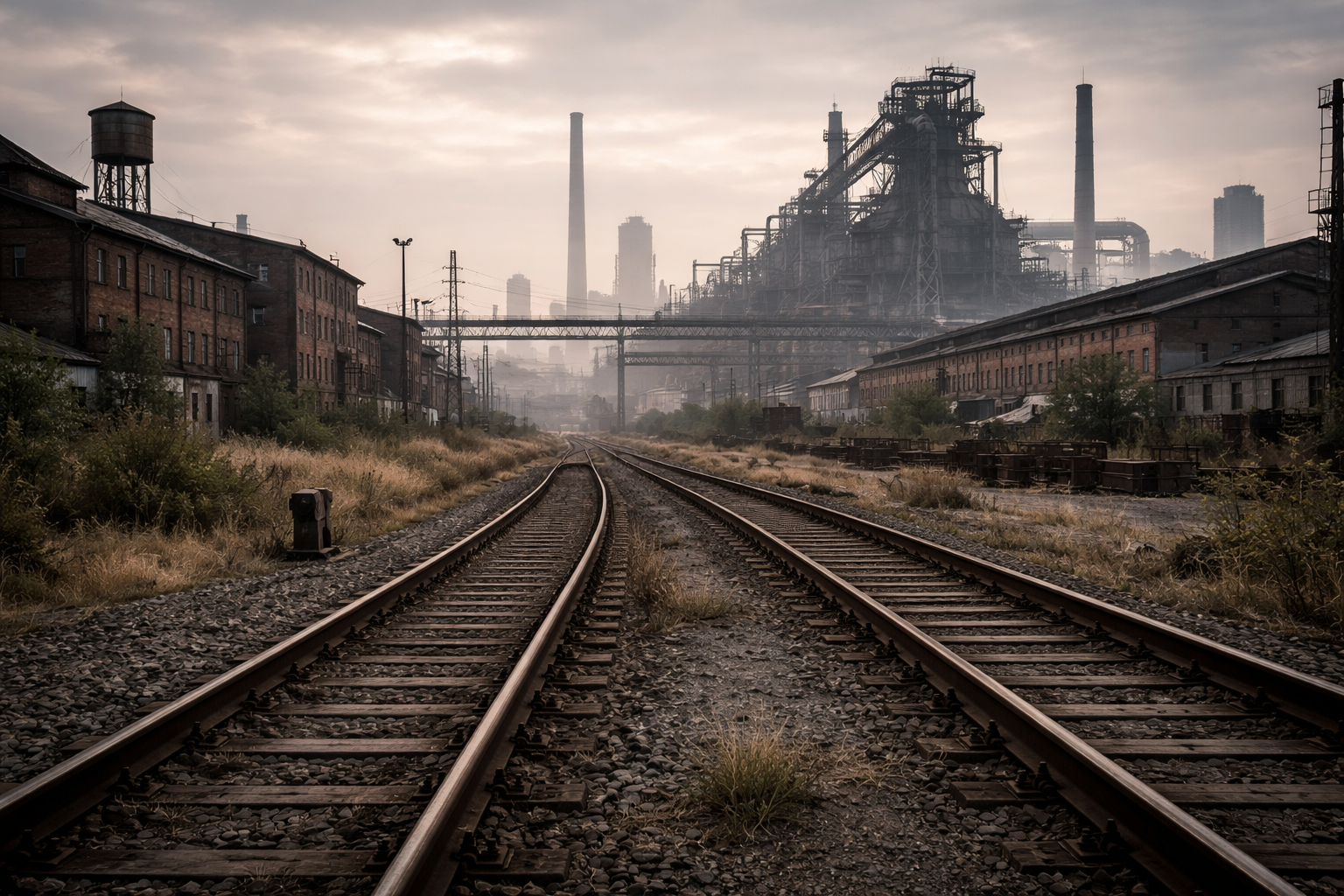
The Ruhr industrial heritage trail is the clearest way to understand that. It links together former industrial sites, workers’ settlements, museums, and infrastructure in a way that turns the region into a readable travel network. Instead of one isolated excursion, readers get a route that explains how everything used to connect. That helps solve a common travel problem: industrial heritage can feel random if you only stop at one location. The trail gives it narrative. You begin to see not just buildings, but an ecosystem of production and life.
This also makes the Ruhr especially attractive for travelers who like trips with a sense of scale. The region feels different from postcard Germany because it is broader, rougher, and less curated in a conventional tourist way. That is a strength. It gives the journey more character. A few days in the Ruhr can completely reset someone’s idea of what Germany looks like and what kinds of travel the country is capable of supporting.
Zollverein: The One Industrial Site Even Non-Industrial Travelers End Up Loving
Among all the Ruhr sites, Zollverein Coal Mine is the one most likely to convert skeptics. It works because it combines historical gravity with design clarity. The architecture and layout are so striking that even travelers who arrive with only mild curiosity often find themselves drawn in quickly. Steel structures, geometric forms, and open industrial space create the kind of visual order that feels almost cinematic. Zollverein is not only important. It is readable and memorable.
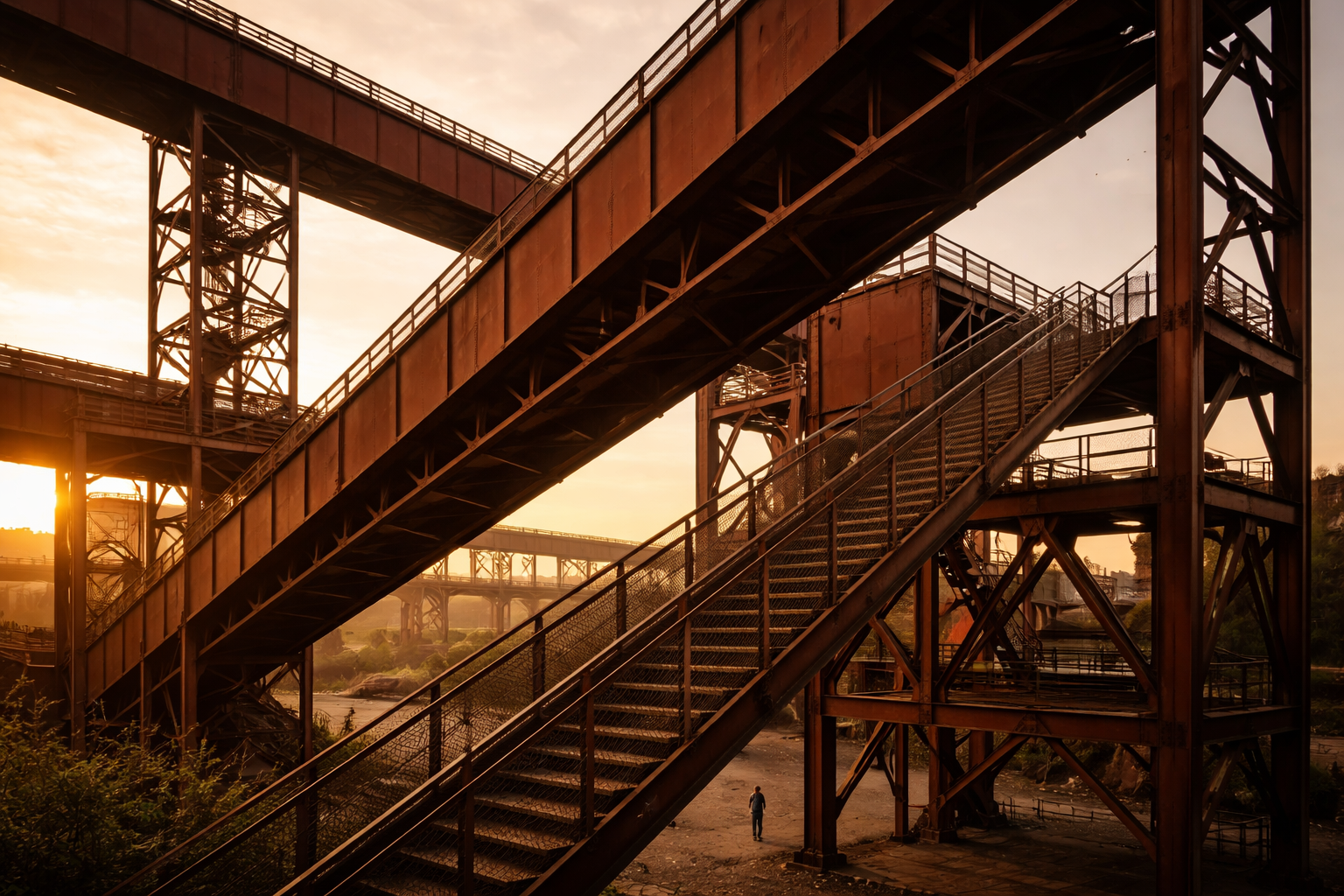
What makes the site especially effective is that it represents both the industrial past and its cultural afterlife. This is not a dead relic fenced off from the world. It is now a place where design, exhibitions, walking routes, and cultural programming interact with industrial memory. That combination is exactly what makes German industrial heritage stronger than the same topic in many other countries. The trip is not about ruins for ruins’ sake. It is about transformation with enough of the original force still visible.
Zollverein also works well for practical travel because it can anchor a whole day without becoming monotonous. Travelers can move through exhibitions, take in the open-air scale, rest, photograph, and still feel that the place has different moods rather than one fixed note. For many readers, this will be the site that justifies the entire theme. A good Germany industrial heritage travel guide should treat Zollverein not only as a landmark, but as the moment where the topic becomes emotionally convincing.
For opening hours, tickets, and practical visitor details, check the official Zollverein visitor guide.
Industrial Heritage Trail Strategy: How to Do the Ruhr Without Exhausting Yourself
The Ruhr is not a region that rewards frantic box-ticking. One of the easiest mistakes readers can make is trying to “cover” too many industrial sites in one day, assuming that more steel equals more insight. In reality, these are heavy landscapes both visually and emotionally. The best route gives each major stop enough space to register. A strong Ruhr day usually means one major anchor site, one secondary contrast stop, and enough time for meals, transit, and simple observation.
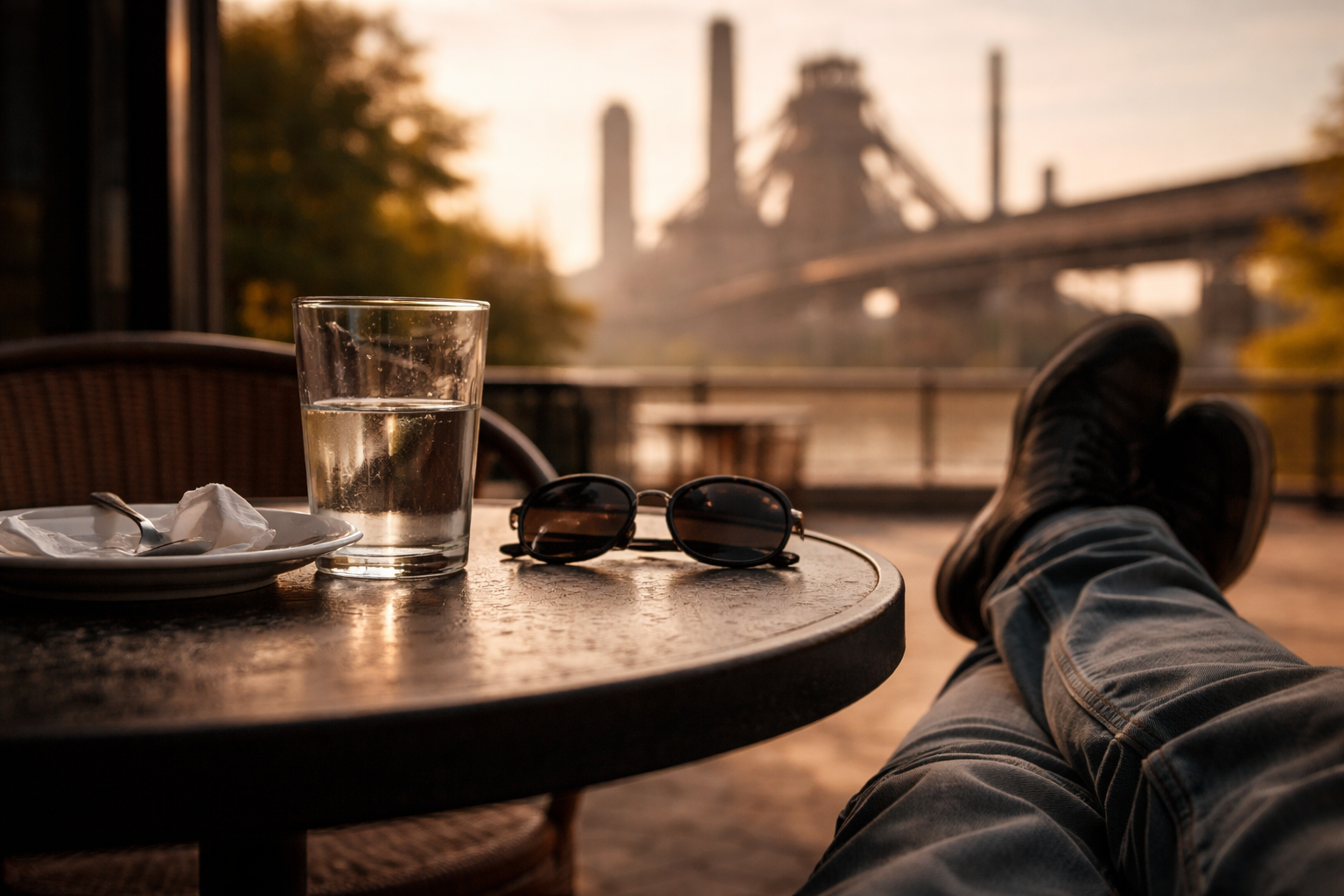
This pacing matters because the region’s value lies partly in accumulation. One site shows industrial scale. Another reveals worker life. Another shows design-led redevelopment. Another highlights transport or energy infrastructure. If readers rush through four or five places back to back, the differences flatten. If they slow down, the region becomes far more interesting because each stop contributes something distinct to the story. That is what the trail should do: build understanding gradually.
It also helps to build the trip around a single base rather than changing hotels constantly. The Ruhr works well when traveled as a connected region, not as scattered fragments. A central base with rail or road access allows travelers to return each evening to a calmer routine, which keeps the trip from feeling too harsh or overly technical. Industrial travel is more enjoyable when the structure around it is simple.
Speicherstadt: When Industrial History Becomes Beautiful
If the Ruhr shows industry at scale, Speicherstadt Hamburg shows what happens when industrial infrastructure becomes pure atmosphere. The red-brick warehouse district is one of those places that immediately explains itself visually. Canals, bridges, vertical façades, repetitive windows, and water-bound logistics create a setting that feels both historic and strangely elegant. It is one of the rare industrial heritage sites that people often love before they even know much about it, simply because it is so photogenic and spatially distinctive.
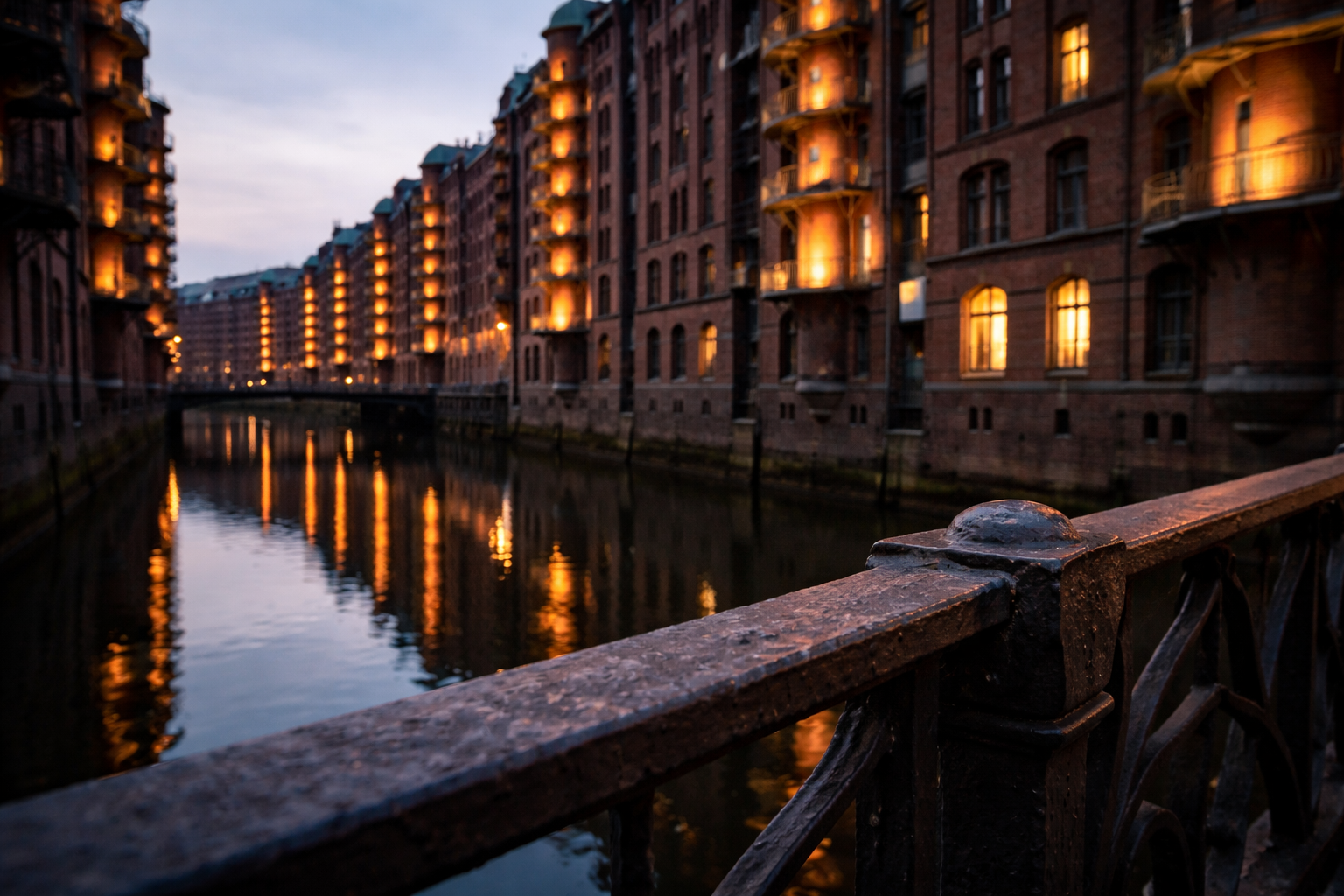
What makes Speicherstadt especially powerful in a travel context is that it softens the industrial theme without diluting it. This was not ornamental architecture built for nostalgia. It was built for storage, trade, and port efficiency. Yet today it reads as beautiful urban scenery, which says a lot about how cities change and how certain forms of labor architecture age into cultural capital. Readers who are unsure whether “industrial heritage” is really their thing often find Speicherstadt to be the gateway that convinces them.
It also works beautifully as part of a broader Hamburg itinerary because it does not demand a whole day of intellectual focus. You can walk through it, photograph it, visit one museum, take in the canal logic, then continue into food, waterfront life, or contemporary architecture without losing the thread. In a Germany industrial heritage travel guide, Speicherstadt is where the topic becomes seductive rather than severe.
HafenCity: The Future Built Next to the Past
Right next to Speicherstadt, HafenCity Hamburg offers one of the most useful contrasts in modern European urban travel. It is not industrial heritage in the nostalgic sense. It is what happens after: the city taking former port land and turning it into a laboratory of redevelopment, architecture, public space, and economic reinvention. The district is polished, modern, and sometimes controversial in the way ambitious urban projects often are, but that is exactly why it belongs in the story. It shows that industrial legacy does not end when production ends. It continues through redesign.
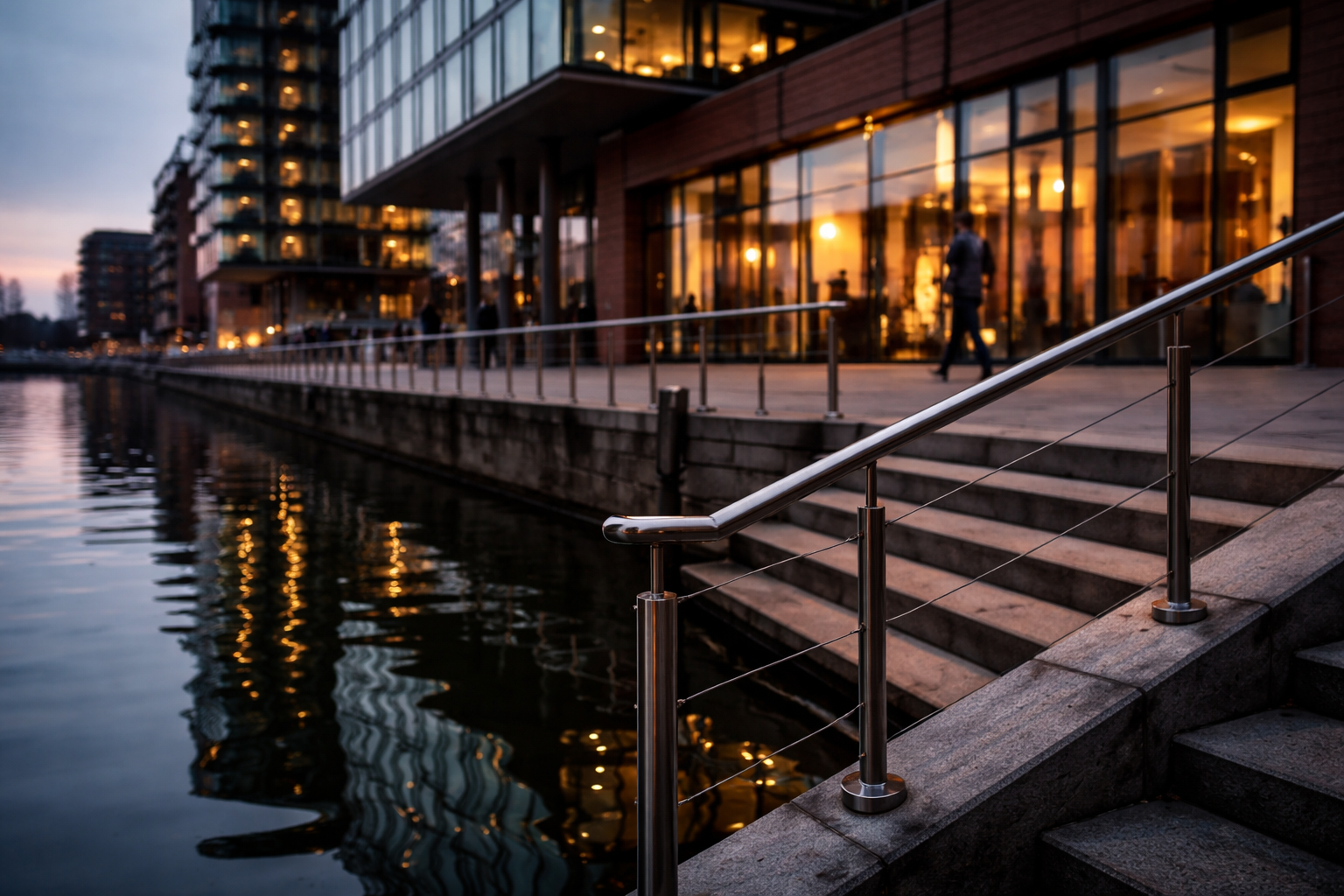
The biggest symbol here is the Elbphilharmonie, which has become one of the most recognizable architectural statements in Germany. But HafenCity is bigger than one building. The whole district is useful to travelers because it turns abstract questions — how cities change, who new development is for, how heritage and modernity negotiate space — into a walkable experience. A person does not need to care about urban planning in theory to feel that something very deliberate is happening here.
This makes HafenCity an ideal counterpart to Ruhr-style heritage. The Ruhr says: this is how industrial power once shaped life. HafenCity says: this is how post-industrial Europe tries to reshape itself afterward. Together they make the topic much richer. Without HafenCity, the article risks becoming only backward-looking. With it, the guide becomes about transformation, which is far more compelling for most readers.
If you want to extend that Hamburg chapter beyond architecture, this Germany music travel guide adds a strong cultural evening layer to the city.
Ruhr vs Hamburg: Which Industrial Germany Is Right for You?
One of the smartest things this article can do is help readers choose. Not every traveler who is curious about industrial heritage wants the same kind of experience. The Ruhr is better for people who want depth, rawness, and a sense of historical scale across an entire region. It feels heavier, more structural, and more tied to labor, extraction, and transformation at the level of society. Travelers who like route-based history, spatial storytelling, and a less polished version of Germany will often find the Ruhr far more rewarding than they expected.
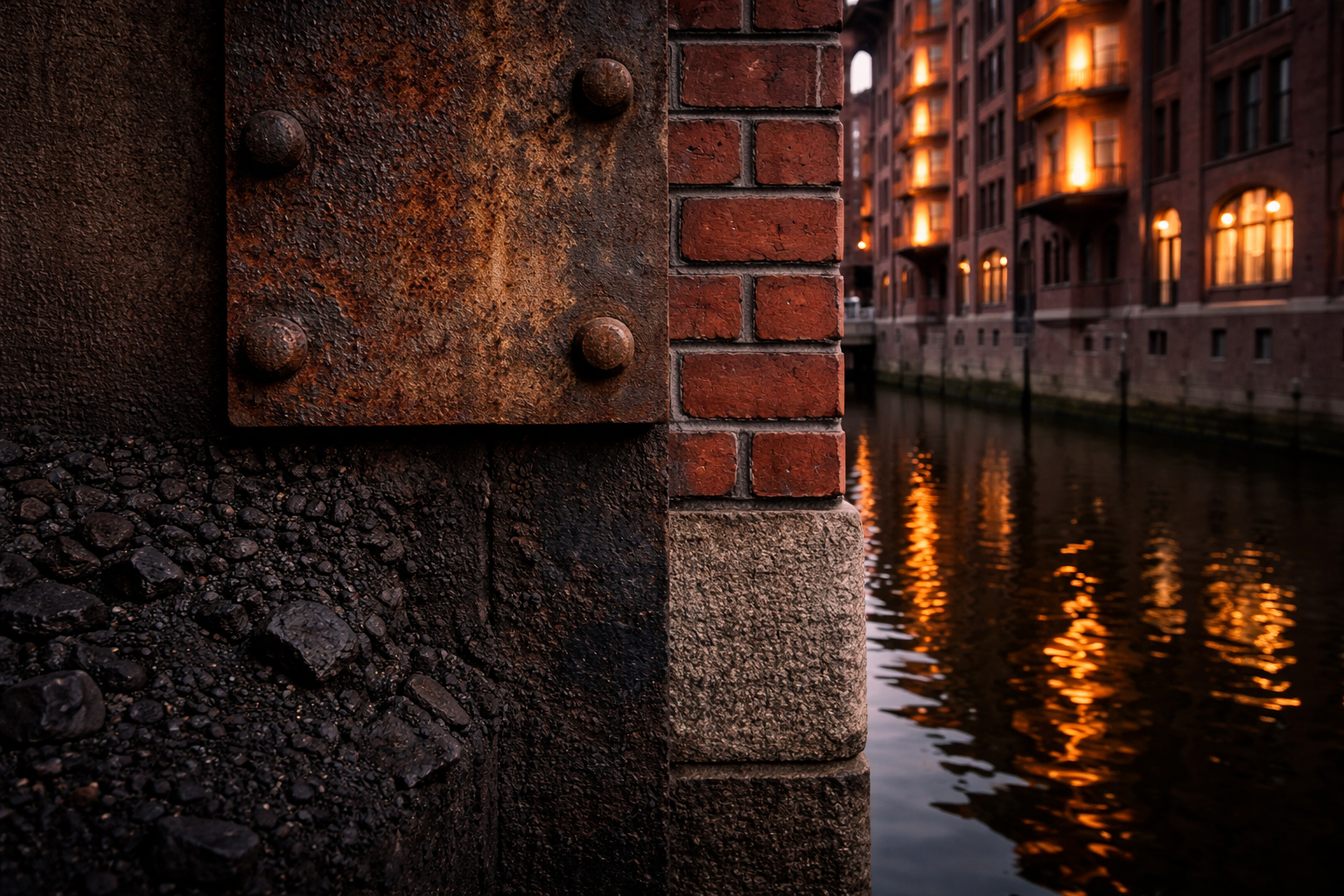
Hamburg, by contrast, is better for readers who want industrial history integrated into a stylish city trip. Speicherstadt and HafenCity give them beauty, atmosphere, and clear contrasts without requiring full commitment to a region-wide industrial route. This makes Hamburg the more accessible choice for casual interest. A traveler can spend one or two days there, understand a lot, and still enjoy all the other pleasures of a major city break. That is a very attractive proposition.
This distinction matters because it prevents disappointment. Someone drawn mainly to aesthetics may struggle with the Ruhr if they expect pretty redevelopment rather than raw industrial context. Someone who wants deeper historical immersion may find Hamburg too smooth if it is sold as the whole story. A strong Germany industrial heritage travel guide should therefore position the two honestly instead of pretending they offer the same experience at different scales.
How to Build an Industrial Germany Trip That Still Feels Human
The biggest risk in this kind of travel is not boredom, but monotony. Too much brick, steel, and historical density without contrast can make even a strong topic feel flat. The solution is to alternate industrial chapters with softer urban or cultural ones. A Ruhr site followed by a calm neighborhood evening works better than two heavy industrial complexes in a single day. Speicherstadt followed by a long waterside dinner or a harbor walk works better than trying to force three more museums into the afternoon. Industrial heritage lands best when the rest of the day allows it to breathe.
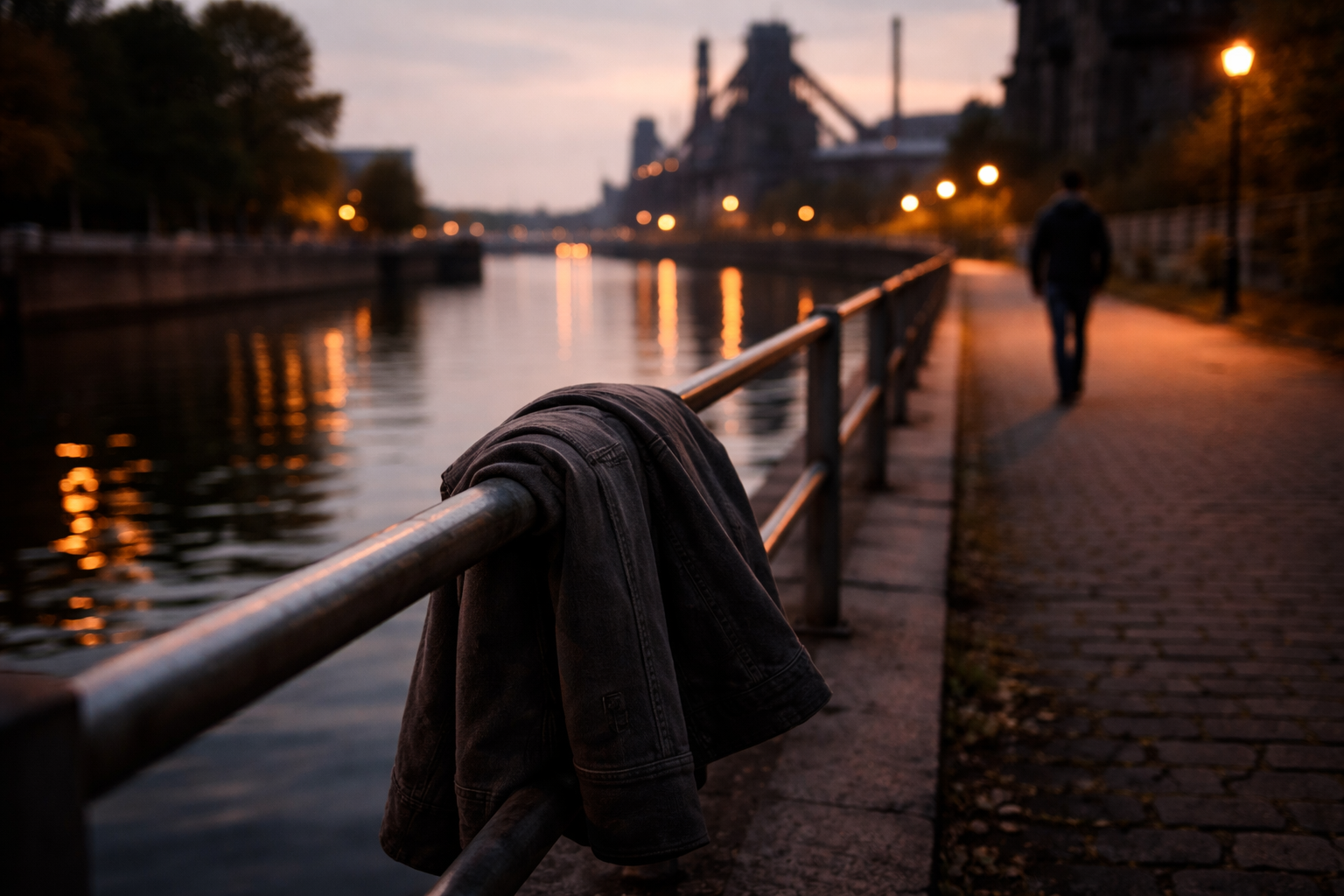
It also helps to remember that these trips are still trips, not field studies. Readers need food, pauses, scenic breaks, and enough unstructured time to absorb what they saw. Germany is very good for this because even industrial regions often have canals, parks, converted cultural zones, and good transport infrastructure that make the day feel manageable. That means the article should encourage rhythm, not maximalism. One strong site and one strong contrast are often enough.
This is also what makes the theme unexpectedly attractive. Industrial travel can sound hard-edged, but if planned well, it becomes one of the most thoughtful and satisfying forms of city-and-history travel in Germany. It has architecture, memory, design, movement, and an unusually clear sense of how the past becomes the present. Readers may arrive out of curiosity, but they stay on the page when they realize the trip can actually feel beautiful.
Conclusion: Germany’s Industrial Past Is One of Its Most Modern Travel Stories
Germany’s industrial heritage matters because it explains more than old machinery or former mines. It explains how regions were built, how wealth and labor reshaped landscapes, and how cities now try to reinvent those landscapes without pretending the past never existed. The Ruhr tells that story in a raw, regional way. Speicherstadt and HafenCity tell it through water, trade, architecture, and urban reinvention. Together they make one of the strongest and most distinctive travel themes the country has to offer.
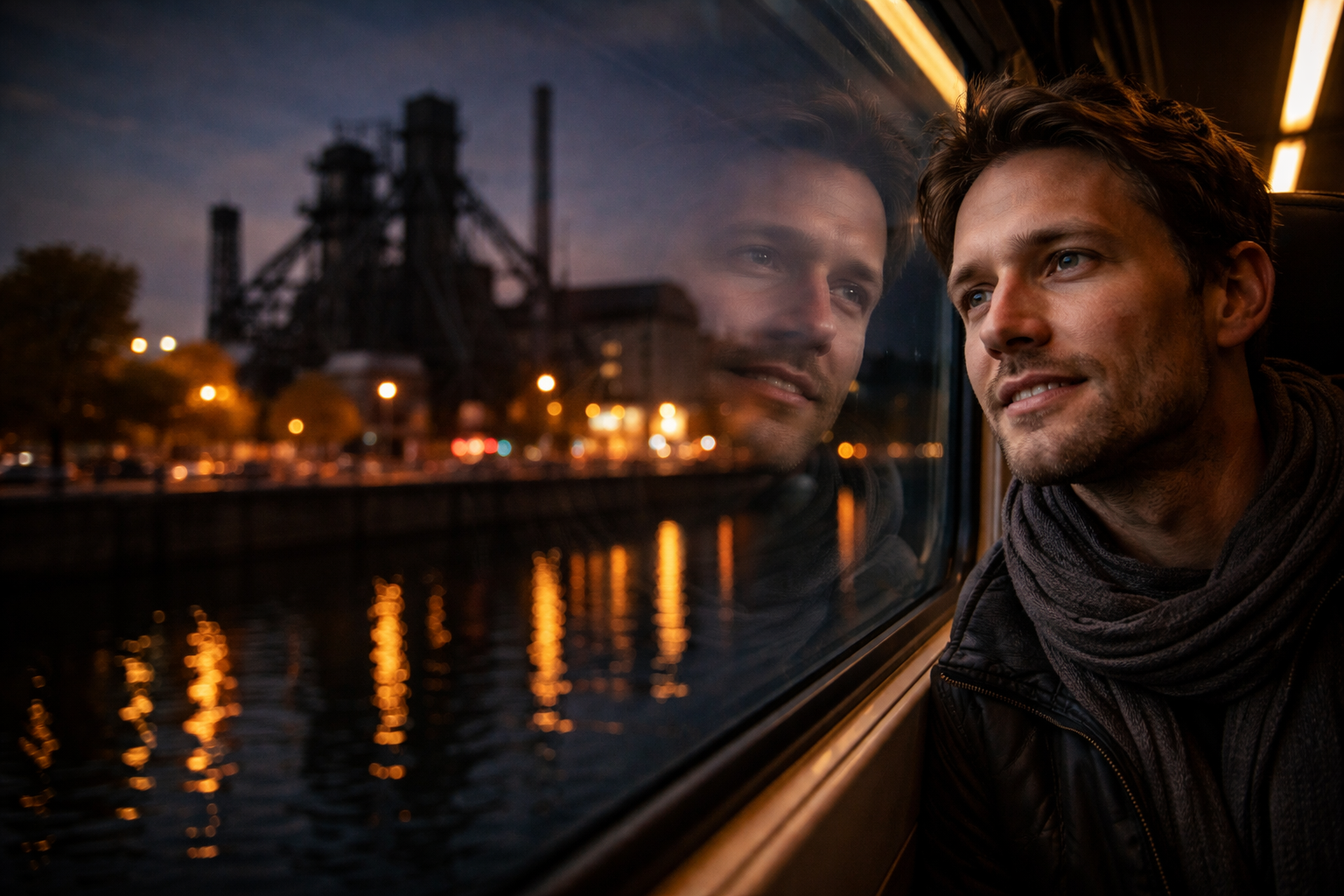
That is why a good Germany industrial heritage travel guide should never sound like a museum brochure. It should show readers that this is not only a topic for specialists. It is a way to experience Germany through scale, transformation, and places that still carry the force of the world that built them. For travelers who want something deeper, more original, and less postcard-perfect, this may be one of the most rewarding routes in the country.