
When people picture Greece, they usually think of whitewashed islands, ancient ruins, and long beach afternoons under sharp Mediterranean light. What they often miss is that Greece is also one of the most rewarding nature destinations in southern Europe — not because it competes with safari countries or giant national-park systems, but because it hides real ecological richness inside landscapes travelers are already eager to visit. Mountains, wetlands, gorges, islands, forests, and protected coastlines all combine to create a country that feels much wilder than its postcard image suggests.
That is why a good Greece wildlife travel guide should not read like a biology textbook. Most travelers are not looking for a complete list of species. They want to know where nature feels most alive, what is worth planning around, and how to combine wildlife with a normal Greece itinerary without turning the trip into a specialist expedition. Greece is especially strong for this kind of travel because the distances are manageable, the landscapes change quickly, and even one nature-focused day can completely change how the country feels.
This guide is built around real travel choices. Some readers want sea turtles and protected beaches, others want mountain landscapes and national parks, and others want birds, flowers, and calmer, more contemplative outdoor experiences. Greece can deliver all of these, but not in the same place or season. Once you understand which kind of nature chapter you want, the trip becomes far easier to shape — and far more memorable.
Why Greece Works So Well for Nature Travel
Greece is unusually good at combining dramatic scenery with accessible travel. A visitor can spend one part of the trip inside a historic city and another in mountain landscapes, wetlands, or island ecosystems without crossing the entire country or giving up comfort. This matters because many people want nature in their trip, but not a full wilderness holiday. Greece supports exactly that middle ground: enough biodiversity and visual reward to feel meaningful, but enough infrastructure to keep the trip enjoyable and smooth.
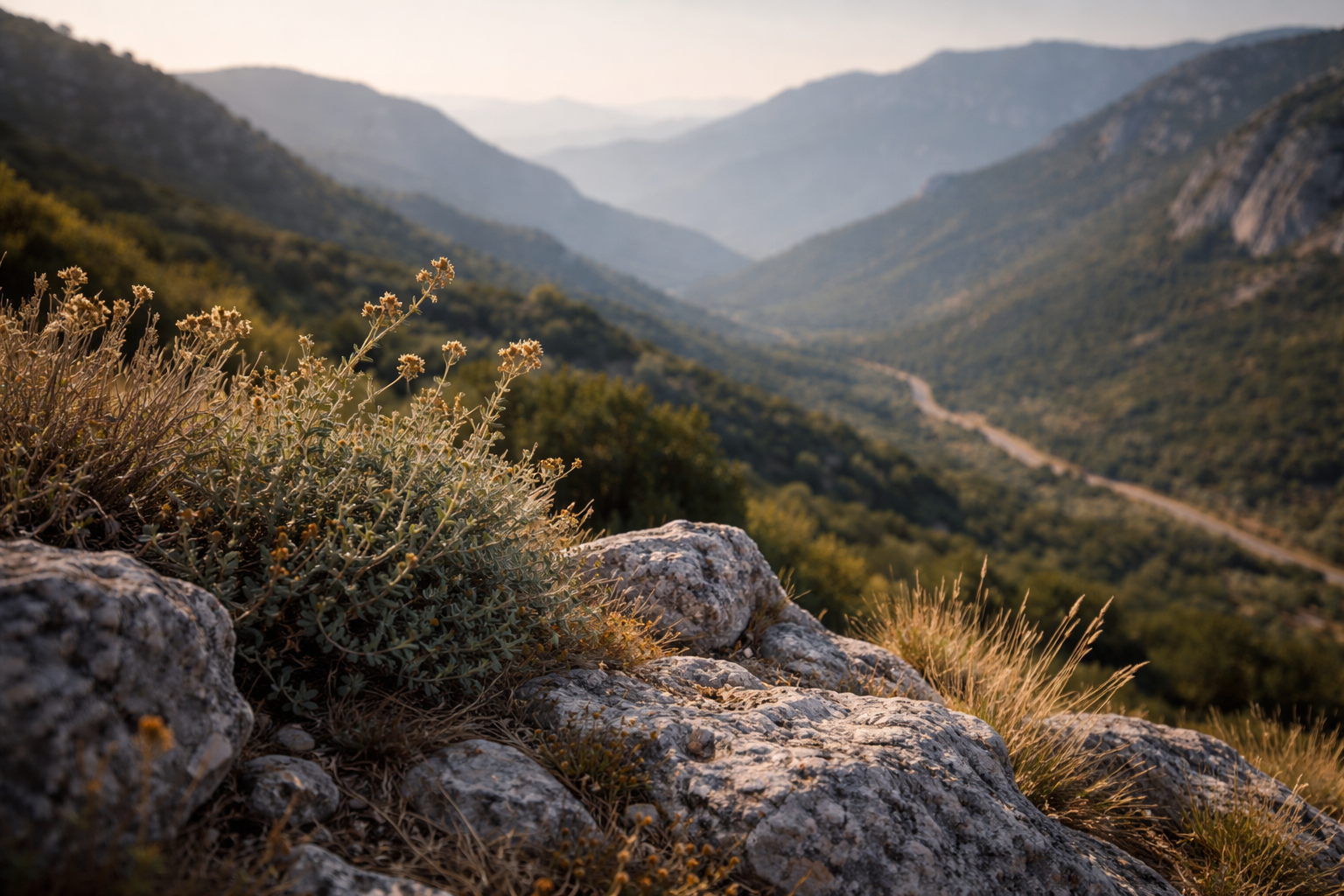
Another reason Greece works is contrast. The country is not one nature type repeated over and over. Northern forests, alpine zones, island coastlines, river deltas, spring meadows, rocky gorges, and turtle-nesting beaches all belong to the same national map. That means travelers can match the natural chapter of the trip to their mood. Some people want motion and hiking, others want binoculars, slower observation, or one emotionally powerful encounter with wildlife. Greece gives them options without forcing them into one outdoor identity.
This flexibility makes the topic stronger than a simple “wildlife in Greece” article. A useful Greece wildlife travel guide is really a guide to choosing the right ecological experience. It is not only about animals and plants; it is about where to go if you want the natural side of Greece to become one of the defining memories of the trip.
If you want the more active side of that nature chapter, this outdoor adventures in Greece guide pairs well with the mountain and gorge side of the trip.
National Parks in Greece: The Best Places to Start
If a traveler wants the broadest and most immersive nature experience, national parks in Greece are the best place to begin. They give structure to the country’s wild side and often combine several rewards at once: scenic trails, protected ecosystems, seasonal color, and the feeling of stepping outside the more familiar Greece of archaeology and beach culture. These parks are not only “green areas.” They are where the scale of Greece changes. The country suddenly feels larger, quieter, and more layered.
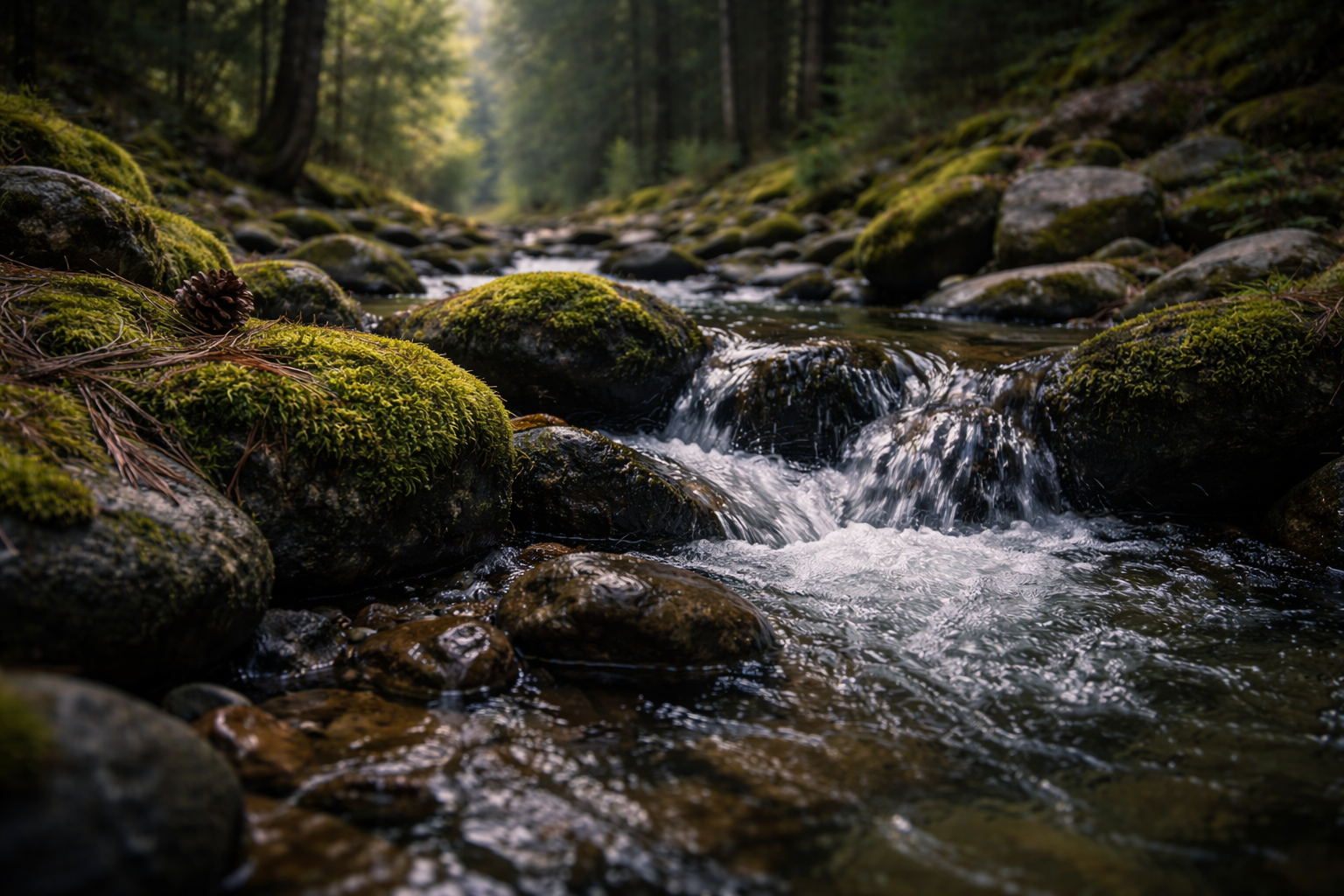
Pindus National Park, also known as Valia Kalda, is especially important because it represents Greece’s mountain and forest identity at its strongest. The landscapes here feel cooler, denser, and more alpine than many first-time visitors expect from Greece. This is the kind of place where nature becomes atmosphere rather than attraction: forests, streams, mountain silence, and a sense that the country’s wilder interior is holding something much older and slower than its coastlines. For readers who want Greece to feel less touristic and more elemental, this region is a strong answer.
Then there are places like Samaria Gorge in Crete, where nature becomes more dramatic and kinetic. Samaria is not only scenic; it is physically memorable, because walking through it changes how you relate to the landscape. The gorge brings together scale, cliffs, stone, and movement in a way that turns a hike into one of the trip’s core narrative chapters. This is why national parks and protected landscapes should sit near the center of any serious Greece wildlife travel guide — they reveal the country’s ecological backbone.
Sea Turtles: The Most Famous Wildlife Encounter in Greece
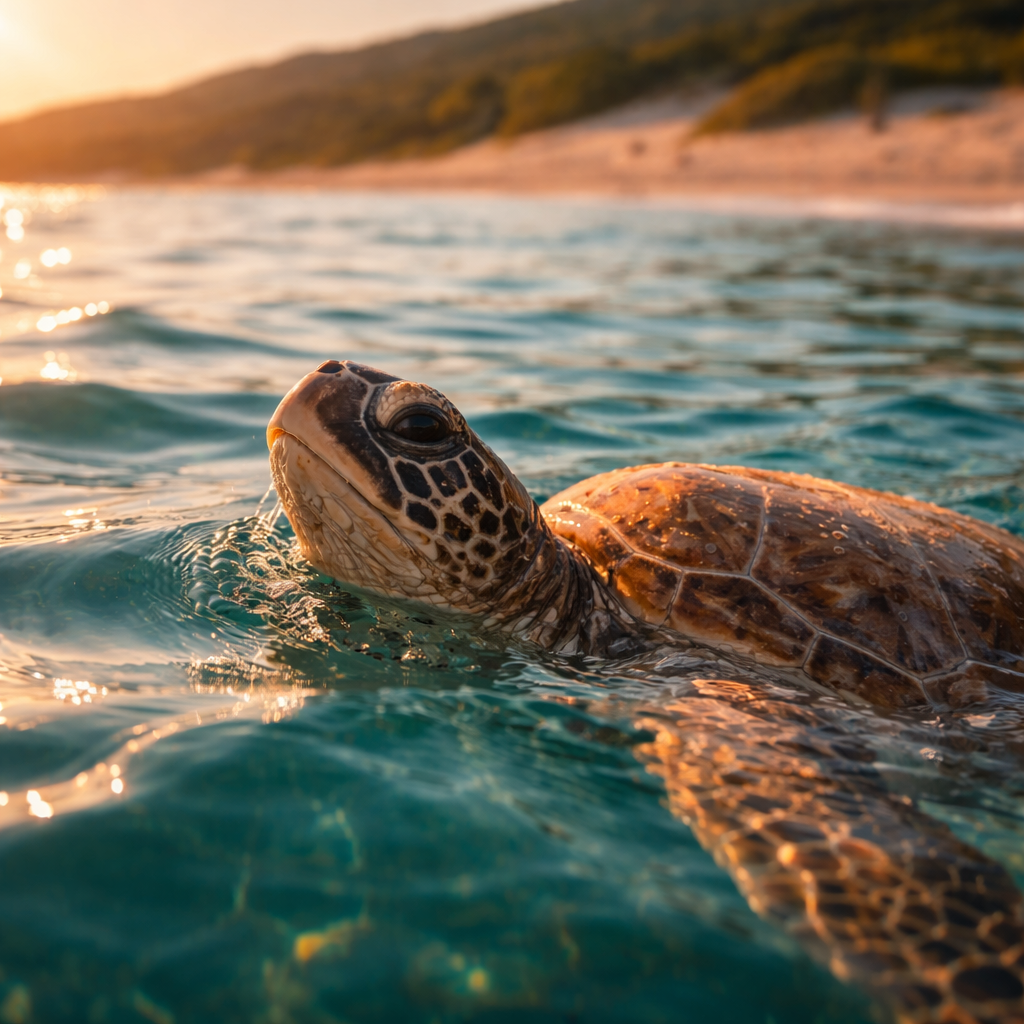
If Greece has one wildlife experience that immediately captures travelers’ imagination, it is the sea turtle encounter. Loggerhead turtles, especially around Zakynthos, have become one of the country’s most recognizable conservation stories, and for good reason. They connect everything people already love about Greece — beaches, islands, warm light, sea air — with something emotionally deeper: the knowledge that these same beautiful coastlines are also fragile breeding grounds. The result is an experience that feels joyful and protective at the same time.
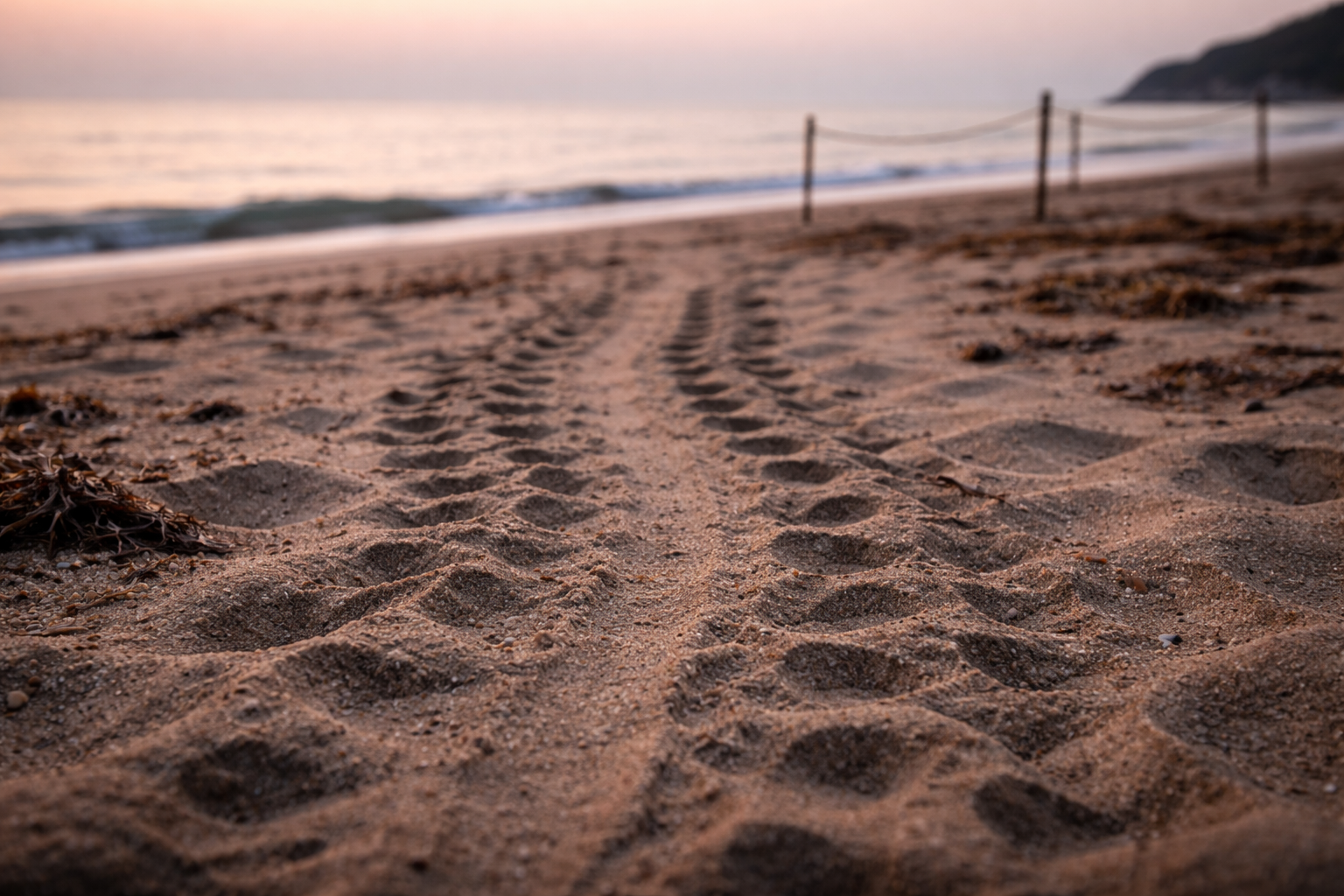
For readers wondering where to see turtles in Greece, Zakynthos is usually the first and strongest answer. The island’s protected beaches are central to nesting activity, and this gives the wildlife encounter real emotional weight. But it is important to frame the experience properly. This is not wildlife as performance. The best turtle-focused travel respects beach rules, avoids treating nesting areas like content backdrops, and understands that observation is a privilege, not a guarantee. That mindset improves the trip rather than limiting it.
What makes the turtle chapter especially useful in a broader itinerary is that it does not require travelers to become wildlife specialists. Someone can already be planning a Greek island trip and simply choose a better-informed, more respectful version of it. In that sense, sea turtles are one of the best “entry points” into Greece’s nature story. They allow travelers to move from simple beach tourism toward conservation-minded travel without losing any of the beauty that drew them there in the first place.
For official conservation context and visitor information, check the National Marine Park of Zakynthos.
Birdwatching in Greece: Wetlands, Deltas, and the Quieter Side of Nature
Birdwatching may not sound as instantly glamorous as turtles or famous gorges, but it gives Greece one of its most distinctive and underrated nature angles. Wetlands such as the Prespa Lakes and the Evros Delta create a completely different kind of travel mood: patient, observant, and shaped by movement through water, reeds, light, and silence. This is a slower wildlife experience, but often a richer one for travelers who enjoy attention rather than spectacle. Greece is particularly good at this because many bird habitats feel both ecologically important and visually beautiful.
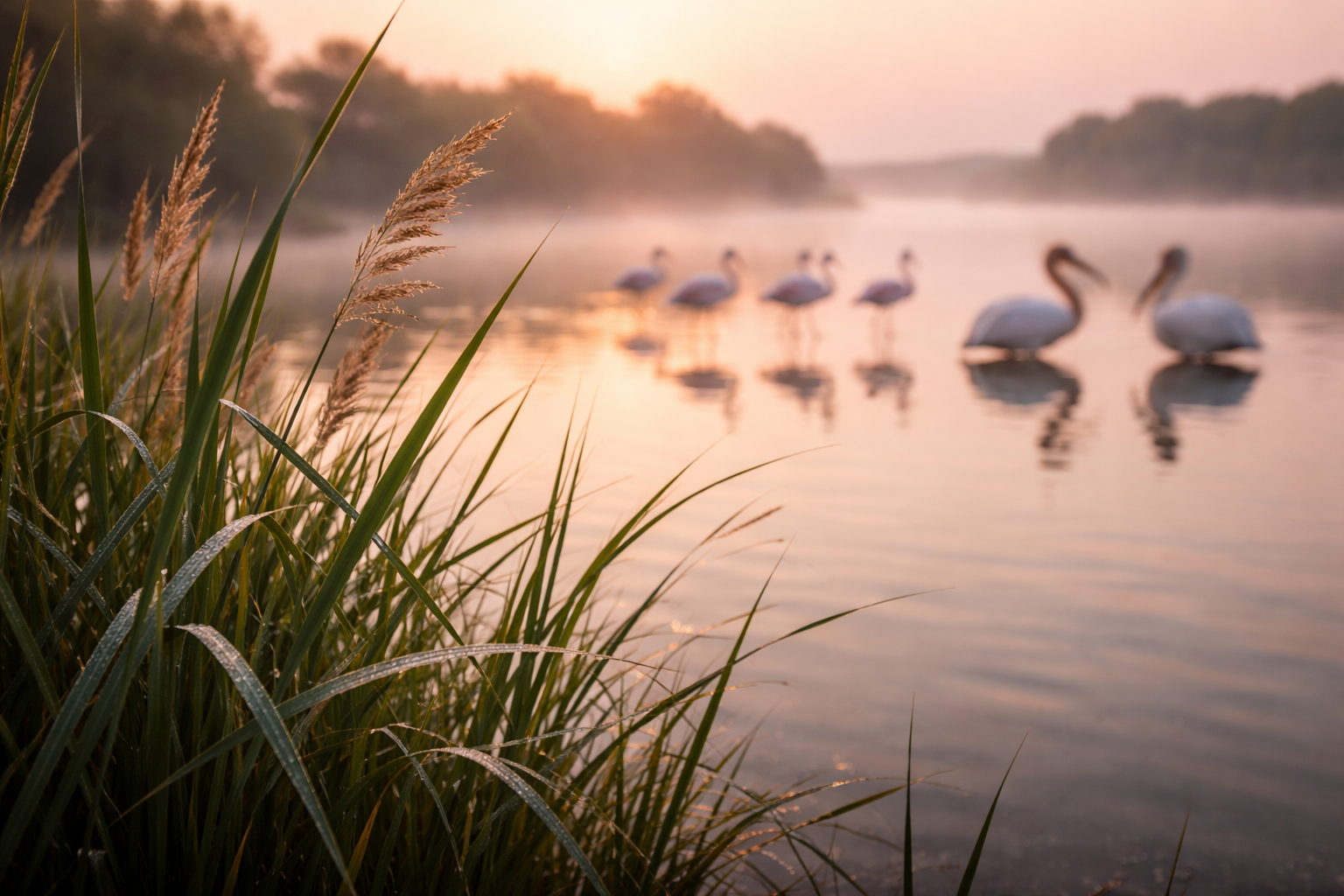
For readers interested in birdwatching in Greece, the appeal lies in variety and atmosphere. Flamingos, pelicans, storks, and birds of prey make the wetlands feel active without ever becoming noisy or chaotic. The emotional reward is different from a mountain hike. You are not “conquering” anything. You are learning how to look, wait, and read a landscape through movement and sound. That kind of travel tends to stay in memory because it asks something gentler and more focused from the traveler.
Birdwatching also strengthens an article like this because it adds a true contemplative layer. Not every reader wants an adrenaline outdoor trip, and not every wildlife article should be built around obvious headline animals. Wetlands and birdlife make Greece feel ecologically serious. They also make the country feel larger and more diverse, especially for readers who only know it through islands and ruins. In a strong Greece wildlife travel guide, that contrast is essential.
Greek Wildflowers in Spring: The Most Underrated Seasonal Reward
One of the easiest mistakes travelers make is thinking of Greece only as a summer destination. In reality, spring may be the season when the country feels most alive, especially for people who care about landscapes, walks, and plant life. Greek wildflowers in spring transform the countryside in a way that changes the emotional character of the trip. Hillsides soften, meadows brighten, and paths that might feel dry and exposed in high summer become layered with color, scent, and movement.
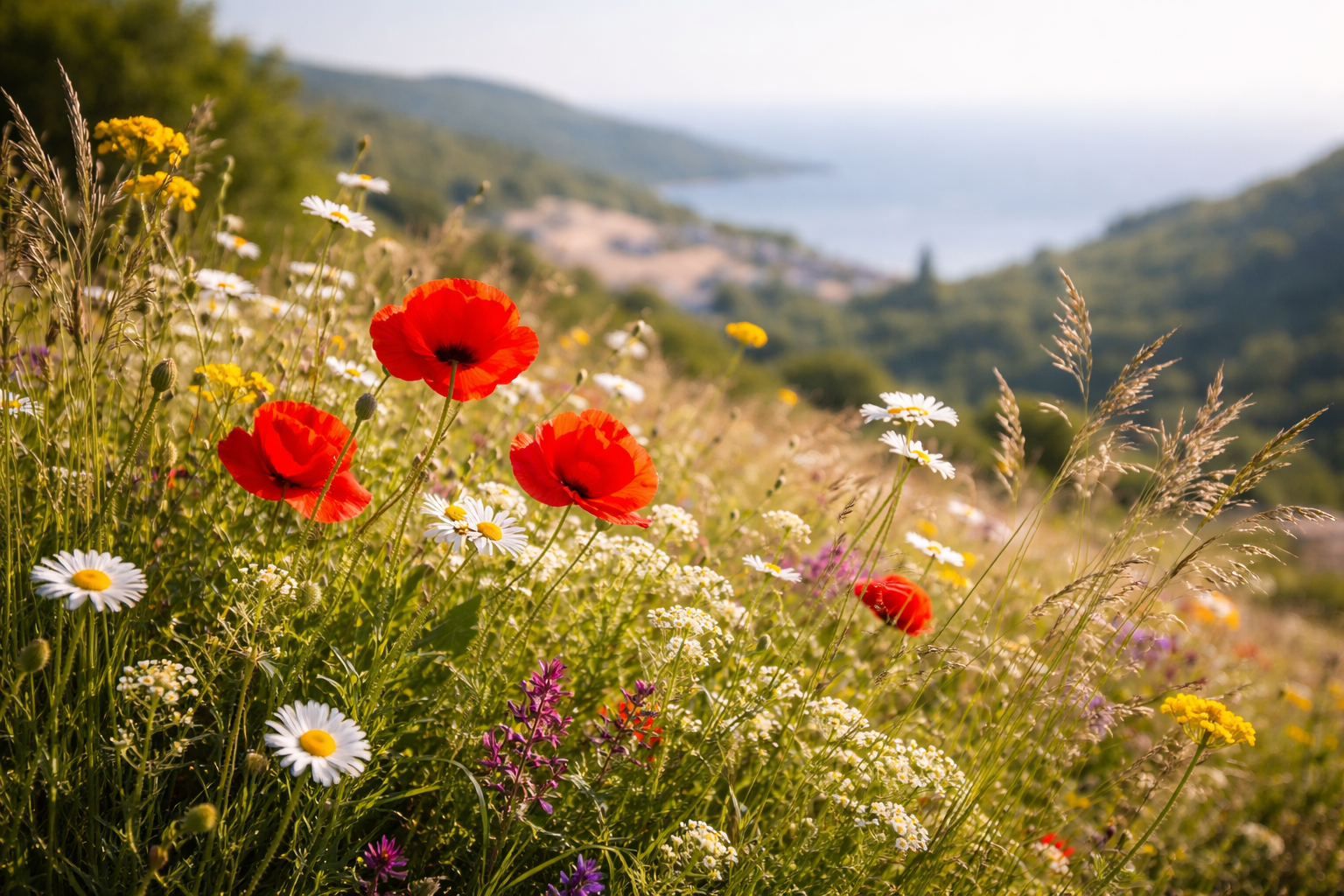
This is especially rewarding because floral landscapes require almost no special planning. You do not need a permit, a specialist guide, or a major detour. You simply need to visit Greece in the right season and slow down enough to notice what is happening around you. Botanical parks in Crete and other well-preserved regions can deepen this experience, but even ordinary roadsides, villages, and walking routes can become part of the story. Spring wildflower travel is one of the easiest ways to make Greece feel richer without adding logistical complexity.
It also helps differentiate Greece from other Mediterranean destinations in a useful way. Many readers already expect beaches and ruins. They do not expect a country of orchids, anemones, poppies, herbs, and shifting seasonal color. That surprise makes the article more attractive and more unique. It also gives the topic a strong seasonal hook, which is always valuable in travel content.
How to Choose the Right Nature Chapter for Your Trip
The strongest version of this topic is not “do everything.” It is helping readers choose the kind of natural experience that actually matches their trip. If they are island-focused and want one meaningful conservation layer, turtles are the strongest choice. If they are building a mainland or Crete itinerary and want physical scenery, national parks and gorges will likely be more rewarding. If they are drawn to slower, quieter outdoor travel, birdwatching wetlands or spring flower regions may create a better emotional fit.
This is where the article becomes more than inspiration. It becomes a planning tool. Families might gravitate toward accessible sea turtle or botanical experiences, while more active travelers may want Samaria or mountain parks. Readers who are already interested in ecology or photography may find wetlands and spring flora especially satisfying, because they offer a more nuanced and less crowded version of nature travel. A good Greece wildlife travel guide should make those differences explicit instead of pretending all nature travelers want the same thing.
The real goal is coherence. Nature should feel like a meaningful chapter in the trip, not like a random extra squeezed between cities and ferries. Once the traveler matches mood to landscape, that chapter becomes one of the most memorable parts of Greece precisely because it contrasts so well with the country’s more famous historical and coastal identities.
How to Add Nature to a Normal Greece Itinerary
One of the best things about Greece is that nature does not need to replace the classic trip — it can deepen it. A traveler can spend part of a week on an island and still plan one turtle-aware beach day. Someone visiting Crete can pair cultural towns and food experiences with Samaria Gorge or a botanical stop. A mainland itinerary can move from archaeological sites to wetlands or mountain parks without feeling fragmented. In fact, the contrast usually improves the trip, because nature acts as a reset between denser cultural experiences.
This also helps readers who are curious about wildlife but nervous about “dedicating too much time” to it. They do not need a whole eco-expedition. They need one or two well-chosen nature chapters. That is often enough to change their perception of Greece completely. The country stops feeling one-dimensional and starts revealing the ecological complexity behind its beauty. This is one reason the topic has more travel value than it first appears to have.
It is also good for pacing. Greece, especially in peak season, can be intense: heat, ferries, crowds, archaeological sites, urban walking. Nature days cool the trip down emotionally. Whether it is a wetland morning, a turtle beach, a mountain trail, or a spring flower walk, the natural chapter creates breathing room. That breathing room is often what makes the whole itinerary feel better.
Conclusion: The Greece Most People Miss Is One of Its Best Sides
Greece does not need wildlife to justify itself — its cultural and coastal riches already do that. But the natural side of the country changes the story in a way many travelers do not expect. It adds quiet, vulnerability, biodiversity, and a different kind of beauty that cannot be photographed in the same obvious way as white villages or ancient temples. That is exactly why it matters. It brings the country back into balance.
A strong Greece wildlife travel guide should therefore do more than list species and parks. It should help readers see that Greece can be a place of turtles, wetlands, mountain silence, spring flowers, and patient observation as well as ruins and sunsets. Once they build even one of those chapters into the trip, the country becomes deeper and more memorable.