
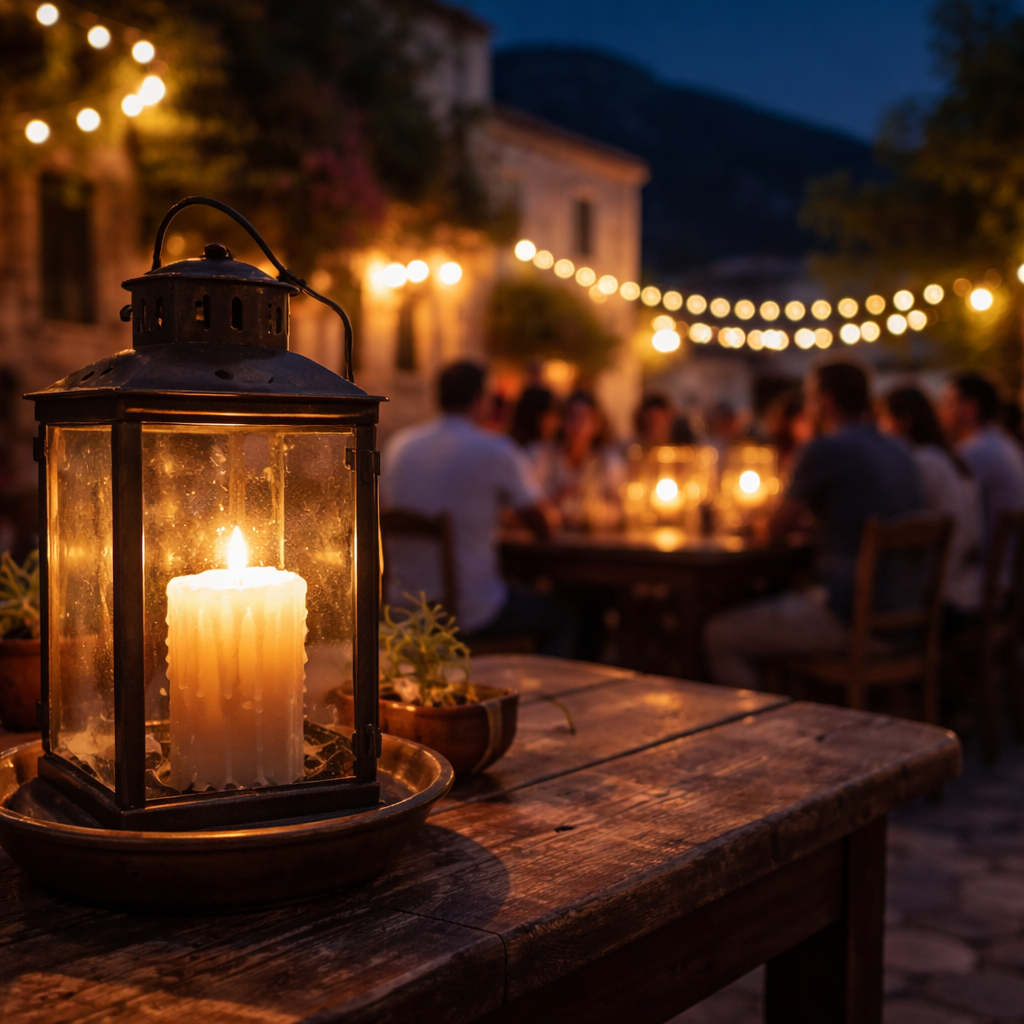
Greece is easy to love in summer. The sea is bright, the food is generous, and even an ordinary village can feel cinematic by sunset. But if you want to understand the country more deeply, there is another layer you should plan around: its festivals. Celebrations in Greece are not decorative extras added for visitors. They are one of the clearest ways to see how religion, community, music, food, and local identity still shape everyday life. If you arrive at the right time, the country stops feeling like a destination and starts feeling like a living calendar.
That is why this article is not just about naming a few famous dates. A real Greece festival travel guide should help readers choose the kind of celebration that actually matches their travel style. Some people want a spiritual, candlelit atmosphere and deep cultural meaning. Others want village dancing, shared food, and the feeling of stumbling into something joyful that was not staged for tourists. Others want seasonal rituals that make spring or summer travel feel more local and less generic. Greece can offer all of that, but not in the same way and not in the same place.
This guide is built around those choices. Instead of giving you a lifeless checklist, it shows you which festivals are worth building a trip around, what each one feels like, and how to plan so the experience stays memorable instead of chaotic. If you use it well, festivals become more than “something happening while you are there.” They become the emotional structure of the trip itself.
Why Festivals Are One of the Best Ways to Understand Greece
Festivals matter in Greece because they reveal how local life is actually organized. A beach may be beautiful any day of the year, and a ruin may always be impressive, but festivals show you how people gather, what they honor, what they cook, what they sing, and how public space changes when celebration takes over. You are not only looking at culture from the outside. You are moving inside a temporary version of the country where memory, faith, and community become visible all at once.
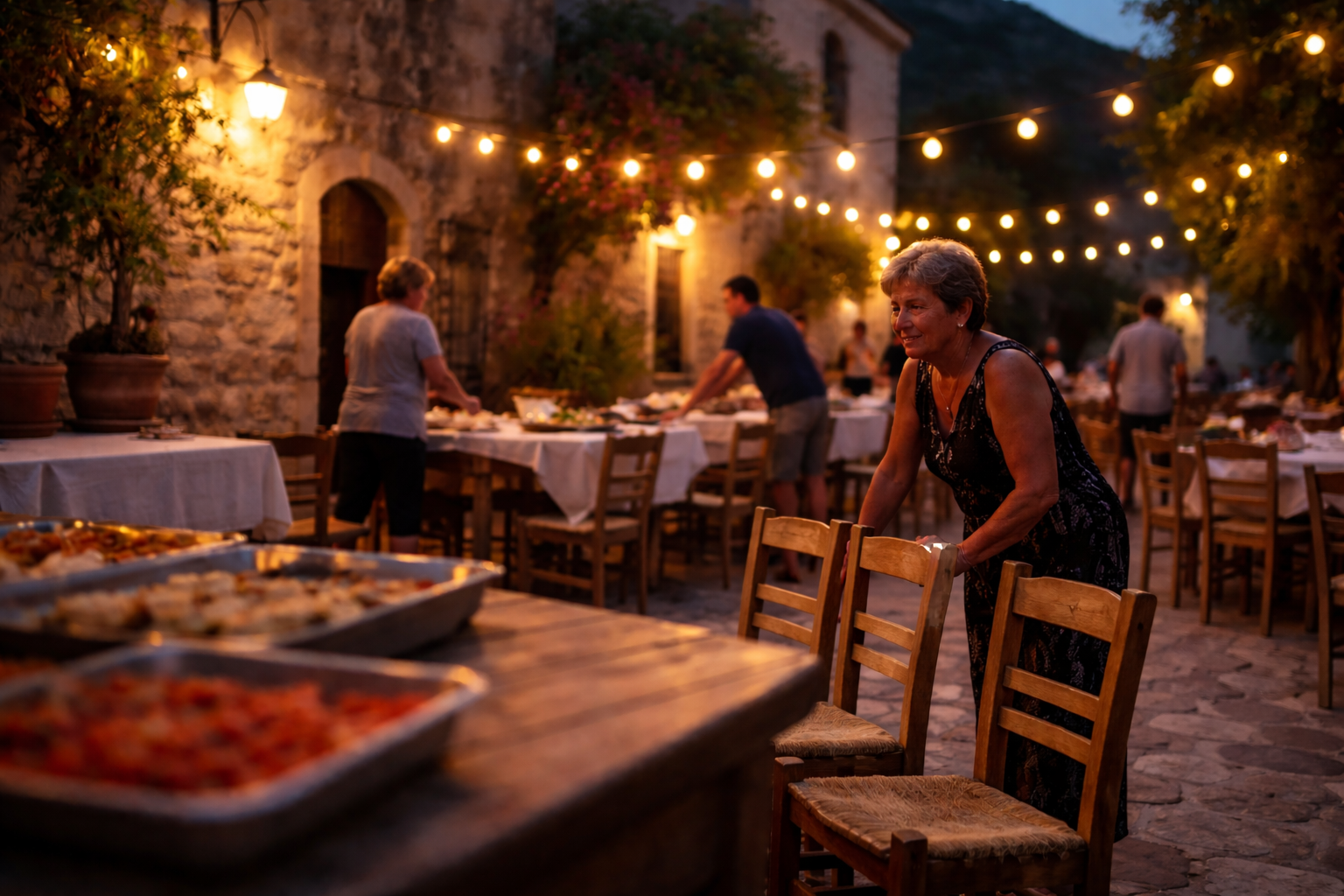
This is especially important in Greece because the country’s identity is not uniform. The islands, the mainland, the mountain villages, and the cities all carry different rhythms, and festivals make those differences easier to feel. A major religious celebration in Corfu will not feel the same as a summer panigiri on a Cycladic island, and neither will feel like Carnival in Patras. These events are not interchangeable. Each one opens a different door into Greek life, which is exactly why best festivals in Greece is a stronger travel topic than a simple “traditions of Greece” overview.
Festivals also solve a practical travel problem: they give timing a purpose. Many people plan Greece around weather alone, but weather is only part of the story. A trip becomes much more memorable when you can say, “I went for Easter,” or “I built the route around summer village festivals,” or “I timed the trip for Carnival.” Dates suddenly carry emotional meaning, and that makes the whole itinerary stronger.
Greek Easter Traditions: The Strongest Cultural Experience in the Country
If one festival period deserves to be called essential, it is Easter. Greek Easter traditions are not just important in a religious sense; they shape the country’s emotional life in a way visitors can feel almost immediately. The week carries ritual, solemnity, beauty, and then release. Churches fill with candlelight, processions move through streets, and entire towns begin to feel more focused, more ceremonial, and more aware of shared time. Even travelers who are not religious often describe it as one of the most moving experiences they have had in Greece.
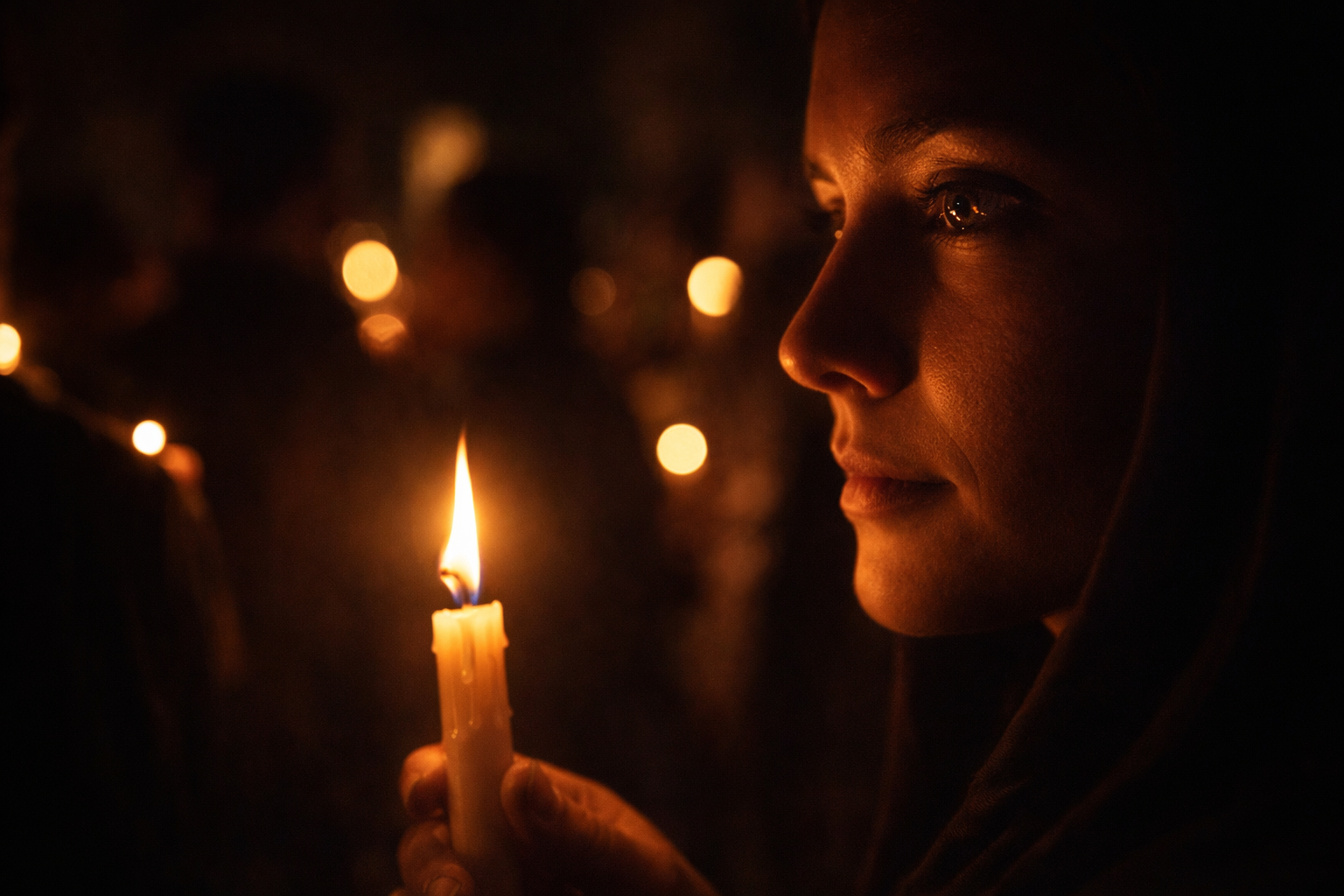
What makes Greek Easter traditions so powerful is its progression. It is not one event, but a build. Good Friday processions, the late-night anticipation of Holy Saturday, the eruption of light and bells at midnight, and the feast that follows all work together to create narrative. You are not simply attending something; you are moving through a sequence that the whole country understands. That collective understanding is what makes the atmosphere feel deep rather than performative.
For planning, the key is choosing location carefully. Easter in Athens can be beautiful, but many travelers find that smaller towns or islands offer a more concentrated experience because the community is easier to feel. Corfu is especially famous for Easter drama and ceremony, while village settings on the mainland can feel more intimate. If someone asks when to visit Greece for festivals and wants one answer with the highest emotional return, Easter is the clearest choice.
Clean Monday: A Festival That Makes Spring Feel Real
Clean Monday is one of the most underrated festival days for travelers because it looks simple on paper and feels beautiful in real life. It marks the beginning of Lent in the Greek Orthodox calendar, but for many people it is also a public outdoor day: families gather, picnic foods appear, and skies fill with kites. The visual atmosphere is instantly memorable because it combines religious calendar logic with something playful and open-air. Greece suddenly feels lighter, windier, and more communal.
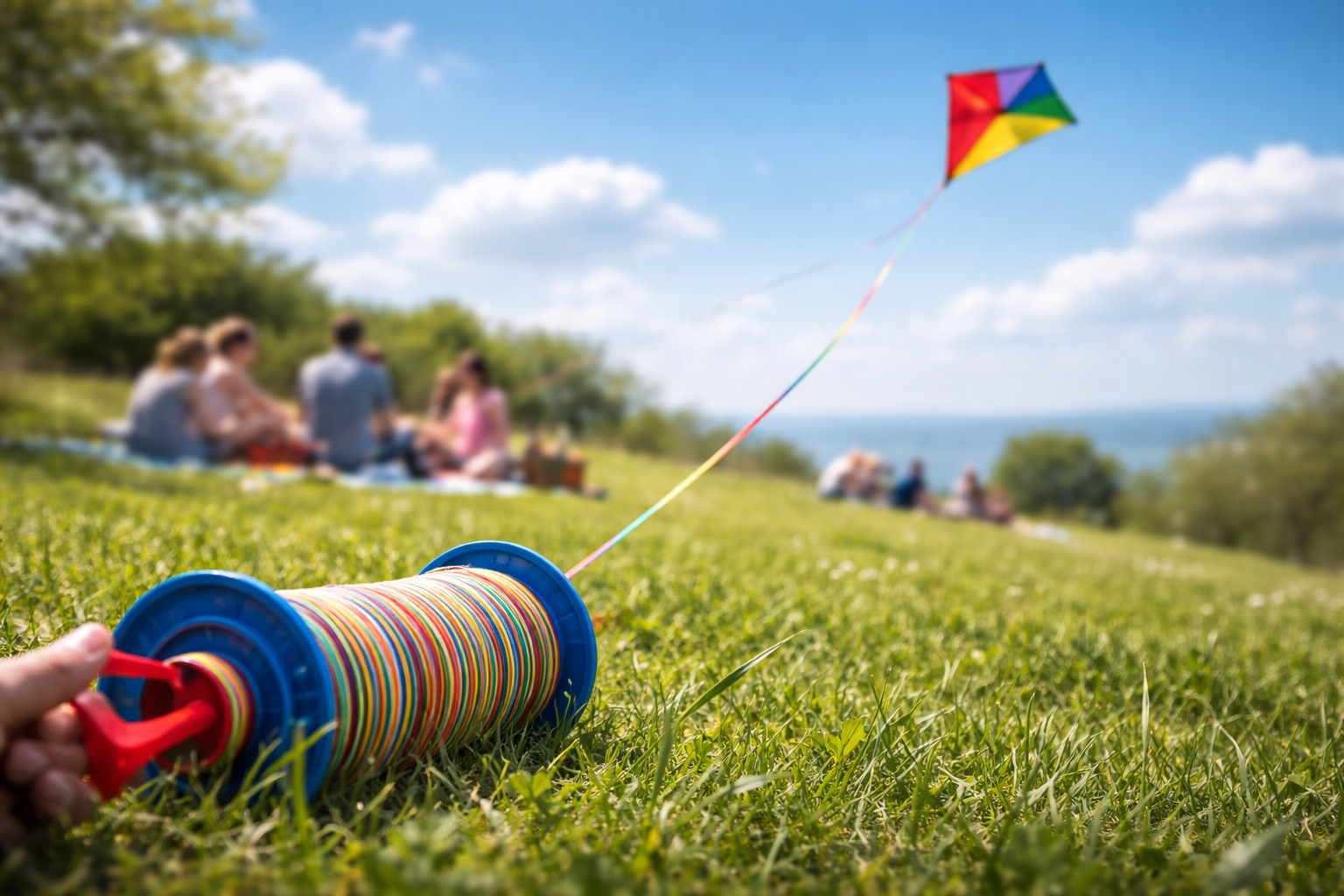
This festival works especially well for travelers who like local life more than spectacle. You do not need to queue for anything or stand in a special place for hours. Instead, you choose a park, hill, or open space and let the day unfold around you. The beauty is in the mood rather than in a big headline event. That makes it useful for readers who want something authentic but not overwhelming.
Clean Monday is also a great example of why a Greece festival travel guide should not focus only on giant celebrations. Smaller calendar rituals often create the strongest travel memories because they feel lived rather than staged. If Easter is Greece at its most sacred and intense, Clean Monday is Greece at its most human and seasonal. That distinction helps readers choose the emotional tone they want from their trip.
Panigiria: The Most Greek Night You Can Have
If Easter is about ritual and Clean Monday is about seasonal atmosphere, the panigiri in Greece is about shared joy. Panigiria are local religious feast celebrations that often take place in villages and islands, especially during the warmer months. They usually include live traditional music, dancing, local food, and a social rhythm that stretches deep into the night. For many travelers, this is the version of Greece that feels closest to the myth they had in their head: long tables, warm air, old songs, children running around, and dancing that starts as culture and ends as real participation.
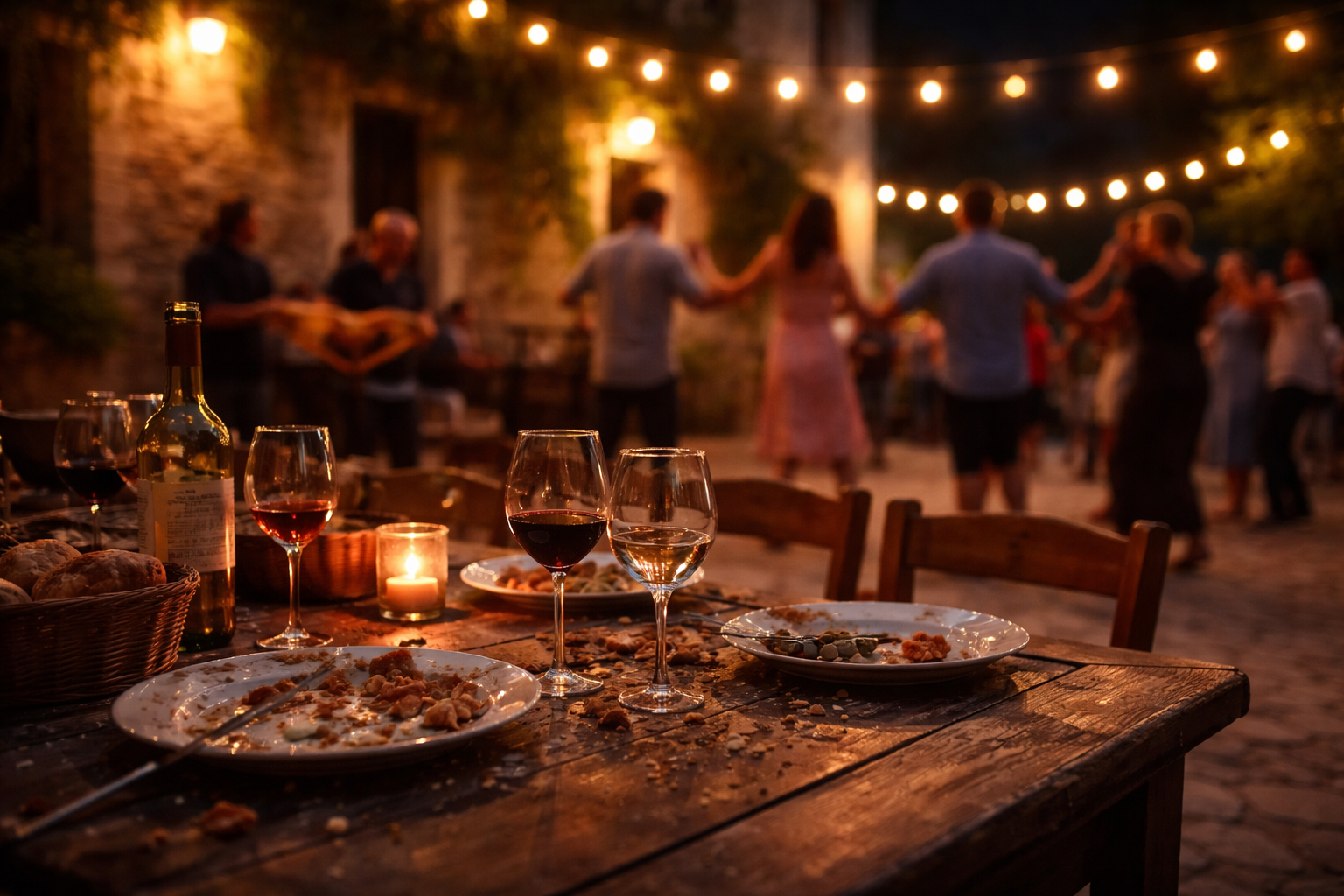
What makes panigiria so special is that they do not usually feel built for outsiders. They are community events first, and that gives them credibility. You are stepping into something that would happen with or without you, which is exactly why it feels meaningful. This also means the best attitude is observational humility. Arrive with respect, order some food, listen, watch, and let yourself gradually settle into the rhythm rather than trying to consume the event like a performance.
Summer travelers should pay special attention to these festivals because they are one of the easiest ways to make an island or village trip feel deeper. Instead of only swimming and eating by the sea, you suddenly get a night that reveals what community means in that place. In terms of travel value, panigiria are some of the best festivals in Greece because they are emotionally rich, relatively accessible, and capable of transforming an otherwise ordinary evening into the highlight of the trip.
If food is part of what makes these nights memorable for you, this Greek food guide pairs naturally with a festival-based trip.
Patras Carnival: Greece at Its Loudest and Most Playful
Not every great Greek festival experience has to be solemn or village-based. Patras Carnival offers almost the opposite energy: costumes, parades, public spectacle, humor, and an atmosphere that feels much more urban and extroverted. It is one of the country’s biggest Carnival celebrations, and it gives travelers a completely different image of Greece — less ancient and spiritual, more chaotic, theatrical, and public-facing. That contrast is exactly what makes it useful in a broader travel guide.

Carnival works best for readers who like event energy and are comfortable with crowds. The city becomes the story, and movement through streets becomes part of the fun. Unlike Easter or a panigiri, where tone matters and observation can be quiet, Carnival rewards participation and openness. If a traveler wants Greece to feel festive in the loudest possible sense, Patras is one of the strongest options.
This also broadens the article in a healthy way. Without something like Carnival, a festival guide can become too narrowly associated with religion and village life. Patras reminds readers that Greek celebration also includes satire, performance, and mass public joy. That makes the whole topic more attractive and keeps the article from feeling too predictable.
For current dates, parade details, and the official event program, check the Patras Carnival website.
How to Choose the Right Festival for Your Travel Style
The smartest way to use this guide is not to chase the “biggest” event, but to match the festival to your own travel temperament. If you want spiritual beauty and deep cultural immersion, Easter is the obvious answer. If you want something seasonal, local, and visually charming without huge pressure, Clean Monday is a great fit. If you want warmth, music, and a village-island memory that feels very Greek, a summer panigiri is probably the winner. If you want crowds, costumes, and city-wide energy, Carnival gives you that immediately.
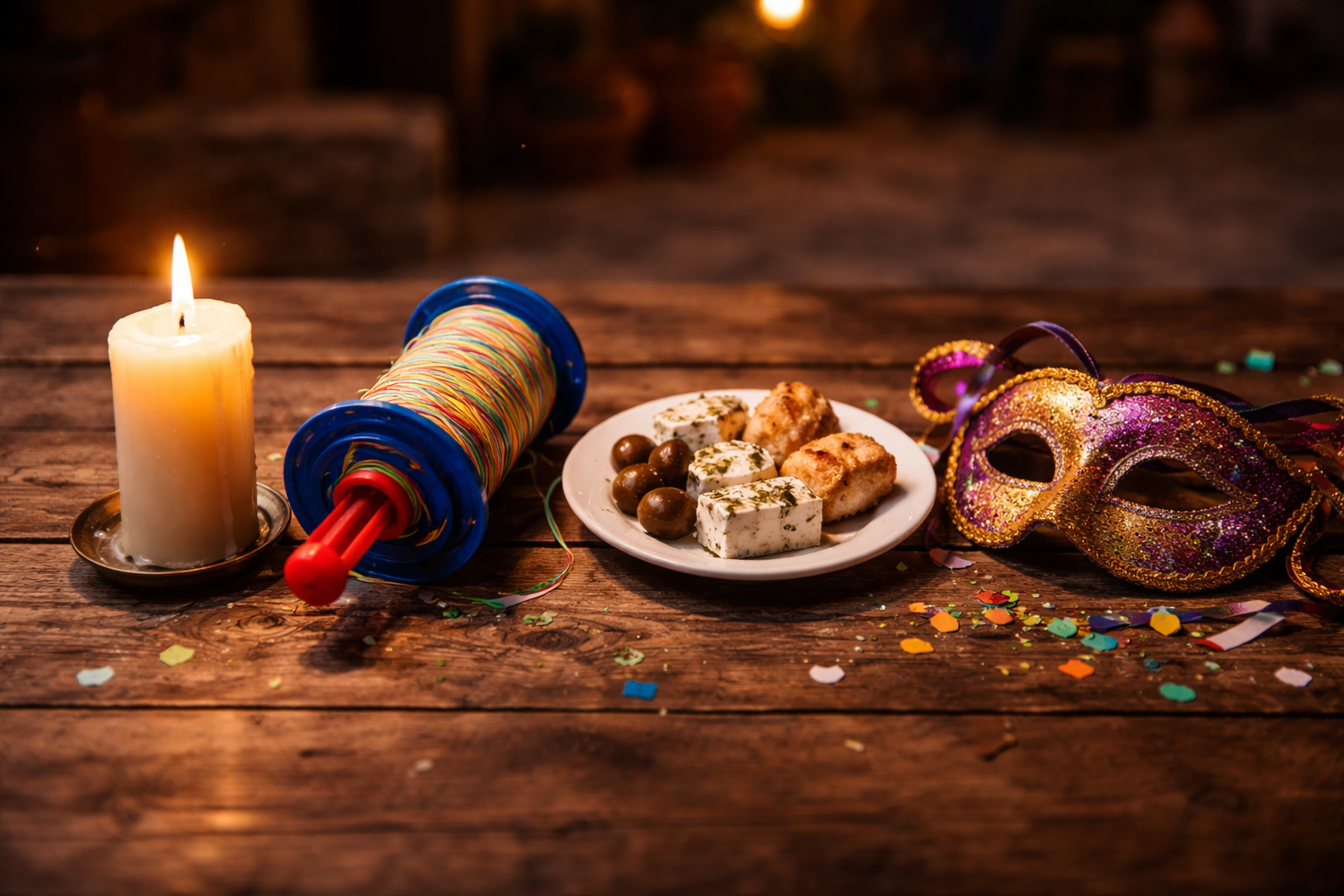
This matters because disappointment usually comes from mismatch, not from the festival itself. A quiet traveler who accidentally books Carnival expecting “authentic local charm” may leave overwhelmed. A traveler looking for nightlife and dancing may feel under-stimulated by the wrong Easter base. A good Greece festival travel guide therefore needs to behave like a travel filter. It should help readers choose their atmosphere, not just their dates.
It also makes itinerary planning much easier. Once you know your festival style, you know what to pair it with. Easter pairs beautifully with slower island or village travel. Panigiria pair naturally with summer beach trips. Carnival fits well with city-based itineraries and energetic weekends. Festivals stop being random add-ons and become structural anchors.
How to Build a Festival Trip Without Exhausting Yourself
Festival trips can go wrong when travelers treat them like regular sightseeing days plus one extra event. That almost never works. If a major celebration is happening in the evening, the rest of the day should stay soft. Eat earlier, walk less, and avoid trying to stack museums, long drives, or island transfers on top of a night that may run late. The best festival days have space around them, because celebration takes energy even when it looks effortless from the outside.
Accommodation choice also matters more than people expect. If you want to experience a festival deeply, staying close enough to walk home is ideal. Taxis, parking stress, and late-night transport problems can kill the mood surprisingly fast. This is especially true for panigiria and Carnival, where the atmosphere depends on staying present and not worrying about logistics every hour. Travelers remember the joy more clearly when they do not have to fight their way out of it afterward.
It is also wise to leave recovery room in the itinerary. A festival-heavy Greece trip should include slower mornings, one or two free afternoons, and perhaps a calm day after a major celebration. Greece rewards rhythm, and festivals are part of that rhythm, not a reason to ignore it. When you protect your energy, the trip stays vivid instead of becoming a blur.
Conclusion: The Best Greece Is Often the Greece That Is Celebrating
Greece is already a beautiful destination without festivals. But festivals make it warmer, more legible, and more emotionally specific. They show how faith becomes public, how music keeps community alive, how seasons are marked, and how local identity survives in song, food, candles, processions, and late-night dancing. That is why they matter. They reveal a Greece that beaches and ruins alone cannot fully explain.
A strong Greece festival travel guide should therefore do more than list dates. It should help readers understand what kind of celebration they want to step into and how to shape a trip around it. Once they do that, timing stops being a detail and becomes the core of the travel story. Greece feels more alive when it is celebrating — and travelers who catch it at that moment almost always come home with stronger memories than they expected.