

Indonesia Cultural Heritage: A Living Tapestry of Ritual, Memory, and Everyday Life
Across seventeen thousand islands, Indonesia carries a cultural identity that feels both massive and intimate, ancient and alive. It is not a single tradition or a single story, but a mosaic of perceptions, habits, rituals, and quiet symbols carried through time. Culture here is neither museum artifact nor preserved relic—it is breath, movement, and pulse. It grows in the steam rising from morning kitchens, in the shadows of community gatherings, in the gentle greetings exchanged among neighbors, and in the rituals that quietly anchor every day.
To understand Indonesia’s cultural heritage, you must listen not to grand historical narratives but to the small, consistent rhythms of life. You must feel how people move through space, how they share, how they speak without words, how they read nature, and how traditions adapt rather than fade. This is a living heritage—fluid, warm, communal, and deeply human. It exists not only in temples and ceremonies, but in gestures, in stories, in landscapes, in relationships. Indonesia’s culture is not learned; it is experienced.
For more insights into the country’s identity, explore our guide to Indonesia History.
Unity in Diversity — The Philosophy That Binds 17,000 Islands
Indonesia’s strength lies not in uniformity but in diversity embraced with remarkable grace. The phrase Bhinneka Tunggal Ika—Unity in Diversity—is not an abstract motto; it is a lived philosophy. Across islands separated by seas and shaped by distinct histories, people build harmony through mutual respect and communal understanding. Differences are not erased or hidden; they are acknowledged, honored, and folded gently into the collective identity.
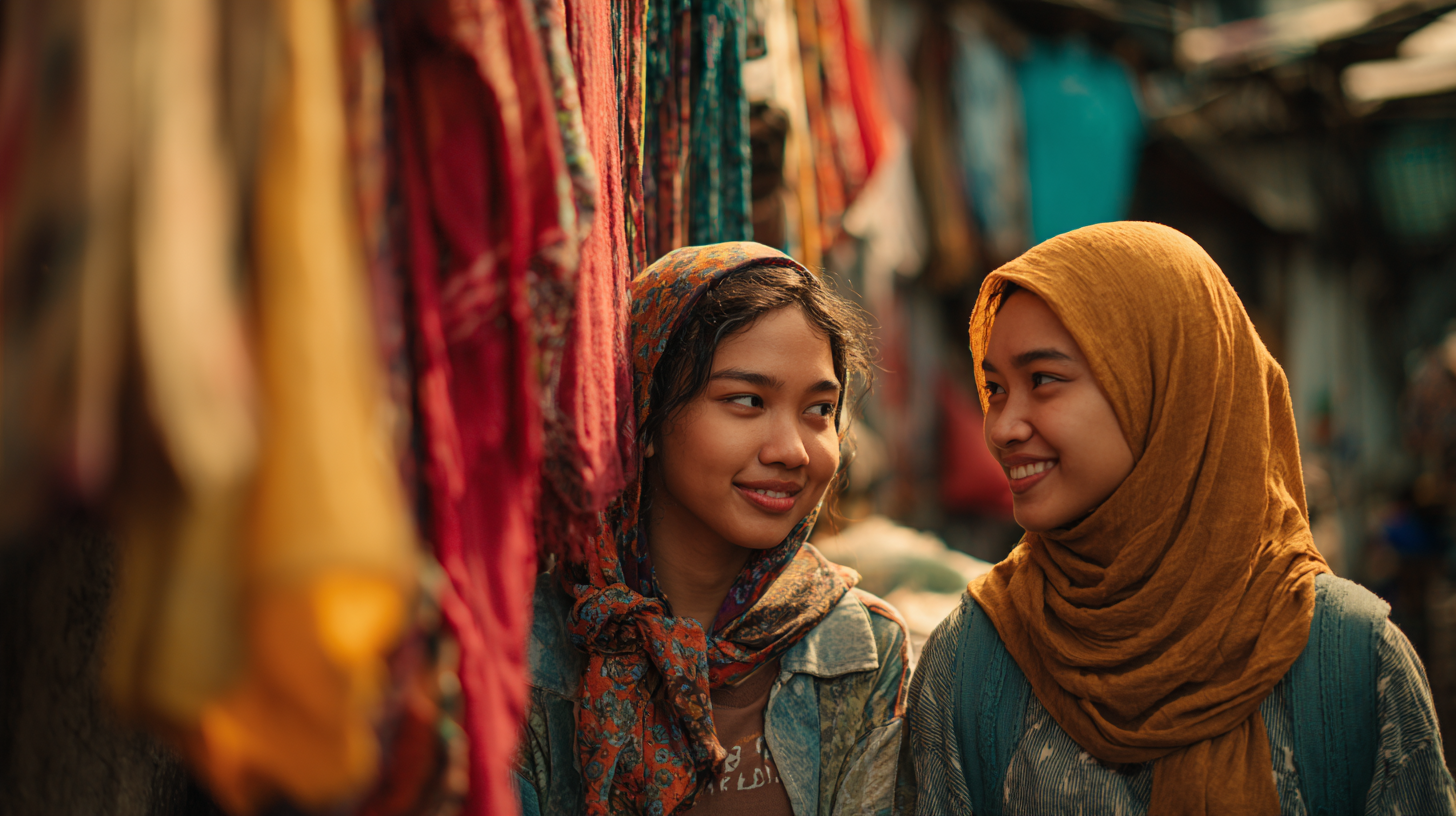
In daily life, this unity feels organic. It appears in markets where people from different backgrounds haggle with the same humor; in festivals where traditions interweave; in workplaces where diverse languages mix into a shared rhythm. Rather than forcing sameness, Indonesia cultivates cohesion through acceptance. It is a cultural instinct to maintain harmony (rukun), to avoid unnecessary conflict, and to find balance even in tension. The result is a social fabric woven from empathy—one capable of absorbing complexity without breaking its thread.
The Rhythm of Everyday Rituals — Culture Not on Stages, but in Life Itself
Indonesian culture thrives not only in grand ceremonies but in the quiet rituals that begin and end each day. There is ceremony in sweeping the front yard each morning, in lighting incense beside family altars, in sharing greetings with neighbors, in removing shoes before entering a home. These acts are habitual yet meaningful, shaping the emotional geography of everyday life.

Ritual is not reserved for important occasions. It appears when families gather to share meals, when elders bless children with small gestures, when communities come together to tend to shared spaces, when people pause to show gratitude for small moments of beauty. Even the way Indonesians sit, speak, or offer something with both hands reflects a cultural instinct to honor respect and connection. These rituals are subtle, almost invisible to outsiders, but they form the backbone of Indonesia’s living heritage. They are reminders that culture is not something performed—it is something lived.
Sacred Spaces — How Indonesians Shape Places With Meaning
Across the archipelago, spaces are never merely physical—they are emotional, symbolic, and spiritual. Sacredness arises not only from temples or ancestral sites but from landscapes, pathways, homes, and community centers shaped by collective memory. Villages often form around a central hall where gatherings take place, a reminder that community is the heart of architecture. The layout of homes is guided by balance and symbolism, designed to welcome guests, honor elders, and maintain harmony within the household.
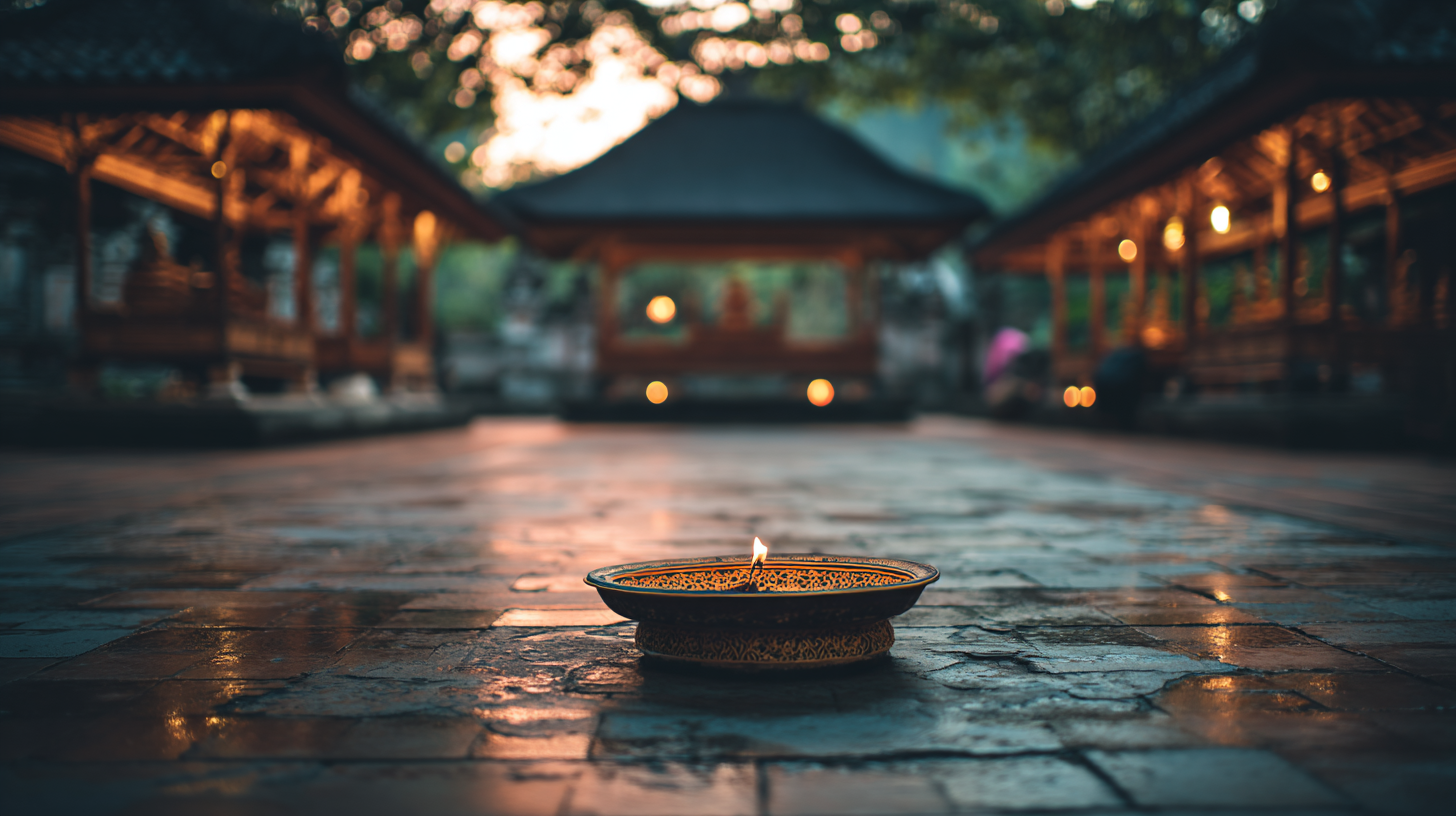
Even in cities, people create micro-spaces of meaning. A corner of a shop becomes a place for daily prayer. A simple bench becomes a gathering point where elderly neighbors trade stories. A courtyard becomes a sanctuary for family rituals. These spaces reflect an understanding that the physical environment carries emotional weight—that where people gather, meaning gathers with them. Indonesia’s cultural heritage is not only about places built long ago; it is about the ongoing act of imbuing new places with significance through use, memory, and shared experience.
Nature as Teacher — Landscapes That Define Cultural Identity
Indonesia’s culture is inseparable from its landscapes. The archipelago reveals itself through volcanoes that command reverence, seas that dictate movement and livelihood, forests that shelter ancestral stories, and rice fields that mirror communal cooperation. Nature is not merely scenery—it is a teacher, a partner, a guardian.

Volcanoes are seen as potent forces capable of nurturing and destroying, shaping a worldview that respects cycles of renewal. Rice fields embody harmony and collective labor, demonstrating how people rely on one another to cultivate life. Mangrove forests protect villages and serve as metaphors for resilience, their tangled roots anchoring communities against storms. The ocean, vast and persistent, shapes identity through its rhythms of travel, fishing, and myth.
This relationship with nature nurtures humility. People understand that landscapes hold power, wisdom, and memory. Respect for nature is not environmental activism—it is cultural instinct, built into rituals, customs, and daily decisions. To Indonesians, nature is not separate from culture—it is culture, expressed through earth, water, fire, and sky.
Symbols and Stories — The Myths That Live in Daily Life
Indonesia’s oral traditions—its myths, legends, epics, and folktales—are not confined to childhood. They linger in everyday life, guiding actions, shaping moral values, and inspiring artistic expressions. These stories explain not just the origins of places and spirits but the emotional truths of human experience.
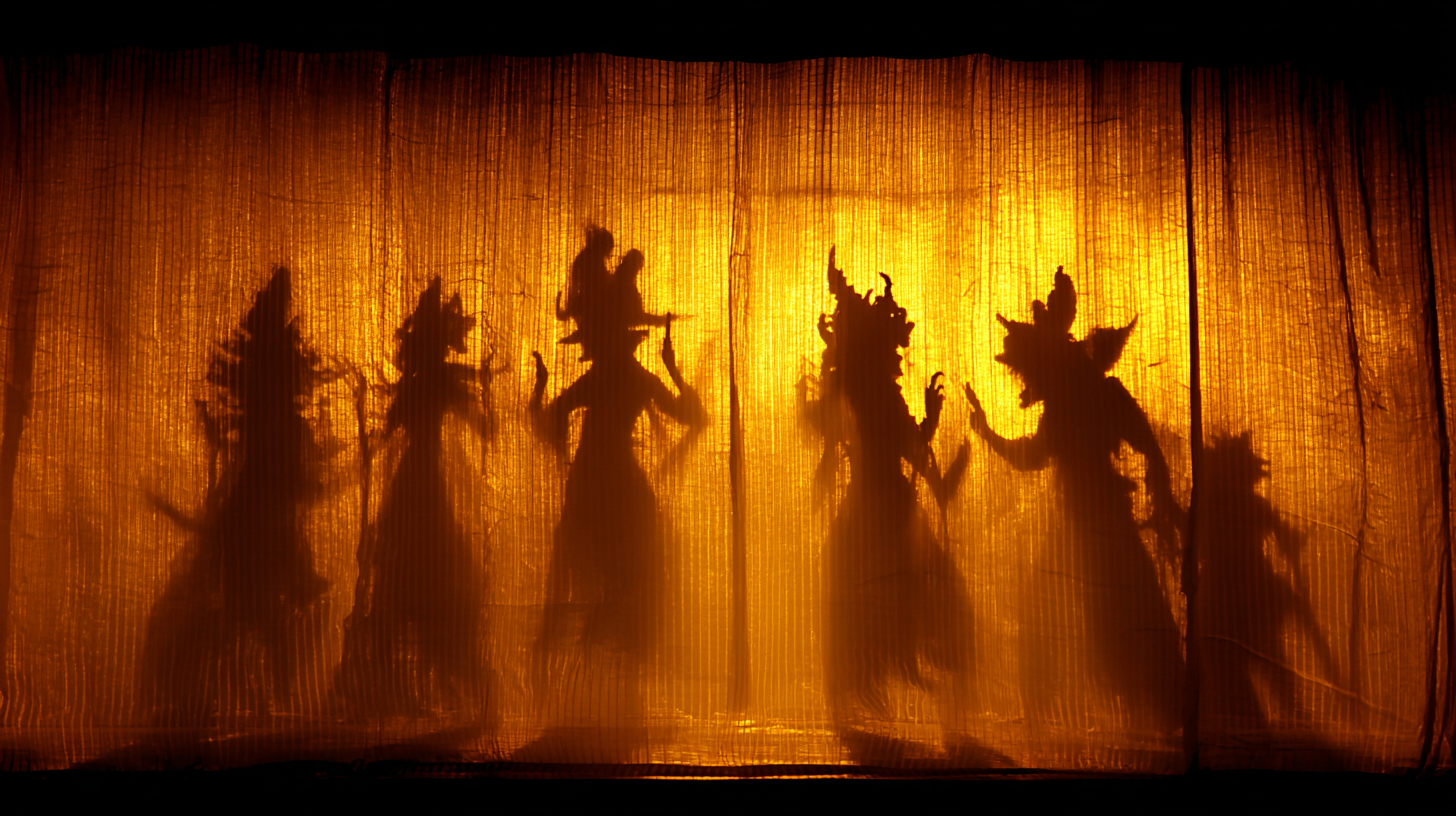
You feel them in the reverence for ancestral spirits who watch over families. You hear them in lullabies that carry echoes of ancient epics. You see them in shadow puppetry that transforms moral questions into luminous silhouettes. The characters of mythology—wise animals, heroic figures, mischievous tricksters—provide a framework for understanding the world, teaching lessons with subtlety and charm.
These stories endure because they are adaptable. They shift with context, growing with the times while preserving core messages. Myths in Indonesia are not dusty texts; they are living companions, resurfacing in conversation, arts, humor, and reflections. Cultural heritage here is not only preserved—it evolves through storytelling that breathes with every retelling.
Community Above Self — The Social Fabric Behind Indonesian Life
Perhaps the most defining element of Indonesian culture is its emphasis on community. Individuality is valued, but the collective always matters more. This is not suppression—it is support. Social bonds act as a safety net, ensuring that no one faces hardship alone. When a neighbor is in trouble, others gather without being asked. When a family hosts a celebration, the whole community contributes.

The concept of gotong royong—mutual cooperation—is not a slogan but a living practice. It appears when people rebuild a home after a storm, when entire streets collaborate to organize events, when harvests are shared, when tasks are distributed according to ability. In these acts, you see a culture where generosity is instinctive, where unity is practical, and where empathy guides daily life.
This sense of community shapes worldview. Decisions are made collectively. Conflicts are resolved through dialogue and consideration. Social harmony is valued not because differences are ignored but because connection is prioritized above pride. In Indonesia, to belong is to contribute—and to contribute is to honor the culture itself.
The Living Craft of Expression — Body Language, Gestures, Beauty Ideals
Indonesian cultural expression goes beyond art forms like dance or music—it lives in how people move, speak, and interact. Body language is soft, respectful, and controlled, reflecting centuries-old values of humility and grace. Even small gestures—like offering something with both hands or lowering the gaze out of respect—carry deep meaning, showing that dignity is communicated through posture as much as through words.
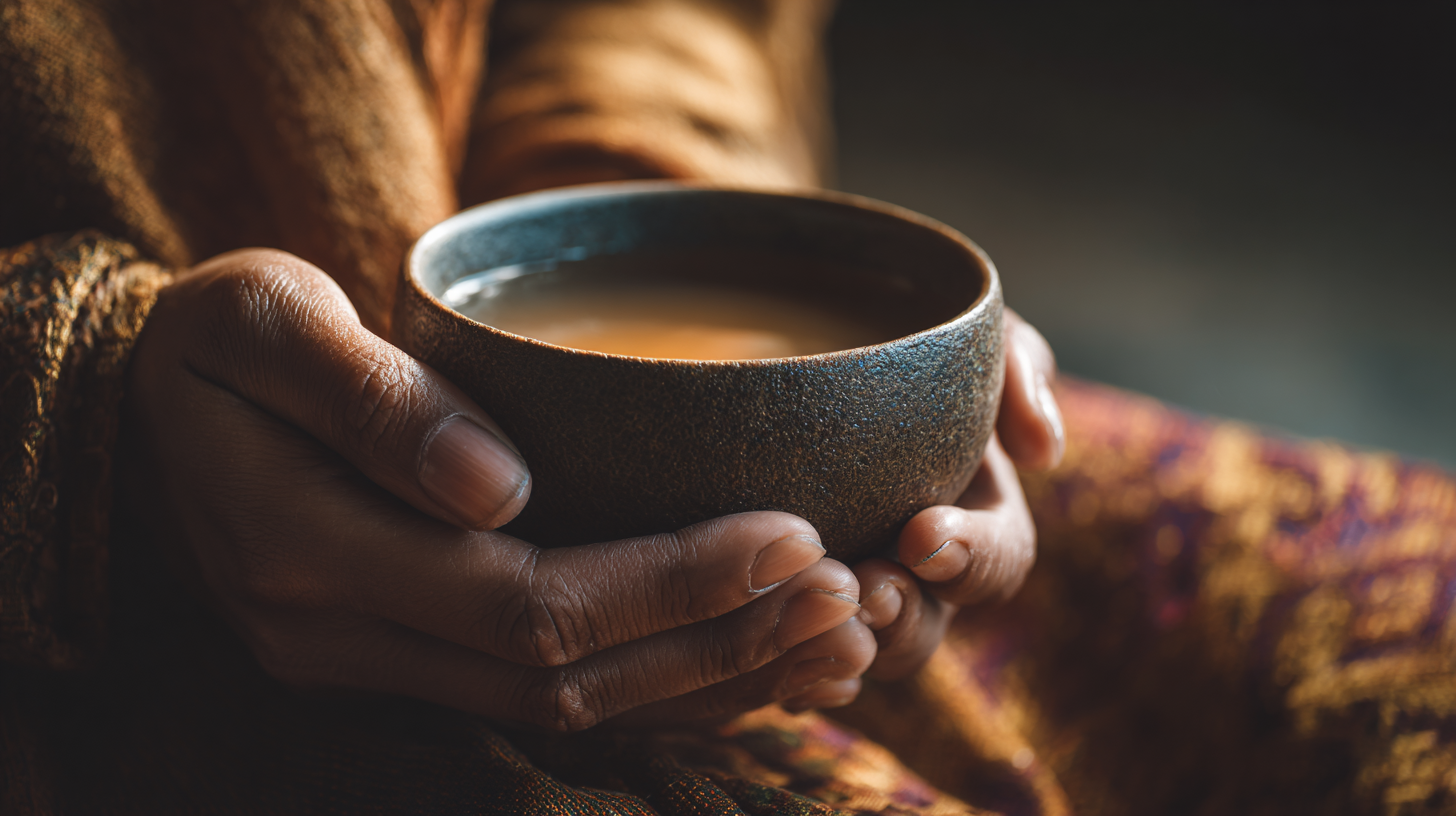
Beauty is seen in calmness, in subtlety, in the ability to maintain composure. Loudness is not equated with confidence; gentleness is not mistaken for weakness. People strive to create harmony through their presence—through how they sit, how they enter a room, how they participate in conversation. These cultural aesthetics shape fashion, grooming, and daily behavior, creating an environment where elegance grows from restraint.
This form of expression is quiet but powerful. It reinforces values of patience and mutual consideration, and it reflects a worldview where identity is embodied, not announced. Indonesia’s living heritage is felt as much in gestures as in ceremonies.
Between Tradition and Tomorrow — How Culture Evolves Without Losing Its Soul
While Indonesia honors its traditions, it is not a culture trapped in the past. It evolves constantly, absorbing global influences while maintaining a firm sense of self. Young artists reinterpret ancient motifs in digital art. Communities integrate traditional rituals into modern living. Designers transform indigenous patterns into contemporary fashion. Musicians blend classical instruments with electronic soundscapes.

This fluidity keeps culture alive. It prevents heritage from becoming static, allowing it to breathe, shift, and adapt. Today’s Indonesia is a place where old and new coexist with ease—where a ritual offering might be placed beside a modern sculpture, where traditional wisdom informs environmental ethics, where digital platforms preserve oral stories once shared around fires.
Tradition is not something to be protected behind glass; it is something to be carried forward, transformed with care, and offered to the next generation in a form they can claim as their own. The result is a vibrant cultural landscape shaped both by memory and imagination.
Conclusion — A Tapestry Still Being Woven
Indonesia’s cultural heritage is not a single masterpiece completed long ago. It is a tapestry in motion—threads woven daily through gestures, rituals, landscapes, stories, and relationships. It thrives because it is lived, not preserved; cherished, not idolized. It grows with time, shaped by the hands of millions who move through their days carrying quiet traditions and shared values.

To understand Indonesia, you must look not only at temples, festivals, or historical records, but at how people greet each other, cook for one another, shape their spaces, honor nature, and pass wisdom through touch and story. Culture here is not built from monuments—it is built from humanity.
And as long as Indonesians continue to weave their experiences into this living fabric, the archipelago will remain one of the world’s richest cultural landscapes—expansive, diverse, gentle, powerful, and endlessly alive.
Official Indonesia Tourism Website: https://www.indonesia.travel/