
Understanding Indonesia Wildlife: A Realm of Ancient Forests and Living Evolution
Across the world’s largest archipelago, life rises in waves of sound, color, and movement. Indonesia’s wilderness is not soft or silent; it is a living force shaped by volcanoes, monsoon rains, ancient forests, and seas that shift like moods. Here, animals move through landscapes older than memory, ecosystems breathe beneath steaming canopies, and the air carries both the sweetness of orchids and the rawness of earth.

To enter the Indonesian wild is to step into a realm where nothing stays still: trees whisper in humid winds, wings flash through drifting mist, and predators walk terrains that have barely changed in a thousand years. It is not just biodiversity — it is a living, breathing presence, woven from light, shadow, instinct, and evolution. Every island tells its own story, yet all share one truth: the wild here is not a backdrop but a protagonist.
Explore our guide to Indonesia History to understand how the archipelago shaped its wildlife.
Forests of Borneo — A Green Ocean of Heat, Mist, and Breathing Giants
On Borneo, the rainforest does not simply surround you — it swallows you whole. The canopy rises like a cathedral roof, stitched from branches older than most civilizations. Light breaks through in thin, trembling beams, illuminating drifting clouds of insects and moss-covered trunks. The air feels alive, thick with humidity and the deep, earthy scent of soil that has nurtured life for millennia. Every step sinks into damp leaves, and every sound seems amplified by the density of vegetation.
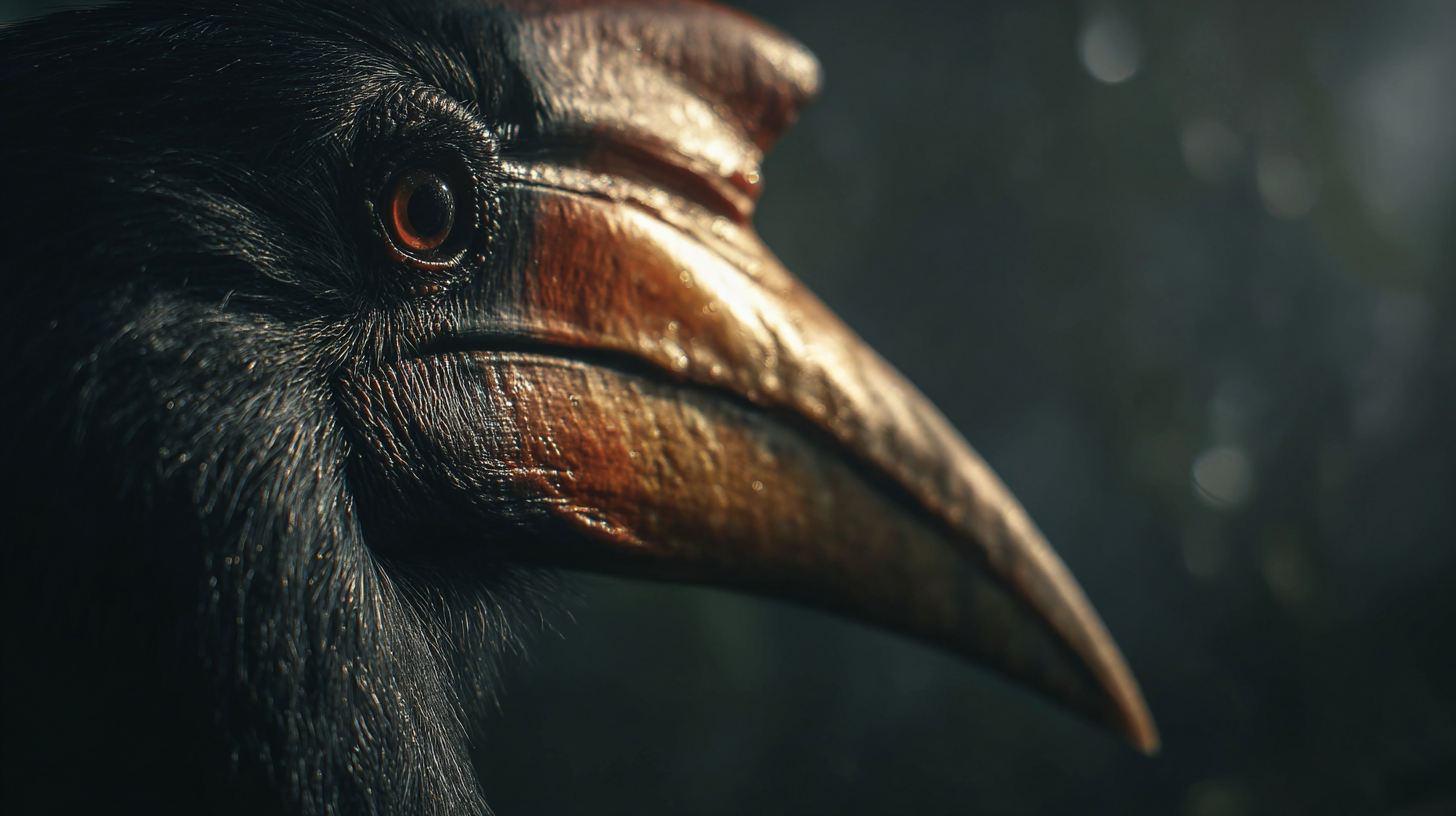
This forest is one of the few remaining homes of ancient species found nowhere else on Earth. Giant dipterocarp trees climb toward the sky with impossible height, their crowns hosting hidden creatures. Leaf monkeys leap between branches with acrobatic ease. Rhinoceros hornbills glide overhead, their wings slicing the silence with a heavy, rhythmic beat. Borneo’s rainforest is not only a hotspot of biodiversity — it is a living memory of the planet’s prehistoric past.
Orangutans — The Quiet, Thinking Souls of the Rainforest
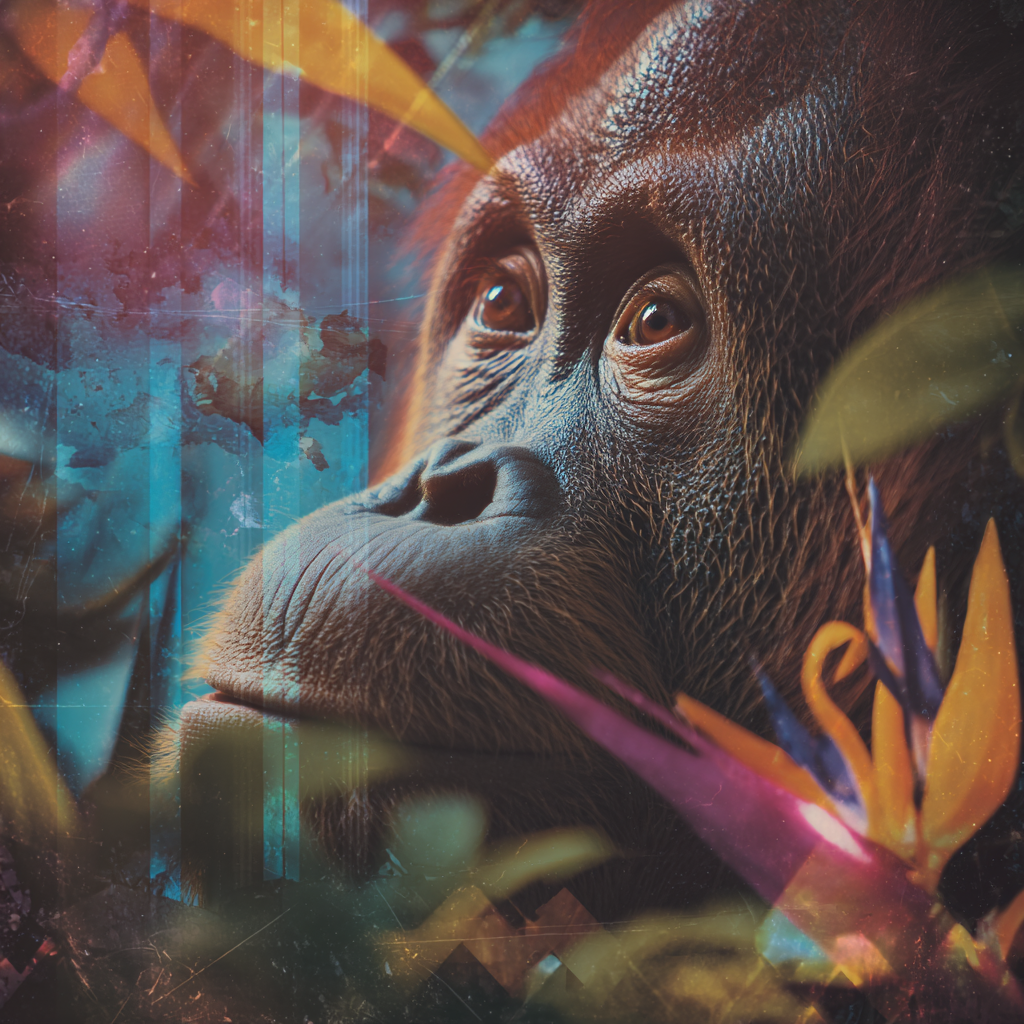
There is a moment in Borneo when the forest grows still, and then, from the canopy, a flash of auburn appears. Orangutans move with a slow, deliberate grace, their long arms flowing through branches like extensions of the trees themselves. Their expressions carry an uncanny familiarity — intelligence, curiosity, contemplation — as if they share a secret with the forest that humans have long forgotten.
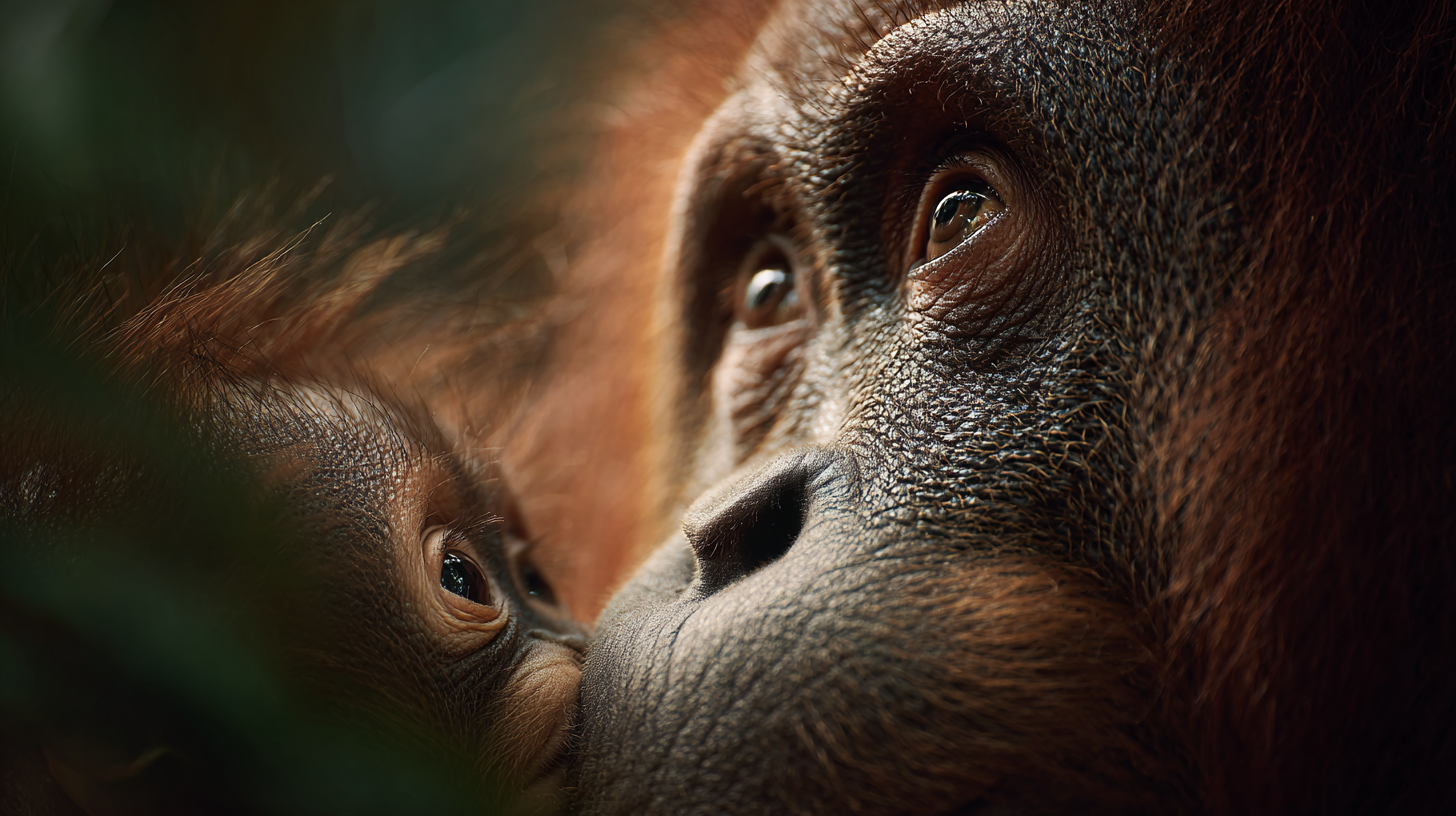
These great apes spend most of their lives high in the canopy, constructing leafy nests each night and traveling through the treetops in search of fruit. Watching them is like witnessing thought in motion. Mothers cradle their infants with tenderness. Young males show sparks of mischief. Dominant males, with towering cheek pads and resonant calls, move with quiet authority.
The orangutan is more than an animal of Indonesia — it is a symbol of patience, solitude, and ancestral wisdom. To see one in the wild is to feel time slow down, to sense the depth of connection between species and environment, and to realize how fragile such beauty truly is.
Sumatran Wilderness — A Realm of Tigers, Elephants, and Ancient Forest Spirits
Sumatra’s forests feel different from Borneo’s — wilder, sharper, more unpredictable. The air carries the scent of wet earth and distant storms, and the landscape shifts from tangled lowland jungles to mist-choked highlands. Here, some of the world’s rarest and most elusive creatures still roam.
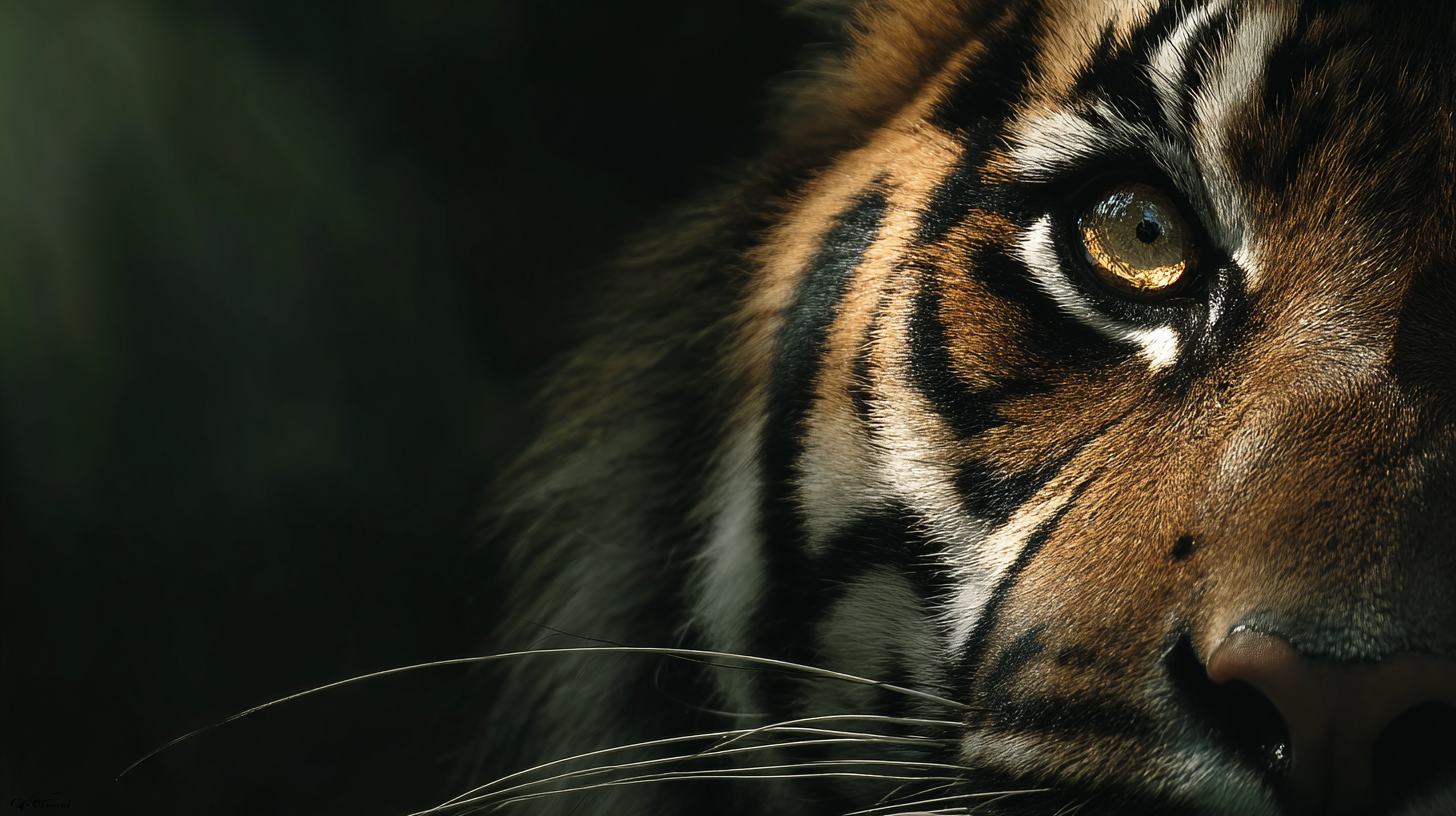
The Sumatran tiger, smaller but more agile than its mainland relatives, moves through shadows with a lethal combination of silence and precision. It is a ghost in the foliage, seen only by those the forest chooses. The Sumatran elephant, intelligent and gentle yet capable of tremendous power, walks ancient pathways carved through dense vegetation. Even rarer still, the Sumatran rhinoceros — a species hanging on the edge of existence — leaves faint footprints in muddy riverbanks, reminders of a lineage that once dominated ancient Asia.
Sumatra feels like a realm governed by spirits: waterfalls roar like voices, vines twist like old stories, and fog curls through trees like forgotten legends. The animals here are not characters in a documentary — they are guardians of a disappearing world.
Komodo — Where Dragons Move Like Living Fossils
The islands of Komodo rise from the sea like fragments of another epoch — jagged, sun-scorched, and hauntingly beautiful. The grasses here turn gold under the burning sun, rustling like waves as the wind sweeps across the hills. This landscape feels ancient, stripped down to earth and stone, and it is here that the legendary Komodo dragons rule.
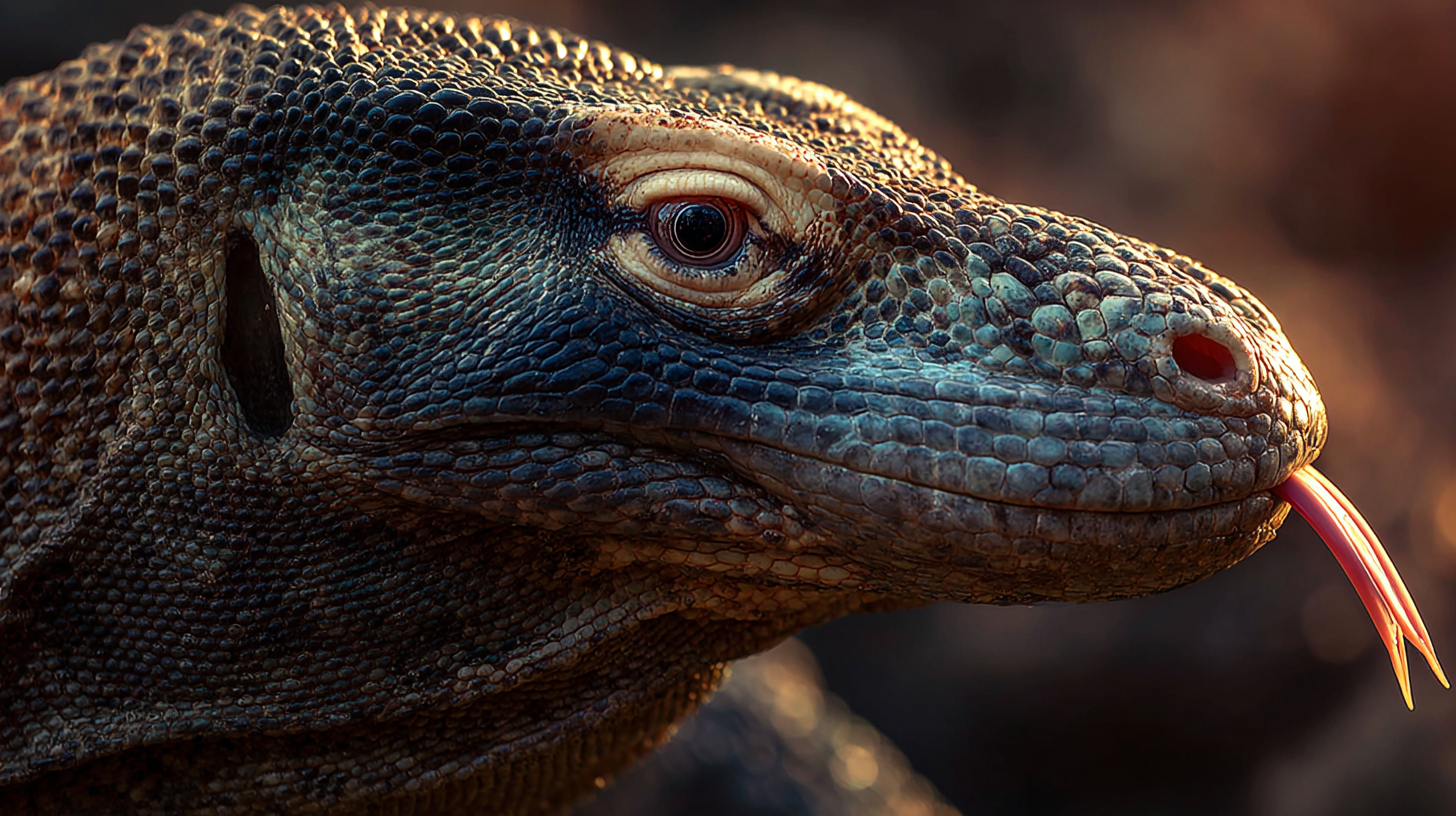
These creatures are not mythical, though they seem to belong to myth. They lumber across dry ground with slow, deliberate steps, their forked tongues tasting the air. Muscles ripple beneath their armored scales, and their eyes reflect a predator’s cold calculation. When they move, the world around them seems to tense — goats pause mid-step, birds fall silent.
Komodo dragons are the last of their kind: apex predators that survived while the world changed around them. They embody the raw, unfiltered power of evolution. To stand in their presence, to watch them hunt or bask or simply exist, is to feel the awe of confronting something ancient and untamed.
The Ritual of Predators — Silent Hunts and Harsh Beauty
Predation in Indonesia is not chaotic violence but a series of rituals performed across ecosystems. In Komodo, dragons stalk prey with patience that borders on artistry — slow steps, careful angles, a sudden burst of lethal force. In the forests of Sumatra, tigers glide between shafts of light, their stripes merging with the shadows as they track wild boar or deer.
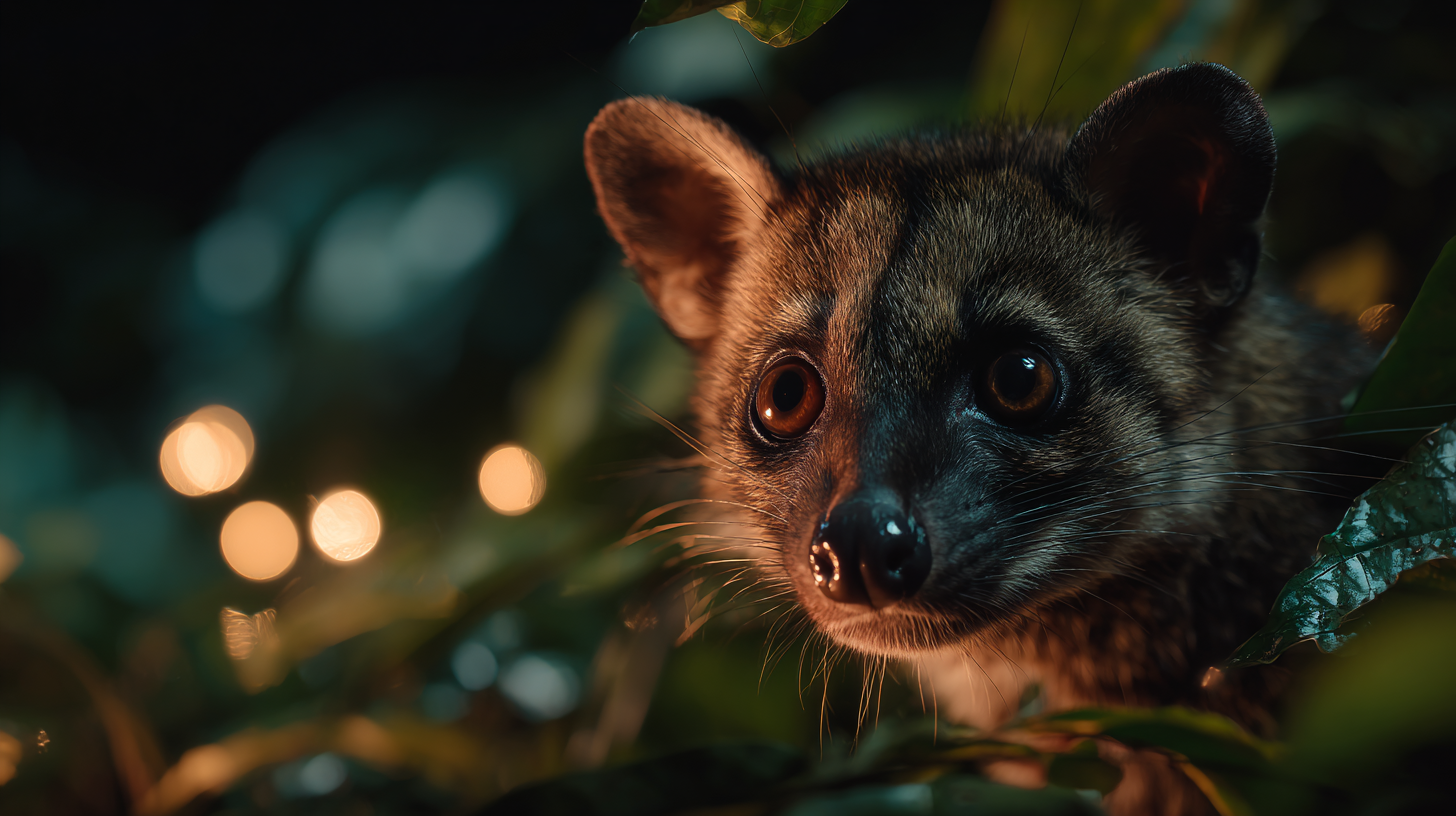
Even smaller predators leave their marks. Civets slink through undergrowth with nocturnal elegance. Raptors circle above river valleys, wings carving arcs in the sky as they wait for the right moment to strike. Each predator carries a story shaped by landscape, climate, and instinct.
The beauty of these hunts lies not only in power but in balance. Predators maintain the rhythm of their ecosystems. They prune the weak, protect the strong, and shape the behavior of every creature around them. Watching them is a reminder that wilderness is not gentle — it is harmonious in its own fierce way.
Papua — A Rainforest Cathedral Suspended in Time
Papua’s forests feel like a world untouched by modern time. The air is cooler, filled with the earthy scent of moss and the faint sweetness of orchids. Mist rolls through ancient valleys each morning, revealing treetops that glow emerald against the soft gray sky. Here, mountains rise like guardians, dividing ecosystems that evolved in isolation for thousands of years.
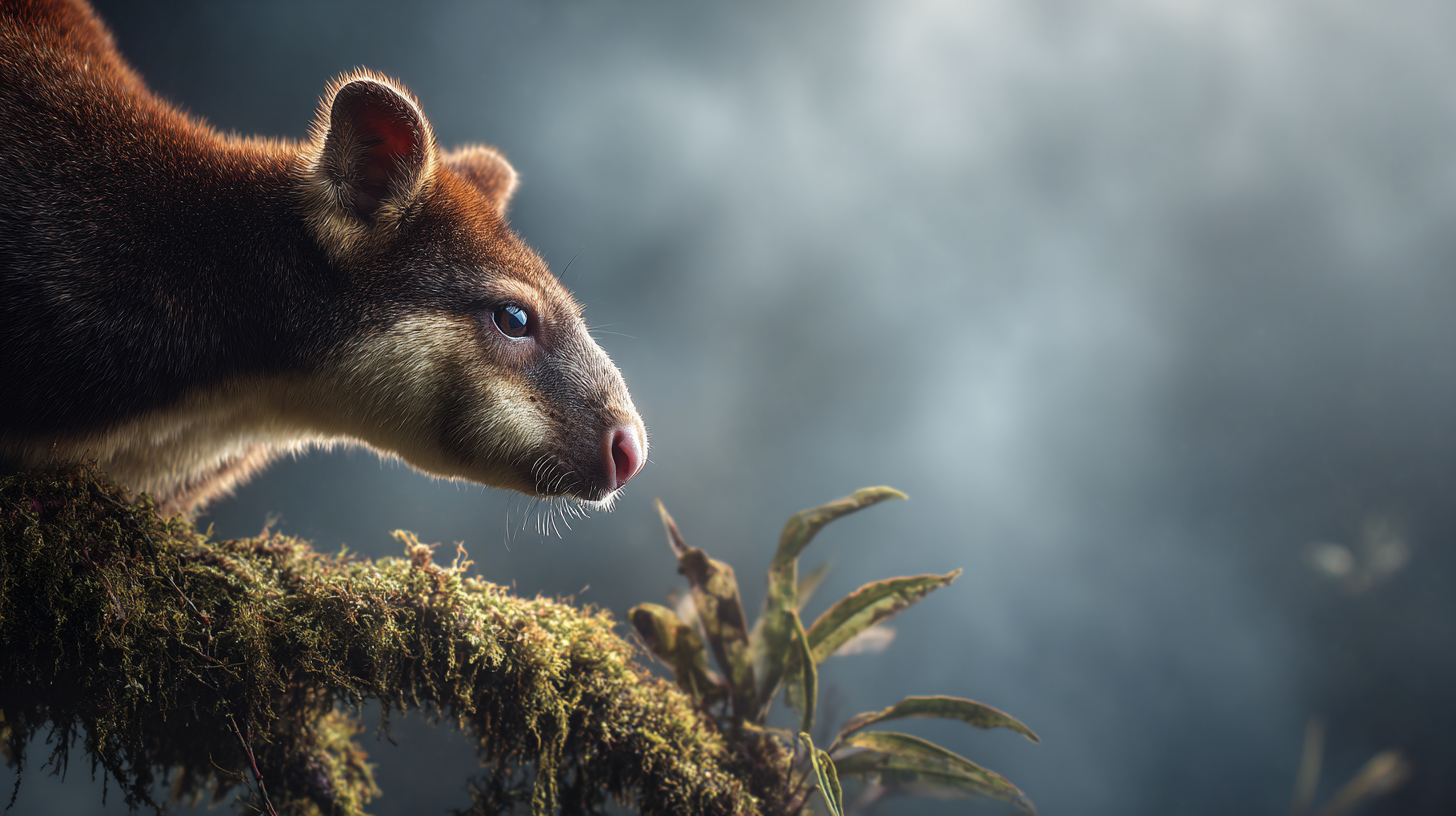
This region is one of the last great biodiversity strongholds on Earth. Tree kangaroos leap between branches with surprising grace. Cassowaries, with their prehistoric crests, stride through dense undergrowth. Rivers twist through untouched valleys, their waters tinted blue by glacial minerals. Papua’s wilderness is not merely a place — it is an emotional experience, a reminder of how wild the world once was and how wild parts of it remain.
Birds-of-Paradise — Feathers That Defy Reality
No creatures capture the imagination like Indonesia’s birds-of-paradise. Their feathers shimmer with impossible colors — iridescent greens, deep violets, fiery yellows — each arranged in patterns so elaborate they seem crafted rather than evolved. Males perform dances that defy logic: hopping, bowing, spinning, wings spread in gestures that transform them into living sculptures.
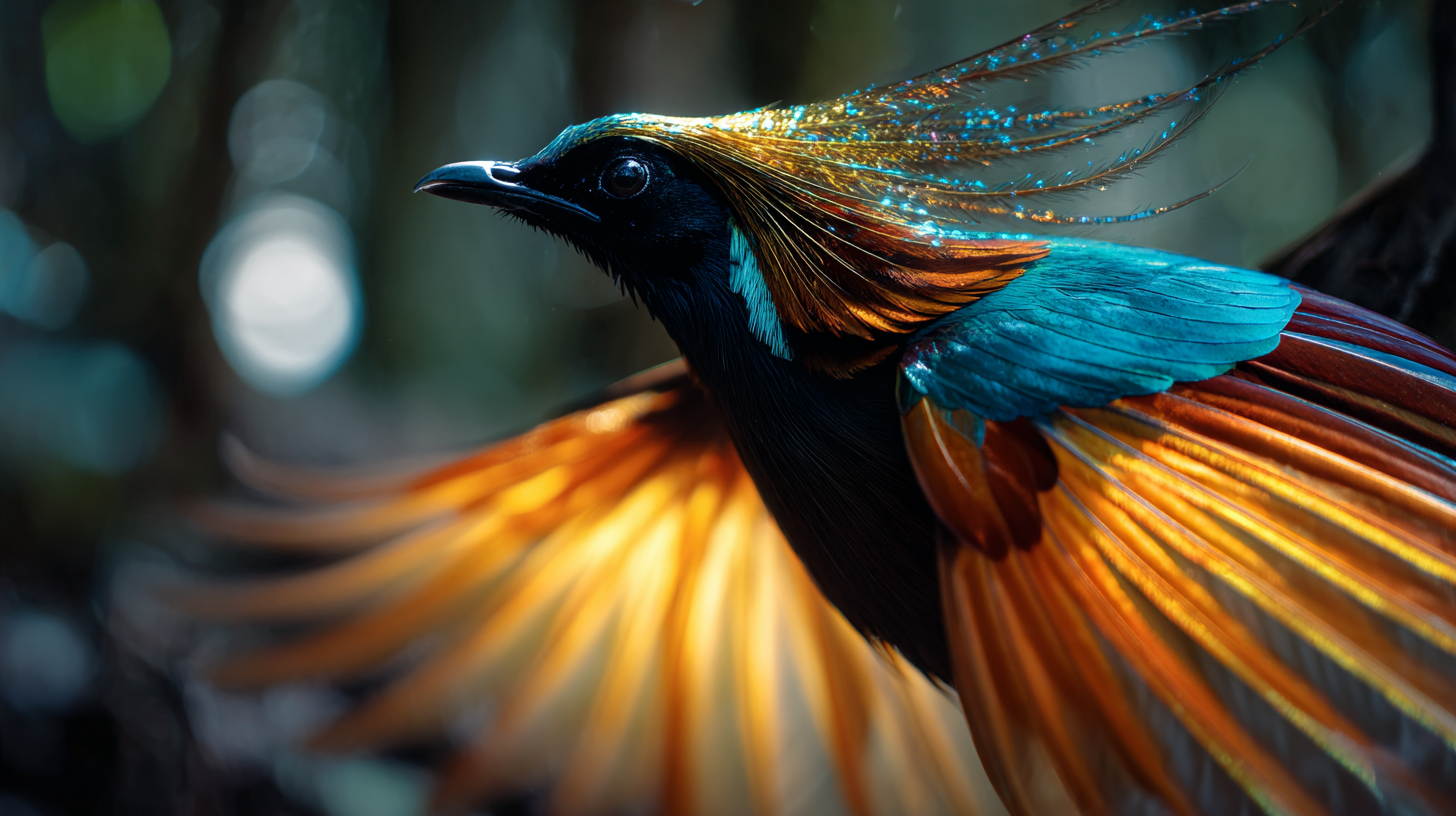
To witness one of these performances in the wild is to see evolution at its most extravagant. The forest becomes a stage, the sunlight a spotlight filtering through the canopy. Females watch with quiet discernment, evaluating displays that humans can barely comprehend.
These birds are more than symbols of beauty; they are proof of nature’s artistry. They remind us that evolution does not always select for survival alone — sometimes it selects for wonder.
The Understory World — Frogs, Snakes, Insects, and Tiny Wonders
Beneath the canopy lies another universe, one built on smallness and surprise. Frogs cling to leaves like droplets of jade, their bodies trembling with the vibrations of rainfall. Snakes coil in patterns of emerald and bronze, their movements so fluid they appear almost liquid. Insects flash iridescent blues and metallic greens as they dart between shafts of sunlight.
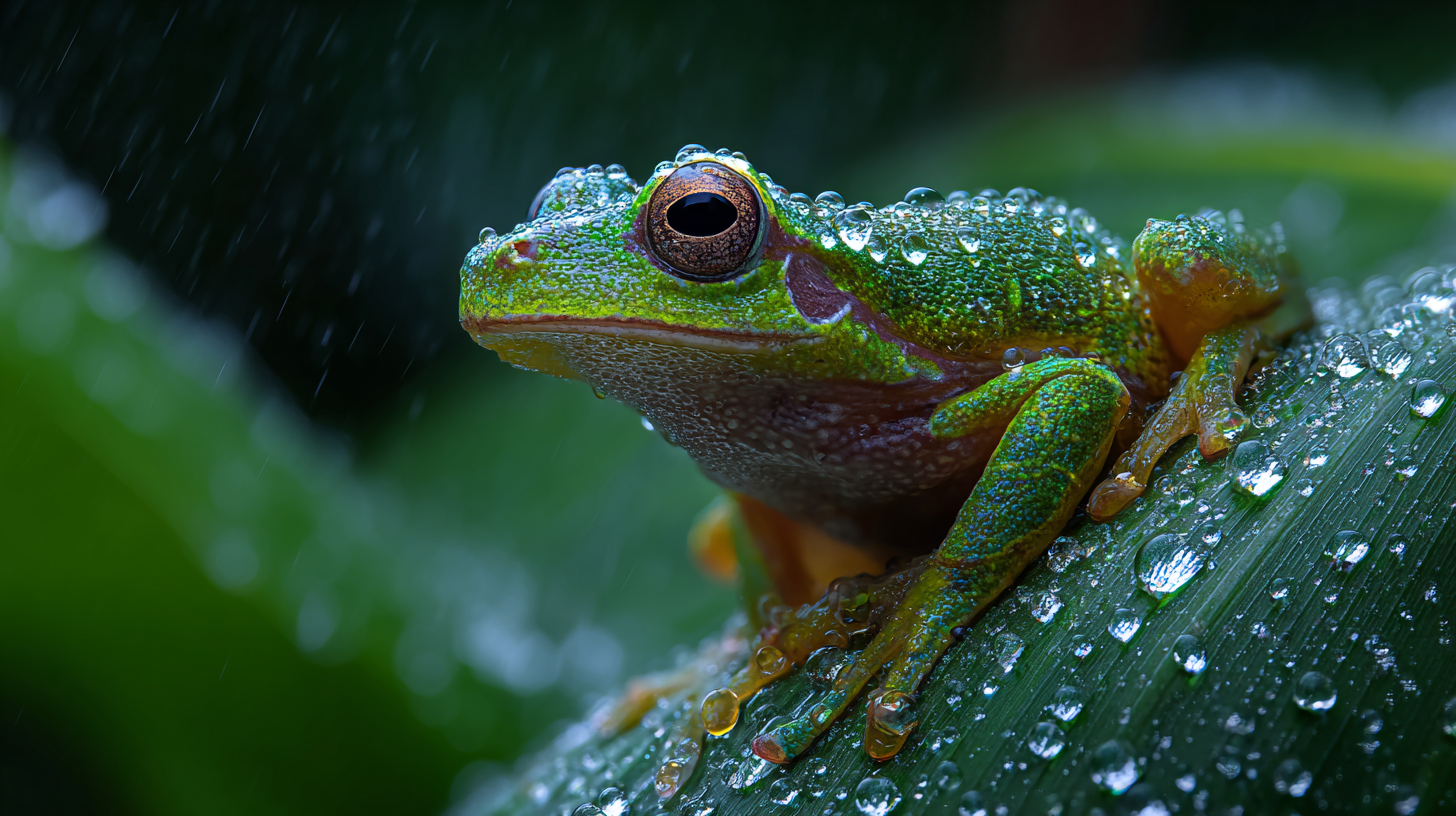
This understory world is dazzling in its detail. Tiny spiders weave elaborate webs strung like silver threads between ferns. Beetles carry armor more intricate than any sculpture. Butterflies drift through the air like fragments of stained glass. Every inch of forest floor feels alive, crawling with species that exist nowhere else on Earth.
It is easy to overlook these creatures, overshadowed by tigers or dragons, but they are the engine of the ecosystem — breaking down nutrients, pollinating flowers, feeding larger animals, and sustaining the complex web of life that holds the forest together.
The Human Thread — Indigenous Peoples and Their Bond with Wildlife
For many indigenous communities across Indonesia, nature is not separate from daily life — it is family, teacher, and spiritual guide. The Dayak people of Borneo maintain deep connections to the forest, reading its signs with instinctive understanding. In Papua, highland tribes live in harmony with landscapes that outsiders see as forbidding. On the islands around Komodo, coastal communities navigate the sea with ancestral knowledge passed down through generations.
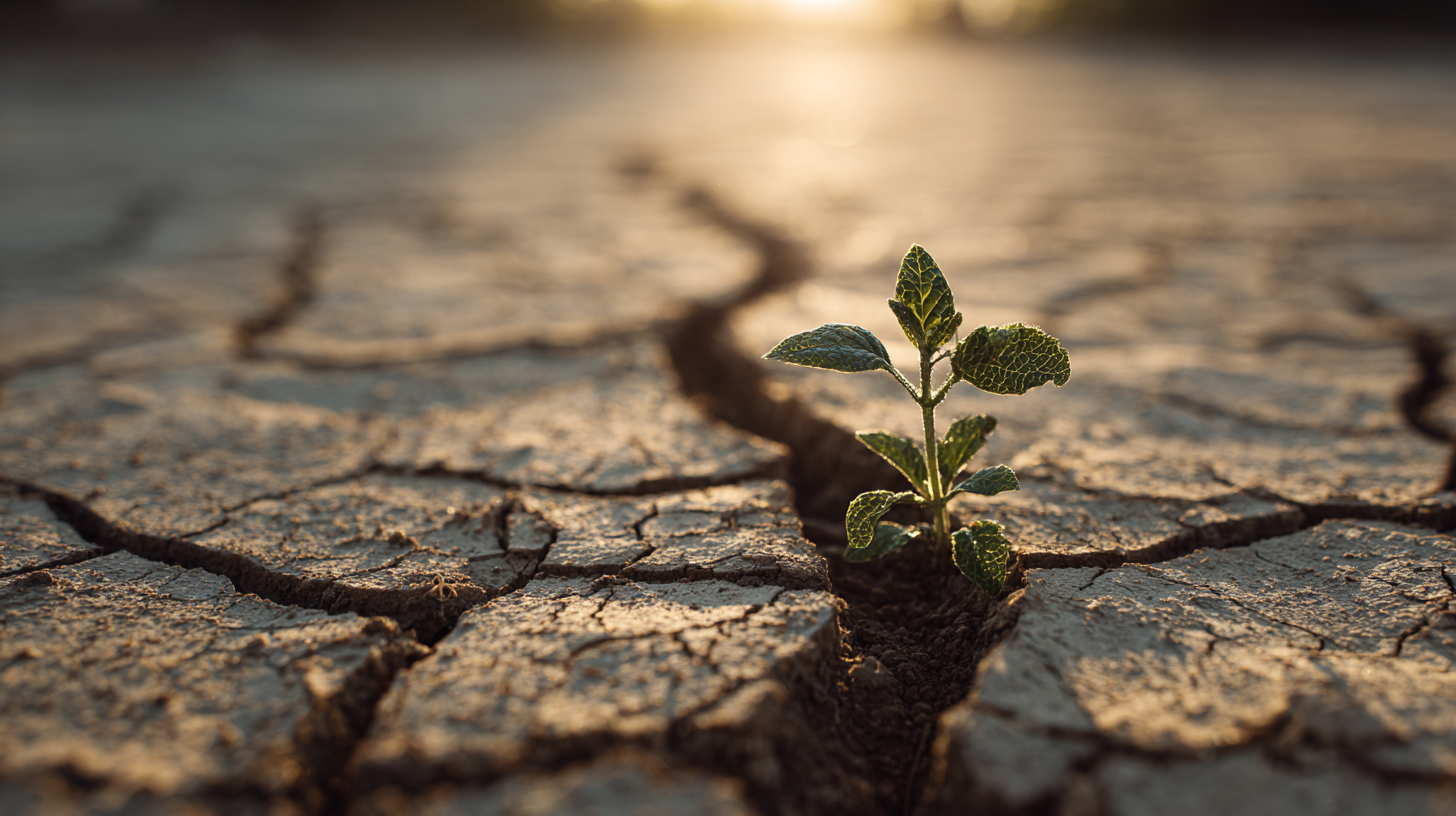
These cultures do not merely coexist with wildlife; they interpret it. Bird calls can signal coming storms. Animal tracks hint at shifting seasons. Ritual dances echo the patterns of local creatures, blending art with ecological memory. Urban Indonesia moves fast, but here, time expands. People and nature move in rhythm, and each generation inherits a responsibility to protect the land that sustains them.
Threatened Edens — Deforestation, Poaching, and Climate Pressure
Despite its breathtaking diversity, Indonesia’s wilderness faces severe threats. Expanding agriculture, logging, mining, and urbanization carve scars into once-untouched forests. Orangutans lose their treetop homes. Tigers find their hunting grounds shrinking. Birds-of-paradise are driven deeper into hidden valleys.
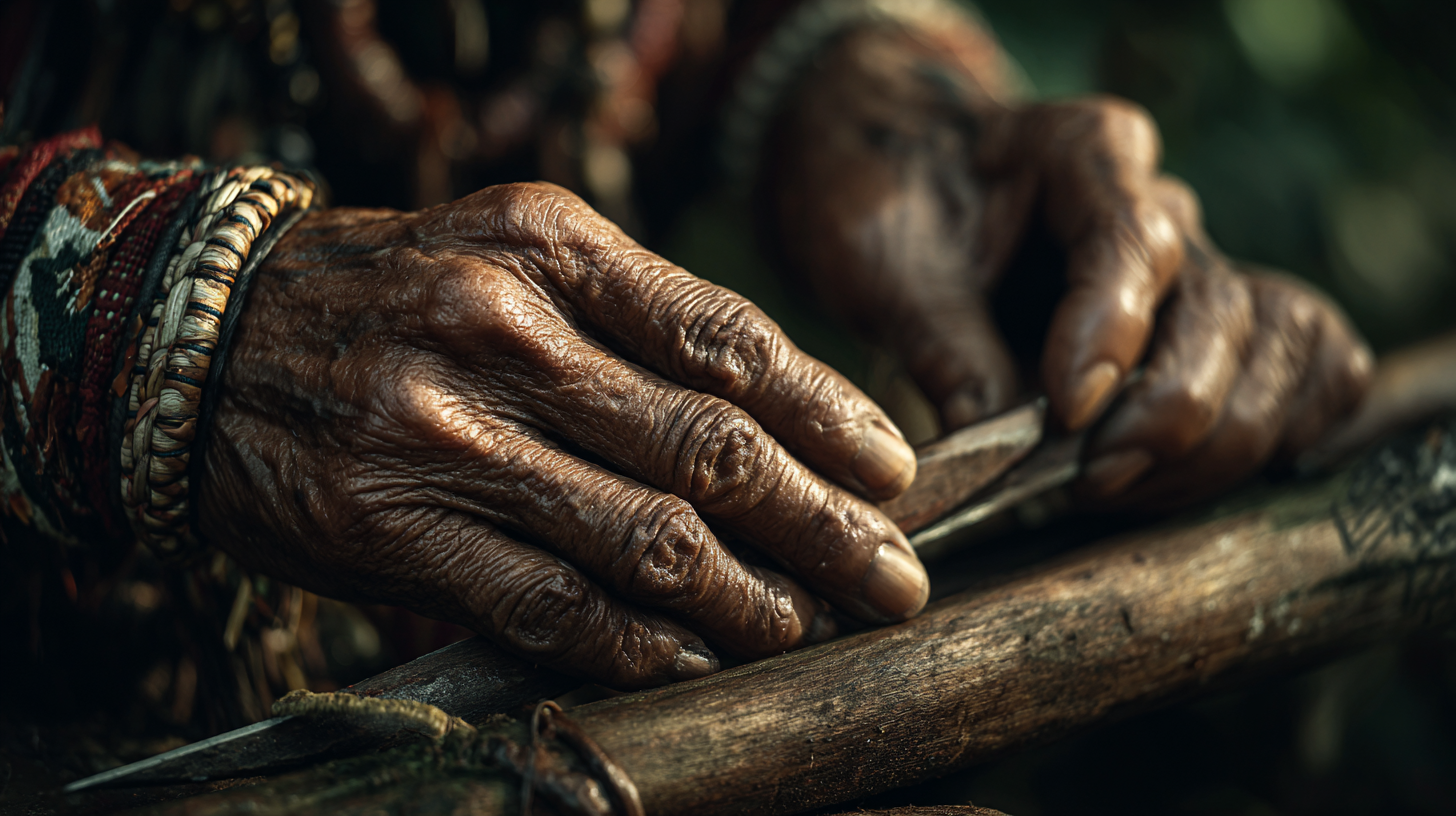
Climate change intensifies these pressures. Rising temperatures alter habitat ranges. Droughts shift migratory patterns. Coral reefs bleach under relentless heat. Poaching remains a persistent danger, fueled by illegal wildlife trade and economic hardship in some regions.
These challenges do not diminish Indonesia’s beauty — they highlight its fragility. The country stands at a crossroads, where decisions made in the coming decades will determine whether future generations can still encounter dragons, tigers, hornbills, and the countless small wonders that make the archipelago unique.
Guardians of the Wild — Conservationists, Rangers, and Local Heroes
Hope grows in Indonesia alongside its challenges. Conservationists work tirelessly across the islands, rescuing injured animals, restoring damaged forests, and studying fragile populations. Rangers patrol dangerous terrain, protecting wildlife from poachers and monitoring ecosystems threatened by change.

Local communities, too, play a crucial role. Villagers join ecotourism initiatives, participate in reforestation projects, and advocate for sustainable land use. Indigenous groups fight to preserve ancestral territories that act as natural sanctuaries. Scientists collaborate with farmers, creating wildlife corridors that connect fragmented habitats.
These efforts form a network of resilience — proof that Indonesia’s natural heritage is not lost but fiercely defended. Every seedling planted, every rescued animal, every protected valley adds to a growing movement of people committed to protecting what cannot be replaced.
Conclusion — The Untamed Future of a Living Archipelago
Indonesia’s wildlife is a testament to the planet’s imagination — a symphony of forms, colors, instincts, and landscapes shaped by time and tectonic fire. To walk through its forests or sail between its islands is to witness the raw creativity of nature and the delicate balance that sustains it.

The future of this wild archipelago depends on choices made today, on efforts that honor both the beauty and vulnerability of its ecosystems. Indonesia’s wilderness calls out with the voice of dragons, the whisper of orangutans in the canopy, the flutter of paradise feathers, and the quiet hum of insects beneath leaves.
It is a call to protect, to respect, and to remember that the wild is not a separate world — it is the foundation upon which life in the archipelago, and the planet, depends
Source: Official Indonesia Tourism Board