
Understanding Indonesian Cities: Motion, Heat, Rhythm, Life
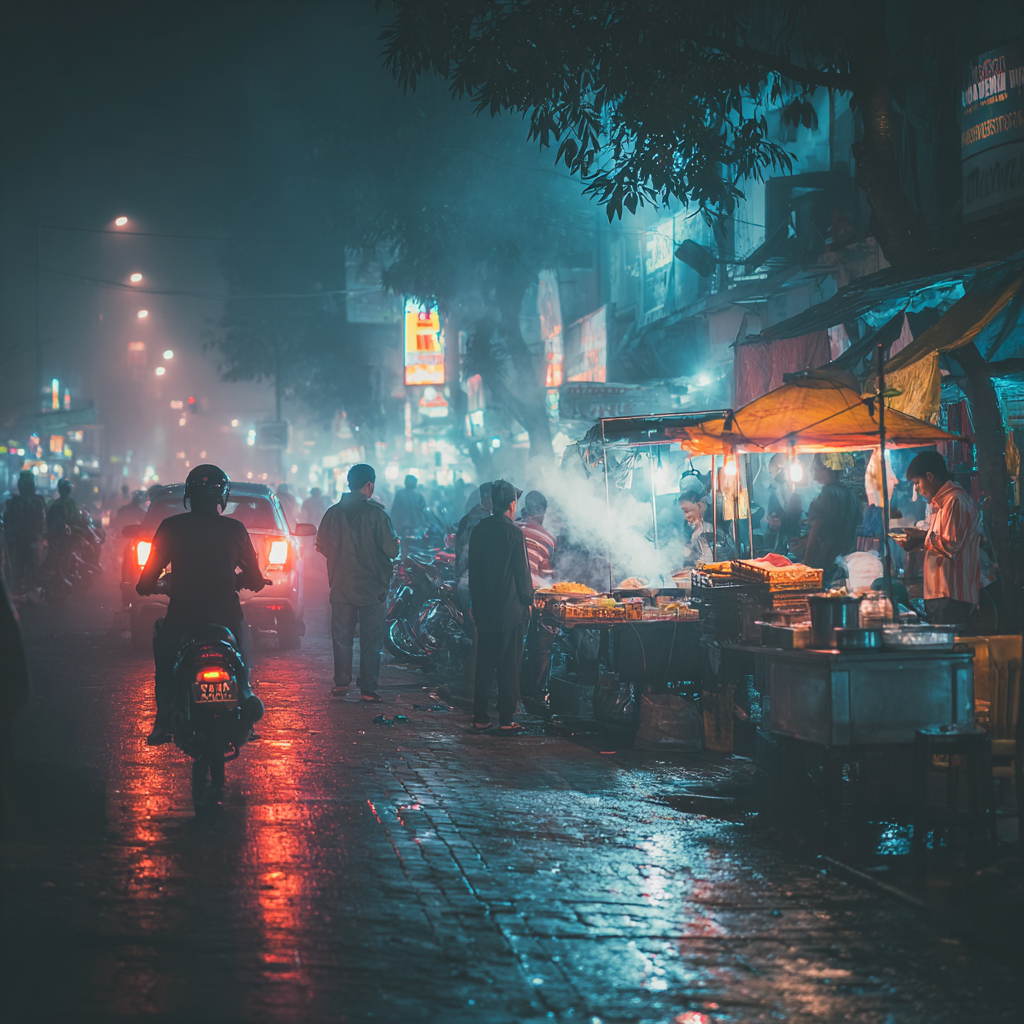
Indonesia’s cities do not simply exist; they flow. They surge and recede like tides, shift moods with the rising heat, and illuminate themselves after sundown like constellations scattered over the islands. Urban life here breathes in rhythms shaped by traffic, street vendors, late-night cafés, neon lights, and pockets of unexpected quiet. These cities are not polished postcards or sleek skylines alone—they are layered, textured, alive with contrasts that reveal the nation’s soul.
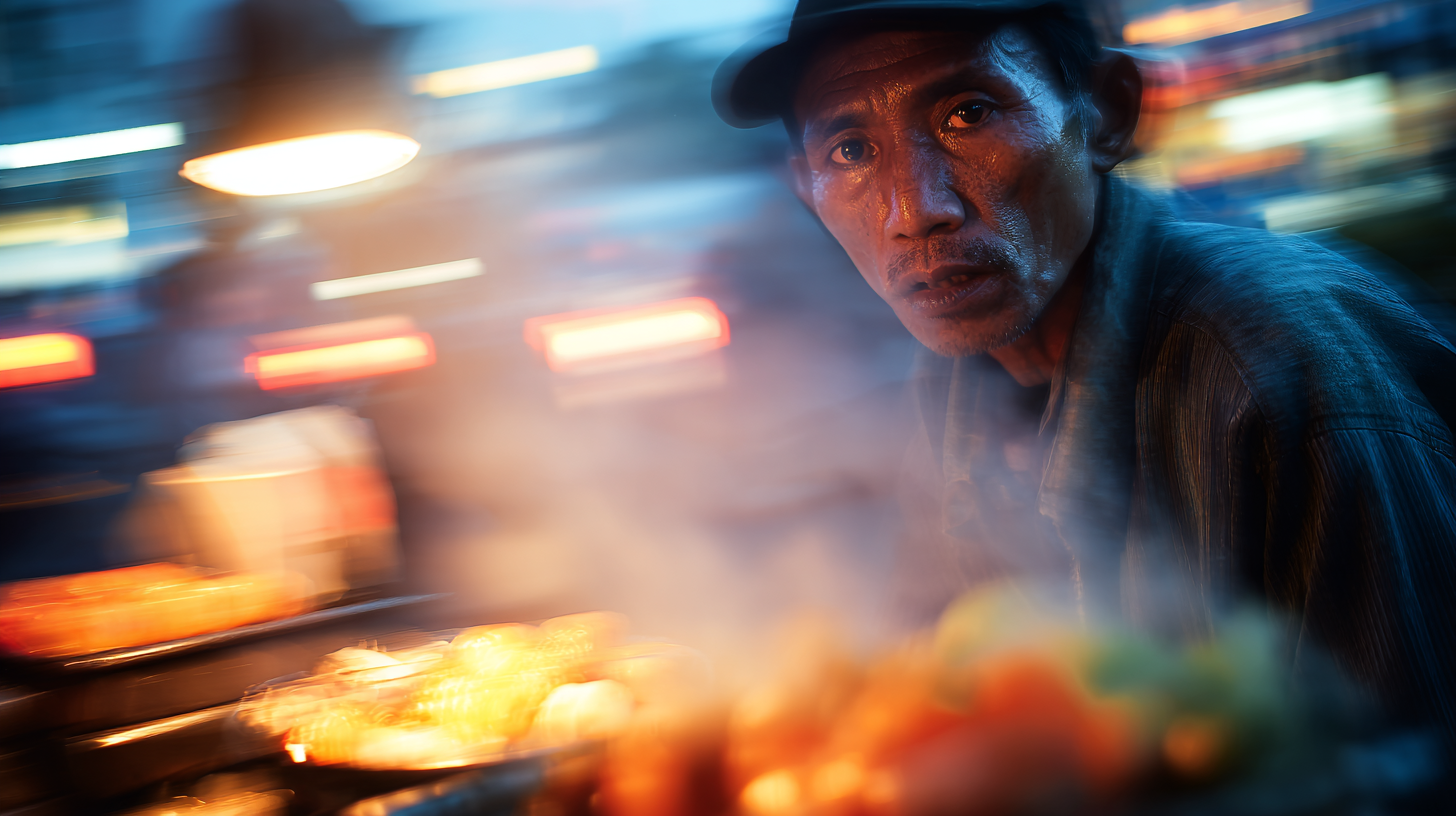
Jakarta hums like a restless heartbeat. Surabaya stands with the pride of a city forged through struggle. Bandung sways with creativity and the softness of mountain air. To walk through these places is to feel Indonesia not as an idea or a history lesson, but as a living presence—loud, vibrant, chaotic, tender, and endlessly captivating.
For culture lovers, read Indonesian Music.
Jakarta — A City of Motion, Heat, and Human Gravity
Jakarta does not welcome you softly; it arrives all at once. The moment you step into the city, the air vibrates with motion—motorbikes weaving through traffic like schools of fish, vendors calling out from steaming carts, skyscrapers glinting in the sun above tangled streets. The heat presses against your skin, carrying the scent of the sea, of rain-soaked concrete, of grilled satay drifting from a roadside stall.
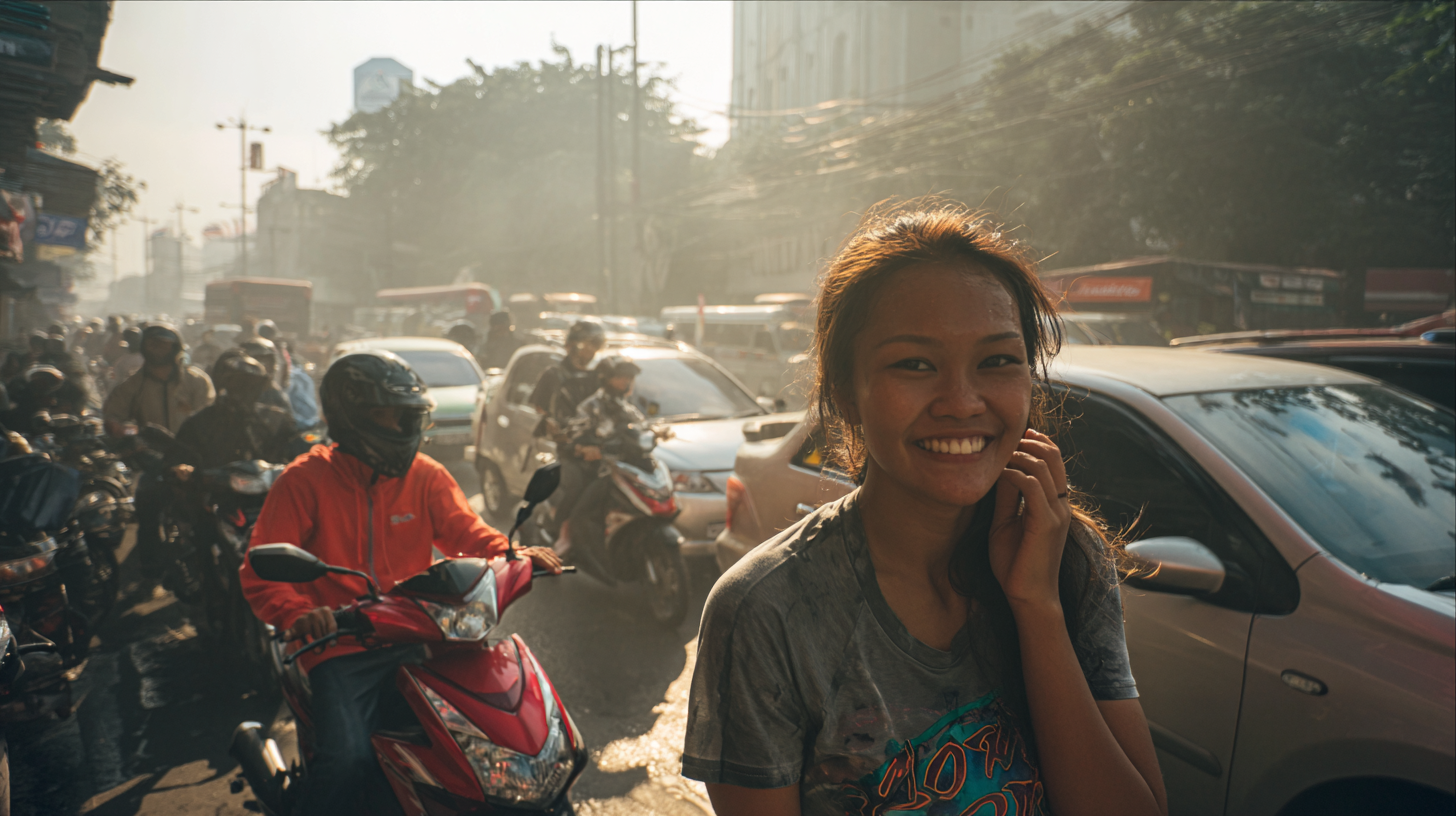
This city never stands still. Morning commuters move like rivers, flooding train stations with purposeful energy. Coffee shops fill with conversations in a dozen languages—entrepreneurs dreaming big, students sketching futures, old men reading newspapers as if the world turns only to provide them headlines. There is a restlessness here, a desire to rise, build, push forward, even when the traffic barely moves.
Jakarta’s neighborhoods are mosaics. In Kota Tua, colonial facades whisper stories of another era, their walls softened by time and monsoon rain. In Glodok, red lanterns glow above narrow lanes scented with incense and herbal medicine. In Senayan and Sudirman, the city becomes vertical—steel towers reflecting the sky, rooftop bars rising above the urban sprawl like modern watchtowers.
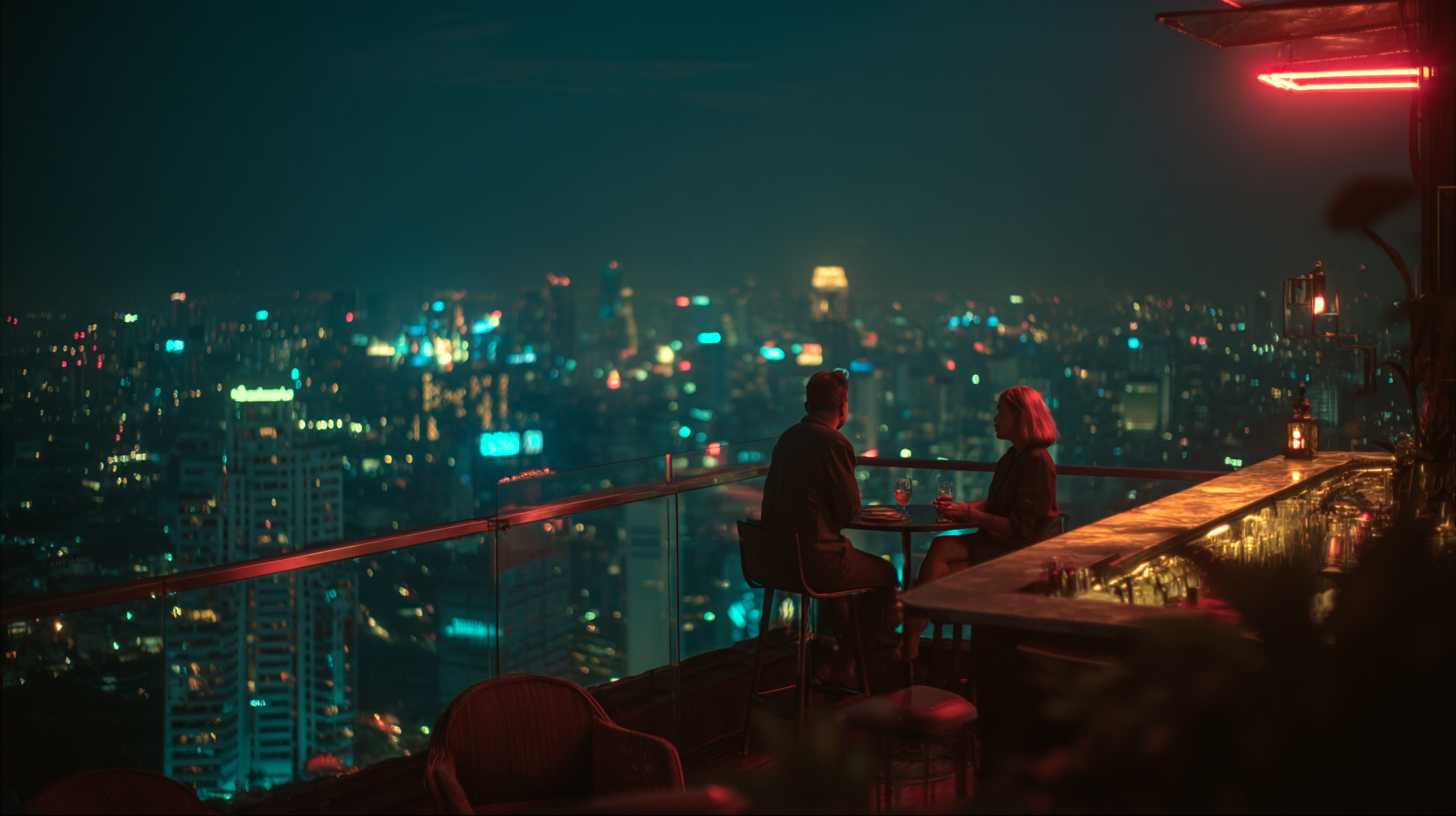
Night changes Jakarta completely. Lights blur into streaks across highways, food stalls bloom like flowers, music spills from cafés and open-air stages. The city can be overwhelming, intoxicating, too much—and yet it is impossible not to be drawn into its gravity. Jakarta is a force, and once you feel its pulse, something inside you begins to beat in sync with it.
Surabaya — The City of Heroes and the Rhythm of the East
Surabaya has a different energy—steadier, grounded, shaped by history and grit. Known as the City of Heroes, it carries the weight of Indonesia’s struggle for independence in its bones. But it is not a city trapped in memory; it is a place that stands tall, proud of what it has endured and confident in where it is going.
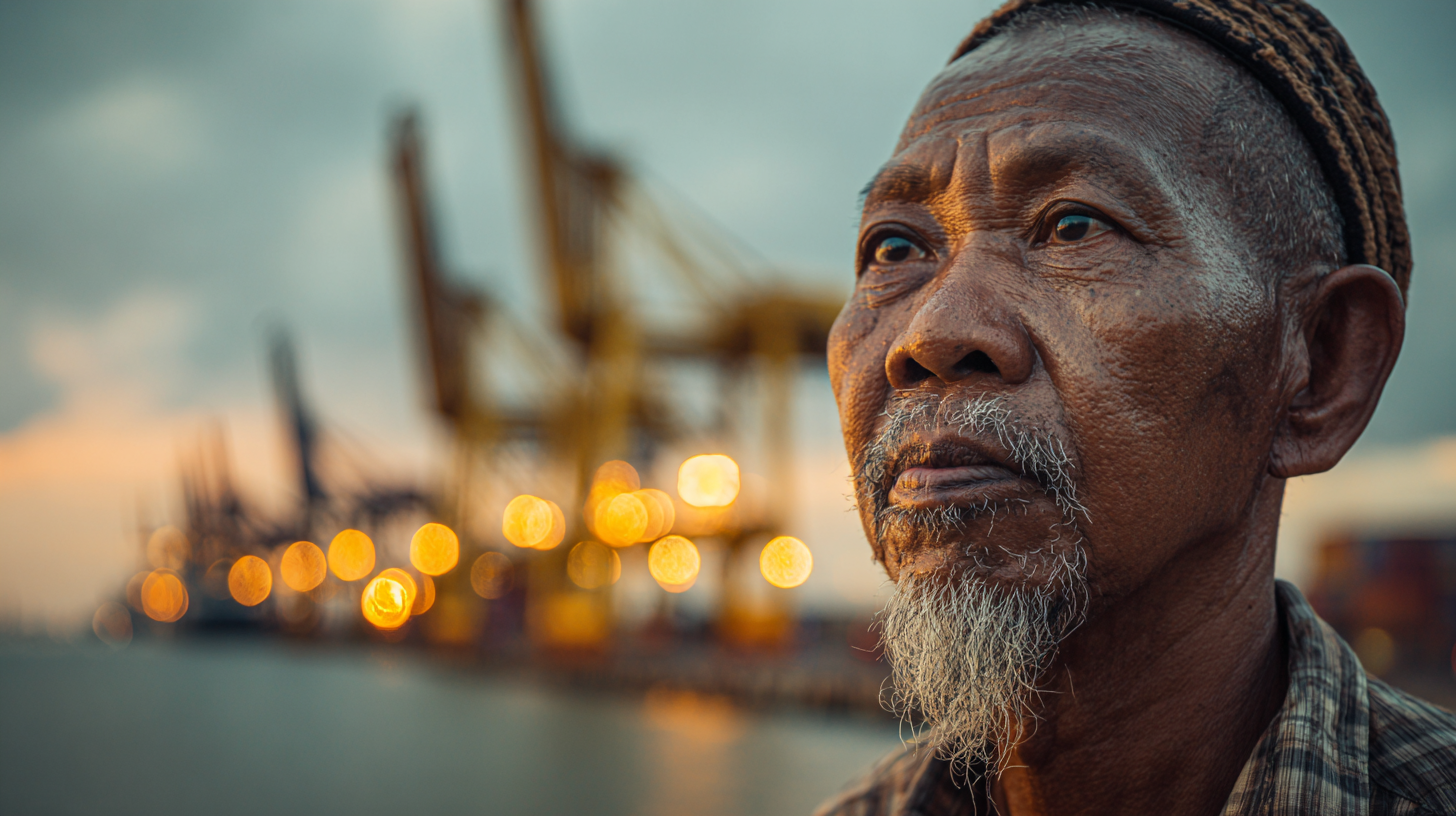
The streets are wide, the air filled with the scent of flowers, seawater, and the metallic echo of shipyards. The port, one of the busiest in the region, beats like an industrial heart. Cargo ships rise from the horizon like giants, while cranes move in slow, deliberate gestures. Surabaya feels like a city that understands work—not just the physical kind, but the emotional work of holding a community together.
There is beauty here in unexpected places. Old Arab Quarter alleys twist into fragrant markets selling spices and incense. Kampung neighborhoods create bursts of color, with murals painted across walls like open-air galleries. Heritage buildings stand with quiet dignity, their windows catching afternoon sunlight in ways that make the past feel palpable.
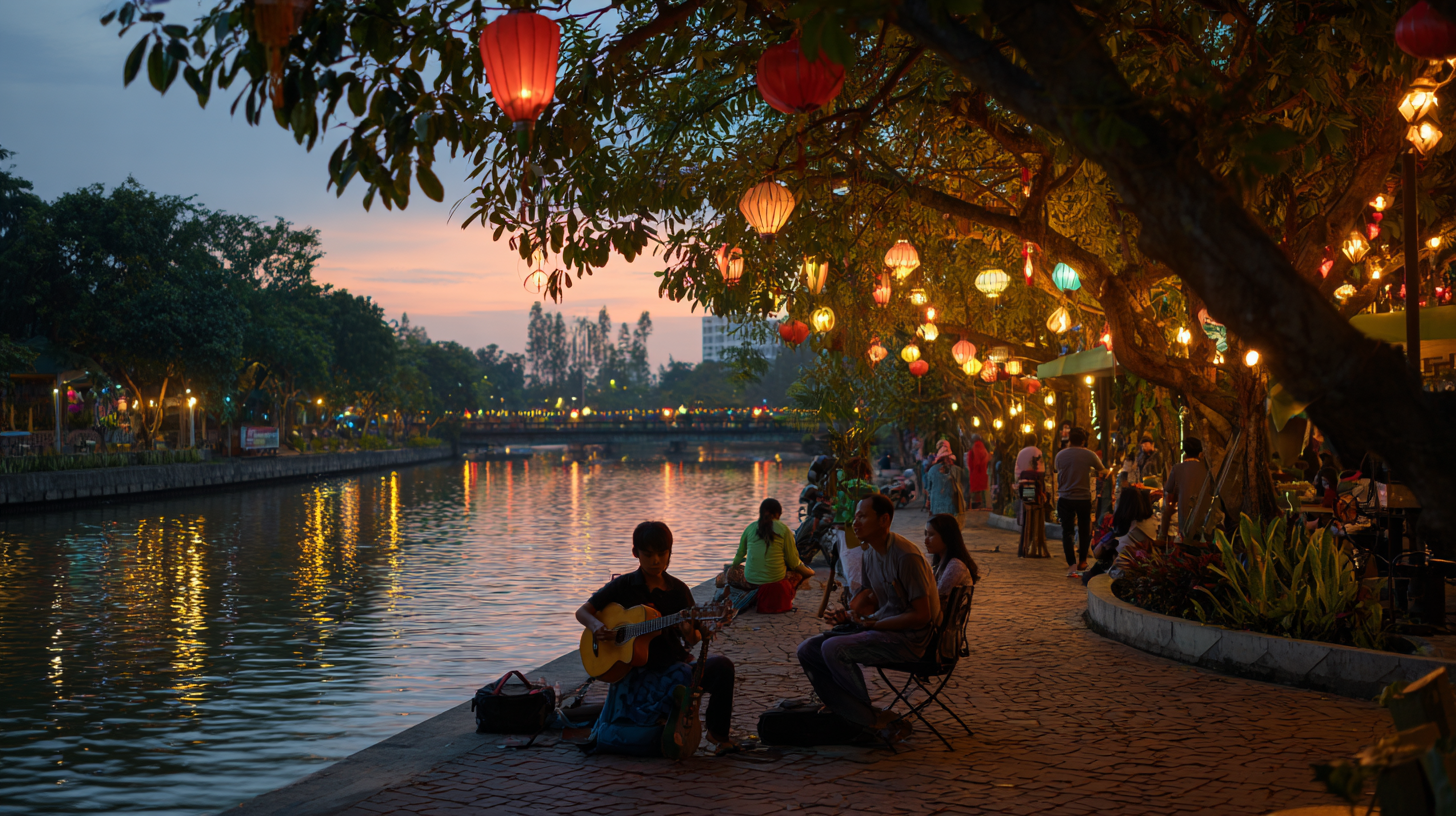
At dusk, Surabaya softens. The sky glows apricot and gold. The river reflects the city lights in shimmering streaks. Street musicians appear, playing melodies that drift through the warm night air. Surabaya does not seduce with glamour; it invites you with sincerity. It is a city that earns your respect, and once it has it, the connection feels unshakeable.
Bandung — Creativity in the Highlands and the Softness of Mountain Air
Bandung sits in the embrace of cool highland breezes, surrounded by volcanic slopes and forests that exhale mist at dawn. Compared to the relentless intensity of Jakarta or the industrious rhythm of Surabaya, Bandung feels like an exhale—a city that breathes creativity and calm in equal measure.

The streets here curve gently, lined with art deco architecture that hints at the city’s glamorous history. Cafés spill onto sidewalks beneath tall trees, their tables scattered with sketchbooks, laptops, and cups of coffee brewed from beans grown in nearby mountains. Students from dozens of universities bring youthful electricity. Designers, musicians, and creators turn the city into a giant studio where ideas take shape as naturally as clouds forming over the hills.
Bandung’s markets buzz with color: fabrics in cascading patterns, handmade crafts, local snacks wrapped in banana leaves. In the afternoons, light scatters through branches, casting gold onto the rooftops. By evening, the air cools, and the city glows softly in the shadows of distant volcanos.
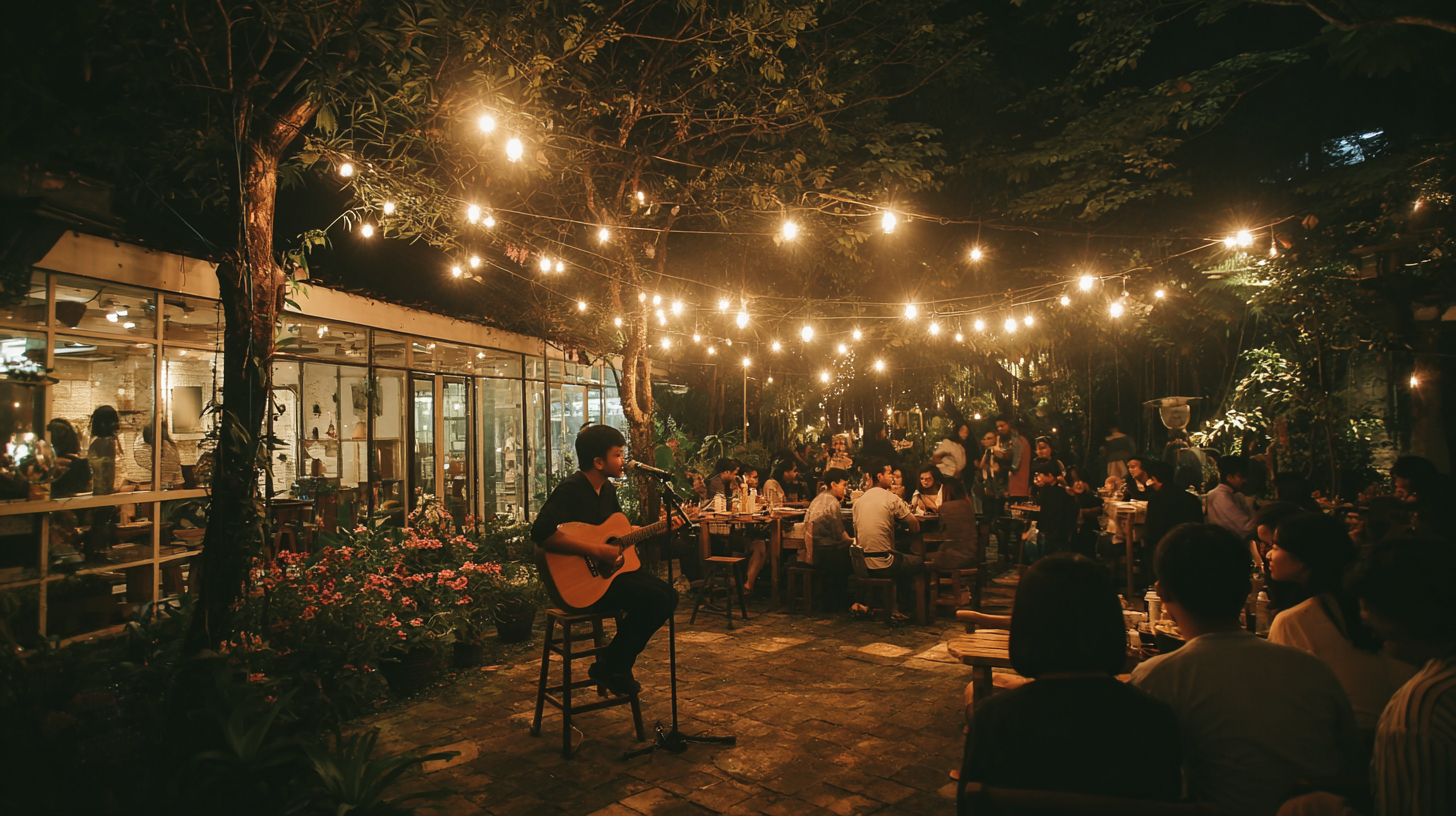
At night, Bandung becomes intimate. Acoustic music drifts from backyard cafés. Groups of friends gather under warm lights, sharing stories as the scent of grilled corn and kopi tubruk fills the air. The city feels safe, familiar, almost nostalgic—even on your first visit. Bandung is the gentle heartbeat of West Java, a place where creativity feels effortless and where time seems to move just a little slower.
The Night Pulse — When Indonesian Cities Come Alive After Dark
In Indonesia, night does not silence the cities—it awakens them. After sunset, the heat lifts, leaving behind a softness that invites people outdoors. Neon signs flicker on, street stalls ignite with fire and smoke, and the soundscape shifts into something new: laughter rising from food courts, live music echoing from rooftops, motorcycles buzzing like fireflies weaving through the streets.
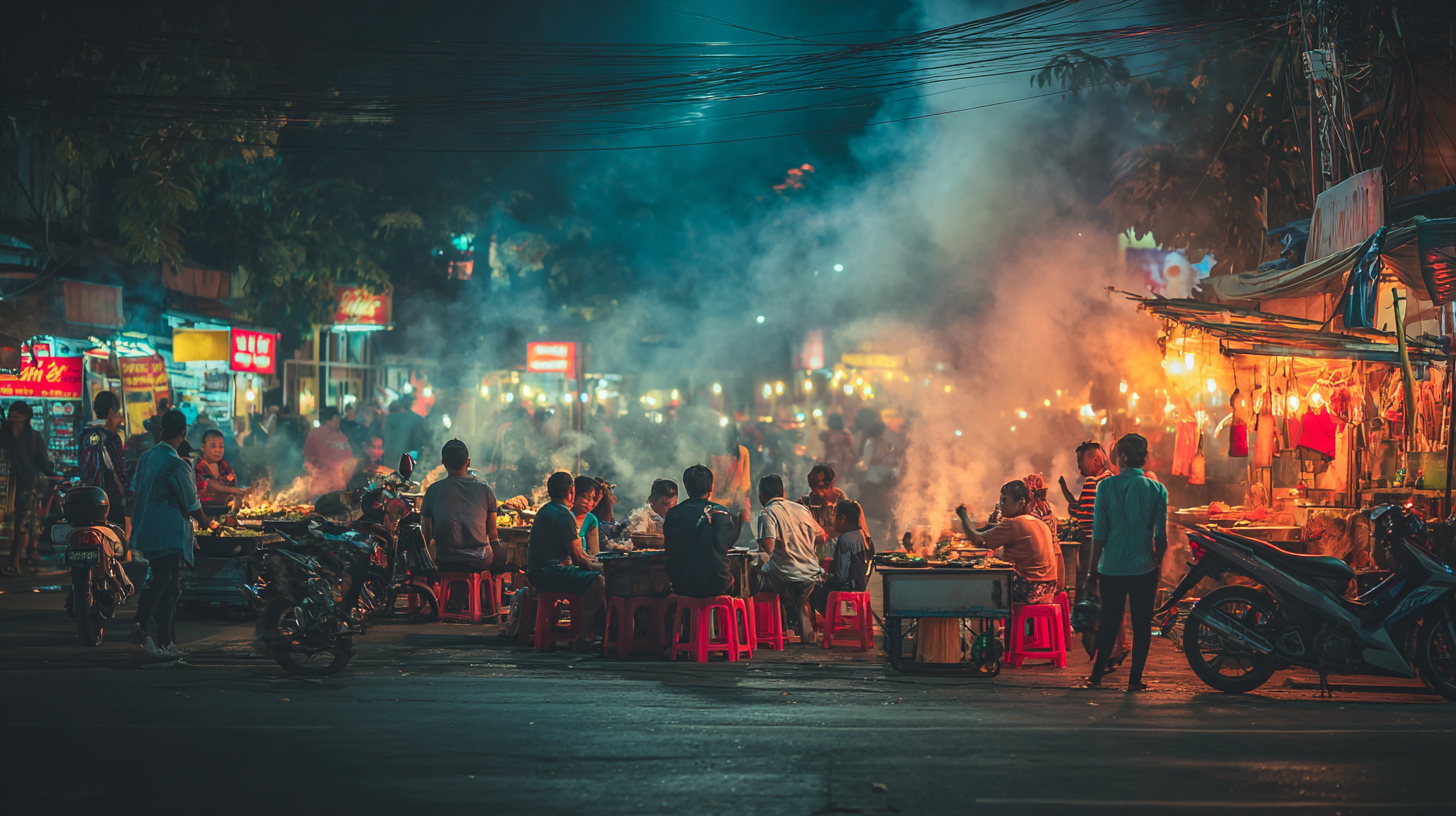
Jakarta’s nightlife is a glowing labyrinth—jazz clubs hidden behind unmarked doors, rooftop lounges floating above skyscrapers, vibrant street clusters where food and music blend into pure urban joy. Surabaya’s nights are filled with open-air food courts, riverside walks, and live performances that bring communities together. Bandung’s evenings feel cozy and artistic—candlelit cafés, acoustic sessions, night markets buzzing with students and travelers.
Night reveals a different truth about Indonesian cities: they are places where connection is effortless, where strangers share tables, where music becomes a universal language, and where the air feels charged with possibility.
Food as Urban Identity — The Street, the Smoke, the Spice
If rhythm defines the movement of Indonesia’s cities, then flavor defines their soul. Urban food culture here is bold, smoky, fragrant, and profoundly human. The street is the true dining room: sizzling satay skewers dripping fat onto glowing coals, bowls of bubbling soup perfumed with lemongrass and lime, woks clashing in rhythmic metallic beats that echo down alleyways.
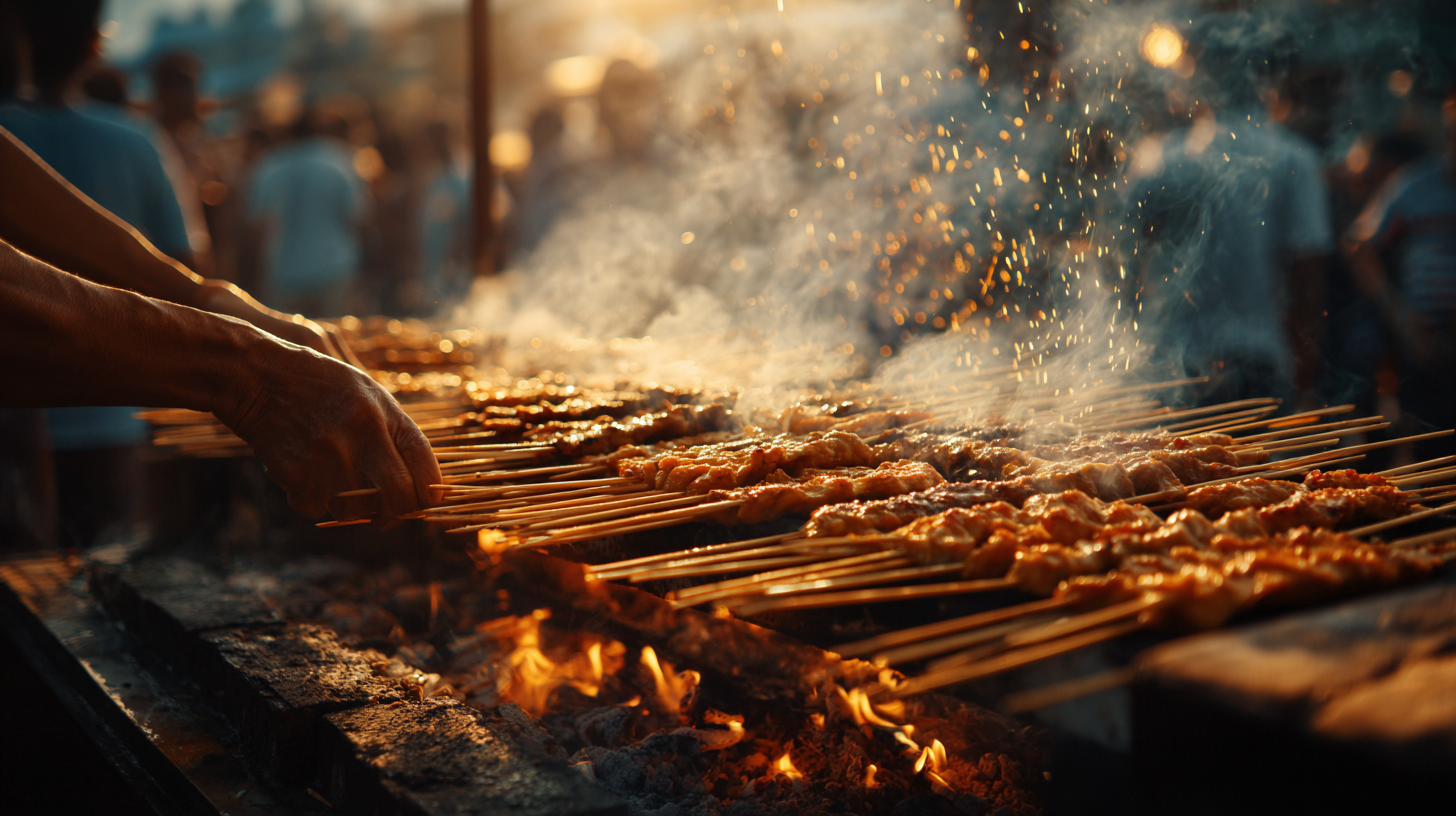
In Jakarta, the food is as diverse as the city itself. Aromas travel from Chinatown kitchens to Padang eateries, from Javanese noodle stalls to Betawi dishes eaten with bare hands. In Surabaya, savory dishes carry deep, bold character—spiced broths, rich gravies, crispy fried specialties crafted with pride. Bandung offers a sweeter, softer palette—creative desserts, local snacks, experimental street food born from the city’s youthful imagination.
Food here is not consumed; it is shared. Families gather even on busy weekdays. Friends meet over late-night snacks. Strangers talk while waiting for fresh gorengan. The flavors become memories, anchors to neighborhoods, reminders of the warmth and generosity that define Indonesian hospitality.
Urban Indonesia tastes like smoke rising into the night sky, like spices carried on the wind, like the laughter of people gathered over a table that seems too small for the stories it holds.
Markets, Malls, and the Movement of Everyday Life
Indonesian cities move in cycles of commerce—ancient markets buzzing with chaos, modern malls gleaming with glass and steel, roadside stalls that shift with the weather. This diversity is not an accident; it reflects the archipelago’s long history as a trading crossroads.
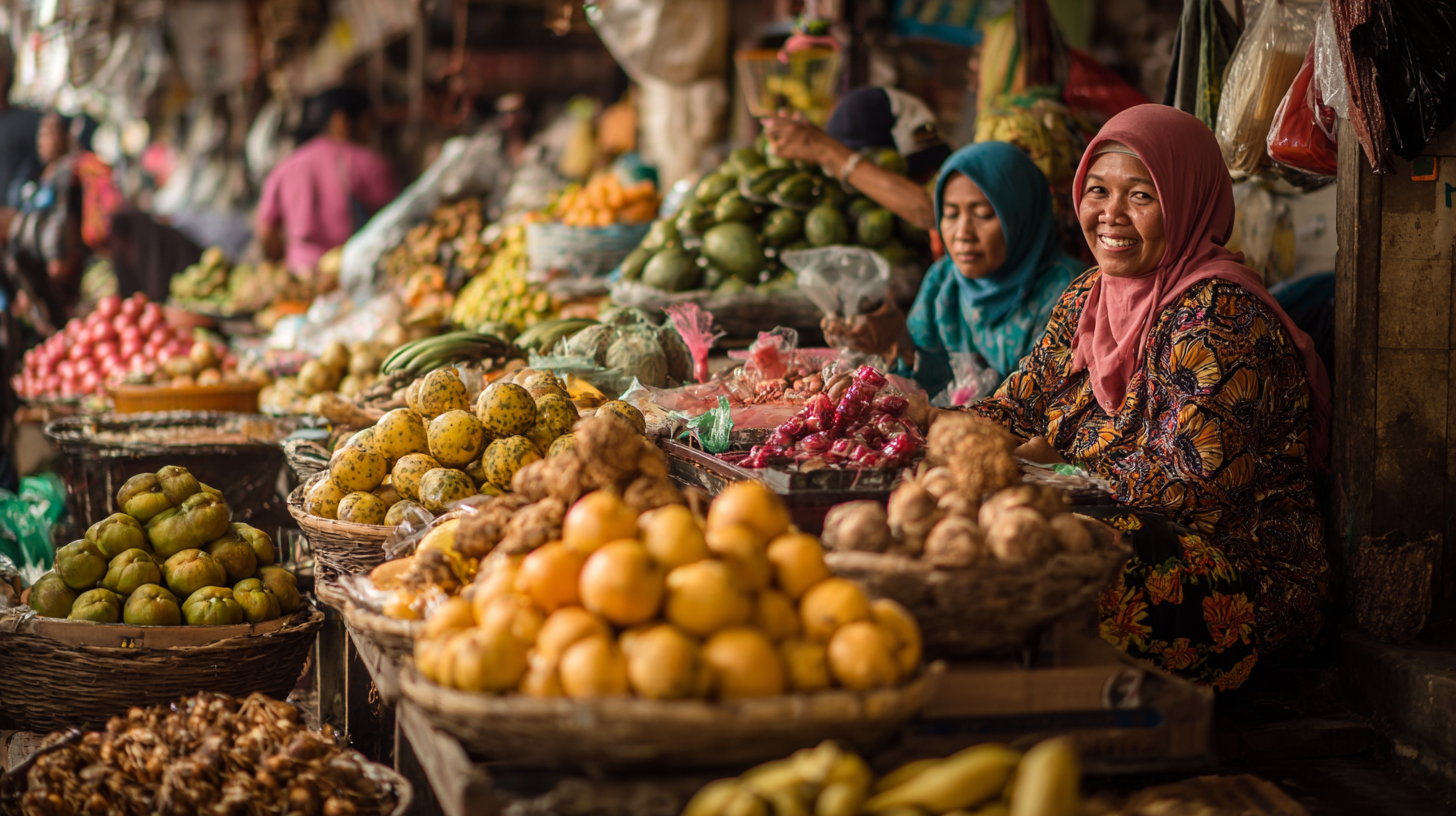
Morning markets pulse with energy as vendors sort vegetables, stack bright fruits, and arrange spices into colorful pyramids. The smell of fresh herbs mingles with the earthy scent of tropical rain. People negotiate with good humor, exchanging smiles along with coins.
By afternoon, malls become gathering places—air-conditioned refuges from the heat. Teenagers drift between boutiques, families stroll, couples sit in cafés. These malls are not signs of hypermodernity; they are social spaces, urban living rooms where people gather to talk, rest, and escape the noise outside.
As night returns, the streets reclaim the spotlight. Food carts appear. Vendors set up makeshift stalls under fluorescent lights. The city begins to pulse again, not with the urgency of morning but with the ease of people settling into their own rhythms.
Conclusion — Three Cities, One Archipelago of Voices
Jakarta, Surabaya, and Bandung are not just places—they are living expressions of Indonesia’s complexity. They reveal a nation constantly moving yet deeply rooted, chaotic yet graceful, modern yet mindful of its heritage. Each city offers a distinct rhythm, shaped by history, geography, and the people who call it home. Together, they tell a story far larger than themselves.
Walking through their streets, you feel Indonesia’s identity pulsing beneath your feet: improvisational, resilient, communal, and endlessly creative. You hear it in the music drifting from open windows, smell it in the street food sizzling at dusk, see it in the murals, markets, and neon reflections.
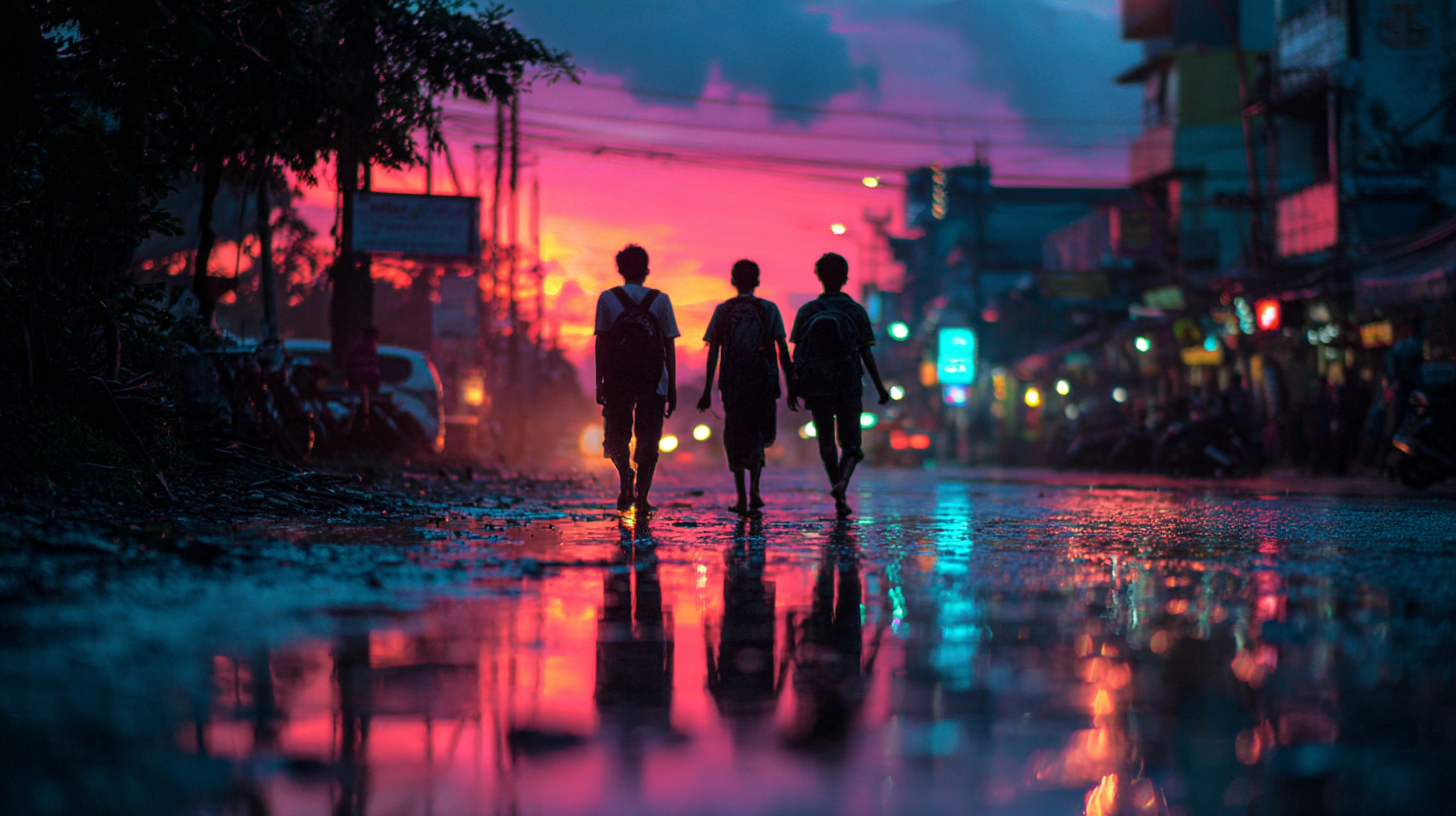
Indonesia is an archipelago of voices, and its cities are where these voices come together—colliding, harmonizing, and rising like a chorus that never stops singing.
Indonesia Tourism (Official): https://www.indonesia.travel/