
Indonesian Cuisine: A Flavor Language of Fire, Memory, and Harmony
In Indonesia, food is more than sustenance—it is a conversation that unfolds across tables, markets, festivals, and quiet kitchens where hands move with memories older than words. Every aroma that escapes a simmering pot carries echoes of generations who cooked with instinct, patience, and a deep understanding of nature’s rhythms. Every bite reveals stories of migration, trade, faith, and family. Indonesian cuisine speaks in flavors the way poets speak in emotion; it expresses tenderness in sweetness, assertiveness in heat, nostalgia in smoke, and harmony in balance.
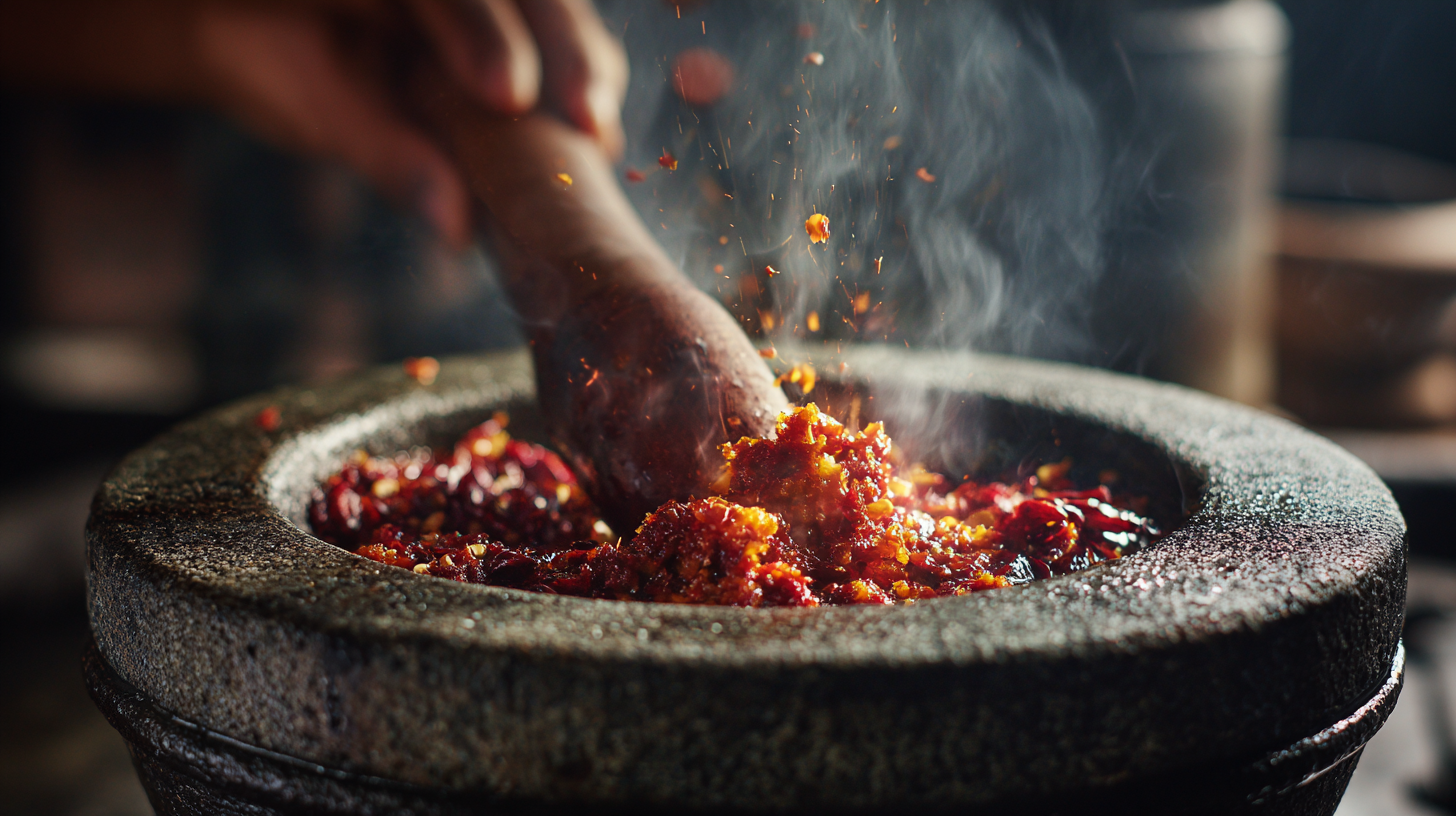
To understand this cuisine, you must listen—to the sizzle of garlic hitting hot oil, the hiss of chili paste blooming in the wok, the murmur of families sharing meals, the clatter of bowls as dishes are passed from hand to hand. You must smell the layers of spice mingling with coconut, taste the long hours hidden inside slow-cooked broths, feel the warmth of rice cupped between fingers. Indonesia communicates through flavor in a way that feels intimate and universal at once. This is not simply cooking; this is storytelling. This is identity made edible. And it invites you to read, remember, and feel with every mouthful.
Explore our guide to Indonesia History to understand how flavor reflects heritage.
Flavor as Identity — What Indonesian Food Says About Its People
Indonesian cuisine mirrors the archipelago’s personality: bold yet thoughtful, fiery yet composed, vibrant yet grounded. Its flavors do not compete—they converse, blending into compositions that feel spontaneous and deliberate at the same time. The heat of chili is rarely just aggression; it is passion, honesty, a way of saying “life should be felt, not merely lived.” Sweetness is not childish—it represents comfort, safety, and a cultural instinct to soothe rather than confront. Sour notes arrive like splashes of brightness, awakening the senses, cutting through heaviness, reminding you that balance is essential in both food and emotion.

This dynamic complexity reflects a people who value harmony over dominance. Indonesians understand flavor the way musicians understand rhythm: as a collective experience. No single element should overpower the others; each must contribute something meaningful. Even the spiciest sambal seeks equilibrium, drawing on tomatoes for softness, lime for sharpness, shallots for sweetness, and fried shrimp paste for depth. The result is not chaos but a perfectly tuned chord. Through these flavors, Indonesians reveal their worldview—one where intensity and gentleness coexist, one where diversity is not a burden but a gift, one where identity is felt rather than declared.
The Heartbeat of Rice — Why Rice Is More Than Food
Rice is the quiet constant in Indonesian life, the foundation upon which all other flavors stand. It is the first aroma many children remember and the last comfort older generations ask for. But rice is more than nourishment—it is a cultural anchor, a symbol of blessing and unity, a living thread tying families and communities together. Planting rice requires cooperation; tending rice fields demands patience; harvesting rice becomes an act of collective gratitude. In many rural traditions, rice is spoken of as if it were alive, a companion whose presence brings harmony to the home.
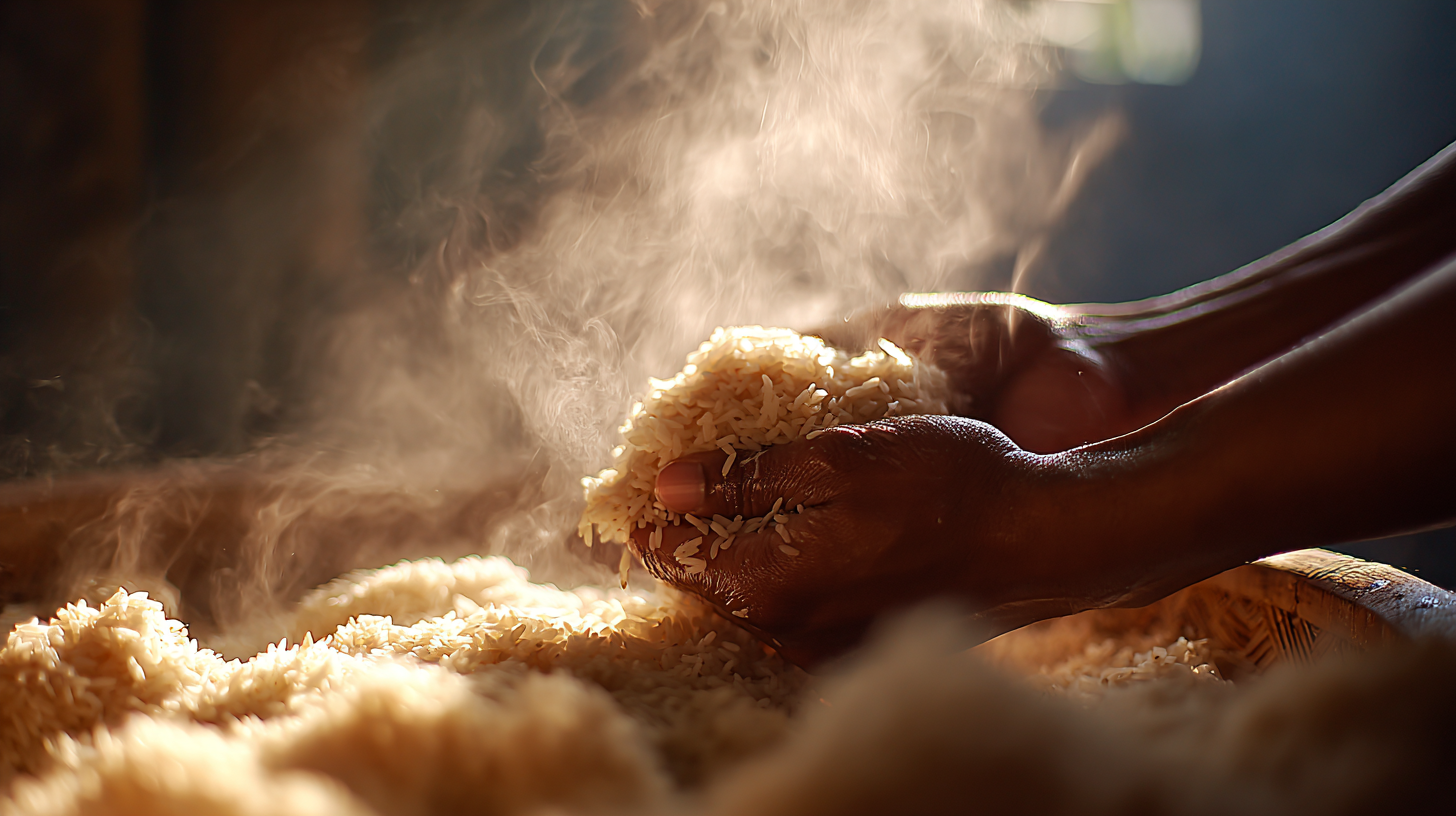
On the table, rice becomes the canvas for every dish. It absorbs heat from sambals, carries richness from coconut-based stews, balances sharpness from sour broths, and offers gentle contrast to fried textures. Its neutrality is not blandness but generosity—the ability to hold space for stronger flavors. In Indonesia, rice is never a decorative side dish; it is the heart of the meal, the quiet pulse beneath the symphony of spices. To eat rice here is to participate in a ritual shared across islands and generations, a daily affirmation that food is not merely eaten—it is honored.
Spice as Storytelling — Heat, Depth, and the Art of Balancing Chaos
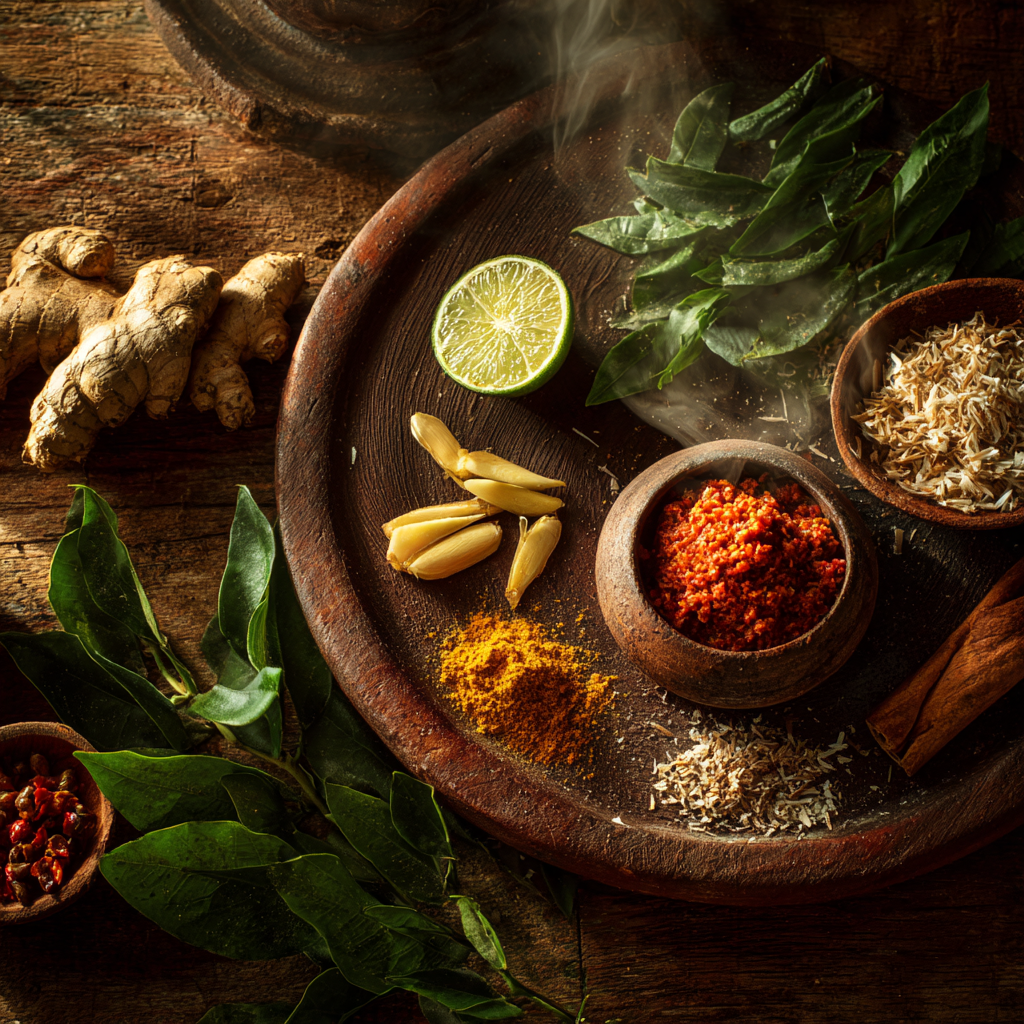
The spices of Indonesia are storytellers. They arrived through ancient trade routes, carried by sailors and merchants, absorbed into the country’s culinary identity over centuries. Chilis came from the Americas and found a second home in volcanic soil. Turmeric and ginger rooted themselves deeply into healing traditions. Cinnamon, lemongrass, nutmeg, clove—they all entered the Indonesian kitchen like characters entering a novel, each bringing a personality that shaped the narrative of taste.

Indonesian cooking is an exercise in balancing chaos. Spices are not tossed into dishes; they are coaxed, bruised, roasted, ground, fried—released through processes that amplify their voices. A sambal must be assertive without bullying. A curry must be fragrant without overwhelming. A marinade must energize without masking the ingredient it embraces. Blending spices becomes a meditation, a way of understanding how harmony emerges from intensity.
To taste an Indonesian dish is to taste centuries of human ingenuity—the blending of worlds, the shaping of techniques, the refinement of intuition. Each spice tells a story of the land it grows in, the hands that harvest it, and the cooks who have learned to tame its fire.
The Warmth of Coconut — Softness at the Center of a Fiery Cuisine
In a cuisine known for its boldness, coconut is the ingredient that brings comfort, depth, and a sense of home. Coconut milk appears in countless dishes, transforming heat into warmth, bitterness into complexity, acidity into balance. When it simmers with turmeric or galangal, it softens edges without diluting character. It wraps flavors in creaminess that feels both indulgent and grounding, like a familiar embrace after a long day.

Beyond milk, coconut exists in many forms: freshly grated for texture, toasted for nuttiness, pressed into oil for frying, or sipped as water that cools and soothes. Coconut embodies the Indonesian philosophy that strength need not be loud. Where spices shout, coconut whispers. Where chilis ignite, coconut comforts. Where flavors clash, coconut reconciles. Its presence in the kitchen is not merely functional—it is emotional, offering tenderness in a cuisine built from intensity.
Broths, Stews, and Slow Time — The Patience of Indonesian Cooking
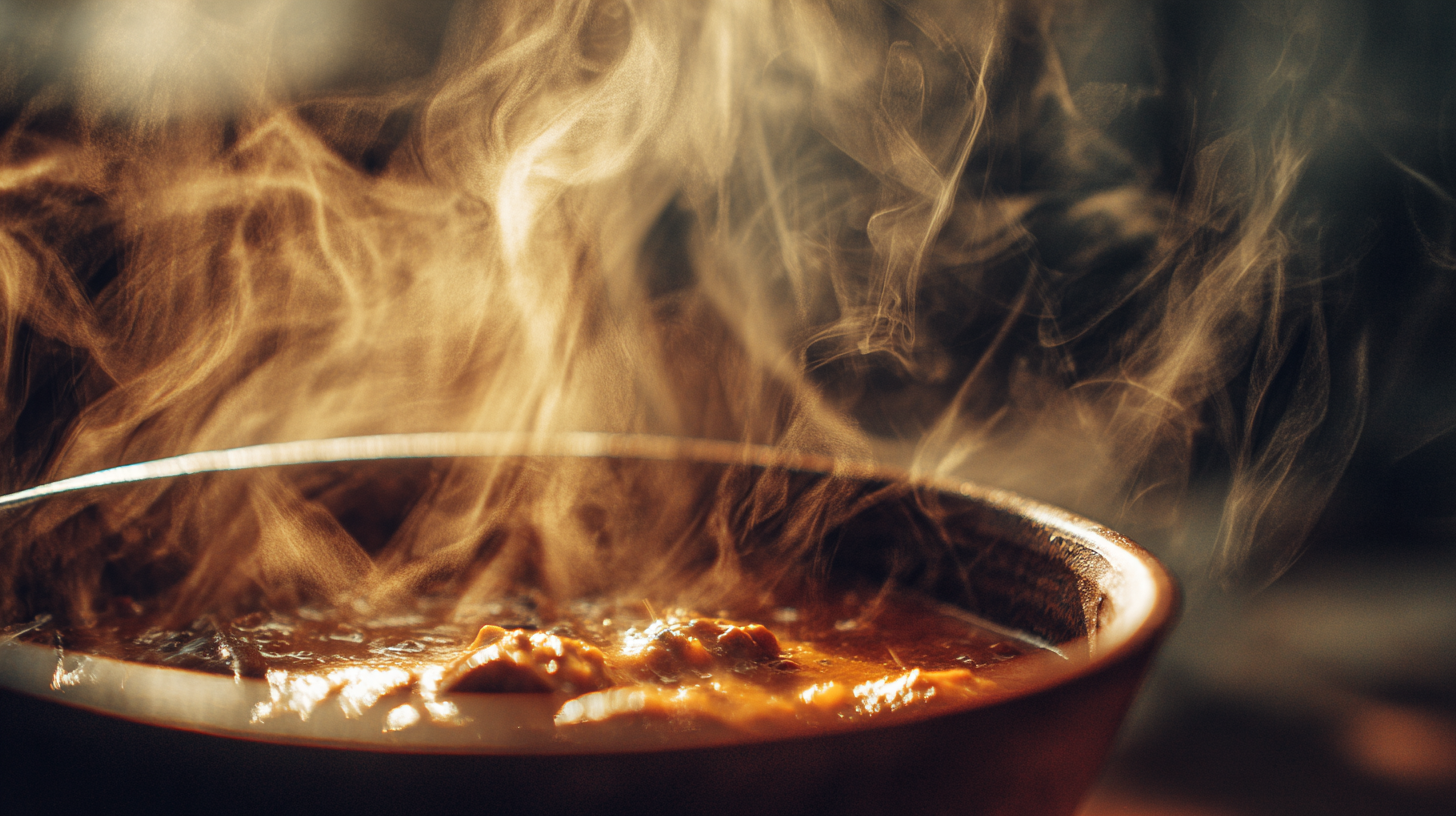
Time is an ingredient in Indonesian cooking as vital as spice or heat. Many dishes develop their character slowly, through hours of simmering, resting, and absorbing. Broths are infused with aromatics until they deepen into something almost spiritual. Meat is braised until it yields effortlessly to a spoon. Vegetables soak in coconut milk until they soften into smooth, luxurious textures.
This slowness reflects a cultural truth: patience produces depth. Good food should not be rushed, and flavor should unfold naturally. When a pot simmers for hours, the aroma fills the home, signaling care long before the meal is served. The act of waiting becomes part of the pleasure, part of the ritual. Families gather in kitchens, stirring, tasting, adjusting—not because they must, but because cooking is an act of shared presence.

In these slow dishes, you can taste time itself: the gentle melding of ingredients, the softness of fire, the quiet labor of someone committed to creating something meaningful.
Textures That Speak — Crisps, Crunch, Smoke, and Tenderness
Texture in Indonesian cuisine is not an afterthought but a language of its own. A single meal can offer everything: the crackle of freshly fried shallots, the soft crumble of slow-cooked meat, the chewiness of rice cakes, the snap of vegetables lightly blanched, the smoky crispness of grilled fish. These contrasts are deliberate, designed to awaken more than taste buds—they awaken emotion.

Crunch represents joy, spontaneity, and the thrill of immediacy. Soft textures express comfort, nostalgia, and warmth. Smoky flavors evoke memories of open fires, village gatherings, and nights spent cooking outdoors. Tenderness speaks of care and time, of ingredients coaxed into yielding their best selves. Through texture, Indonesian cuisine creates a multisensory experience that feels both primal and sophisticated.
To eat Indonesian food is to listen with your whole body—to the sound of crackling oil, to the softness that melts on the tongue, to the interplay of textures that shape each bite like a poem unfolding in layers.
The Social Table — Food as Connection, Respect, and Memory
Indonesian meals are fundamentally communal. Dishes sit at the center of the table, inviting hands to reach, share, and discover. Eating together is not a matter of convenience but a cultural instinct, a reflection of the belief that food tastes better when shared. In these moments, families exchange stories, laughter, and silence comfortably. The meal becomes a living connection between generations—elders remembering the past, children absorbing the present, parents weaving tradition into everyday life.

Respect is an unspoken rule at the Indonesian table. Guests are served first. Elders are honored. The host insists you eat more, not out of politeness but genuine care. Even in busy cities, where schedules are tight and lives move quickly, the act of sharing food preserves a sense of intimacy. It slows time down, reminding people that connection is essential, that nourishment is emotional as much as physical.
When you eat in Indonesia, you do not simply fill your stomach—you enter a space where community is forged through taste, where each dish becomes a gesture of welcome.
The Quiet Hands — Home Cooks, Elders, and the Passed-Down Wisdom
Behind every Indonesian dish are hands that move with instinctive elegance. These hands belong to mothers who learned from grandmothers, grandfathers who learned from their parents, neighbors who learned from each other through observation rather than instruction. Recipes here are not kept in books—they live in muscle memory, in intuition, in stories told while slicing vegetables or grinding spices.
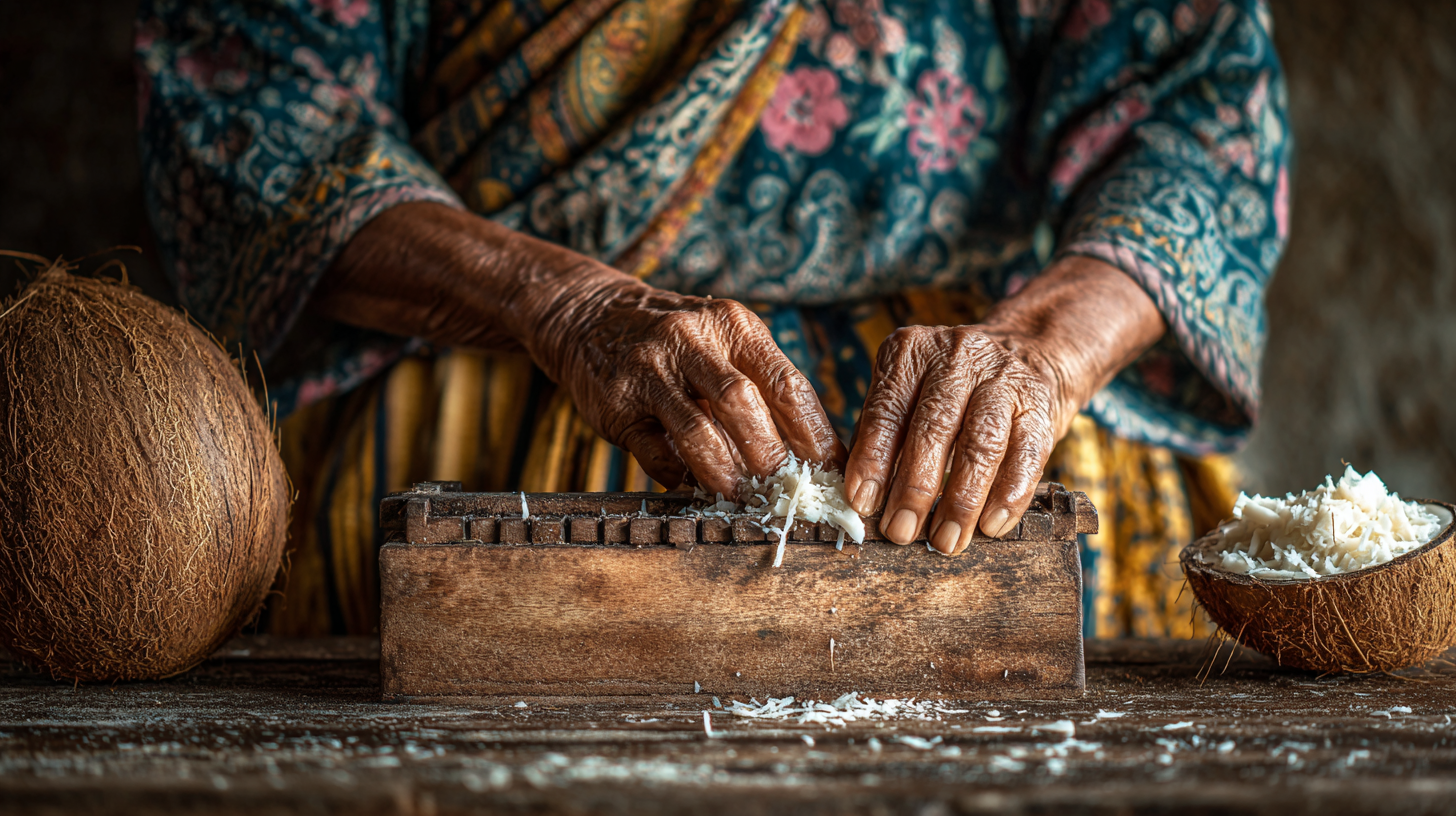
These cooks measure with feeling. A pinch of salt becomes a conversation with flavor. A handful of herbs becomes an expression of confidence. Heat is adjusted not by numbers but by sound—the crackle of oil, the hum of simmering broth. When elders cook, they do more than feed; they preserve history, encoding generations of experience into every movement.
Eating Indonesian food is a way of meeting these hands without ever seeing them. It is a way of inheriting their wisdom, honoring their patience, and tasting the love that shaped every dish long before it reached your plate.
Conclusion — Understanding Indonesia Through Flavor
Indonesian cuisine is more than an assembly of ingredients—it is a sensory language, a cultural archive, and a living expression of identity. It speaks of a people who embrace intensity with grace, who balance fire with softness, who understand that the best flavors come from patience and care. Through spice, texture, rice, coconut, and ritual, Indonesians communicate the essence of who they are: warm, resilient, expressive, and deeply connected to one another.
To taste this cuisine is to understand Indonesia not through maps or statistics, but through feeling. Each dish is a story. Each flavor is a voice. Each meal is a window into the heart of a nation shaped by diversity, carried by memory, and united by the shared joy of eating together.
Once you learn the language of Indonesian flavor, you begin to hear the archipelago speaking everywhere—in the heat that lingers, in the sweetness that comforts, in the aromas that stay with you long after the meal ends. And in that moment, you realize that food here is not just part of culture—it is culture, alive and unforgettable.
Official Indonesia Tourism: https://www.indonesia.travel/