

Greece looks effortless in photos. Whitewashed villages, blue domes, sea-view dinners, and ferries gliding between islands make the whole experience seem like one long cinematic sequence. In real life, however, island hopping can either become the most beautiful part of a trip or the thing that exhausts you fastest. The difference usually has nothing to do with Greece itself. It has to do with how well the route matches your energy, your expectations, and the rhythm of the islands you chose.
That is why a useful Greece island hopping guide should not simply tell readers that Mykonos is glamorous, Santorini is romantic, and Rhodes is historic. Most people already know that. What they actually need is help deciding how those islands feel, especially if they have only seen the postcard version of Greece and not its more varied natural and cultural character. Greece becomes much easier the moment you stop asking “Which islands are famous?” and start asking “Which islands make sense together?”
This guide is built around that exact logic. Instead of giving you a generic postcard overview, it helps you understand how to build an island-hopping trip that is visually exciting, emotionally balanced, and actually manageable. If you plan it well, the islands do not feel repetitive. They feel like different chapters of the same story.
How to Island Hop in Greece Without Ruining the Trip
The most common mistake travelers make is assuming that more islands automatically means a better trip. In reality, every island move costs more than it looks like on paper. There is the ferry itself, but also packing, check-out timing, waiting, transport to the port, arrival logistics, and the strange mental fatigue that comes from repeatedly “resetting” your vacation. This is why learning how to island hop in Greece begins with one unglamorous truth: fewer islands usually make for a stronger trip.

A smart route is usually built around two or three islands maximum unless the trip is long. Each island should feel distinct enough to justify the move, but not so disconnected that the whole itinerary becomes a transport project. What readers really want is not constant movement, but contrast: one island for energy, one for beauty, one for history, or even one for outdoor adventure, depending on the kind of trip they want to build. Once you frame it this way, planning becomes far more intelligent.
It also helps to think in emotional tempo. One island may be social and high-energy, another slower and more scenic, another rich in culture and old architecture. If you line those up well, the trip feels like it is unfolding. If you line them up badly, it feels like three versions of the same day in different hotel rooms. The route is the story, and Greece rewards travelers who edit that story carefully.
Mykonos: For Social Energy, Style, and the “Beautiful People” Chapter
Mykonos works best when travelers accept what it is instead of expecting it to be something softer or more authentic than it wants to be. This is an island of image, movement, beach clubs, late dinners, white lanes, and the kind of social atmosphere that makes even an afternoon coffee feel slightly performative. That is not a criticism. It is the whole point. Mykonos does glamour and energy extremely well, which is exactly why some travelers adore it and others feel drained by it after forty-eight hours.

The strongest part of Mykonos is that it delivers a very specific kind of island fantasy. The white architecture, the windmills, the little seafront corners, and the polished beach-club culture all combine into a place that feels visually immediate. You do not need to work hard to “get” the mood. It is there as soon as you arrive. This makes Mykonos one of the best Greek islands to visit for readers who want nightlife, fashion, and a trip chapter that feels bright and social rather than meditative.
The mistake is staying too long if that is not your personality. Mykonos is often best used as an energy island: two or three nights, one or two very good beach days, one stylish evening, one old-town morning, and then move on before the experience becomes repetitive or expensive in a boring way. Mykonos shines when it is given the exact amount of time its personality deserves — no less, but definitely no more.
Santorini: The Scenic Peak of the Trip
Santorini is the island that almost everyone has seen before they arrive, which creates a dangerous problem: people think they already understand it. In reality, Santorini still works, but only if you approach it properly. The caldera views are not just “famous views”; they reshape the entire feeling of the island. The geography turns normal movement into spectacle, which is why morning walks, cliffside hotels, and simple terrace meals can all feel elevated beyond their actual cost or complexity.
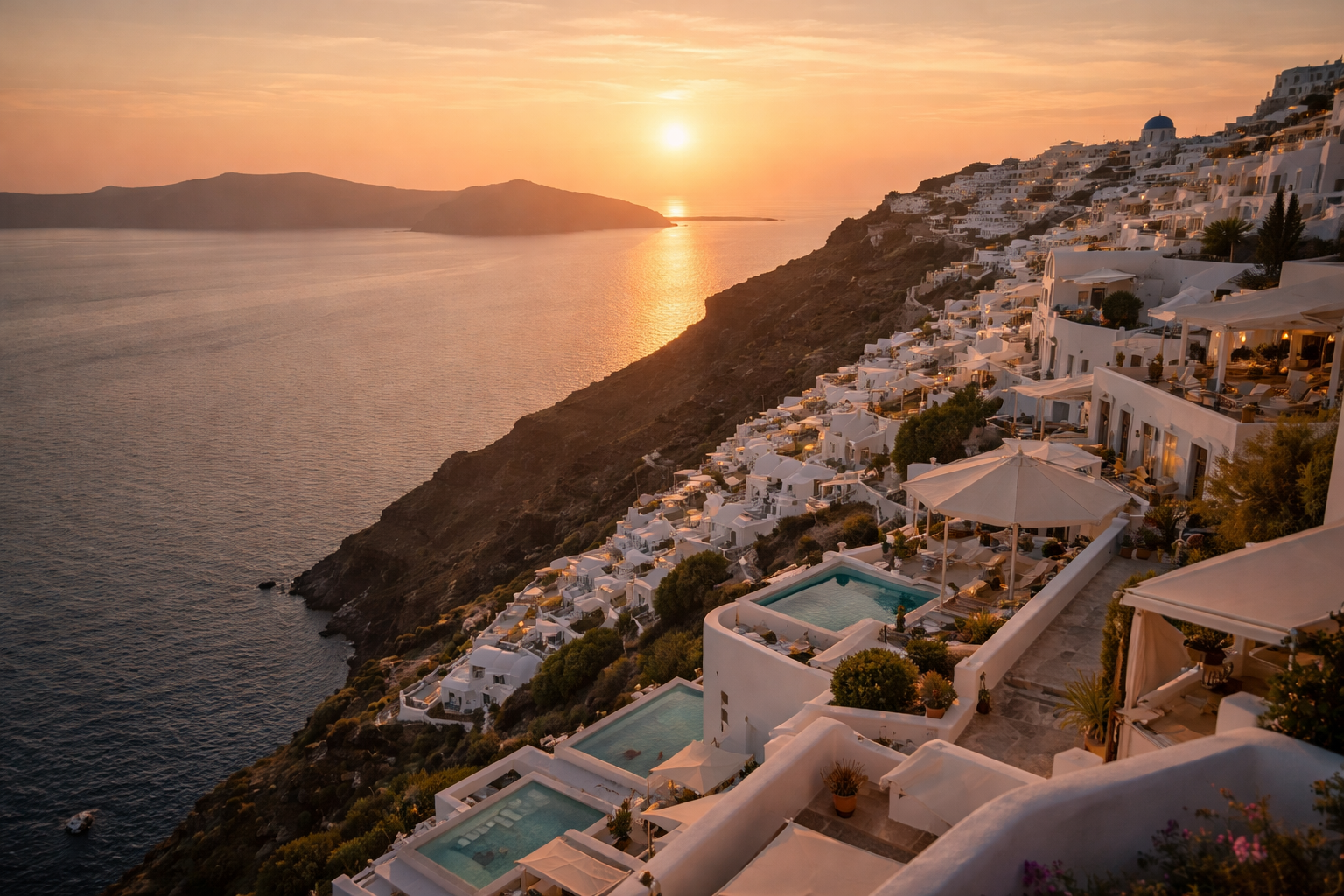
This is why Santorini should usually be treated as the visual peak of a trip rather than as a practical base for lots of movement. It is a place to pause, to look, to sit with the landscape, and to let the architecture and sea do the work. Readers planning a Santorini and Mykonos itinerary should understand that the two islands are not interchangeable luxury stops. Mykonos is about social glamour, while Santorini is about scenic drama. That difference is what makes them work together when timed well.
Santorini can become exhausting if you try to force it into a rushed schedule. The best version of the island usually involves slow mornings, strategic sunset planning, one or two beautiful meals, and enough empty time to enjoy the caldera without turning it into a content treadmill. It is not the island to “optimize.” It is the island to surrender to.
Rhodes: History, Structure, and the Island That Gives the Trip Weight
Rhodes brings something the other two islands do not: gravity. It has beaches and sun, yes, but its deepest strength is that it adds historical texture and architectural depth to a route that might otherwise become too dominated by atmosphere alone. The island’s identity is shaped not just by sea and light, but by walls, gates, old stone, layered influences, and a stronger sense of settlement. That makes it an excellent balancing island.
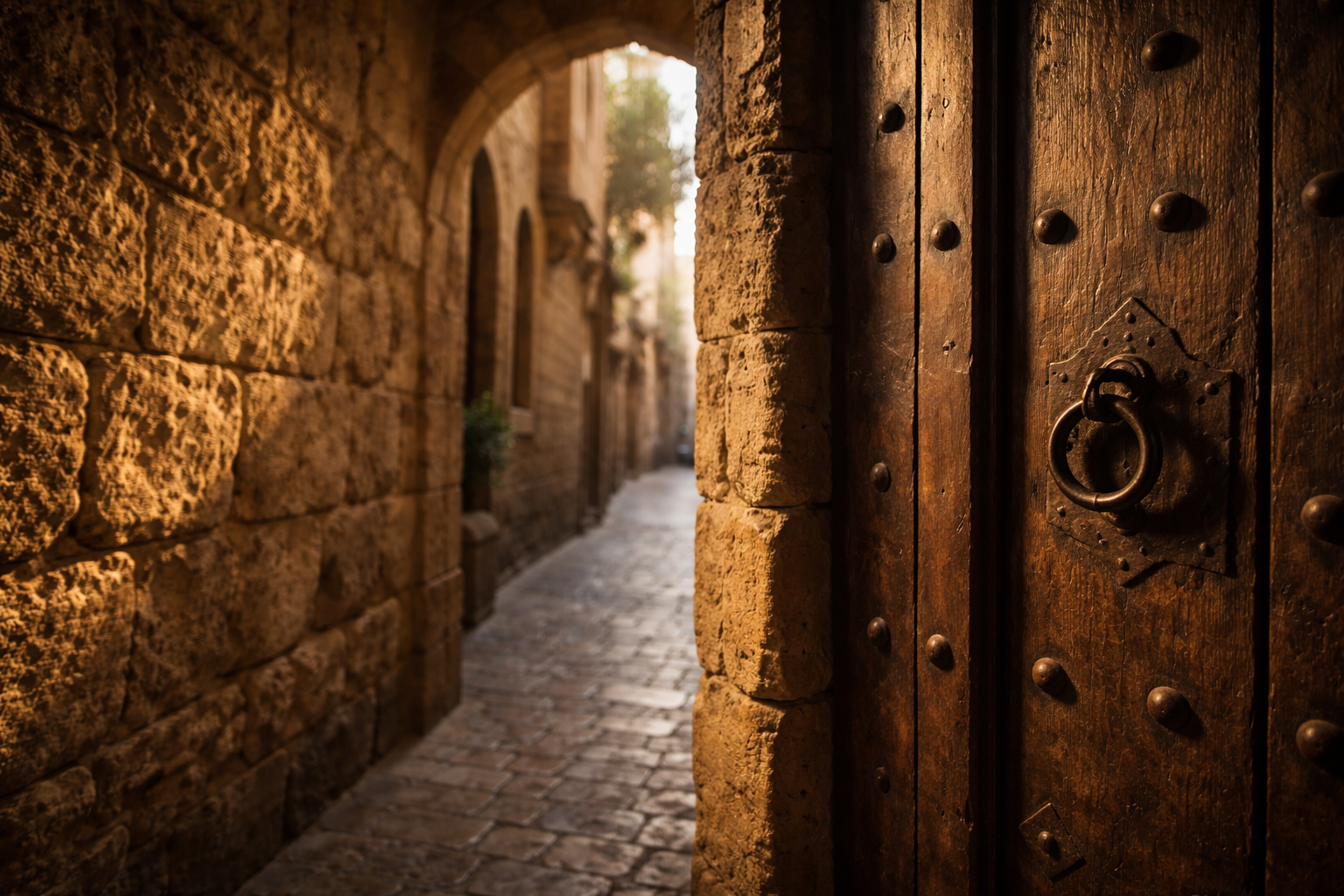
The obvious anchor here is Rhodes Old Town, which is one of the clearest examples in Greece of how an island can feel both Mediterranean and medieval at once. Walking there changes the emotional register of the trip. Suddenly, the journey is not only about swimming, terraces, and sunset views. It is also about history, spatial memory, and the feeling of being inside a place that evolved over centuries. This matters because it prevents island hopping from flattening into pure aesthetic repetition.
Rhodes also works especially well for travelers who want a more complete island. It can support beach time, historical wandering, local food, and quieter evenings without forcing you into one dominant mood. If Mykonos is the social chapter and Santorini is the visual chapter, Rhodes is the chapter that gives the whole journey substance.
Which Islands Actually Belong Together
One of the most useful things a Greece island hopping guide can do is stop pretending that all famous islands naturally belong in the same route. They do not. Some combinations are beautiful in theory but exhausting in practice because the islands compete instead of complementing each other. Others work beautifully because each one changes the emotional tone of the trip in a deliberate way.
Mykonos and Santorini work together because both feel iconic, but they should not dominate a trip for too long unless the traveler really wants high-visibility beauty and higher budgets throughout. Adding Rhodes to that combination makes sense if the goal is balance, because Rhodes introduces history and a more grounded island mood. In this structure, the route becomes stronger: energy first, visual peak second, deeper texture third.
For some readers, however, the best advice is to choose only two of the three. A short trip often becomes better when it commits to one contrast rather than three competing highlights. Mykonos plus Santorini works for glamour and views. Santorini plus Rhodes works for beauty and depth. Mykonos plus Rhodes works for social life and history. Once readers see the route in these terms, planning becomes far less chaotic.
How Long to Stay on Each Island
Length of stay matters more than people think, because the wrong timing can distort an island’s personality. Mykonos often works best with a shorter stay unless nightlife and beach-club culture are the entire point of the trip. Santorini usually deserves enough time to let the scenery breathe — rushing through it makes the island feel more crowded and more expensive than it actually is. Rhodes tends to benefit from a slightly longer stay because it reveals itself through layering rather than immediate visual shock.

A useful rule is to think in “full-feeling days” rather than nights. Most travelers need at least two full-feeling days to understand an island, not just photograph it. That means three nights is often the cleanest structure for a major island stop. Two nights can work, but only when transport is easy and expectations are carefully managed. One-night hops almost always weaken the trip unless the island is functioning as a strategic transit stop rather than a real chapter.
This is also why many readers end up loving Greece more when they slow down. The islands are photogenic, yes, but they are also sensorial. They need evening air, breakfast light, late walks, and enough repetition for your body to settle into the rhythm. The best island-hopping trips are not the fastest ones. They are the ones where each island is allowed to become real.
The Biggest Mistakes Travelers Make
The first mistake is trying to visit islands for the wrong reasons. People go to Mykonos expecting serenity, to Santorini expecting low-cost spontaneity, or to Rhodes expecting only beach holiday simplicity. Those mismatches create disappointment that has nothing to do with the destination itself. Each island has a personality, and the route works best when that personality is respected rather than denied.
The second mistake is overloading the itinerary with “moments.” Greece naturally produces beautiful moments. You do not need to manufacture all of them. If every sunset is a reservation, every beach a mission, and every ferry day followed by a full evening plan, the trip starts to feel like administration rather than pleasure. The islands are strongest when some parts of the day remain unclaimed.
The third mistake is ignoring recovery time. Ferries, heat, stairs, old-town wandering, beach transfers, and dinner nights all add up. A trip full of famous islands can still collapse emotionally if there is no softness built in. A good how to island hop in Greece strategy always includes one slow morning after a late night, one easy beach day after a ferry, and at least one meal that is not “special” but simply good and calm.
A Route That Actually Works for Most First-Timers
For many readers, the strongest first route is not the most ambitious one. It is a route with contrast, visual payoff, and enough ease to stay fun from beginning to end. One of the best structures is Mykonos → Santorini → Rhodes, but only if the trip is long enough to support it. That sequence works because it moves from social brightness to scenic intensity to historical grounding. The traveler feels evolution rather than repetition.
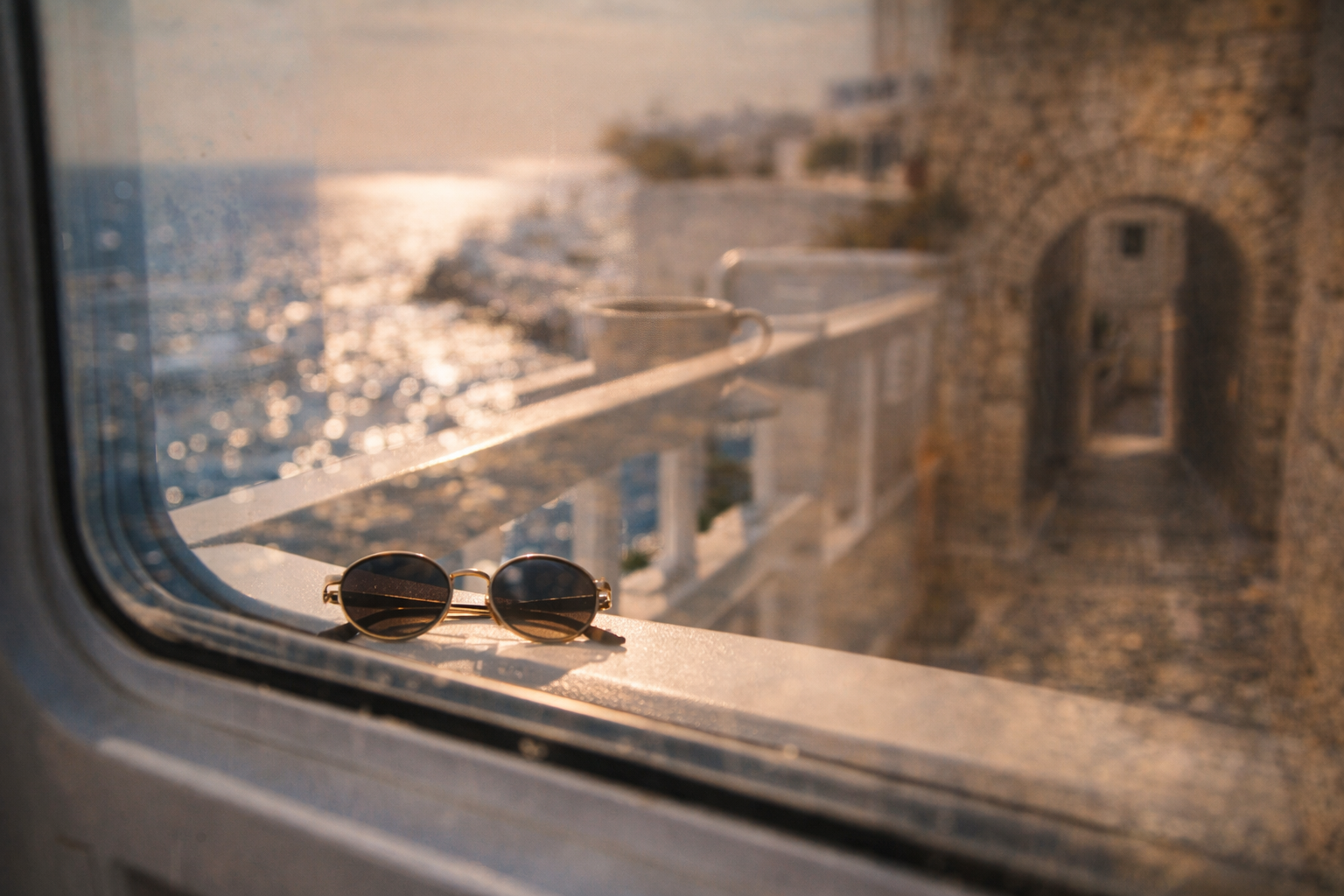
For shorter trips, Santorini plus Rhodes may actually be the smartest pair, because the contrast is immediate and satisfying without creating too much same-same glamour. Mykonos plus Santorini is the classic duo, but it works best for readers who want polished island fantasy above all else. This is why the article should not push one route as universally ideal. It should help readers choose the route that suits their travel appetite.
The real goal is not to “cover the archipelago.” It is to build one Greece trip that feels complete. Once people understand that, they stop treating island hopping like a collection project and start treating it like design. And good design is exactly what a beautiful Greece itinerary needs.
Conclusion: Greece Island Hopping Works Best When the Islands Feel Like Chapters, Not Stops
The best island-hopping trips in Greece are not built around volume. They are built around contrast, rhythm, and enough restraint to let each island have its own emotional identity. Mykonos brings energy and style. Santorini brings drama and pause. Rhodes brings texture and historical depth. Together, or in carefully chosen pairs, they create a route that feels layered instead of repetitive.
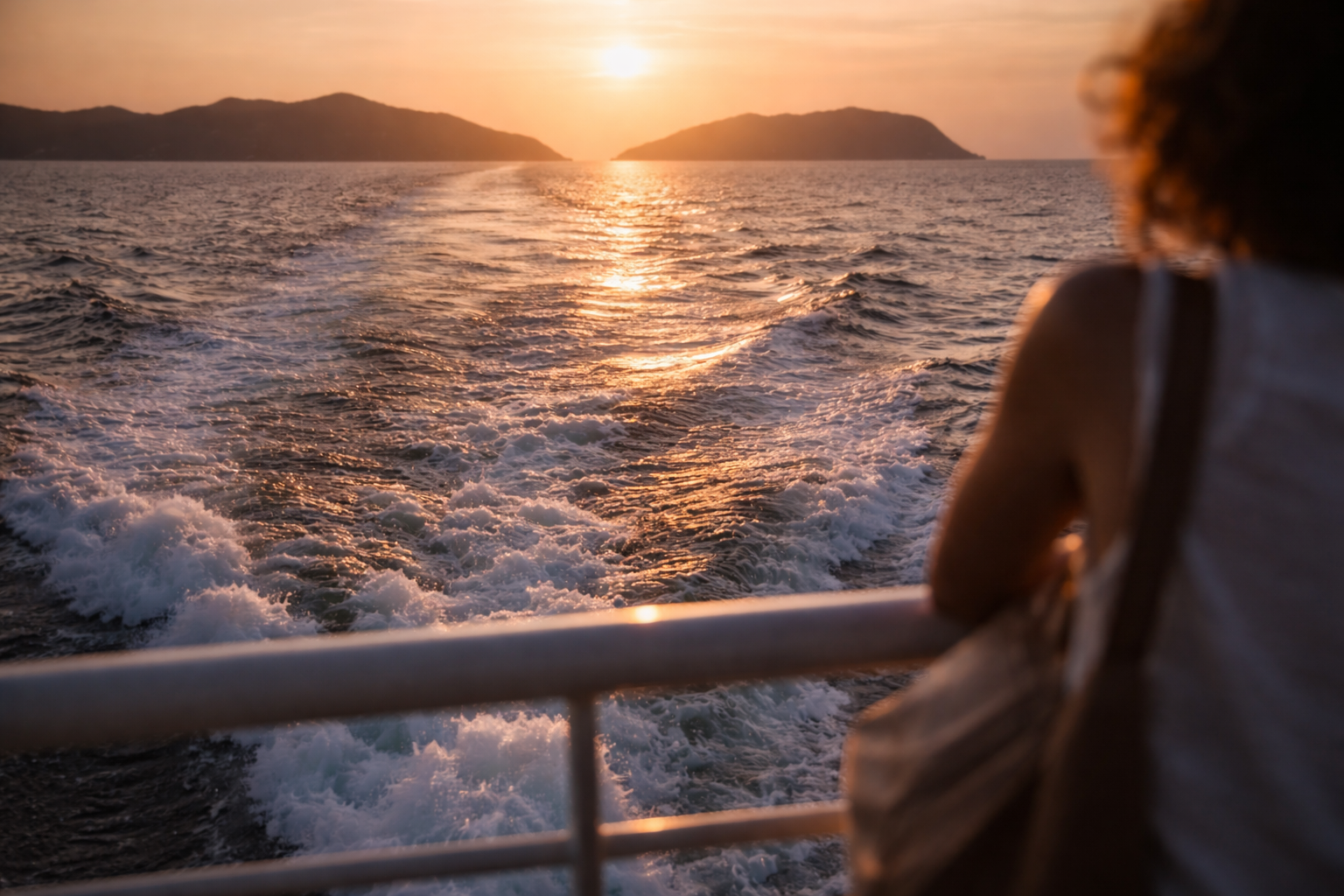
That is why a real Greece island hopping guide has to do more than praise beautiful places. It has to help travelers choose wisely, move less, stay longer, and understand what each island is actually good at. Once the route is designed that way, Greece stops feeling like a collage of famous names and becomes something much better: a sequence of unforgettable chapters set in light, sea, and stone.