
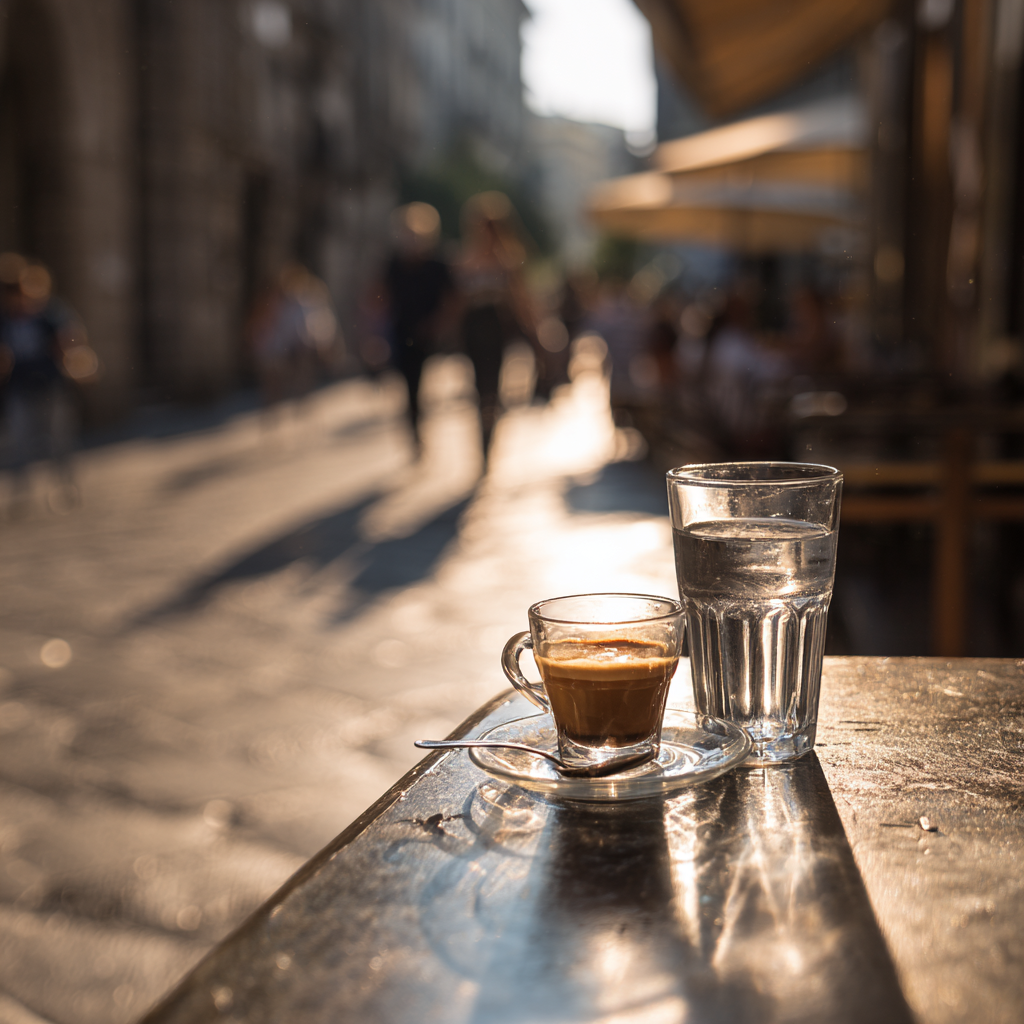
Italian wellness begins with the way time is divided. Days are not treated as empty containers to be filled with as much productivity as possible. Most Italians do not talk about “self-care routines,” biohacks, or optimization plans. Yet when you observe how people actually live, you see a system that continuously protects physical and mental health in small, consistent ways. This wellness is not built through willpower or ideology. It emerges from habits, expectations, and environments that have been shaped over generations.
The Italian approach to well-being starts from the assumption that life should include pleasure, connection, and rest as normal components, not as rare rewards. Work is present and often demanding, but it is not allowed to dominate every hour of the day. Meals create structure, social interaction creates emotional buffering, and the built environment encourages movement without effort. Together, these elements reduce the amount of damage that needs to be fixed later.
For travelers, this difference becomes visible quickly. After a few days of living inside Italian rhythms, the body and mind begin to adapt. Stress does not disappear, but it softens. Sleep deepens, digestion stabilizes, and attention widens. None of this comes from signing up for a program; it comes from entering a culture where wellness is treated as an outcome of how you live, not a separate project you must constantly manage.
Italian Wellness as Culture, Not a Market
In many countries, wellness is strongly tied to industries that sell solutions to problems created by daily life. Health is something you must buy back through subscriptions, treatments, gadgets, and carefully branded experiences. In Italy, wellness is still only partially commercialized. It exists mostly as a cultural baseline shaped by routine, not as an identity or consumer category. People may enjoy spas or retreats, but they do not rely on them to feel balanced.
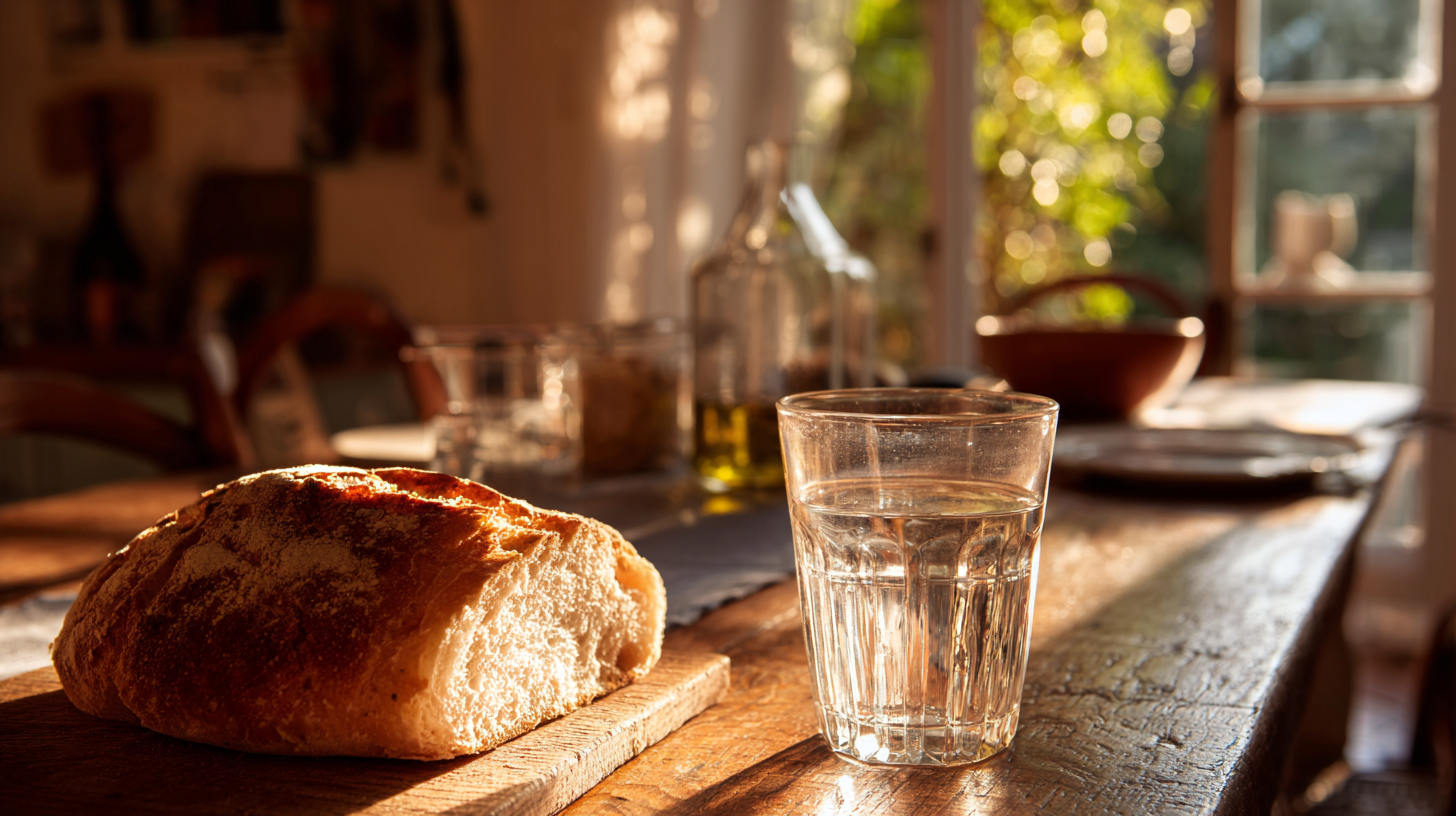
This difference reduces pressure. When wellness is not a performance, you do not have to prove that you are taking care of yourself correctly. Italians are not constantly comparing routines, step counts, or diet rules. They lean instead on ordinary patterns: predictable meals, consistent social contact, and time spent outside the home. These patterns work quietly in the background, keeping health within a stable range without constant attention.
For visitors, this can be disorienting and freeing at the same time. You realize that you are not expected to fix yourself while you are here. You are simply expected to participate in normal life: sit down to eat, walk where you need to go, talk to people, and stop working at some reasonable point in the evening. Wellness becomes something the environment does for you, rather than something you must force.
Time and Rhythm: Preventing Burnout Before It Starts
Italian wellness begins with the way time is divided. Days are not treated as empty containers to be filled with as much productivity as possible. Instead, they are broken into segments with built-in pauses that protect the nervous system from constant activation. Meals, coffee breaks, and moments of doing nothing are not considered wasteful. They are seen as necessary components of a functioning day.
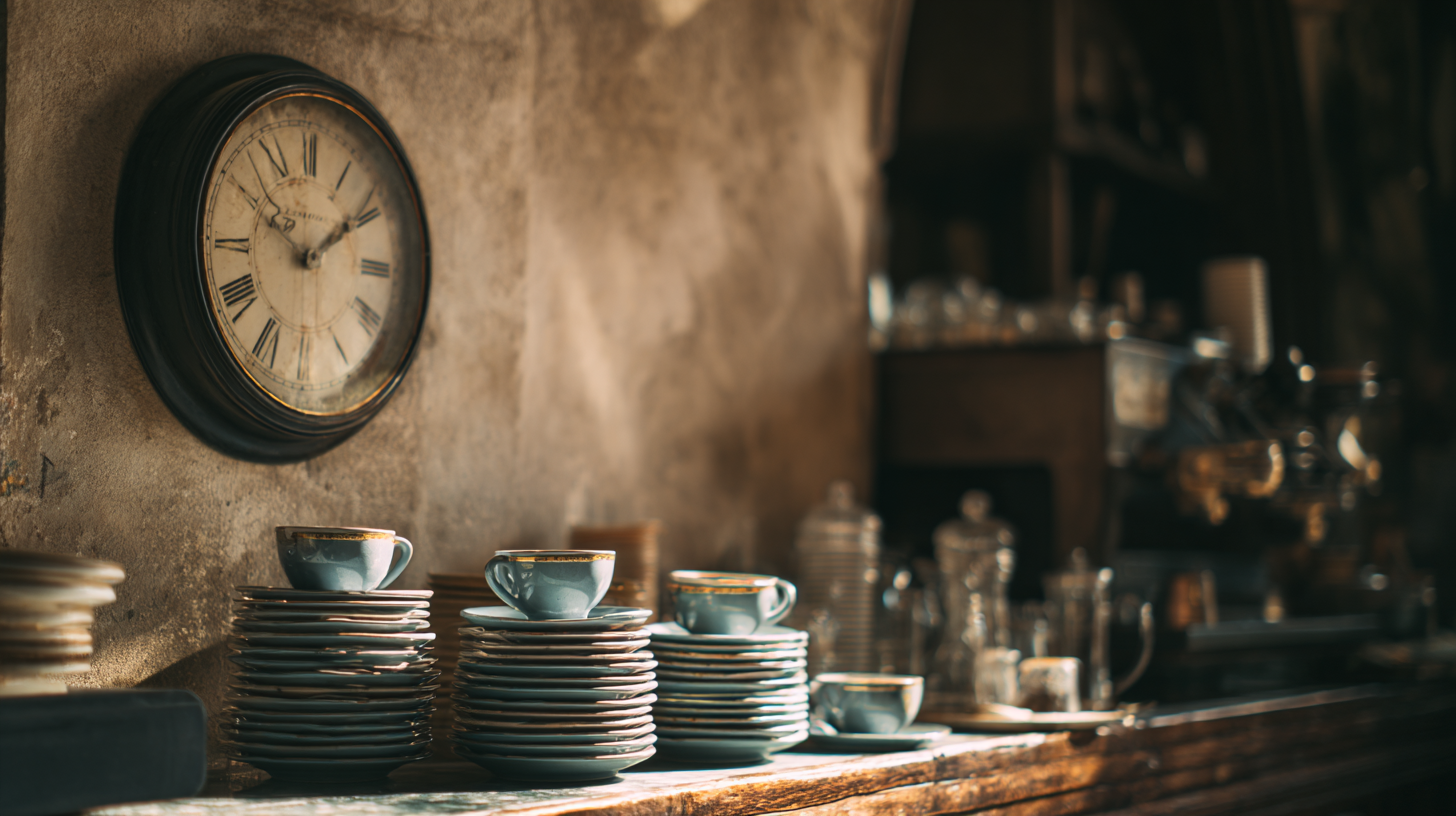
This rhythm has real physiological effects. When you regularly step away from tasks, stress hormones have a chance to fall instead of staying elevated for hours. Short periods of recovery are scattered throughout the day rather than postponed to evenings or weekends. Your body is never pushed into a state of continuous alert for long, and that prevents exhaustion from becoming your default setting.
Travelers often notice that they feel less drained, even if they are walking more and seeing more. The slower pace between activities means that stimulation comes in waves instead of an endless stream. Italy, in this sense, is not a place where nothing happens. It is a place where not everything happens at once, and that difference is crucial for long-term well-being.
Evenings, Sleep, and the Way the Day Lands
Sleep quality in Italy is supported not by strict bedtime rules, but by how evenings are shaped. The last part of the day usually includes food, conversation, and some form of slowing down in company. Even when dinners start later than in other countries, they act as a long landing strip for the nervous system. You are not expected to jump directly from intense work to solitary rest.
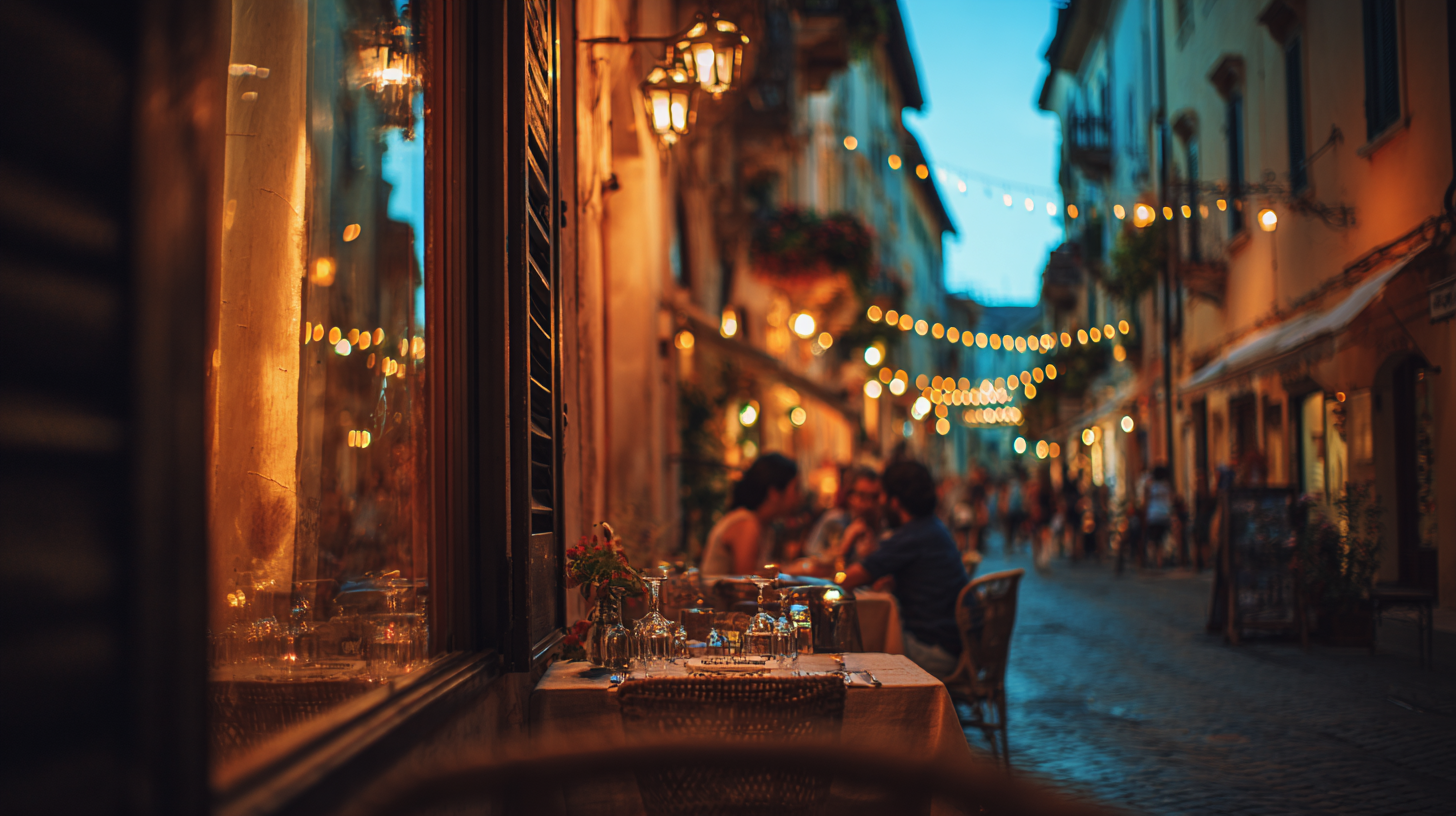
Shared dinners provide more than calories. They allow people to process the day aloud, discharge tension, and reestablish a sense of belonging. Light levels, noise, and activities tend to shift gradually rather than abruptly. This gentle decline in stimulation helps the body move toward sleep without the need for elaborate routines or digital tools.
For visitors, this can change how nights feel. Instead of collapsing at the end of a hyper-productive day, you arrive at sleep slowly, with your mind already partially at rest. Even if you go to bed later than usual, you may fall asleep faster and stay asleep more deeply. Italy shows that good sleep is not only about what happens in the bedroom; it is about everything that happens in the hours leading up to it.
Food as Daily Regulation, Not Constant Negotiation
Italian food culture is often reduced to taste and tradition, but its wellness impact is more structural. Meals occur at relatively consistent times, tend to be composed in balanced ways, and are usually eaten sitting down. Food is not primarily a source of anxiety or self-judgment. It is a stabilizing function that organizes the day and gives the body predictable inputs.
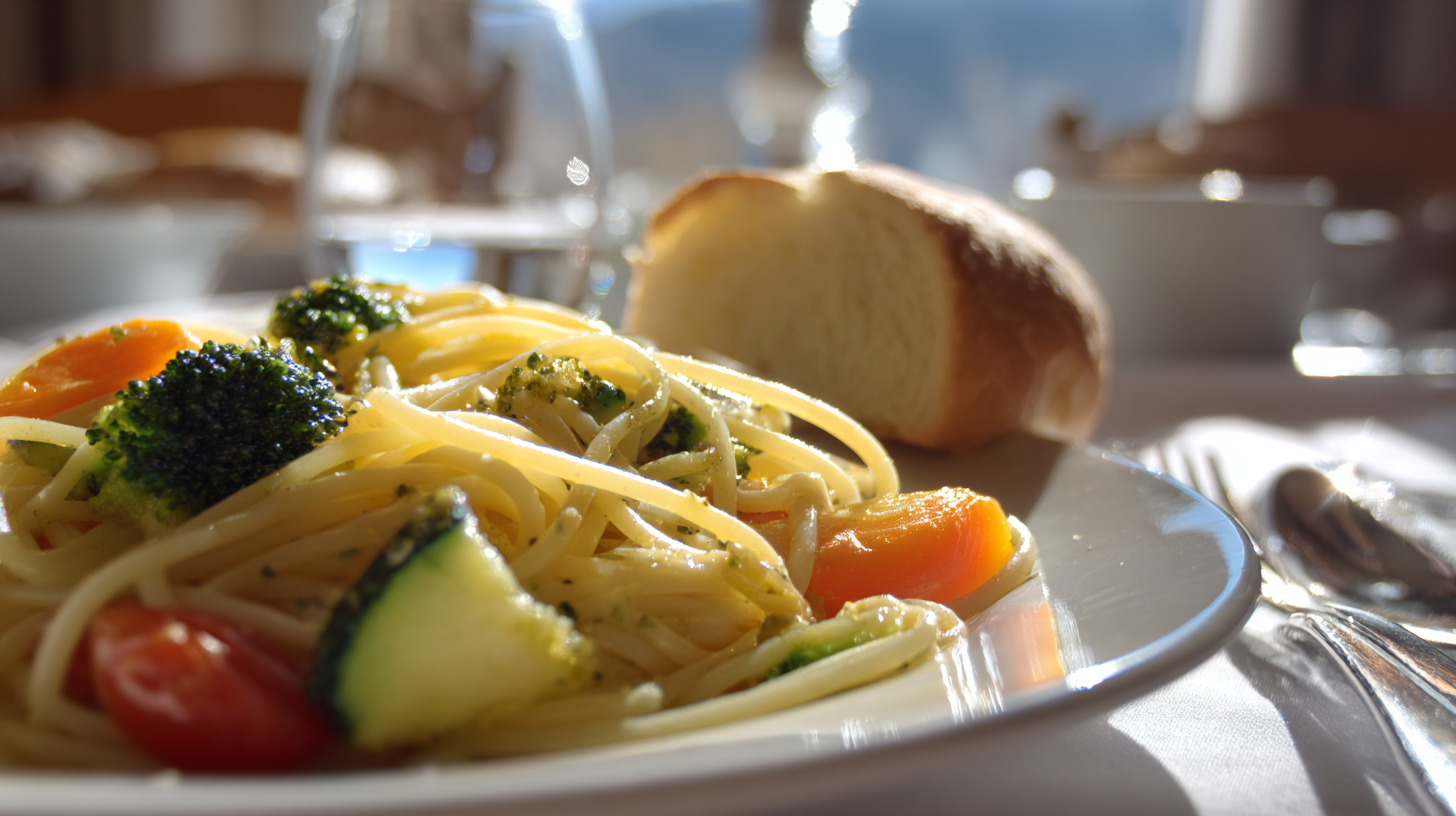
Because eating is regular and socially embedded, there is less space for extreme fluctuations. People are less likely to skip meals, binge in isolation, or treat food as a reward for suffering. Portions are usually moderate, and meals are designed to be satisfying without being overwhelming. The focus is on enjoying what is in front of you now, not on compensating for what was eaten yesterday.
Travelers often discover that they can eat generously in Italy and still feel better than at home. Slower eating, lower stress at the table, and consistent timing support digestion and appetite regulation. The body knows when food is coming and does not need to panic. Wellness here comes not from strict control, but from reducing chaos around eating.
If you want to dive deeper into Italy’s flavors, read Savoring the Flavors: A Gastronomic Journey Through Italy.
Movement Designed Into Everyday Life
In Italy, much of the daily movement does not look like exercise, but it functions like it. Cities and towns are built at a scale that makes walking the most practical way to get around. Stairs, slopes, uneven pavements, and compact centers require the body to engage constantly without pushing it into extremes. Movement is frequent, low-intensity, and distributed throughout the day.
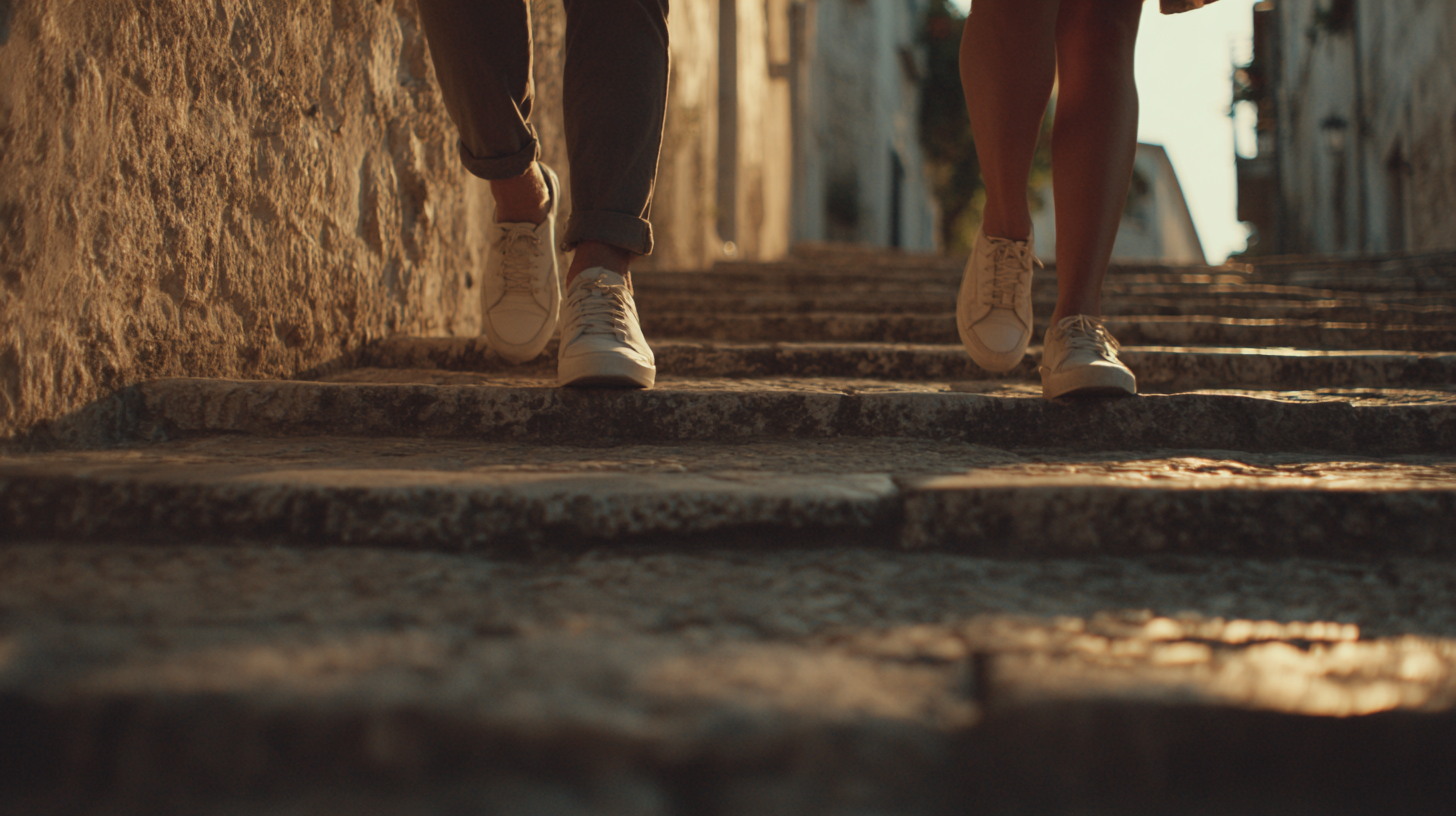
This kind of activity is easier to maintain for a lifetime than sporadic, intense workouts. Because it is tied to practical needs—getting to work, shopping, seeing friends—it does not depend on motivation or gym memberships. There is no need to “find time” for exercise; the environment makes movement unavoidable and normal. The result is better baseline mobility and cardiovascular health without the mental weight of “training.”
Visitors usually notice this in hindsight. They realize that they walked far more than at home, climbed more stairs, and spent less time sitting, yet rarely felt like they were “working out.” Fatigue tends to be cleaner and more satisfying, not the exhaustion that comes from stress and immobility. Italy quietly proves that the body benefits most when movement is built into how you live, not added as a separate task.
Social Fabric as Emotional Protection
Wellness is not only physical; it depends heavily on emotional safety and connection. In Italy, social fabric acts as a protective layer against isolation. Daily life is full of small, repeated contacts: a greeting at the café, a brief conversation with a neighbor, a familiar face at the bakery, a quick exchange in the piazza. These interactions are low-intensity but frequent, and together they create a sense of being held by a community.
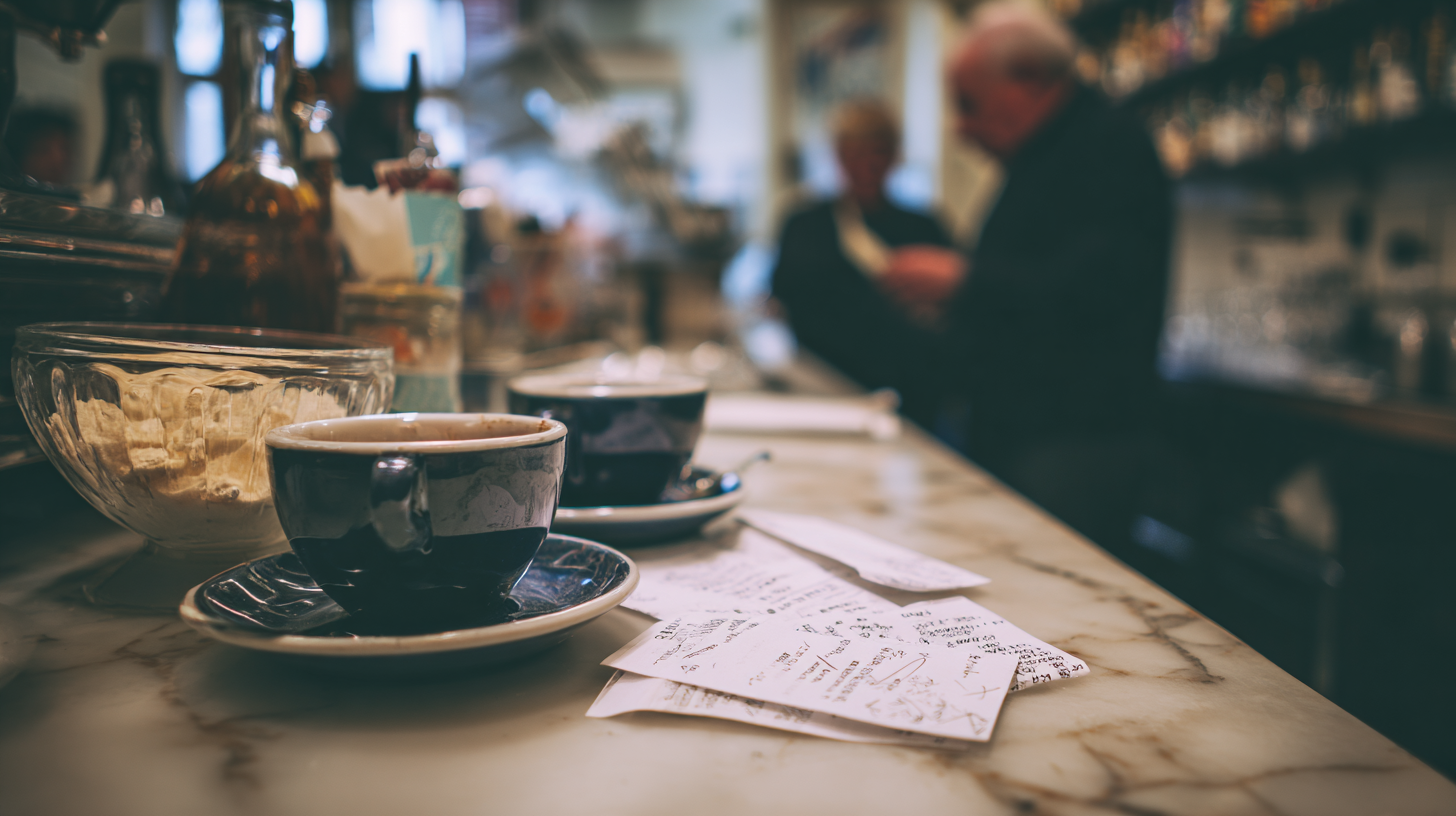
You are not expected to build all your emotional life from a few deep relationships. The broader network of weak ties—the people who recognize you without knowing you well—also carries weight. Seeing and being seen in public space reassures the nervous system that you are not alone. That reduces background anxiety, even in the absence of large support systems.
For visitors, this can be one of the most surprising aspects of Italian wellness. Even if you do not speak the language fluently, you still experience micro-moments of connection: a barista remembering your order, a vendor joking with you, an older person commenting on the weather. These small contacts add up. They lower the threshold of loneliness and make the world feel less hostile.
Rural Italy, Seasons, and Sensory Load
Outside the cities, Italian wellness becomes closely tied to environment. Rural areas move on seasonal time, not only calendar time. Work, food, and social life respond to changes in light, temperature, and harvest cycles. This seasonal structure naturally prevents days from blurring into one another and gives people a clearer sense of where they are in the year and in their own lives.
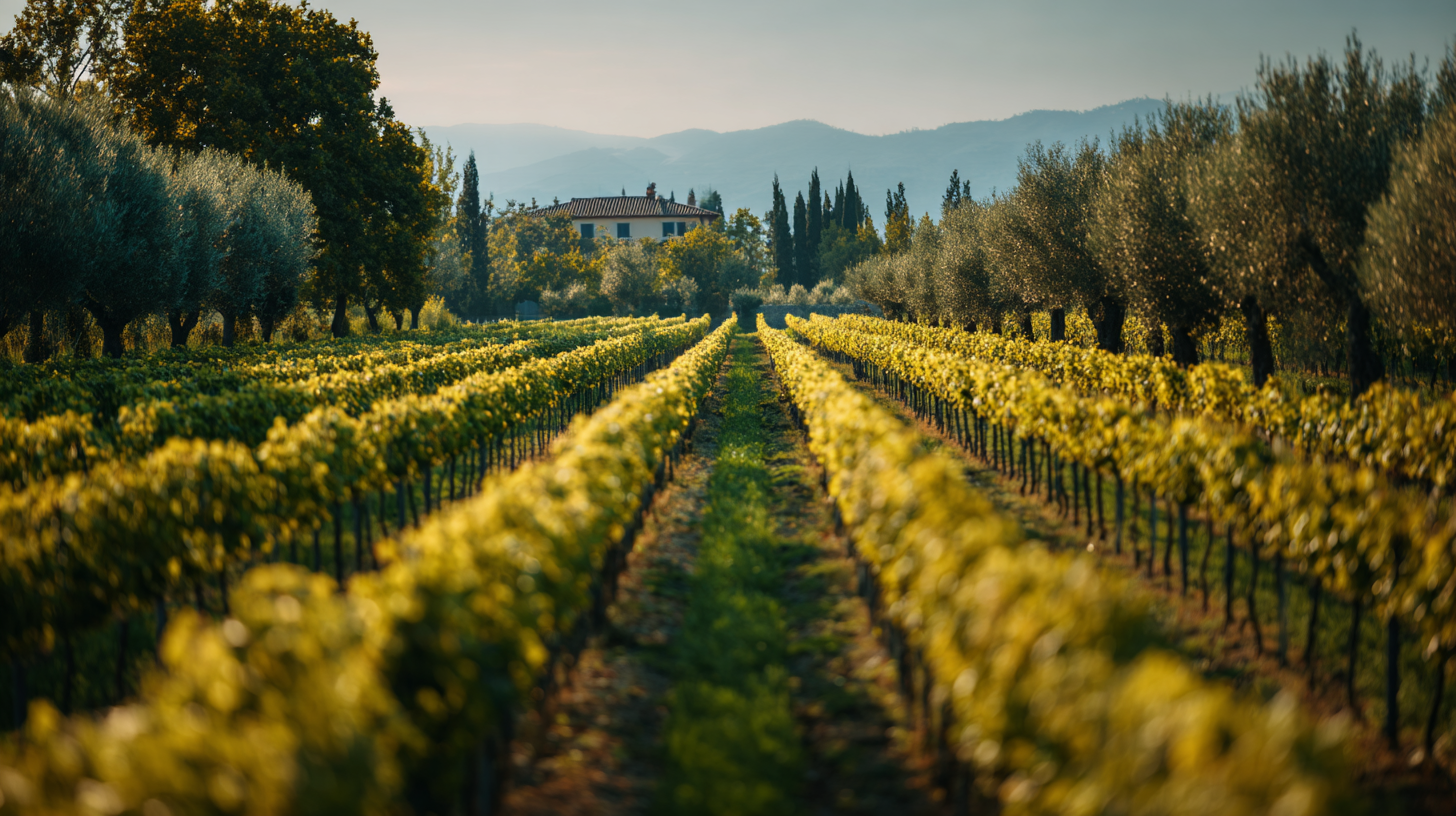
The sensory load in rural Italy is also much lower. There is less constant noise, fewer flashing screens, and more predictable types of stimulation. Sound comes from wind, animals, and distant human activity rather than engines and notifications. The landscape is easier for the brain to process: repeated patterns of fields, hills, and sky replace chaotic visual information.
Travelers who spend time in the countryside often experience an immediate change in their nervous system. Thoughts become less scattered, and physical tension decreases. There is no need to work at relaxing; the environment does most of the work. Italy’s rural wellness is not based on techniques. It is based on exposure to a world that is less demanding on your senses.
Sea, Mountains, and the Body’s Response to Geography
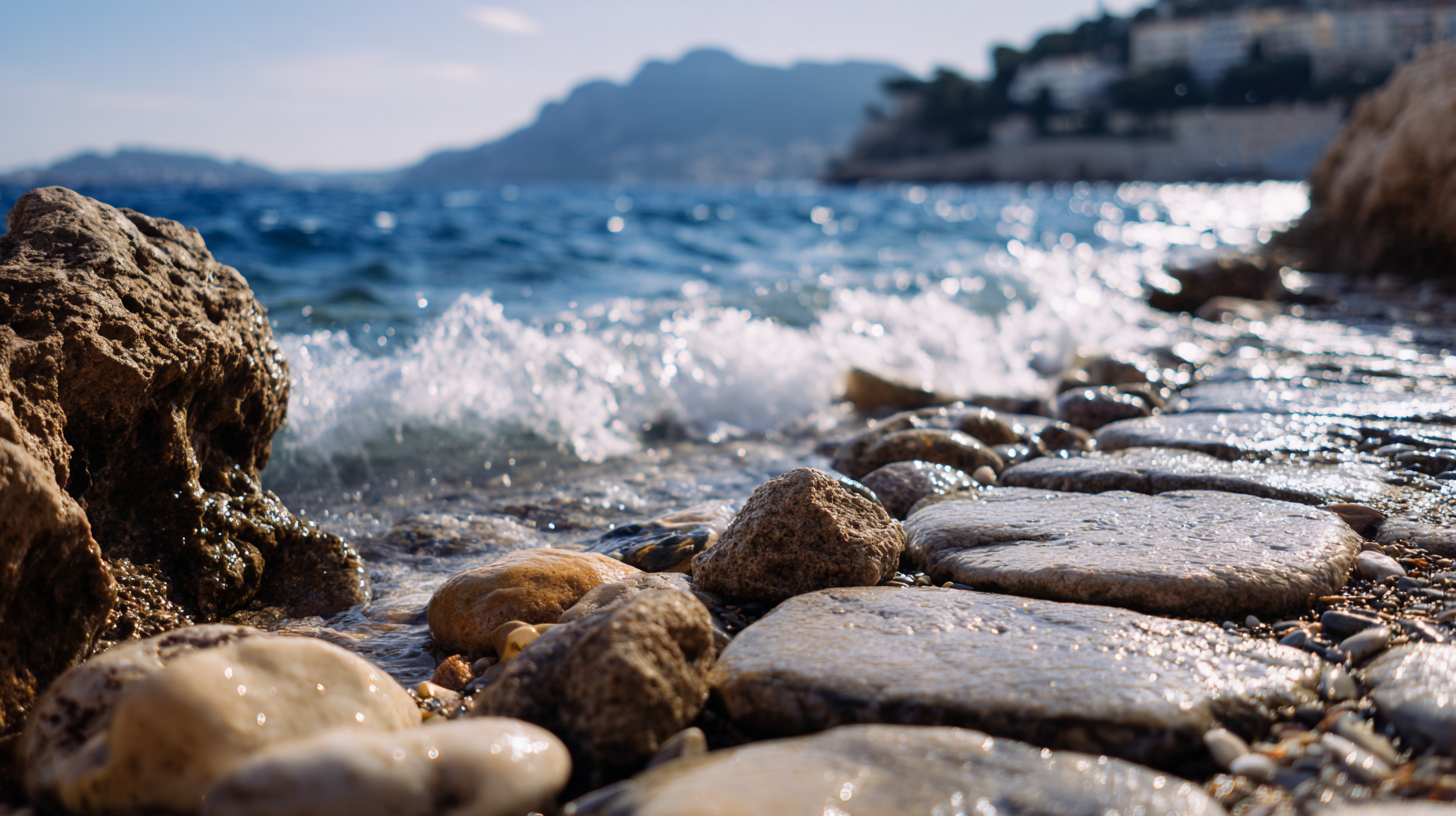
Italy’s geography offers two powerful forms of natural recovery: the sea and the mountains. Coastal environments support calm through repetition and openness. The rhythmic sound of waves, wide horizons, and stable light patterns help regulate breathing and reduce mental noise. Coastal towns often move at a slower tempo, with long walks, simple routines, and a close relationship to outdoor space.
Mountain environments offer a different kind of benefit. They demand more from the body through climbs, descents, and varied terrain, but they also provide strong containment. Valleys, peaks, and narrow paths focus attention. Air is cooler and often clearer. This combination of physical effort and visual stability creates a kind of grounded alertness that can be deeply restorative.
Italians use both landscapes without necessarily framing them as “therapeutic,” but their bodies still receive the benefits. Travelers can feel the contrast clearly: a few days by the sea may soften and expand their inner world, while time in the mountains sharpens and steadies it. Wellness here is not abstract. It is the direct result of how geography interacts with human physiology.
Aging, Continuity, and Reduced Health Anxiety
Italian streets make one other aspect of wellness very visible: aging is present everywhere. Older adults remain active, visible, and integrated into public life. They shop, meet friends, participate in rituals, and occupy public space without being pushed aside. This visibility changes how younger people understand the future and how older people experience the present.
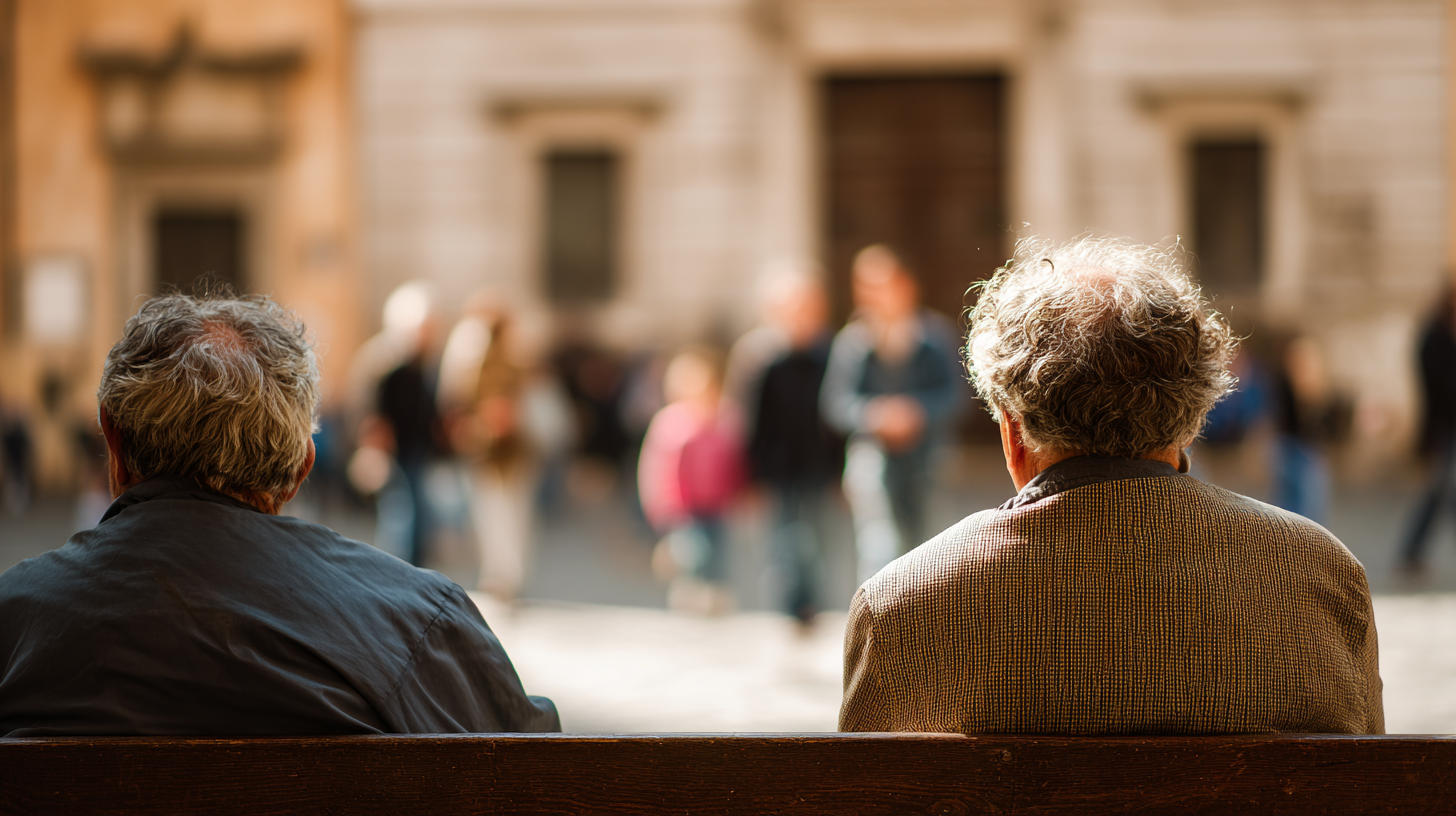
Because aging is normalized, there is less pressure to pretend it is not happening. Health practices focus on maintaining function—walking, socializing, eating well—rather than erasing signs of age. This reduces the constant background stress associated with anti-aging narratives. People are allowed to grow older without feeling that they are failing at staying young.
For visitors from cultures that frame aging as decline, this can be a quiet shock. Seeing older people treated as part of the normal fabric of life, rather than as a problem or a separate category, lowers their own anxiety about time. Wellness becomes less about fighting change and more about staying engaged as change happens.
What Travelers Actually Take Home
The most important effect of Italian wellness is not what happens while you are there, but what you notice when you return home. Many people realize that they felt better not because they were on vacation, but because certain structural pressures were temporarily removed. They were not eating alone at their desk, rushing every evening, sitting all day, or living without casual social contact.
This recognition can change behavior more than any single tip or trick. You begin to see that well-being depends less on willpower and more on how your days are arranged. You might not be able to copy Italian life exactly, but you can import some of its logic: protecting meals, walking more by design, building in pauses, and staying connected in small, reliable ways.
Italy does not offer a universal formula for health. What it offers is a concrete example of a culture where wellness is treated as a consequence of sane rhythms. For travelers willing to pay attention, that example is more valuable than any checklist. It shows that a different way of living is possible, and that feeling better does not always require doing more.
Conclusion
Italian wellness is not a secret technique or a hidden tradition. It is the predictable result of how time, food, movement, social life, and environment are arranged. Instead of demanding constant self-discipline, the culture creates conditions where the body and mind are less overloaded by default. That is why even short stays in Italy often lead to better sleep, calmer digestion, and a quieter inner state without deliberate effort.
For travelers, the real value of observing Italy is not admiration, but translation. You cannot copy the country, but you can borrow its logic: protect mealtimes, embed movement into daily life, make room for pauses, and treat social contact as maintenance, not luxury. Wellness then stops being a side project and becomes a property of how your days actually unfold. Italy does not promise a new version of you; it demonstrates how a more humane rhythm can support the one you already are.
For evidence on how slow, socially connected lifestyles support health, see research summarized by the World Health Organization on healthy living patterns in Europe.