
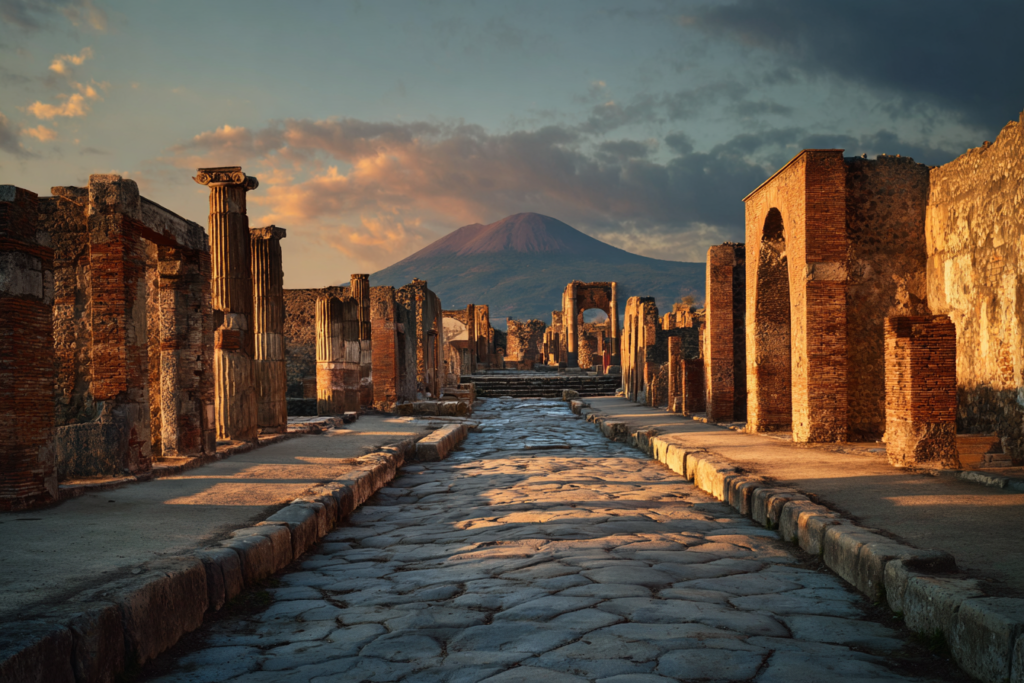
Italy’s Time Machine: A Journey Through History
Italy is not just a country; it is a layered cake of civilizations. Dig anywhere, and you might hit a Roman mosaic or an Etruscan tomb. But for the traveler, the sheer volume of Italy archaeological sites can be paralyzing. Do you brave the crowds at the Colosseum or seek silence in a Greek temple in Sicily?
In this Italy history travel guide, we leave the museums behind to explore the open-air wonders. From the ash-frozen streets of Pompeii to the cave dwellings of Matera, here is how to walk through history in 2026.
1. Rome: The Beating Heart of the Empire
You cannot talk about archaeology without Rome. But to truly understand the Empire, you need to go beyond the selfie spots.
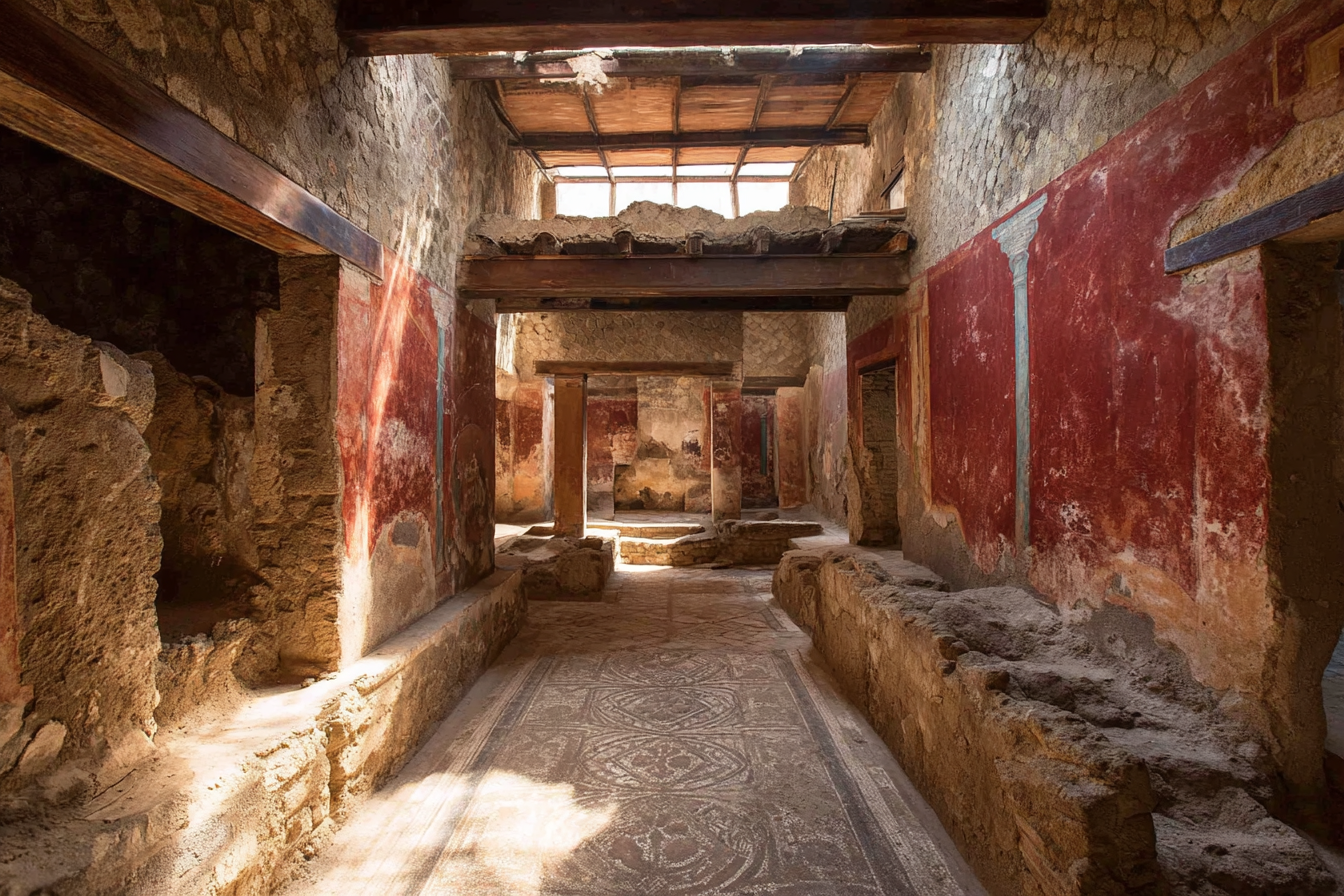
The “Big Three” Done Right:
The Colosseum Underground: General entry tickets only show you the stands. Book the Colosseum underground tour to descend into the backstage tunnels where gladiators and tigers waited before the fight. It is chilling and unforgettable.
The Roman Forum: This was the downtown of ancient Rome. Don’t wander aimlessly; hire a guide or download an audio tour to identify the Senate House and the spot where Julius Caesar was cremated.
Ostia Antica: Often called “The Better Pompeii.” It is Rome’s ancient harbor city, just 30 minutes by train. Fewer tourists, intact mosaics, and you can even sit on the ancient communal toilets!
[GetYourGuide Tip]: Skip the midday heat. Book a “Colosseum by Night” tour to walk the arena floor under the moonlight without the crowds.
2. The Buried Cities: Pompeii vs. Herculaneum
When Vesuvius erupted in 79 AD, it froze two cities in time. Most tourists go to Pompeii, but for the best archaeological sites in Italy, the debate of Pompeii vs Herculaneum is crucial.
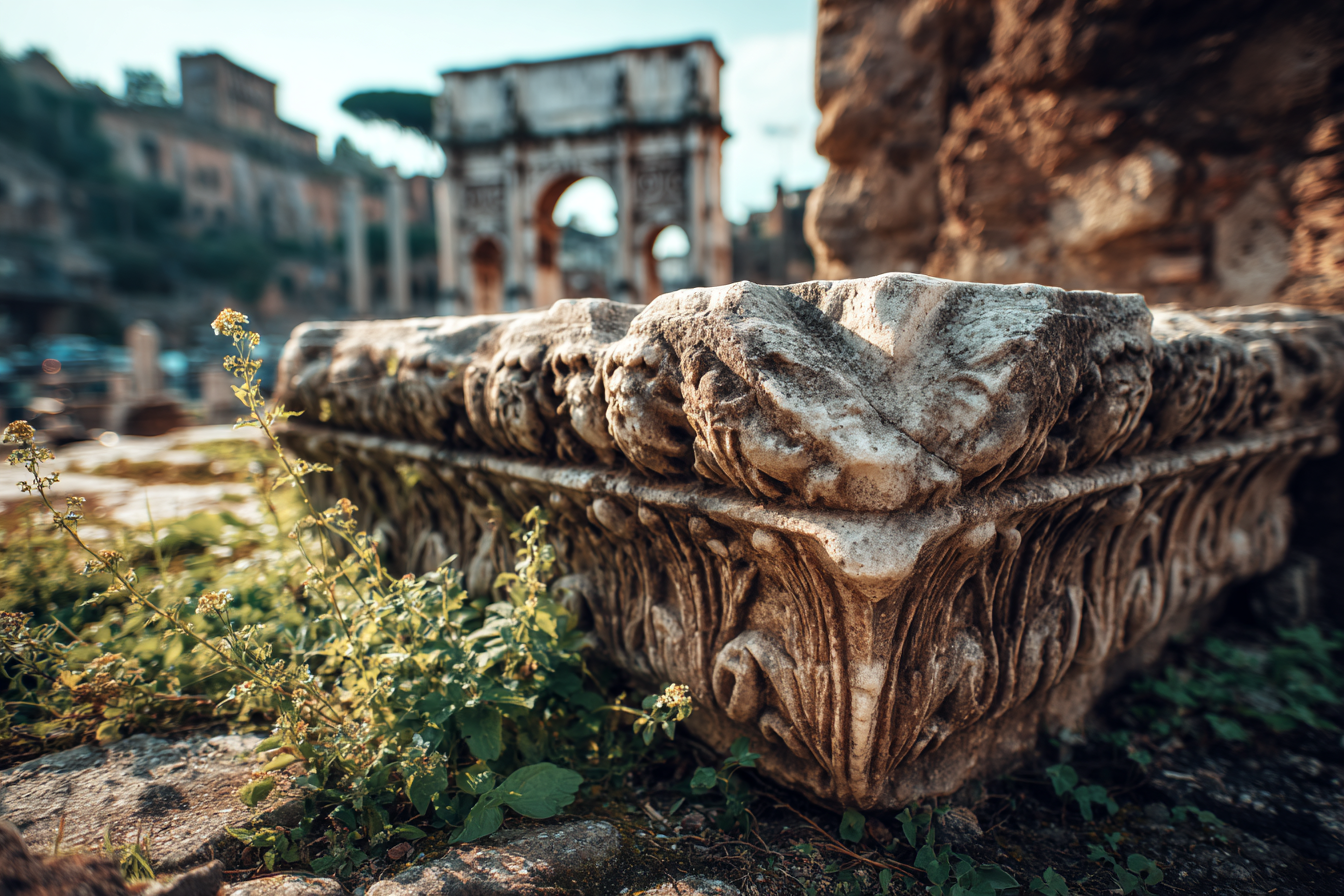
The Showdown:
Pompeii: It is massive (you need 4-5 hours). You see grand forums, amphitheaters, and the famous plaster casts of victims.
Verdict: Go if you want scale and grandeur.
Herculaneum (Ercolano): It was a wealthier resort town. The volcanic mud preserved wood, doors, and even food. It is smaller (2 hours) and much less crowded.
Verdict: Go if you want intimate details and better preservation.
Planning a trip south? Combine ruins with pizza using our Italian Music Travel Guide for Naples tips.
3. Magna Graecia: The Greek Temples of the South
Before the Romans, the Greeks ruled Southern Italy. Astonishingly, the best-preserved Greek temples in the world are not in Greece—they are here.
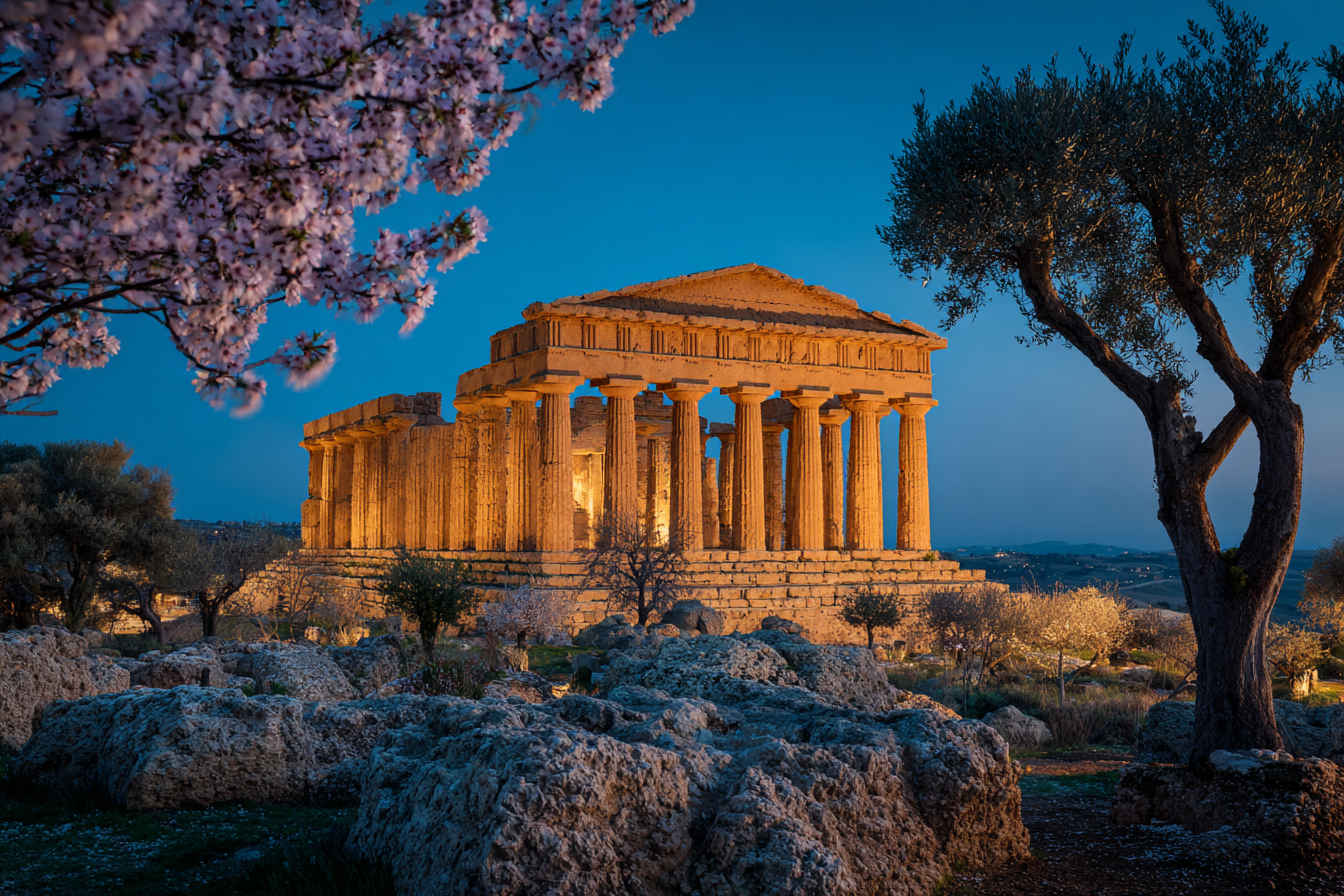
Must-Visit Sites:
Valley of the Temples (Agrigento, Sicily): A UNESCO stunner. The Temple of Concordia is nearly perfect, making Valley of the Temples Agrigento a top priority.
Pro Tip: Visit at sunset. The limestone turns gold, and the site stays open for night visits in summer.
Paestum (Campania): Three massive Doric temples sitting in a grassy field south of Naples. You can walk right inside them. It’s magical and quiet.
Sicily is hot! Cool off at the beaches mentioned in our 7 Best Coastal Towns in Italy guide.
4. The Stone City: Matera’s Cave Dwellings
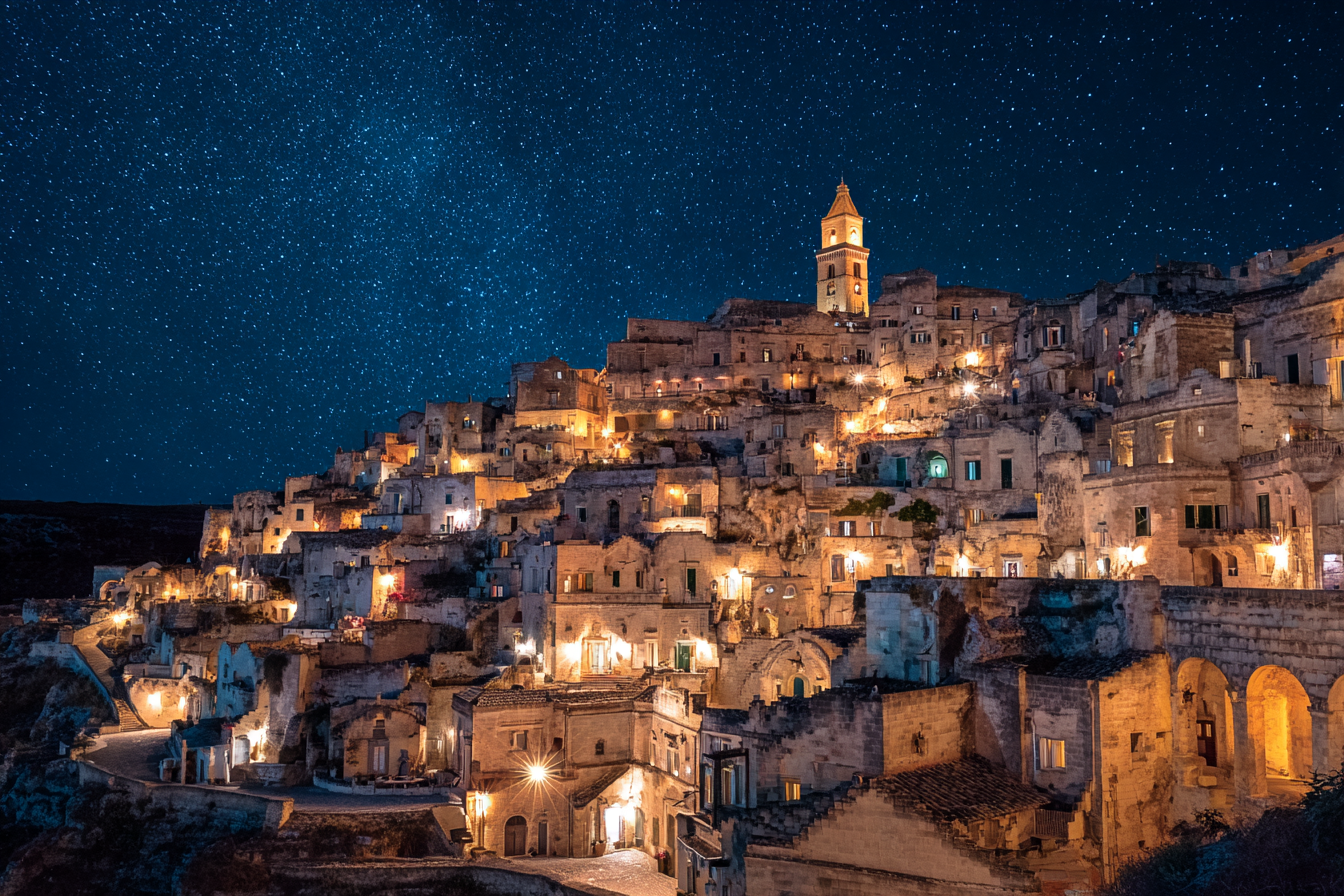
Matera is unique. It isn’t Roman or Greek; it is prehistoric. People have lived in these caves (Sassi) for 9,000 years, creating a living Matera Sassi travel guide experience.
Why Visit:
The Sassi: Until the 1950s, this was the “Shame of Italy” due to poverty. Now, it is a luxury destination. You can sleep in a boutique cave hotel and eat in cave restaurants.
Cinema History: Its biblical look made it the set for The Passion of the Christ and the James Bond movie No Time to Die.
Rock Churches: Hike across the ravine to see ancient frescoes painted directly onto the cave walls by monks.
Matera is near Puglia. Extend your trip with a stay at a Masseria from our Agritourism in Italy Guide.
5. The Mystery of the Etruscans: Cerveteri
Before Rome conquered the world, the Etruscans ruled central Italy. Their “Cities of the Dead” are unlike anything else.
Necropolis of Banditaccia:
Located 45 minutes from Rome, this Etruscan Necropolis Cerveteri looks like a park of giant stone mounds (tumuli). Inside, the tombs are carved to look like houses, with stone beds and chairs for the afterlife. It is eerie, peaceful, and totally off the beaten path.
6. Practical Tips for Archaeological Travel
Ruins are rough. Here is how to survive a day in the ancient world exploring Italy archaeological sites.
Footwear: Leave the sandals at the hotel. Roman roads are uneven, and dust is everywhere. Sneakers are mandatory.
Water: Pompeii and the Roman Forum have very little shade. Bring a refillable bottle; ancient Roman fountains (nasoni) still provide free, cold drinking water!
The “Super Green Pass”: Check current regulations, but usually, major archaeological parks require advance online booking.
Free Sundays: State museums and archaeological sites are free on the first Sunday of the month. (Warning: It will be packed!).
Conclusion
Walking through Italy’s ruins is a humbling experience. You realize that empires rise and fall, but their art, engineering, and stories remain. Whether you are standing in the shadow of a Greek temple in Sicily or touching the wall of a gladiator’s cell in Rome, you are connecting with the ghosts of the past.
So grab your guidebook, lace up your shoes, and step into the time machine to discover the greatest Italy archaeological sites.