
Italy as a Living Language of Everyday Life
Italy is often introduced through postcard images and famous flavors, but the country is best understood as a living form of communication. It speaks not only in words, but in rhythm, gesture, proximity, timing, and shared rituals that shape how people relate to one another. Even the way Italians enter a café, greet a neighbor, argue across a street, or fall silent at the right moment carries meaning. Travelers who focus only on sights and itineraries can experience Italy, but they rarely feel it in full. To feel Italy, you have to listen to how it expresses itself.
The Italian language is part of that expression, but it is not the whole of it. What makes Italy distinctive is the way communication is woven into everyday life until it becomes atmosphere. A market is not just a place to buy food; it is a social theater where voices and gestures create belonging. A meal is not only nourishment; it is a conversational ritual that shapes family and friendship. A festival is not merely entertainment; it is a public statement of identity, memory, and continuity.
This is not a guide to grammar, vocabulary, or “how to learn Italian fast.” It is a cultural map of Italy’s communication code—the patterns that connect food, music, history, design, religion, and landscape into one coherent experience. When you notice these patterns, Italy stops feeling like a collection of destinations and starts feeling like a conversation you have been invited into. The reward is not fluency, but closeness. Italy becomes warmer, more readable, and more human.
Italy Beyond Words: A Country That Communicates Through Experience
In Italy, communication rarely exists as a sterile exchange of information. People speak to create connection, to test emotion, to participate in the social fabric that holds communities together. Meaning is carried by tone, timing, and the emotional temperature of the moment as much as by the words themselves. A short phrase can feel generous or dismissive depending on how it lands. A pause can carry respect, doubt, or a quiet warning, often without a single explicit statement.
This is why Italy can feel intensely social to visitors. Conversations overlap, voices rise, and interruptions appear frequently, but these signals often indicate involvement rather than conflict. Engagement is valued, and neutrality can read as distance. Even everyday politeness has a kind of warmth and texture; greetings are rarely lifeless. People do not communicate from behind a wall of efficiency, and that openness is one of the country’s defining traits.
For travelers, the key is not to chase perfection but to develop cultural attention. You start noticing what changes the mood of an interaction: the way someone says “buongiorno,” the way they look at you before responding, the way they use their hands to soften a refusal. Italy invites you to participate through observation as much as speech. Once you accept that, you stop feeling like you are constantly missing something. You begin to feel the meaning that lives between the lines.
Food as Conversation: How Meals Shape Italian Social Life
In Italy, food is one of the clearest forms of communication, and meals are the country’s most reliable social structure. Eating is rarely rushed, not because Italians romanticize slowness, but because a meal is where relationships are maintained. Conversation follows the rhythm of courses, and the table becomes a space where people negotiate closeness. Small talk leads to debate, jokes turn into stories, and the meal becomes the emotional timeline of the day. It is common to understand a family’s culture by listening to how they talk while they eat.

Restaurants carry this language too. A neighborhood trattoria is not only a place to “try local dishes,” but a stage where social norms play out. You hear regulars greet the staff like family, arguments rise and fall with humor, and the room subtly shifts as the evening deepens. Even ordering can feel like a small relationship, because tone and timing matter. A polite request delivered with awareness can open warmth; a rushed demand can close it.
Markets deepen this experience. In many towns, the market is where Italy speaks most honestly, because it combines food, ritual, and public life. Vendors call out with theatrical rhythm, customers respond with familiarity, and humor moves through the air like music. You notice how people touch produce, comment on quality, tease one another, and treat shopping as social participation. Food becomes a conversation long before it becomes dinner.
Taste becomes culture in Savoring the Flavors: A Gastronomic Journey Through Italy.
Music in Everyday Life: From Opera Houses to Street Corners
Italy’s musical heritage is famous, but its true influence is more subtle than most travelers expect. Italian speech itself often feels musical, shaped by intonation that carries emotion openly. People raise and lower their pitch in ways that communicate emphasis, irony, affection, and frustration without needing extra words. This musicality is part of why even simple interactions can feel vivid. The language performs feeling, and listeners respond to that performance.
You hear music in daily life, not as background but as presence. In some places it arrives through open windows, radio stations, and voices singing without embarrassment. In others it appears through street musicians whose sound becomes part of the evening’s atmosphere. The point is not constant sound, but the cultural comfort with expressing emotion publicly. Music, like speech, is allowed to occupy space.
For travelers, this changes the sense of place. A city does not simply look different from another city; it sounds different. A train station has its own acoustic identity, shaped by announcements, voices, and movement. A coastal promenade feels like a slow melody, while a crowded piazza feels like layered harmony. Italy teaches you that travel is not only visual. It is auditory, emotional, and rhythmic.
Festivals, Seasons, and the Language of Collective Celebration
Italian festivals are not just events; they are communal statements about identity and continuity. They often carry religious, historical, or seasonal meaning, but their deepest function is social. A festival gathers people into one rhythm, reminding them they belong to something shared. Streets become stages, voices rise together, and rituals turn private identity into public experience. Even visitors can feel the pull of that collective energy.
Celebration in Italy is often loud, tactile, and emotionally direct. Bells, music, fireworks, processions, and shared meals create a sense of “we,” even for people who disagree about everything else. These moments do not erase the past; they actively keep it alive by repeating it. A festival can carry centuries of local memory without ever explaining itself. It speaks through participation rather than description.
For travelers, festivals reveal how Italians build meaning in public. They show how tradition survives not by staying quiet, but by reappearing on the streets year after year. You see how communities dress, gather, move, and react together. You learn the local temperature of pride, humor, devotion, and belonging. Italy’s culture is not only preserved; it is performed.
Dive deeper into Italy’s festive rhythm in Experiencing Italy’s Rich Tapestry: A Year of Seasonal Events and Festivals.
Gestures, Silence, and Emotional Space
In Italy, the body is part of the sentence. Gestures do not decorate speech; they complete it. A raised palm can soften a refusal, a tilted head can express doubt, and a small movement of fingers can carry sarcasm or disbelief. These gestures are shared cultural knowledge, understood quickly by locals and gradually by attentive visitors. They function like punctuation, sometimes like entire phrases.
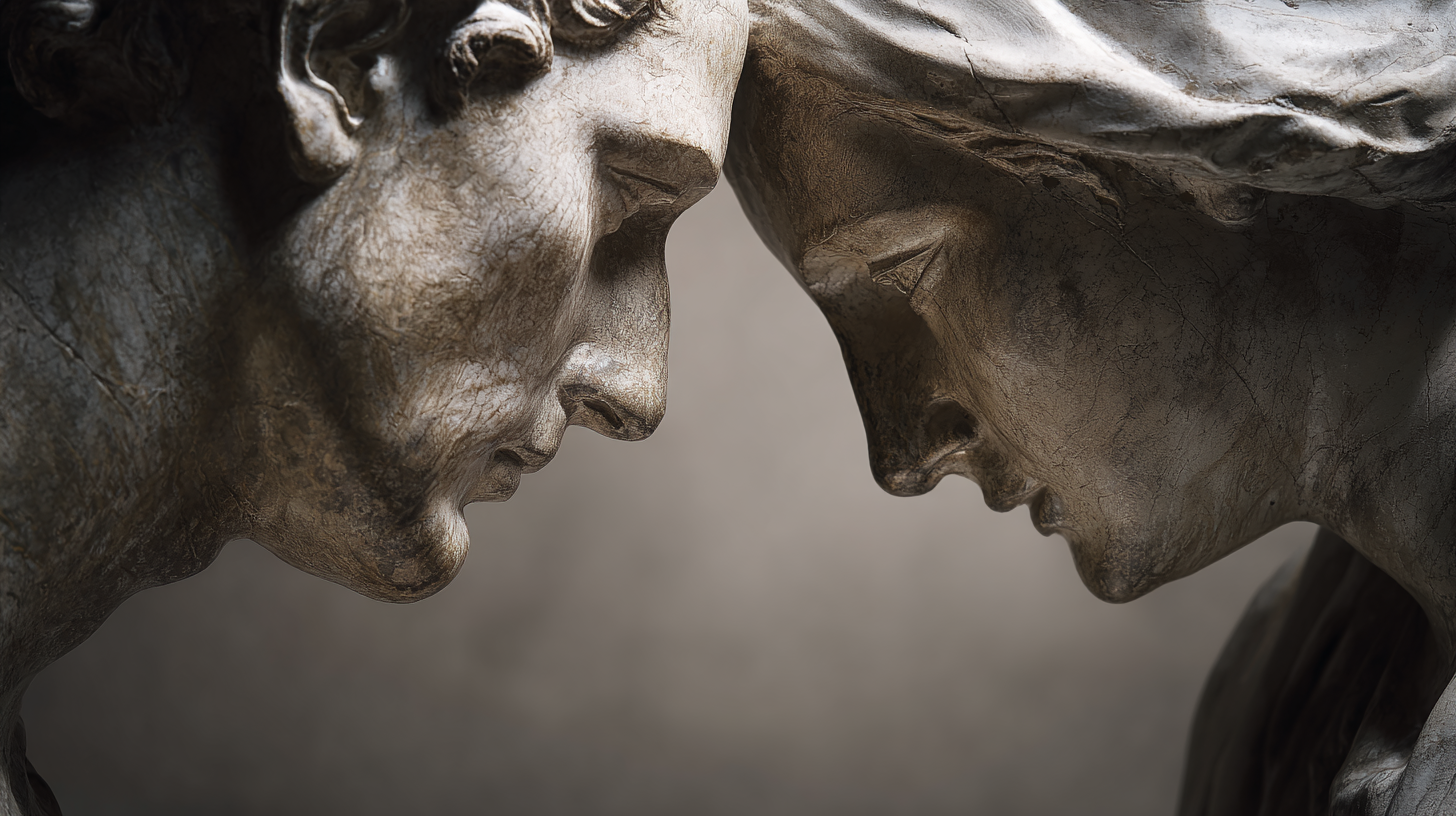
Silence is equally meaningful, though it appears differently than in more reserved cultures. Italians can be loud and expressive, but they also know how to use silence to create weight. A pause can signal seriousness, a change of mood, or a gentle boundary. Silence can also be used to invite someone else to step forward. The key is that silence is rarely empty; it is part of the emotional architecture of an interaction.
Travelers benefit from learning emotional spacing rather than memorizing phrases. You begin to notice when someone’s “yes” is actually hesitant, or when a “no” is delivered kindly. You understand when humor is being used as a bridge and when sarcasm is a warning. Italy communicates with full bandwidth, not only with words. Once you start reading that bandwidth, interactions become smoother and more human.
North and South: How Language Mirrors Temperament
Italy is not one temperament, and its communication styles shift across regions in ways that can surprise visitors. In many northern areas, speech often feels more clipped and pragmatic, with less repetition and fewer dramatic flourishes. People may appear more reserved, not because they are cold, but because directness and efficiency carry social value. The rhythm of life can feel faster, and communication reflects that. Silence can feel more neutral, less emotionally charged.
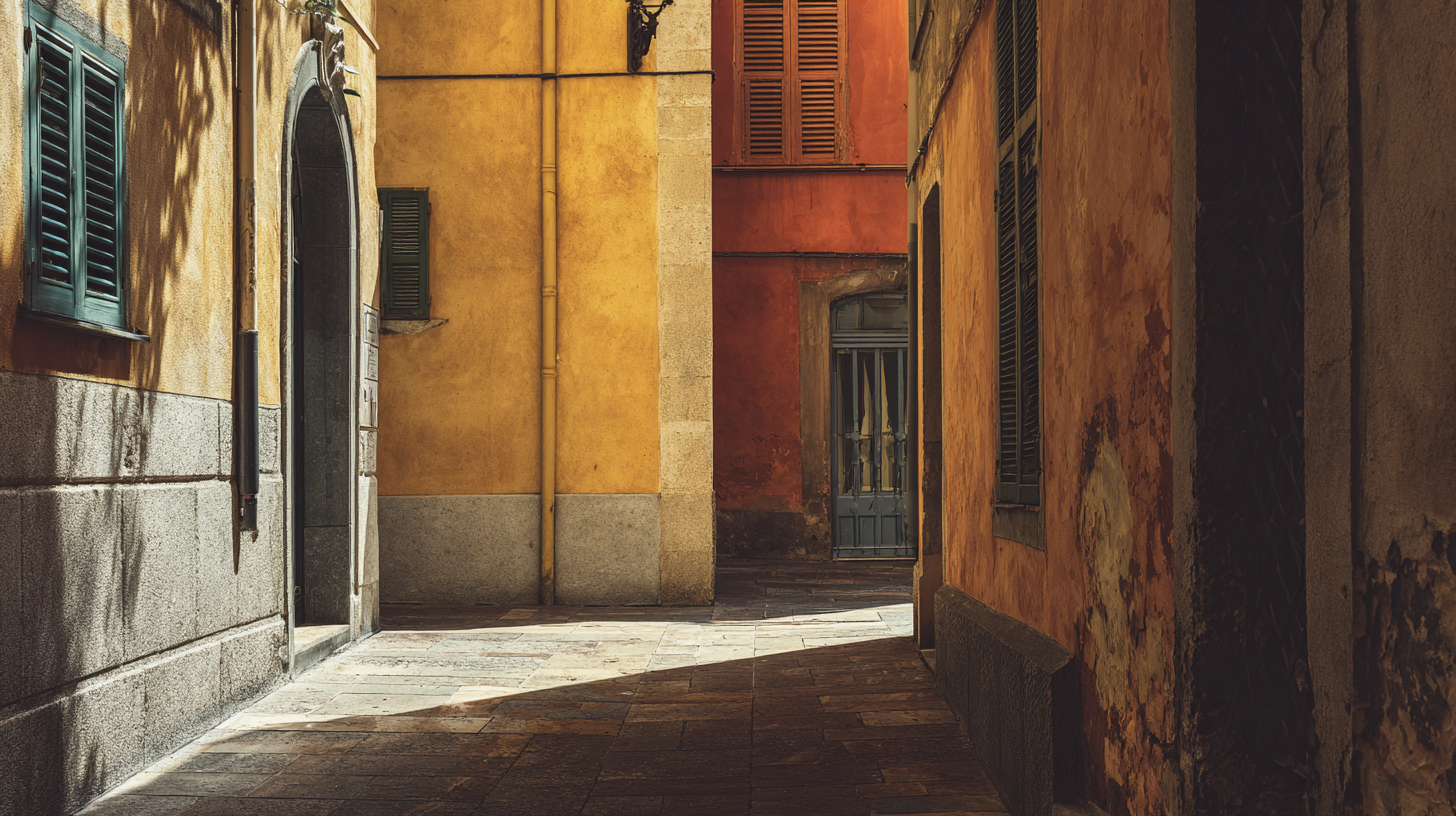
In parts of the south, speech can feel warmer and more openly expressive, with stronger intonation and more repetition. Stories are told with more dramatic pacing, gestures carry more weight, and conversation often expands outward into the public space. This is not a stereotype of “loud southerners,” but a reflection of different social rhythms. Community presence can be more constant, and communication becomes a way of maintaining that presence. Emotion is allowed to be visible.
For travelers, recognizing these differences prevents misreading. What feels abrupt in one region may be normal respect for time. What feels intense in another may be affection rather than confrontation. Italy teaches a useful travel lesson: culture isn’t only in what people say, but in how they say it and why. The country’s diversity is audible, and listening to it makes travel richer.
Art, Architecture, and Cities That Speak Visually
Italy speaks visually with the confidence of a place that has been building meaning for centuries. Architecture functions like a public language, telling stories of faith, power, beauty, and social order. A piazza is not just open space; it is an invitation to gather and participate. Churches do not only serve religion; they announce cultural values through proportion, light, and ceremony. Streets curve, narrow, and open in ways that shape how people encounter one another.
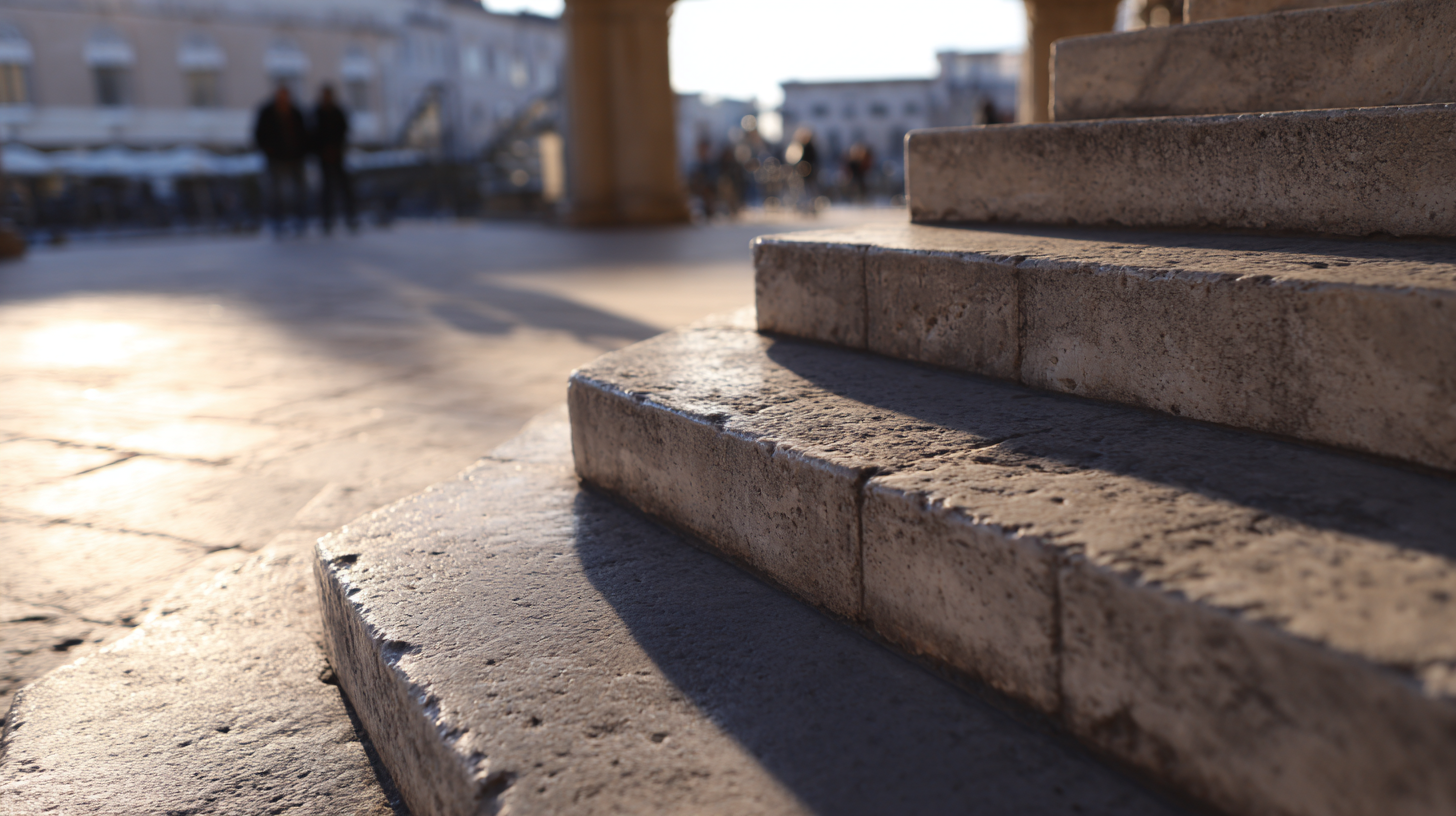
Art is part of this visual language, and it permeates everyday life more than most visitors expect. Art isn’t only in museums; it’s in the way buildings meet the sky, in the balance of public spaces, in the details of fountains, doors, and stonework. These are not purely aesthetic choices. They communicate a relationship to beauty as something public and shared. Even the most ordinary walk can feel like moving through a gallery of cultural intention.
For travelers, this changes how cities are experienced. You stop looking only for landmarks and begin noticing how the environment directs behavior. Some spaces encourage lingering, others encourage movement, others enforce reverence. Italy’s visual language often supports its social language: gathering, debating, sitting, observing, performing. The city becomes a text, and you become a reader.
Italy’s visual storytelling continues in Italy’s Canvas: A Journey Through Art and Architecture.
History, Memory, and the Weight of the Past
Italy’s past is not a subject; it is a condition. Ancient and medieval layers shape how communities understand themselves, and this historical depth influences how people communicate. Pride, irony, skepticism, and regional identity often carry historical roots. People speak not only as individuals, but as members of places with long memories. Local stories can feel more powerful than national narratives.

This historical awareness often appears in subtle ways. Humor may reference old rivalries between cities, regions, or social groups. Certain attitudes toward authority, tradition, and change can be traced back through centuries of experience. Even the way communities defend their local identity—food, dialect, customs—reveals history as something lived rather than studied. Memory becomes part of conversation without requiring explanation.
For travelers, history becomes more than ruins and museums when it shapes social behavior. You feel it when a town treats its traditions like living property. You feel it when locals speak about their place with protective affection. You feel it when the past is invoked casually, as if it never really left. Italy communicates through layers, and the past is one of its loudest layers.
Italy’s layered past is explored further in Italy’s Time Machine: A Journey Through History and Archaeology.
Cinema, Literature, and the Stories Italians Tell About Themselves
Italian cinema and literature are not only cultural products; they influence how the country frames itself emotionally. Many Italian narratives embrace contradiction: beauty and hardship, humor and melancholy, love and frustration. Stories often focus on human complexity rather than heroic simplicity. This storytelling tradition shapes how Italians speak about daily life. People are comfortable with nuance and with emotional texture.

In everyday conversation, storytelling is common. Anecdotes are told with pacing, gestures, and emphasis, often resembling small performances. Details matter not because the speaker wants to “inform,” but because the speaker wants the listener to feel the moment. Humor is frequently used to soften difficulty, and irony can function as a protective layer. Narratives become a way of making sense of life’s unpredictability.
For travelers, this storytelling culture makes Italy feel alive. Encounters often turn into mini-stories, even in simple contexts like cafés or shops. People enjoy speaking as much as they enjoy listening, and conversation becomes an exchange of presence, not merely words. Italy’s narratives are not only in books and films; they are in the streets, carried by voices that know how to turn life into story.
Cinema and storytelling unfold further in Of Frames & Pages: A Journey through Italy’s Cinema and Literature.
Fashion, Design, and the Language of Appearance
Appearance in Italy is communicative, and that communication is often misunderstood by outsiders. Style is rarely about showing off; it is about honoring context. Dressing well can signal respect for others, for the place you are in, and for the social moment you are sharing. Clothing becomes a quiet form of participation. It suggests that you are paying attention to the shared stage of public life.
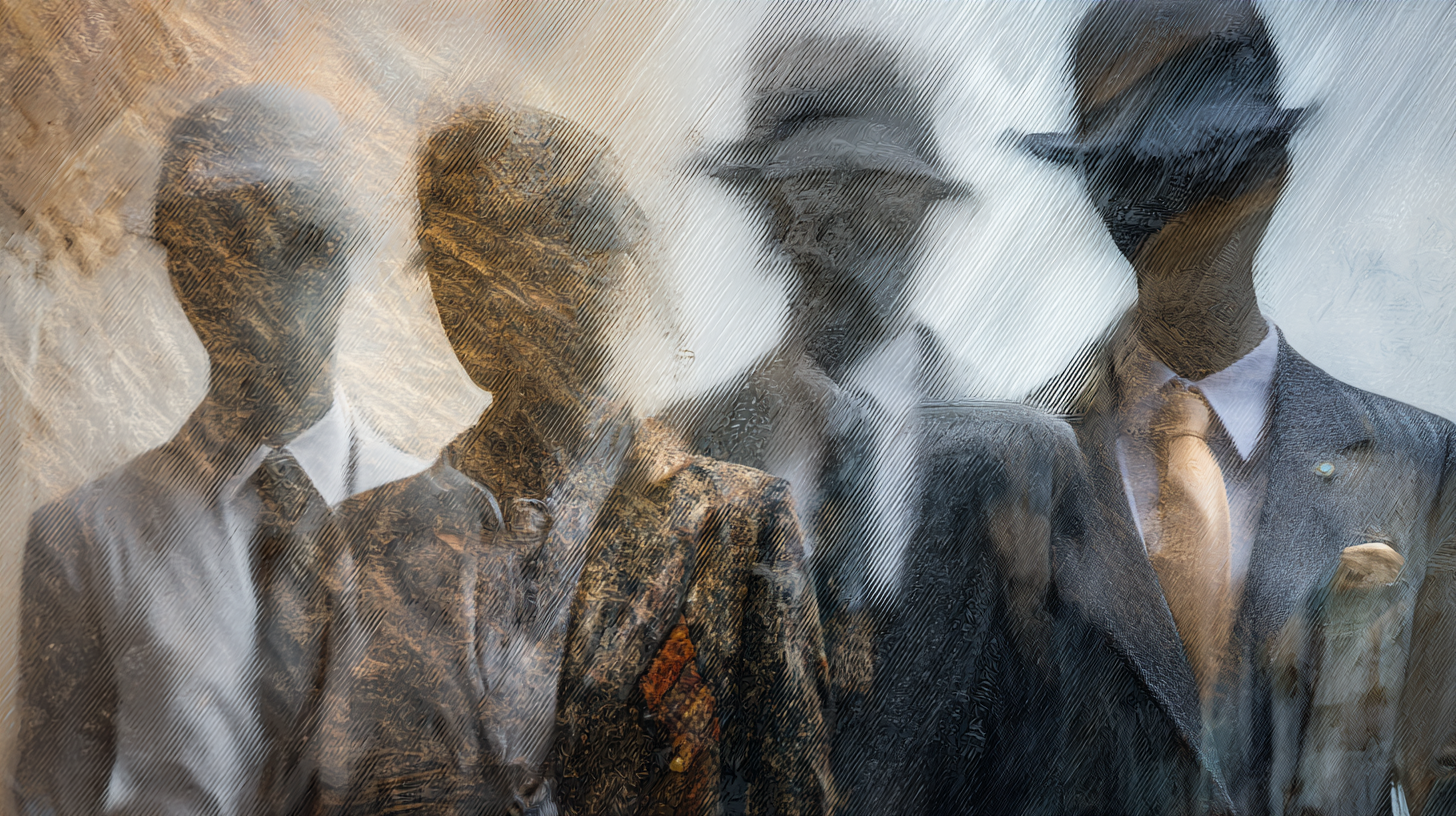
Design extends this principle into objects and spaces. Italy’s design culture often balances beauty with function, not as a luxury but as a cultural expectation. A café’s interior, a chair’s shape, a storefront’s arrangement—all carry intention. Even small details can feel designed to make life more elegant, more coherent, more humane. The environment communicates care.
For travelers, style becomes another layer of Italy’s language. You notice how people move through space with awareness of how they are seen and how they see others. You notice that aesthetics are not separate from social life, but woven into it. Italy communicates through surfaces, but those surfaces are not shallow. They are part of how meaning is carried.
This visual language reaches its most expressive form in fashion — explored further in Strutting Down Italy’s Fashion Runway: From Milan to Rome.
Nature, Silence, and the Sounds of Rural Italy
Away from the busiest cities, Italy’s cultural language shifts. Rural life often carries a slower rhythm, where sound travels further and silence lasts longer. Communication becomes less crowded, more spaced out, and often more tied to routine. People speak in ways shaped by work, weather, and season rather than constant social performance. Nature becomes part of the conversation.
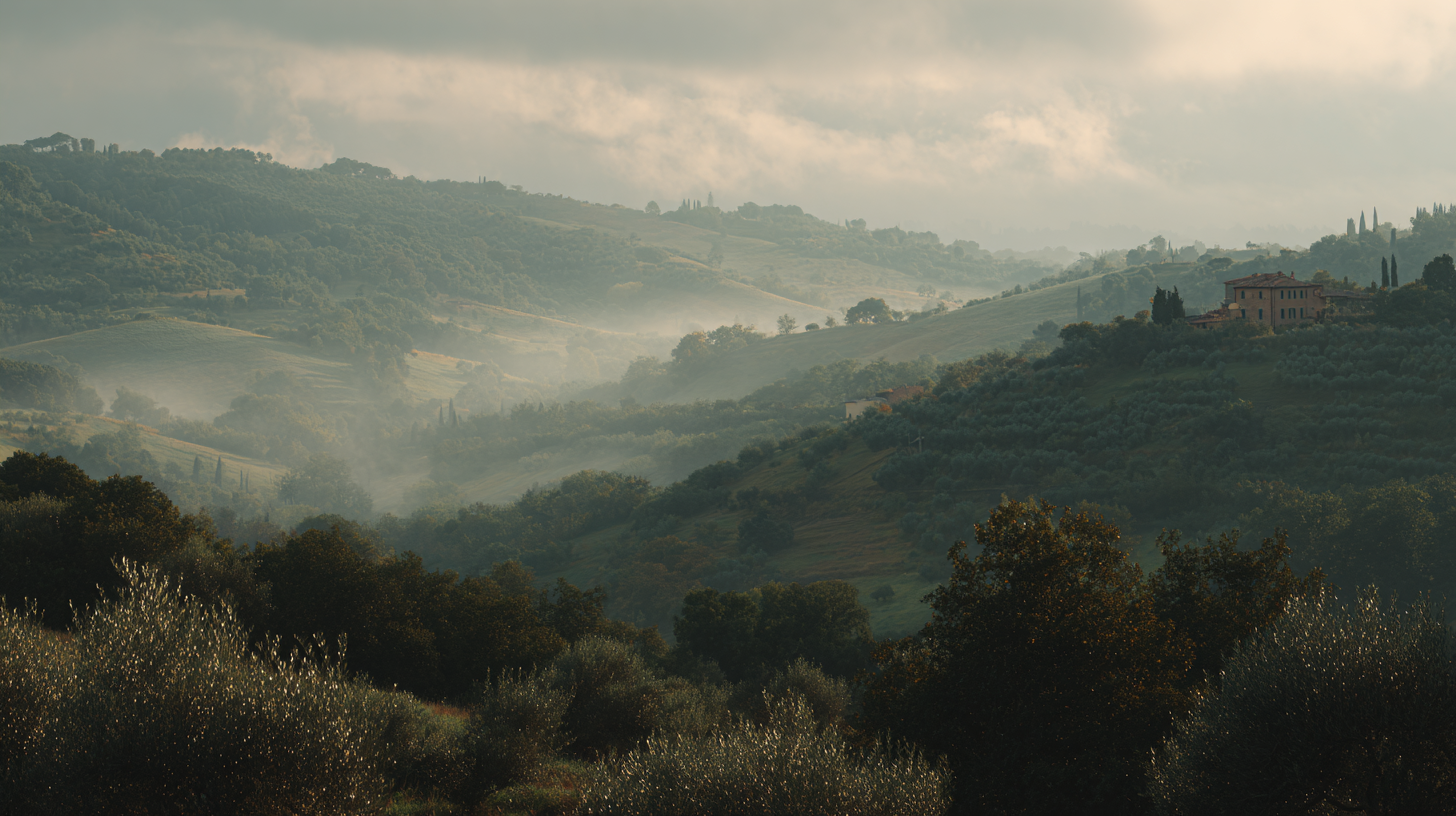
In many rural areas, the landscape communicates its own meaning. Hillsides, vineyards, olive groves, mountain paths, and coastal cliffs shape the pace of the day. The soundscape changes: wind, birds, distant church bells, occasional voices, the clink of tools, the hum of a small town’s daily life. Silence feels normal, not awkward. It creates space for observation.
For travelers, rural Italy often feels like a different dialect of the same country. It can deepen understanding of Italian identity by showing how much of culture is built on place. The loudness of a city piazza makes more sense when you’ve felt the quiet of a countryside evening. Italy is not only social intensity; it is also spaciousness, patience, and seasonal awareness. Listening to the countryside teaches you how Italy breathes.
Italy’s relationship with the land is explored in Rural Charms and Agritourism: An Authentic Italian Experience.
Sustainable Travel and the Modern Italian Conscience
Italy’s cultural communication is also changing, and modern concerns are shaping how locals speak about tourism, place, and responsibility. In many communities, there is a growing awareness that beauty can be fragile. People talk more about preserving landscapes, respecting local rhythms, and protecting what makes a place livable. This is not always framed as ideology; it is often framed as care. Care for towns that are not museums, for coastlines that are not backdrops, for communities that must survive beyond tourist seasons.
You can hear this conscience in the way locals react to behavior. Respect is often rewarded with warmth; disruption is often met with quiet boundaries. Places have social rules, and travelers who listen tend to be welcomed more deeply. This is part of Italy’s communication code: the environment and community speak back. A place is not passive; it responds.
For travelers, sustainable awareness becomes a form of cultural fluency. It means moving with the rhythm of a place rather than pushing against it. It means choosing experiences that support local life rather than draining it. It means listening not only to language, but to what a community values. Italy’s future depends on this kind of attentive travel.
This evolving conscience is central to Exploring Italy Sustainably: A Journey Through Eco-Friendly Travel.
Why Italy Feels Alive: Language as Cultural Glue
What makes Italy feel alive is not any single element—food, music, art, or history—but the way they connect through communication. The country’s cultural language acts like glue, binding experiences together into one coherent emotional world. A meal connects to family; family connects to tradition; tradition connects to festivals; festivals connect to music; music connects to speech; speech connects to gesture; gesture connects to identity. Nothing stands alone. Everything speaks to something else.
Italy also feels alive because it is comfortable with contradiction. It can be loud and quiet, dramatic and restrained, ancient and modern, elegant and chaotic. Communication here allows complexity without needing to flatten it into a neat narrative. Italians often live inside nuance, and their language—spoken and unspoken—reflects that. Meaning does not always arrive in direct statements. It arrives in atmosphere, context, and rhythm.
For travelers, this is the core lesson of Italy. You do not “figure it out” quickly. You enter it gradually through listening and attention. The reward is not certainty, but intimacy. Italy becomes not a place you visited, but a place you interacted with—where the country spoke, and you learned how to respond.
Conclusion: Listening to Italy Before Trying to Understand It
Italy does not reveal itself through speed. It reveals itself through presence. The more you listen—to speech, gestures, music, spaces, meals, rituals, and silence—the more the country opens. You begin noticing how meaning moves here, how social life is built, how beauty is shared, and how identity is performed without being forced. Italy teaches that communication is not only information. It is relationship.
You may leave Italy without perfect vocabulary, but you will remember how the country sounded. You will remember the rhythm of markets, the warmth of tables, the music of voices, the weight of pauses, the elegance of cities, and the softness of rural silence. These sounds become part of your memory of the place. They linger longer than sightseeing.
In Italy, the deepest travel skill is not speaking perfectly. It is listening generously.
And once you begin to listen, the country continues the conversation—long after you’ve gone.
For historical and cultural context, see Encyclopaedia Britannica’s overview of Italy.