
The Many Faces of Japan Natural Beauty
Japan’s natural beauty is a tapestry of dramatic contrasts, shaped by shifting climates and diverse geography across the islands. From one region to another, the country transforms completely—icy volcanoes give way to subtropical jungles, shaped by dramatic shifts in climate and geography that stretch across the archipelago. From one region to the next, the country transforms completely—icy volcanoes give way to subtropical jungles, rugged coastlines blend into quiet rice terraces, and dense cedar forests hide centuries-old shrines. This variety is not accidental; it reflects the deep connection between Japan’s natural environment and its cultural evolution. Artists, writers, and spiritual leaders have long drawn inspiration from the land, creating traditions and aesthetics that mirror these changing landscapes.
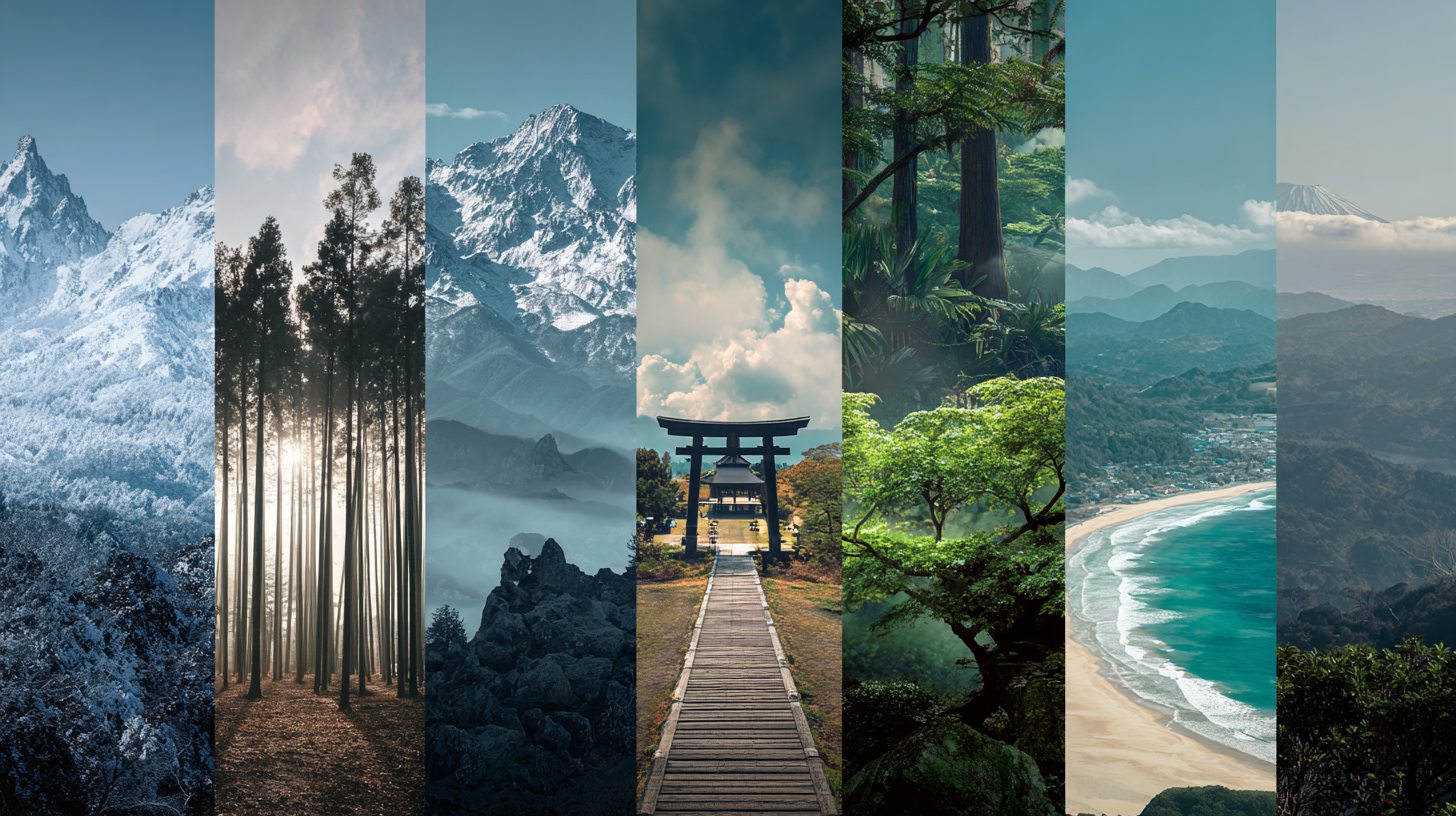
To understand Japan is to understand how deeply nature influences daily life. Seasonal transitions drive festivals, food culture, architecture, and even the emotional “mood” of different regions. Whether it’s cherry blossoms marking the arrival of spring or the crimson glow of autumn forests, nature frames the way Japanese people experience time. Each region offers its own story, shaped by geography as much as history, and together they form a country whose beauty is as diverse as it is unified.
Hokkaido: The Realm of Wild Landscapes
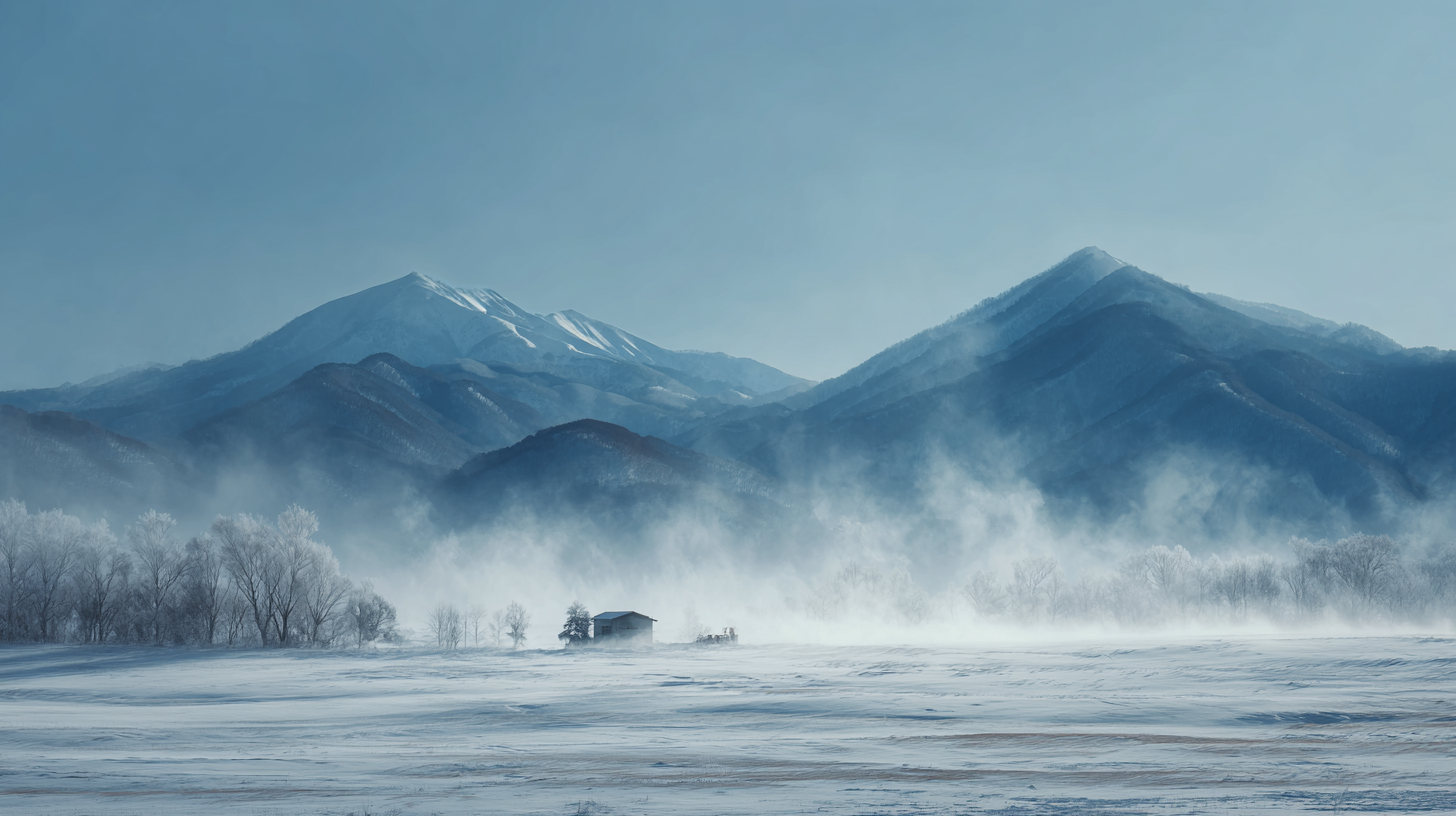
Hokkaido stands apart as Japan’s last true frontier—vast, quiet, and shaped by powerful natural forces. Winter transforms the island into a world of soft powder snow, attracting skiers from across the globe. The silence of frozen lakes, steaming hot springs surrounded by snow, and forests blanketed in white create an atmosphere that feels almost untouched by time. Wildlife roams freely, from red-crowned cranes dancing across the fields to foxes emerging from the trees in the early morning light. This season brings out the island’s stark, yet magical beauty. This region perfectly showcases Japan’s natural beauty, revealing how winter transforms landscapes into something both wild and peaceful.
When the snow melts, Hokkaido becomes an entirely different world. Fields erupt into color, volcanic valleys reveal dramatic geothermal landscapes, and national parks offer some of Japan’s most breathtaking hiking routes. Daisetsuzan, the largest national park in Japan, is a land of deep gorges, rugged trails, alpine flowers, and panoramic mountain views that stretch endlessly in every direction. Summer and autumn bring warm winds, open skies, and a slower rhythm of life that feels far removed from Japan’s major cities. Hokkaido is a place where nature always dominates—and invites travelers to pause and breathe.
Read also: Japanese Festivals and Celebrations
Mount Fuji and the Fuji Five Lakes: Japan’s Sacred Heart
Mount Fuji’s iconic shape is instantly recognizable, rising gracefully above forests, villages, and shimmering lakes. It has long been a symbol of spirituality, artistic inspiration, and national identity. The Fuji Five Lakes region offers the most intimate perspective of the mountain, surrounding travelers with serene landscapes and a calm atmosphere that encourages reflection. Traditional houses and small shrines line the edges of the lakes, while morning mist drifts over the water, creating moments of quiet beauty that feel almost otherworldly. Another unforgettable expression of Japan’s natural beauty appears in the Fuji Five Lakes region, where the mountain’s reflection and calm atmosphere create a sense of timeless harmony.
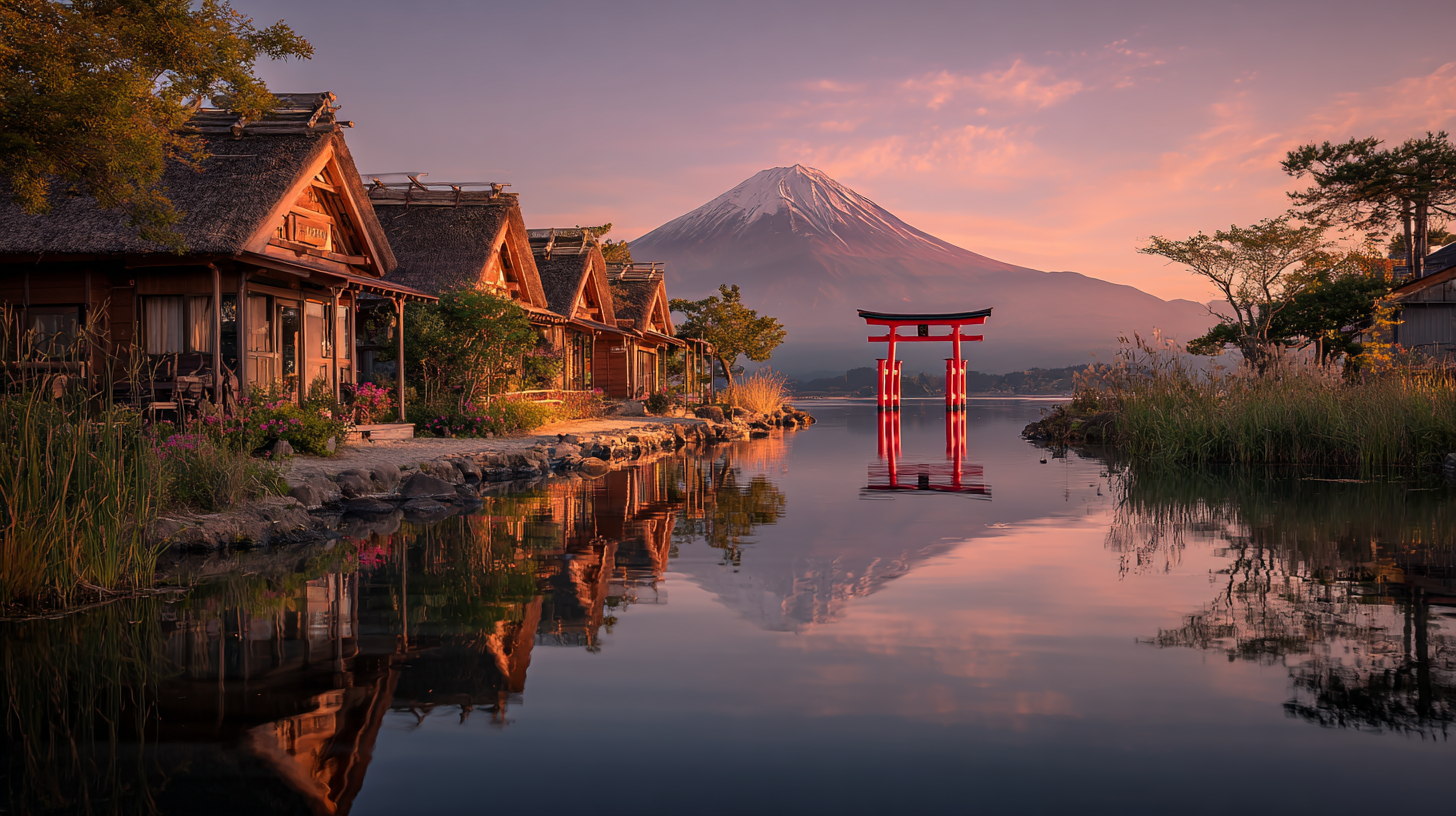
Exploring the region means discovering not only spectacular views, but also the traditions tied to the mountain. Tea fields stretch across gentle slopes, offering sweeping vistas of Fuji’s snow-capped peak. Forest trails weave between ancient cedars, while small villages preserve customs and architecture that have existed for generations. Whether you climb part of the mountain, wander through peaceful lakeside paths, or simply watch the sunset behind Fuji, the experience leaves a lasting impression. It is one of Japan’s rare places that feels both powerful and deeply serene.
The Japanese Alps: Where Tradition Meets Mountain Majesty
The Japanese Alps form the dramatic backbone of central Honshu, carving through the region with jagged peaks, glacial rivers, and deep valleys. These mountains offer some of the country’s most impressive scenic vistas, blending rugged beauty with a sense of calm found only in remote landscapes. Kamikōchi, a highland valley surrounded by towering cliffs, is especially enchanting. Mist rises from the crystal-clear Azusa River at dawn, wooden bridges create picturesque viewpoints, and the quiet forests evoke a feeling of peaceful isolation. Here, Japan’s natural beauty meets centuries-old traditions, creating a landscape where spiritual calm and dramatic mountain scenery exist side by side.
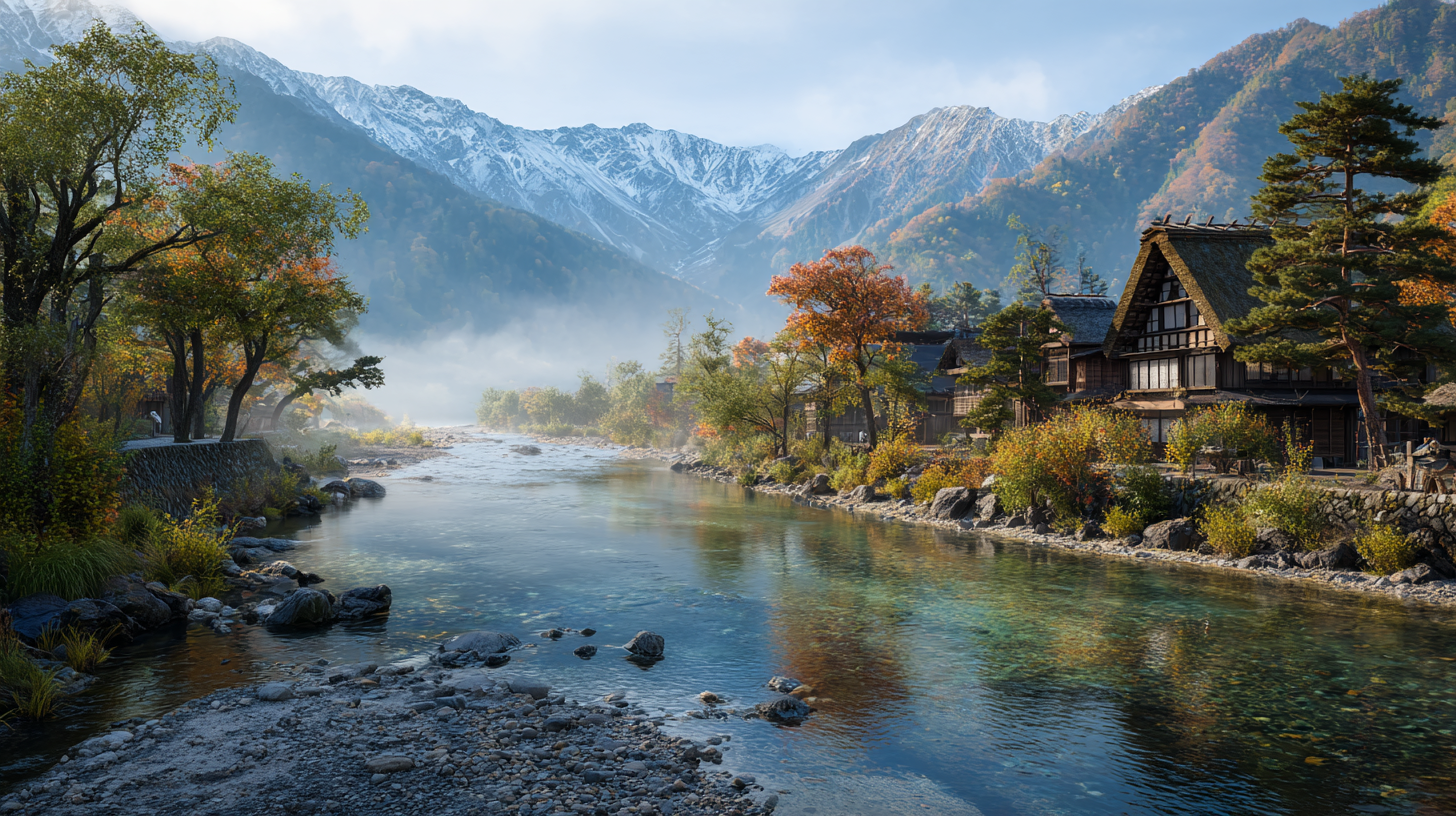
Just beyond the mountains lies Shirakawa-go, a village known for its steep thatched-roof farmhouses that resemble scenes from a fairytale. These structures, designed to withstand heavy snowfall, reflect centuries of adaptation to the environment. The region combines the awe of alpine scenery with the charm of traditional architecture, offering travelers an immersive experience in both natural and cultural heritage. Whether hiking along mountain routes or exploring rustic villages, the Japanese Alps reveal a side of Japan that is both dramatic and deeply rooted in history.
Okinawa: The Tropical Soul of Japan
Okinawa feels like a world apart—warm, sunlit, and shaped by a culture influenced by centuries of Ryukyu Kingdom history. Coral reefs and turquoise water define the coastline, while gentle breezes carry the sound of waves and the scent of tropical flowers. Life on the islands moves at a slower pace, reflecting the easygoing nature of local communities. Traditional music, cuisine, and festivals all carry the rich identity of the Ryukyu heritage, creating a distinctly different atmosphere from mainland Japan.
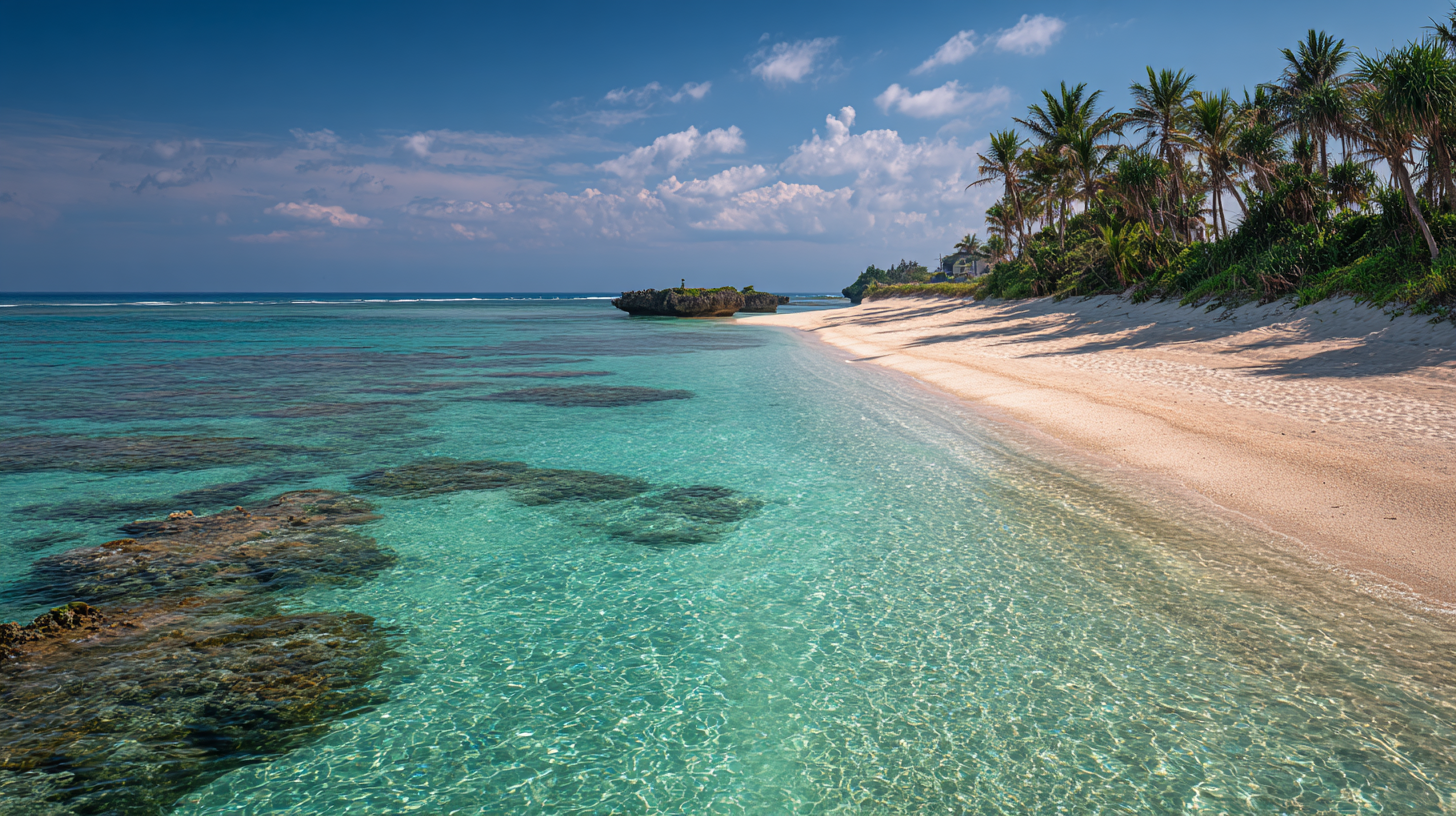
But Okinawa’s beauty goes far beyond the beaches. Inland, mangrove forests, limestone caves, and jungle trails reveal a lush natural world waiting to be explored. Hidden waterfalls and quiet coastal paths offer peaceful escapes where nature dominates the senses. Whether you’re snorkeling among bright coral gardens or visiting historic castle ruins, Okinawa blends natural wonder with cultural depth, creating a destination that feels both relaxing and spiritually uplifting. Together with its tropical character, Okinawa highlights yet another face of Japan’s natural beauty, shaped by coral reefs, jungle paths, and deep cultural roots.
The Seto Inland Sea: Quiet Waters and Artful Islands
The Seto Inland Sea is one of Japan’s most tranquil areas, where gentle tides and soft light create a landscape that feels timeless. The region is dotted with islands, each with its own personality—some covered in olive groves, others home to small fishing towns where life follows the rhythm of the sea. Sunsets here are especially magical, casting warm tones across the water and turning the horizon into glowing layers of pink and gold.
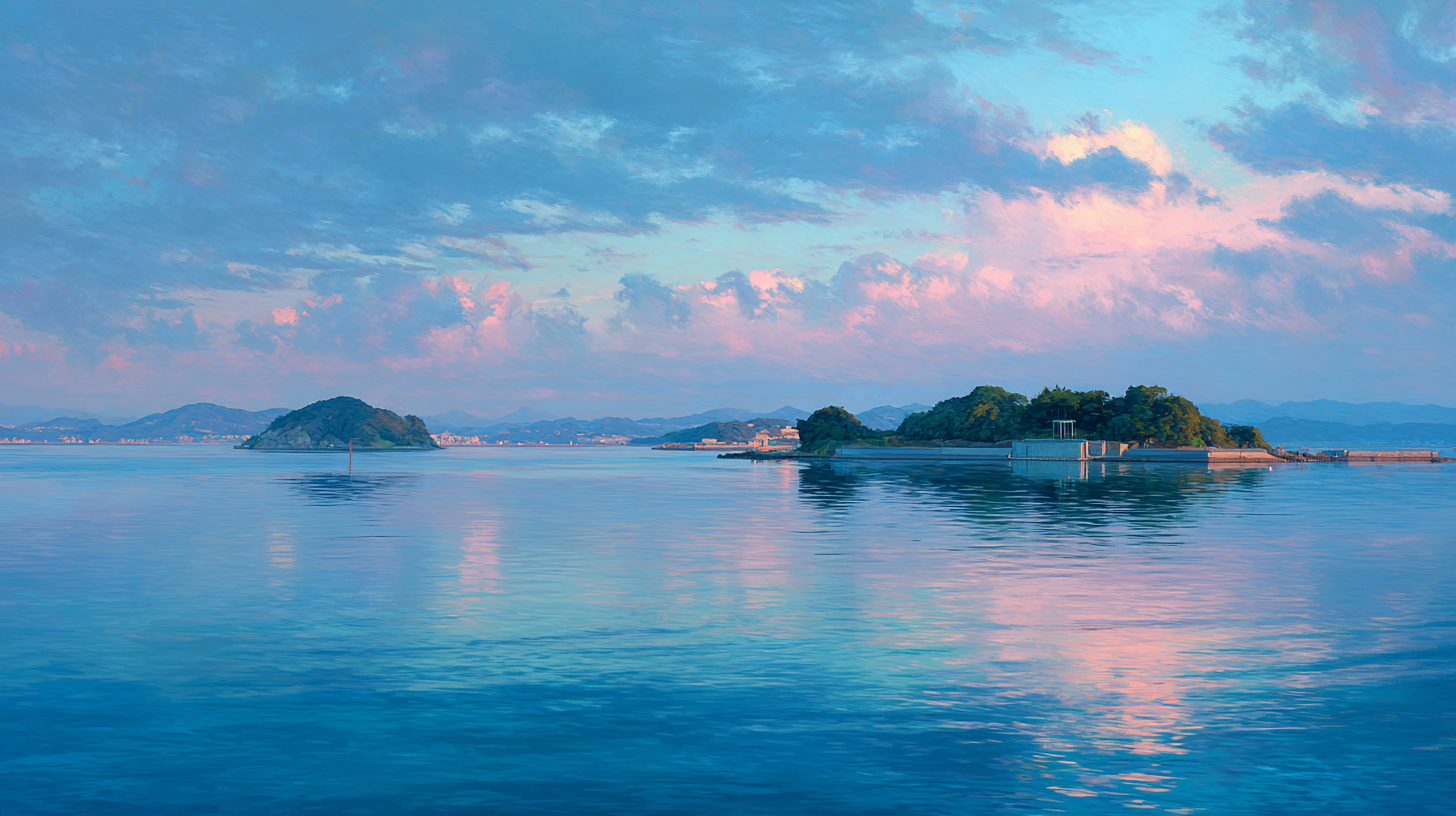
Among the islands, Naoshima, Teshima, and Inujima stand out for their unique blend of modern art and natural scenery. Museums and outdoor installations are integrated into beaches, hillsides, and traditional buildings, creating immersive experiences that invite contemplation. Cycling across the islands on the Shimanami Kaido route offers a rare sense of calm and freedom, as the road winds gently over bridges and quiet coastlines. This region is a perfect escape for travelers seeking beauty, silence, and inspiration.
Yakushima and the Sanriku Coast: Ancient Mystique and Raw Power
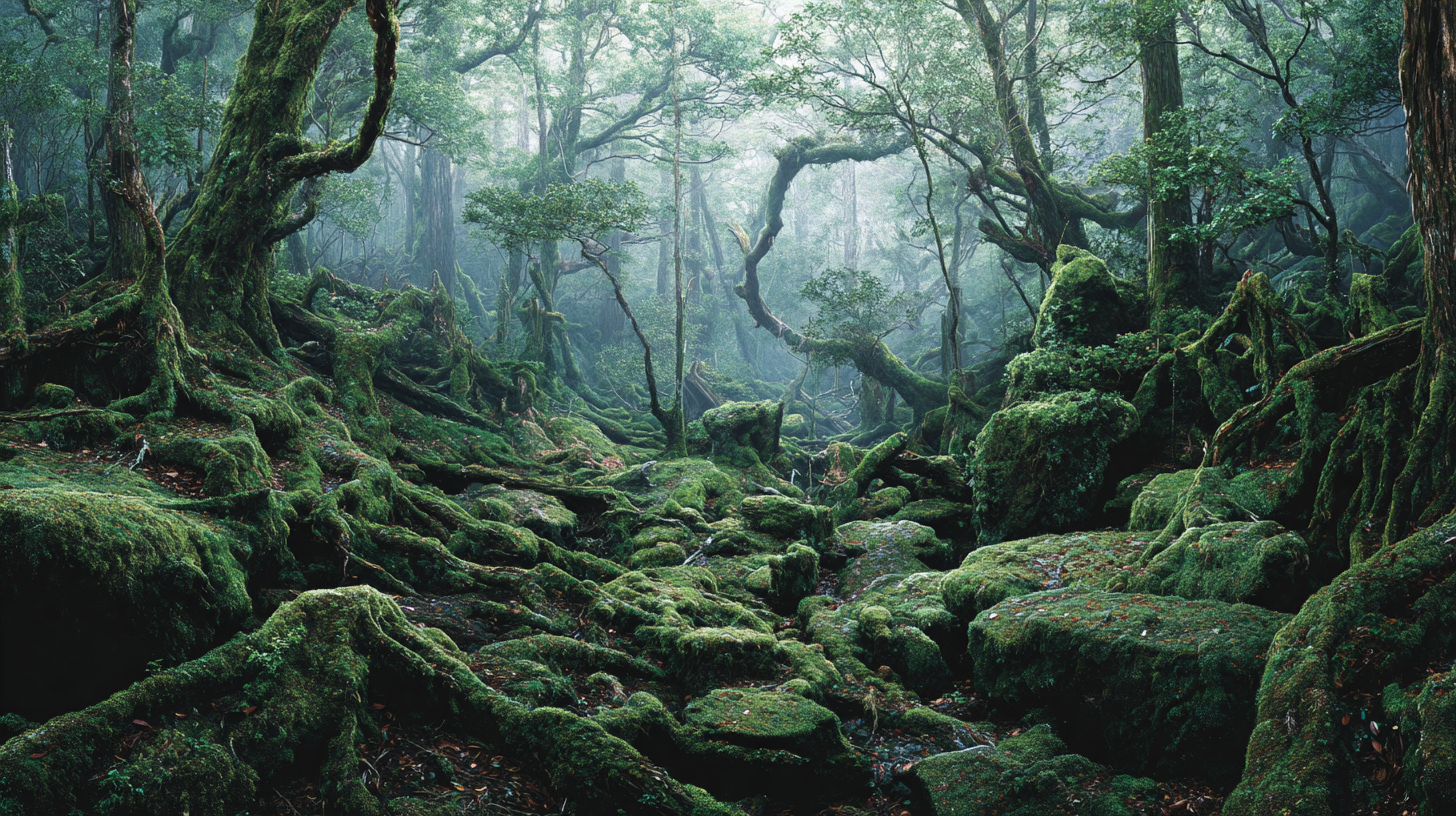
Yakushima is one of Japan’s most enchanting landscapes—a place where ancient cedar forests, moss-covered stones, and drifting mist create scenes reminiscent of a dream. Some trees here are thousands of years old, standing as living monuments to the island’s deep natural history. Hiking through Yakushima feels like entering a different world: streams dance over smooth rocks, twisted roots form natural pathways, and the dense greenery creates a sense of being embraced by the forest.
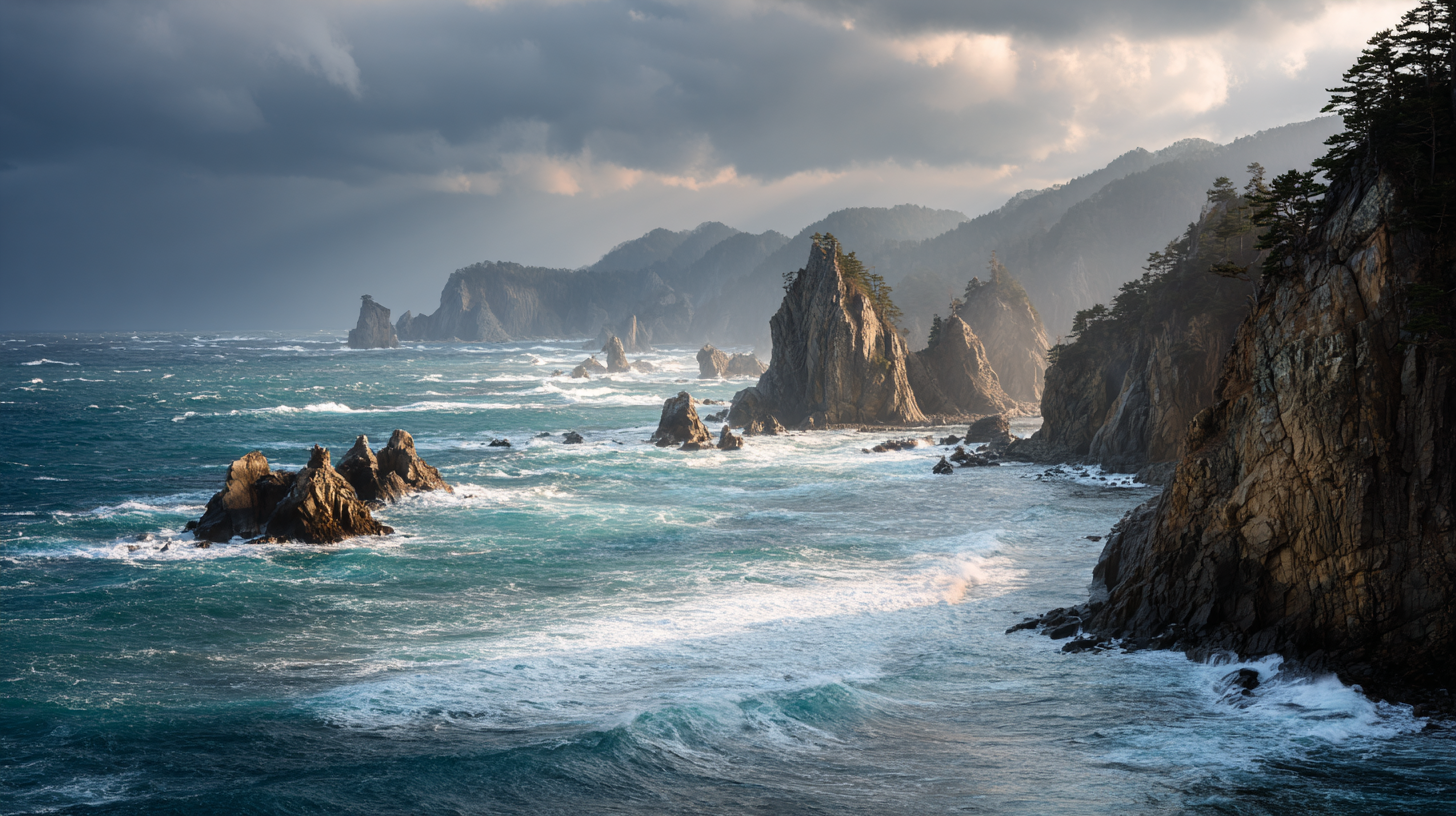
The Sanriku Coast shows a very different, yet equally stunning, side of Japan. Its steep cliffs, rock formations, and powerful waves create a coastline shaped by both natural forces and human resilience. Despite facing devastating disasters, the region has rebuilt itself with strength and care, preserving small fishing communities and scenic viewpoints that overlook the vast Pacific. Traveling here offers a glimpse into Japan’s capacity for endurance, as well as its profound connection to the sea. Together, these destinations reveal the full spectrum of Japan’s natural beauty, from ancient cedar forests to rugged northern coastlines shaped by wind and waves.
More about Japan’s national parks on the official JNTO website