

France has a particular gift: it makes you read more slowly. Not because it’s quiet—Paris is never quiet—but because the country is filled with “literary oxygen.” Side streets feel like paragraphs, cafés feel like footnotes, and even a simple train ride can feel like a chapter break. For travelers who love books, France isn’t just a destination you visit; it’s a place you interpret. And the deeper you lean into that, the more the trip stops being sightseeing and starts becoming a personal story.
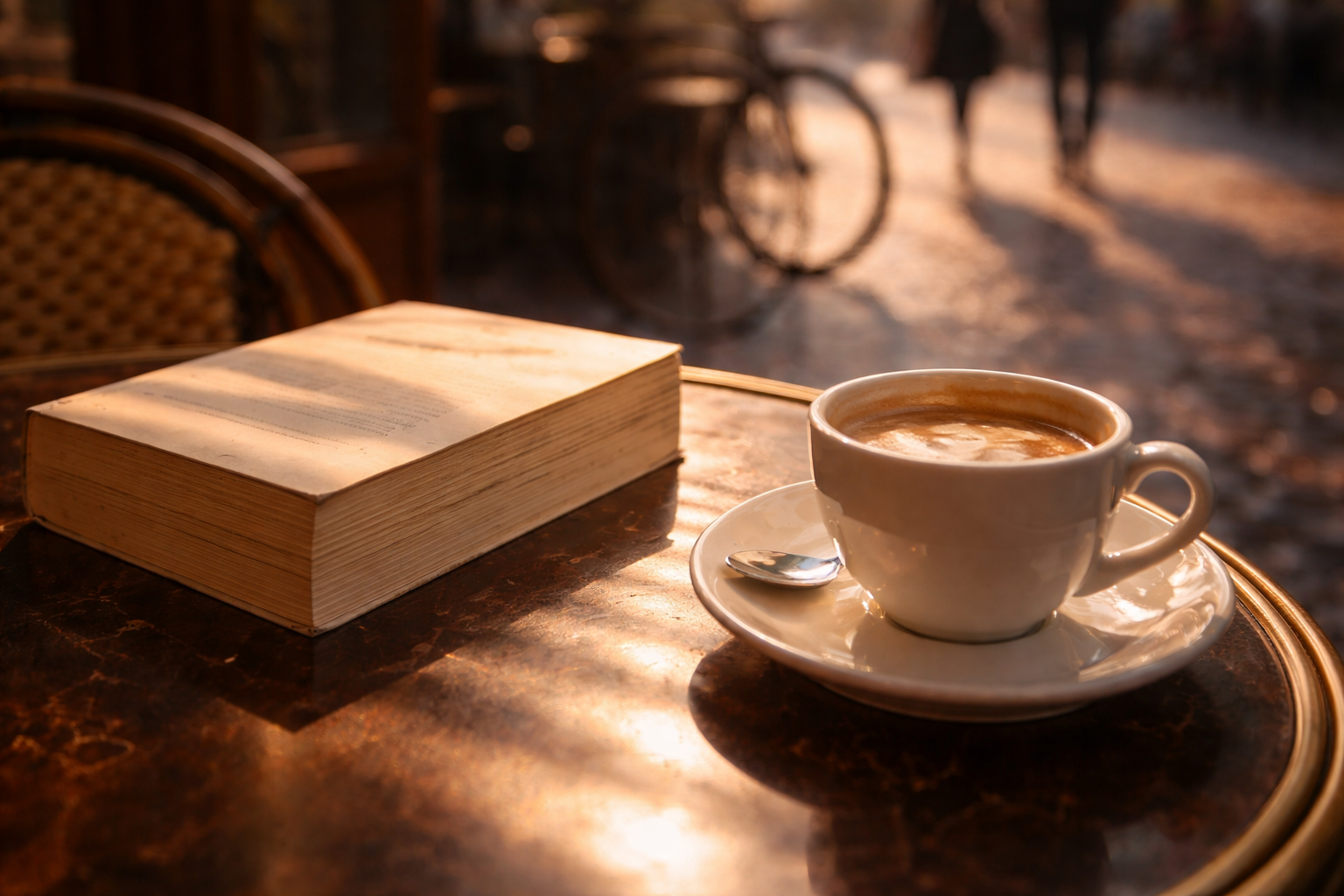
The mistake many people make is turning a literary trip into a list of famous names. They visit one writer’s house, take a photo, buy a postcard, and move on. It looks good on paper, but it doesn’t feel like literature. The best literary travel in France is built differently: it’s less about hunting monuments and more about stepping into the moods that created the writing—walking speed, light, distance, routine, and the kind of places where thoughts actually form.
This guide gives you that structure. You’ll get a Paris core (because it’s unavoidable and worth it), a few “story arcs” you can choose depending on your taste, and practical ways to plan without overloading your days. It’s written for real travel: you can use it whether you have one day in Paris or a full week wandering through France with a paperback in your bag.
How to Plan a Literary Trip Without Making It Feel Like Homework
Start by choosing your “reading mood,” not your author list. Do you want big emotions and dramatic settings, the kind that feel like classic French novels? Do you want swashbuckling adventure and larger-than-life characters? Do you want modern introspection—bookshops, cafés, and slow observation? France can deliver all of that, but it delivers best when you pick one dominant mood and let the rest be supporting scenes.

Then decide how you want to experience literature: through places, through reading, or through atmosphere. Some travelers want locations—homes, cafés, neighborhoods that shaped writing. Others want the reading experience itself: buying books, sitting somewhere beautiful, reading until time dissolves. Many want a mix. The key is not to cram everything into one day. Literature is slow by nature, and your trip becomes more powerful when your pace reflects that.
Finally, build your days like chapters. Begin with something sensory—morning walk, bakery, quiet street. Add one anchor “literary stop.” Then give yourself a long middle section where you wander and notice details. End with a place to sit. This structure is what transforms literary travel in France from a museum-like exercise into something that actually changes your mood.
Paris as a Living Library: Where the City Itself Does Half the Work
Paris is the easiest place to start because it’s dense with literary atmosphere. You don’t need a guided tour to feel it. The city invites observation: people watching from café terraces, long walks along the Seine, little courtyards where you unexpectedly hear only footsteps and pigeons. Even if you never visit a museum, Paris can still feel literary—because it encourages the very behaviors that books are made of: attention, wandering, and time spent alone in public.
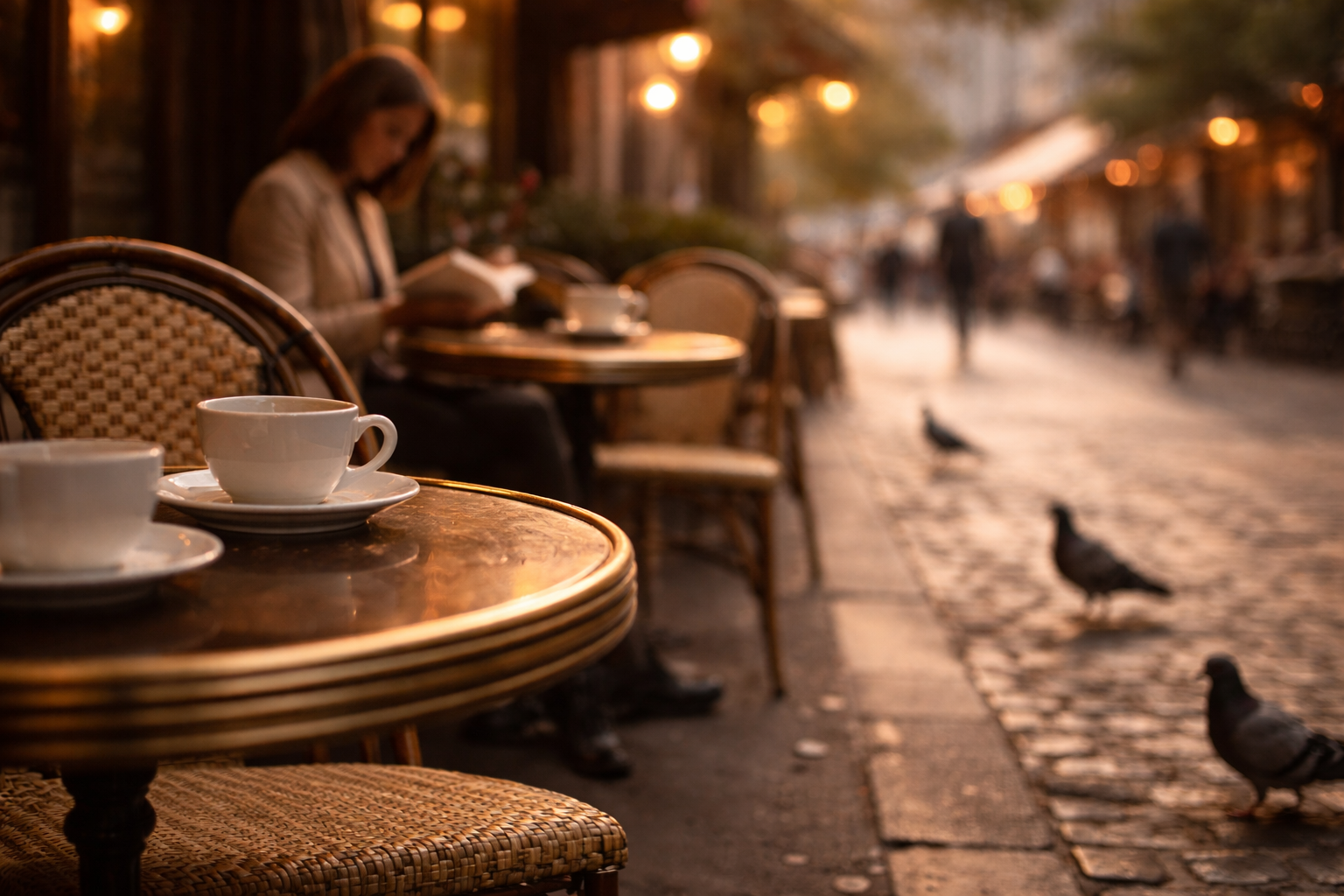
The secret is to treat neighborhoods like genres. The Left Bank leans reflective and intellectual, with a history of writers and thinkers arguing into the night. The Marais feels like layered memory—old stone, narrow streets, private courtyards. The Latin Quarter carries student energy and the sense that ideas are always in motion. You can “do Paris” like a checklist, or you can let it become a book you walk through slowly. For many readers, even a quick visit to Shakespeare and Company feels like stepping into Paris’s bookish heartbeat.
[GetYourGuide Tip]: If you want an easy “bookish Paris” add-on, browse Shakespeare and Company tours & tickets for a compact literary walk.
A good Paris literary day is built around one or two meaningful stops, not ten. Pick a bookshop, a writer-related site, and one café where you commit to sitting for a full hour—no rushing, no scrolling, just being present. When you do that, you stop consuming the city and start absorbing it.
If the Latin Quarter’s student energy makes you think about learning here, this study abroad in France guide breaks down language schools, short courses, and practical planning.
Victor Hugo’s Paris: Where Grandeur Meets Human Weight
Victor Hugo is one of those writers whose work feels larger than life—but his stories are also deeply human: injustice, redemption, love, grief, public life, private conscience. Paris is central to that tension, and walking his Paris can feel like standing inside a moral landscape. You don’t need to be a scholar to feel it. You just need a willingness to slow down and look.
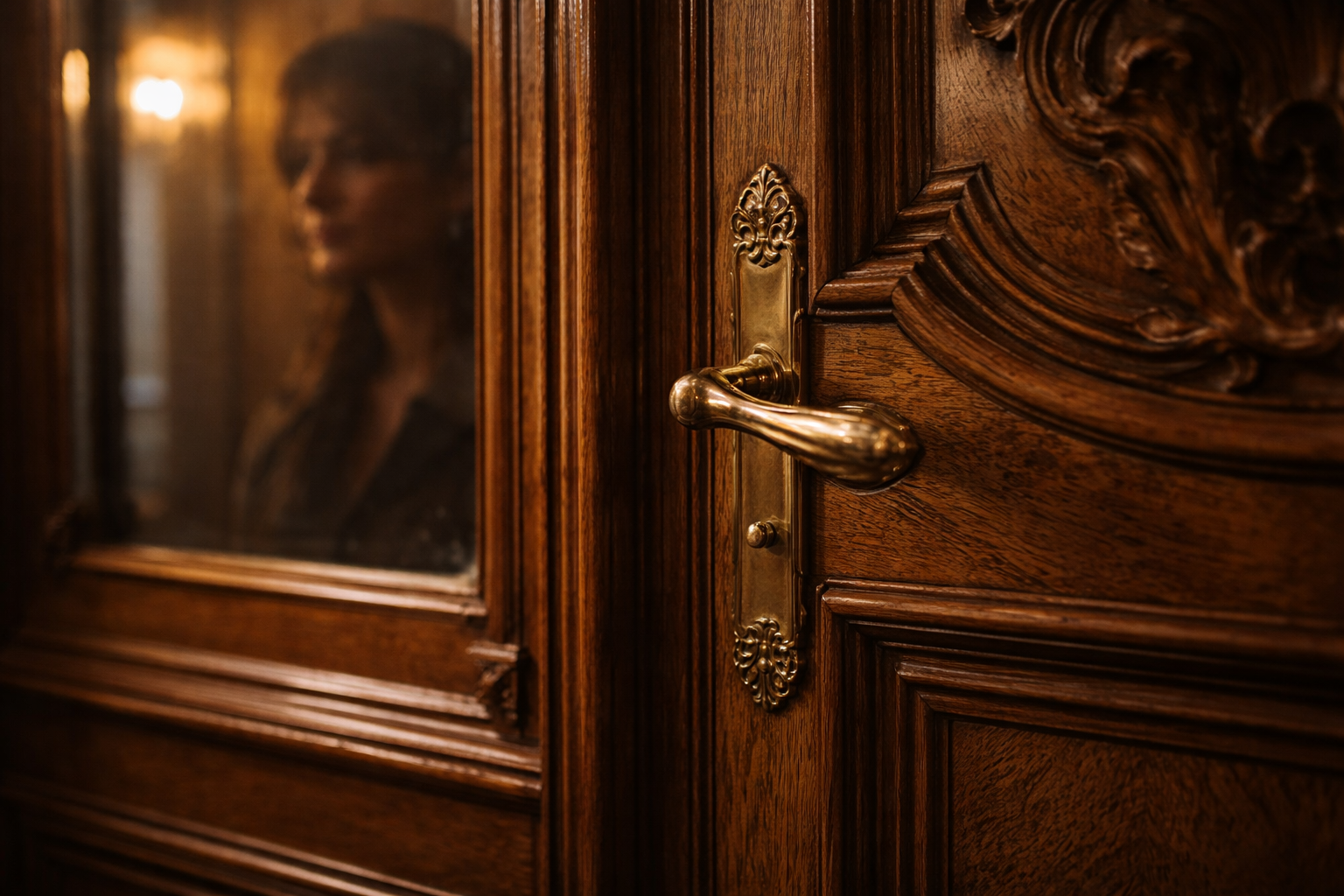
A strong starting point is Maison de Victor Hugo, which gives you a rare sense of a writer as a working human being rather than a distant statue. Seeing the space where someone wrote and lived can change how you read them; it pulls literature back into the realm of routine—days, drafts, mornings, fatigue, persistence. It’s also located in an area that’s simply good for walking, which means you can let the visit spill into a broader neighborhood wander.
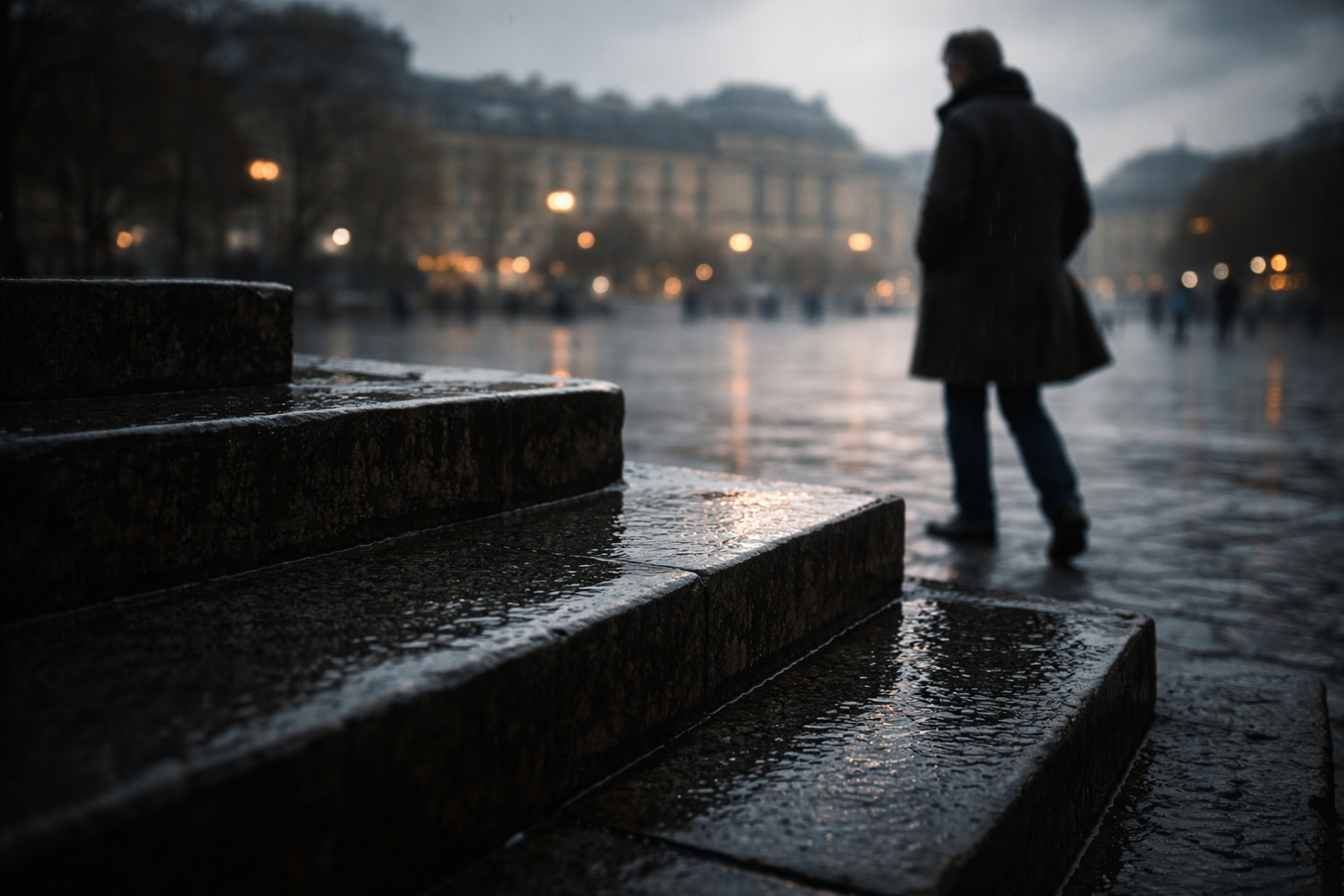
From there, build a “Hugo walk” around contrasts: wide civic spaces and narrow human streets, grandeur and grit, beauty and shadow. Even if you don’t follow an exact route, keep the mood: let yourself notice the way Paris holds both spectacle and suffering at the same time. That duality is exactly why Hugo still feels relevant—and why his Paris doesn’t feel like the past.
Before you go, check the official Maison de Victor Hugo visitor info for opening hours and any temporary exhibition tickets.
Alexandre Dumas: Adventure Energy, Theatrical Paris, and One Perfect Day Trip
If Hugo is moral weight, Dumas is momentum. His stories move like a heartbeat—betrayal, escape, loyalty, revenge, reinvention. A Dumas-inspired day in France should feel like motion, not contemplation. Paris works well for this because it’s theatrical by nature: bridges, grand boulevards, sudden reveal moments, and a city layout that feels like it was designed for dramatic entrances.
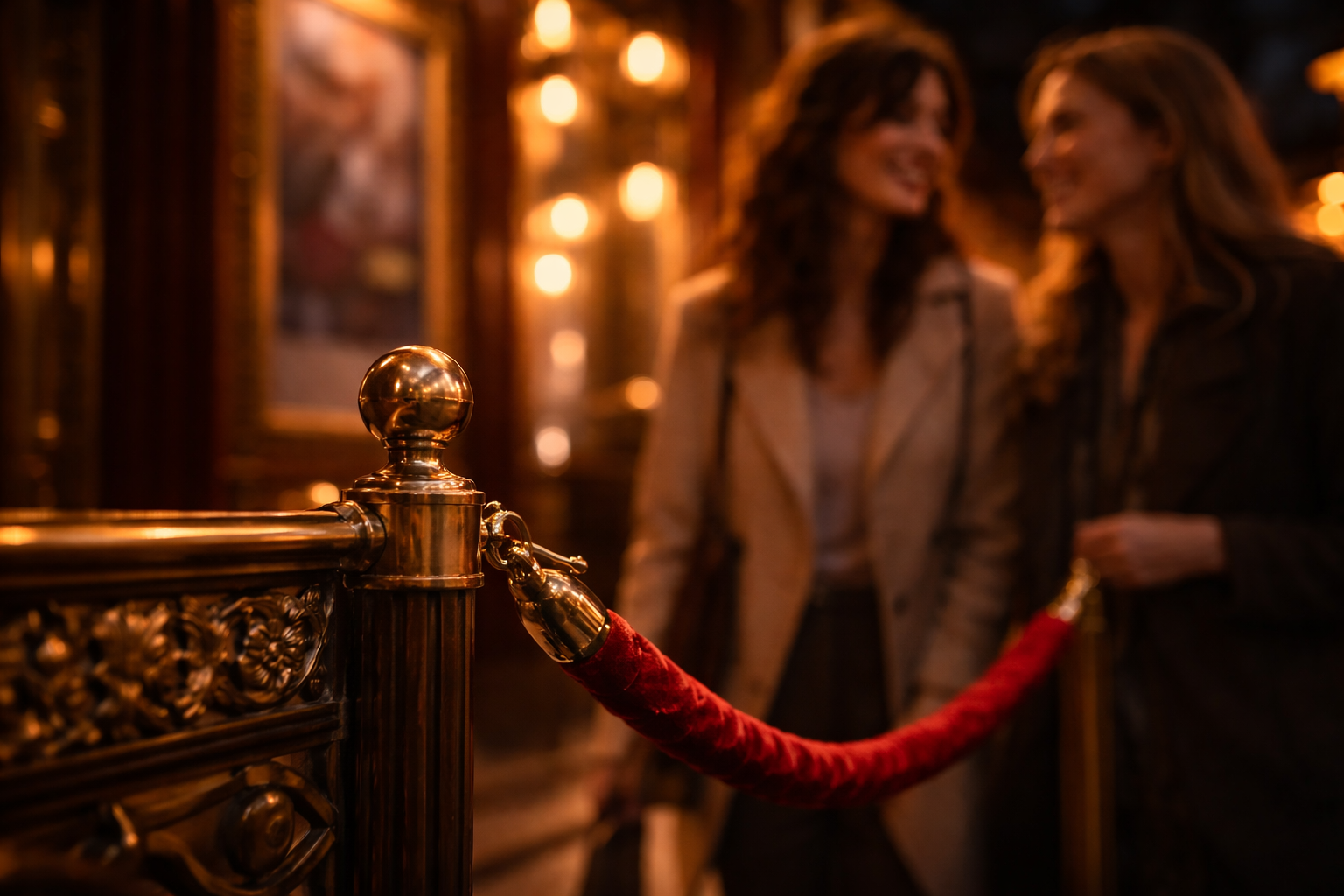
To make this experience feel real, don’t try to “cover Dumas.” Instead, pick one Paris evening for theatre energy: a show, a performance, or simply a walk through areas where the city feels staged and alive. Dumas wrote for audiences as well as readers, and that matters—his world is meant to be felt with the senses, not only understood in quiet.
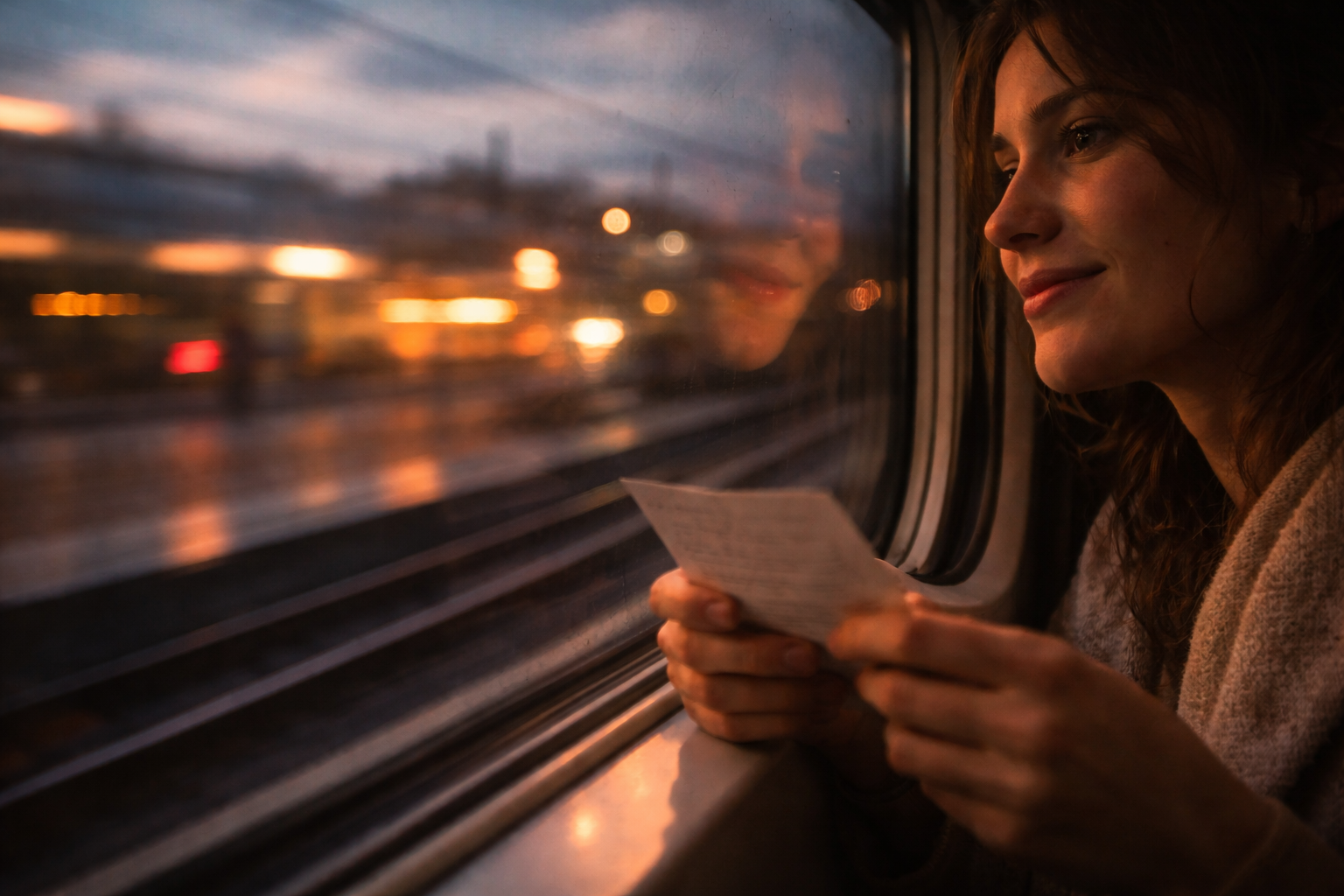
If you have time, a day trip connected to Dumas can be the perfect “adventure chapter.” A short journey out of the city, a place with a strong atmosphere, and then a return to Paris at night creates a narrative arc: departure, discovery, return. That structure alone makes your trip feel like a novel, even if you never open a book that day.
The Paris Bookshop Ritual: Buy a Book Like You’re Buying a Memory
Bookshops are not just stores in Paris—they’re cultural rooms. Entering one is like stepping into a different tempo: paper smell, quiet movement, staff that treat books seriously, and shelves that feel curated rather than purely commercial. Even if you buy nothing, the experience feeds the literary mood of the city. But if you buy one book, it becomes a physical souvenir with real emotional value.

The trick is to choose a book that matches your trip, not your ego. Don’t buy something you feel you “should” read. Buy something that fits the version of you that exists on this journey. A slim novel you can finish in a week is often a better travel companion than a giant classic that turns into baggage guilt. France rewards the kind of reading that feels lived, not performed.
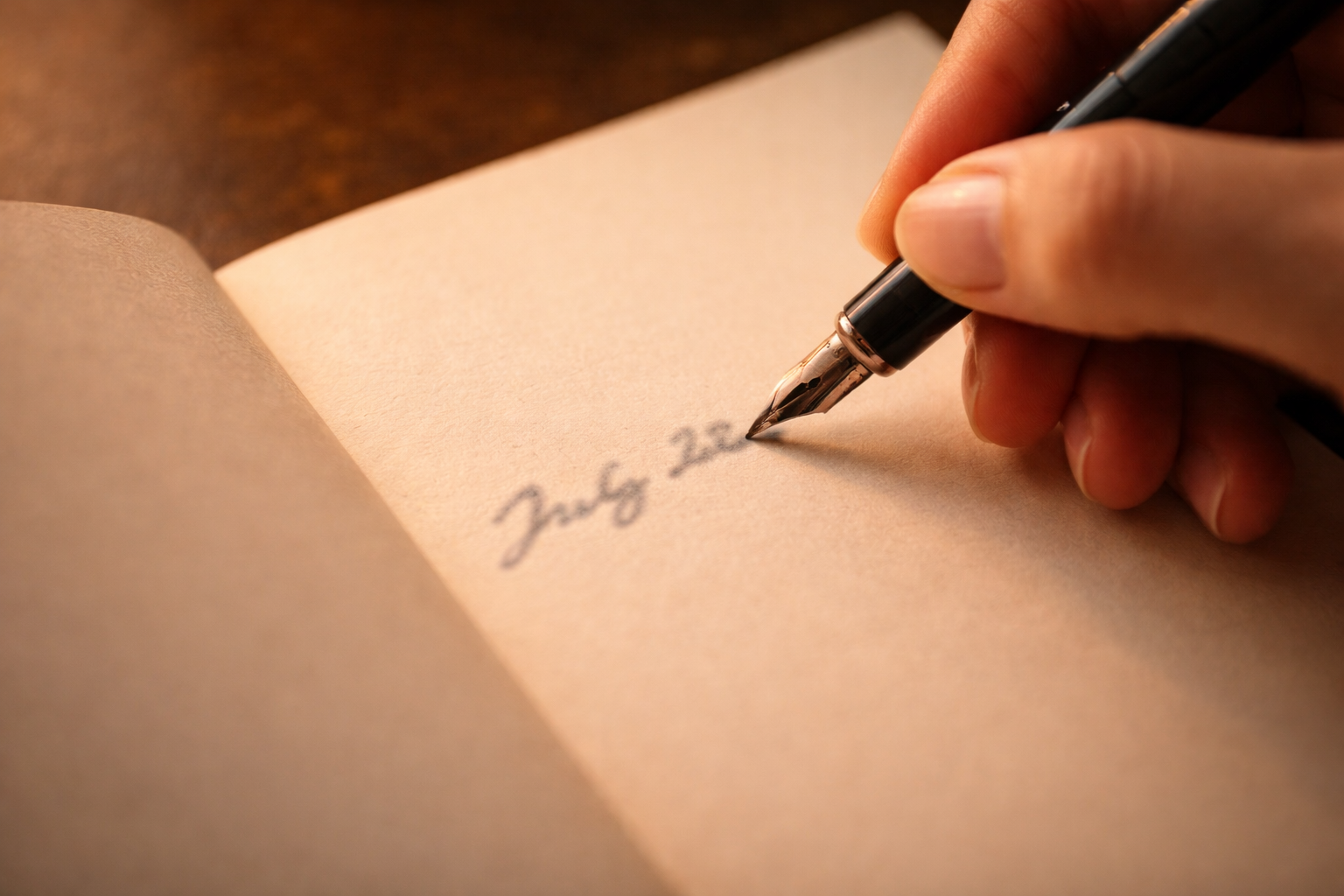
Make a ritual of it. Buy the book in the afternoon. Carry it through the city. Read the first pages in a café. Write the date inside the cover. Later, when you’re home, you’ll open it and feel the trip return instantly. That’s not just romantic—it’s practical memory design.
Cafés as Writing Rooms: How to Use Paris Literary Cafés Without Feeling Like a Tourist
The café is one of France’s most underestimated literary tools. It gives you a public place to be alone, to observe without performing, to sit for long periods without needing a reason. This is where writers think—because thinking often needs a backdrop, not silence. And Paris is full of cafés that feel made for this exact purpose. It’s the same reason so many writers in Paris treated cafés as their real offices—public, warm, and endlessly alive.

You don’t need to chase “famous writer cafés” to get the effect. In fact, the best experience often happens in a non-famous place: a neighborhood café where locals talk softly, cups clink, and the city moves past the window like a film. If you do want that iconic feeling, choose one of the classic Paris literary cafés and go early or on a weekday so you can actually sit without fighting crowds.
Your goal is not to sit where someone once sat. Your goal is to feel why someone would want to sit there for hours. Bring a notebook. Read a chapter. Write a paragraph. Make the café part of your itinerary the same way a museum would be—because for a literary traveler, it’s equally meaningful.
A Touch of Fantasy: Landscapes That Feel Like Fiction
Not every literary journey needs to be strictly “author accurate.” Sometimes the most satisfying reading moments happen when a landscape feels fictional—even if no famous writer “claimed” it. France has regions that naturally create that sense: mountains that feel mythic, villages that feel suspended in time, forests that feel like scenes waiting for characters to enter.
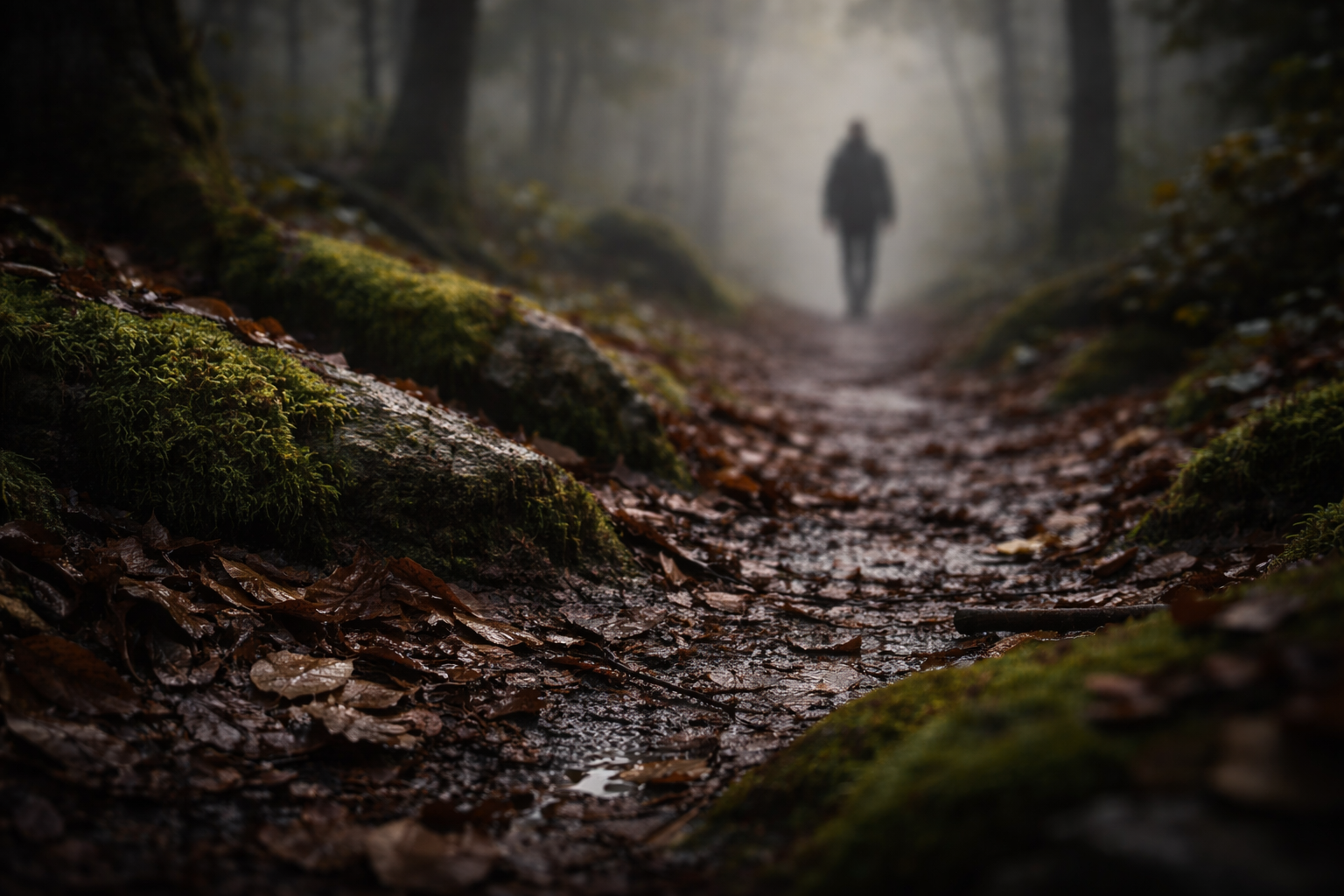
If you love fantasy or “magical realism” travel, the move is simple: pick one day where the destination is a landscape, not a landmark. Go somewhere with wide horizons, dramatic weather, or quiet villages. Bring a book that matches the mood. Let the day be slower and less photographed. That’s how you create a memory that feels like fiction—because you experienced it like fiction, not like content.
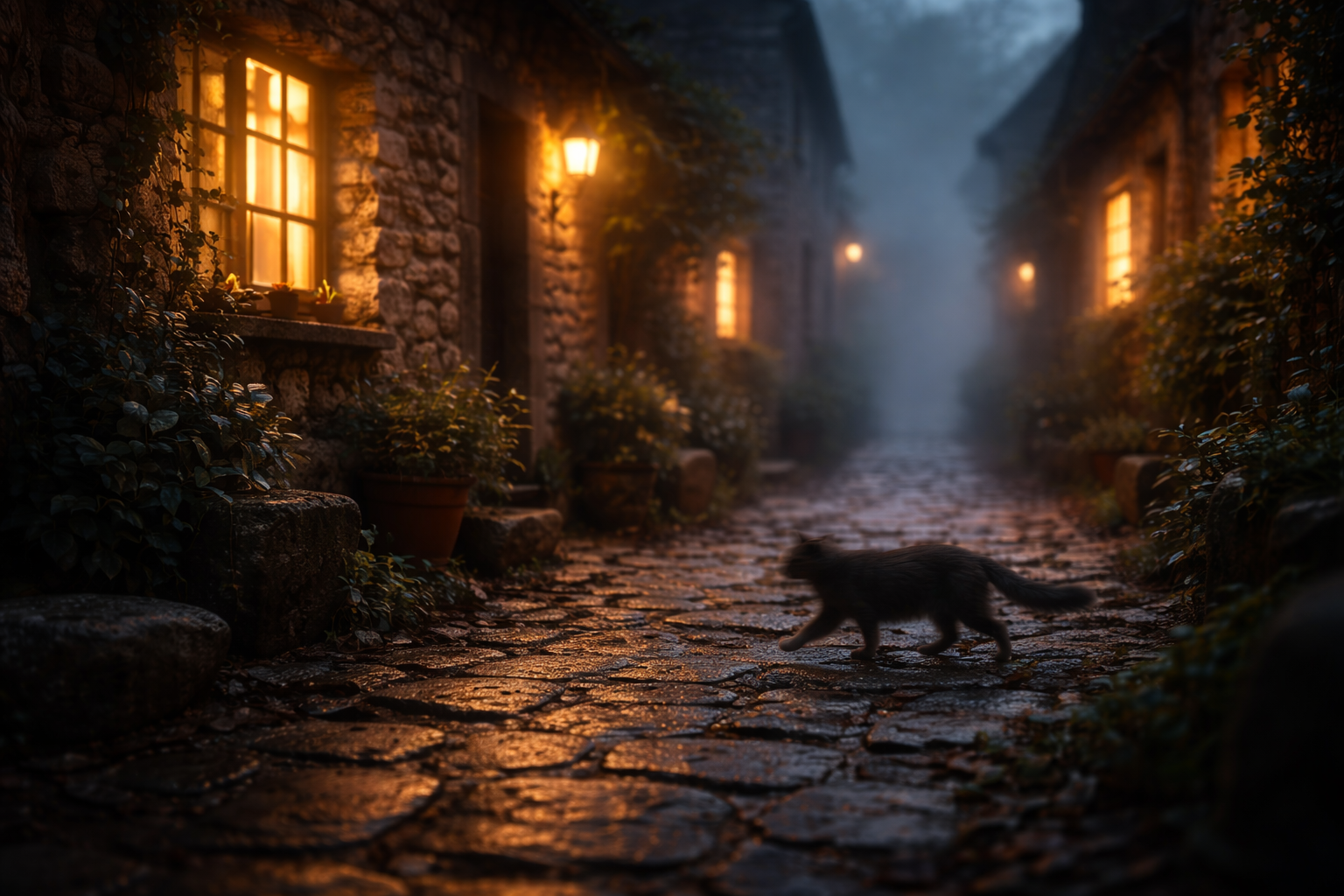
This is also how you avoid turning your literary trip into a rigid tour. A story needs space for imagination. France is good at giving you that space if you stop trying to control every detail.
A Simple 3-Tier Itinerary You Can Actually Use
If you want an easy way to plan, choose your trip length and follow a simple structure.

One day (Paris-only):
Start with a long morning walk. Add one writer-related stop. Do one bookshop. Finish with a long café session where you read and write. The goal is mood, not coverage.
Three days (Paris + one “chapter shift”):
Day 1: Paris neighborhoods and bookshops.
Day 2: writer-focused day (Hugo or Dumas style).
Day 3: a day trip or landscape day for contrast—so the story expands beyond the city.
One week (Paris + regions):
Use Paris as the prologue and epilogue, and make the middle of the week about regional atmosphere: slower towns, different light, a different pace of thought. The trip will feel like a complete novel rather than a long Paris weekend.
This is the easiest way to keep your literary travel in France coherent. You’re not just moving through space—you’re moving through moods.
Practical Tips That Make a Literary Trip Better
First: don’t overschedule. If you’re rushing, you’re missing the whole point. Literature is not a sprint, and a literary trip shouldn’t be either. Plan fewer “stops,” but spend longer in each.

Second: travel with one physical book, even if you normally use an e-reader. A physical book changes your behavior. You read differently. People notice it. It becomes part of the trip’s aesthetic and ritual. It also becomes a tangible souvenir that doesn’t feel cheap or generic.
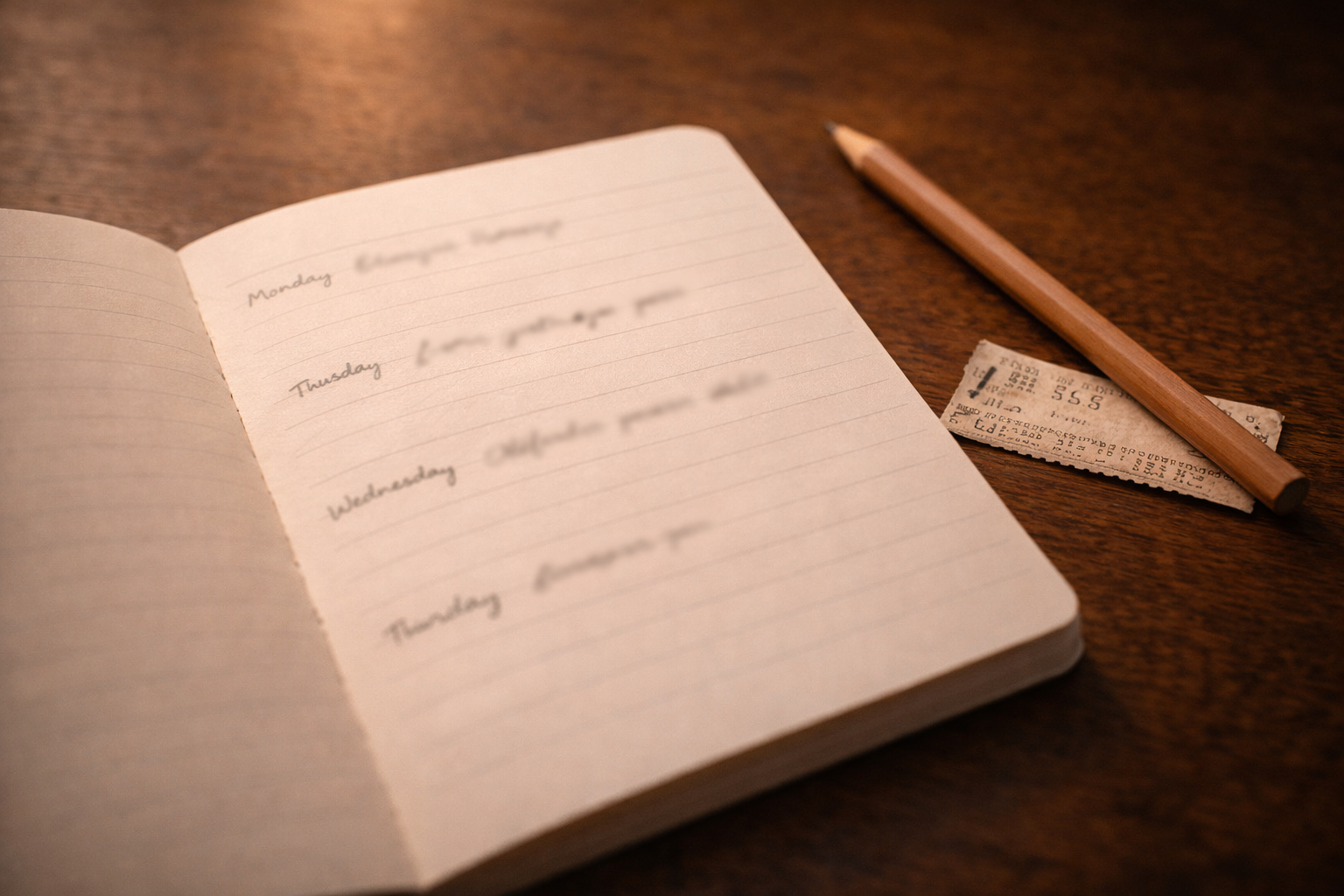
Third: keep your “capture” simple. One sentence per day in a notebook. One quote you loved. One observation from a café. This takes two minutes and makes your memory richer than fifty photos.
Conclusion: Why Literary Travel in France Feels So Personal
France doesn’t just offer literary history—it offers literary conditions. It gives you places where it’s normal to sit, to watch, to read, to think, to argue softly, to wander without a plan. That’s why a literary trip here feels personal even when you follow a popular route. You’re not only tracing famous names; you’re borrowing a way of being in the world.
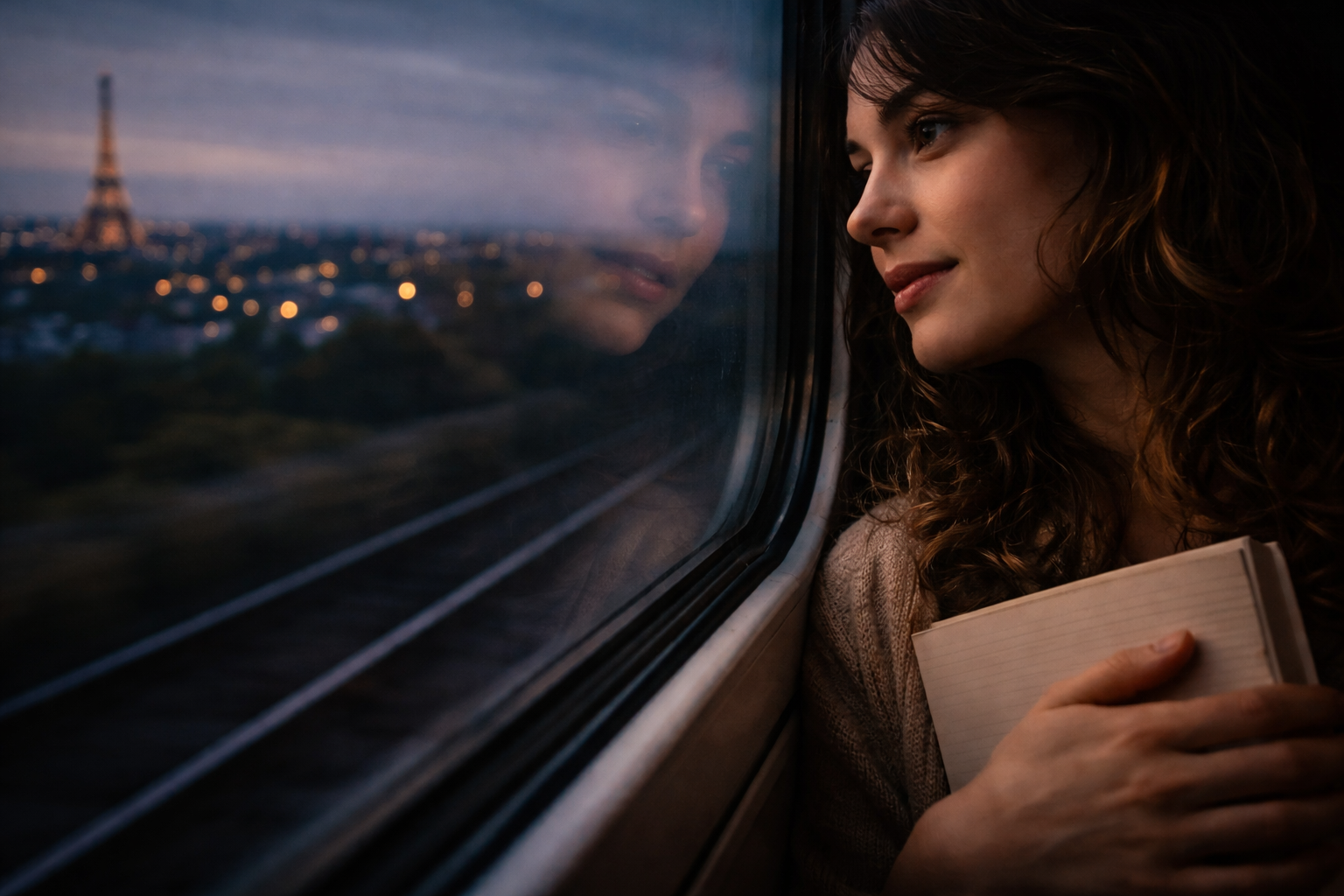
If you build your days around mood—walking, one meaningful stop, reading time, and slow observation—your trip becomes more than “travel.” It becomes a practice. And when you return home, you don’t just remember France. You remember a version of yourself that moved differently, noticed more, and lived inside time instead of chasing it. That’s the real gift of literary travel in France.