
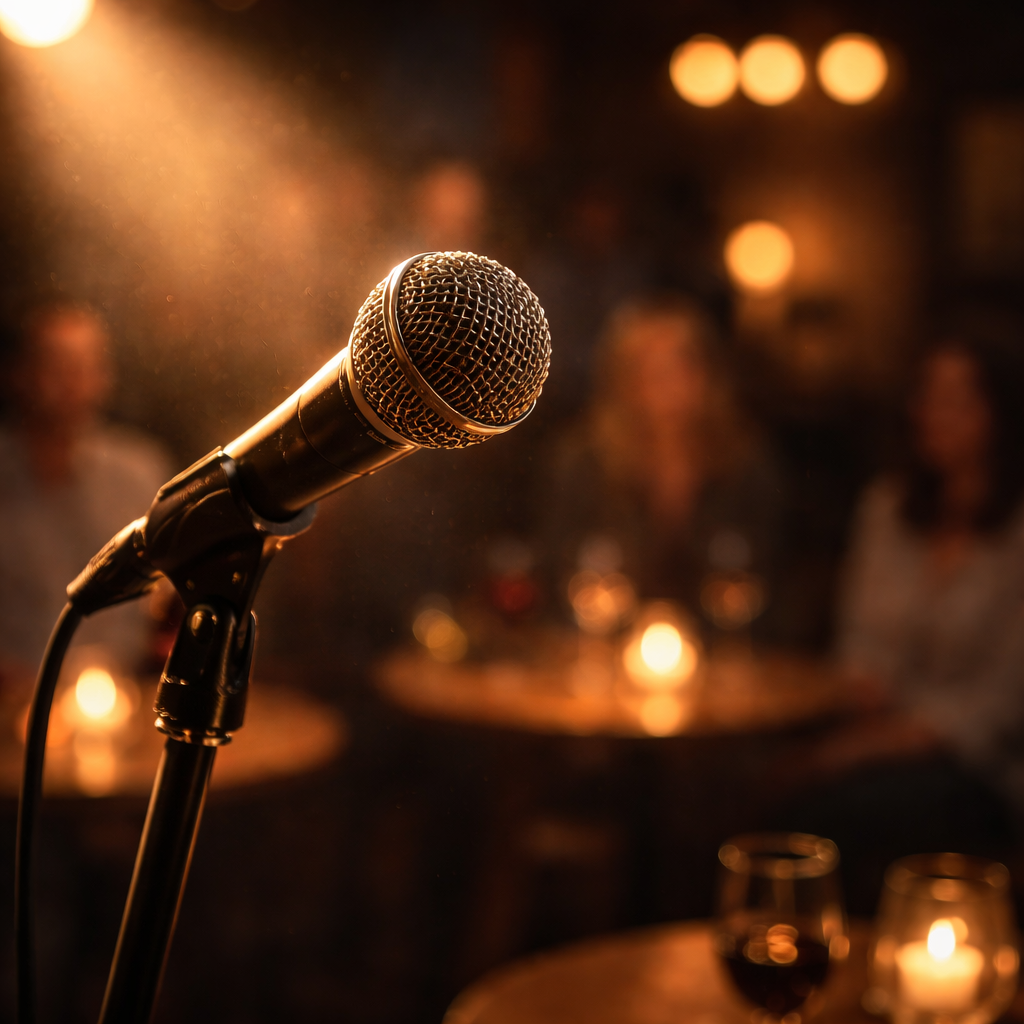
France is a country you can “see” in museums—but you can feel it at night, when the city becomes a stage. Music in France isn’t one scene; it’s a spectrum that shifts by neighborhood, region, and season. One evening can sound like velvet jazz in an underground club, another like a symphony rising in a gilded hall, and another like electronic pulses rolling through a warehouse-sized venue. If you want France to feel alive rather than postcard-perfect, build at least a few nights around sound.
The reason this topic works so well for readers is simple: most travelers want nightlife, but not everyone wants clubs. Music becomes the middle path—social, atmospheric, deeply local—without requiring you to “party hard.” The best nights in France often aren’t the most expensive or the most famous. They’re the ones where you arrive with a small plan, choose the right setting for your mood, and let the evening unfold in a way that feels effortless.
This guide turns the broad topic into something usable. Instead of listing genres like a textbook, it shows you how to experience them: where to go, how to choose venues, how to avoid tourist traps, how to plan around energy and budget, and how to build a “music night” into your itinerary without burning out. If you follow it, live music in France becomes a travel tool—not just a cultural fact.
How to Plan a Music Night in France Without Guessing
A successful music night starts with one decision: do you want a “sit and listen” vibe or a “move and mingle” vibe? France does both beautifully, but the experience feels completely different. Concert halls, chamber settings, and some jazz rooms reward attention and calm; late-night venues and electronic spaces reward movement, social energy, and flexible timing. If you pick the wrong format for your mood, you’ll feel out of place even if the music is great.
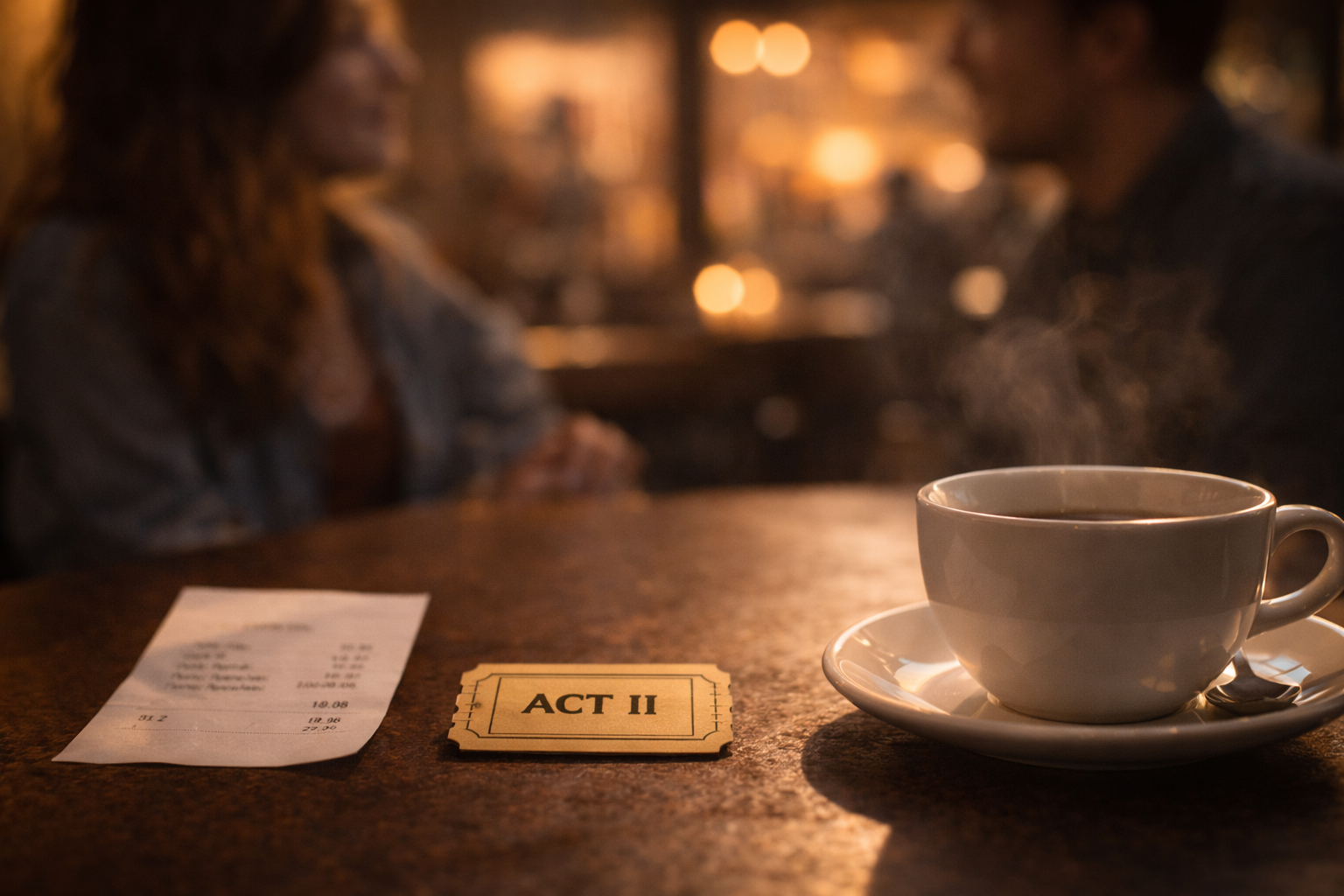
Then, plan your night in three acts. Act one is a slow start—dinner, a café, a short walk—so you arrive in the venue with energy rather than stress. Act two is the show itself, where you choose one main experience instead of chasing five smaller ones. Act three is the landing: a late drink, a night walk, or simply an early return that lets the experience stay warm instead of becoming chaotic. This structure is how you make France nights memorable instead of messy.
Finally, accept the “France reality”: great experiences can be spontaneous, but the best ones still benefit from light preparation. You don’t have to book everything weeks in advance, yet it helps to know your options for each neighborhood and have one backup if a venue is sold out. This is the mindset that turns live music in France into something you can reliably enjoy, even on a tight schedule.
Classical France: When Grandeur Is the Point, Not the Problem
France’s classical tradition isn’t only about history—it’s about atmosphere. A concert in a beautiful hall can feel like stepping into a slower timeline, where attention becomes a luxury and silence has weight. Even travelers who aren’t “classical fans” often enjoy it because the experience is cinematic: architecture, lighting, the ritual of the audience settling, and the moment the first notes change the room’s temperature. If you want one night that feels unmistakably French, this is a strong choice.
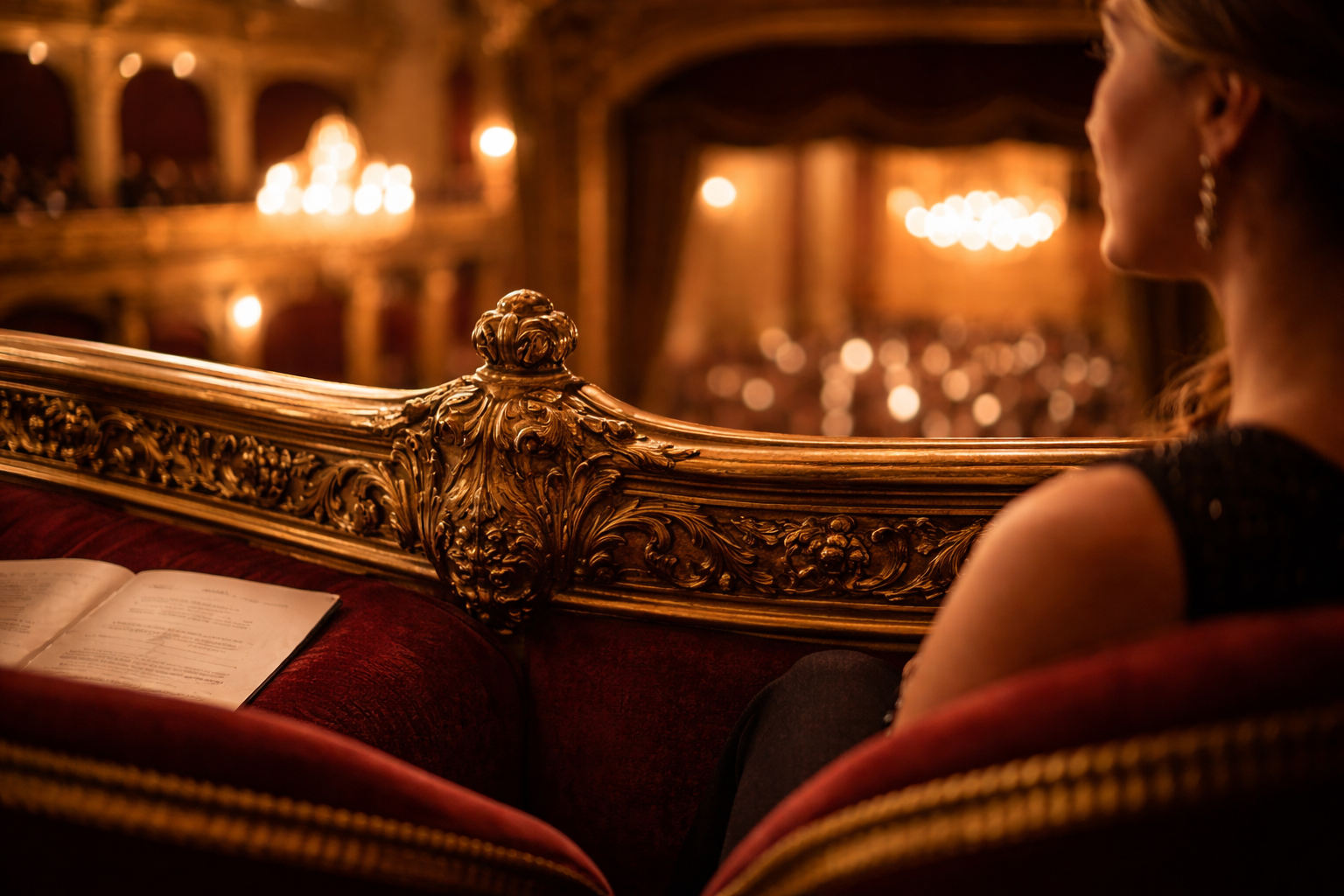
Paris is the obvious entry point, and classical concerts in Paris are especially satisfying because the city’s venues tend to make the music feel larger than life. You don’t need to be an expert to enjoy it—choose a program that feels accessible, show up a little early, and treat the night as an event rather than an activity you squeeze between other plans. The key is pacing: if your day was intense, a classical night can restore you instead of draining you.
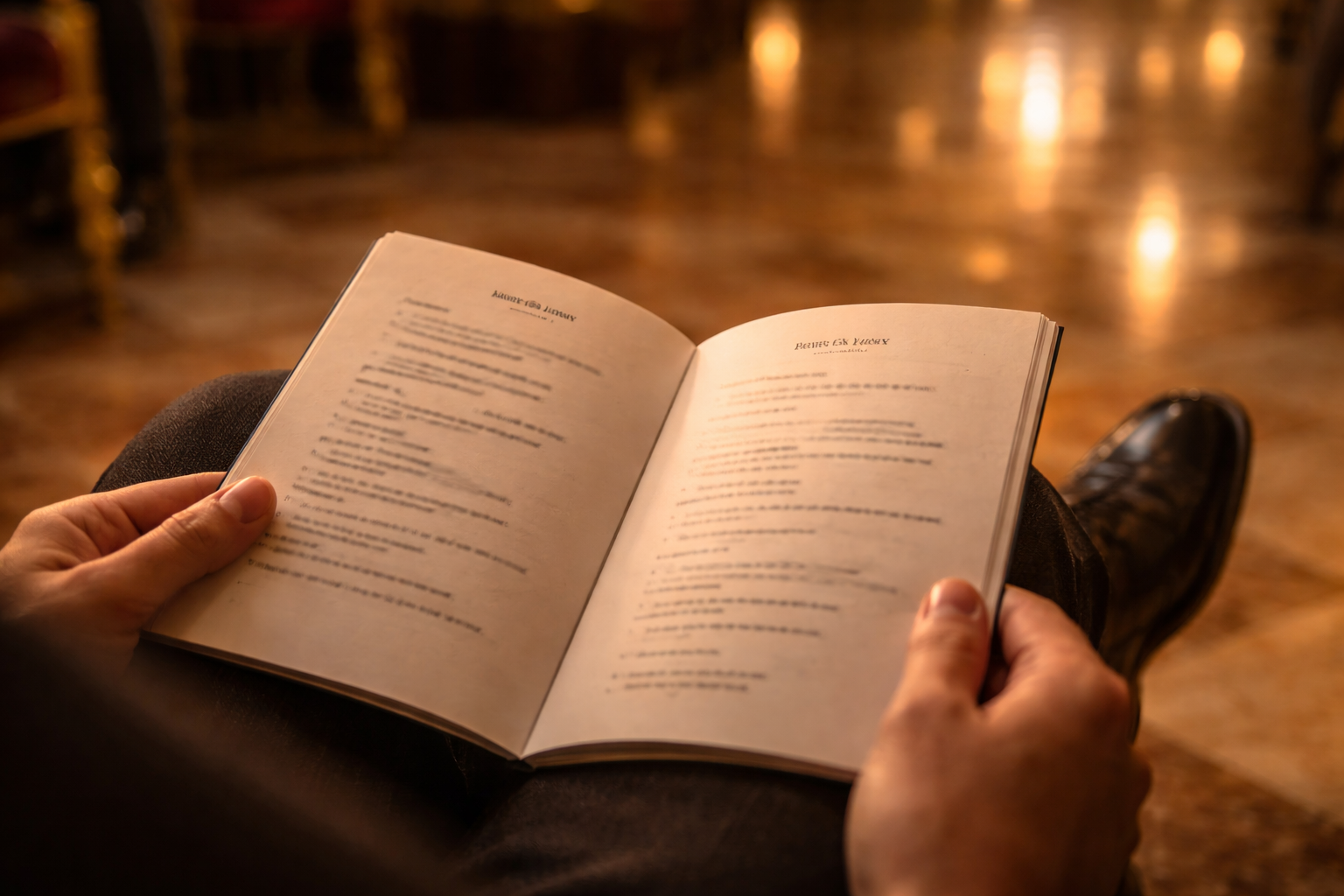
To keep it travel-friendly, avoid turning the experience into a “formal obligation.” Pair it with a simple dinner and a soft evening walk. You want the concert to be the emotional peak, not a stressful appointment. When planned well, a classical night gives your trip elegance without requiring effort, and it adds a level of cultural depth that readers love because it feels aspirational but still doable.
Jazz France: The Warmest Way to Experience Paris at Night
Jazz in France often feels less like a performance and more like a room you join. The best jazz clubs don’t just play music—they create a mood: dim light, small tables, a crowd that listens closely, and that intimate feeling that the city is whispering instead of shouting. This is why jazz is such a reliable “first music night” for travelers. It’s social, atmospheric, and doesn’t require you to know the scene in advance.
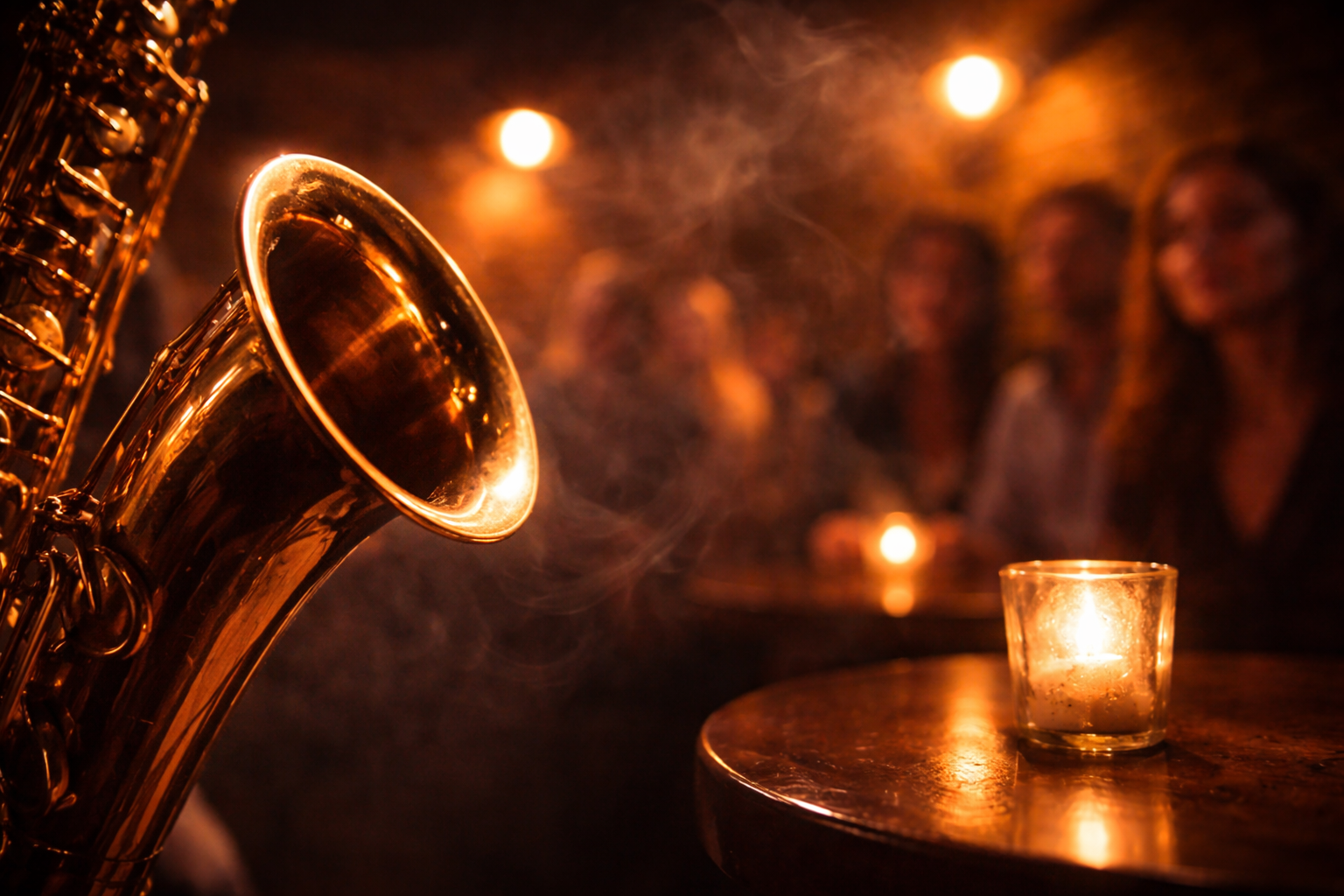
If you’re planning around jazz clubs in Paris, the smart move is choosing the vibe you want: classic old-cellar energy, modern experimental, or something in between. Some venues feel like time capsules, and that’s part of their charm. Others feel contemporary and open-ended, where the line between genres blurs. The best choice depends on how you want your night to feel—romantic and nostalgic, or creative and new.
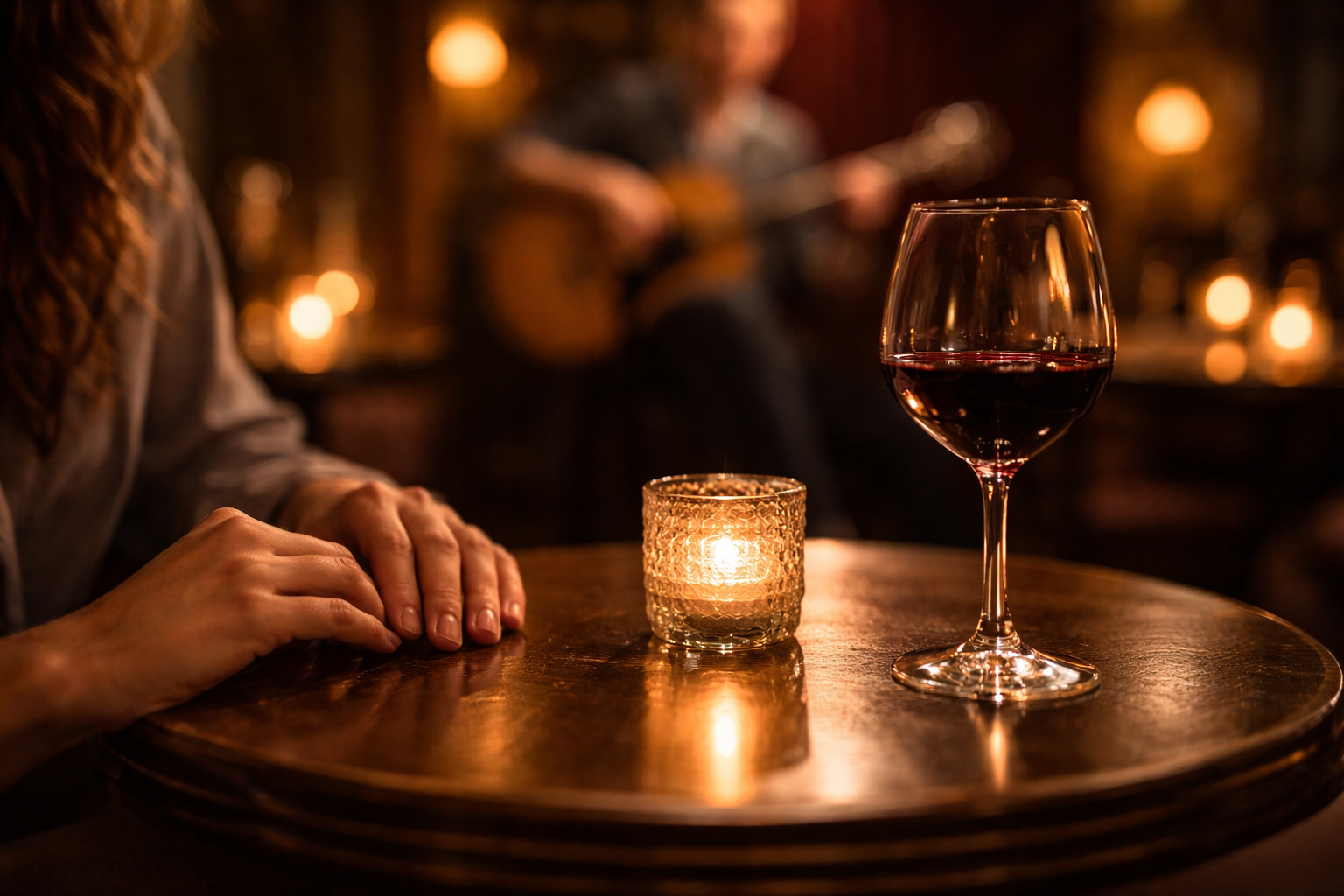
Jazz nights also pair beautifully with neighborhood travel. You can build an evening that starts with dinner, moves into a jazz set, then ends with a late walk across bridges or through quieter streets. Paris at night becomes softer, and jazz matches that softness. For readers, this is high-value content because it offers a “dreamy night” option that isn’t dependent on fashion, clubbing, or expensive tickets—just good planning.
French Pop, Rock, and “Mainstream Night Energy” That Still Feels Local
Not every great night in France needs to be niche. Pop and rock shows can be some of the most emotionally satisfying travel experiences because you get collective energy—people singing, moving, and reacting together. Even if you don’t know the artist well, the atmosphere can carry the night. France’s mainstream scene is also more diverse than many visitors expect, blending global influences with local identity in a way that feels distinctly French.

The practical travel benefit of pop/rock venues is that they often create full evenings. You arrive in a district that’s built for nightlife—bars, late food options, street energy—and the show becomes the anchor around which the rest of the night naturally forms. That means less planning and fewer “what now?” moments after the performance ends. It’s also a good option for groups, because mainstream shows tend to work for mixed tastes.
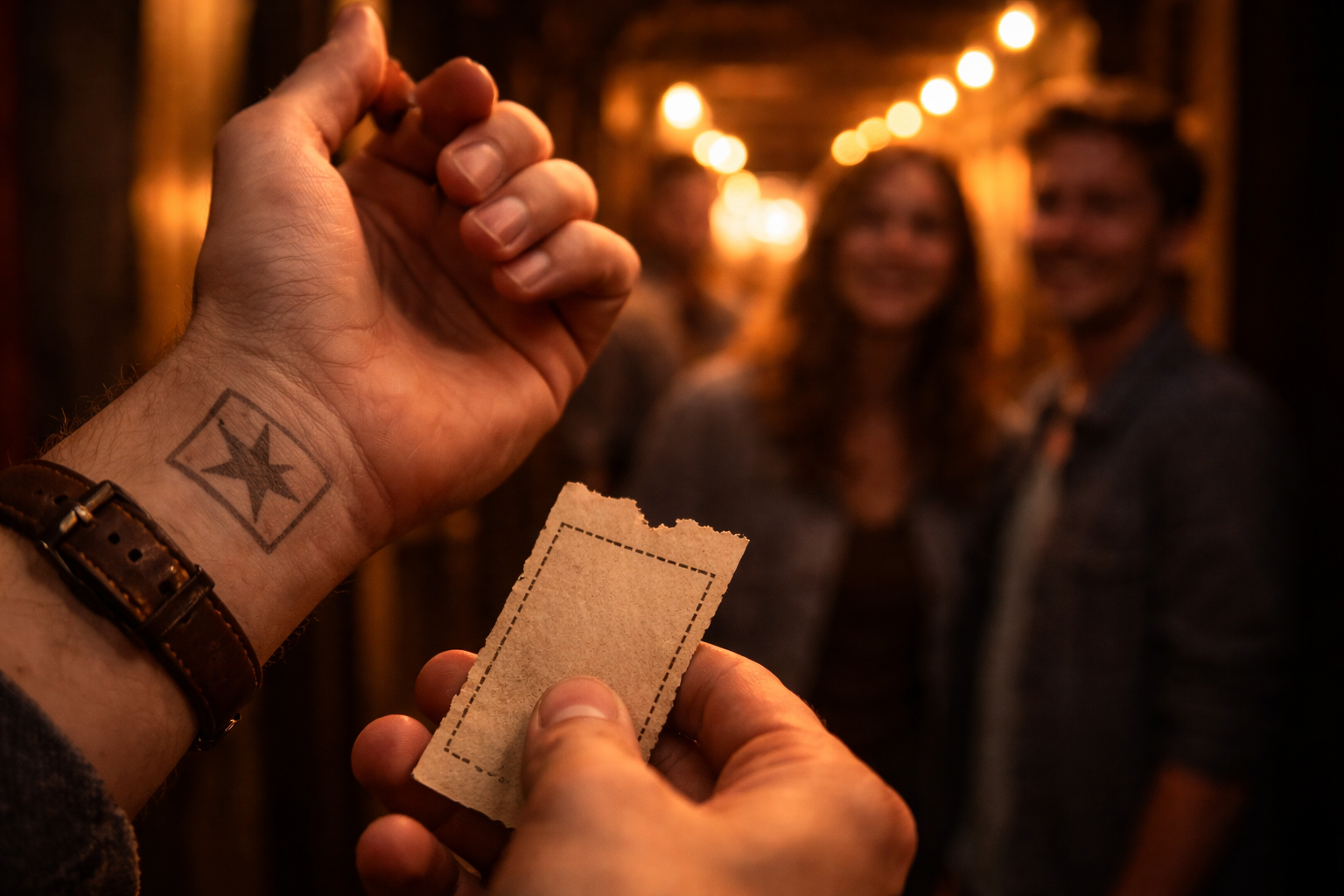
To make this feel more local, avoid trying to replicate your home-country concert habits. Let the night include French pacing: longer dinners, slower starts, and the idea that an evening is meant to stretch. If you treat music like part of the culture rather than a standalone event, your trip gains texture. This is one of the easiest ways to build live music in France into a broader itinerary without turning it into a complicated mission.
Electronic France: Where the Country Feels Most “Now”
Electronic music is one of France’s strongest modern exports, and it’s also one of the easiest ways to experience contemporary French nightlife in full color. The scene tends to be visual and immersive: lighting design, sound systems, spaces that feel industrial or futuristic, and crowds that move like a single organism. If classical is France’s heritage and jazz is its warmth, electronic is the country’s forward motion. It shows you what modern France feels like after midnight.
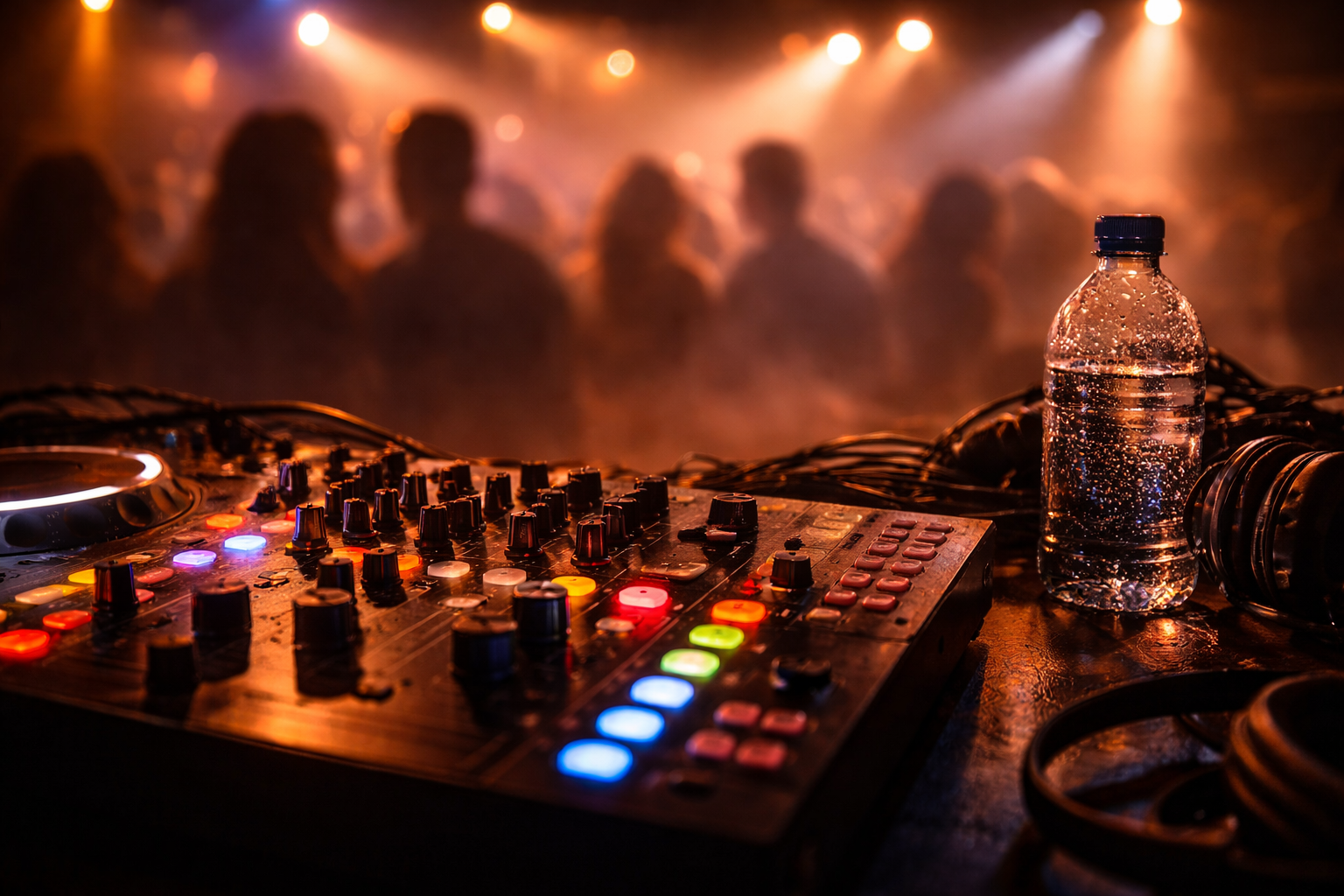
If you’re exploring electronic music in France, the best planning approach is to treat it like a stamina event. Don’t schedule an early morning the next day, and don’t stack heavy sightseeing before a late night. Eat properly, hydrate, and keep your night simple: one strong venue, one smooth route home, no unnecessary chaos. Electronic nights can be incredible, but only if you respect the physical reality of the experience.

This scene is also highly seasonal and event-driven, which means it pairs naturally with festivals and special weekends. Even if you don’t catch a major lineup, many cities have regular electronic nights that give you a taste of the culture. For readers, this section increases clickability because it signals the article isn’t just about “old France”—it includes the France people actually live in today.
Festivals: The Easiest Way to “Feel France” in One Night
Festivals in France work as travel shortcuts. Instead of hunting for the perfect venue and hoping the vibe is right, festivals concentrate energy, variety, and community into one place. They’re also a powerful way to visit cities outside the Paris bubble, because many major events happen in regional hubs where accommodation and atmosphere can feel more local. If your blog audience wants big experiences with clear planning value, French music festivals are perfect content.
For a broader season-by-season overview, see this festivals in France guide and align your trip with the best event windows.
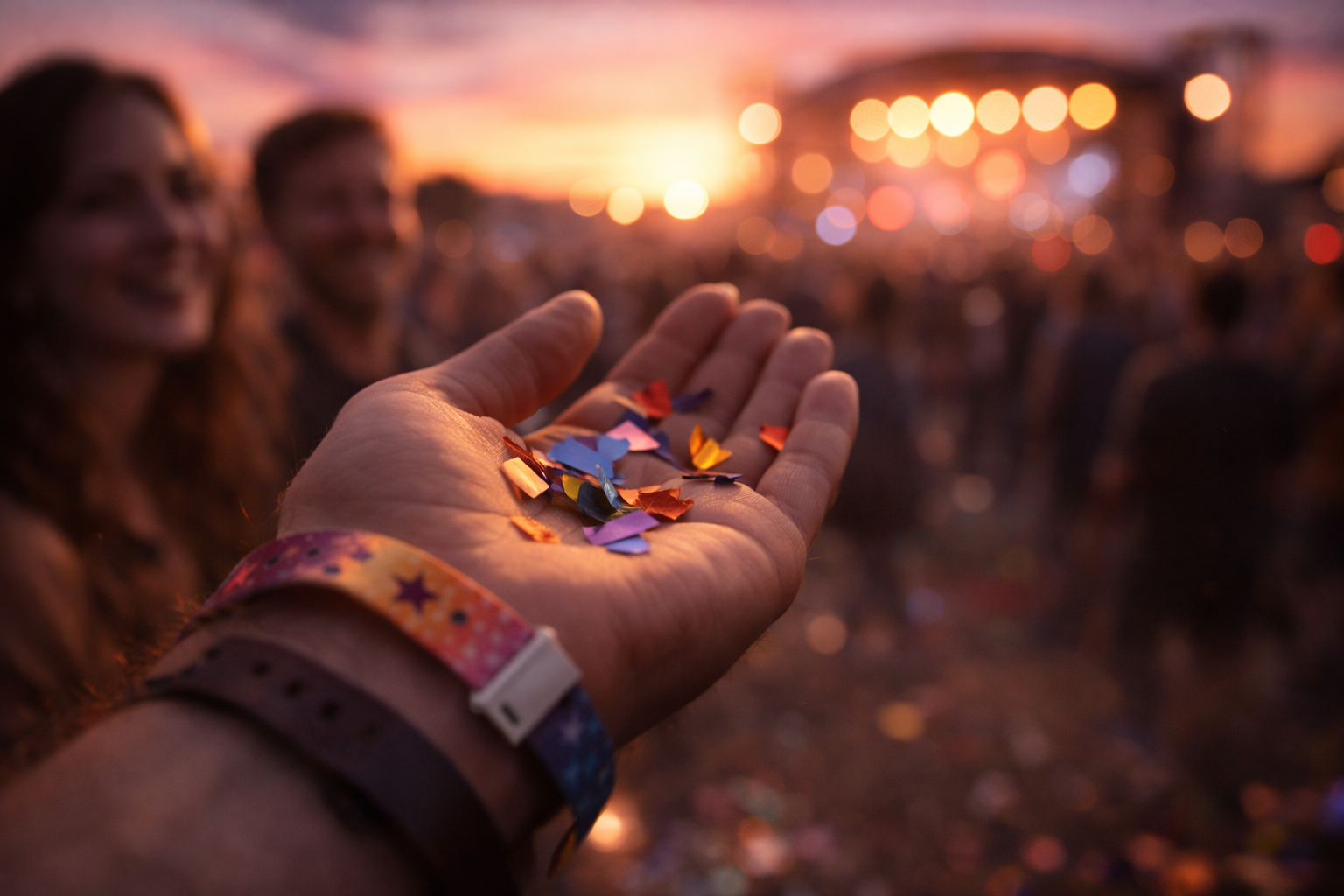
The key to festival planning is treating the day like a narrative, not a checklist. Arrive early enough to settle, choose a few must-see acts, and leave space for wandering and discovery. Festivals often deliver their best moments in the gaps—unexpected sets, small stages, conversations with strangers, food breaks that turn into memories. If you over-optimize, you lose the joy.

Festival travel also helps you shape a season-based itinerary. A lot of readers search for “what’s happening” when they plan trips, and music festivals are among the highest-intent queries in travel. Even if you don’t publish specific dates in your evergreen post, you can build a timeless guide that teaches readers how to plan: where festivals tend to cluster, how to book smart, and how to avoid burnout.
Where to Build Your Music Trip: Paris, Lyon, Marseille, and Beyond
Paris gives you the highest density of options: classical halls, jazz cellars, mainstream arenas, and electronic spaces—often all within one metro map. This makes Paris ideal for travelers who want variety without moving bases. You can build a week in Paris where every night has a different sound, and the city still won’t feel repetitive. That’s why Paris is the easiest place to start if live music in France is one of your trip goals.
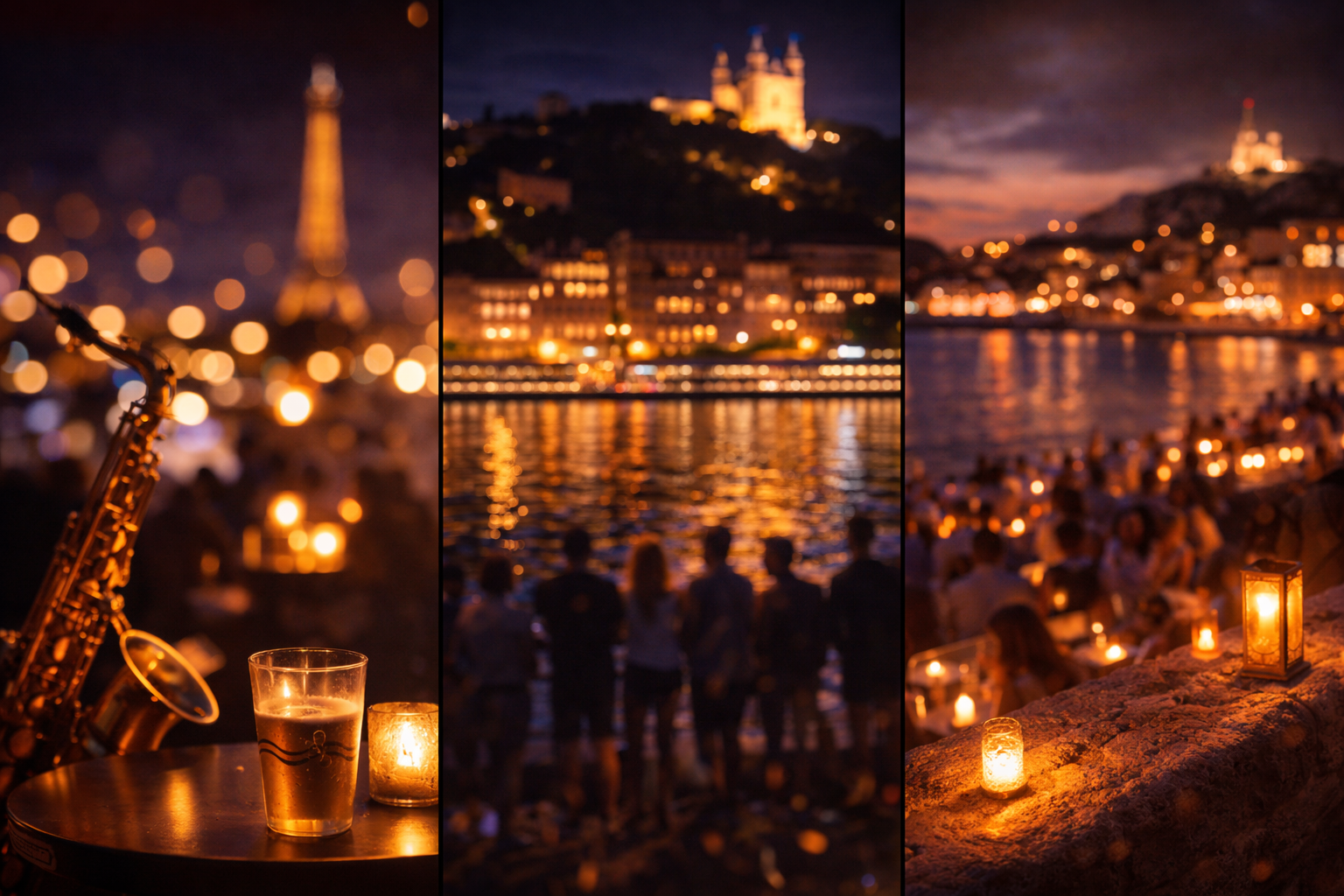
Lyon often feels like a sweet spot: big enough to have a serious scene, smaller and calmer than Paris, and known for event culture that can surprise first-timers. Marseille offers a more Mediterranean energy—raw, warm, and often more spontaneous. The music nights can feel less polished but more alive, especially when the city’s late-night rhythm matches the coastal attitude. For readers, these city comparisons increase time-on-page because they help people choose based on personality.
The smartest travel structure is to pair one “music capital” with one “contrast base.” Paris plus Marseille gives you a dramatic shift; Paris plus Lyon gives you balance. You don’t need five cities. Two well-chosen cities can create a trip that feels like a curated playlist rather than a random shuffle.
Practical Tips: Tickets, Timing, Etiquette, and Budget
Tickets are the easiest stress point, so treat them with light strategy. Book in advance when you can, but always keep a backup option—another venue, another genre, or a simple “music-friendly neighborhood walk” that still feels like a night out. Timing matters too: France tends to start evenings later than some travelers expect, especially in big cities, so don’t panic if the night feels slow early. A slow start is often part of the culture.
To compare trains across cities and keep night logistics easy, plan your routes on SNCF Connect.
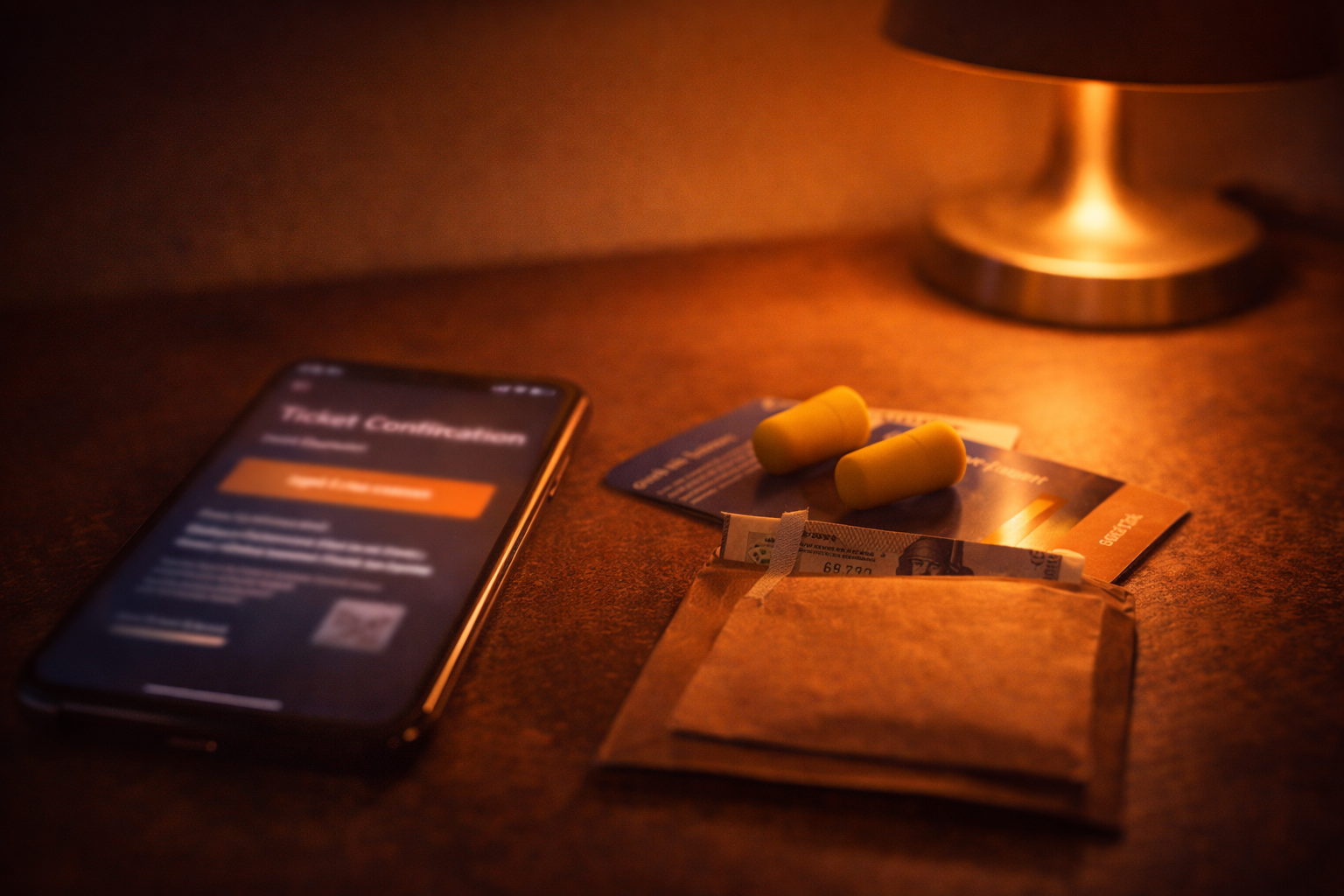
Etiquette varies by venue type. Classical settings usually reward quiet attention and punctuality, jazz spaces vary depending on the club, and electronic venues often prioritize flow and movement. If you’re unsure, just observe the room for five minutes and match the vibe. The best travelers aren’t the most knowledgeable—they’re the most adaptable.
Budget-wise, music nights can be surprisingly affordable if you choose the right format. Jazz sets and smaller venues often cost less than major arena shows, and festivals can be good value if you treat the ticket as an “all-night experience” rather than one performance. The smartest move is planning one “paid highlight night” and filling the rest with lower-cost evenings that still feel rich. That’s how live music in France becomes sustainable inside a normal travel budget.
Conclusion: If You Want to Understand France, Follow the Sound
France reveals itself differently when you stop treating the day as the only valid travel time. Night culture is where the country becomes emotional: people relax, cities soften, and music becomes a shared language. Whether you choose classical grandeur, jazz intimacy, mainstream energy, electronic immersion, or festivals that turn a whole city into a stage, the experience adds a layer that museums can’t deliver.

Build your itinerary like a playlist: one big “headline” night, a couple of cozy nights, one night that’s modern and high-energy, and one night where you do nothing but walk and listen to the city. When you travel this way, live music in France stops being a topic—it becomes the rhythm that holds your trip together.