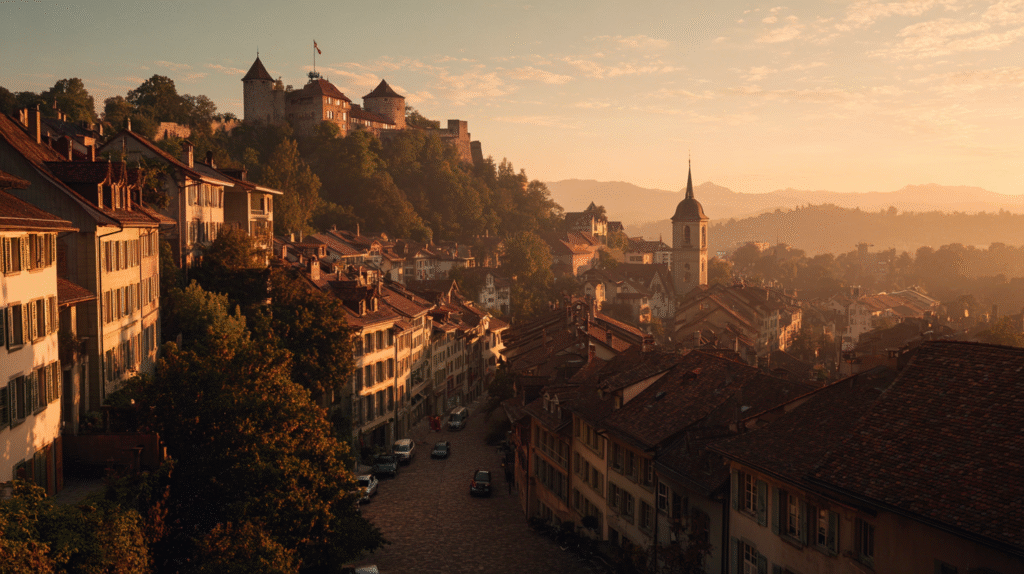
Switzerland is often celebrated for its alpine panoramas, pristine lakes, and modern innovations, yet the soul of the country lies just as deeply in its preserved medieval towns. Tucked between mountains and rivers are places where cobblestone alleys, hand-painted façades, and centuries-old fortifications tell stories older than the Swiss Confederation itself. These towns are not relics of the past, but living communities where ancient traditions mingle naturally with modern life. Walking through them feels like stepping through layers of time, where every turn reveals new threads of history. Exploring medieval Switzerland is not simply sightseeing — it is an immersion into a cultural heritage that continues to shape the nation’s identity.
Medieval Switzerland: Gruyères — A Hilltop Jewel of Heritage
Perched on a gentle hill surrounded by rolling green pastures, Gruyères looks like a village pulled straight from the pages of a medieval legend. Enclosed by ancient walls and watched over by a grand stone castle, it has retained its Old-World charm for more than eight centuries. The car-free town center invites travelers to slow down and absorb the beauty of its uneven cobblestones, flower-lined windows, and mountain views that frame every street. What makes Gruyères remarkable is not only the authenticity of its architecture, but how seamlessly the village preserves its rhythm of life — craftsmen, farmers, and families who embody the same traditions that shaped the town in the Middle Ages. For many visitors, Gruyères becomes the ideal introduction to Switzerland’s medieval heritage.
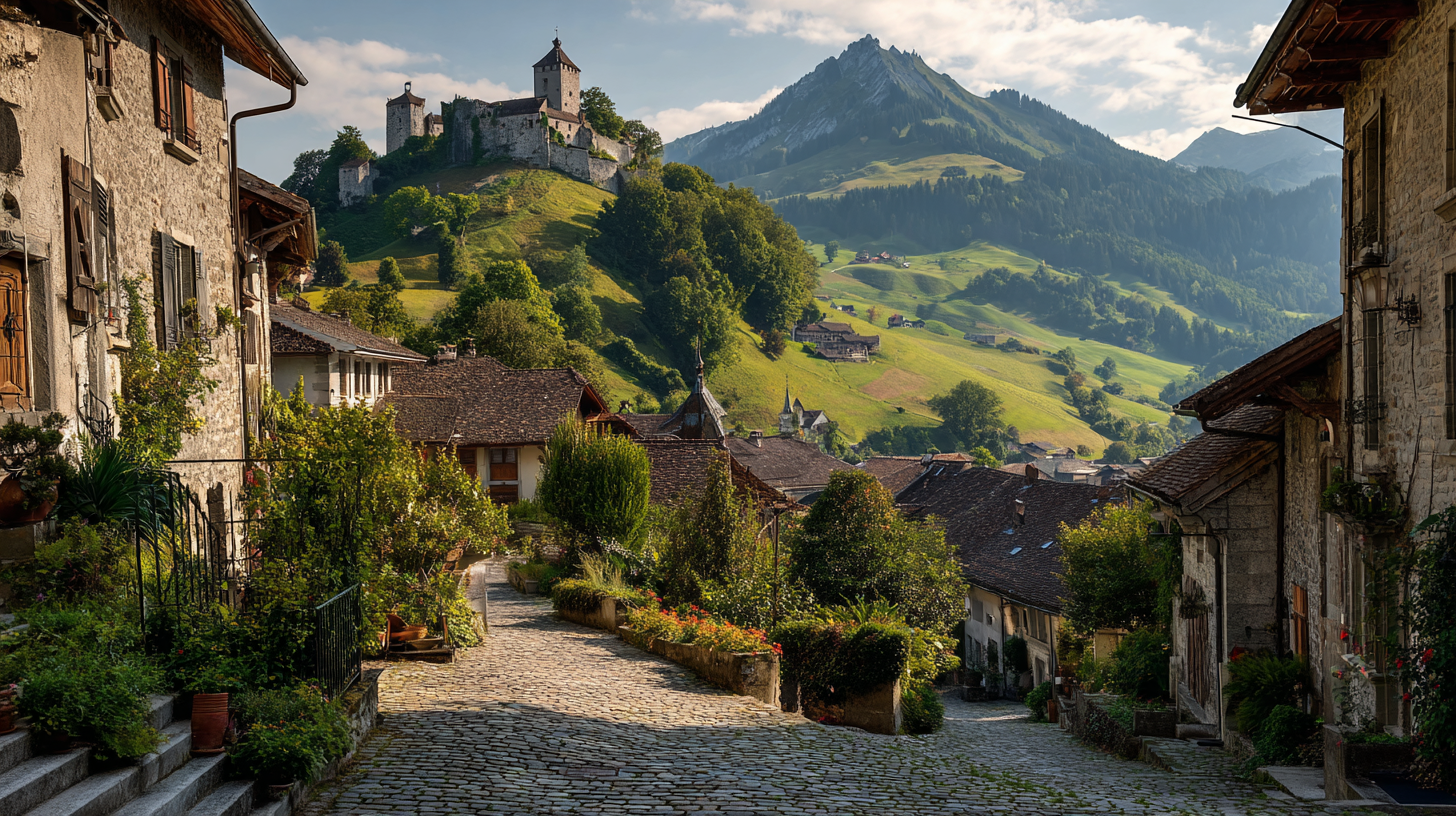
The village’s atmosphere is defined by its harmony of history and everyday life. Small artisan shops sit beside rustic chalets, while cafés hum with conversation as locals and travelers enjoy regional dishes. The preserved medieval square still functions as the social heart of Gruyères, just as it did centuries ago. Here, history is not a backdrop but a living presence. Every stone, alleyway, and carved wooden beam reflects a heritage built with patience, resilience, and pride. To explore Gruyères is to witness how a medieval town can remain vibrant without losing its soul.
Château de Gruyères: A Fortress of Memory and Legend
Standing proudly at the summit of the hill, Château de Gruyères is one of Switzerland’s best-preserved medieval fortresses. Built in the 13th century, the castle once served as the seat of the Counts of Gruyères, whose influence shaped the region for generations. Today it remains a grand monument, its thick stone walls and defensive towers offering panoramic views of distant peaks and green valleys. Inside, visitors discover rooms adorned with centuries-old tapestries, hand-painted ceilings, and ornate furnishings that reveal the refined tastes of the medieval elite. The castle’s artworks and artifacts provide a vivid impression of life in a bygone era.
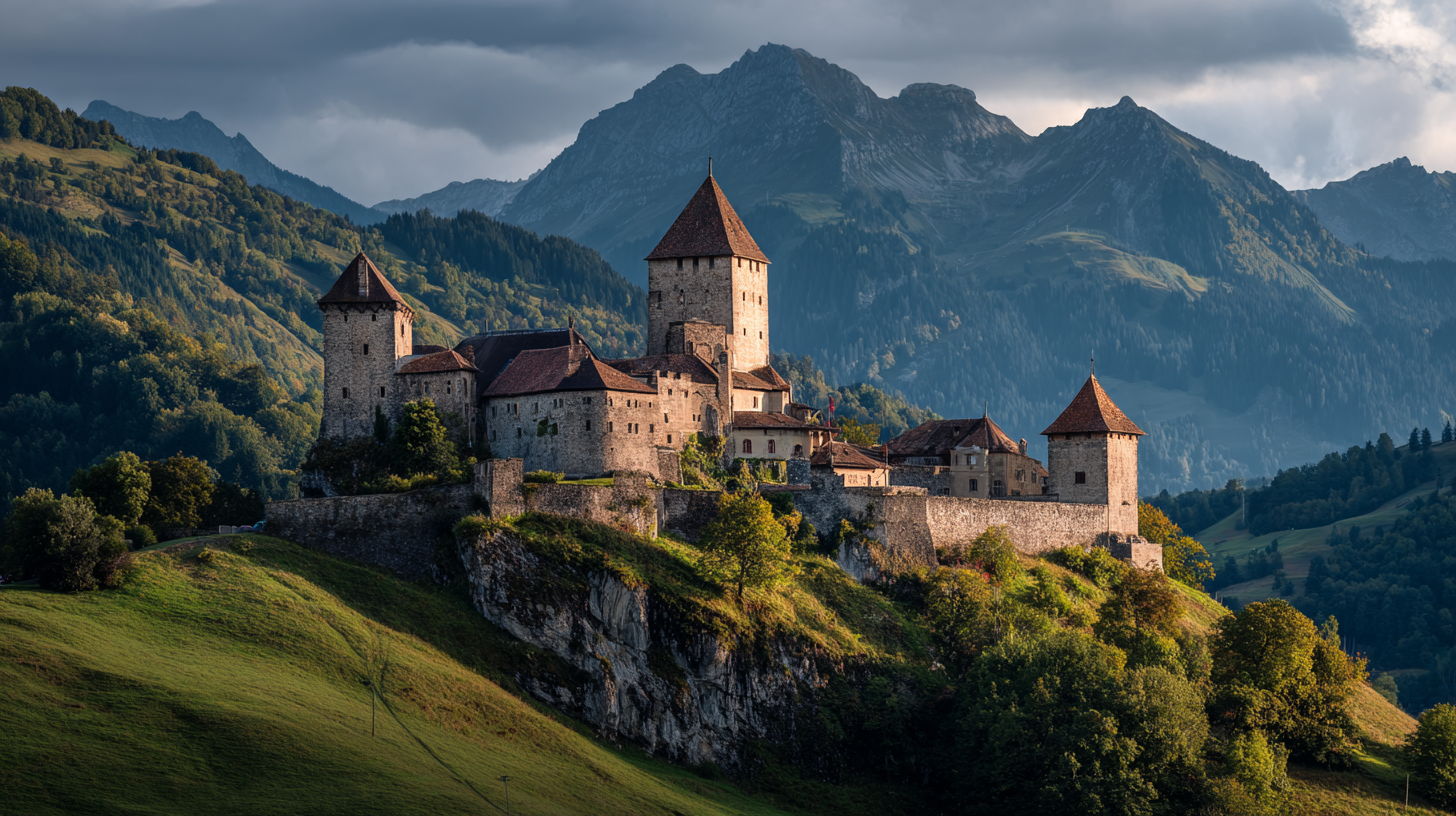
Walking through its corridors feels like stepping into a historical chronicle. The Great Hall tells tales of political alliances and feasts, while the Knight’s Room evokes images of ceremonial gatherings. Over time, the castle also became a refuge for artists, including the 19th-century painter Jean-Baptiste Camille Corot, whose presence added an unexpected layer of creativity to the legendary walls. Today, Château de Gruyères stands as a cultural time capsule — a place where the medieval, the artistic, and the mythical interlace in the most enchanting way.
The Cultural Side of Gruyères: From Cheese to Surrealism
Gruyères’ cultural identity is closely tied to the cheese that bears its name, a product rooted in centuries of alpine craftsmanship. Visitors arrive from around the world to see how the region’s iconic Gruyère AOP is made, following the traditional methods preserved at La Maison du Gruyère. Watching fresh milk transform into firm, aromatic wheels underscores the deep relationship between the land, the farmers, and the culinary heritage of Switzerland. This connection between food and place is not merely practical — it is cultural, representing rituals passed down through generations. Tasting cheese in Gruyères connects the traveler not just to a flavor, but to a lineage of alpine history.
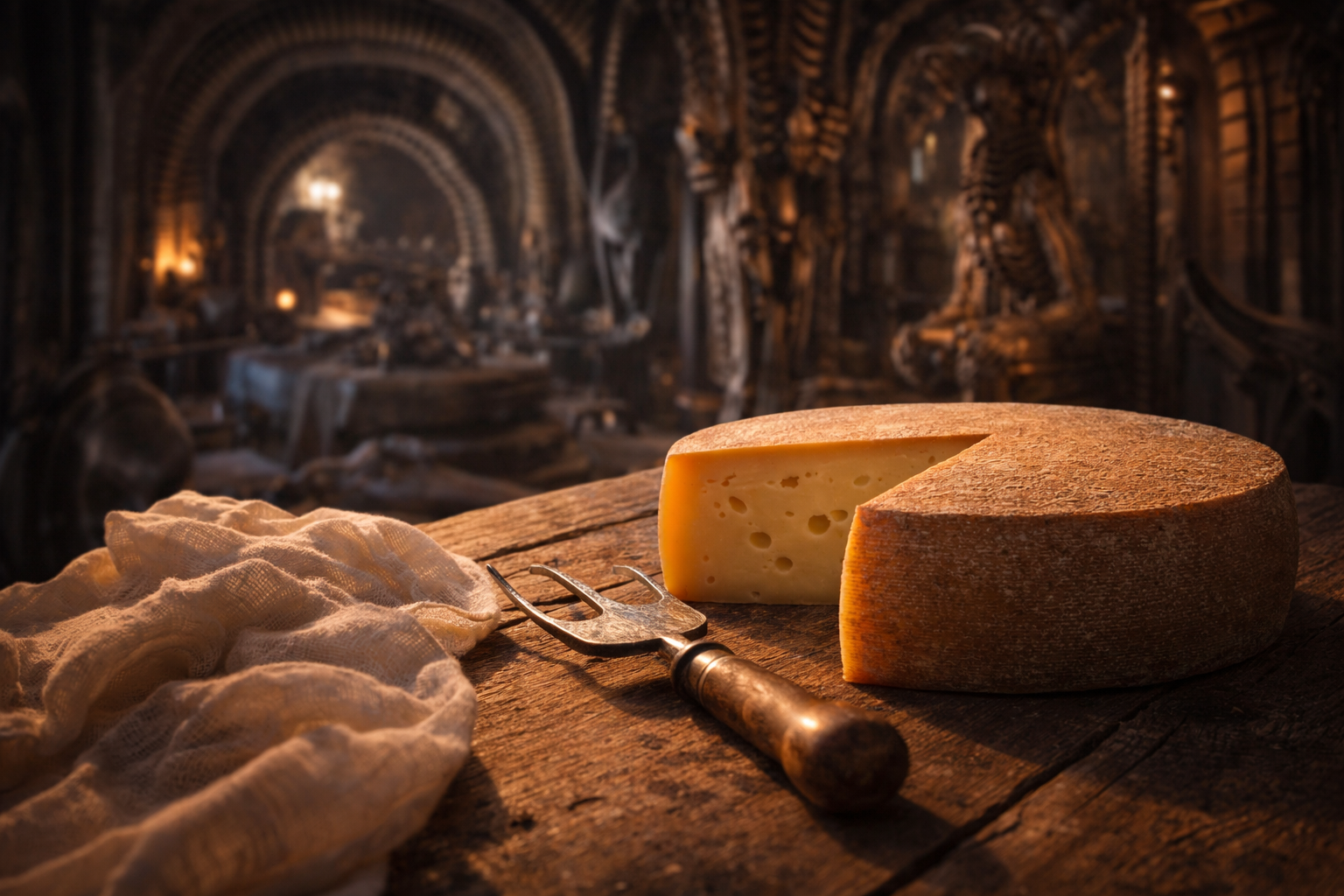
Yet Gruyères also surprises with a bold, modern twist. The HR Giger Museum, dedicated to the Swiss artist behind the iconic “Alien” aesthetic, stands in stark contrast to the medieval village surrounding it. Gothic arches, surreal sculptures, and biomechanical motifs create an unexpected dialogue between the ancient and the futuristic. The museum challenges visitors to reconsider how history and art coexist, demonstrating that even the most traditional towns hold space for innovation and imagination. Gruyères becomes a place where medieval heritage and contemporary culture flourish side by side.
Stein am Rhein: Switzerland’s Painted Storybook
If Gruyères evokes medieval strength and alpine charm, then Stein am Rhein embodies artistic fantasy brought to life. Situated where Lake Constance narrows into the Rhine River, this small town is famed for its exquisitely painted façades that transform its historic center into an open-air gallery. Detailed frescoes illustrate myths, trades, historical events, and allegorical figures, each building offering its own visual narrative. The result is a streetscape both theatrical and deeply rooted in local tradition. Walking through the Rathausplatz — the town’s central square — feels like stepping into a Renaissance painting where colors, symbols, and stories merge into a living canvas.
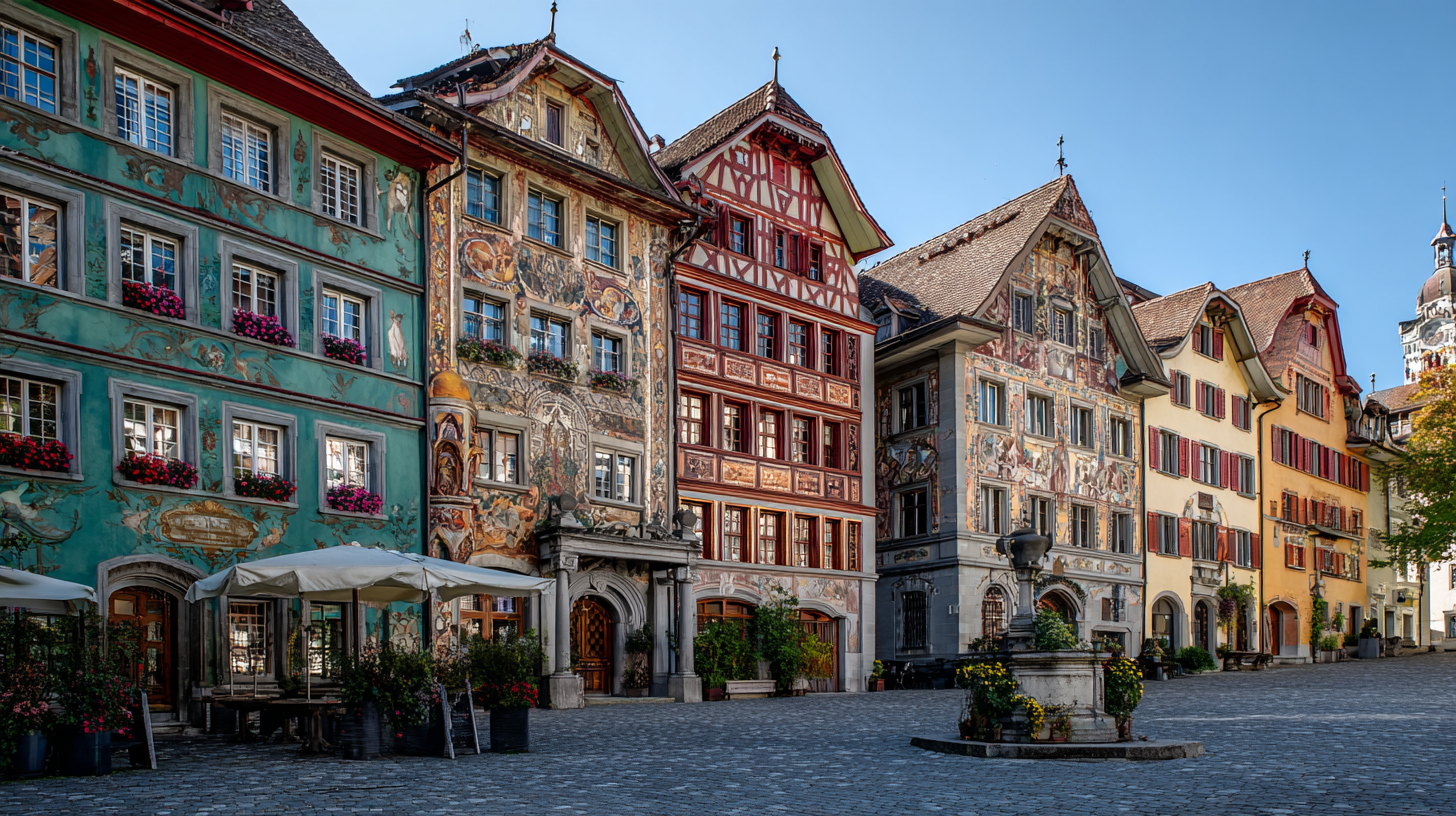
The beauty of Stein am Rhein lies not only in its murals but in the remarkable state of preservation of its medieval architecture. Half-timbered houses, carved doorways, and gabled roofs line narrow alleys that have changed little over the centuries. The artistry that defines the town is not superficial decoration; it is an expression of civic pride and cultural identity. Stein am Rhein invites travelers to engage with history visually and emotionally, reflecting a community that has protected its artistic legacy with dedication.
Monastic Heritage and Architectural Legacy
Among Stein am Rhein’s most important landmarks is the St. Georgen Monastery, one of the best-preserved medieval monastic complexes in Switzerland. Founded over a millennium ago, the monastery offers an intimate look at religious life in the Middle Ages. Its cloisters, refectory, and dormitories remain astonishingly intact, while frescoes inside the chapter house reveal scenes from biblical stories portrayed with remarkable craftsmanship. As travelers walk through its quiet corridors, they encounter not just stone walls but the lingering echoes of monastic routines that shaped spiritual life for generations.
Explore St. Georgen Monastery in Street View — take a virtual walk through this medieval gem.
The monastery also underscores Stein am Rhein’s historical significance as a center of trade and religious influence. Its location along the river positioned the town as a crossroads between Germanic and Swiss cultures. This convergence is reflected in the architectural diversity that defines Stein am Rhein today. Visiting the town is not simply admiring beautiful buildings — it is entering a historical dialogue shaped by art, faith, and regional exchange. The depth of this cultural layering makes Stein am Rhein one of the most compelling medieval towns in Europe.
Festivals and Living Traditions
Stein am Rhein remains deeply connected to its heritage through local festivals and annual traditions that animate the old town. Fasnacht, the Swiss carnival, transforms the narrow streets into a whirl of color, music, and masked performers. Residents dress in vibrant costumes inspired by medieval folklore, creating a lively homage to the town’s artistic past. Drums echo across the square, dancers move through centuries-old alleys, and the festive spirit celebrates both continuity and creativity.
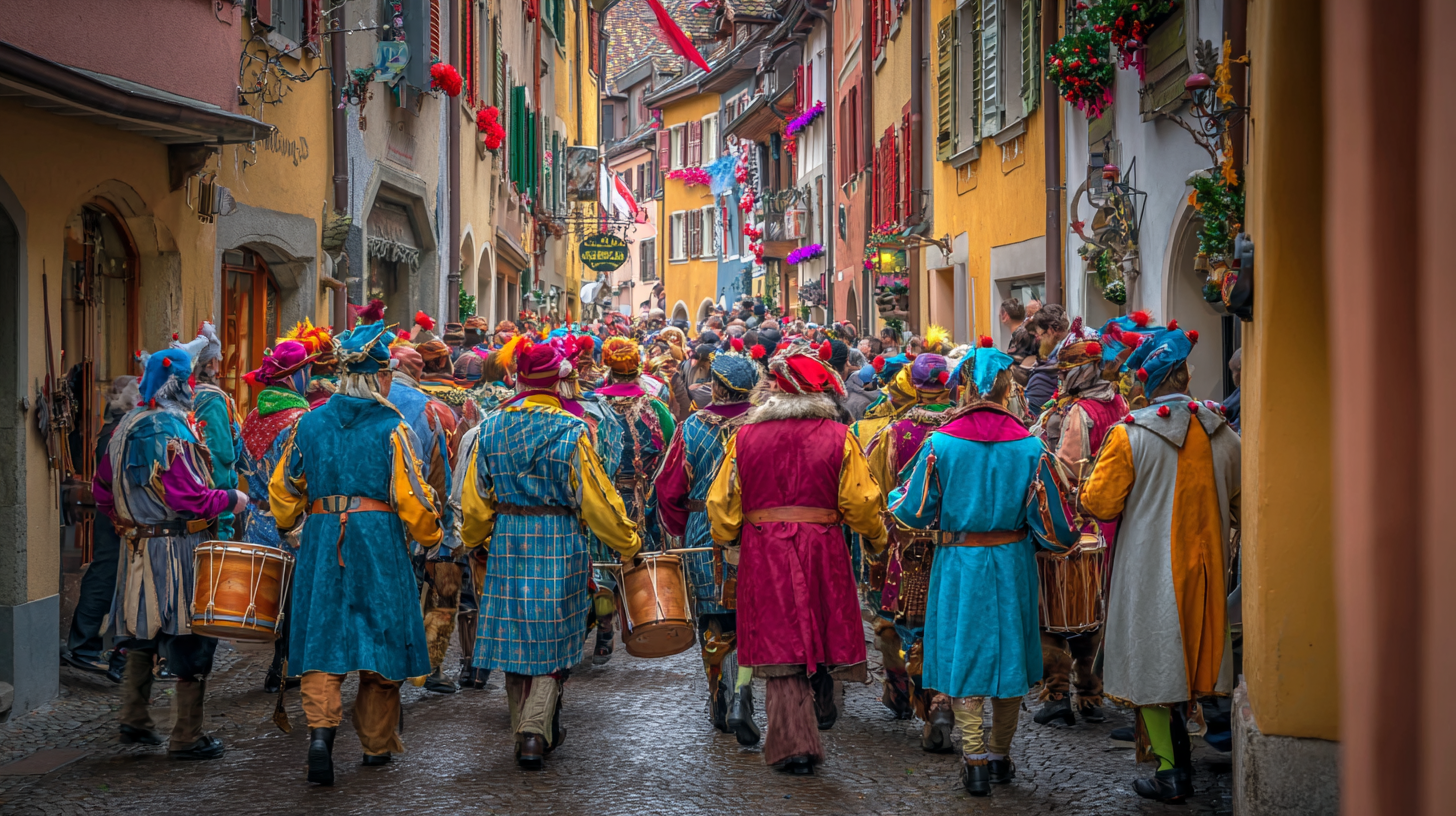
Other local traditions, such as historical reenactments and seasonal markets, help preserve the cultural rhythms that defined the medieval community. These events are not staged for tourists alone — they are cherished by locals, serving as reminders of the collective memory that binds the town together. Through festivals, Stein am Rhein becomes not just a preserved site but a living organism, where tradition thrives in the present day.
Also Read: Swiss Cultural Festivals
Zermatt: Alpine Heritage at the Foot of the Matterhorn
While Zermatt is known internationally as a world-class skiing destination, the town also carries a quieter, more historic charm rooted in its alpine origins. Nestled beneath the towering Matterhorn, Zermatt was once a remote mountain village accessible only on foot. Its isolation allowed the community to preserve wooden chalets, stone barns, and narrow paths that still define its old quarter. These rustic structures, some more than 500 years old, stand as reminders of a time when survival depended on craftsmanship, agriculture, and respect for the mountains.
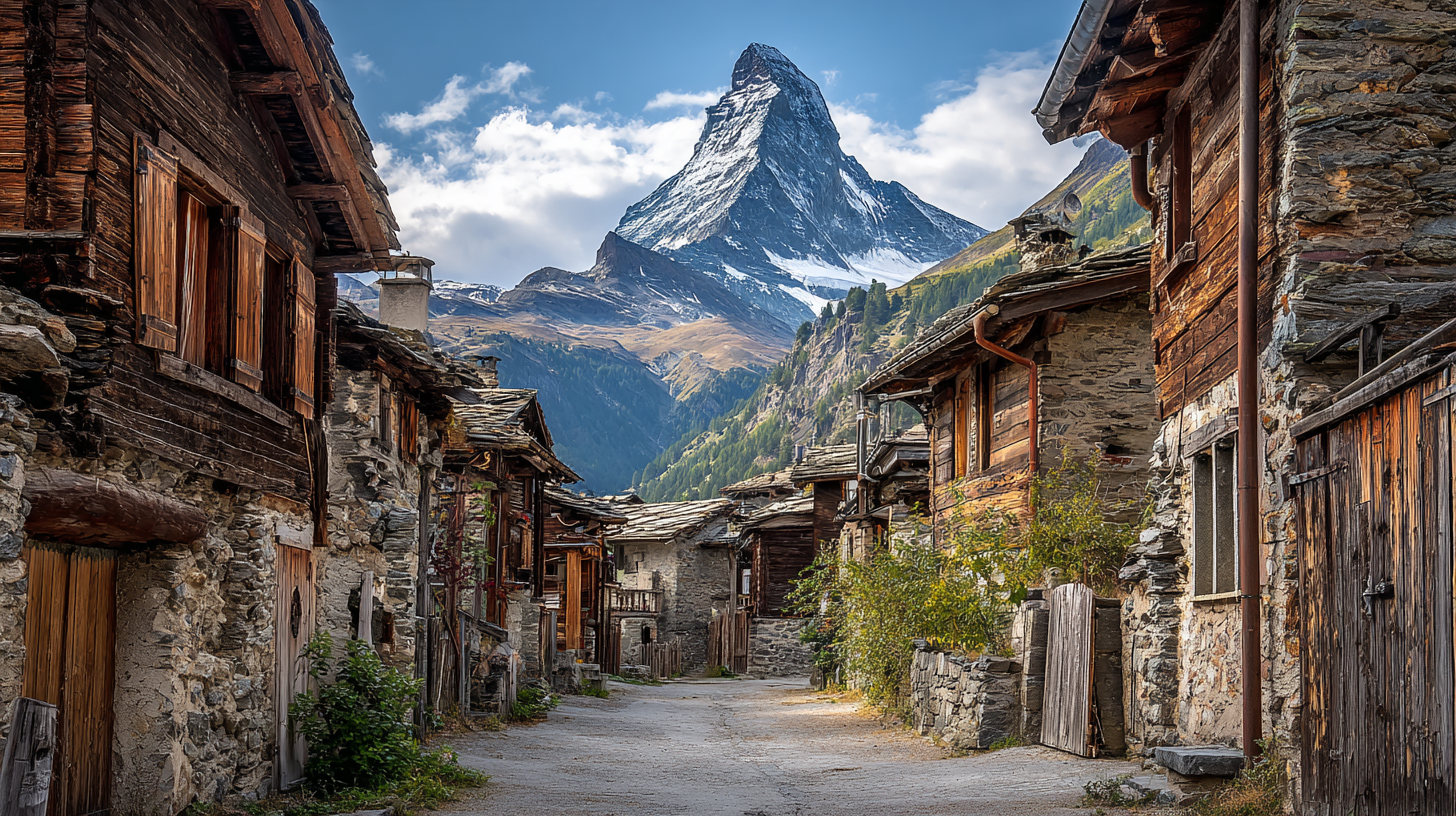
Zermatt’s medieval atmosphere is felt not through fortresses or frescoes, but through the intimacy of its architecture and the timeless relationship between people and landscape. The village’s heritage reveals a life shaped by harsh winters, pastoral traditions, and an unwavering connection to nature. Even today, the town remains car-free, preserving the crisp alpine air and quiet rhythm that once defined mountain life. Zermatt’s authenticity lies in this simplicity — a reminder that medieval heritage can be found not only in stone walls but in the lived experience of a community shaped by nature’s grandeur.
The Matterhorn Museum: Memory Beneath the Mountain
At the heart of Zermatt stands the Matterhorn Museum, an immersive cultural space designed like an underground alpine village. Its exhibits trace the evolution of Zermatt from an obscure settlement to a symbol of mountaineering history. Original photographs, climbing gear, and personal stories transport visitors to the dramatic era of 19th-century explorers who attempted to conquer the Matterhorn. The tragic first ascent of 1865, a defining event in mountaineering history, is presented with emotional depth, offering insight into the risks and triumphs that shaped Zermatt’s identity.
Explore Matterhorn Museum in Street View — take a virtual walk through this medieval gem.
Beyond mountaineering, the museum also explores traditional alpine crafts, early tourism, and the daily life of villagers who carved out existence in a harsh yet magnificent environment. The narrative connects past and present, revealing how Zermatt transformed without losing its heritage. The museum becomes a lens through which visitors can understand the delicate balance between human ambition and the majesty of nature — a theme central to Zermatt’s cultural story.
Nature, Innovation, and the Modern Alpine Identity
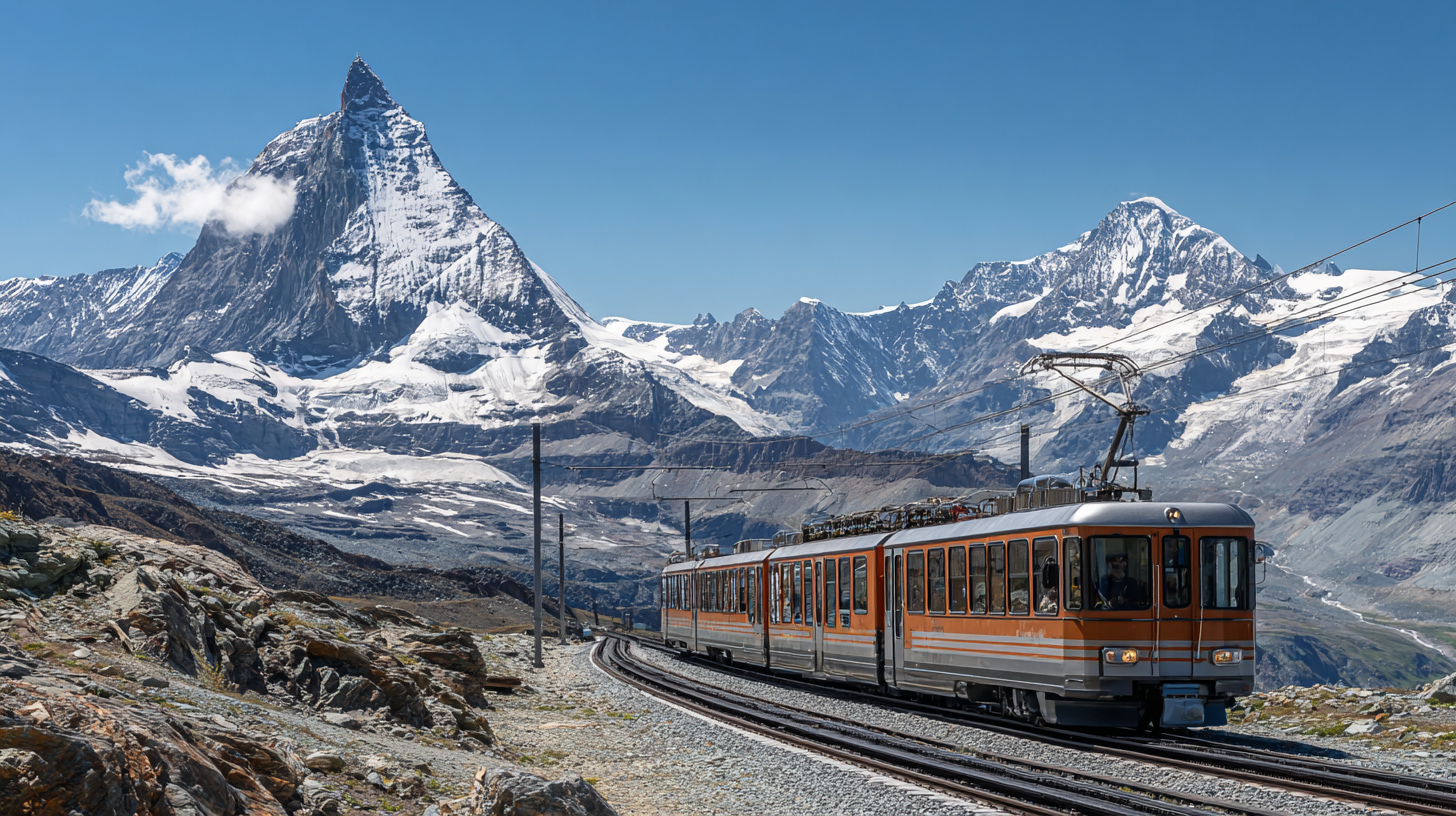
Zermatt represents a unique coexistence of preservation and progress. While the town honors its history, it also embraces modern innovation in ways that enhance sustainability. The Gornergrat Railway — one of Europe’s highest cogwheel railways — carries passengers through breathtaking landscapes to panoramic viewpoints of glaciers and mountain peaks. Though an engineering marvel, it is also a bridge between past and future, allowing travelers to experience the same awe that earlier mountaineers felt, but through the lens of contemporary design and comfort.
This commitment to harmony extends to Zermatt’s environmental policies. The car-free regulation preserves both air quality and the tranquil atmosphere that has defined the town for centuries. Solar technology, energy-efficient systems, and careful urban planning make Zermatt a model for sustainable alpine living. The town demonstrates that cultural heritage and modern responsibility can reinforce each other, creating a community that values its past while moving confidently into the future.
Conclusion
Switzerland’s medieval towns are more than architectural marvels — they are living narratives shaped by centuries of craftsmanship, resilience, and cultural pride. From the hilltop majesty of Gruyères to the frescoed beauty of Stein am Rhein and the alpine heritage of Zermatt, each town offers a distinct window into the country’s past. Their stories reveal Switzerland not as a land defined solely by mountains and modernity, but as a country where history breathes through village squares, ancient monasteries, wooden chalets, and enduring traditions. To journey through these historic towns is to experience a nation whose medieval identity remains alive, inspiring, and integral to its character today.
Learn more from Switzerland’s official heritage foundation.