
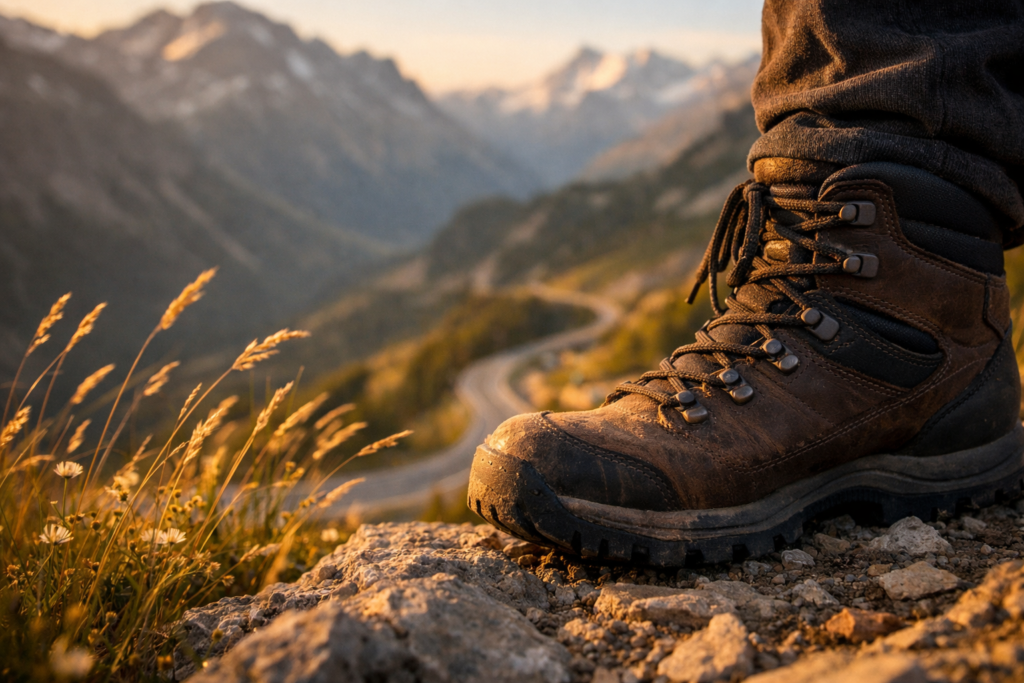
France is often imagined through cafés, museums, and elegant cities, but one of its strongest travel identities lives outdoors. The country gives you snow-covered alpine slopes, long-distance cycling routes through castles and vineyards, rugged mountain trails, sea cliffs, rivers, and regional landscapes that feel completely different from one another. What makes it especially attractive is not just variety, but accessibility: you do not need to be an extreme athlete to experience the country actively. France is one of the few places where outdoor travel can feel both adventurous and comfortable at the same time.
The problem is that many articles about nature travel in France stay too broad. They say “go skiing in the Alps” or “hike the Pyrenees” without helping the reader choose what actually fits their pace, season, and skill level. That is why this guide is built around decision-making. It is not just about what is beautiful, but about what works for different kinds of travelers, how to combine regions intelligently, and how to avoid turning an outdoor trip into a tiring logistics exercise.
This guide to outdoor adventures in France is for people who want movement, scenery, and a real sense of place. Maybe you want one active week in a single region, or maybe you want to weave a few outdoor chapters into a broader France itinerary. Either way, the key is choosing the right kind of adventure rather than chasing everything at once. France rewards travelers who build for rhythm, not volume.
Why France Works So Well for Outdoor Travel
France has a rare combination of geographic diversity and tourism infrastructure. You can move from alpine environments to vineyard country, from Atlantic surf to Mediterranean cliffs, from dramatic mountain hiking to gentle cycling routes, and still remain inside a country with reliable transport, good food, and comfortable lodging. That combination matters because it reduces the friction that often makes adventure travel stressful. You can have a physically active trip without feeling cut off from comfort, culture, or good planning.
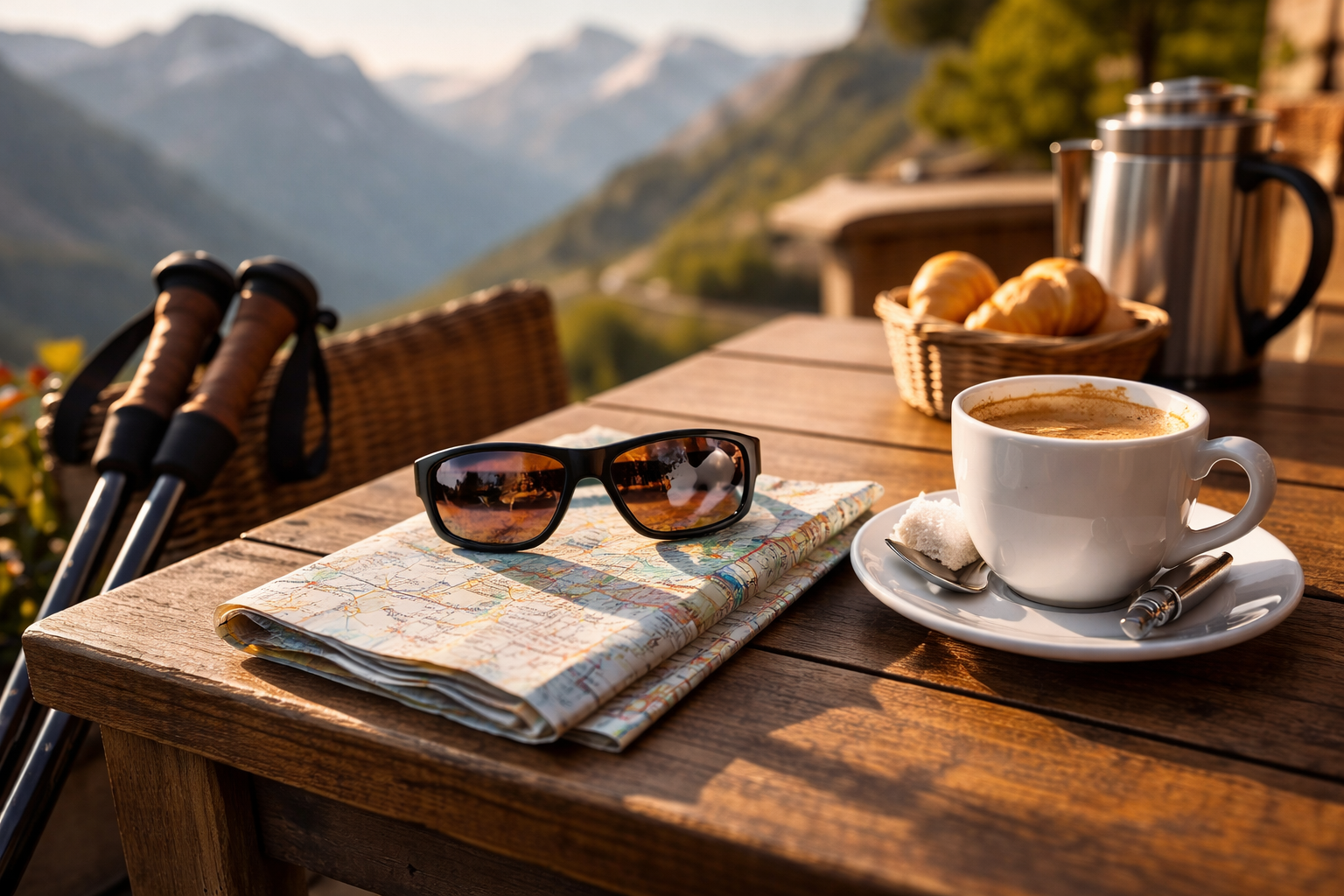
Another reason France works so well is that outdoor culture here exists at different intensities. Some regions are perfect for high-energy travelers who want skiing, summit days, or multi-day hikes, while others are better for people who prefer scenic cycling, river walks, and nature at a slower pace. This range makes the country attractive not only to specialists, but to couples, families, and first-time adventure travelers who want to be active without committing to something too demanding. In practical terms, France gives you more room to tailor the experience to your real life.
That flexibility is why best outdoor activities in France is such a strong theme for readers. It captures a broad travel desire—movement, nature, reward, fresh air—but it is also highly usable. People do not just want inspiration here; they want help choosing between mountains, valleys, coastlines, and seasons. A strong article must therefore explain not just what exists, but who each region is really for.
The French Alps: Big Scenery and the Most Famous Winter Adventure
The Alps are the country’s headline outdoor region, and they earn that status easily. This is where France delivers the big visual drama people imagine when they think of mountain travel: deep valleys, snow-covered peaks, ski villages, cable cars, and panoramic views that feel immediately cinematic. In winter, the region becomes one of Europe’s great active playgrounds, with terrain for beginners, intermediates, and expert skiers. It is also one of the easiest places to build a trip where sport and atmosphere support each other naturally.
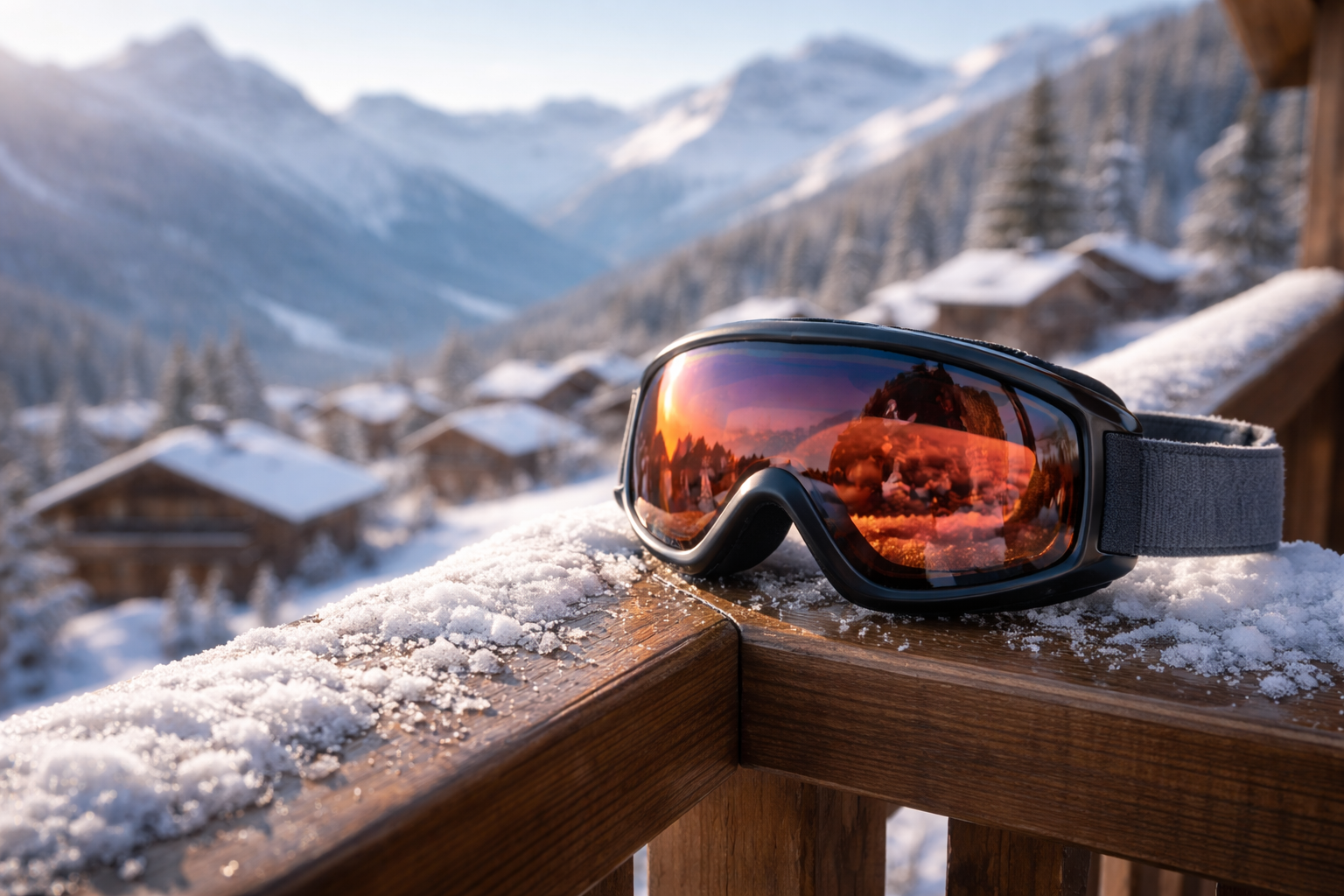
For travelers specifically interested in French Alps skiing, the key is understanding that the Alps are not one uniform experience. Chamonix, Courchevel, and Val d’Isère all attract winter visitors, but they differ in tone, scale, and price feel. Some resorts lean more luxurious and polished, while others feel more athletic or traditional. The smartest move is not choosing “the most famous,” but choosing the area that matches your budget, skill level, and whether you want more village charm or more ski intensity.
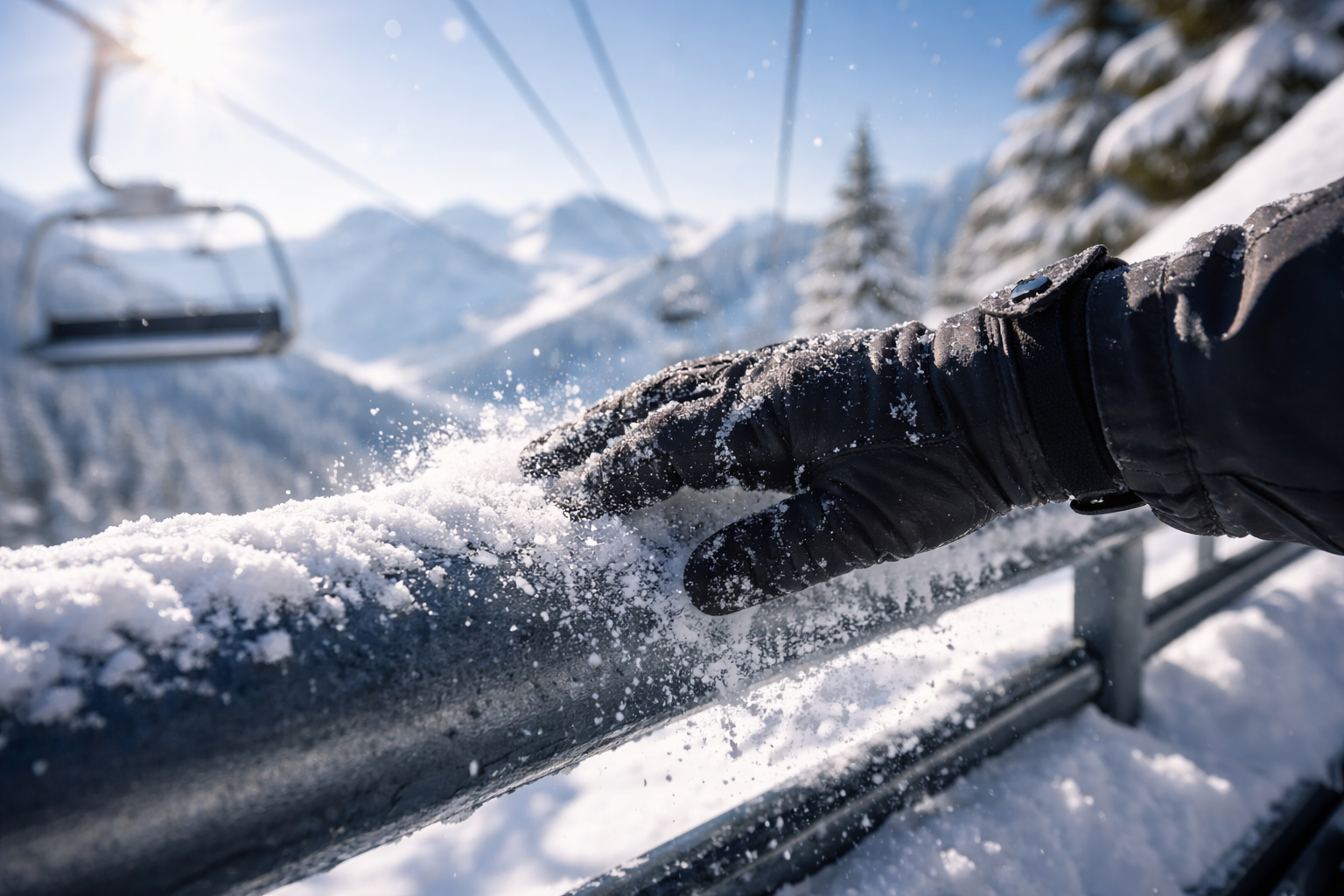
The Alps also work outside winter, which makes them valuable for evergreen travel content. In warmer months, the same region shifts into hiking, mountain biking, lake swimming, scenic lifts, and fresh-air recovery. That means readers do not need to think of the Alps as “only for skiers.” A strong Alps trip can be built in almost any season, as long as the traveler understands what mode the mountains are in.
Loire Valley: The Easiest Cycling Adventure in France
Not every outdoor trip needs to be intense to feel memorable, and the Loire Valley proves that beautifully. This is one of the best places in France for travelers who want movement, scenery, and cultural payoff without brutal physical effort. The Loire à Vélo route has become famous for a reason: it combines manageable cycling with riverside landscapes, vineyard views, charming towns, and access to some of the country’s most iconic castles. It is the kind of route that lets people feel active while still leaving room for wine, picnics, and long lunches.
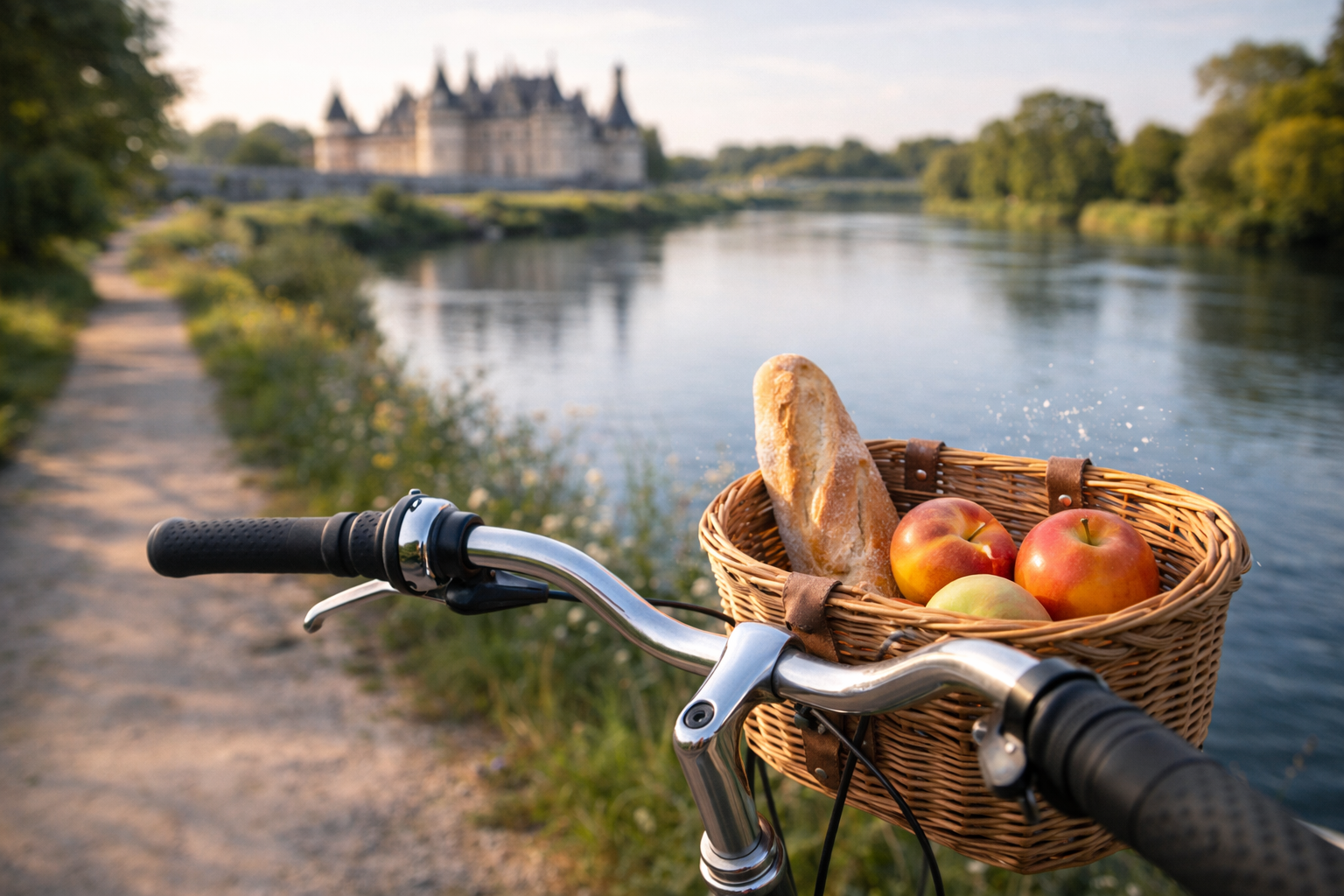
The magic of Loire Valley cycling is that it creates a travel rhythm people actually enjoy sustaining. Mornings can begin with a gentle ride, the middle of the day can include a château visit or market stop, and afternoons can soften into a riverside café or a slower final stretch into the next town. This kind of active travel feels more like living inside a landscape than “doing a workout.” That distinction matters, especially for readers who want adventure without feeling punished by it.
This region is also ideal for travelers who are new to cycling holidays. The routes are well-known, the terrain is relatively forgiving compared with mountain cycling, and the surrounding infrastructure makes the trip feel manageable. If someone wants to try one active chapter in France without building their entire holiday around physical challenge, the Loire is probably the safest and smartest entry point.
If you want to turn that route into a slower regional trip, this provincial France travel guide helps you build a smoother base-and-day-trip structure.
The Pyrenees: The Wilder, Harsher, More Serious Side of France
If the Alps are grand and polished, the Pyrenees often feel rawer and more remote. The atmosphere here is different: quieter, less curated, and more focused on the relationship between trail, weather, and terrain. That makes the region especially attractive for people who want the feeling of “real” mountain travel rather than a high-service resort environment. The Pyrenees are where France feels more rugged and less staged.
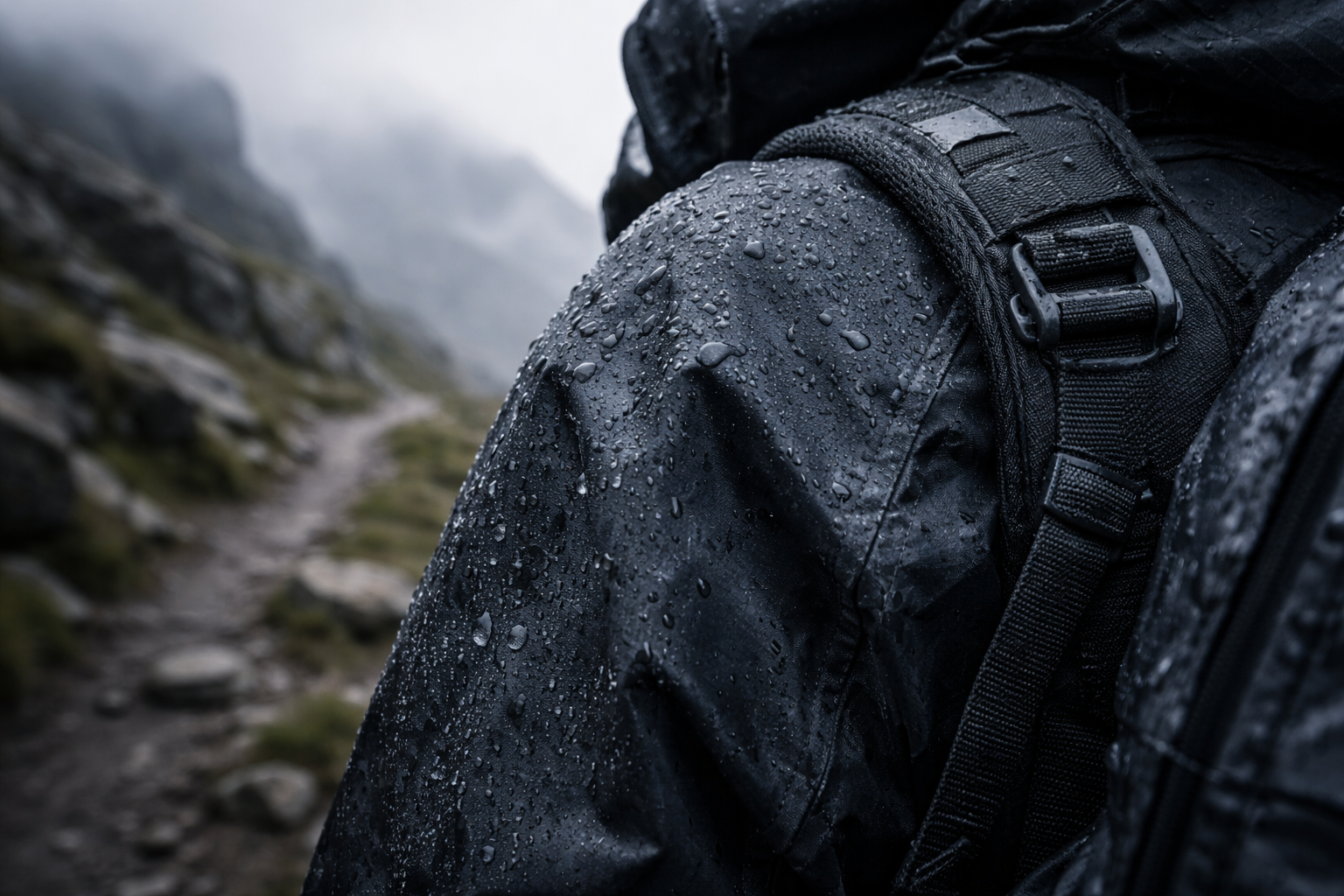
For travelers interested in hiking in the Pyrenees, the region offers exceptional range. You can find shorter scenic trails, ambitious day hikes, and legendary longer routes such as the GR10, which crosses the mountain chain through changing landscapes and conditions. The scenery is rewarding not because it is constantly polished, but because it feels untamed: high paths, broad valleys, lakes, and a stronger sense that nature is setting the terms. This makes the experience emotionally powerful in a different way than the Alps.
The Pyrenees are best for readers who want outdoor travel to feel like a commitment rather than an accessory. This does not mean only elite hikers belong here, but it does mean the region rewards preparation, weather awareness, and a willingness to let the mountains shape the day. That seriousness is exactly what some travelers want. Not everyone wants a softened adventure, and the Pyrenees give France a stronger edge.
For inspiration on long-distance routes and regional trail ideas, Explore France has a useful overview of France’s GR hiking trails.
Which Outdoor Region Fits Your Travel Personality
A common planning mistake is choosing based on fame rather than fit. The Alps, Loire Valley, and Pyrenees each represent a different kind of traveler desire, and readers are much better served when that is explained directly. The Alps are best for those who want visual impact, easy access to major outdoor infrastructure, and the option to combine sport with comfort. The Loire is for travelers who want movement without strain, active days without pressure, and scenic pleasure woven into every kilometer.
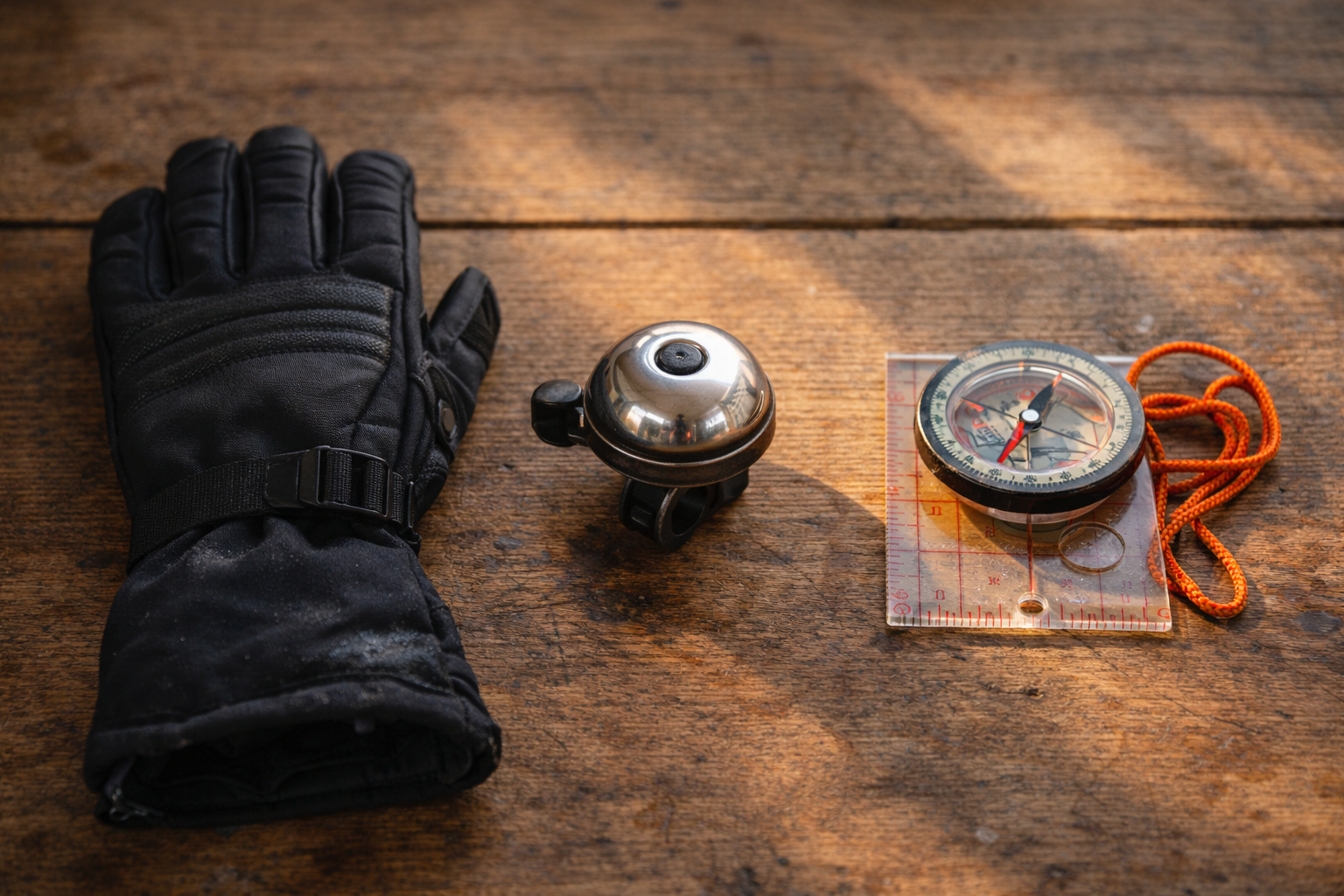
The Pyrenees, by contrast, suit people who want a stronger feeling of wilderness and purpose. They attract travelers who enjoy the idea of earning their views, carrying a little more gear, and structuring a trip around terrain rather than around towns. None of these choices is “better”; they simply lead to different emotional experiences. That is why a practical guide to outdoor adventures in France should not rank destinations so much as position them.
For many readers, the best decision will also depend on what else they want from the trip. If they want active travel plus castles, markets, and village life, the Loire wins easily. If they want alpine town atmosphere and winter sport, the Alps are the obvious answer. If they want the most immersive mountain experience and do not need luxury around every corner, the Pyrenees become the stronger choice. Good planning begins when readers stop asking “what is most famous?” and start asking “what kind of outdoor story do I want?”
Season Matters More Than People Think
Outdoor France changes dramatically with season, and that affects not only what activities are possible, but what kind of trip feels rewarding. Winter is the obvious peak for alpine skiing, and it turns the Alps into a world of snow infrastructure, mountain villages, and cold-weather sport. Spring can be ideal for cycling, especially in regions like the Loire where flowers, mild weather, and lower crowd pressure make long days feel easy. Summer opens the mountains fully for hiking, while autumn often gives some of the best scenery and most comfortable temperatures for active travelers who dislike heat.
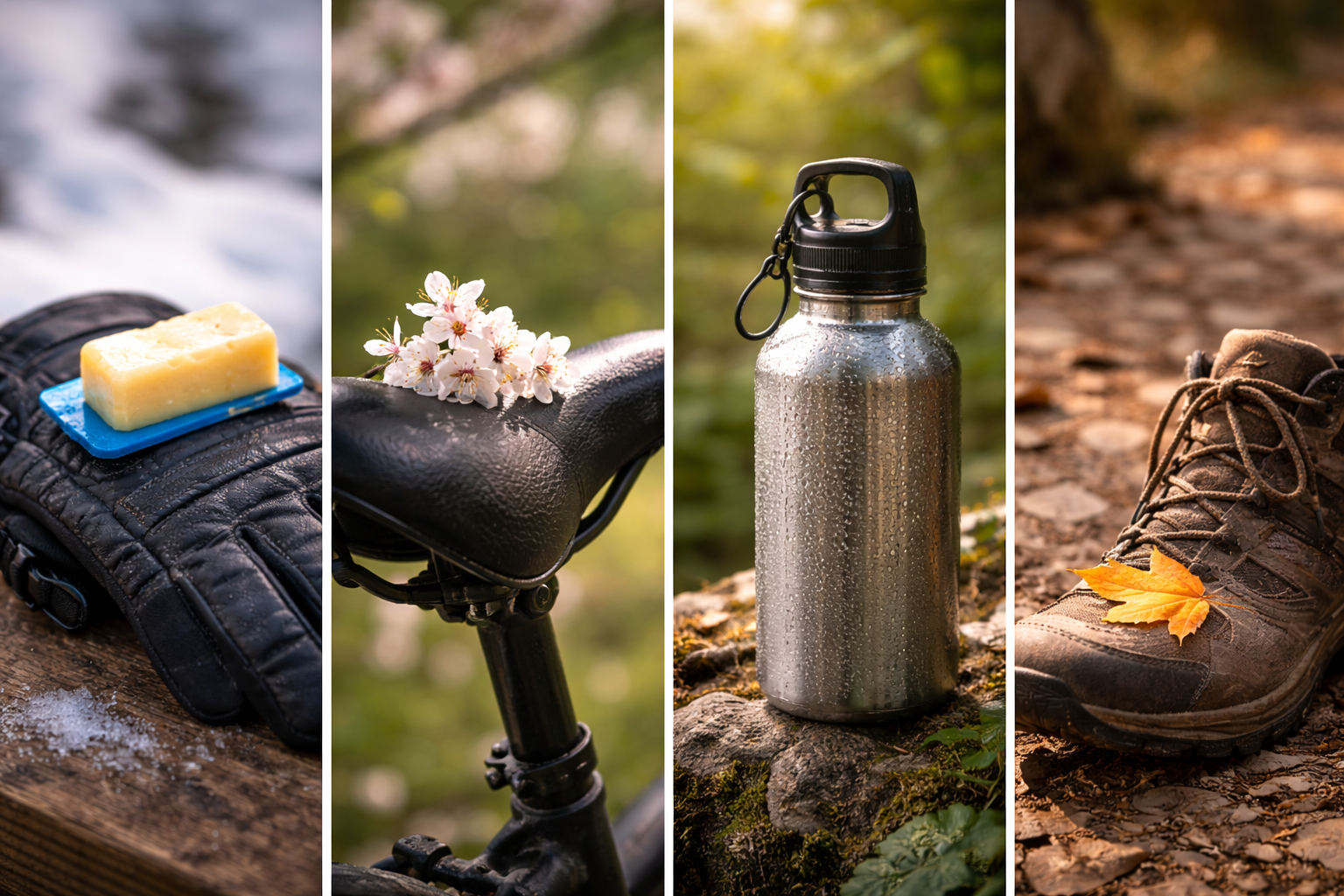
The mistake is assuming that an outdoor destination has one “best” season. In reality, each region has different personalities across the year. The Alps in summer are not a lesser version of the Alps in winter; they are simply a different chapter with lakes, trails, and clear mountain air instead of ski slopes. The Loire in peak summer may feel lush and social, while spring can feel calmer and more intimate. The Pyrenees can become especially rewarding in shoulder seasons for hikers who want fewer crowds and cooler days.
That seasonal awareness is important because it helps readers match the timing of the trip to their own body and energy. Some people feel alive in snow and high winter atmosphere, while others want warm cycling days and long evenings. Outdoor planning should not begin with destinations alone. It should begin with the version of yourself you want to travel as.
How to Build an Outdoor Trip Without Burning Yourself Out
One of the easiest ways to ruin an active holiday is to pack it with too much movement and too little recovery. France works best when outdoor days are spaced intelligently, because the country also offers food, villages, scenic towns, and cultural stops that can function as softer recovery chapters between intense efforts. A great itinerary is rarely “active every day.” It is usually a sequence of effort and release: a ski day, then a village day; a long hike, then a quiet market morning; a cycling route, then an afternoon château visit.
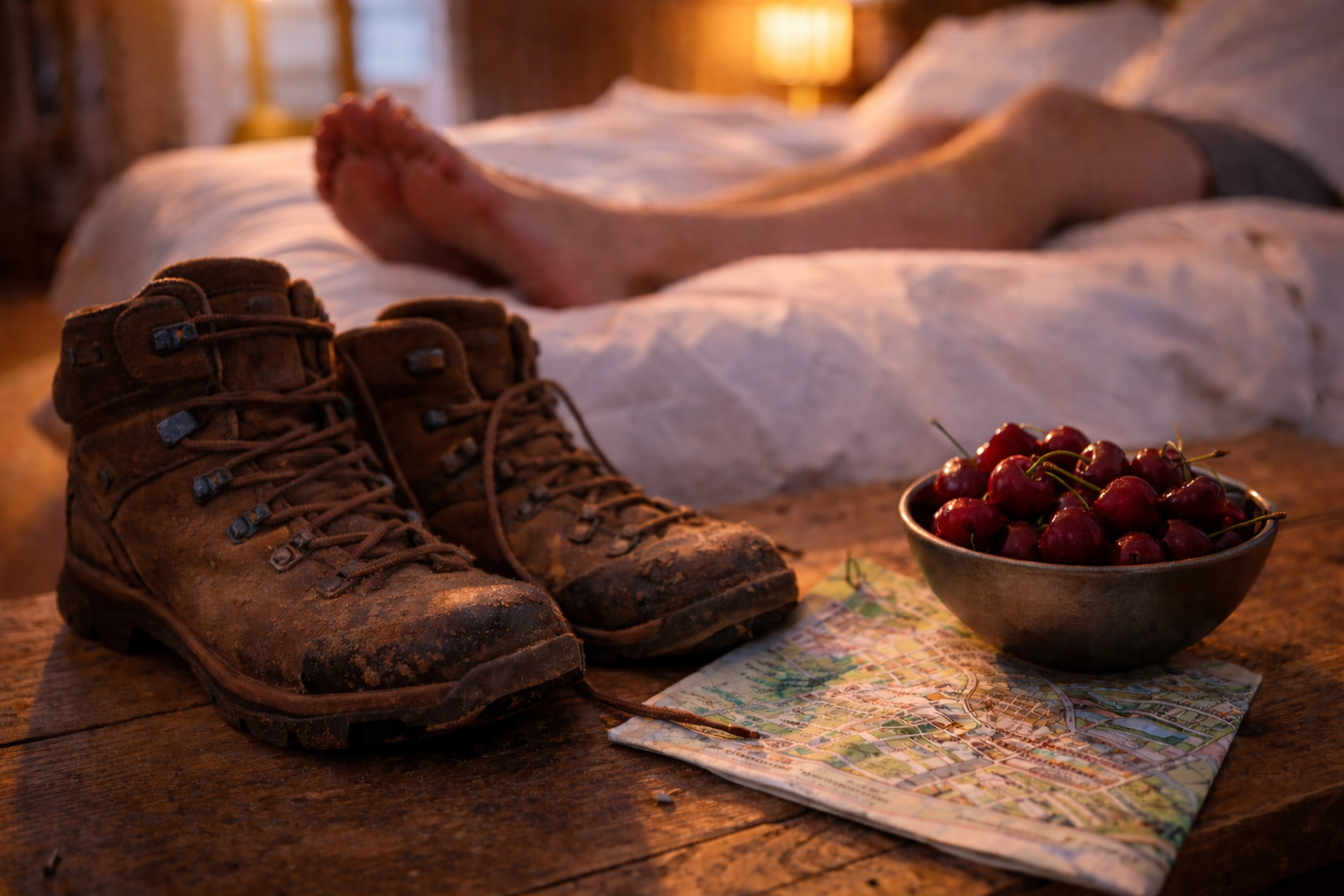
This kind of pacing matters especially for readers who are not full-time outdoor athletes. A lot of people love movement but still want energy left for dinner, photography, conversation, and actual enjoyment. If you schedule every day like a challenge, France starts to feel like work. If you alternate physical highlights with lighter regional pleasures, the trip feels expansive rather than tiring. That is the difference between an itinerary you survive and one you would actually want to repeat.
There is also a practical benefit to this approach: it increases resilience. Weather can shift, legs can get tired, and travel fatigue can hit unexpectedly. If your itinerary already includes softer days, you do not feel like one missed hike destroys the whole week. A strong outdoor adventures in France guide should always help readers protect the trip from their own overenthusiasm.
A Simple 7–10 Day Adventure Structure That Actually Works
For a week, the smartest structure is usually one major region plus one lighter contrast region or town-based add-on. Someone could, for example, spend most of the trip in the Alps with one final low-key stop in a lakeside or wine-town environment, or build a Loire cycling trip with a few château and market days as the counterweight. This creates both focus and variety without turning the trip into a transit project. The week feels complete because it tells one story well.
With ten days, readers can stretch into a two-region structure if they plan carefully. The important thing is choosing regions that contrast naturally rather than compete. Loire plus Alps, or Alps plus Provence-adjacent lowland recovery, can work because the experience shifts clearly. Loire plus Pyrenees can also work for someone who wants to begin gently and end more intensely. The principle is not maximum distance; it is emotional contrast.
This kind of structure is useful for travel content because it gives the reader something usable immediately. They do not just leave inspired—they leave seeing the shape of a real itinerary. That is why articles like this hold attention: they turn big outdoor ideas into a route someone can imagine themselves taking.
Conclusion: France Is Strongest When You Move Through It
France rewards travelers who move through it physically rather than only looking at it through windows and museum halls. The mountains, valleys, and routes of the country reveal something that city-only travel can miss: how much regional identity is built into the land itself. Skiing in the Alps, cycling through the Loire, or hiking in the Pyrenees does more than fill a day with activity. It makes the country legible through effort, pace, and landscape.
That is why outdoor adventures in France are such strong travel material. They combine beauty with decision-making, movement with memory, and practical planning with emotional payoff. Readers are not just looking for “what to do”; they are looking for what kind of trip will feel right. France can answer that question exceptionally well, as long as the trip is planned with clarity and rhythm.